Stocks & Umami Liquids
Clam Juice
Also: clam broth, clam liquor, clam stock
The ocean in a bottle: brine-forward, mineral, and quietly rich — the secret amplifier of chowders, pasta sauces, and Bloody Marys.
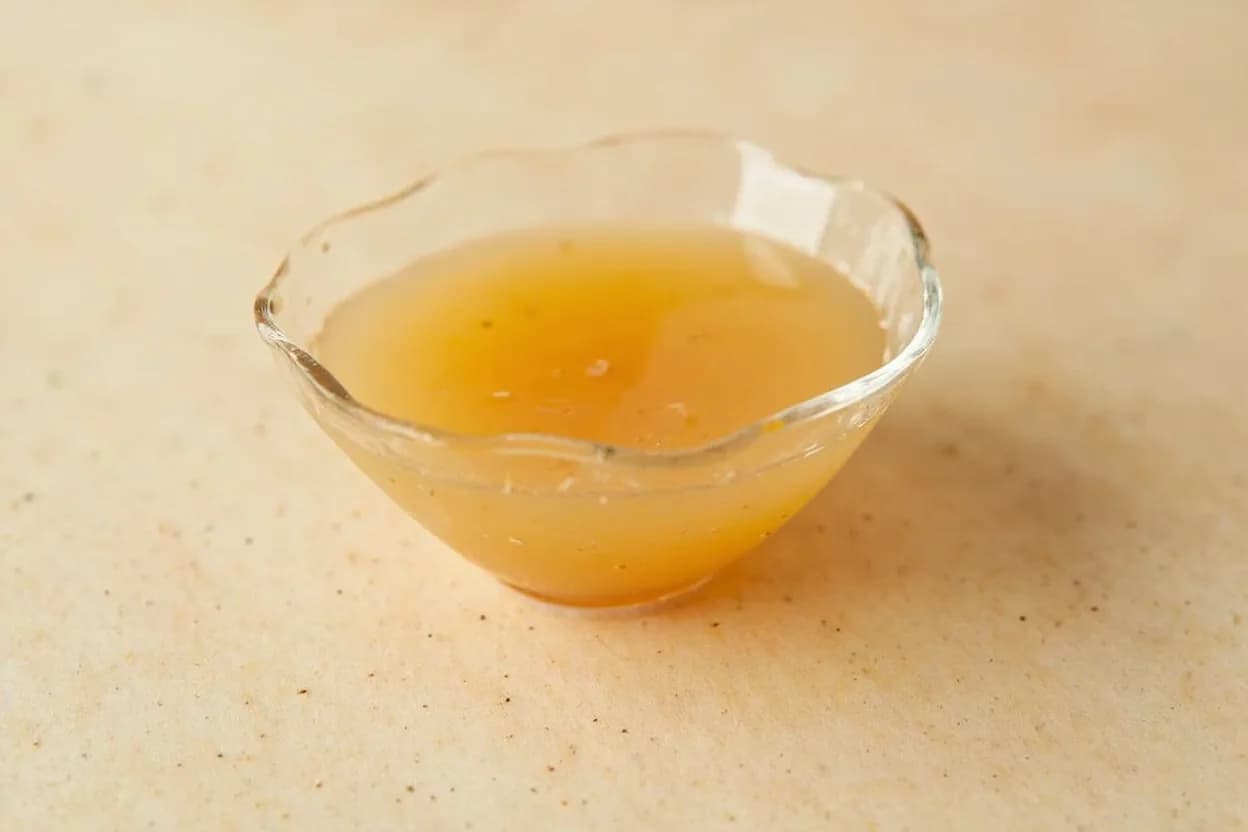
Clam juice is the filtered liquid expelled by steamed clams or extracted from fresh clam meat under pressure. Pale gold to amber in color, it carries the sea's essential minerals — sodium chloride, iodine, magnesium — alongside glutamate-rich amino acids from clam muscle protein. Its flavor is briny, faintly sweet, with a clean mineral finish and none of the fishiness associated with oily fish stocks. Bottled versions (Doxsee, Bar Harbor) are shelf-stable and concentrated; fresh steaming liquor is more complex but highly perishable. Used as a cooking medium rather than a finished beverage, clam juice is one of the most versatile umami-delivering liquids in the Western pantry.
In photos
Flavour profile
Classic pairings
- PotatoesAmerican (New England)
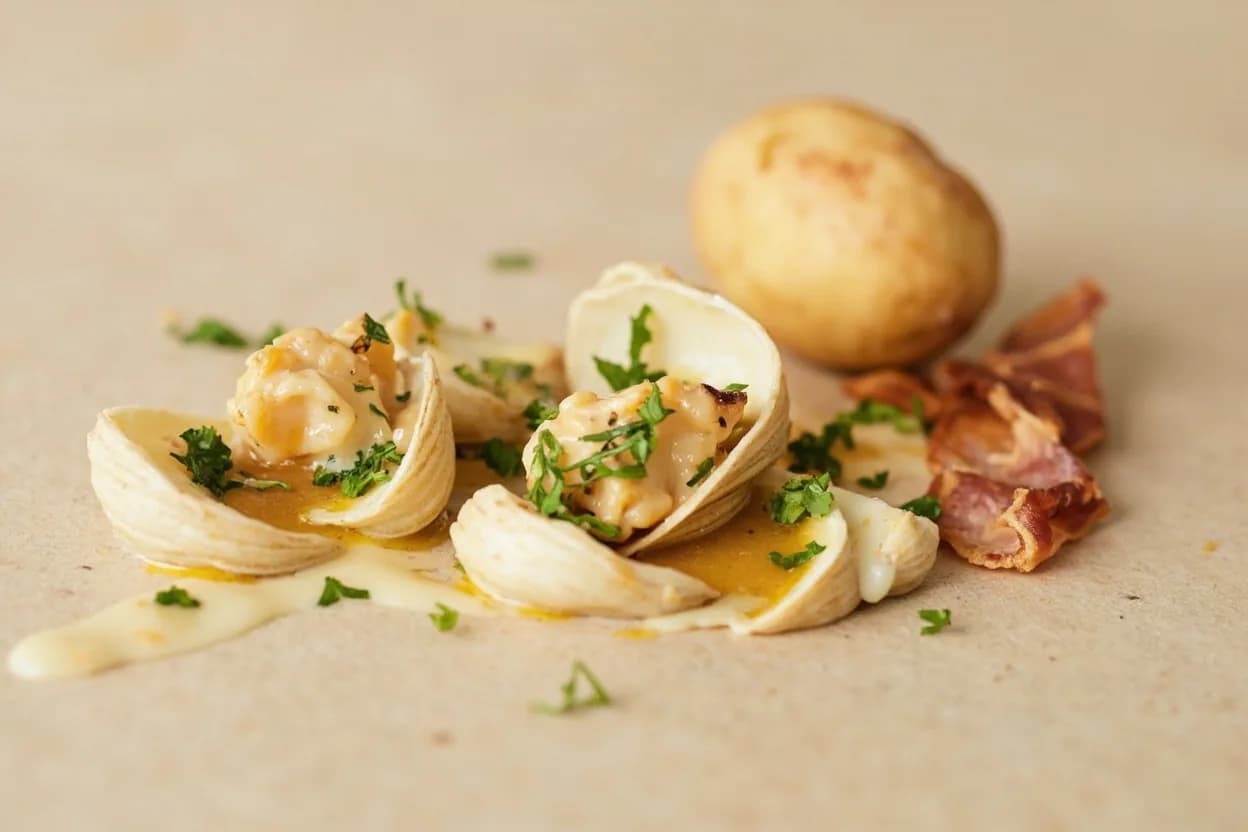
New England clam chowder's defining pairing: starchy potato absorbs clam juice's brine and umami, thickening the broth while softening its salinity into round, creamy earthiness.
- Bacon / salt porkAmerican (New England)
Rendered pork fat layered beneath clam juice creates the classic chowder base; the smoke and fat mellow brine while adding a complementary savory sweetness.
- White wine (dry vermouth or Muscadet)French, Italian-American
Equal parts white wine and clam juice form the standard steaming liquid for mussels and clams (marinière); the acidity of wine lifts clam juice's flat salinity into a bright, aromatic broth.
- Linguine / spaghettiItalian (Neapolitan)
Clam juice reduced with olive oil, garlic, and white wine becomes the sauce for linguine alle vongole; pasta starch emulsifies the liquid into a silky coating of pure sea flavor.
- TomatoAmerican (Manhattan), Italian-American
The Manhattan clam chowder formula: tomato's acidity and sweetness counterbalance brine, producing a lighter, Italian-inflected chowder and the base of many tomato-seafood braises.
- GarlicItalian
Garlic's sulfurous pungency blooms in clam juice's mineral base; their combination (aglio, olio, vongole) is one of the most copied flavor blueprints in seafood cooking.
- Worcestershire sauceNorth American cocktail
Clam juice blended with tomato juice and Worcestershire is the foundation of the Bloody Caesar (Canada's national cocktail) and enhanced Bloody Mary mixes; the two fermented umami liquids create compound savoriness.
Adventurous pairings
- Miso (white / shiro)
A small amount of white miso dissolved into clam-juice broth creates a hybrid dashi-like stock with layered umami — the ocean minerality of the clam meets the sweet fermented grain of miso without either dominating.
- Chorizo (Spanish)
Smoked paprika and pork fat in Spanish chorizo create a savory, spiced contrast to clam juice's mineral brine — a Portuguese-inspired cataplana in miniature, balanced by the juice's clean finish.
Clam juice is an ideal medium for saffron infusion: its neutral oceanic quality lets saffron's metallic-honey aroma fully develop, useful for seafood risottos and fish stews (bouillabaisse-adjacent preparations).
- Jalapeño / green chili
Fresh green heat plays against clam juice's iodine depth in ceviche-style broths and pozole de mariscos; capsaicin's warmth opens up the broth's mineral notes.
- Fennel fronds and Pernod
Fennel's anise sweetness and Pernod's licorice-alcohol note round out clam juice's brine in a Provençal-style mussel broth or shellfish gratin base.
Clam juice stirred into coconut milk with lemongrass and galangal forms the base of a Southeast Asian clam curry; the brine anchors the cream while tropical aromatics keep it light.
Tread carefully
- Strong aged cheeses (Parmesan, Pecorino)avoid
The Italian rule 'no cheese on seafood' exists for this pairing: aged cheese's assertive lactic funk clashes with delicate marine minerals and produces a muddy, off-putting flavor combination.
- Red wine (in the cooking liquid)avoid
Red wine tannins react with clam juice's proteins and minerals to produce a metallic, grey-tinged broth; white wine or dry vermouth is always the correct pairing.
- Heavy cream (large quantities without acid)avoid
Cream can curdle in clam juice without acid balance; and in excess it smothers the defining marine character entirely, producing a sauce that tastes of cream rather than sea.
How to use it
- Reduce by half with dry white wine to concentrate flavor before adding to risotto or chowder
- Use as the poaching liquid for shrimp, scallops, or white fish fillets
- Deglaze a shellfish-browning pan with clam juice to lift the fond into a pan sauce
- Freeze in ice-cube trays and add cubes to pasta water for a lightly briny base
- Blend with tomato juice (1:1), celery salt, and Worcestershire for Caesar mix
Appears in
Related flavours
Classic deglazing and steaming partner; acid complements brine.
- Fish Stock (Fumet)
Overlapping marine-umami function; can substitute or blend.
- Mussels
Share the same bivalve minerality; steaming liquors are interchangeable.
Japanese equivalent — kombu and katsuobushi-based — for layered umami in broths.
References
- 1.Child, Julia. The French Chef Cookbook. Knopf, 1968
- 2.Beard, James. James Beard's American Cookery. Little, Brown, 1972
- 3.McGee, Harold. On Food and Cooking: The Science and Lore of the Kitchen. Scribner, 2004
- 4.Fabricant, Florence. 'Clam Juice: A Cook's Secret Weapon.' The New York Times, 1998
Confidence: high
Notes
Bottled vs. fresh
Commercial bottled clam juice (Doxsee being the U.S. standard) is reliable, salty, and shelf-stable but lacks the delicate sweetness of fresh steaming liquor. Strain the liquid from a pot of steamed littlenecks for the best result; use immediately or freeze within 48 hours.
Salt management
Bottled clam juice is already well-salted. When reducing or combining with other salty elements (bacon, capers, anchovies), hold back all other salt until tasting at the finish — over-salted chowder is among the most common outcomes.