Preserved & Cured Fish
Fermented Fish Paste (Belacan)
Also: blachan, balachan, terasi, trassi, kapi, shrimp paste
The pungent, umami-dense backbone of Southeast Asian cooking that transforms into something deeply savory once toasted or cooked.
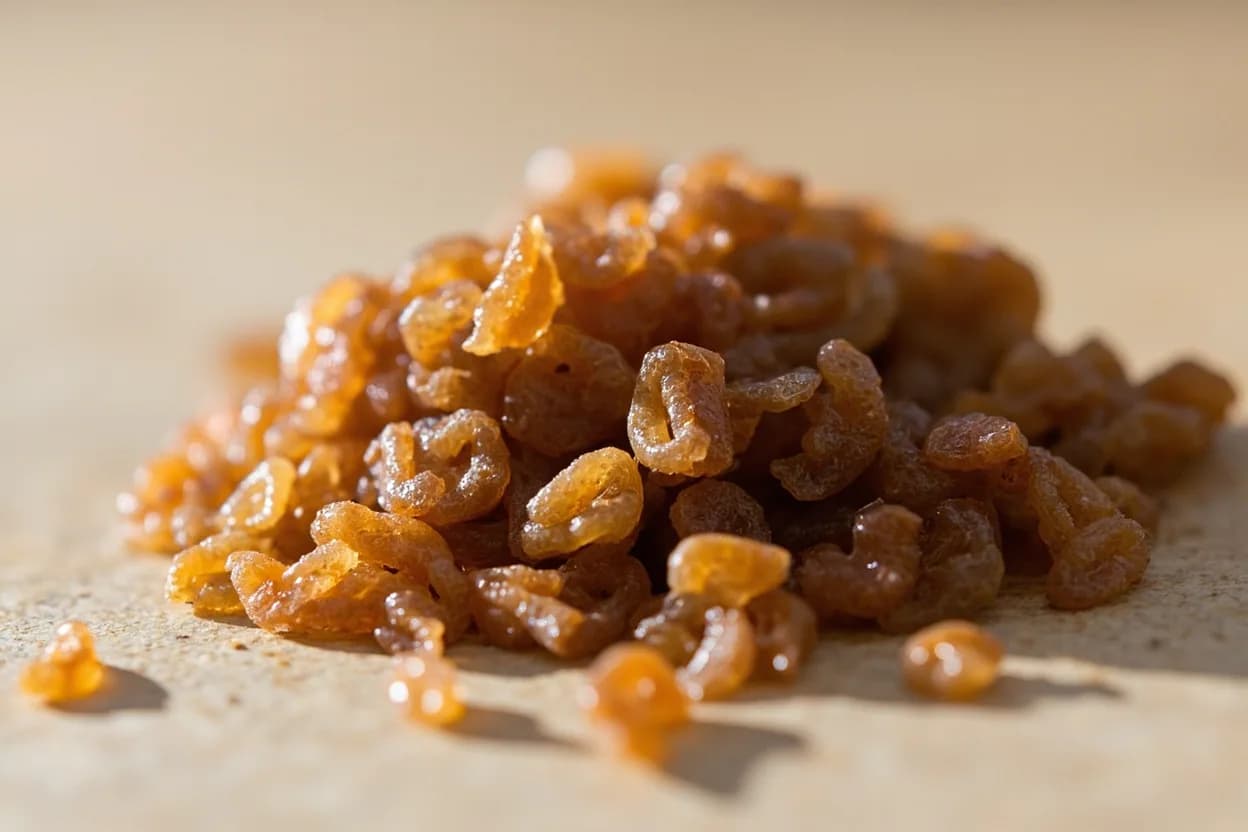
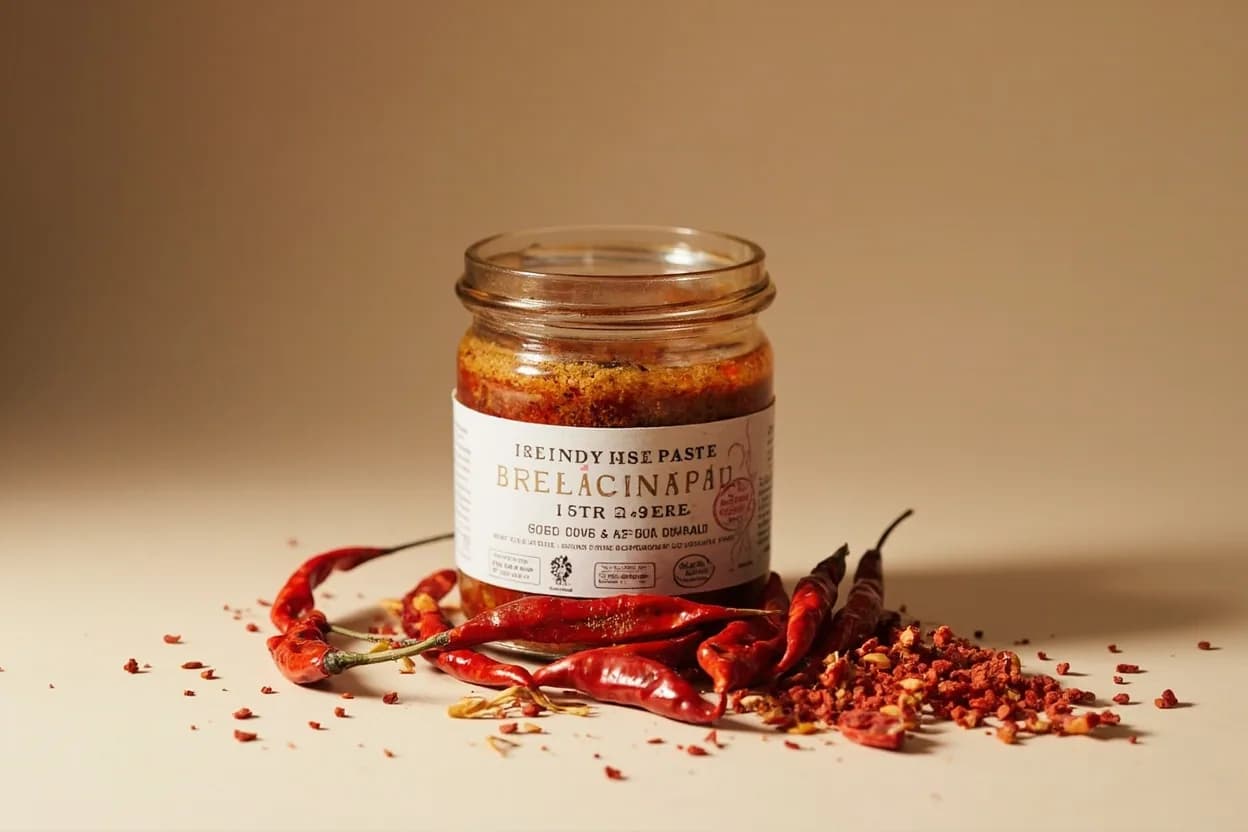
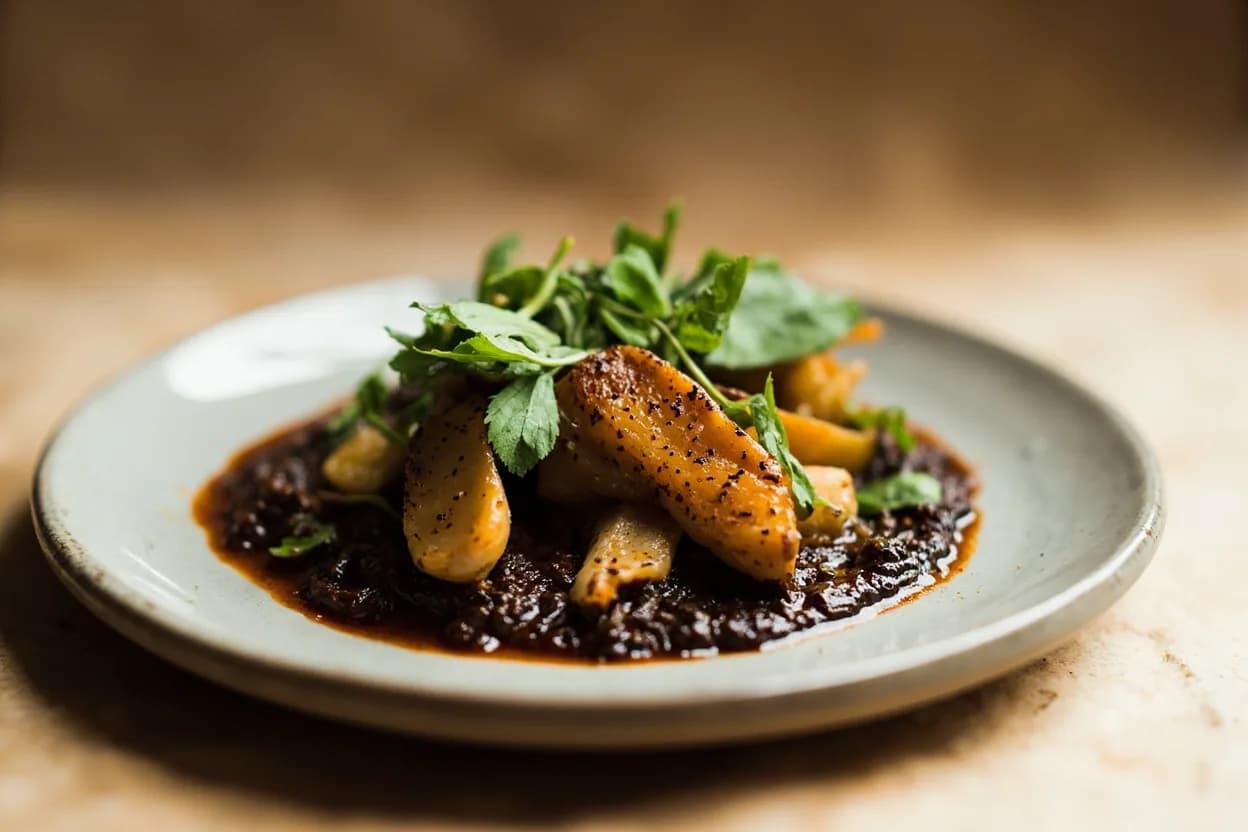
Belacan is a firm, dark-brown block of fermented shrimp paste made from tiny shrimp (Acetes) that have been sun-dried, salted, and allowed to ferment for weeks to months before being pressed into blocks. Raw, it has an aggressive, ammoniac fishiness; once toasted in a dry pan or fried in oil, it mellows into a profound, almost meaty umami with roasted, slightly sweet shrimp character. It is the irreplaceable base note of Malaysian and Indonesian cooking — the paste that gives sambal, laksa, and nasi lemak their oceanic depth.
In photos
Flavour profile
Classic pairings
- Fresh red and dried chiliesMalaysian, Indonesian
The fat-soluble capsaicin compounds in chili carry belacan's aromatic esters in sambal, creating the canonical Southeast Asian flavor base — heat that amplifies rather than masks the fermented depth.
- LemongrassMalaysian, Singaporean
Lemongrass's bright citral cuts through belacan's heaviness in laksa pastes, providing a clean high note that anchors the fishy funk below it.
- GalangalThai, Malay
The piney, peppery warmth of galangal smooths belacan's sharp edges in curry pastes, adding an aromatic lift that reads as earthy complexity.
- Coconut milkMalaysian, Indonesian
Coconut fat emulsifies belacan's volatile compounds in laksa and rendang sauces, rounding its intensity into a silky, saline richness.
- Kaffir lime leavesMalaysian, Thai
The volatile oils in kaffir lime provide citrus brightness that lifts belacan's umami in nasi kerabu and sambal preparations — a classic aromatic partnership.
- ShallotsMalaysian, Indonesian, Singaporean
Fried shallots contribute sweetness and body that temper belacan's salinity — nearly every sambal builds on this pairing as its sweet-savory scaffold.
- Long beans (yard-long beans)Malaysian (sambal long beans)
The crisp neutrality of long beans absorbs belacan-based sambal dressing beautifully — the bean's grassy flavour is transformed by the paste's umami.
- Lime juiceMalaysian
Acid brightens and lifts belacan's heaviness in sambal belacan (the condiment), cutting through salt and ferment with citrus sharpness.
Adventurous pairings
Belacan's glutamates and chocolate's theobromine create unexpected umami synergy in mole-inspired sauces — a deeply savory chocolate that reads as complex rather than fishy.
- Roasted brassicas (cauliflower, Brussels sprouts)
Belacan's sulfur compounds resonate with the isothiocyanates in roasted brassicas, producing a loud, satisfying savoriness — sambal-roasted cauliflower has become a modern classic.
- Butter
Toasted belacan whisked into compound butter creates a Southeast Asian umami bomb for grilled corn, steamed crab, or sautéed greens — fat carries the aroma elegantly.
- Tomato
Tomato's natural glutamates double-down on belacan's umami in sambal tomat — the acidity also lifts the paste's saltiness into something bright and layered.
- Aged parmesan
Both are glutamate powerhouses — a tiny amount of toasted belacan stirred into a pasta sauce or risotto amplifies the Parmesan's savory depth without reading as Asian.
Tread carefully
- Delicate white fish (sole, flounder)avoid
Belacan's intensity overwhelms delicate, sweet-fleshed fish; its fermented funkiness crowds out the subtle flavor you'd be trying to preserve.
- Dairy cream saucesavoid
Raw belacan's ammoniac sharpness curdles against cream's sweetness — if using, always toast the paste first and introduce it in small quantities.
- Vanillaavoid
Vanilla's floral sweetness clashes with belacan's pungent sulfurous character — no productive tension exists between these two flavor poles.
How to use it
- Toast in a dry pan over medium heat until fragrant and slightly dry — this removes the raw ammonia bite and releases roasted shrimp aroma
- Wrap in foil and roast briefly if you want even, smoke-free toasting
- Pound with shallots, chilies, and aromatics in a mortar and pestle to build sambal pastes
- Dissolve a tiny amount in stir-fry oil as a base-building step before adding vegetables
- Bloom in hot coconut oil as the first step of a curry or laksa paste
Appears in
Related flavours
Liquid cousin — both are fermented fish products; fish sauce is used when a wet, salty umami is needed rather than a solid paste base
Both are fermented pastes that form the backbone of a national cuisine's spice profile — belacan is to Malaysian cooking what gochujang is to Korean
Shares the fermented umami depth; miso can substitute in non-traditional contexts where belacan's shrimp character would be unwanted
References
- 1.The Food of Malaysia — Wendy Hutton (Periplus, 2015)
- 2.Cradle of Flavor: Home Cooking from the Spice Islands of Indonesia, Malaysia, and Singapore — James Oseland (W.W. Norton, 2006)
- 3.On Food and Cooking: The Science and Lore of the Kitchen — Harold McGee (Scribner, 2004)
- 4.The Complete Asian Cookbook — Charmaine Solomon (Tuttle Publishing, 2011)
Confidence: high
Notes
Always toast first
The single most important technique with belacan is toasting. Raw paste smells ferocious — ammoniac, sulfurous, almost overwhelming. A few minutes in a dry skillet or wrapped in foil over a gas flame transforms it: the volatile amines burn off, the shrimp proteins undergo Maillard reactions, and what remains is richly savory with a pleasant roasted-ocean quality. Do not skip this step when using belacan uncooked in a sambal.
A little goes a long way
Belacan is a seasoning, not a main ingredient. A typical sambal uses only 1–2 teaspoons of paste to serve four; a laksa paste might use a tablespoon for a pot serving six. Overuse doesn't add more flavor — it adds a brackish, overpowering fishiness that no amount of lime or sugar can rescue.