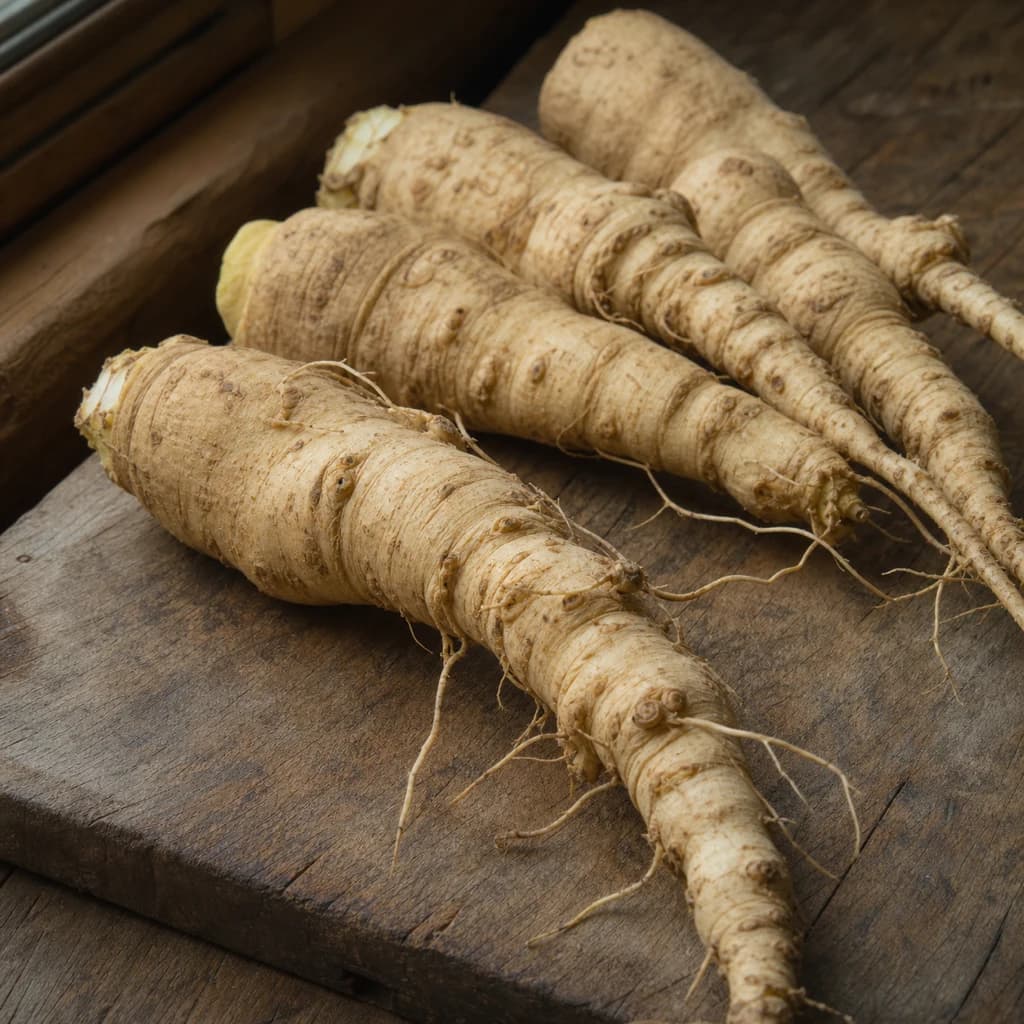
Natural form
Whole arracacha roots showing their knobby, elongated shape and pale tan exterior.
Shows the reader the raw ingredient as found in markets — distinctive shape, color, and scale help with identification.
Produce
Arracacha
Andean root vegetable tasting between carrot, celery, and potato, used in stews.
Arracacha is a starchy Andean root vegetable with creamy white, yellow, or purple flesh and a flavor reminiscent of carrot, celery, and roasted chestnut. It is boiled, fried, or simmered into South American soups and stews like Colombian sancocho, and ground into flour. The root cooks faster than potato and turns soft and fragrant.
Arracacha (Arracacia xanthorrhiza) is a treasured root vegetable from the high Andes, where it has sustained communities in Colombia, Peru, and Bolivia for thousands of years. Despite its relative obscurity outside South America, it ranks as the third most important root crop in Colombia and fills a role similar to the potato in Andean cuisine—though its flavor profile is distinctly different. The taste falls somewhere between a carrot's sweetness, celery's earthy undertones, and a potato's starchy comfort, making it uniquely versatile in the kitchen. Its creamy white to pale yellow flesh has a finer texture than potato and contains less starch, which means it cooks faster and absorbs fat less readily than potato.
Unlike many root vegetables, arracacha belongs to the Apiaceae family—the same as carrots, celery, and parsley—and this botanical kinship shows in its delicate, aromatic quality. The root grows 10–20 cm long and 5–8 cm in diameter with thin brownish-yellow skin, and it bruises easily, requiring gentle handling from market to plate. Its lower starch content gives it a smoother, almost silky texture when cooked, and it digests more easily than potato, making it a favored ingredient in baby food and therapeutic diets throughout the Andean region. The entire plant is edible: young leaves and stems cook like greens, similar to celery, and are often sold with the roots still attached in traditional highland markets.
In terms of cooking behavior, arracacha performs differently than potato in ways that matter practically. It breaks down faster when simmered, purees into a smoother mass, and holds its shape more delicately. These characteristics make it excellent for thickening soups and creating creamy purees, but they also mean that recipes designed for potato require adaptation. Used with confidence, arracacha brings a sweetness and elegance to dishes that potato alone cannot achieve.
- Measured in
- g
- Storage
- Pantry
Types & varieties
Most widely cultivated; sweetest and most prized variety
Milder flavor; more starchy texture
Less common; slight purple pigmentation near the skin
The Whole Plant
While the root takes center stage in commerce, Andean cooks waste nothing. Young leaves and tender stems are cooked like celery or leafy greens—often added to soups and stews for their subtle bitterness and nutritional value. In traditional highland markets, vendors commonly sell the entire plant with leaves and stems still attached, a reminder that arracacha is a complete food source, not just a utility root. When using the greens, treat them like spinach or Swiss chard: sauté with garlic and onion, or add them to simmering soups in the last few minutes of cooking.
- Leaves cook quickly; add to soups in the last 5 minutes to prevent overcooking
- Stems can be treated like celery—diced and added to soffritto or braises
- Young leaves have the mildest flavor; older leaves may be slightly bitter
Andean Traditions
In Colombia, arracacha anchors beloved regional dishes that have sustained families for generations. Ajiaco bogotano combines arracacha with chicken, three kinds of potato, corn on the cob, capers, and cream into a restorative soup that reflects the biodiversity of the high Andes. Sancocho and mute santandereano similarly rely on arracacha to add sweetness and body to rich pork-based broths. In Peru and Bolivia, the root appears in hearty stews alongside other native tubers like oca, mashua, and yacon—a mix that showcases the sophistication of Andean agriculture and cuisine. These dishes are not merely food; they are cultural documents, carrying the flavors and knowledge of highland communities across centuries.
- Ajiaco: arracacha + chicken + three potatoes + corn + capers + cream
- Sancocho: pork or beef broth with arracacha, plantain, and other tubers
- Mute santandereano: thick pork stew with arracacha and fresh cheese
Common uses
Tips & pitfalls
- Peel thoroughly before cooking—the skin is tough and adheres tightly to the flesh when raw, becoming unpleasant if left on
- Immediately submerge peeled pieces in acidulated water (water with a squeeze of lemon juice) to prevent oxidative browning
- Cook faster than potato; check for tenderness after 15–20 minutes of boiling rather than waiting 25–30 minutes
- Select firm, unblemished roots; avoid any with soft spots, visible cracks, or a rubbery feel
- When mashing, add butter or cream gradually for a smoother, more emulsified result
- Do not overcook or the flesh becomes watery and loses its pleasant structure—arracacha should hold its shape when cut
- Common mistake: assuming potato-like behavior in recipes—arracacha has less starch and absorbs fat less readily, so reduce cooking times and adjust expectations for gravy thickness
- Combine with potato in equal parts for stews where it adds sweetness and creaminess without overwhelming the dish
- Handle gently like fresh ginger; the root bruises easily and damaged areas oxidize quickly
Nutrition
Energy
314 kJ · per 100 g
Where the calories come from
Protein
1.2g
2% DV
Carbs
18g
7% DV
Fat
0.3g
0% DV
Fiber
4.9g
18% DV
Sugars
4.8g
of which
Sodium
10mg
0% DV
Source · USDA FoodData Central · Parsnips, raw
View on FDC →In the shops
Matched grocery products
No matched grocery products for Arracacha yet.
Good to know
- Scientific name
- Arracacia xanthorrhiza
- Family
- Apiaceae (same as carrots, celery, parsley)
- Origin
- Andes of Colombia, Peru, and Bolivia
- Growing altitude
- 1,800–3,000 meters
- Harvest time
- 9–12 months after planting
- Root size
- 10–20 cm long, 5–8 cm diameter
- Skin color
- Thin brownish-yellow
- Flesh color
- Creamy white to pale yellow
- Starch content
- Lower than potato; cooks faster
- Storage
- 2–3 weeks in cool, dark, dry conditions
- Cultural significance
- Staple crop of Andean highlands for thousands of years; third most important root crop in Colombia
Substitutes
- Parsnip — Closest flavor match; slightly sweeter and denser; similar cooking times
- Potato, half-and-half with celery root — Potato alone lacks the celery note; combining with celery root approximates arracacha's sweet-earthy profile
- Sunchoke (Jerusalem artichoke) — Similar sweet-nutty flavor; similar low-starch texture and quick cooking
- Carrot — Shares the sweet-carrot note but is denser; use in smaller proportions in cooked dishes
Pairs with
Also called
Arracacha · Peruvian Parsnip · White Carrot
Related
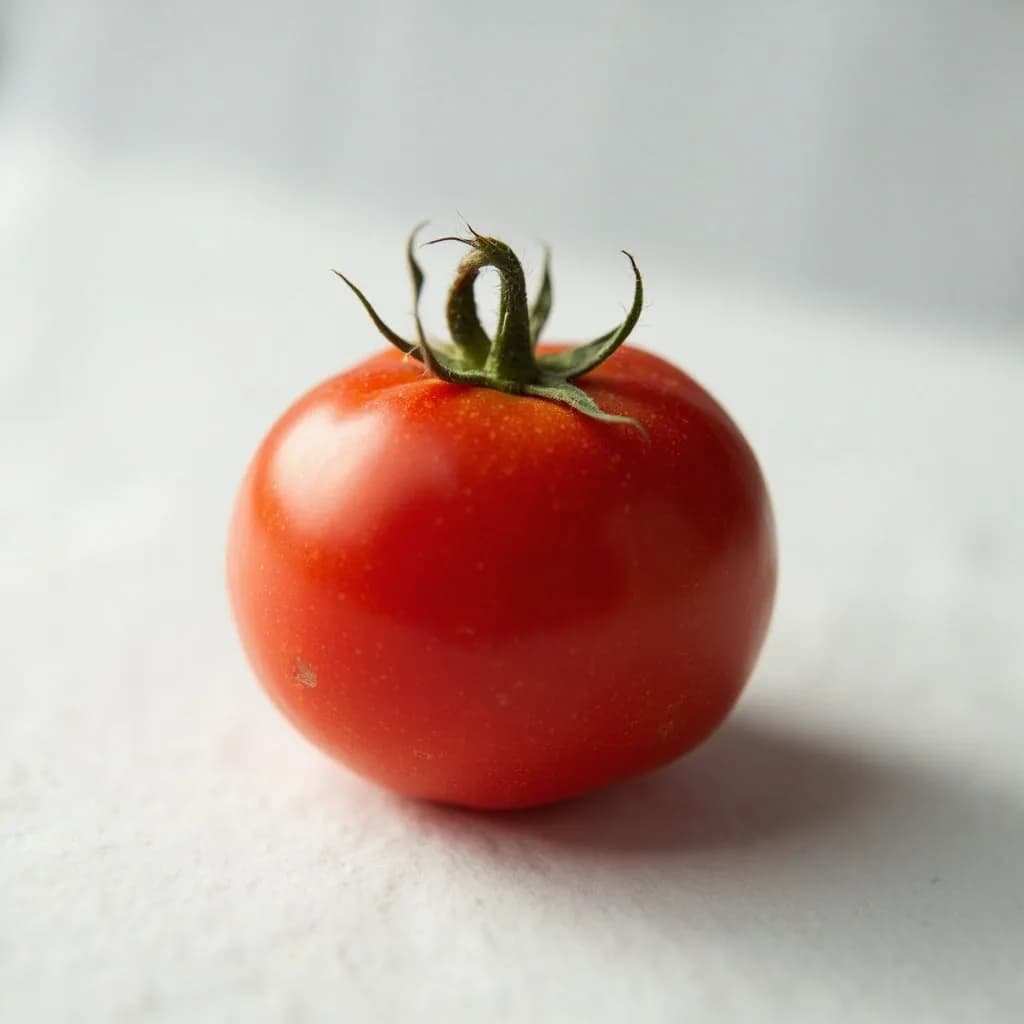
Tomato
Juicy, sun-sweet fruit for sauces, salads, and slow-cooked depth
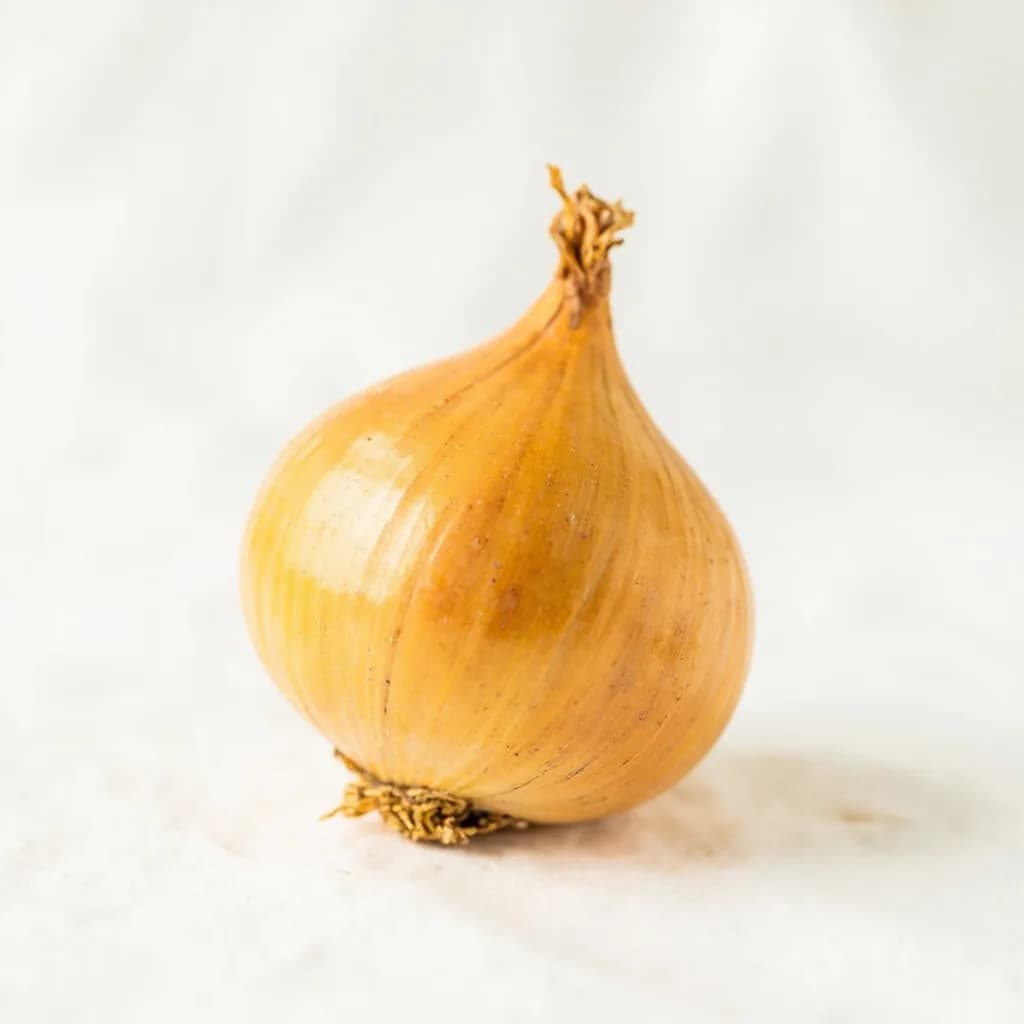
Yellow Onion
The aromatic backbone of soups, sofritos, and braises
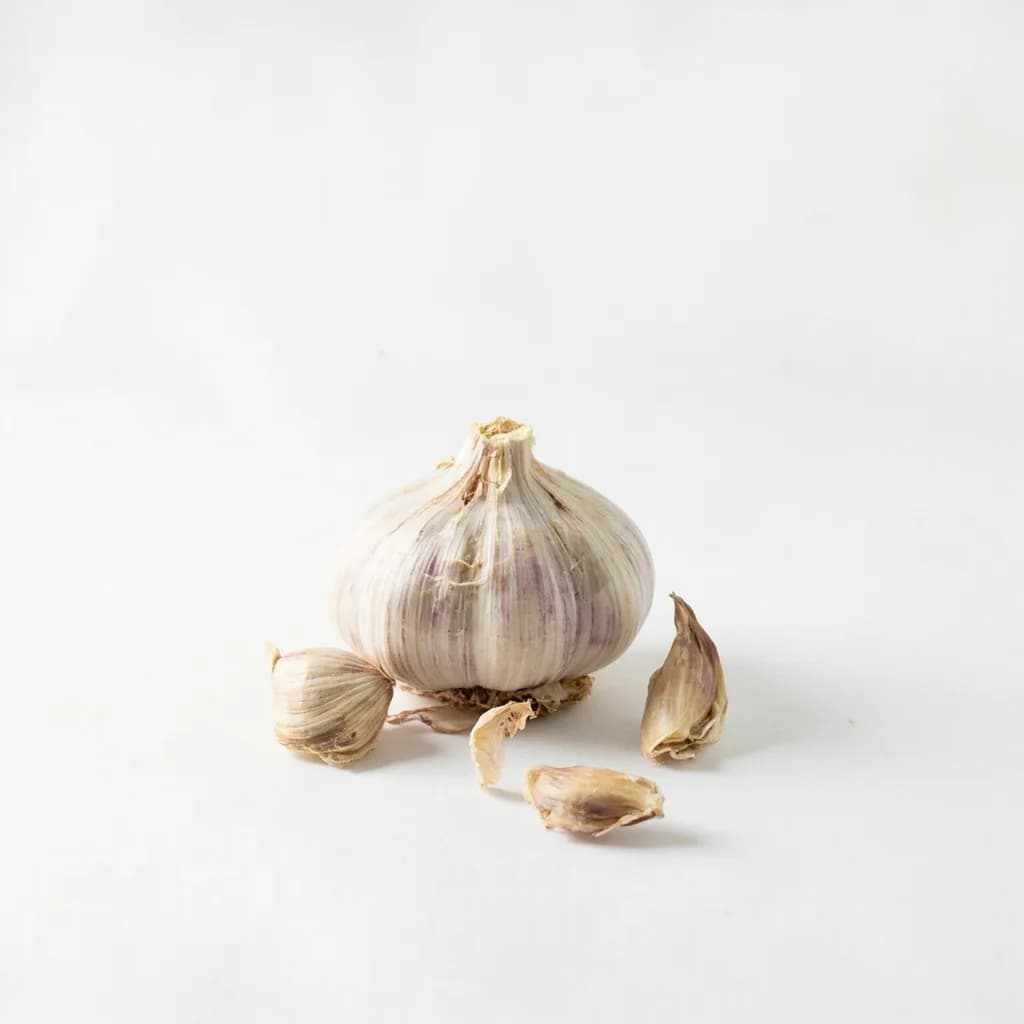
Garlic
Pungent cloves that perfume nearly every savory dish
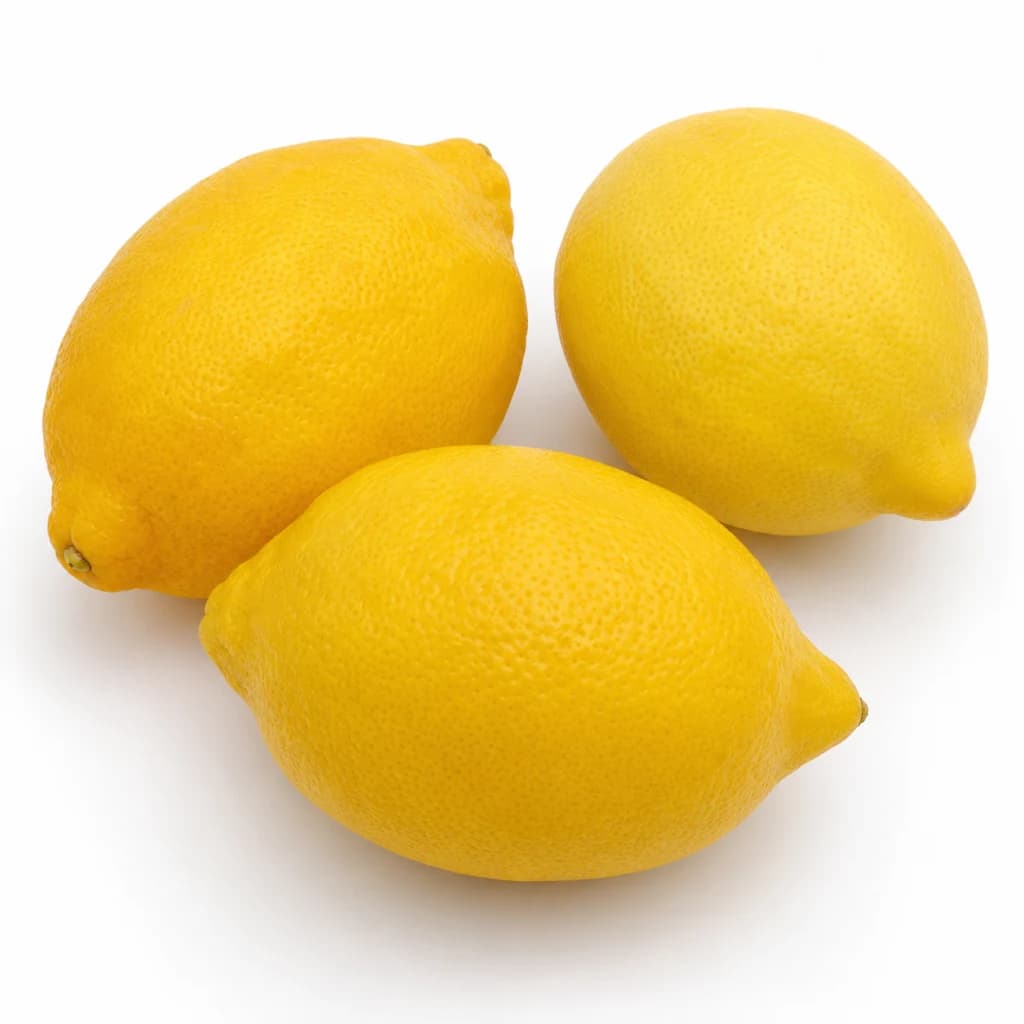
Lemon
Bright, acidic citrus that wakes up almost any dish
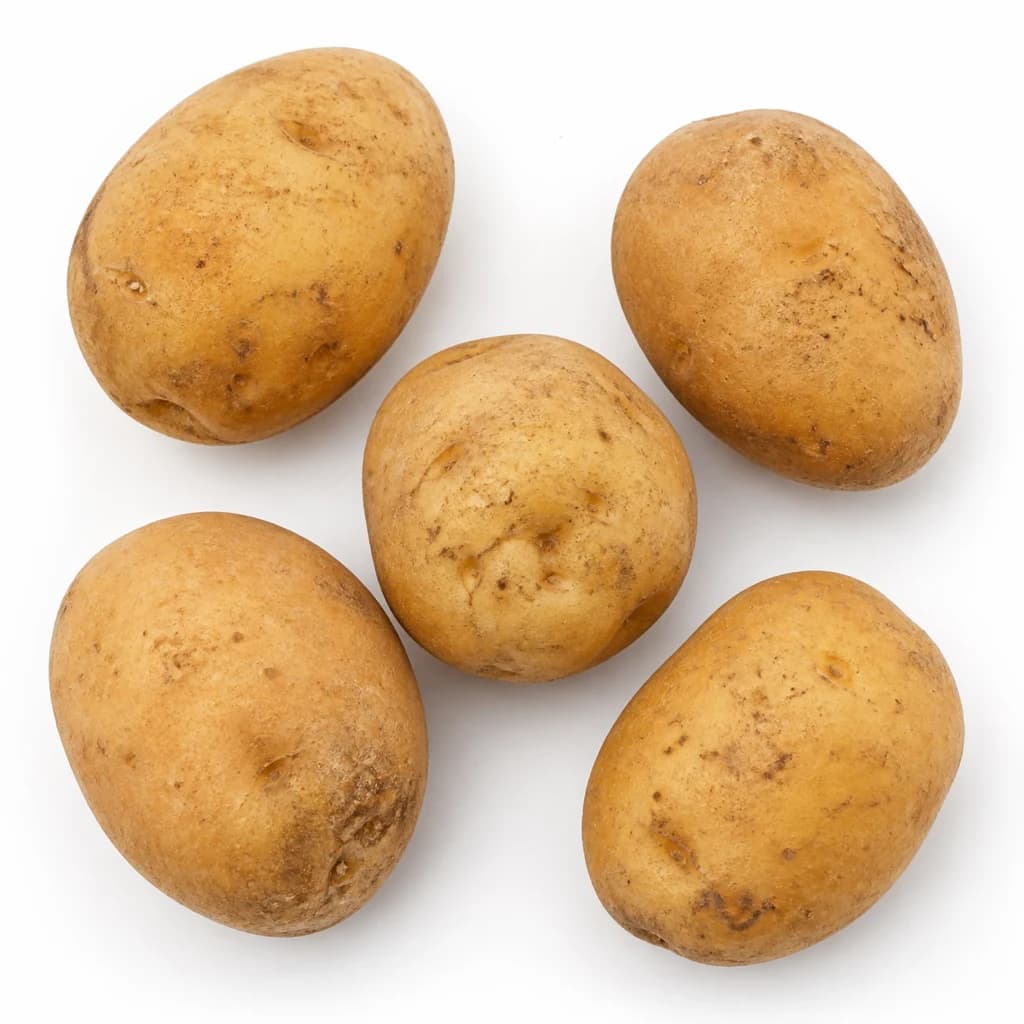
Potato
Humble, hearty staple — roast, mash, fry, or boil
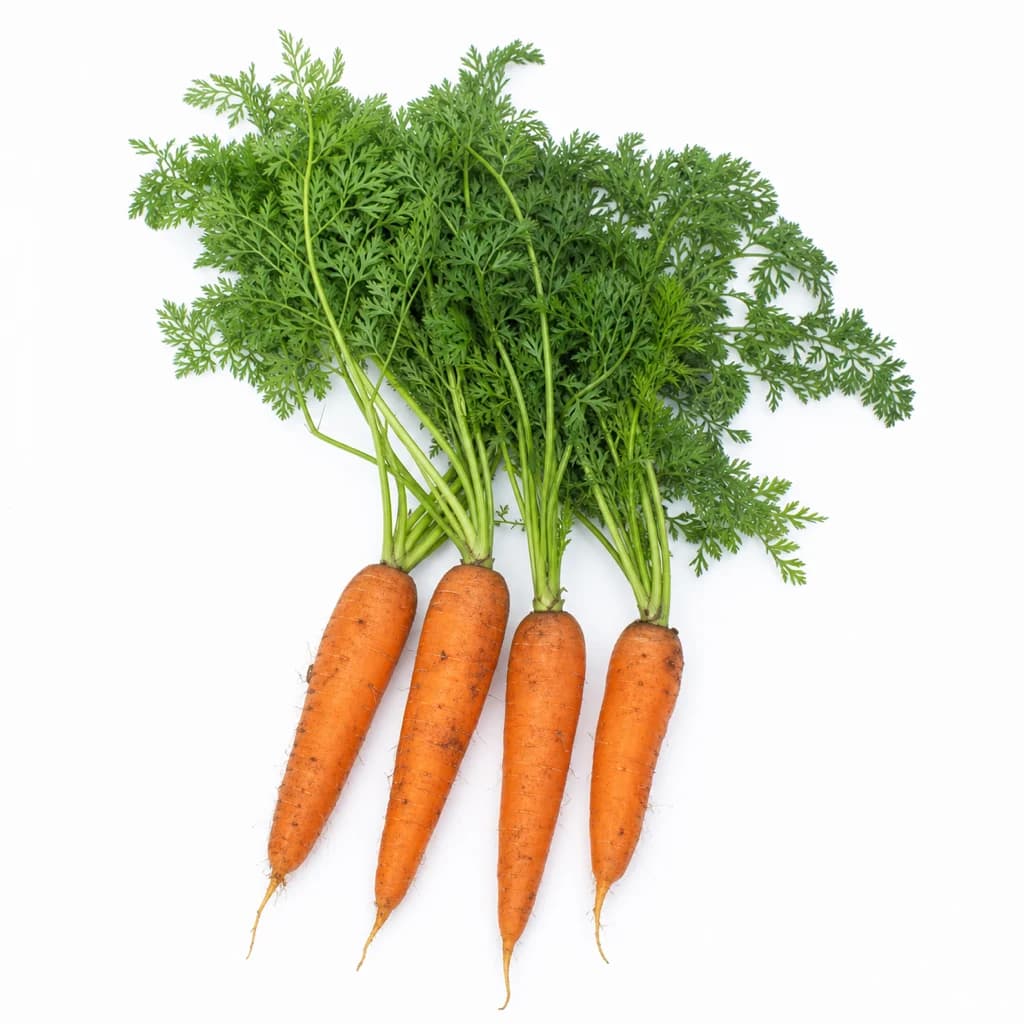
Carrot
Sweet, crunchy root — raw, roasted, or the base of a sofrito
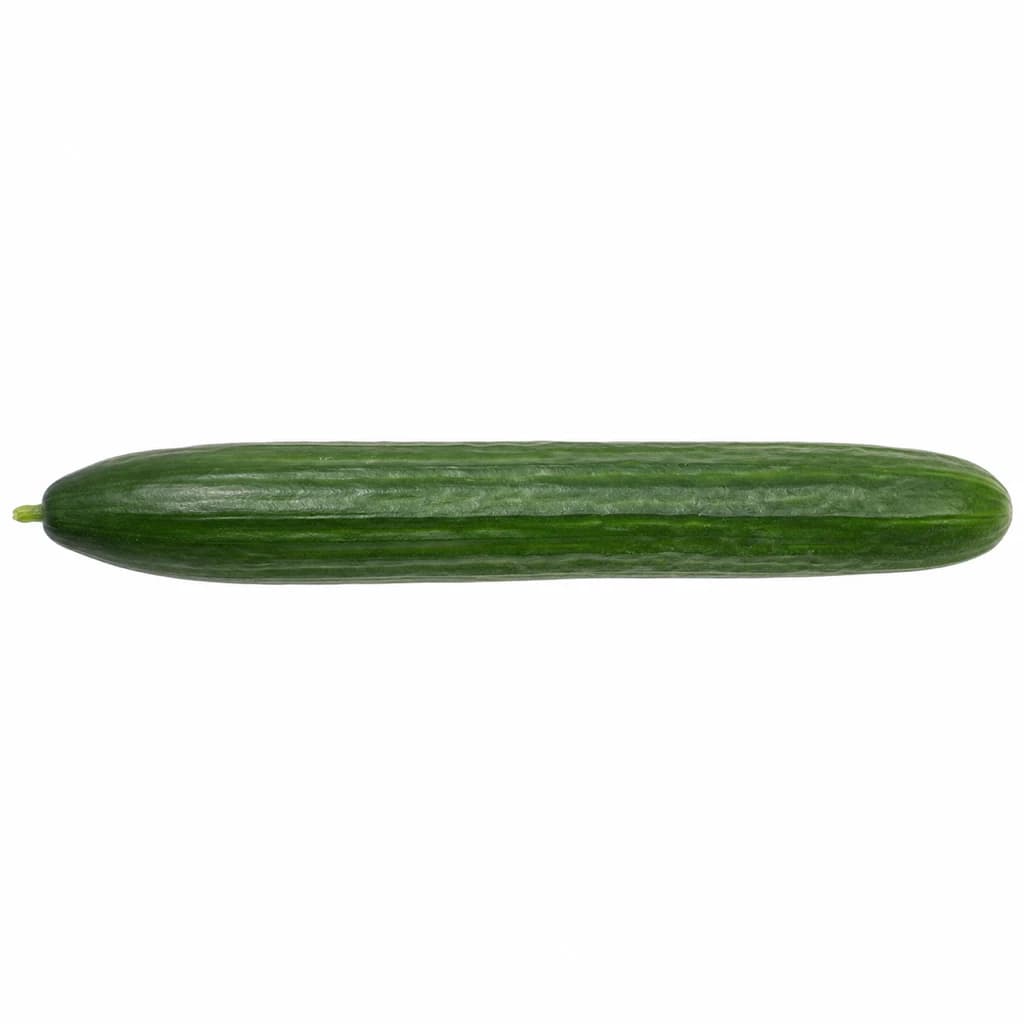
Cucumber
Cool, crisp, and watery — for salads, pickles, and tzatziki

Lettuce
Crisp leaves for salads, wraps, and a fresh crunch