Grains & Rice
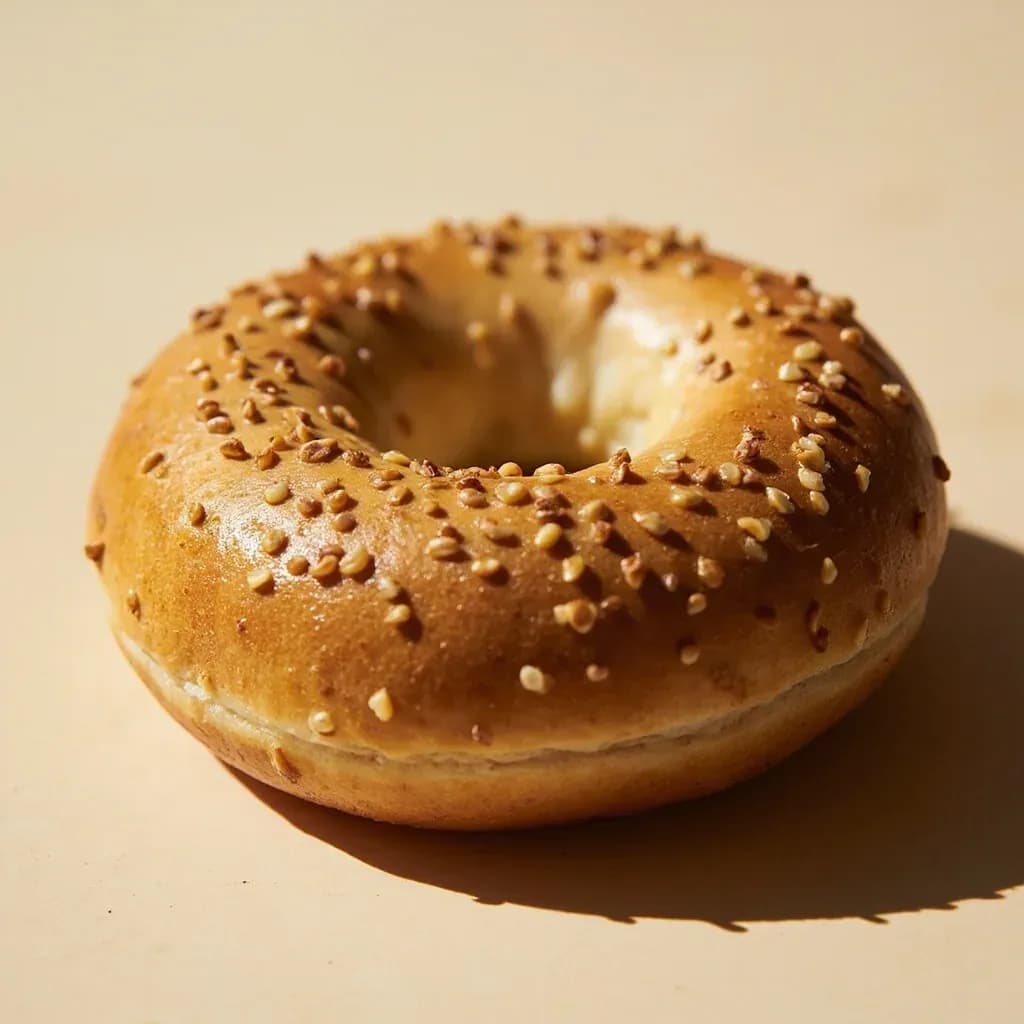
Bagel
Dense ring-shaped bread boiled then baked for a chewy crust.
A bagel is a ring of yeasted wheat dough that is boiled before baking, giving it a glossy, chewy crust and dense interior. It is a Jewish-American and Canadian staple, sliced and toasted for cream cheese and lox or sandwiches. The honey-water boil of the Montreal style yields a sweeter, denser bagel than the New York version.
The bagel is a dense, ring-shaped bread distinguished by a two-step cooking process: brief boiling in sweetened water followed by hot baking. This combination creates its signature texture—a glossy, chewy crust paired with a dense but yielding interior. The boil is not merely a preliminary step; it gelatinizes the starches on the surface, forming that characteristic crust that resists sogginess and gives the bagel its structural integrity. High-gluten flour is essential, producing the chewy bite that sets a proper bagel apart from ordinary bread rolls.
The bagel originated in Poland during the 16th–17th century and was brought to New York City's Lower East Side by Polish-Jewish immigrants in the late 1800s, where it became deeply embedded in American food culture. The defining regional rivalry lies between New York style—water-boiled and baked in deck ovens—and Montreal style, which uses a honey-water boil, higher hydration dough, and wood-fired or stone-deck ovens. Montreal bagels are notably sweeter and denser with a thinner crust. Hand-shaping (rolling dough into a rope and sealing the ends) remains the preferred method for artisan-quality bagels, though machine-shaping became common in the mid-20th century.
Modern bagel culture spans from traditional deli applications to contemporary café fare. The Everything bagel—coated with sesame seeds, poppy seeds, dried garlic, dried onion, and sea salt—has become the most popular variety in the United States. Though commercial chains dominated the 1990s–2000s, demand for smaller-batch, traditionally made bagels has grown significantly since the 2010s, reflecting a broader appreciation for craft baking methods.
- Measured in
- piece
- Storage
- Pantry
Allergens
Types & varieties
Slightly sweet malt water boil, deck-oven baked; chewy with a thin, shiny crust
Higher hydration dough, honey in boil water, wood-fired or stone-deck oven; sweeter, denser, crispier crust; never boiled in plain water
Coated with sesame seeds, poppy seeds, dried garlic, dried onion, and sea salt before baking; most popular variety in the US
Coated with poppy seeds; mildly nutty flavor
Contains dried onion bits in the dough and/or on the crust
Made with partial or full whole wheat flour; denser, nuttier; often needs higher hydration
Made with pumpernickel flour or coarse rye; dark color, earthy, mildly sweet
Sweet variety with cinnamon and raisins; best lightly toasted
Coated or filled with Asiago or cheddar; savory, mild sharpness
Contains eggs in the dough; golden color, richer, slightly sweeter; common in New York delis
Related but distinct: indented center instead of a hole, topped with onion and sometimes poppy seeds; not boiled, just baked
The Boil-Bake Method
The combination of boiling and baking is what separates a true bagel from other breads. The boil sets the exterior starches, creating a thin, glossy skin that becomes crisp during baking while the interior develops its characteristic dense, chewy crumb. Skipping the boil produces a roll with a hole, not a bagel. Use malt syrup, honey, or sugar in the boiling water (about 1–2 tablespoons per quart) to encourage browning and add subtle sweetness.
- Boil 30–60 seconds per side; do not overcook or the bagel will become too dense
- The hole serves a functional purpose: it ensures even cooking from center to edge
- Montreal-style bagels use only honey in the boil water, never plain water
- Water temperature should be a vigorous simmer, not a rolling boil
Storage and Revival
Proper storage preserves the bagel's texture. Room temperature works for 1–2 days in a paper bag (the bag allows air circulation, preventing sogginess). Never refrigerate—a refrigerator accelerates staling dramatically. For longer storage, freeze immediately after purchase. To revive a stale bagel, run briefly under cold water on both sides, then bake at 375°F (190°C) for 5–8 minutes until the crust crisps and interior softens. This method restores both texture and freshness remarkably well.
- Thaw frozen bagels at room temperature or in a 350°F (175°C) oven
- Staling is caused by moisture migration from the crumb to the crust, not by freezing
- A day-old bagel can be refreshed more easily than one that has been refrigerated
Common uses
Tips & pitfalls
- Toast before slicing horizontally—warm bagels cut more cleanly without tearing the crumb
- To revive a day-old bagel: run under water briefly on both sides, then bake at 375°F (190°C) for 5–8 minutes
- Freeze immediately after purchase; thaw at room temperature or in a 350°F (175°C) oven; never refrigerate
- The hole is functional: it helps the bagel cook evenly from center outward and allows bagel pegs for display
- For bagel chips: slice thin (¼ inch), toss with oil and seasoning, bake at 325°F (163°C) until golden and crisp, about 20–25 minutes
- When making bagels at home, do not skip the boil—use malt syrup, honey, or sugar in the boiling water
- If using instant yeast, proofing is unnecessary; if using active dry yeast, bloom it in warm water first
- Whole wheat bagels often need higher hydration than white flour versions to maintain a workable dough
Nutrition
Energy
1046 kJ · per 100 g
Where the calories come from
Protein
10.2g
20% DV
Carbs
48.9g
18% DV
Fat
1.5g
2% DV
Fiber
4.1g
15% DV
Sugars
6.1g
of which
Sodium
439mg
19% DV
Source · USDA FoodData Central · Bagels, wheat
View on FDC →In the shops
Matched grocery products
No matched grocery products for Bagel yet.
Good to know
- Origin
- Poland, 16th–17th century; popularized in New York City Jewish communities in the late 1800s
- Core ingredients
- High-gluten wheat flour, water, yeast, salt, malt syrup or sugar; sometimes eggs, butter, or honey
- Defining technique
- Brief boiling (30–60 seconds per side) in water with malt or honey, then baking
- Texture
- Chewy, dense interior with a glossy, crisp crust; the boil creates the crust's characteristic chew
- Typical size
- 3–5 inches (7.5–13 cm) diameter; weight 85–115 g (3–4 oz)
- Storage
- Room temperature 1–2 days; refrigerate up to 1 week; freeze up to 3 months; staling accelerates in the refrigerator, not from freezing
- Gluten content
- High; made with bread flour or high-gluten flour for proper chewy texture
- Regional rivalry
- New York style (water-boiled, deck-oven baked) vs. Montreal style (higher hydration, honey-water boil, wood-fired)
Substitutes
- English muffin — Similar size and toasting quality but lacks the chewy crust; split and toast for best results
- Kaiser roll — Dense, sturdy; good for sandwiches; does not have the hole or boiled crust
- Soft baguette — Has the chewy interior but no hole; slice and treat as a sandwich roll
- Bialy — Closely related; has the same chewy dough and traditional toppings but is indented rather than holed and not boiled
- Pita (especially hollow pita) — Can be warmed and used as a sandwich vehicle; different texture but works in a pinch
Pairs with
Also called
Montreal Bagel
Related

White Rice
Fluffy long-grain rice — the neutral base for almost any meal

White Bread
Soft sandwich loaf for toast, sandwiches, and crumbs
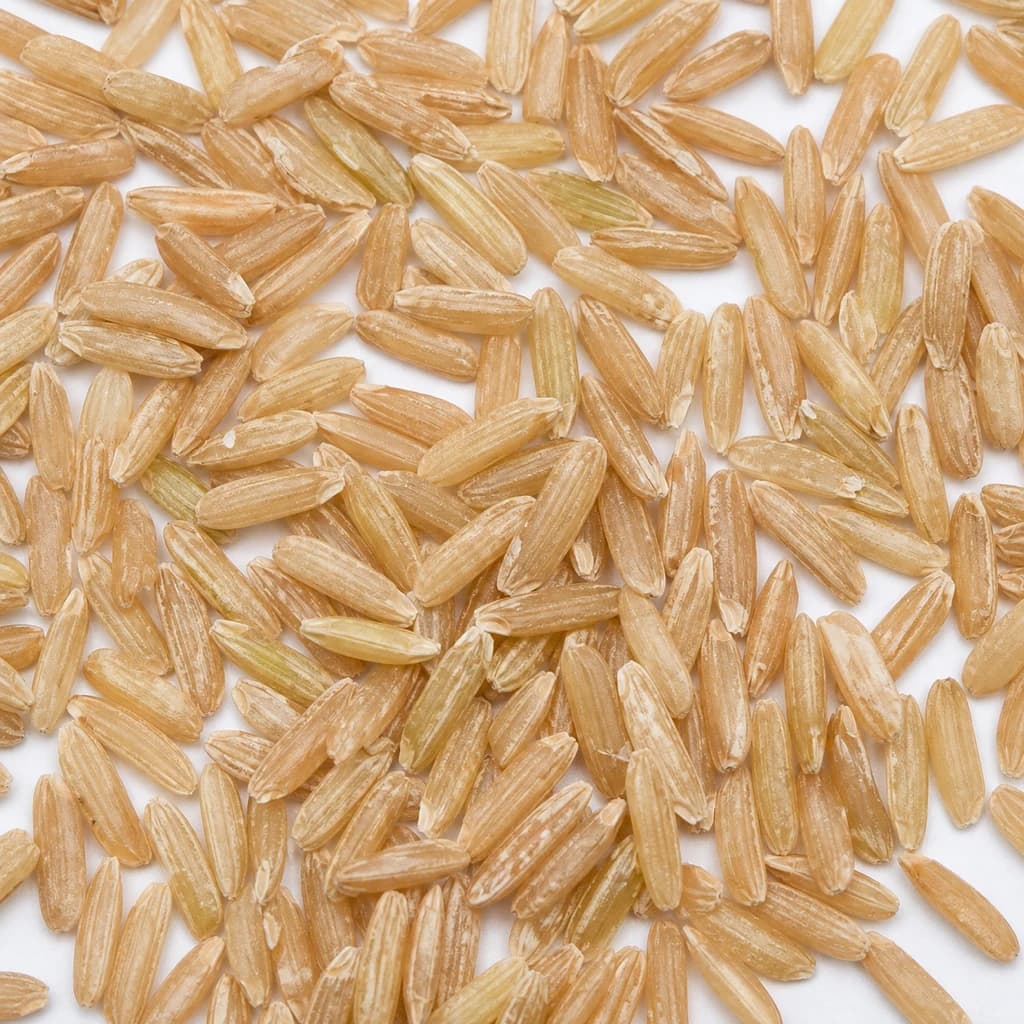
Brown Rice
Nutty, whole-grain rice with chew and extra fiber

Basmati Rice
Fragrant, long-grain rice that cooks up light and separate
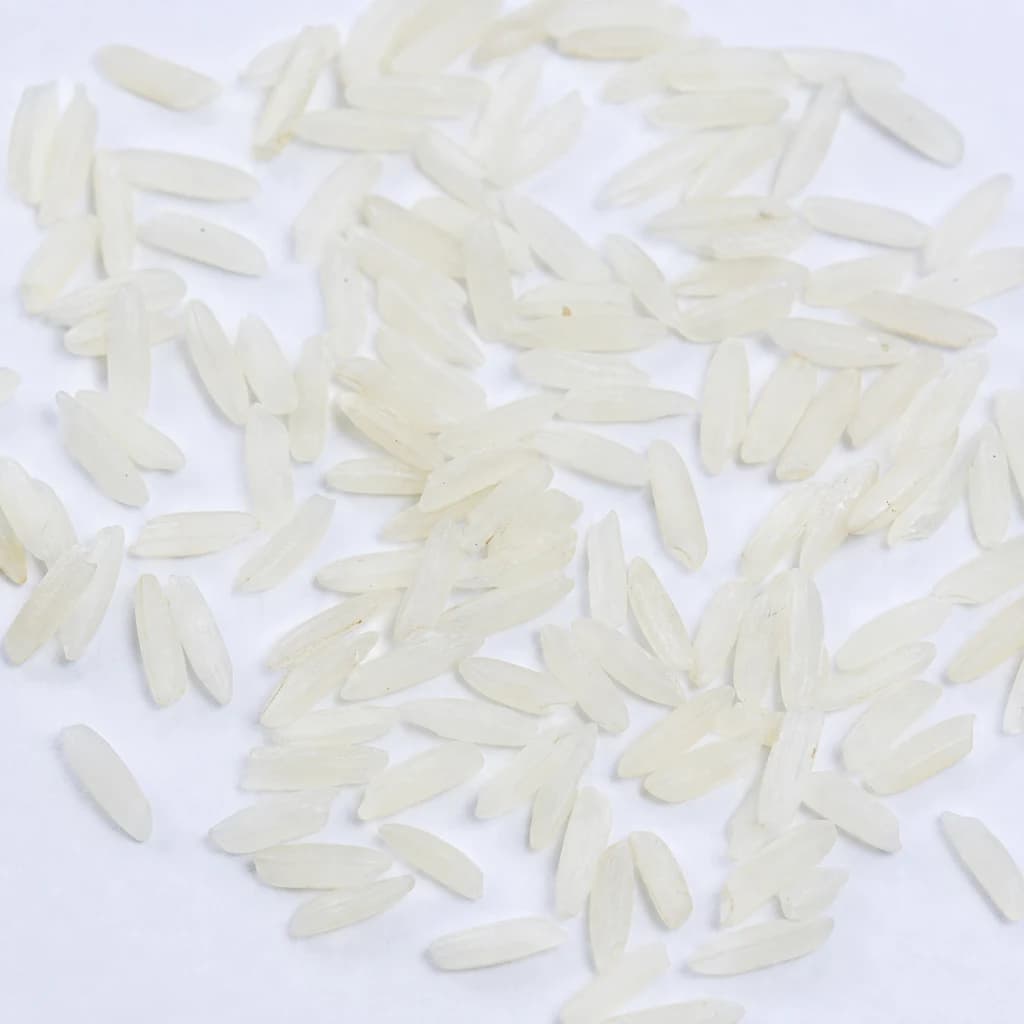
Jasmine Rice
Soft, floral-scented rice that's the pillar of Thai meals
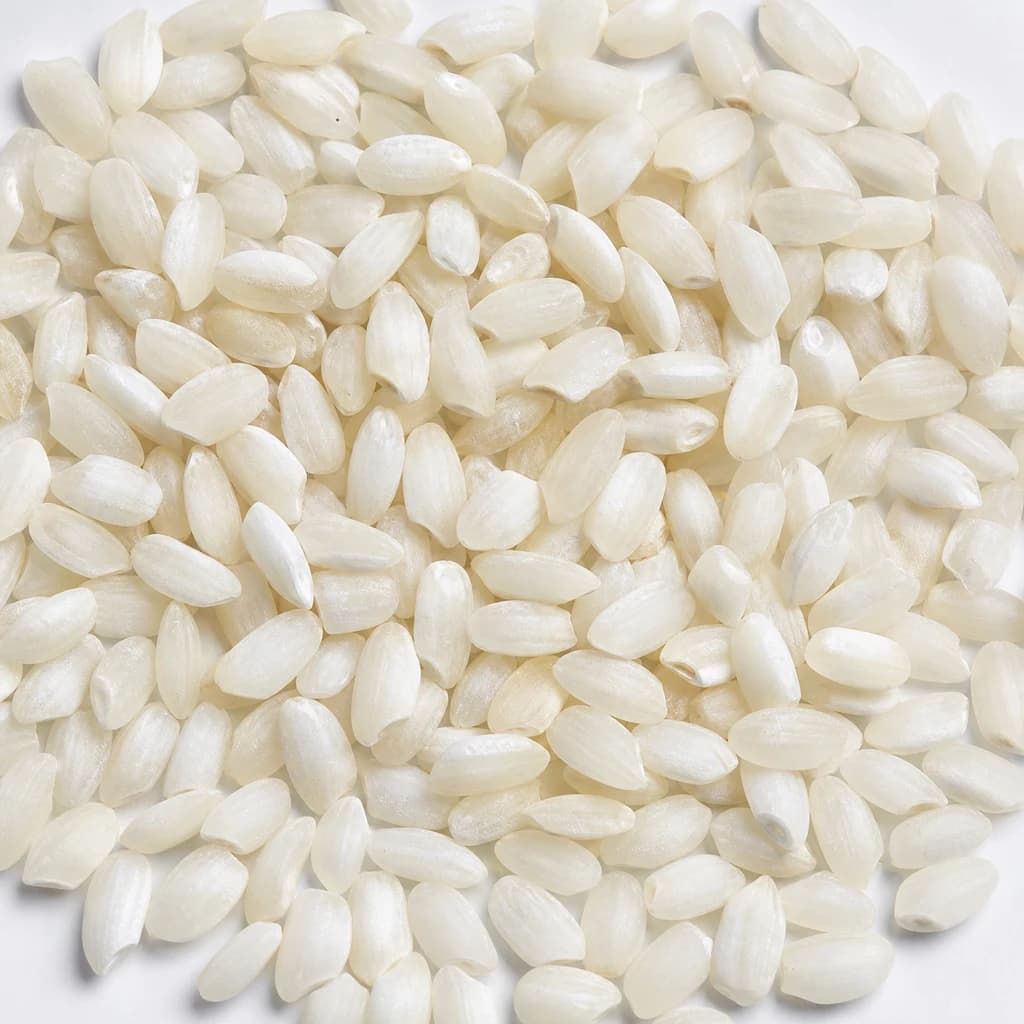
Arborio Rice
Plump, starchy rice that makes risotto creamy
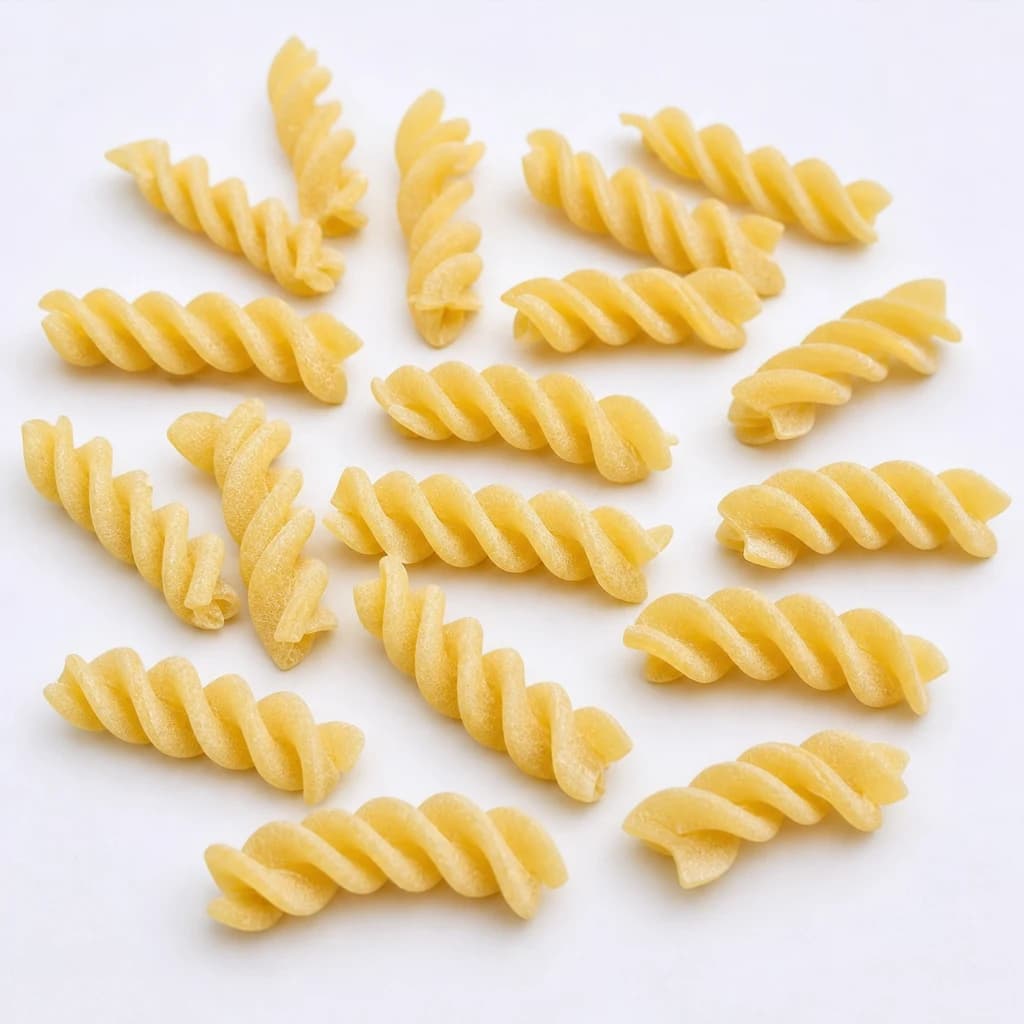
Fusilli
Spiraled pasta that twirls up sauce and dresses cold salads
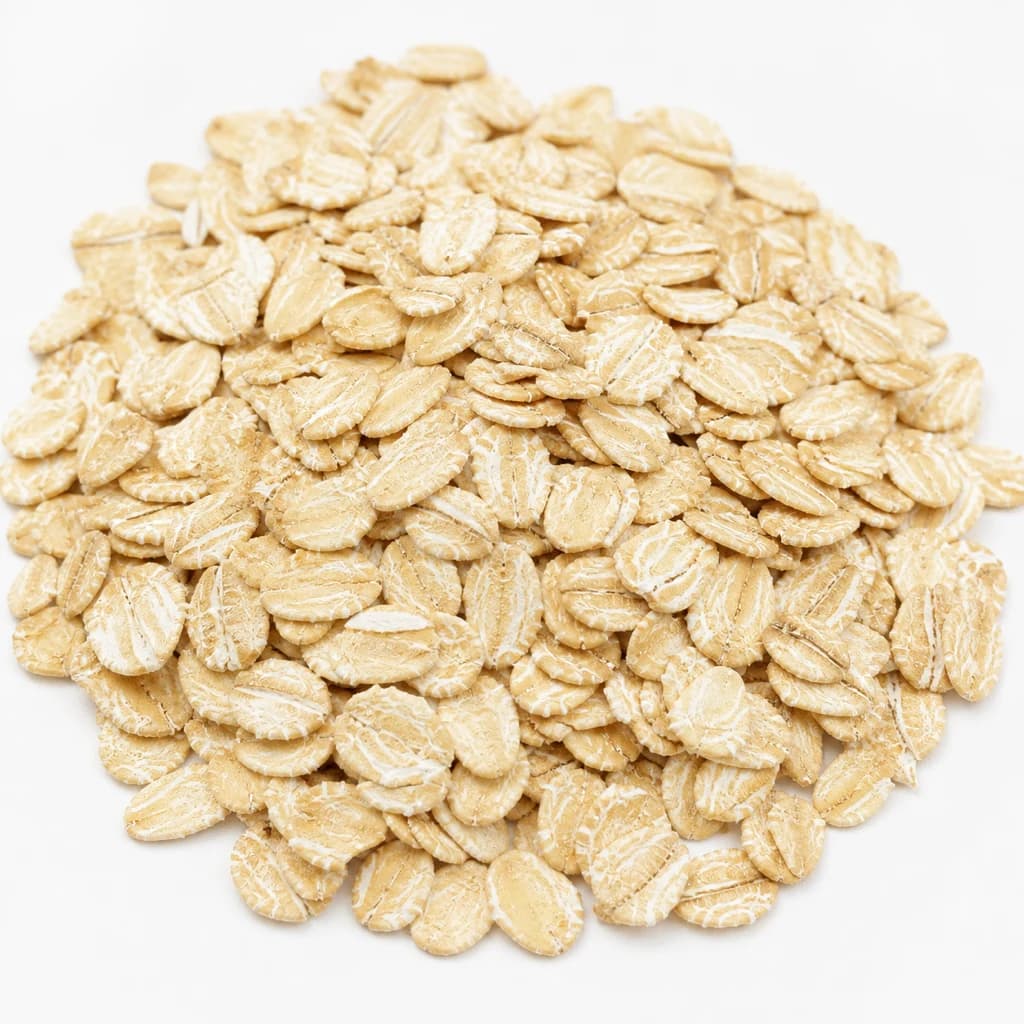
Rolled Oats
Hearty flakes for porridge, granola, and chewy cookies