Grains & Rice
Barley Rusk (Paximadi)
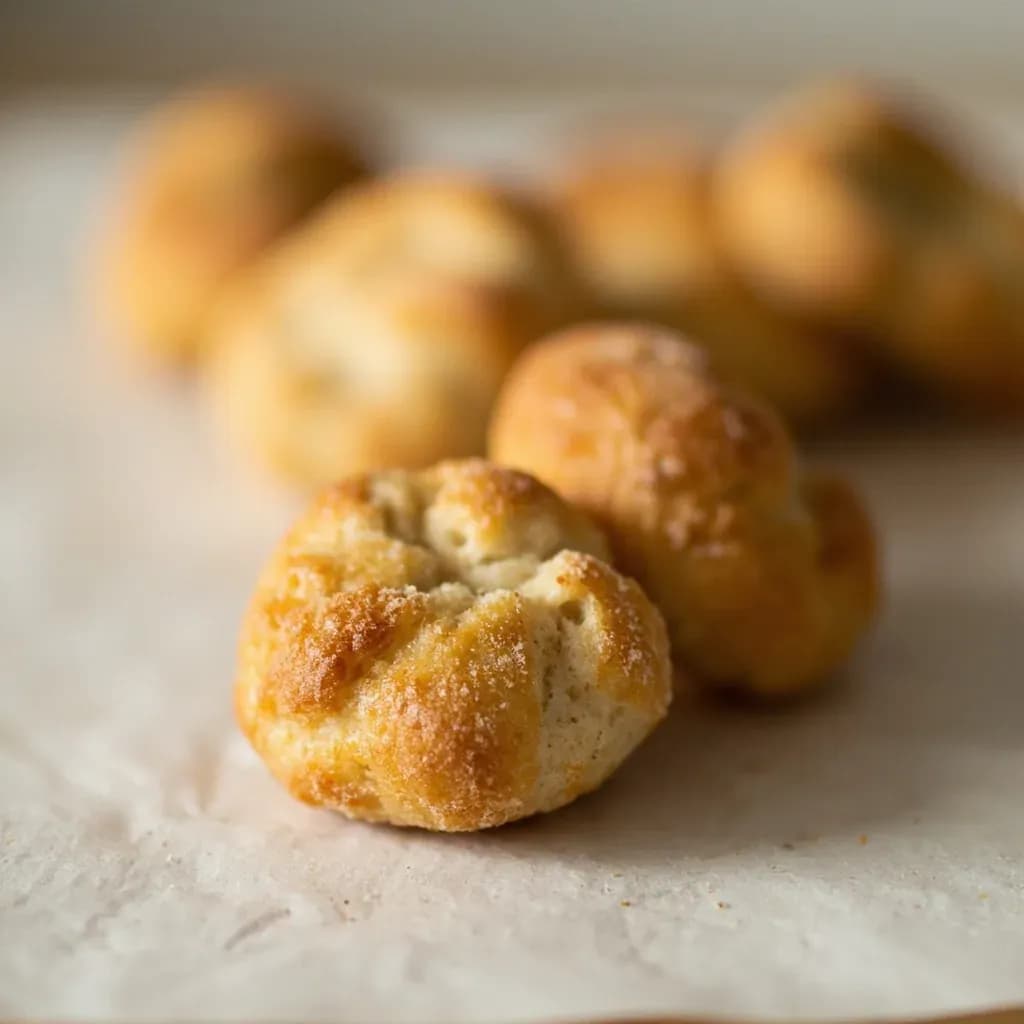
Twice-baked Greek barley bread, dampened and topped for dakos salad.
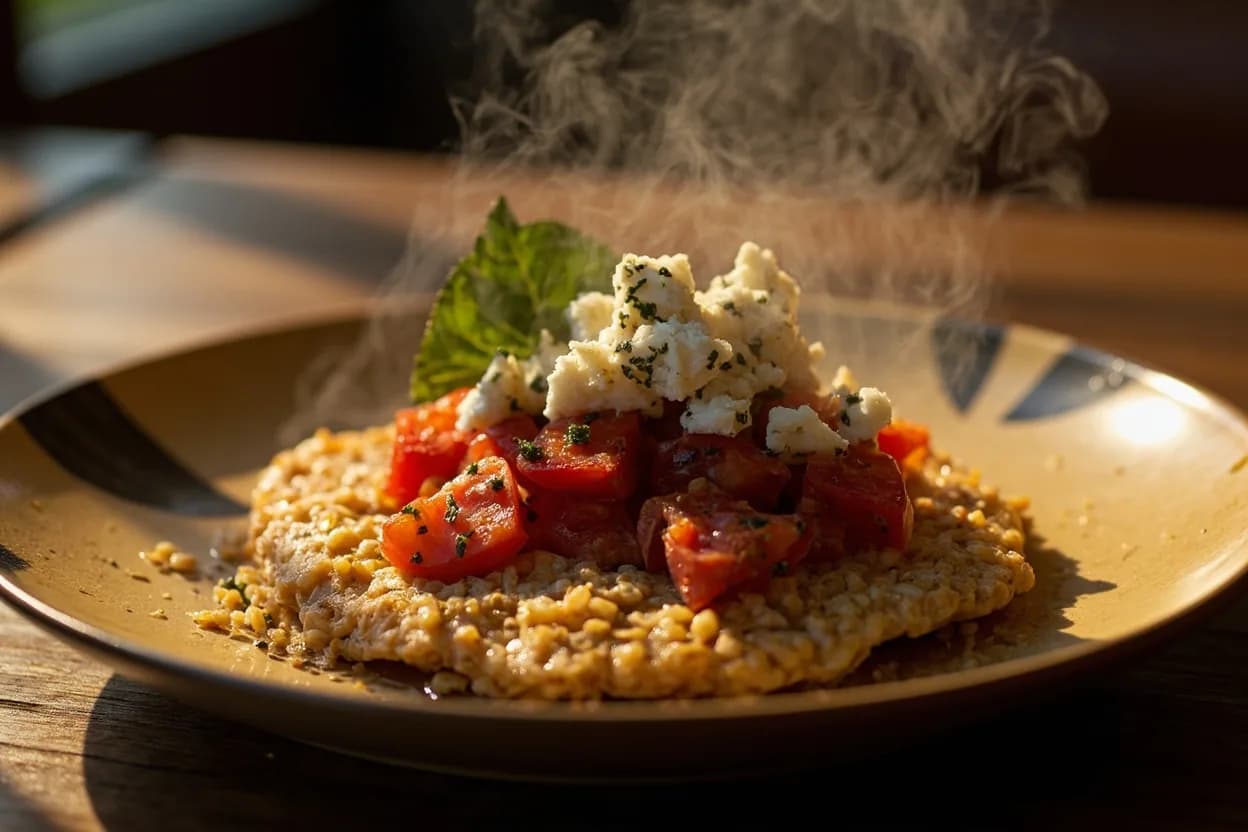
Paximadi is a hard, twice-baked Greek rusk traditionally made with barley flour, dried until rock-hard for long keeping. It is briefly moistened with water and olive oil before being topped with grated tomato, feta and oregano to make Cretan dakos. The barley gives it a rustic, earthy flavor and sturdy crunch.
Barley rusk, known in Greek as paximadi (παξιμάδι) or specifically paximadi krithino when made from barley alone, is a twice-baked bread that has been a staple of Greek island cuisine for centuries. The process of baking, slicing, and then slowly drying the bread a second time concentrates the flavor and creates a remarkably hard, dry cake that keeps for months without refrigeration. On Crete and throughout the Aegean islands, this wasn't merely a culinary preference but a practical necessity—before refrigeration, preserving bread in the hot Mediterranean climate required this radical dehydration method. The barley version is considered the most traditional, as barley thrives in the poor, rocky soil of the islands where wheat often struggles, making it the grain of the land itself.
When you bite into a dry barley rusk, it feels nearly inedible—impossibly hard and crunchy. This changes completely once hydrated. The rough, porous surface of the twice-baked barley absorbs moisture rapidly, softening within minutes while retaining a pleasant chewiness. The flavor is earthy and mildly nutty, with a slight bitterness that comes from the whole-grain barley. Unlike wheat-based rusks, barley rusk lacks the tang of fermentation but offers a deeper, more savory character. The texture when soaked is unique: not quite bread, not quite cracker, but something altogether different—a sturdy, satisfying platform for bold toppings. Traditionally, diners break off pieces with their hands rather than cutting the rusk, a practice that remains common on Crete today.
- Measured in
- piece
- Storage
- Pantry
Allergens
Types & varieties
Traditional barley-only version from Crete; coarser texture, deeper flavor from 100% barley flour
Barley combined with wheat, corn, or chickpea flour; common in Cyclades islands for a lighter result
Barley rusk made with honey or tsestou (anise-flavored); served as a snack or with cheese
Dakos vs. Makos
These two terms refer to the same dressed rusk salad and are used interchangeably depending on the region. In Crete and eastern Aegean islands, dakos is the standard term, while makos appears more frequently in the western islands and some Cyclades communities. The dish itself remains consistent: the rusk serves as an edible plate and integral component, soaked with tomato juice, drizzled with olive oil, topped with feta and oregano. The regional naming is one of those delightful Greek culinary variations where the name changes but the essential character of the dish stays true
Buying and Storing
In Greece, fresh barley rusk can be found at bakeries and markets, particularly in Crete and island towns. Outside Greece, specialty Greek or Mediterranean grocers may stock it, or you can find it online. Look for rusks that feel very heavy for their size—this indicates dense, thorough baking. Store completely dry rusks in an airtight container in a cool, dark place. They will keep for several months. If they lose their crunch, revive them by briefly baking at 300°F (150°C) for 10–15 minutes before using.
Common uses
Tips & pitfalls
- Drizzle olive oil on the rusk before topping—it creates a barrier that prevents the bread from absorbing too much tomato juice and becoming mushy.
- Do not oversoak. For dakos, 3–5 minutes with grated or minced tomato is sufficient; add your topping immediately before serving to maintain contrast between soft rusk and crunchy dry edges.
- If fresh barley rusk is unavailable, revive store-bought dried rusk by briefly baking at 300°F (150°C) for 10–15 minutes until crisp again.
- When making paximadi at home, use coarse-ground barley flour for authentic Cretan texture; fine flour produces a crumbly, inferior result that falls apart when soaked.
- For dakos, use ripe, very soft tomatoes that release juices easily when grated—these bind better to the rough rusk surface than firm supermarket varieties.
- A common mistake is using thick, dense rusk slices. The rusk should be no more than 1 inch thick; thicker pieces won't hydrate evenly and the center stays hard.
- Avoid confusing paximadi with melba toast, which is thinner, made from pullman bread, and lacks the substantial hydration capacity of true rusk.
Nutrition
Nutrition
No USDA FoodData Central match for Barley Rusk (Paximadi) yet. We surface a per-100 g profile once a generic whole-food entry is matched and verified.
In the shops
Matched grocery products
No matched grocery products for Barley Rusk (Paximadi) yet.
Good to know
- Origin
- Greece, especially Crete and the Aegean islands
- Primary Grain
- Barley, typically hulled or wholegrain
- Preparation
- Bread baked, sliced, then slowly dried and baked a second time
- Shelf Life
- Months when stored in a cool, dry place in an airtight container
- Texture
- Very hard and dry when dry; tender but substantial when hydrated
- Typical Size
- Rounds or rectangles, roughly 3–5 inches (7–13 cm) across, about 1 inch (2.5 cm) thick
- Flavor
- Earthy, mildly nutty, slightly bitter from whole-grain barley
- Hydration Time
- 3–10 minutes depending on tomato moisture and desired softness
Substitutes
- Friselle (Italian barley rusks) — Similar twice-baked barley bread; the Italian Apulian equivalent with comparable texture and mild, nutty flavor
- Durum wheat paximadi — The most common Greek rusk; lacks barley's earthiness but has similar crunch and soaking properties
- Sourdough hard rusk — Thick sourdough bread, dried thoroughly in a low oven (250°F/120°C for 2–3 hours), then soaked; adds pleasant tang
- Hardtack — Plain flour-and-water military hardtack; much less flavorful but functionally similar as a sturdy base
- Coarse country breadcrumbs — Not a true substitute but works in a pinch for crumbled rusk uses in soups and stews
Pairs with
Also called
Paximadi · Cretan Rusk · Barley Rusks
Appears in these dishes
Related

White Rice
Fluffy long-grain rice — the neutral base for almost any meal

White Bread
Soft sandwich loaf for toast, sandwiches, and crumbs
Brown Rice
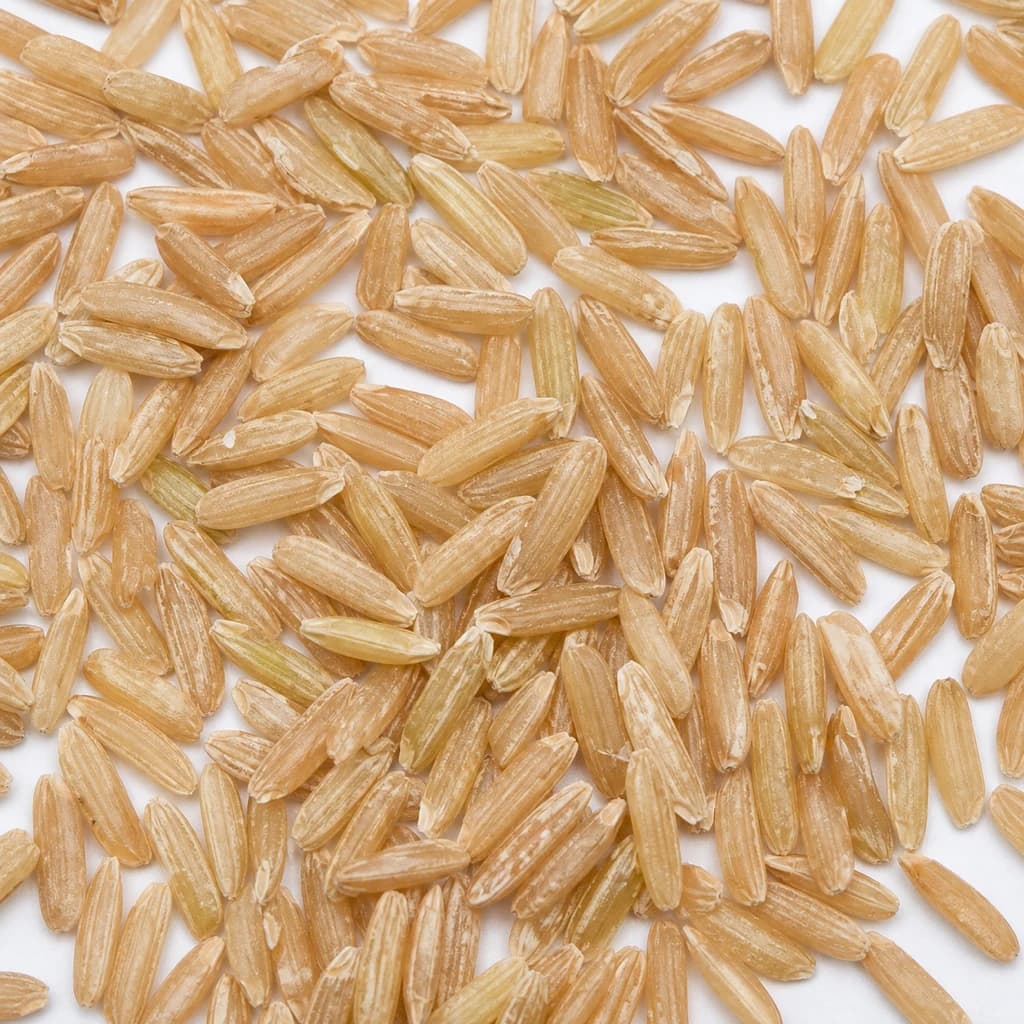
Nutty, whole-grain rice with chew and extra fiber

Basmati Rice
Fragrant, long-grain rice that cooks up light and separate
Jasmine Rice
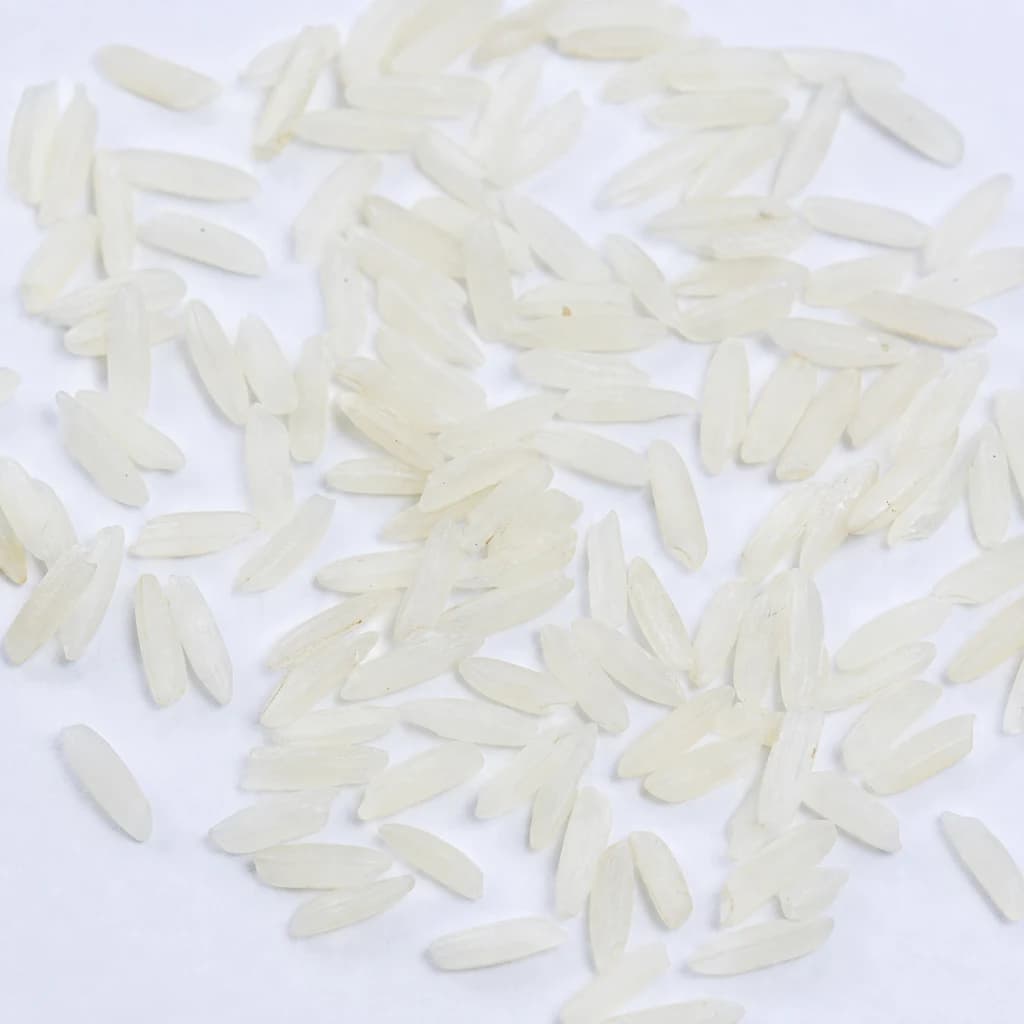
Soft, floral-scented rice that's the pillar of Thai meals
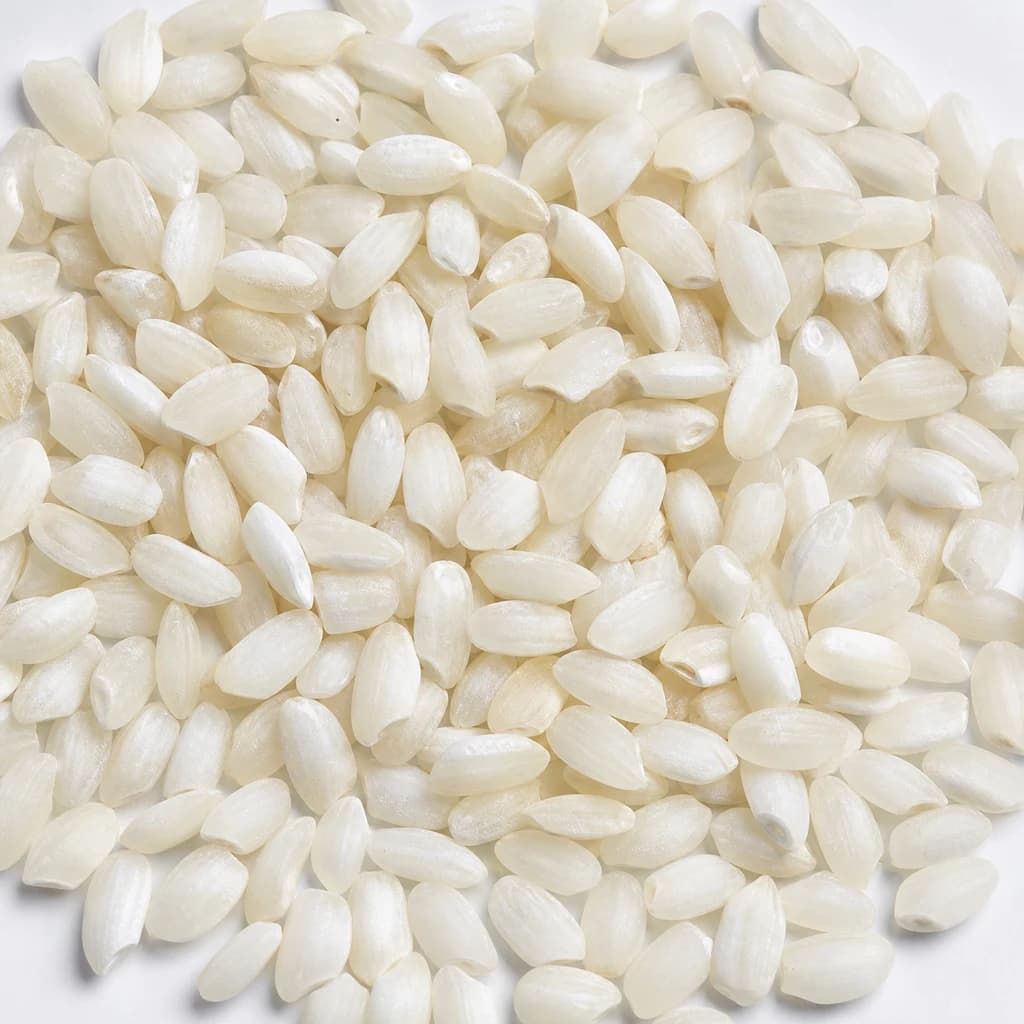
Arborio Rice
Plump, starchy rice that makes risotto creamy
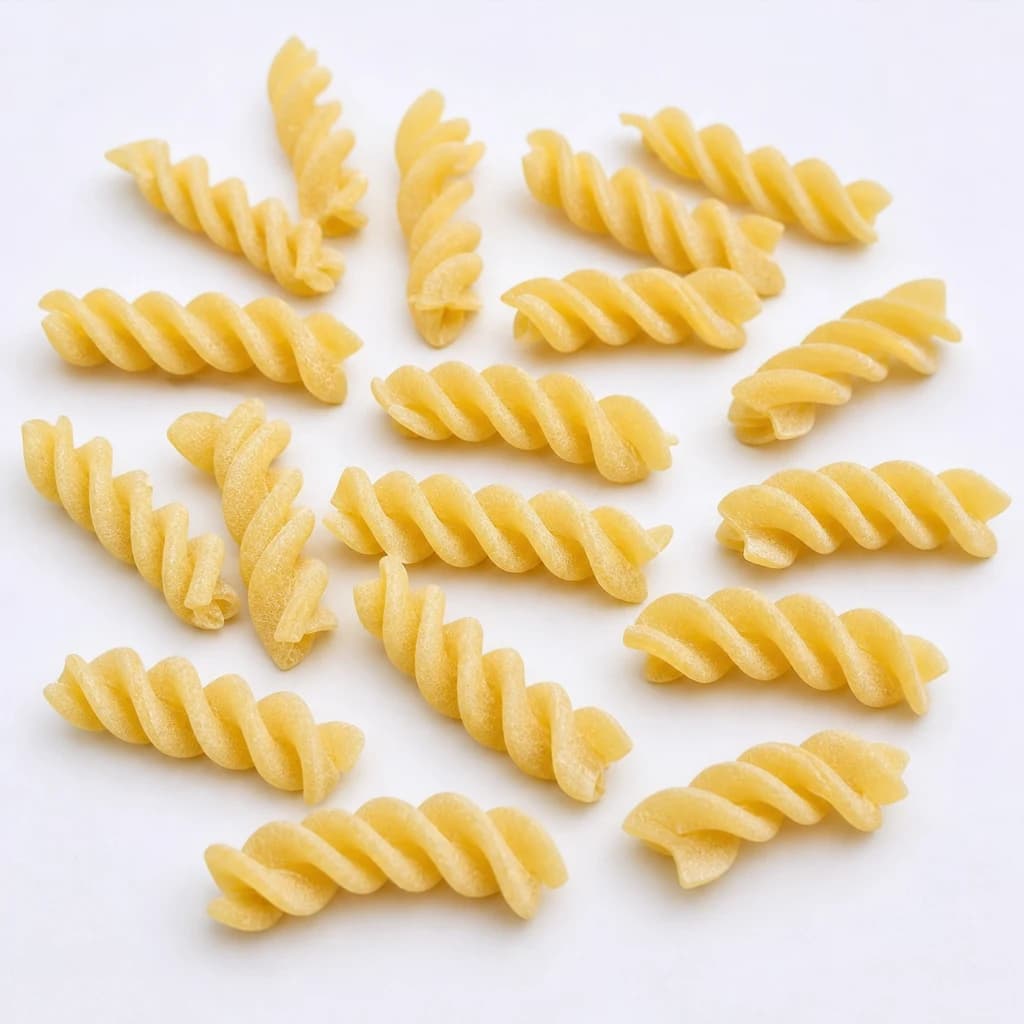
Fusilli
Spiraled pasta that twirls up sauce and dresses cold salads
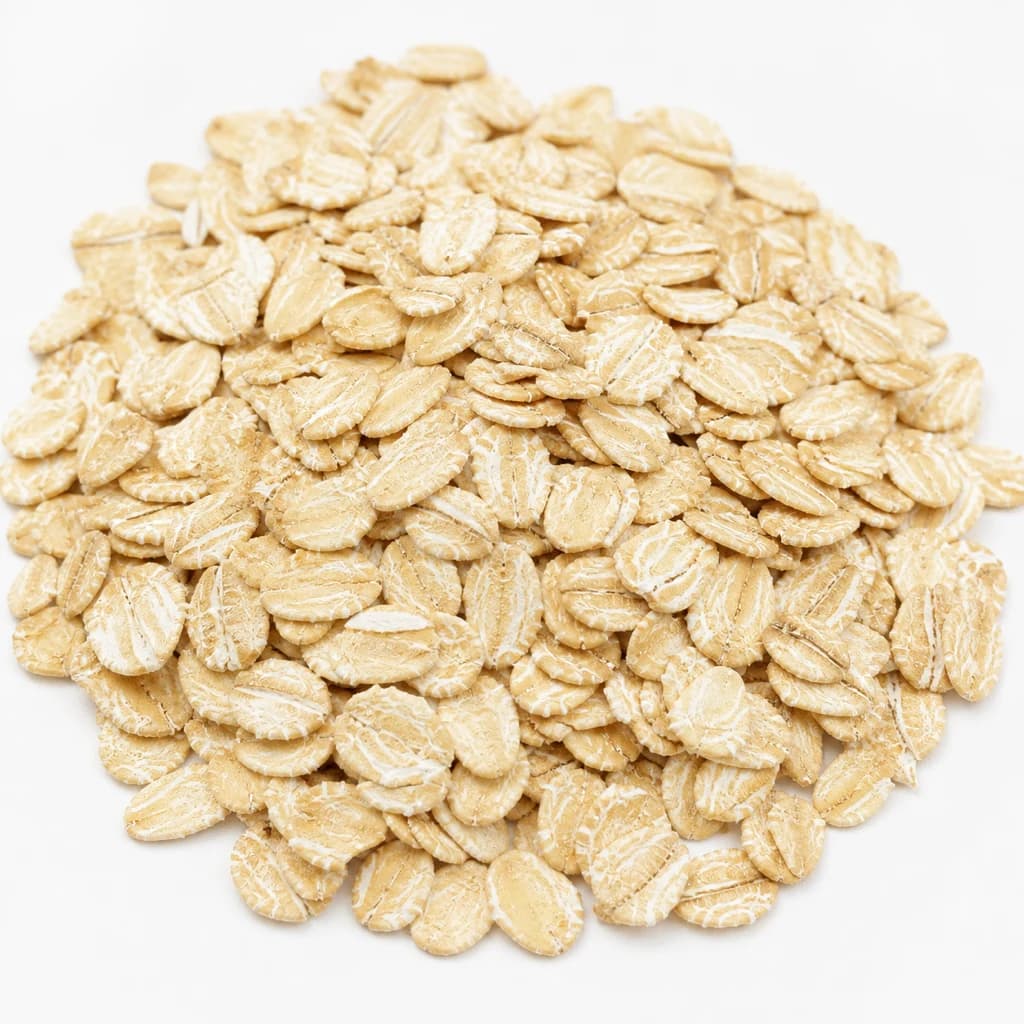
Rolled Oats
Hearty flakes for porridge, granola, and chewy cookies