
Natural form
Fresh-foraged wild spinach leaves showing the broad, slightly wavy form and deep green color.
Shows the reader exactly what raw ombidi looks like in its harvested state, distinguishing it from cultivated spinach.
Produce
Wild Spinach (Ombidi)
Wild-foraged leafy green cooked like spinach in African and rural cuisines, earthy and mildly bitter.
Wild spinach, known as ombidi in parts of southern Africa, is a foraged leafy green from wild amaranth or related plants. The tender leaves are boiled or stewed much like cultivated spinach, often paired with porridge or peanut sauces. It has an earthy, slightly bitter flavor and softens quickly when cooked.
Ombidi refers to a suite of wild, foraged leafy greens native to East Africa—primarily Amaranthus hybridus and Amaranthus thunbergii, though Gynura procumbens and Cleome gynandra also appear depending on region. The term is most specific to Chagga and Tanzanian highland communities, where women traditionally harvest the leaves from field edges and forest clearings rather than cultivating them. Unlike cultivated spinach, ombidi is a free resource tied to seasonal availability, which makes it both culturally significant and nutritionally vital for communities with limited access to commercial vegetables. Its flavor is earthy and mildly bitter with a slight astringency—qualities that signal the mineral density and compounds that centuries of selective breeding bred out of domesticated spinach. The texture holds up well to cooking, maintaining body where cultivated spinach would collapse into water. The bitterness is not a flaw; it is the defining character, valued in traditional cooking and understood as a marker of concentrated nutrition. Ombidi sits within the broader family of wild greens called michicha ya porini (Swahili for wild greens from the bush), central to food security in rural East African cuisine.
- Measured in
- g
- Storage
- Fridge
Types & varieties
Most common species sold as ombidi in Tanzania; broad-leafed, dark green, hearty texture
Narrow-leafed wild amaranth; more intensely bitter; common in drier rural areas
Used as ombidi in some coastal regions; slightly succulent leaves; milder bitterness
Often foraged alongside true ombidi; stronger, more pungent flavor; traditionally combined with milder greens
The Role of Ombidi in African Foodways
In highland Tanzania and surrounding regions, ombidi represents more than a seasonal vegetable—it is a nutritional lifeline embedded in cultural practice. Women foragers have maintained knowledge of where and when to harvest specific species across generations, passing down field-craft alongside cooking technique. The greens appear most abundantly during the rainy season when other food sources may be scarce, providing iron and vitamin A at a time when dietary variety naturally narrows. In rural communities where a bundle of ombidi costs far less than cultivated spinach or imported greens, this wild harvest extends purchasing power while delivering superior nutritional density. The bitterness that newcomers might resist is precisely what traditional cooks value: it signals minerals, it stimulates appetite, and it balances the bland starches (ugali, rice, posho) that form the caloric foundation of these diets. To understand ombidi is to understand a food system where wild abundance supplements agriculture, not as a novelty but as a necessity.
- Foraging knowledge is traditionally held by women and transmitted across generations
- Seasonal availability means the greens are most abundant when other vegetables are scarce and expensive
- The bitter flavor is culturally valued as a sign of potency and nutritional density, not something to be masked or bred out
Preparation Philosophy: Honoring Bitterness
Traditional preparations of ombidi are designed not to eliminate the bitterness but to balance it. The cooking method—brief blanching followed by sautéing—tames harshness while preserving the mineral-rich character. The addition of tomato or other acid, coconut milk or groundnuts for fat, and aromatics like onion and garlic transforms raw bitterness into a harmonious, savory dish. This approach reflects a broader principle in African cooking: working with ingredient character rather than against it. The bitter notes are considered cleansing and appetite-stimulating, valued alongside the sweet, sour, and umami elements in a complete meal.
- Do not try to eliminate bitterness entirely—this destroys the green's identity and much of its nutritional value
- Balance rather than mask: acid, fat, and aromatics bring the green into harmony with the plate
- The best preparations taste genuinely of the green, not of the seasoning alone
Common uses
Tips & pitfalls
- Always wash wild-harvested leaves thoroughly in several changes of water to remove soil, sand, and grit common to foraged produce
- Blanch briefly (2–3 minutes) before sautéing to reduce intensity and eliminate any residual surface contaminants from wild foraging
- Cook with an acidic ingredient—tomato, lemon juice, or tamarind—to help the body absorb the iron content more effectively
- Do not overcook; overcooking destroys the vibrant color and collapses the leaves into a muddy mass with loss of texture and nutrients
- Young, tender leaves and stem tips are more palatable; discard tough lower stems before cooking
- Pair with fat (coconut milk, peanut paste, or cooking oil) to aid absorption of fat-soluble vitamins A and E present in the leaves
- When substituting for cultivated spinach, use roughly 1.5 times the amount—ombidi cooks down more densely and has a stronger, more bitter character
- If foraged locally, confirm the area is free of pesticide use and proximity to contaminated water sources before consuming
Nutrition
Energy
96 kJ · per 100 g
Where the calories come from
Protein
2.9g
6% DV
Carbs
3.6g
1% DV
Fat
0.4g
1% DV
Fiber
2.2g
8% DV
Sugars
0.4g
of which
Sodium
79mg
3% DV
Source · USDA FoodData Central · Spinach, raw
View on FDC →In the shops
Matched grocery products
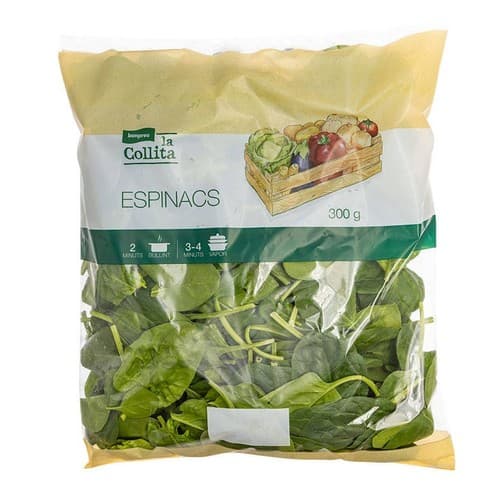 €1.29
€1.29Spinach
LA COLLITA · kg · Bonpreu
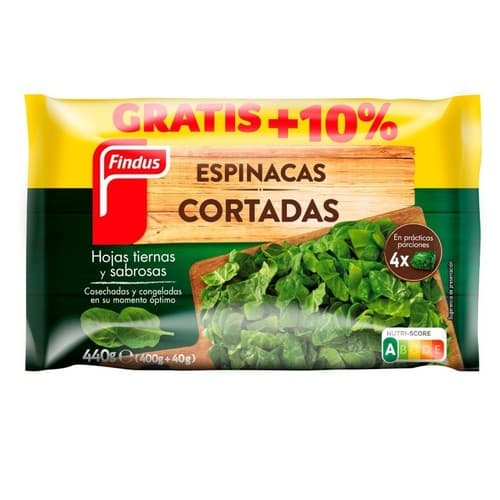 €2.89
€2.89Cut Spinach
FINDUS · kg · Bonpreu
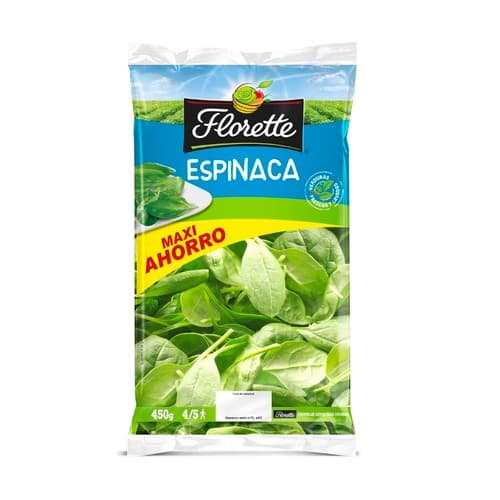 €2.59
€2.59Maxi Spinach
FLORETTE · kg · Bonpreu
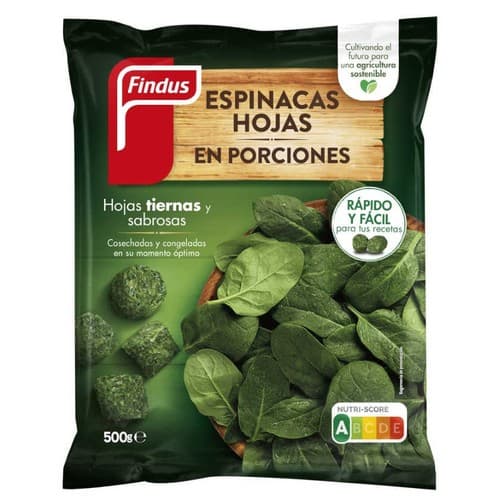 €2.99
€2.99Leaf Spinach
FINDUS · kg · Bonpreu
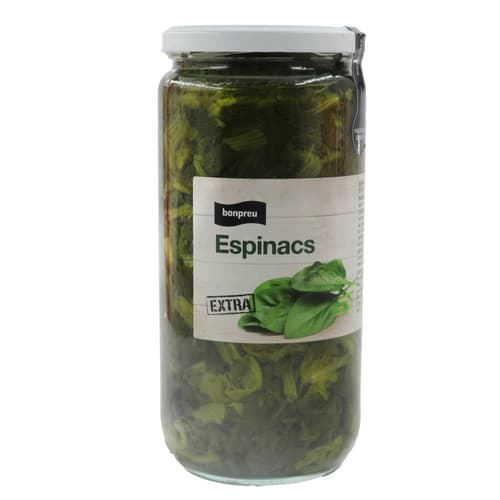 €1.55
€1.55Extra Spinach
BONPREU · kg · Bonpreu
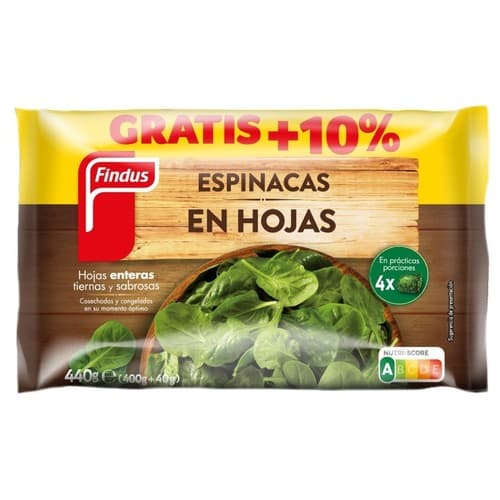 €2.89
€2.89Spinach Leaves
FINDUS · kg · Bonpreu
Good to know
- Common name
- Wild Spinach (Ombidi)
- Also called
- Mbidi, Mchicha ya porini (Swahili for wild greens from the bush)
- Origin
- East Africa, particularly Tanzania and surrounding regions; foraged from the wild across sub-Saharan Africa
- Botanical associations
- Primarily Amaranthus hybridus and Amaranthus thunbergii; may include Gynura procumbens and Cleome gynandra depending on region
- Season
- Rainy season (typically November–April in East Africa); year-round in some tropical zones
- Flavor
- Earthy, mildly bitter, slightly astringent; less sweet than cultivated spinach
- Form
- Fresh leafy green, harvested as whole tender leaves and young stems
- Nutritional note
- High in iron, calcium, vitamin A (beta-carotene), and vitamin C relative to cultivated spinach
- Storage
- Refrigerate unwashed in a perforated bag or wrapped in a damp cloth in the crisper drawer; use within 1–2 days at room temperature, up to 3 days refrigerated
Substitutes
- Amaranth leaves (cultivated) — Closest texture and flavor profile; reduce cooking time slightly as cultivated varieties are more tender
- Swiss chard — Better texture substitute but lacks the characteristic bitterness; use in equal weight
- Water spinach (kangkung) — Acceptable substitute in stir-fry preparations; milder flavor, more watery texture
- Dandelion greens — Comparable bitterness and earthiness; scale acid to balance and blanch briefly before use
Pairs with
Also called
Ombidi · Wild Greens
Appears in these dishes
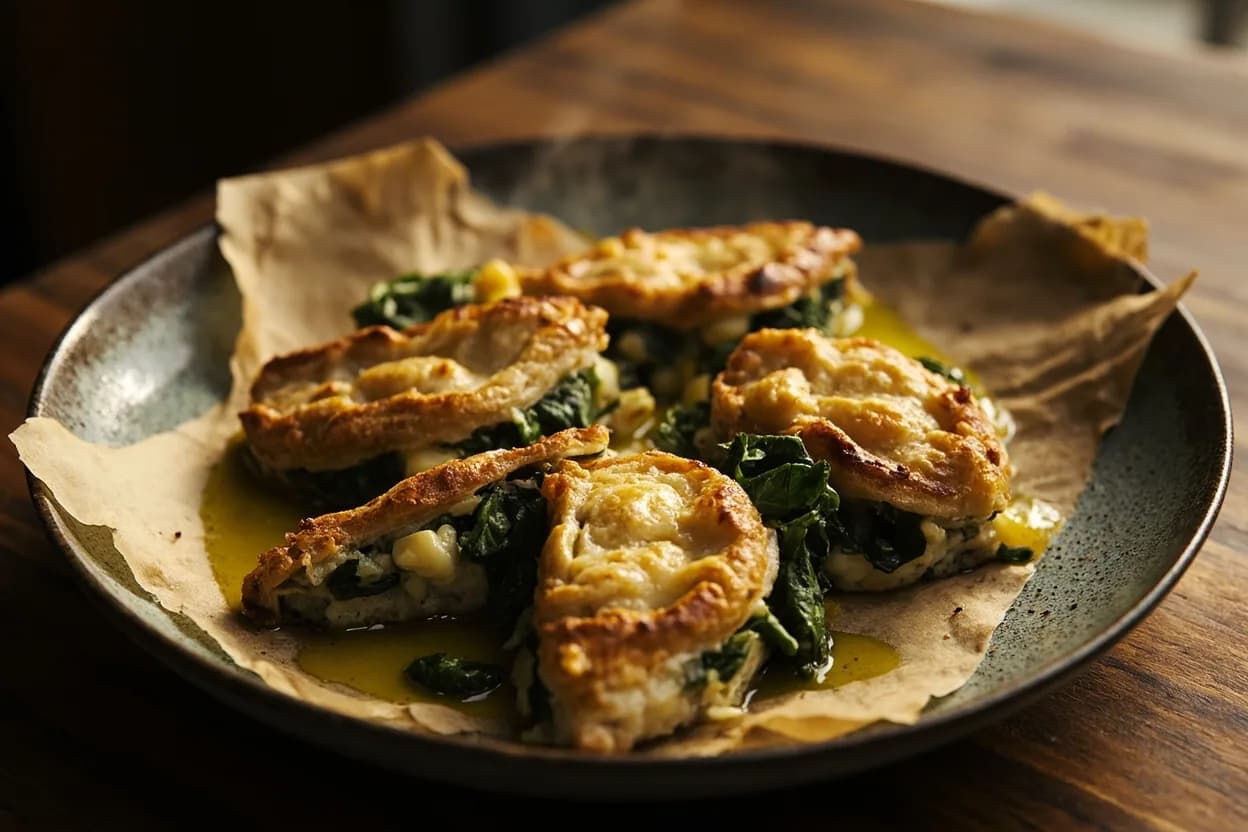
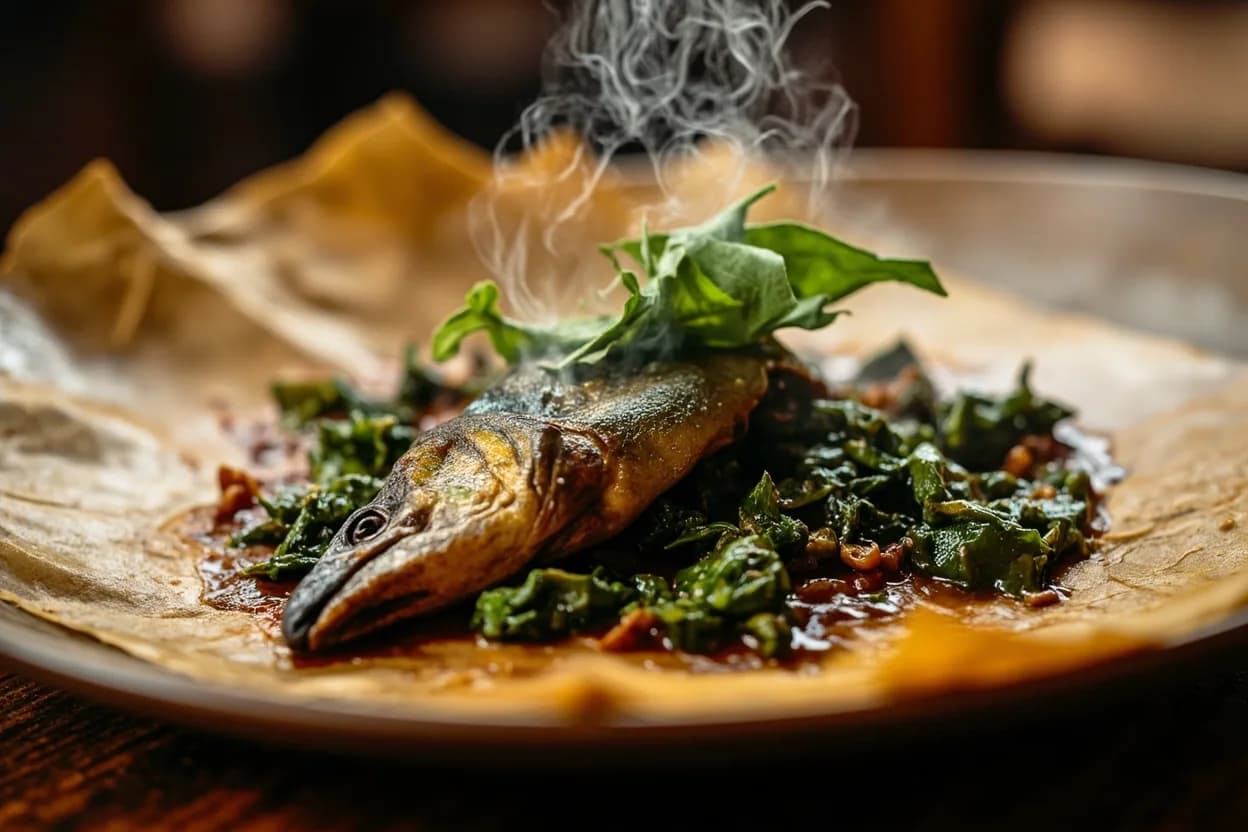
Related

Tomato
Juicy, sun-sweet fruit for sauces, salads, and slow-cooked depth

Yellow Onion
The aromatic backbone of soups, sofritos, and braises

Garlic
Pungent cloves that perfume nearly every savory dish

Lemon
Bright, acidic citrus that wakes up almost any dish

Potato
Humble, hearty staple — roast, mash, fry, or boil

Carrot
Sweet, crunchy root — raw, roasted, or the base of a sofrito

Cucumber
Cool, crisp, and watery — for salads, pickles, and tzatziki

Lettuce
Crisp leaves for salads, wraps, and a fresh crunch