
Natural form
Dried yuba sheets and sticks rest on a wooden surface, showing their pale ivory, wrinkled form.
Shows the most common retail form readers will encounter — dried sheets and sticks — so they can identify yuba before purchase.
Proteins
Bean Curd Skin (Yuba)
Thin sheets skimmed from simmering soy milk, used fresh or dried as a wrapper.
Bean curd skin is the thin film that forms on the surface of simmering soy milk, lifted and dried into sheets or sticks. Known as yuba or fuzhu, it is rehydrated and used in Chinese cooking as a wrapper, in braises, hot pots, and vegetarian mock-meat dishes. It has a chewy, protein-rich texture and readily soaks up sauces.
Bean curd skin—known as yuba (豆腐皮) in Mandarin and tofu皮 in everyday Chinese markets—is one of the oldest soy products in East Asian cuisine, yet it remains largely unknown outside specialist cooking circles. The skin forms naturally on the surface of soy milk as it simmers gently between 80–90 °C (176–194 °F): the heat denatures the proteins and oils, which rise and coalesce into a thin, silky film. Skilled producers skim this film by hand, one delicate sheet at a time, then hang it to dry. A single batch of soy milk yields only two to four usable sheets before the protein is exhausted, making fresh yuba a labor-intensive and relatively precious product. Dried yuba—available as sticks, flat sheets, or knots—solves the shelf-life problem and concentrates flavor, becoming the form most commonly found outside Asia. The flavor is intentionally subtle: mildly sweet soybean with a clean, protein-rich backbone that makes it an exceptional blank canvas for bold seasonings. In traditional Buddhist vegetarian cuisine, yuba is prized precisely for this adaptability—it can be braised into 'meat' textures, wrapped around fillings, or fried into crisp garnishes, making it one of the most versatile plant proteins in Chinese cooking.
- Measured in
- g
- Storage
- Pantry
Allergens
Types & varieties
Soft, pliable sheets; highly perishable; most delicate texture
Rolled and dried into sticks; chewy when rehydrated; most common export form
Flat dried sheets; rehydrate to tender-wet sheets; versatile for folding and wrapping
Small twisted knots of dried yuba; excellent for braising and soups
Pre-smoked for added flavor; primarily a prepared food ingredient
Pre-sliced and marinated; ready to eat or quick-cook
Choosing quality dried yuba
Quality varies significantly in the dried form. Good dried yuba should be translucent with a slight sheen—avoid any product that appears dull, gray, or chalky. The odor is equally important: fresh dried yuba has a mild, clean soybean scent. Reject any product with a rancid, fishy, or overly sour smell, as this indicates improper storage or age. Store dried yuba in an airtight container with a desiccant packet to prevent moisture absorption and rancidity.
- Look for translucent sheets or sticks with a slight sheen
- Avoid dull, gray, or chalky-looking product
- Smell before buying: reject if rancid or fishy
- Store sealed with desiccant in a cool, dark place
Fresh yuba production at home
While fresh yuba is rarely made outside professional kitchens, understanding the process helps you appreciate the product. The key is steady, gentle heat and patience.
- Heat soy milk to 80–90 °C (176–194 °F); do not boil
- Keep heat steady—a wide, shallow pot promotes even skin formation
- Skim each skin carefully with a ladle or bamboo stick when it thickens enough to lift
- Hang or lay each sheet flat to dry slightly before using or storing
Common uses
Tips & pitfalls
- When using fresh yuba as a wrapper, work quickly and keep sheets covered with a damp cloth to prevent drying and cracking
- Dried yuba rehydrates unevenly if submerged in cold water too long—use warm water (40–50 °C) for faster, more even rehydration in 5–10 minutes
- Do not boil fresh yuba directly for more than 1–2 minutes; it turns soft and loses structure rapidly—blanch or steam briefly instead
- Dried yuba is ideal for deep-frying; it puffs in under 30 seconds at 180–190 °C (356–374 °F)
- For braised dishes, fold or knot dried yuba loosely to allow sauce to penetrate evenly
- Fresh yuba spoils quickly due to high moisture and protein—smell is the most reliable freshness indicator: sweet soybean aroma when good, sour when off
- Press fresh yuba gently before using as a wrapper to remove excess surface moisture and improve grip
- Store dried yuba in an airtight container with a desiccant packet to prevent moisture absorption and rancidity
Nutrition
Energy
243 kJ · per 100 g
Where the calories come from
Protein
2.6g
5% DV
Carbs
12.4g
5% DV
Fat
0.1g
0% DV
Fiber
2.5g
9% DV
Sodium
10mg
0% DV
Source · USDA FoodData Central · approx. Potatoes, raw, skin
View on FDC →In the shops
Matched grocery products
No matched grocery products for Bean Curd Skin (Yuba) yet.
Good to know
- Type
- Soy-derived protein (fresh or dried)
- Origin
- China; associated with Buddhist vegetarian cuisine and Northeast provinces (Heilongjiang, Jilin)
- Formed
- Skimmed from surface of simmering soy milk at 80–90 °C (176–194 °F)
- Protein content
- ~50% by dry weight; fresh yuba ~8–10% protein
- Color
- Pale ivory when fresh; amber-tan when dried
- Fresh shelf life
- Refrigerated, 5–7 days (up to 2 weeks tightly wrapped)
- Dried shelf life
- 6–12 months in cool, dark, dry conditions
- Rehydration time
- 15–30 minutes in room-temperature water; 5–10 minutes in warm water
- Yield
- Approximately 1 kg dried yuba from 20–25 kg soy milk
- Production method
- Continuous hand-skimming over 1–2 hours per batch of soy milk
Substitutes
- Rice paper wrappers (bánh tráng / bánh đa nem) — Different texture and neutral flavor; acceptable for fresh rolls but not for dishes requiring yuba's chewiness and soy taste
- Tofu sheets (dòufu pí) — Thinner, more fragile variant of yuba; usable but even more delicate
- Dried wheat gluten sheets (miànjīn pí) — Chewier, wheat-based; acceptable vegan substitute with a different flavor profile
- Thin wheat flour tortillas — Folds and wraps but lacks yuba's distinct flavor and protein content; not suitable for braises
Pairs with
Also called
Yuba · 腐竹 · Tofu Skin · Dried Tofu Skin · Dried Bean Curd Sheet · 腐皮 · Fuzhu
Appears in these dishes
Related
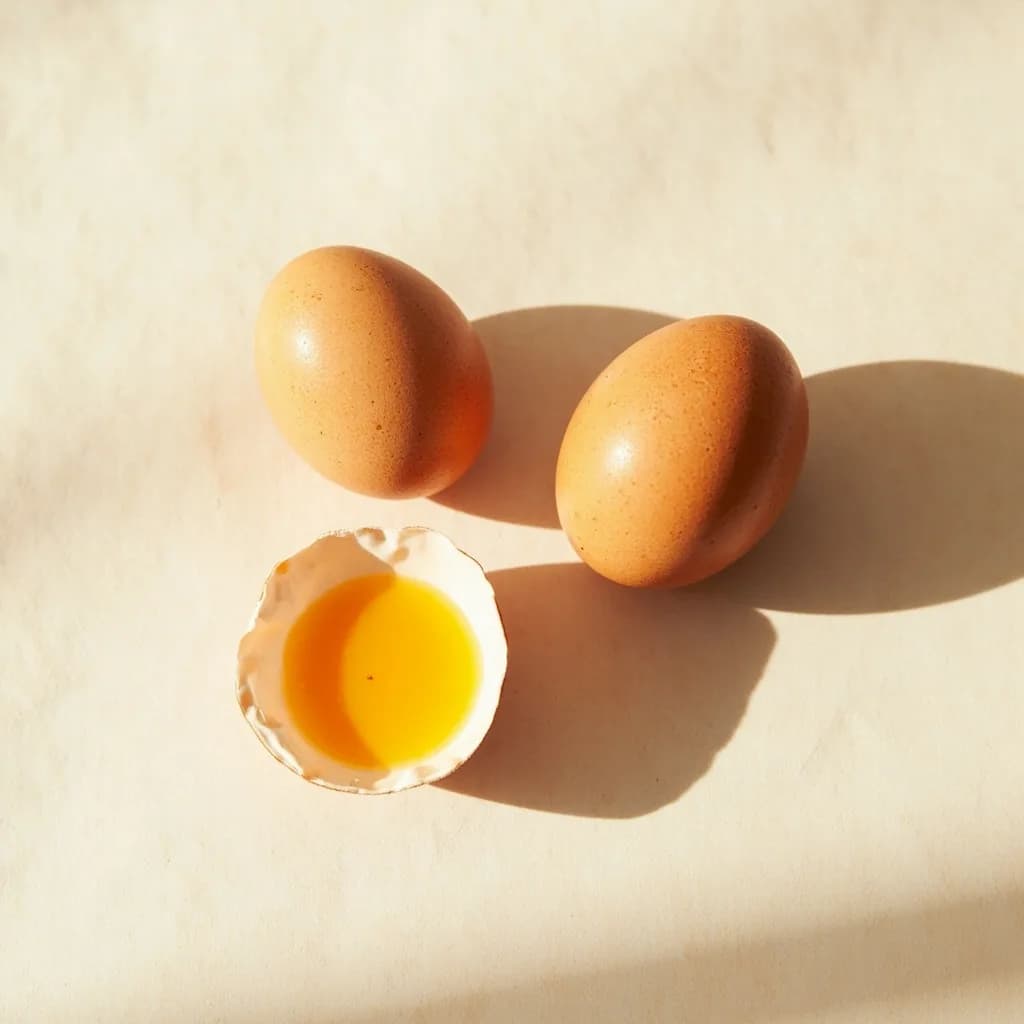
Egg
The kitchen's everything ingredient — bind, leaven, enrich, or fry
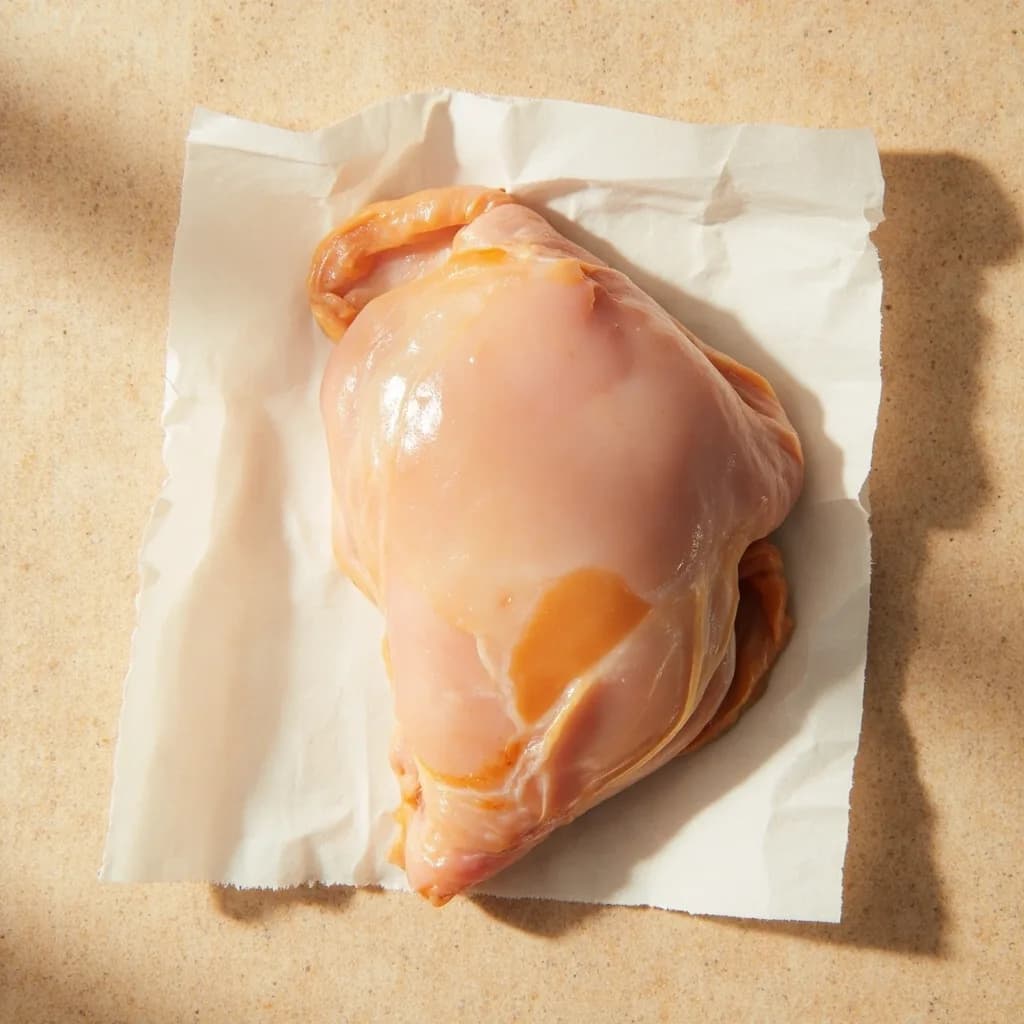
Chicken Breast
Lean, quick-cooking white meat for everyday dinners

Ground Beef
Versatile minced beef for burgers, ragù, tacos, and meatballs
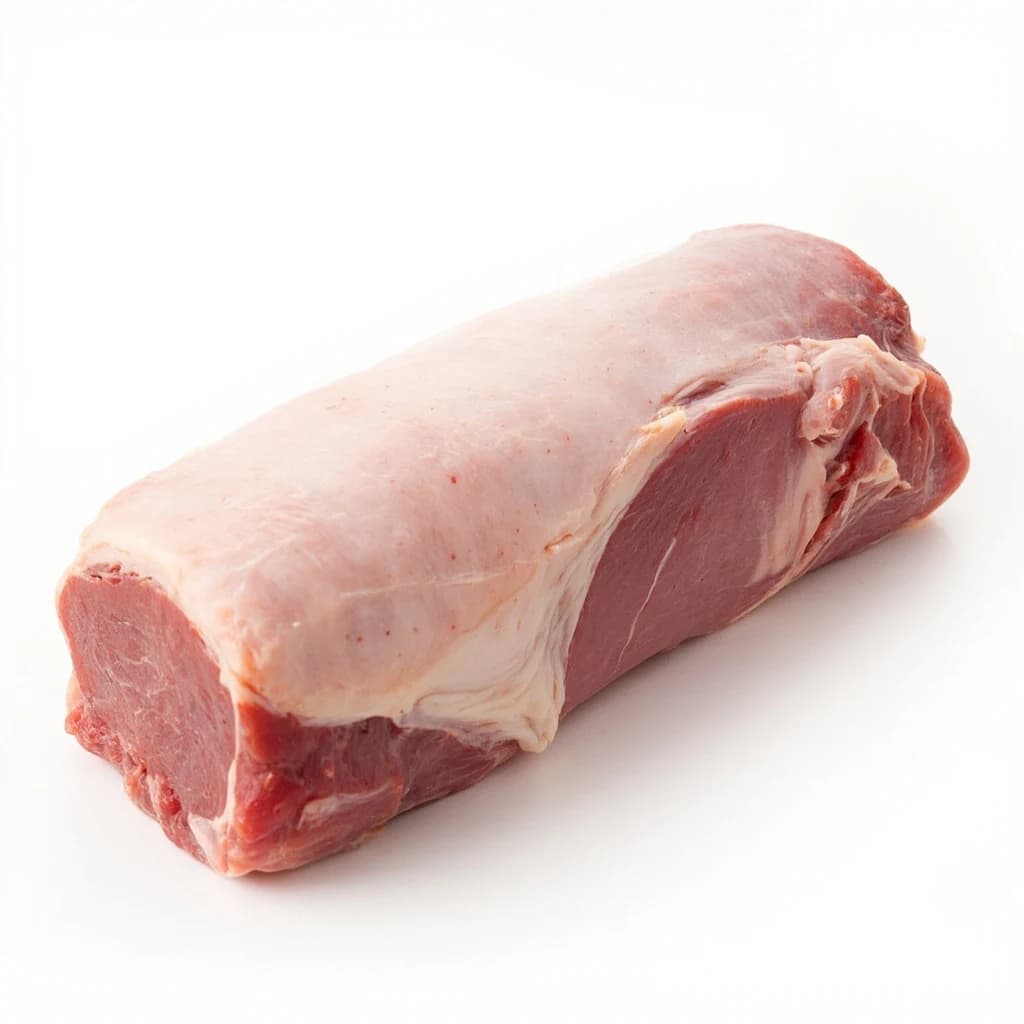
Pork Loin
Lean, tender roasting cut that stays juicy with care
Salmon
Rich, rosy fish that roasts, grills, or cures beautifully

Egg White
Pure protein that whips to airy peaks for meringue and more
Egg Yolk
Rich, golden yolk for custards, mayonnaise, and pasta

Quail Egg
Tiny, speckled eggs for garnishing and elegant bites