
Natural form
Raw cross-cut beef leg bones showing the ivory marrow cavity within thick cortical bone.
Shows the ingredient exactly as a butcher sells it — the defining shape, bone structure, and uncooked marrow color that make it recognizable.
Proteins
Beef Marrow Bones
Bones packed with rich marrow, roasted to spread or simmered for stock.
Beef marrow bones are sections of leg or shank bone filled with soft, fatty marrow. They are roasted and the buttery marrow scooped onto toast, or simmered for hours to enrich stocks and broths with body and flavor. The marrow melts into a luscious, savory spread when roasted.
Beef marrow bones are sourced from the femur, shin, metatarsals, and knuckles of cattle, with the marrow filling the central cavity like a rich, buttery core. This soft, fatty tissue is nearly pure fat with minimal protein, behaving more like an intensely flavored spread than meat. When roasted at high heat, the marrow softens into a creamy, spreadable consistency with a deep, nutty, caramelized quality that belies its simple preparation. When simmered slowly, the bones release their gelatin along with the marrow's fat-soluble flavors, giving stocks an unmatched body and richness. Marrow bones are inexpensive and often overlooked, yet they are one of the most effective tools for building depth in sauces, soups, and braising liquids. Quality matters: fresh marrow should be pale and slightly translucent when raw, never dull or gray. Grass-fed beef yields firmer, more yellow marrow with a deeper flavor, while grain-finished produces softer, whiter marrow. Ask your butcher to cut bones to your specifications, and plan to use them within a day or two of purchase for the best results.
- Measured in
- g
- Storage
- Fridge
Types & varieties
The largest bones with the most marrow; split lengthwise to expose the interior for maximum surface area when roasting
The most common retail cut; sawed into 2–3 inch cross-sections showing marrow on both cut ends, ideal for roasting
Round ends with a hollow center; excellent for long-simmered stocks and bone broth; less marrow than leg bones but high in gelatin
Lower leg bones with moderate marrow content; often used for stocks alongside other cuts
Require sawing at the butcher counter; ask for cross-cuts for roasting or sawed pieces for stock
The Two Uses of Marrow Bones
Marrow bones serve two distinct culinary purposes, and understanding which you need dictates how you shop and prepare them. For roasting and serving the marrow directly, seek short 2–3 inch cross-cut sections with exposed marrow on both ends. These maximize the surface area for browning and make scooping easy. For stocks and broths, longer uncut bones or irregular sawed pieces work equally well; what matters is the bone-to-water ratio and the length of the simmer. Do not substitute cross-cut roasting bones in a long-simmered stock—they will break down prematurely and compromise the stock's body and clarity.
- Cross-cuts for roasting: 2–3 inch sections, marrow exposed on both ends
- Longer bones or irregular pieces for stocks: no minimum length needed
- Knuckle and metatarsal bones are excellent for stocks but yield less spreadable marrow
- Ask your butcher: specify cross-cuts for roasting, sawed pieces for stock
Choosing and Storing Marrow Bones
Freshness is paramount. Fresh marrow should be pale white to light yellow and slightly translucent when raw. Avoid bones with dull, grayish, or discolored marrow—this indicates age or improper handling. Bones with a strong, unpleasant odor should be discarded. Once purchased, use cross-cut roasting bones within 1–2 days for best flavor; they begin to dry out and oxidize in the refrigerator. For longer storage, freeze bones tightly wrapped in plastic and then aluminum foil for up to 6 months. Sliced marrow can also be frozen in a thin layer on a sheet pan, then transferred to a freezer bag—portion it out for quick additions to sauces or pan drippings.
- Inspect marrow color before purchasing: pale white to light yellow is fresh
- Reject bones with dull, gray, or strong-smelling marrow
- Use cross-cut bones within 1–2 days of purchase
- Freeze tightly wrapped for up to 6 months; freeze scooped marrow in portions for quick use
Common uses
Tips & pitfalls
- Ask the butcher to cut bones into 2–3 inch cross-sections; a band saw makes clean cuts that expose maximum marrow surface
- Soak cross-cut bones in cold salted water 12–24 hours in the refrigerator before roasting to draw out blood and reduce bitterness; change the water once
- Pat bones completely dry before roasting; residual moisture steams the marrow instead of caramelizing it
- Season the exposed marrow generously with flaky sea salt 30–60 minutes before roasting to draw out moisture and concentrate flavor
- Roast at 450–475°F (230–245°C) for 15–25 minutes depending on bone thickness; the marrow should be soft and golden but not completely melted through
- For stock, blanch bones in boiling water for 10 minutes, drain, and rinse to remove impurities before simmering with aromatics
- Use roasted marrow immediately; it spreads easily when warm and begins to solidify within minutes of cooling
- Scoop marrow while still warm using a small spoon or dedicated marrow scoop; it becomes difficult to remove once cold
- Store leftover scooped marrow refrigerated in a sealed container; it solidifies into a waxy block and is excellent for quick flavoring of sauces or pan drippings
- Add blanched bones to stock in a ratio of roughly 2–3 pounds per gallon of water; simmer gently for 12–24 hours for maximum gelatin extraction
- Do not discard marrow-fat residue in the roasting pan; deglaze with wine or stock for a quick, intensely flavored sauce base
Nutrition
Energy
3573 kJ · per 100 g
Where the calories come from
Protein
1.5g
3% DV
Carbs
0g
0% DV
Fat
94g
121% DV
Fiber
0g
0% DV
Sugars
0g
of which
Sodium
7mg
0% DV
Source · USDA FoodData Central · Beef, variety meats and by-products, suet, raw
View on FDC →In the shops
Matched grocery products
No matched grocery products for Beef Marrow Bones yet.
Good to know
- Source
- Beef femur, shin, metatarsal, and knuckle bones from cattle of any age; veal bones yield lighter-colored marrow
- Marrow Content
- Marrow comprises roughly 30–50% of the bone's weight, concentrated in the central cavity
- Flavor
- Rich, buttery, slightly sweet; develops a deep, nutty, caramelized quality when roasted
- Raw Appearance
- White to pale yellow, with a soft, waxy texture; avoid dull or gray marrow
- Typical Size
- 2–4 inches long when cross-cut for roasting; whole bones can be 6–12 inches
- Yield
- Approximately 1–2 tablespoons of spreadable marrow per 3-inch bone section when roasted
- Shelf Life
- 2–3 days refrigerated; up to 6 months frozen tightly wrapped
- Peak Availability
- Year-round; most abundant from fall through early spring when demand for stocks and braises increases
- Difficulty
- Very easy; roasting takes 15–25 minutes at high heat; stock-making requires only time and gentle heat
- Equipment
- Meat saw or band saw for cutting; heavy roasting pan or cast iron skillet; small spoon or marrow scoop for serving
Substitutes
- Pork Neck Bones — For long-simmered stocks; yield less marrow but similar depth of flavor and gelatin
- Lamb Shank or Shoulder Bones — Contain smaller amounts of marrow with a slightly more pronounced, gamey flavor; suitable for stocks
- Veal Bones — From younger animals; marrow is paler and milder; excellent for delicate stocks
- Bone Marrow Butter — Commercially available or homemade; offers the flavor profile but not the textural element of fresh marrow
- High-quality Beef Tallow — Provides richness and fat-soluble flavor compounds but lacks the spreadable texture and nuance of actual marrow
Pairs with
Also called
Bone Marrow · Beef Suet · Beef Bones
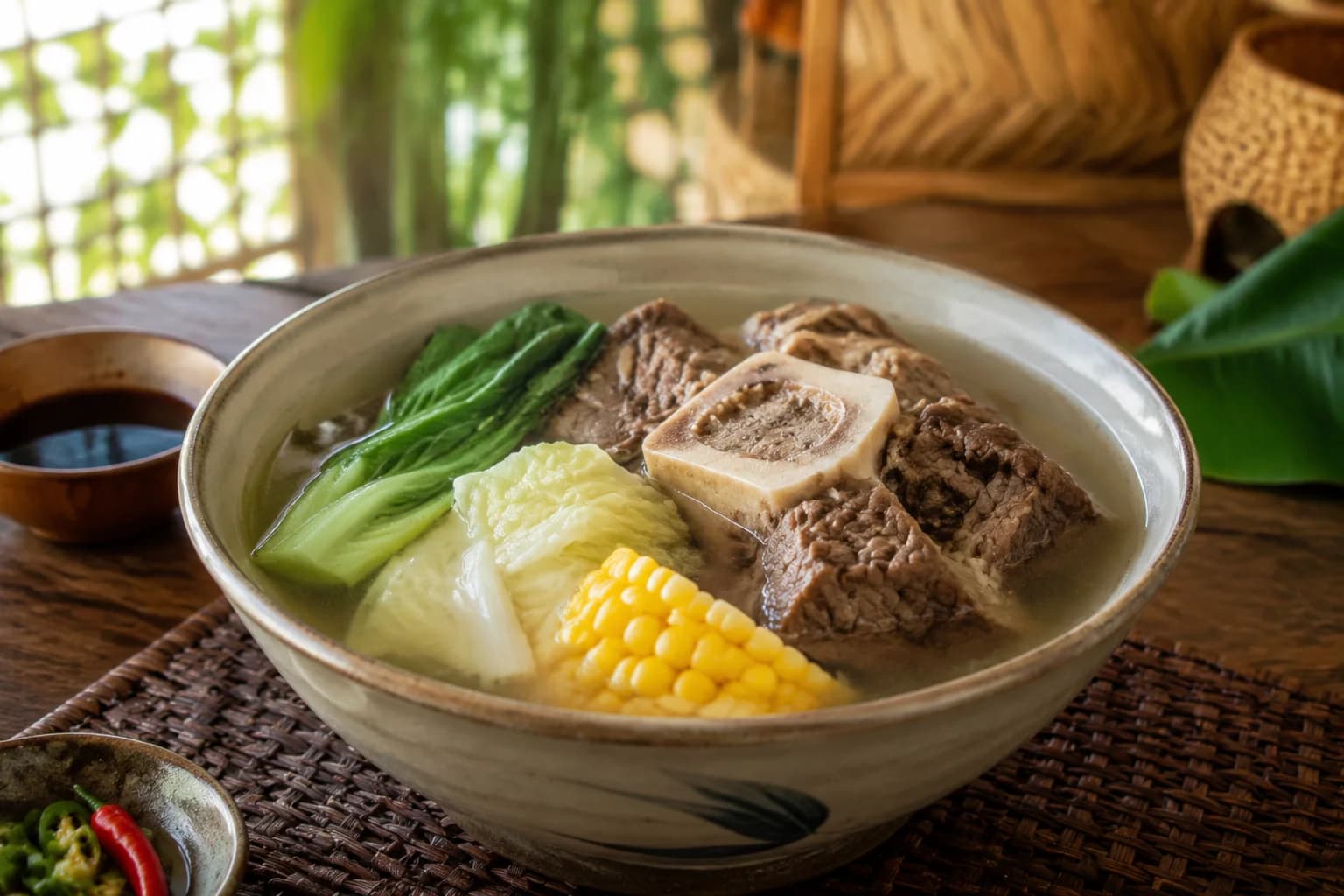
Appears in these dishes
Related
Egg
The kitchen's everything ingredient — bind, leaven, enrich, or fry
Chicken Breast
Lean, quick-cooking white meat for everyday dinners

Ground Beef
Versatile minced beef for burgers, ragù, tacos, and meatballs
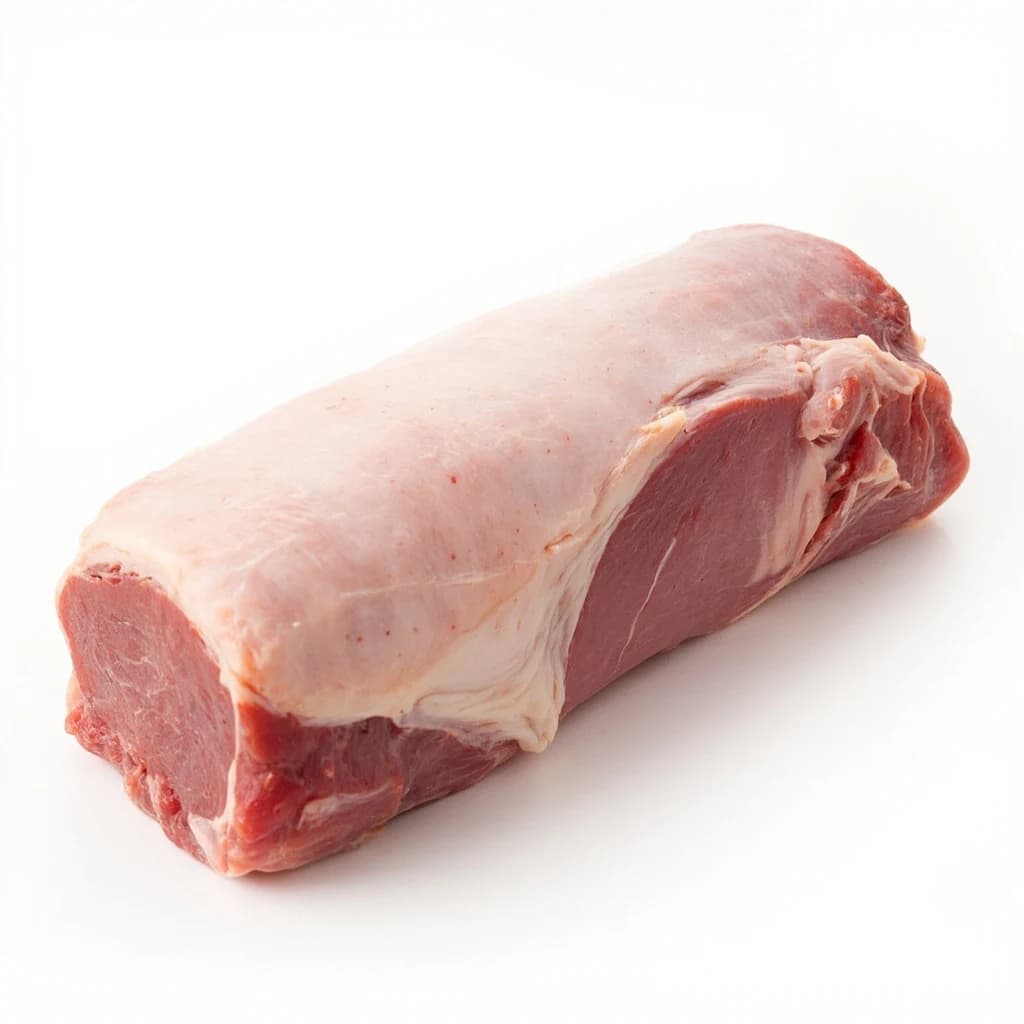
Pork Loin
Lean, tender roasting cut that stays juicy with care
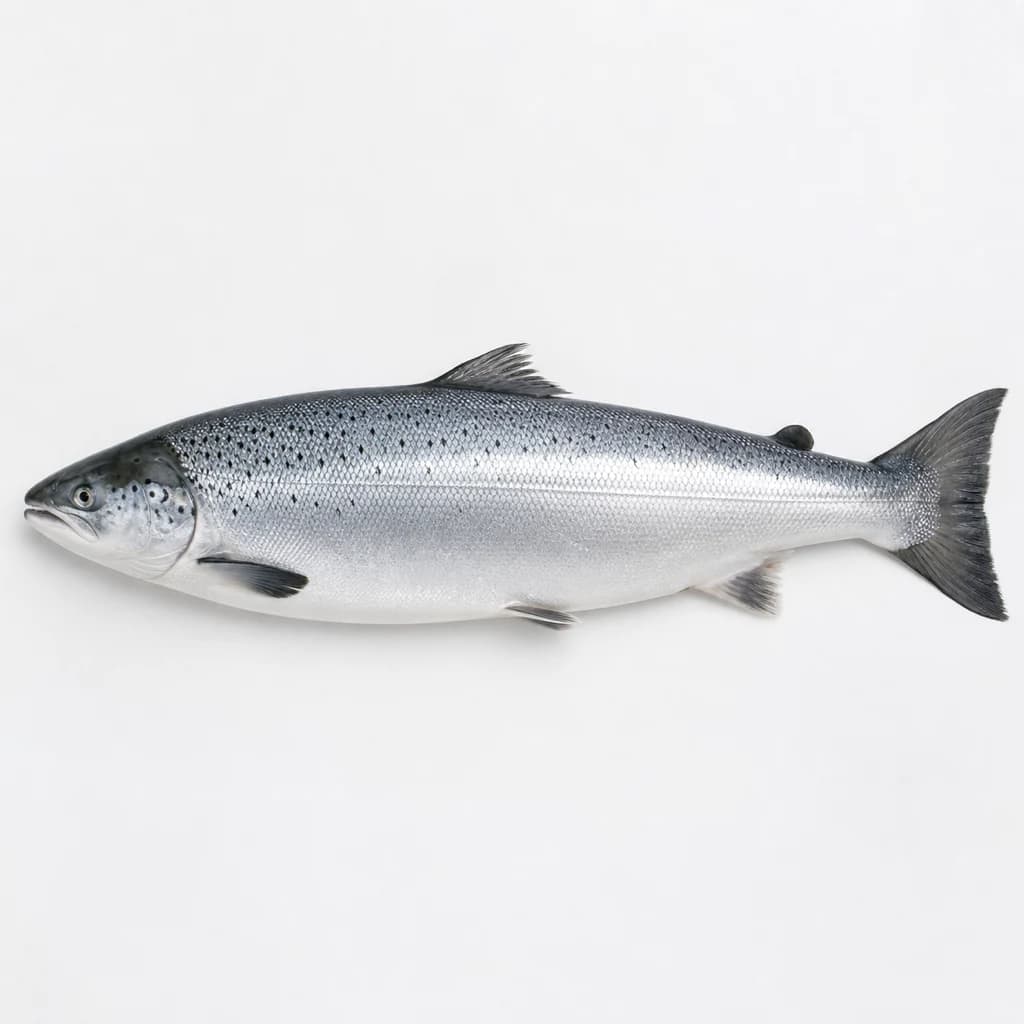
Salmon
Rich, rosy fish that roasts, grills, or cures beautifully

Egg White
Pure protein that whips to airy peaks for meringue and more
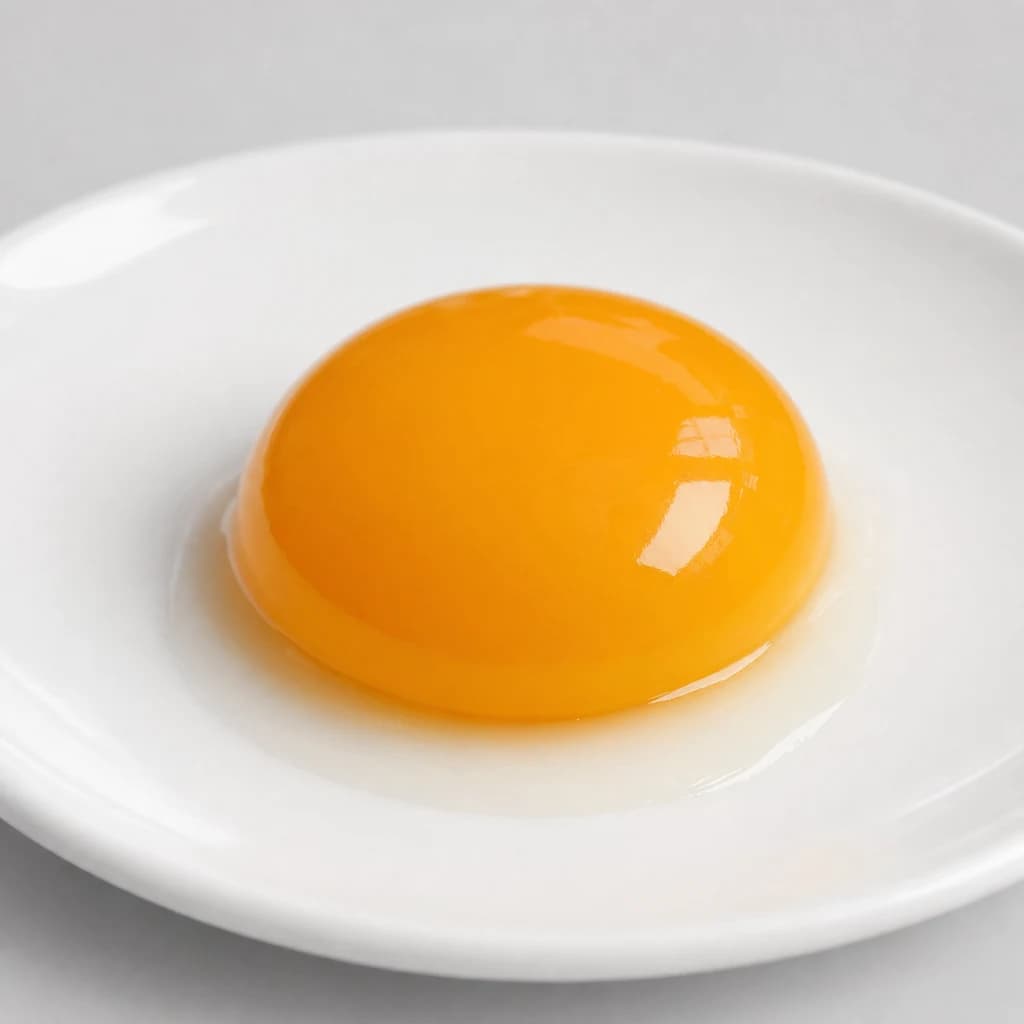
Egg Yolk
Rich, golden yolk for custards, mayonnaise, and pasta

Quail Egg
Tiny, speckled eggs for garnishing and elegant bites