
Natural form
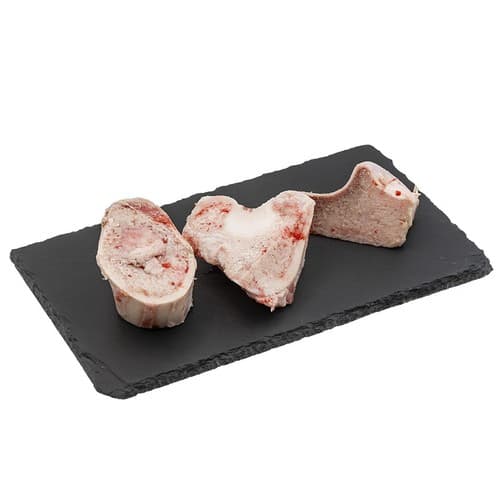
Raw veal knuckle and marrow bones showing their pale ivory color and dense structure.
Shows the reader exactly what to look for when selecting veal bones at a butcher — their size, color, and form before any preparation.
Proteins
Veal Bones
Young-calf bones roasted and simmered to make rich, gelatinous classic stocks and demi-glace.
Veal bones come from young calves and are the backbone of classic French cooking, prized for the gelatin they release when simmered long. Roasted first for color then simmered for hours, they yield a clear, body-rich brown or white stock used to build sauces, demi-glace and braises. Knuckle and marrow bones are the most sought after.
Veal bones are the skeletal remains of calves slaughtered at six to eight months of age, and they represent the gold standard for classical French stock-making. The youth of the animal produces bones that are lighter in color, more porous in structure, and significantly richer in collagen than those from mature beef. This collagen, when properly extracted through long, gentle simmering, hydrolyzes into gelatin that gives veal stock—fond de veau—its characteristic velvety body and ability to coat and cling to proteins. The bones themselves carry less internal marrow than beef bones, making them more about structural richness than fatty indulgence.
The chemistry here is fundamental to classical cuisine: immature skeletons contain more water and less consolidated mineral matrix than mature animals, which means superior gelatin extraction per pound of bone. Knuckle bones and feet (pieds de veau) are the professional's workhorses—they provide the cartilage and joint material that becomes the stock's silky mouthfeel. Femur bones contribute marrow richness but yield less gelatin per pound. A properly made veal stock should be so gelatinous that when chilled, a small amount set on a cold plate will tremble like soft jelly within hours.
Veal stock is the foundational liquid for demi-glace, the classical derivative that underpins half a dozen French preparations—bordelaise, bourguignonne, perigourdine, and others. It is also the starting point for glaces and an essential component in refined soups, consommés, and braising liquids. When purchasing, source from a quality butcher: bones should smell clean and mildly sweet, be cut to manageable six-to-eight-inch lengths, and ideally be briefly frozen to facilitate cutting and ensure freshness.
- Measured in
- g
- Storage
- Freezer
Types & varieties
Cross-cut to expose marrow channels; adds richness and subtle marrow flavor but contributes less gelatin than weight-bearing bones
Dense in cartilage and joint material; the primary source of clean, body-rich gelatin; essential for professional-quality stocks
Carry moderate marrow and meat remnants; a good all-purpose bone that balances flavor and gelatin extraction
Contain both marrow and connective tissue; prized for deeply flavored, structurally sound stocks
Meaty with moderate marrow; contribute robust flavor but less gelatin than axial skeleton bones
Exceptionally high in cartilage and collagen; indispensable for ultra-velvety stock texture and proper mouthfeel
The Role of Gelatin in Classical Cooking
Gelatin is the structural backbone of classical French cuisine. When collagen from bones and cartilage is simmered in water for extended periods, it hydrolyzes into gelatin molecules that disperse throughout the liquid. These molecules give stock its viscous, almost silky quality—a properly made veal stock should coat the back of a spoon and leave a slight sheen. In sauces like demi-glace, this gelatin provides the body that allows the sauce to cling to proteins rather than running off. It also contributes a subtle richness on the palate without adding pronounced flavor of its own, making it an ideal building block that amplifies other components. The test for properly extracted gelatin is simple: chill a spoonful of finished stock. If it sets to a trembling jelly within hours, the extraction was successful. If it remains thin and watery, either the simmer was too hot, the time was insufficient, or bones lacking cartilage (like femur alone) were used.
- Knuckle and feet bones contain the highest concentration of cartilage and joint material
- Gelatin extraction begins around 140°F (60°C); optimal extraction requires sustained temperatures of 160–180°F (71–82°C)
- A stock that won't set when chilled lacks sufficient collagen—add more knuckle or feet bones next time
- Gelatin-rich stocks improve the texture of even simple pan sauces, giving them body without heavy starch or cream
Roasting: Building Color and Flavor
The Maillard reaction during roasting is non-negotiable for depth of flavor. Raw veal bones produce a pale, flat-tasting stock with little complexity. When roasted at 400–450°F until deeply caramelized—30 to 45 minutes depending on oven and bone density—the surface proteins and sugars undergo hundreds of chemical reactions that create the amber color and roasty, savory compounds that define classical brown stocks. The color of the roasted bones directly predicts the color of the finished stock: pale bones yield anemic liquid; mahogany-colored bones yield a stock with genuine depth.
Professionals often add tomato paste or crushed tomatoes during the last 15–20 minutes of roasting. The acidity and natural sugars in tomatoes contribute additional color compounds and flavor complexity. This technique, standard in Escoffier-era recipes, produces stocks with remarkable visual and aromatic depth. The roasted bones and any pan drippings go directly into the stockpot—this caramelized material is where the flavor lives.
- Spread bones in a single layer in a heavy roasting pan; overcrowding steams rather than roasts
- Add 2–3 tablespoons of tomato paste during the last 20 minutes of roasting and toss to coat
- Inspect bones before roasting: any with a sour, gamey, or putrid odor should be discarded—this indicates age or poor handling
- Reserve the rendered fat (schmaltz) for roasting vegetables or finishing pan sauces
Common uses
Tips & pitfalls
- Roast bones until they are deeply caramelized, not merely browned—the mahogany color directly determines the stock's flavor depth and amber hue
- Maintain a bare simmer throughout; boiling emulsifies fat into the liquid and extracts bitter compounds, producing cloudy, harsh-tasting stock
- Skim impurities aggressively during the first 30–60 minutes—this single step determines the clarity and purity of flavor in the finished stock
- Start bones in cold water and bring to simmer slowly; this helps coagulate impurities more predictably than beginning with hot liquid
- Include feet or knuckle bones at roughly 20–30% of total bone weight to guarantee proper gelatin content and velvety body
- Add aromatics in stages: sturdy vegetables and herbs early if desired, but add parsley stems and delicate herbs only in the last 30 minutes to preserve their fragrance
- Never salt veal stock during preparation; salt concentrates as the stock reduces, making final seasoning in sauces difficult to control
- Strain through a fine-mesh sieve lined with damp cheesecloth for clarity; double-strain if the stock is intended for consommé or other clarified preparations
- The stock is ready when it has a clean, sweet-savory aroma and coats a spoon lightly—taste it plain; it should be mildly sweet and deeply rich
- A properly made veal stock smells clean and inviting; any sulfurous or ammonia notes signal overcooking or poor-quality bones
- Add a small amount of acid (tomato paste or diced tomatoes) during roasting to deepen color and contribute flavor complexity
- If bones smell sour, gamey, or off in any way, discard them—this indicates age or improper handling that will taint the entire stock
Nutrition
Energy
510 kJ · per 100 g
Where the calories come from
Protein
20.4g
41% DV
Carbs
0g
0% DV
Fat
4.5g
6% DV
Fiber
0g
0% DV
Sugars
0g
of which
Sodium
98mg
4% DV
Source · USDA FoodData Central · Veal, Australian, shank, hind, bone-in, separable lean only, raw
View on FDC →In the shops
Matched grocery products
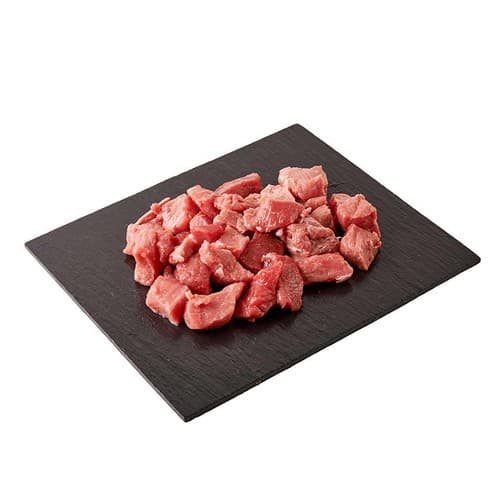 €6.50
€6.50Veal Stew
BONPREU DE L'ERA · ud · Bonpreu
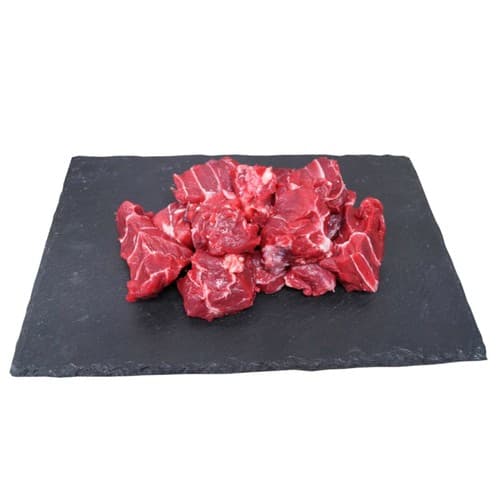 €7.76
€7.76Veal Stew
BONPREU DE L'ERA · ud · Bonpreu
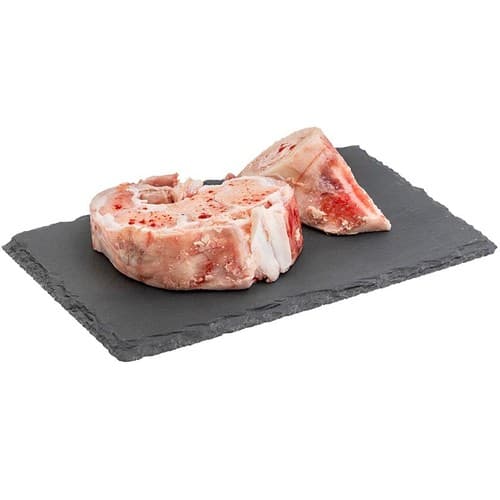 €2.25
€2.25Veal Bones
BONPREU · kg · Bonpreu
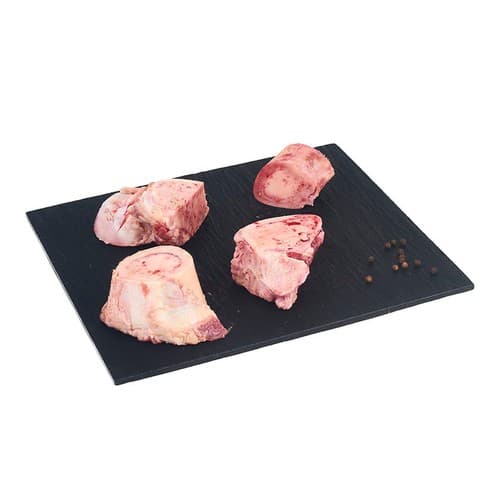 €3.20
€3.20Veal Bones
BONPREU DE L'ERA · kg · Bonpreu
 €3.45
€3.45Veal Bones
BONPREU · kg · Bonpreu
 €6.60
€6.60Veal Steak
BONPREU DE L'ERA · ud · Bonpreu
Good to know
- Source
- Young calves slaughtered at 6–8 months; bones are lighter, more porous, and lower in fat than mature beef bones
- Primary Use
- Fond de veau (veal stock); foundation for demi-glace, glaces, brown sauces, and refined soups
- Key Characteristic
- High hydrolyzable collagen from immature skeleton; produces exceptionally gelatinous, velvety stocks
- Typical Bones Used
- Femur (marrow), knuckle, neck, vertebral, rib, and feet (pieds de veau)
- Roasting
- 400–450°F (200–230°C) for 30–45 minutes until deeply caramelized
- Simmer Time
- 12–24 hours at bare simmer (180–200°F / 82–93°C) for full collagen extraction
- Yield
- Approximately 1 gallon (3.8 L) per 3–4 lbs (1.4–1.8 kg) of bones
- Shelf Life
- Refrigerated 3–4 days; frozen up to 3 months; strained stock keeps refrigerated 1 week, frozen 4–6 months
Substitutes
- Beef Bones — Closest substitute; from mature animals so stocks are darker and more assertively beefy; use a 2:1 ratio (more beef bones needed for equivalent gelatin); roast more heavily for best results
- Chicken Bones — Produce a lighter, more delicate stock; insufficient gelatin for true demi-glace but adequate for light sauces, soups, and risottos
- Pork Bones — Good gelatin extraction with distinctly pork flavor; acceptable for rustic preparations but inappropriate for French classical applications
- Turkey Necks and Back — Serviceable budget substitute; lower fat, mild flavor; combine with turkey or chicken feet for improved body
- Lamb Bones — Distinctly lamby character; acceptable for Mediterranean or Middle Eastern preparations where the flavor is desirable and appropriate
- Veal Base (Concentrated Paste) — Commercial product; convenient but lacks the depth and natural gelatin of homemade stock; use as emergency substitute following manufacturer's ratio instructions
Pairs with
Also called
Calf Bones
Related
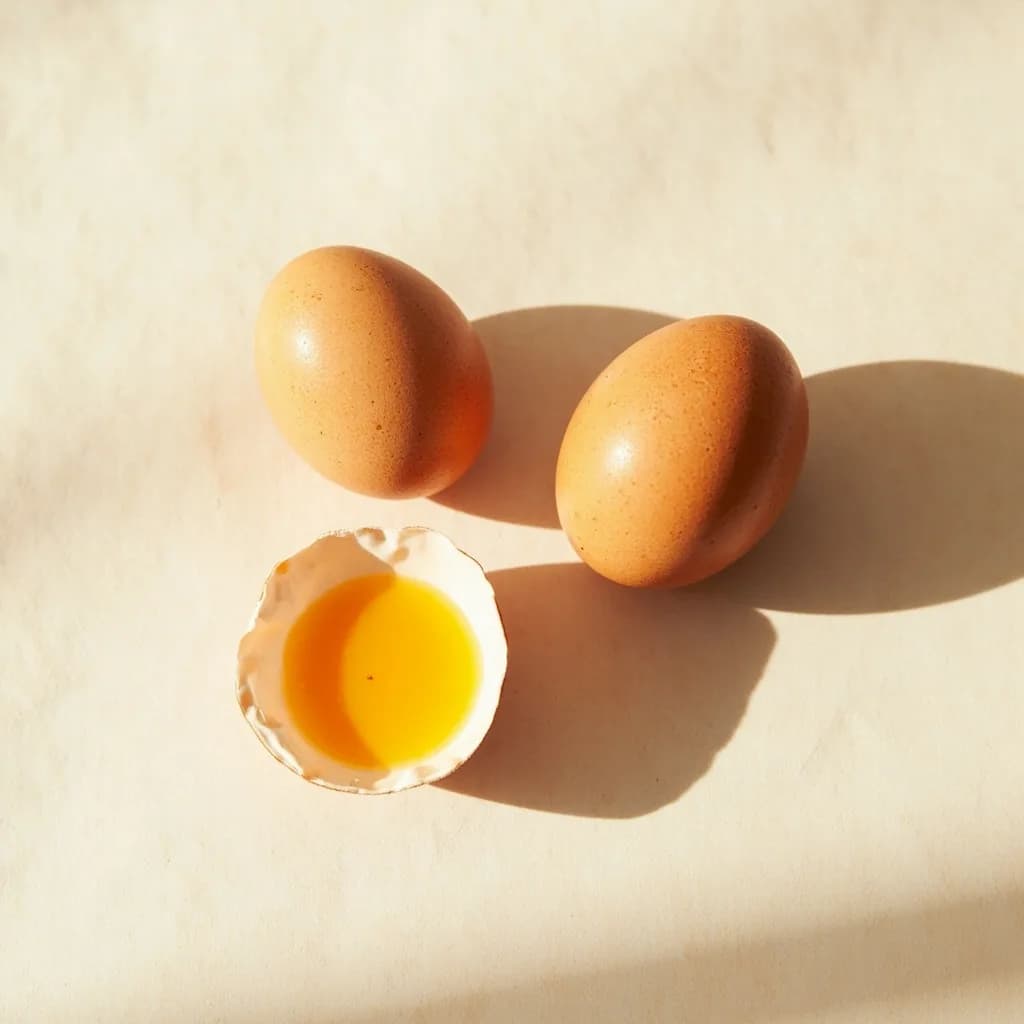
Egg
The kitchen's everything ingredient — bind, leaven, enrich, or fry
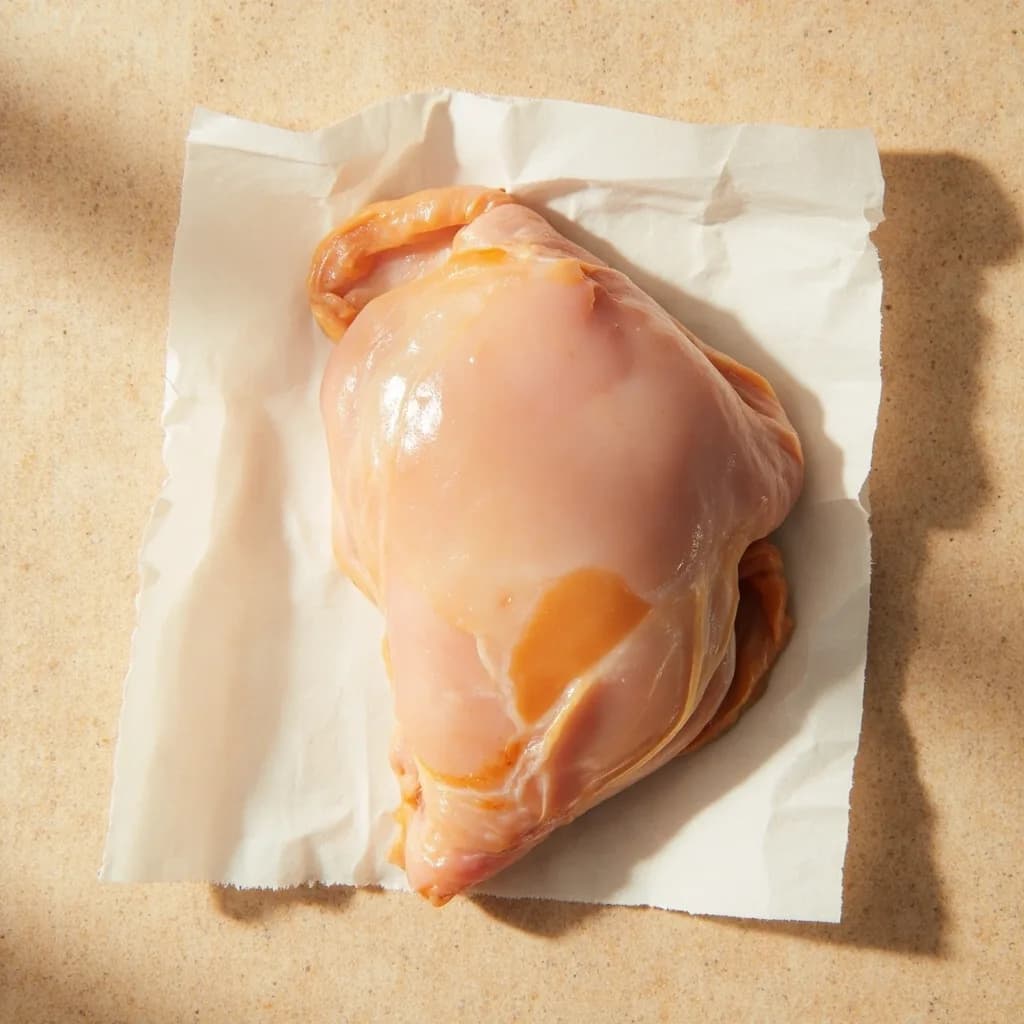
Chicken Breast
Lean, quick-cooking white meat for everyday dinners

Ground Beef
Versatile minced beef for burgers, ragù, tacos, and meatballs
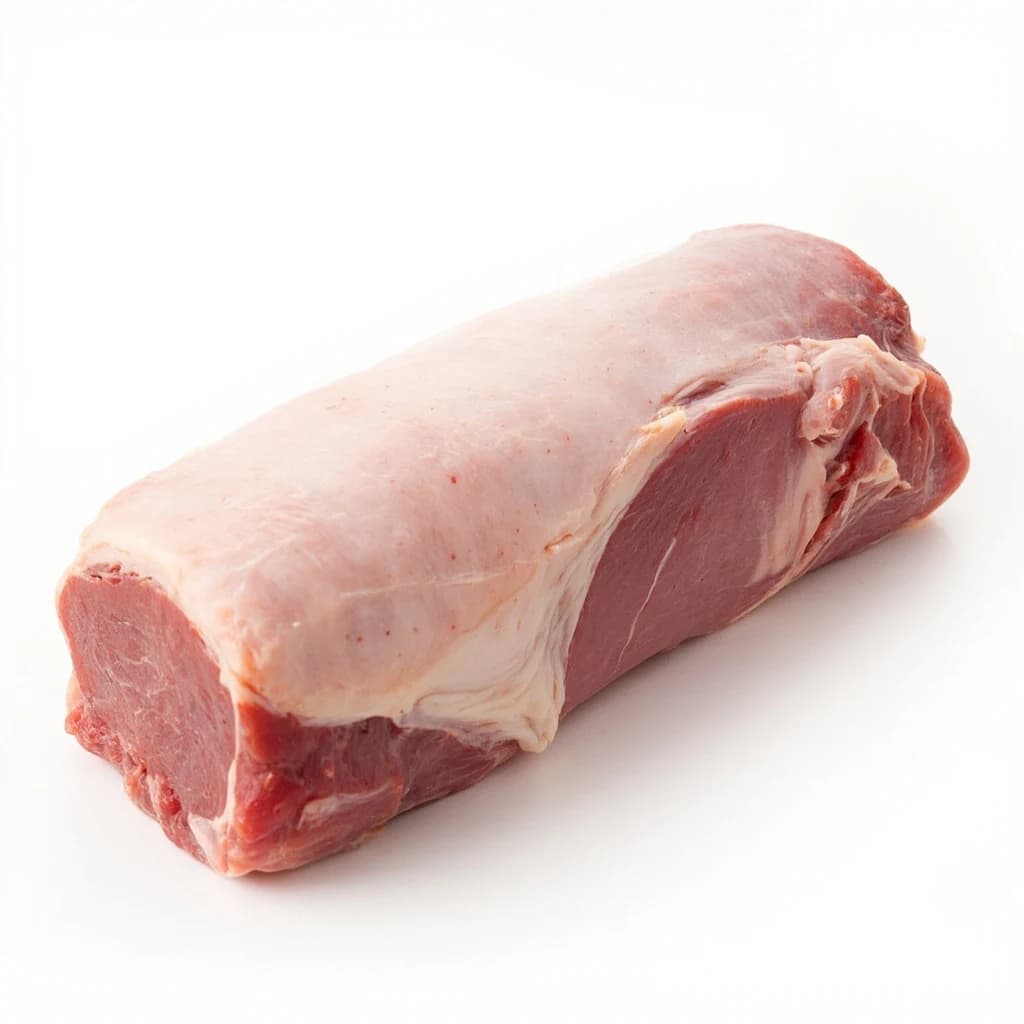
Pork Loin
Lean, tender roasting cut that stays juicy with care
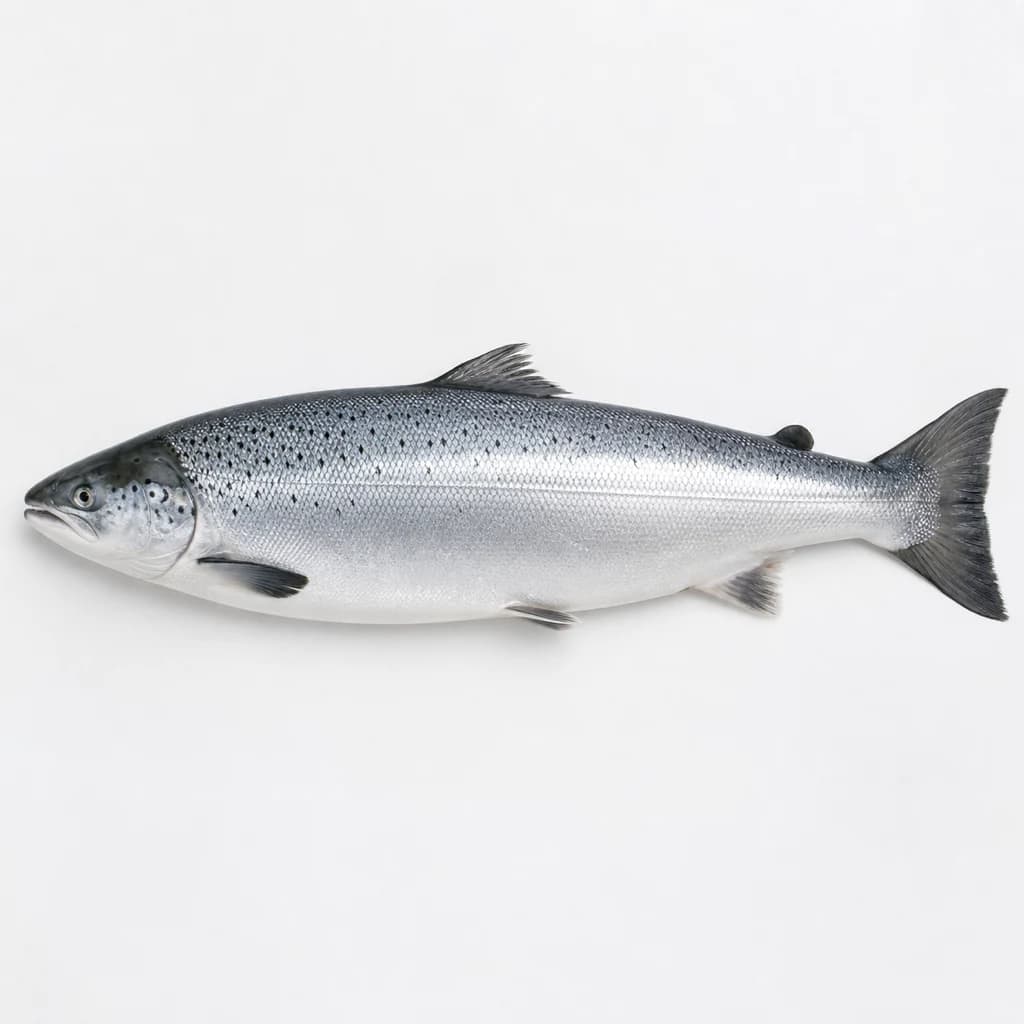
Salmon
Rich, rosy fish that roasts, grills, or cures beautifully

Egg White
Pure protein that whips to airy peaks for meringue and more
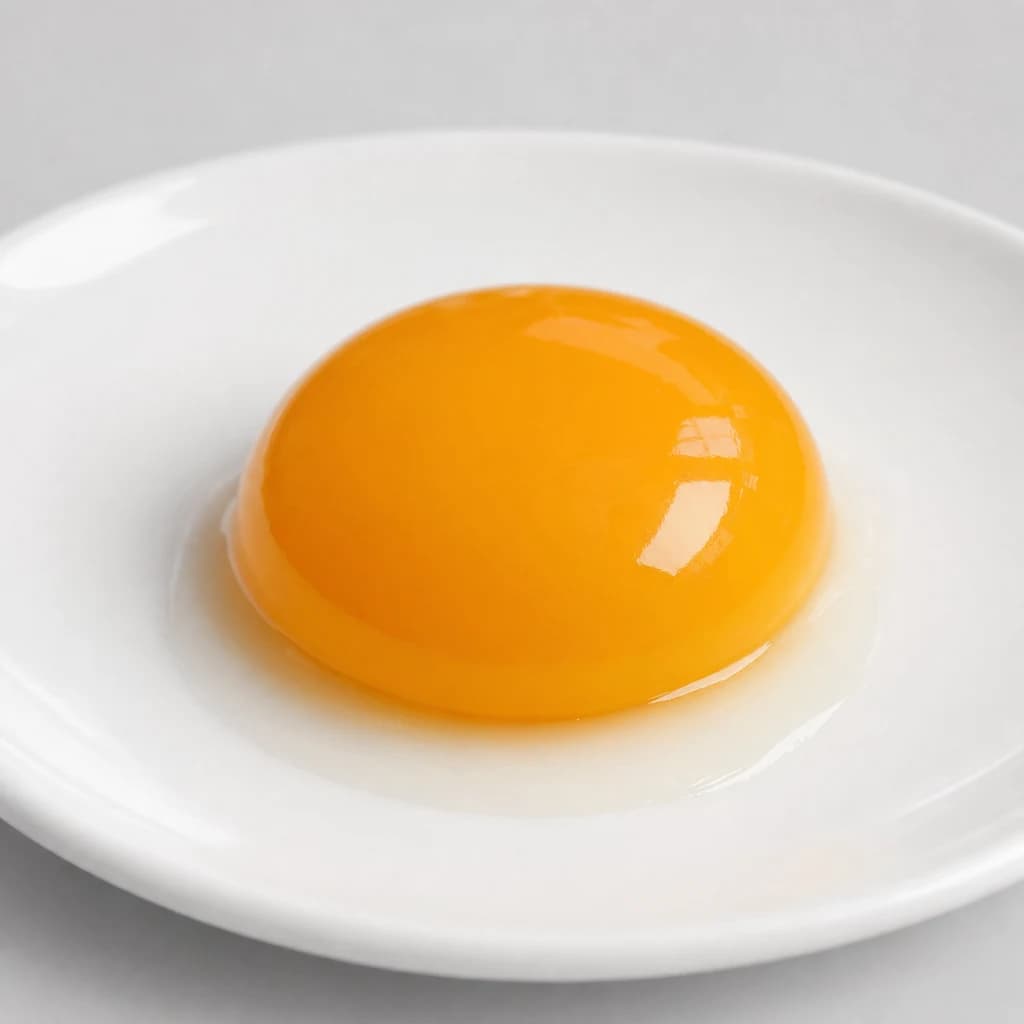
Egg Yolk
Rich, golden yolk for custards, mayonnaise, and pasta

Quail Egg
Tiny, speckled eggs for garnishing and elegant bites