Proteins
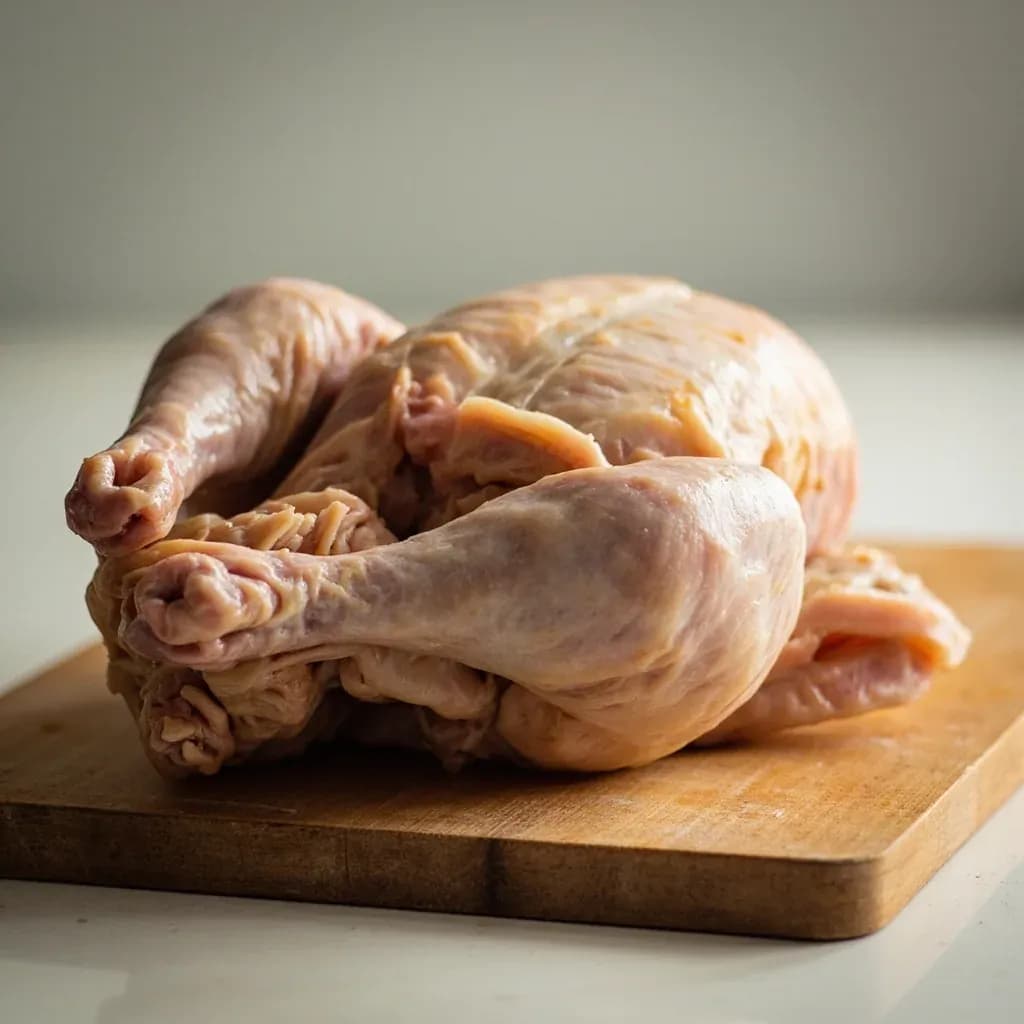
Chicken Carcass
The bones and trimmings left from a chicken, simmered to make rich stock and broth.
A chicken carcass is the leftover bony frame after the meat has been removed, prized for stock-making. Simmered slowly with aromatics, it yields a clear, gelatin-rich broth that forms the base of soups, sauces, and risottos. Roasting the carcass first deepens the color and flavor of the resulting stock.
A chicken carcass is the structural framework left behind after a whole bird has been carved — the backbone, ribs, wingtips, and remaining meat scraps clinging to the bones. It is one of the most undervalued byproducts in a home kitchen, yet it holds extraordinary potential. The bones contain collagen that converts to gelatin during prolonged simmering, marrow that enriches the liquid with fat and flavor compounds, and residual proteins that create body and mouthfeel. When properly processed, a single carcass yields two to three quarts of liquid gold that forms the foundation of countless preparations. The distinction between a roasted and raw carcass fundamentally shapes the final stock: a roasted carcass carries the Maillard reaction compounds from caramelized skin, producing an amber, deeply savory liquid, while a raw carcass yields a paler, cleaner-tasting stock better suited to delicate soups and sauces. Either way, the result is a deeply savory, umami-rich liquid that elevates everything it touches.
- Measured in
- piece
- Storage
- Fridge
Types & varieties
From a whole roasted or rotisserie chicken; sugars in skin caramelize during roasting, yielding a deep amber stock with pronounced savoriness and a slight sweetness
From a raw bird after portions are removed; produces a paler, cleaner-flavored stock ideal for delicate soups, light sauces, and clear broths
Sold separately at many butchers; these cuts contain substantial cartilage and make excellent lighter stocks with good gelatin content
From chickens raised on pasture; fat has a golden hue and flavor notes reflecting the birds' varied diet; higher in omega-3 fatty acids
The Science of Gelatin Extraction
The secret to a truly exceptional chicken stock lies in gelatin. Chicken bones contain large amounts of collagen, a protein that dissolves slowly in hot water and transforms into rich, viscous gelatin. This gelatin is what gives proper stock its body — when chilled, it should set to a semi-solid jiggle, much like unset gelatin dessert. Without sufficient gelatin, stock is thin and watery, lacking the silky mouthfeel that defines a well-made product. To maximize gelatin extraction, include cartilage-rich parts like necks, backs, and especially chicken feet, which have an exceptionally high collagen content. The addition of a mild acid such as vinegar or wine to cold water before heating helps draw calcium and minerals from the bones, further enriching the stock.
- Collagen converts to gelatin between 160–180°F (71–82°C)
- Acid helps demineralize bones, freeing more collagen for extraction
- Stock that doesn't gel when chilled is deficient in gelatin
Stock vs. Broth: Understanding the Difference
While the terms are often used interchangeably, there is a meaningful distinction. Stock is made from bones and aromatics, simmered for extended periods to extract collagen and flavor from the skeletal framework. It is typically unsalted, intended as a cooking medium to be seasoned later. Broth, by contrast, is made primarily from meat — often including some bones — and is seasoned during preparation, making it suitable for immediate consumption. A chicken carcass makes stock; adding seasoning transforms it into broth. Both are valuable, but understanding this distinction helps you choose the right product for each application.
- Stock: unsalted, bone-based, long-simmered, used for cooking
- Broth: salted, meat-forward, shorter simmer, ready to drink
- A carcass makes stock that can become broth when seasoned
Common uses
Tips & pitfalls
- Roast the carcass at 400°F (200°C) for 30–45 minutes before simmering for a substantially darker, more flavorful stock with pronounced savoriness
- Add 1–2 tablespoons of apple cider vinegar or white wine vinegar to the pot before heating; the mild acidity pulls calcium and minerals from the bones, enriching both flavor and gelatin content
- Skim foam and fat diligently during the first 30 minutes of simmering to ensure a clear, clean-tasting stock — foam carries impurities that cloud the liquid
- Use roughly 3–4 quarts of cold water per carcass; too much water dilutes flavor, too little wastes extraction potential by not fully submerging the bones
- Add aromatics after the initial skimming phase, not at the start, to avoid bitter notes from prolonged boiling of herbs and to maintain clarity
- Strain through a fine-mesh strainer lined with cheesecloth or a coffee filter to remove sediment and achieve restaurant-quality clarity
- Simmering beyond 12–24 hours risks bitter, murky results; 4–6 hours is sufficient for most carcasses, though 8–12 hours extracts more gelatin
- Common mistake: boiling the stock vigorously, which churns fat and impurities into the liquid and makes it cloudy instead of clear
- Common mistake: discarding the carcass before it has fully released its flavor; properly simmered bones should feel hollow, light, and dry when done
- For a richer brown stock, add 1–2 tablespoons of tomato paste during the last 15 minutes of roasting the carcass; this deepens color and adds subtle sweetness without dominating the flavor
- Freeze stock in ice cube trays or portioned containers for convenient use; label with the date and whether it was made from roasted or raw bones
- Include chicken feet or extra neck bones to dramatically increase gelatin content and body; the resulting stock will set like gelatin when chilled
Nutrition
Nutrition
No USDA FoodData Central match for Chicken Carcass yet. We surface a per-100 g profile once a generic whole-food entry is matched and verified.
In the shops
Matched grocery products
No matched grocery products for Chicken Carcass yet.
Good to know
- Source
- Byproduct of whole roasted or poached chickens; also sold raw at butchers and some supermarkets
- Primary Use
- Simmered 4–24 hours to extract collagen, gelatin, and marrow for rich stock or broth
- Typical Yield
- 2–3 quarts of finished stock from one standard carcass
- Simmering Temperature
- 180–212°F (82–100°C); a bare whisper of bubbles, never a rolling boil
- Storage (refrigerated)
- 1–2 days in an airtight container
- Storage (frozen)
- Up to 3 months in a sealed freezer bag; up to 6 months if blanched first
- Flavor Profile
- Savory, umami-rich, slightly meaty; depth increases dramatically if bones are roasted first
- Difficulty
- Simple technique requiring patience; hands-off after initial setup
Substitutes
- Turkey Carcass — An excellent substitute; follow the same method yields a slightly richer, gamier stock with deeper flavor notes
- Duck or Goose Carcass — Produces a darker, fattier stock with deeper, more pronounced flavor; excellent for sauces and confit braising liquids
- Store-Bought Chicken Stock — Use low-sodium varieties if the carcass is unavailable; adjust seasoning accordingly to avoid excessive saltiness
- Vegetable Stock — Only appropriate for neutral flavor applications; lacks the gelatin body and savory depth of bone-based stock
- Chicken Base (paste or granules) — A concentrated product dissolved in water; provides similar flavor but lacks the body and mouthfeel of true stock
- Capon or Hen Carcass — Older bird carcasses often yield the richest, most gelatinous stock due to higher connective tissue from longer lives
Pairs with
Also called
Chicken Bones · Chicken Frame
Related

Egg
The kitchen's everything ingredient — bind, leaven, enrich, or fry

Chicken Breast
Lean, quick-cooking white meat for everyday dinners

Ground Beef
Versatile minced beef for burgers, ragù, tacos, and meatballs

Pork Loin
Lean, tender roasting cut that stays juicy with care

Salmon
Rich, rosy fish that roasts, grills, or cures beautifully

Egg White
Pure protein that whips to airy peaks for meringue and more

Egg Yolk
Rich, golden yolk for custards, mayonnaise, and pasta

Quail Egg
Tiny, speckled eggs for garnishing and elegant bites