Legumes & Beans
Black Soybean
Dark-skinned soybean used in East Asian dishes and sweet New Year preparations.
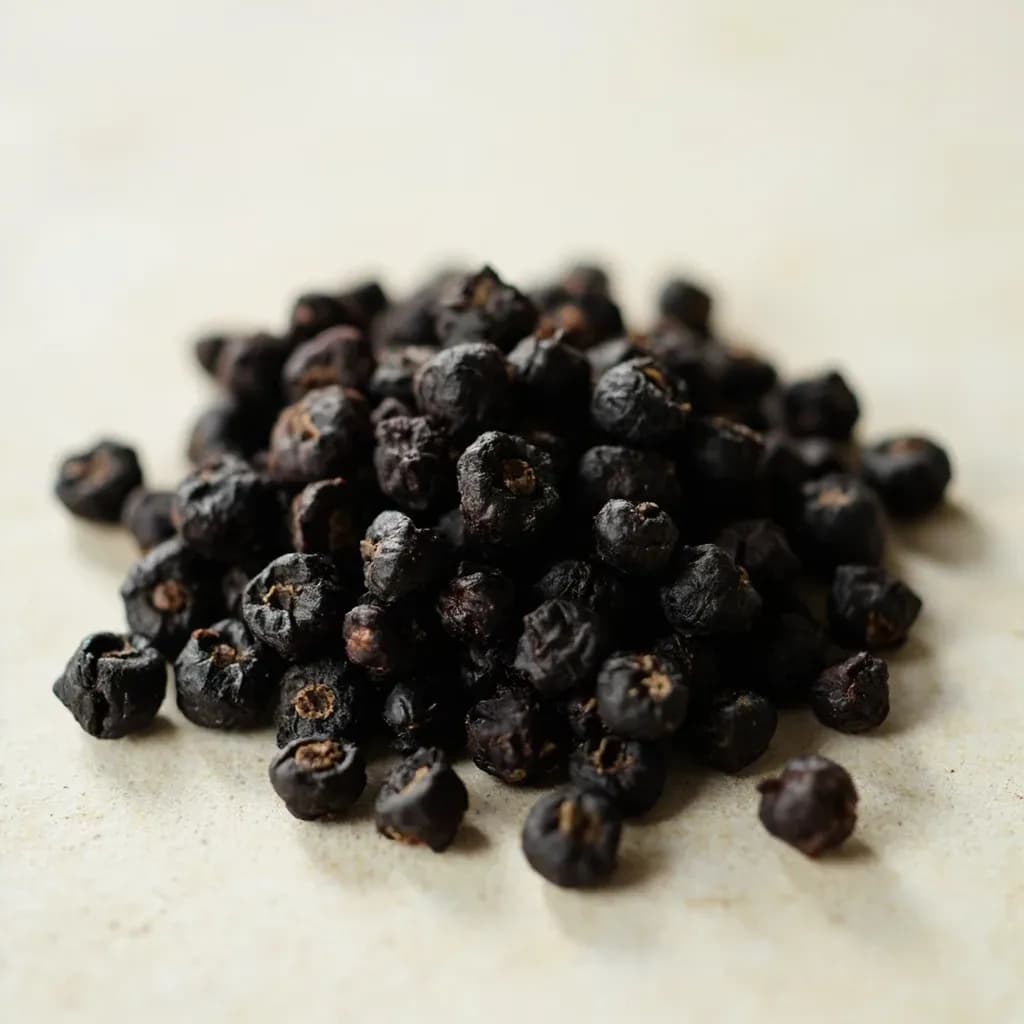
Black soybeans are soybeans with a black seed coat and a yellowish or green interior, with a slightly sweeter, richer flavor than yellow soybeans. In Japan they are simmered with sugar into kuromame for New Year celebrations, and in Korea and China they appear in braises and side dishes. They are also used to brew darker soy sauces and pastes.
Black soybeans (Glycine max) are a distinct variety of soybean with a matte black seed coat that encloses a green or beige cotyledon inside. Unlike black turtle beans, which belong to an entirely different species (Phaseolus vulgaris), black soybeans are true soybeans and behave accordingly during cooking—they require longer soaking and cooking times and have a firmer, denser texture when tender. The black hull is rich in anthocyanins, the same antioxidants found in black rice and blueberries, which gives the beans their deep color and subtle slightly bitter notes. Yellow soybeans contain no anthocyanins, so black soybeans are not simply a color variant but a meaningfully different ingredient with distinct culinary properties. In Korea, black soybeans carry symbolic weight during Seollal (Lunar New Year), where they represent good fortune and are featured in tteok and broths. In Japan, large-seeded cultivars called kuro daizu are prized for a buttery, almost creamy texture when cooked slowly. The versatility of black soybeans spans both savory and sweet traditions—from fermented pastes central to Chinese and Korean cuisine to sweetened pastes for Japanese desserts like zenzai and shiruko.
- Measured in
- g
- Storage
- Pantry
Allergens
Types & varieties
Japanese black soybean; large, matte black seeds; prized for buttery, creamy texture in sweetened preparations and黑豆浆 (black soybean milk)
General Chinese term covering several regional cultivars; used for douchi, fermented pastes, and whole-bean braises
North American cultivar; smaller seeds, quicker-cooking; common in commercial black soybean products and tofu
Not the same as raw black soybeans—pre-fermented, salted, and cured; sold in bags or jars; used directly in cooking
Fermented Black Soybean Products
Black soybeans are the primary bean for some of East Asia's oldest preserved foods. Chinese douchi (pàodòuchǐ) are whole fermented black soybeans cured in salt and rice wine, then dried. They have a deeply savory, slightly salty flavor and are used whole in braises and stir-fries—most famously in mapo tofu and red-cooked dishes. Korean meju are large fermented soybean blocks made from ground soybeans (often black) and used to make doenjang (fermented soybean paste) and ganjang (soy sauce). These fermented products are fundamentally different from raw black soybeans and cannot substitute for them in recipes. When a recipe calls for douchi, look for it in Asian grocery stores in the dried bean or condiment aisle. Rinse briefly before using to remove excess salt and any clinging debris.
- Douchi: whole fermented beans; used in Chinese braises and stir-fries
- Meju: Korean fermented soybean block; base for doenjang and ganjang
- Huang dou chi: Korean-style fermented soybeans; used in jangajji and ssam
Choosing and Storing
Select dried black soybeans that are uniformly matte black and plump—shrivelled or cracked beans indicate age and will not soften properly even with extended cooking. The interior cotyledon should be greenish or beige, not chalky or discolored. Store dried beans in an airtight container in a cool, dry place; they keep 2–3 years without significant loss of quality. Cooked soybeans keep refrigerated in their cooking liquid for up to 5 days, or frozen for up to 3 months. Frozen cooked soybeans are convenient for quick addition to grain bowls, porridges, or soups.
- Reject: shrivelled, cracked, or chalky beans
- Store: airtight container, cool dry place, up to 3 years
- Cooked beans: refrigerate 5 days, freeze 3 months
Common uses
Tips & pitfalls
- Rinse and pick over dried beans thoroughly—debris and discolored beans are common in bulk packages and can affect both texture and appearance.
- Always soak black soybeans before cooking; unlike some smaller beans, they do not soften adequately from dry, and unsoaked beans may stay chalky in the center after hours of simmering.
- Do not add salt, soy sauce, or acidic ingredients (tomato, vinegar, wine) until beans are fully tender—these dramatically slow softening and can leave you with crunchy beans that refuse to cook further.
- Taste a cooked bean before using it in a recipe; properly cooked black soybeans are tender with a mildly sweet, nutty flavor and no raw taste. If they taste raw or beany-green, cook longer.
- Distinguish between dried fermented black beans (douchi, sold in bags) and raw black soybeans—they are not interchangeable. Douchi is pre-salted and cured; raw black soybeans are bland and unsalted.
- When making sweetened black soybean paste for Japanese or Korean desserts, cook beans in their soaking water to retain anthocyanins; exposure to air causes the deep black color to fade to muddy brown.
- Pressure cooking reduces cooking time to 20–35 minutes with no pre-soak if beans are fresh (within one year of harvest); older beans may still require soaking even under pressure.
- If the cooked flesh turns chalky or mealy instead of tender and creamy, the beans are too old—discard them and purchase a fresh package.
Nutrition
Energy
1427 kJ · per 100 g
Where the calories come from
Protein
21.6g
43% DV
Carbs
62.4g
23% DV
Fat
1.4g
2% DV
Fiber
15.5g
55% DV
Sugars
2.1g
of which
Sodium
5mg
0% DV
Source · USDA FoodData Central · approx. Beans, black, mature seeds, raw
View on FDC →In the shops
Matched grocery products
No matched grocery products for Black Soybean yet.
Good to know
- Scientific name
- Glycine max
- Origin
- East Asia (China, Japan, Korea)
- Primary colors
- Black seed coat; green or beige cotyledon inside
- Key nutrients (per 100g, cooked)
- ~130 kcal; 12g protein; 6g fiber; 6g net carbs; negligible fat
- Soaking time
- 8–12 hours (overnight recommended)
- Cooking time (soaked)
- 45–90 minutes simmering; 20–30 minutes pressure cooker
- Dried yield
- Approximately 2:1 (volume cooked to dried)
- Shelf life (dried)
- 2–3 years in cool, dry, airtight container
Substitutes
- Black turtle beans — Different species (Phaseolus vulgaris); much smaller, softer texture, and earthier flavor; not a close match but workable in salads, soups, and Latin American applications where texture matters less than color
- Yellow soybeans — Slightly shorter cooking time; milder, less nutty flavor; acceptable for most cooked applications but not for dishes where the black color or anthocyanin benefits are desired
- Fermented black beans (douchi) — Only acceptable for fermented applications; cannot substitute for raw black soybeans—these are pre-cured, salty, and already fermented
Pairs with
Also called
Kuromame · Black Soya Bean
Appears in these dishes
Related
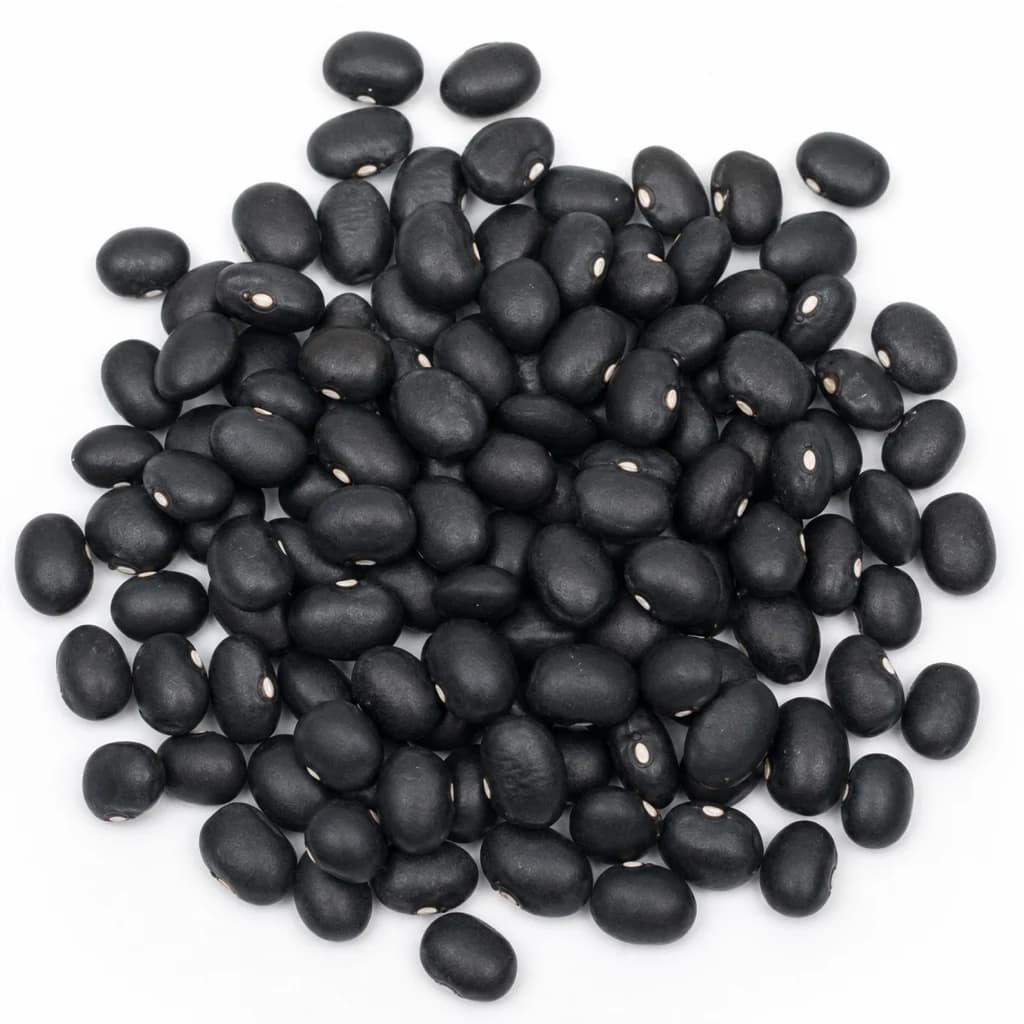
Black Beans
Earthy, creamy beans for bowls, soups, and tacos
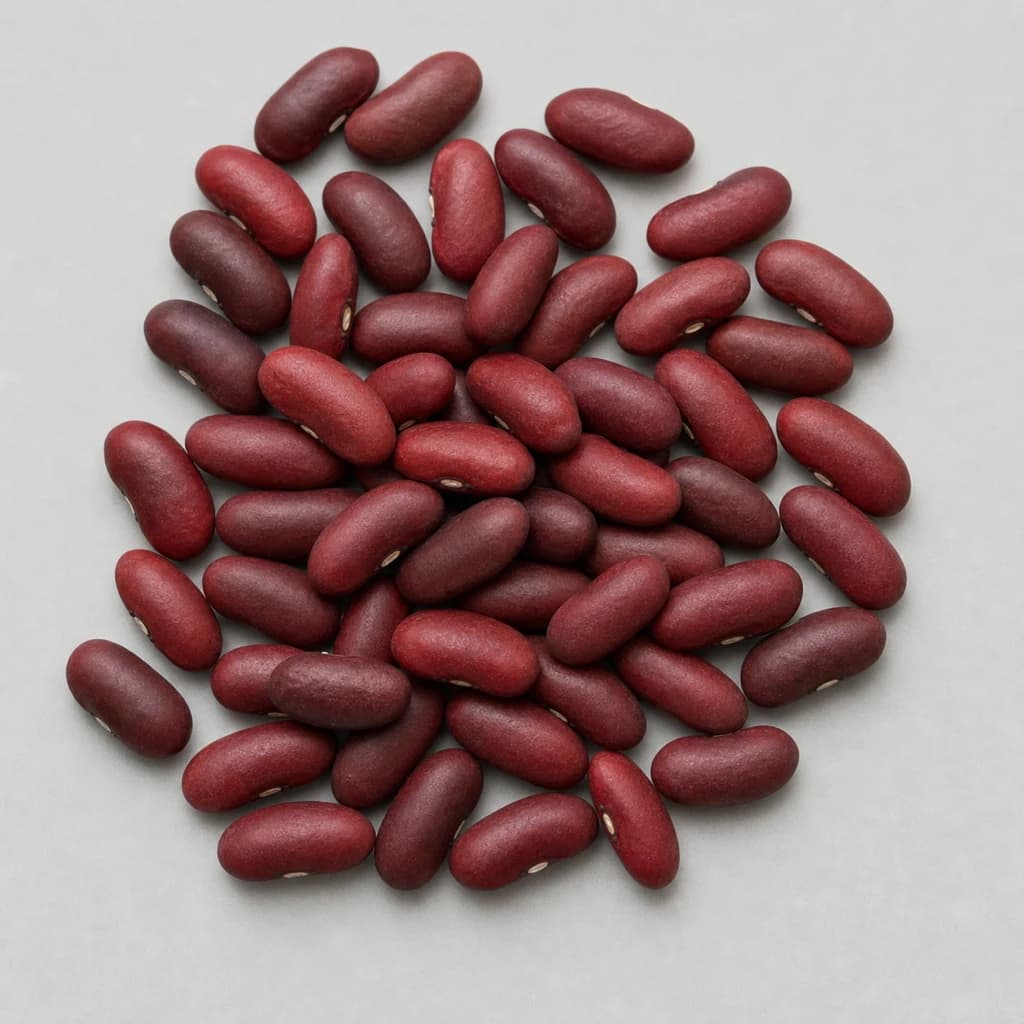
Kidney Beans
Hearty red beans that hold their shape in chili and stews
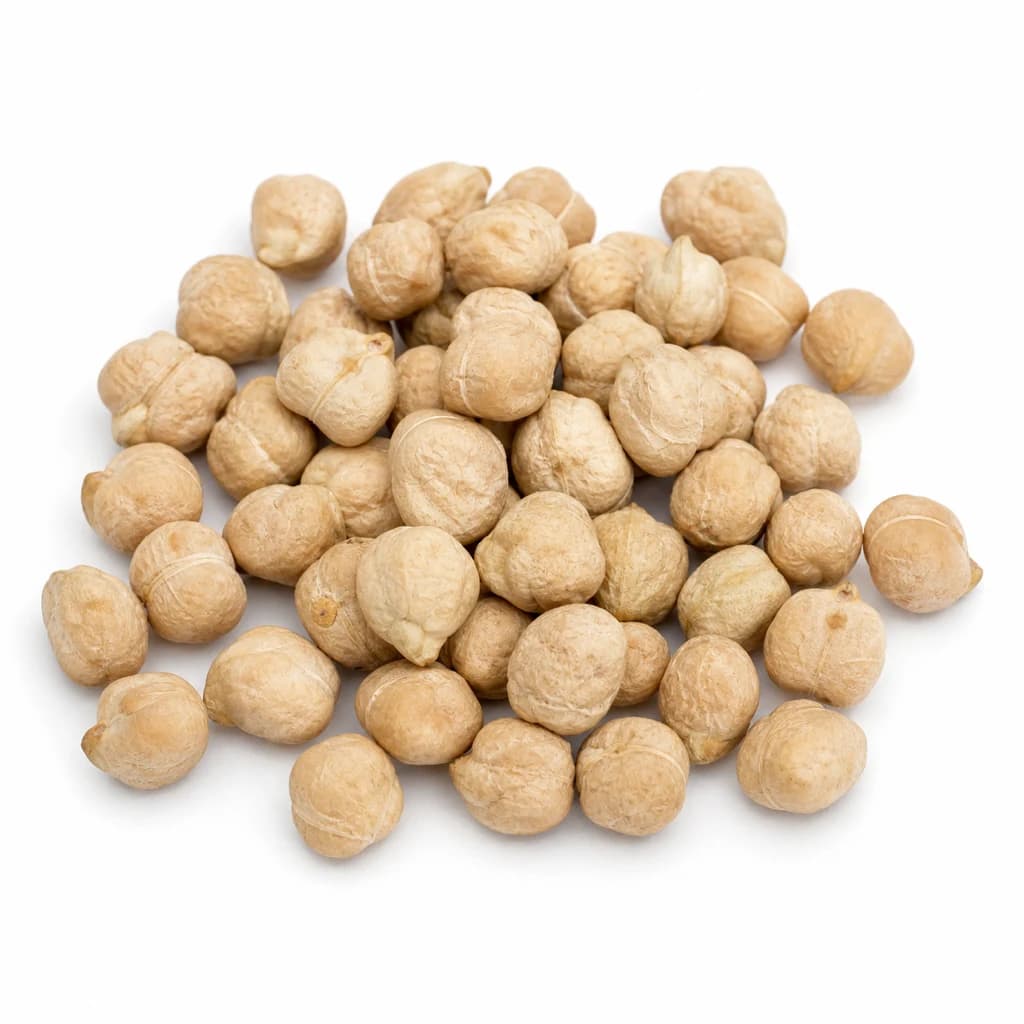
Chickpeas
Nutty, versatile beans for hummus, curries, and roasting
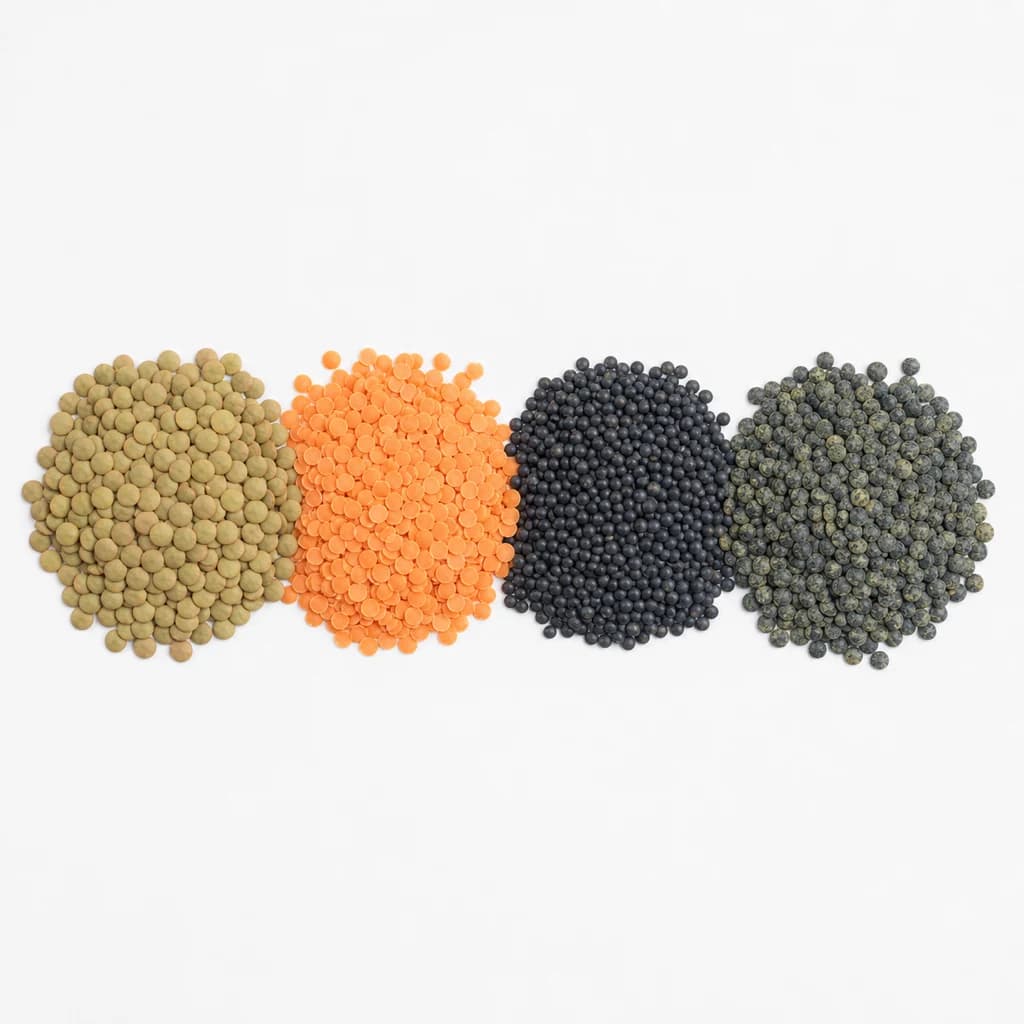
Lentils
Quick-cooking pulses for soups, dals, and hearty salads

White Beans
Creamy, mild beans for soups, stews, and silky purées
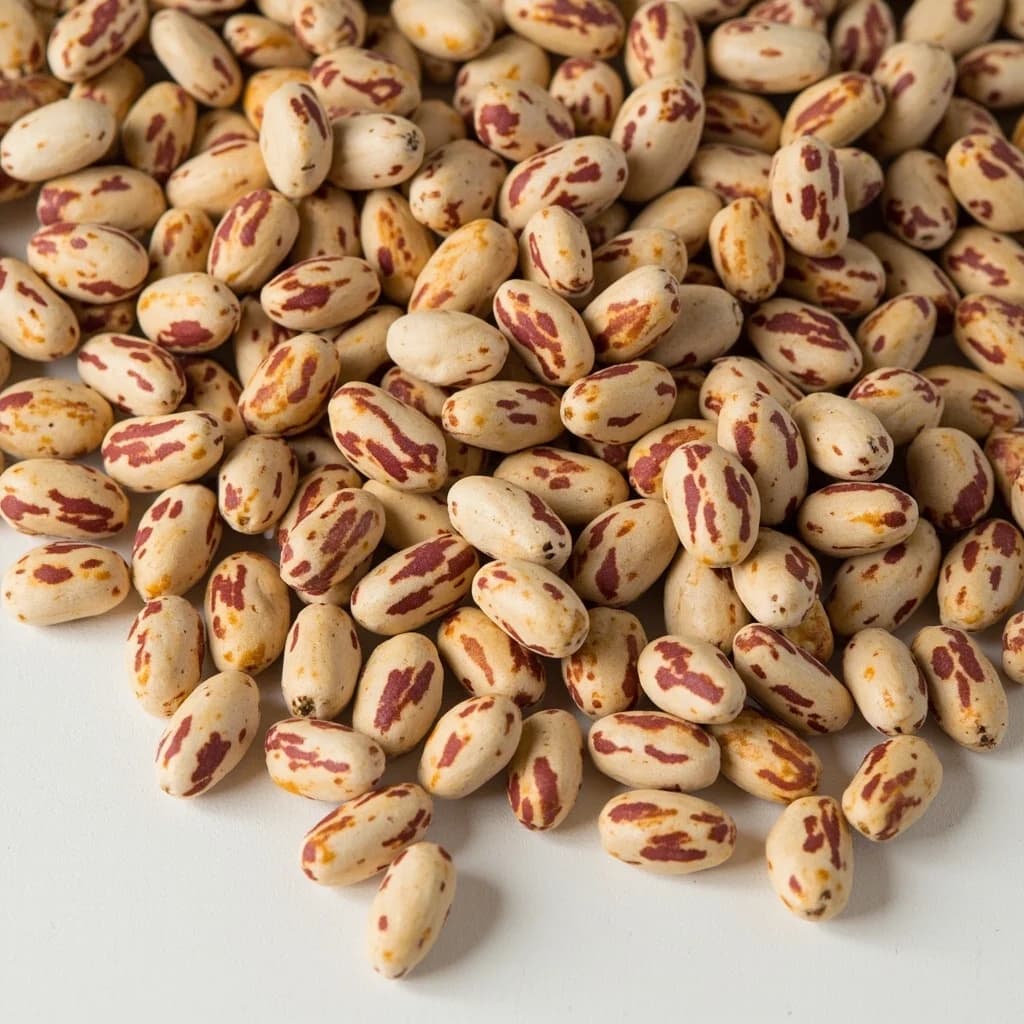
Pinto Beans
Creamy, speckled beans for refried beans and stews

Split Peas
Quick-cooking peas that melt into thick, comforting soups
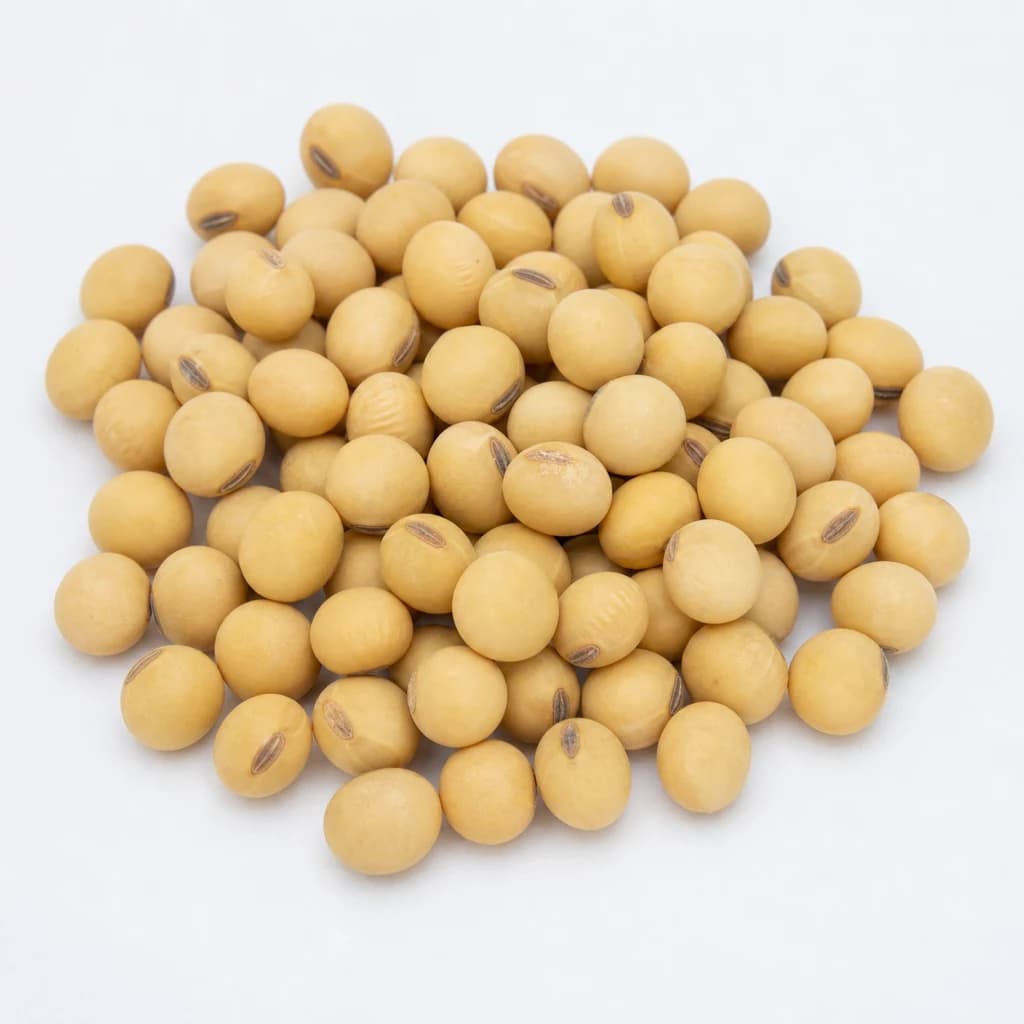
Soybeans
Protein-packed beans, the base for tofu and miso