
Stored
A standard 4-ounce can of diced green chiles, the most common pantry format.
Shows readers the exact product form they will encounter in stores and recipes.
Produce
Canned Green Chiles
Roasted, peeled mild green chiles in a can for Tex-Mex and Southwestern cooking.
Canned green chiles are roasted, peeled, and diced mild chiles (typically Hatch or Anaheim) packed for convenience. They add gentle heat and smoky-sweet flavor to enchiladas, queso, soups, cornbread, and egg dishes. They save the work of fire-roasting and peeling fresh chiles.
Canned green chiles are fire-roasted, peeled mild green chiles packed in their own juices or a light brine, offering a year-round shortcut to the smoky, slightly sweet depth that defines Southwest and Tex-Mex cooking. The roasting step is the critical flavor event: open flame causes Maillard browning and caramelization of the natural sugars in the chile flesh and loosens the skin, creating the characteristic depth that distinguishes these chiles from raw bell peppers or generic canned peppers. Unlike fresh-roasted chiles, which must be used immediately or frozen, canned chiles are shelf-stable and ready to fold into any dish. The dominant variety is the New Mexico chile (Capsicum annuum), grown commercially in the Hatch Valley corridor along the Rio Grande and in Mexico; the Anaheim is essentially the California strain of the same chile. Heat runs mild—typically 500 to 2,500 Scoville units, overlapping the lower end of jalapeño range but substantially milder overall—though a single hot pod can still overwhelm a dish meant to be mild. Texture in the can is soft and yielding, not structural, so they integrate easily into sauces and cheese dips but require care when stuffing or layering.
- Measured in
- g
- Storage
- Pantry
Types & varieties
Most common retail format; 28-oz cans from brands like Hatch, La Victoria, Bueno; whole pods hold together for stuffing or layering
Pre-chopped convenience form; marketed as 'green chile pieces'; common in restaurant supply in #10 cans for high-volume kitchens
Brands like Bueno, Merrick's, and Let's Get Saucy sell New Mexico-grown Hatch varieties labeled Mild, Medium, or Hot; seasonal NM-grown product appears late summer through fall
California-adapted New Mexico chile strain; similar mild flavor and behavior; most commercial canning shifted to New Mexico by mid-20th century
Different cultivar of Capsicum annuum; substantially hotter with a distinct flavor profile; rarely labeled simply as 'canned green chiles'
Canned vs. Fresh-Roasted: What Changes
The practical differences between canned and fresh-roasted Hatch or Anaheim chiles are real and affect how you use them in recipes. Canned chiles are fully cooked from the roasting and canning process, so they need only gentle reheating—adding them early in a long-cooking dish risks overcooking and muddying flavor. Fresh-roasted chiles, by contrast, retain a firmer, more structural texture and a brighter, more assertive flavor that fades over days in the refrigerator. For dishes where the chile is the star—chiles rellenos, where the pod must hold its shape during battering and frying, or a fresh salsa verde—fresh-roasted is worth the effort. For dishes where chiles are folded into sauces, cheese dips, or soups, canned delivers nearly all the flavor with far less prep work. To approximate fresh-roasted depth with canned chiles, briefly char them under a broiler before use to re-activate the roasted character.
- Canned chiles are already cooked; reduce overall cooking time in long-simmered dishes
- Fresh-roasted chiles have brighter, more assertive flavor that fades after 2–3 days refrigerated
- Canned chiles have softer, less structural texture—important for stuffing applications
- Briefly charring canned chiles under a broiler can revive some roasted depth
What Hatch Really Means on a Label
Hatch has become a marketing term as much as a geographic designation. True New Mexico-grown Hatch chiles come from the Hatch Valley region and are harvested August through September; they cannot supply year-round demand, so most canned 'Hatch' product is sourced from Mexico or other regions where the same chile variety is grown. Legally, 'Hatch' on a label typically refers to the chile variety (New Mexico type), not necessarily the growing location. Mexican-grown New Mexico-type chiles are genetically identical but may develop slightly different flavor under different soil and climate conditions. For cooking purposes, the distinction matters most in late summer and fall when fresh New Mexico-grown canned chiles appear—these offer the most authentic regional character. The rest of the year, quality canned green chiles from Mexico are perfectly serviceable and what most commercial kitchens use.
- 'Hatch' on a label usually means New Mexico chile variety, not necessarily New Mexico-grown
- Year-round 'Hatch' canned product is most likely Mexican-sourced
- Peak-season NM-grown canned Hatch appears late summer through fall
- For authentic regional cooking during Hatch season, seek NM-grown canned product; otherwise, Mexican-grown is standard commercial quality
Common uses
Tips & pitfalls
- Taste before using—heat varies dramatically between cans, and a single hot pod can overpower an entire dish meant to be mild
- Drain and rinse canned chiles briefly under cold water to reduce sodium and remove excess brine for a cleaner, brighter flavor
- Since canned chiles are already cooked, reduce cooking time in any recipe that calls for fresh-roasted chiles to avoid overcooking and muted flavor
- For green chile cheese dip, always sauté diced onion and garlic in butter first, then add chiles and cheese—this builds flavor that canned chiles alone cannot provide
- Store opened canned chiles submerged in their liquid inside a sealed jar; the liquid (green chile juice) itself is useful for cooking and can be frozen in ice cube trays
- Rinse under cold water for 10–15 seconds to reduce sodium further without losing much flavor—a worthwhile step for low-sodium diets
- Not all 'canned green chiles' are interchangeable—true Hatch chiles have a specific regional character; generic 'green chiles' may be any mild green variety
- For chiles rellenos, canned whole chiles work in a pinch but must be deveined and deseeded carefully; fresh-roasted chiles hold their shape far better for frying
- When a recipe calls for diced canned chiles and you have only whole, simply chop or tear them by hand—no need for a specific substitute
Nutrition
Nutrition
No USDA FoodData Central match for Canned Green Chiles yet. We surface a per-100 g profile once a generic whole-food entry is matched and verified.
In the shops
Matched grocery products
No matched grocery products for Canned Green Chiles yet.
Good to know
- Primary Chile Variety
- Hatch/New Mexico chile (Capsicum annuum); Anaheim is the California-adapted strain of the same type
- Processing Method
- Fire-roasted, peeled, then packed in cans with natural juices or mild brine; no cooking inside the can
- Heat Level
- Mild, typically 500–2,500 Scoville Heat Units—substantially milder than jalapeños, which range from roughly 2,500 to 8,000 SHU
- Common Forms
- Whole pods (most common, ~4–6 inches long) or diced/pre-chopped pieces; 28-oz cans typical at retail
- Key Growing Region
- Hatch Valley, New Mexico (30-mile corridor along the Rio Grande), with peak season August–September; Mexican-grown New Mexico-type chiles supply most off-season demand
- Shelf Life
- 2–3 years unopened in a cool dark place; refrigerate opened chiles submerged in their liquid 1–2 weeks
- pH
- Slightly acidic, approximately 4.5–5.0 after canning
- Sodium Consideration
- Canned chiles in brine add notable sodium; rinsing reduces it without significant flavor loss
Substitutes
- Fire-roasted poblano peppers — Closest fresh substitute; roast and peel whole; similar mild heat range to Hatch, though poblanos are a different cultivar; work well in Tex-Mex applications
- Fresh Hatch or New Mexico chiles — Roast over open flame, peel, and use same day or freeze whole; best substitute when in season (late summer); notably fresher texture and flavor
- Anaheim peppers — Essentially the same chile type as New Mexico; roast and peel fresh; widely available in western U.S. supermarkets year-round
- Canned diced green chiles — Direct 1:1 substitute for diced; for whole-chile recipes, simply chop or tear by hand
- Mild salsa verde — Will add liquid to the dish; use roughly half the volume of canned chiles and reduce other liquids in the recipe accordingly
Pairs with
Also called
Canned Green Chiles · Diced Green Chiles
Related
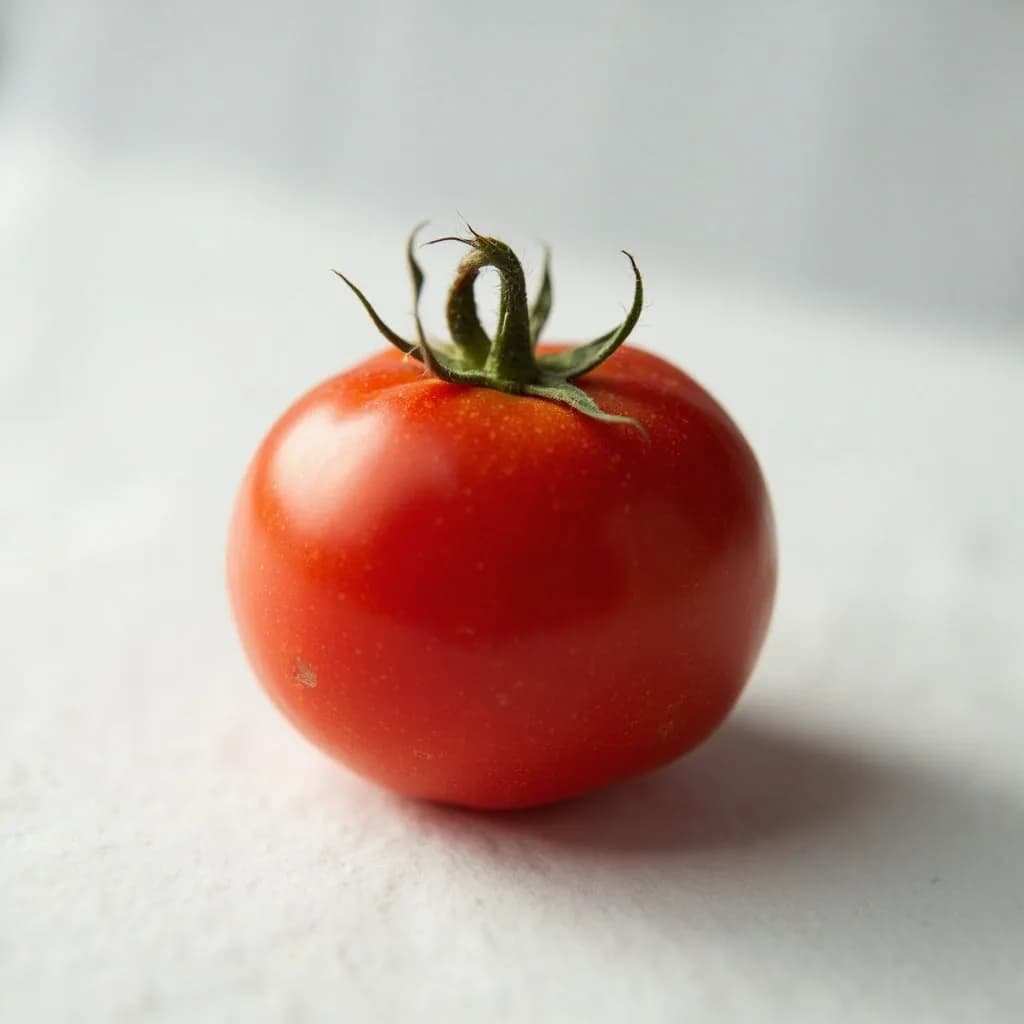
Tomato
Juicy, sun-sweet fruit for sauces, salads, and slow-cooked depth
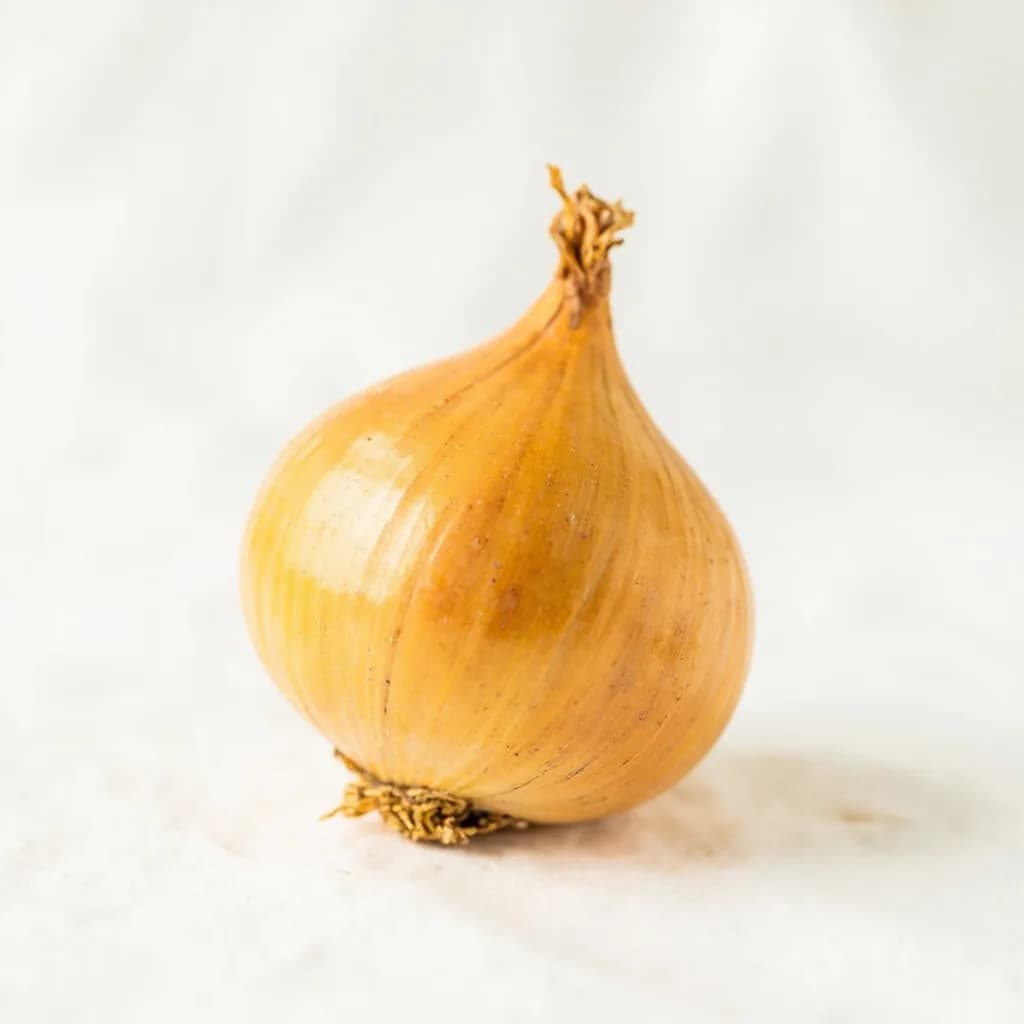
Yellow Onion
The aromatic backbone of soups, sofritos, and braises
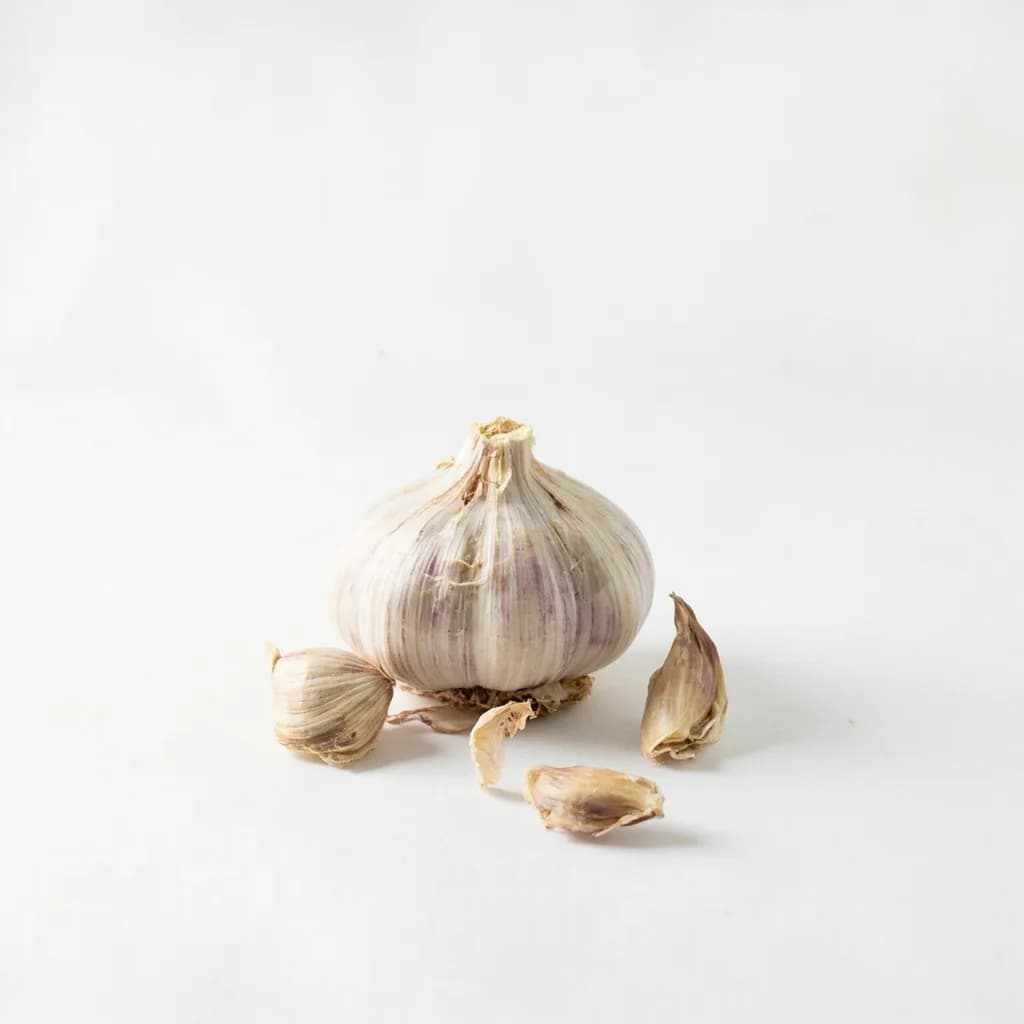
Garlic
Pungent cloves that perfume nearly every savory dish
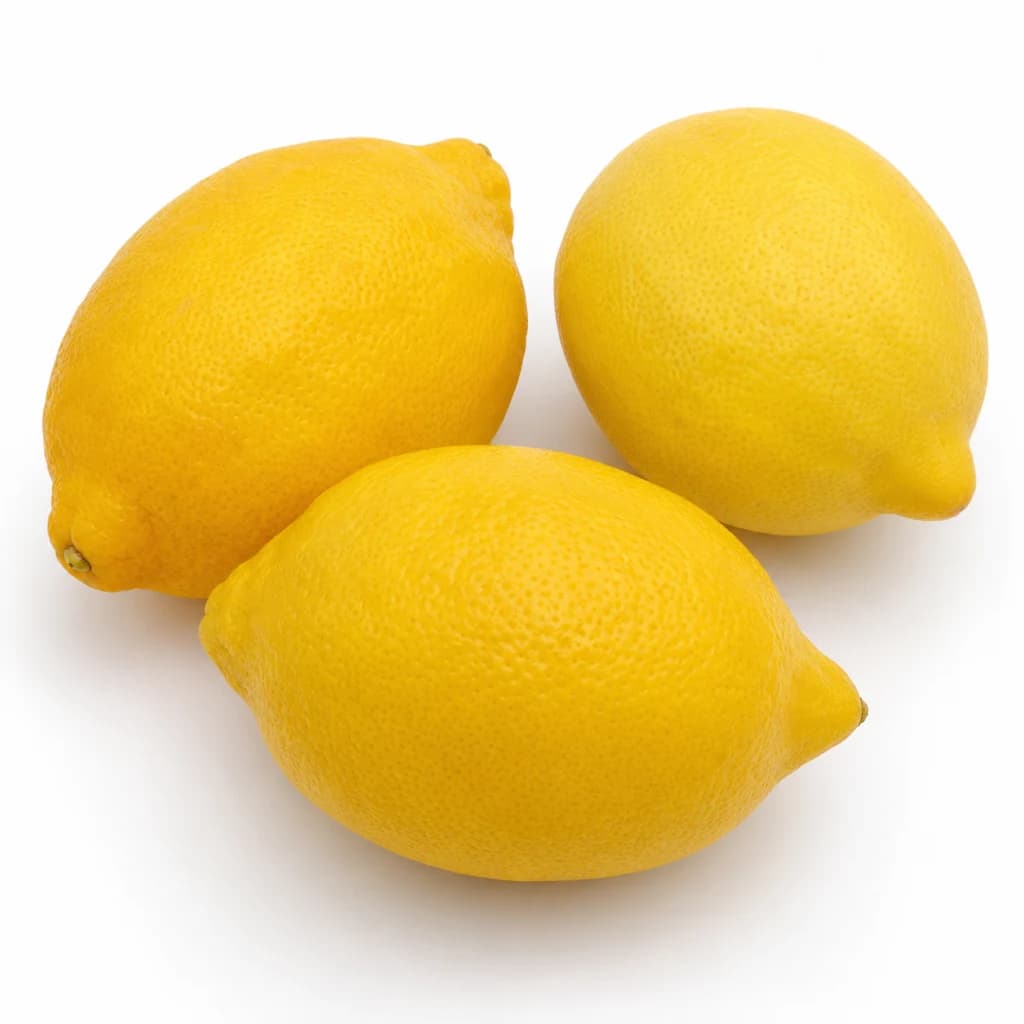
Lemon
Bright, acidic citrus that wakes up almost any dish
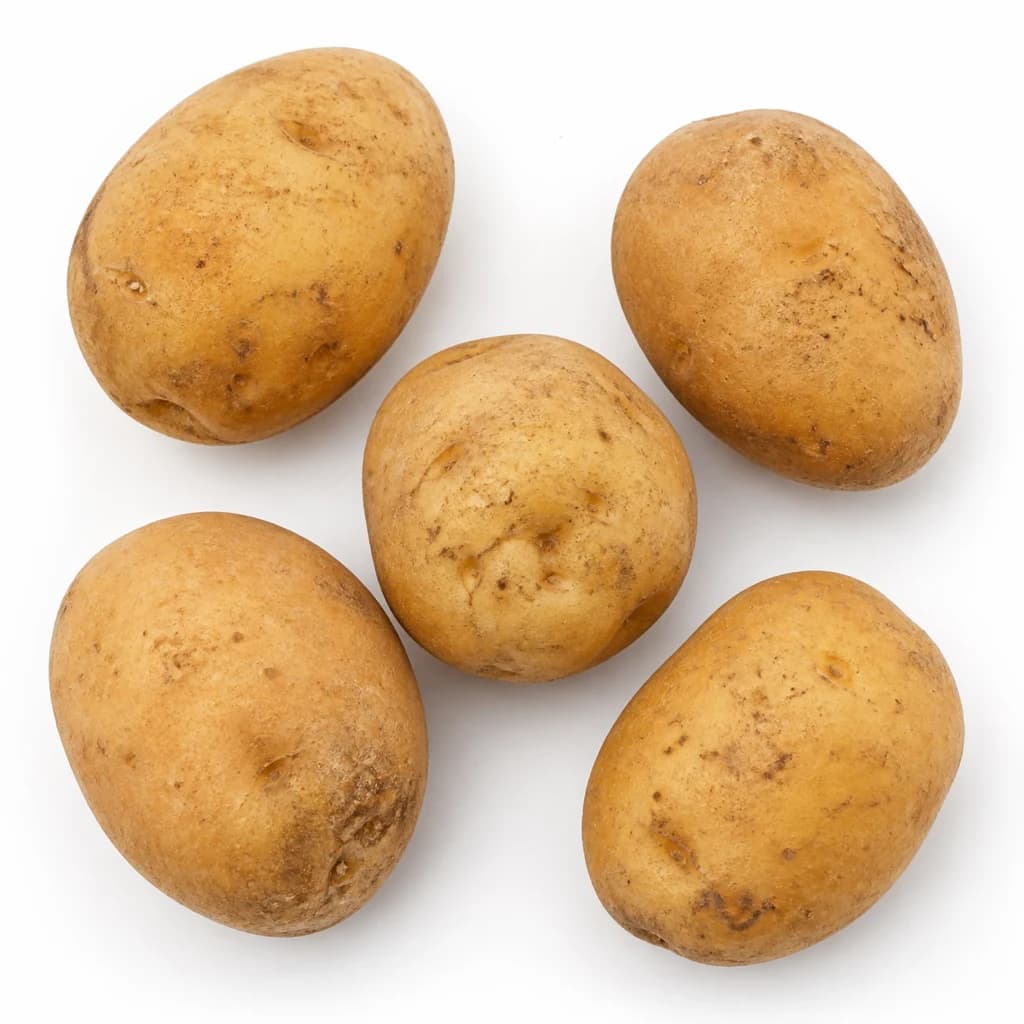
Potato
Humble, hearty staple — roast, mash, fry, or boil
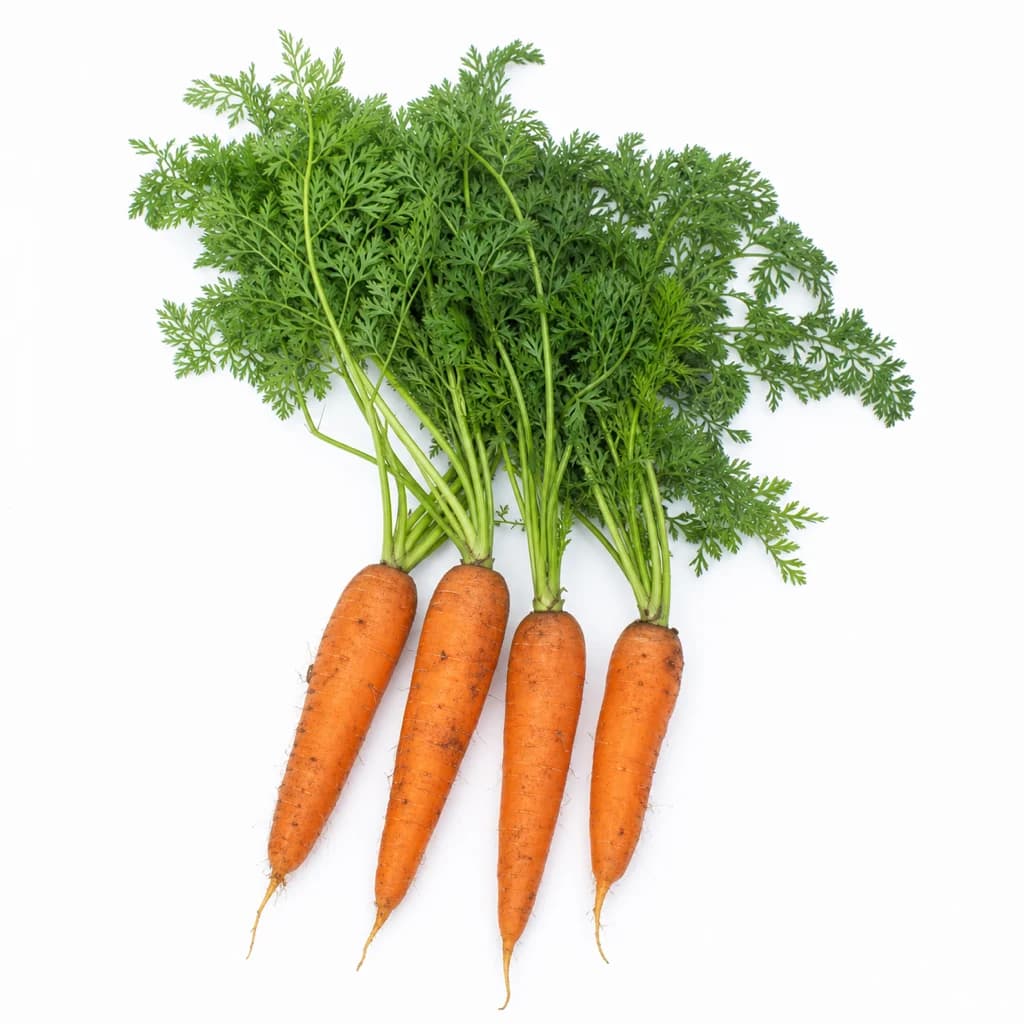
Carrot
Sweet, crunchy root — raw, roasted, or the base of a sofrito
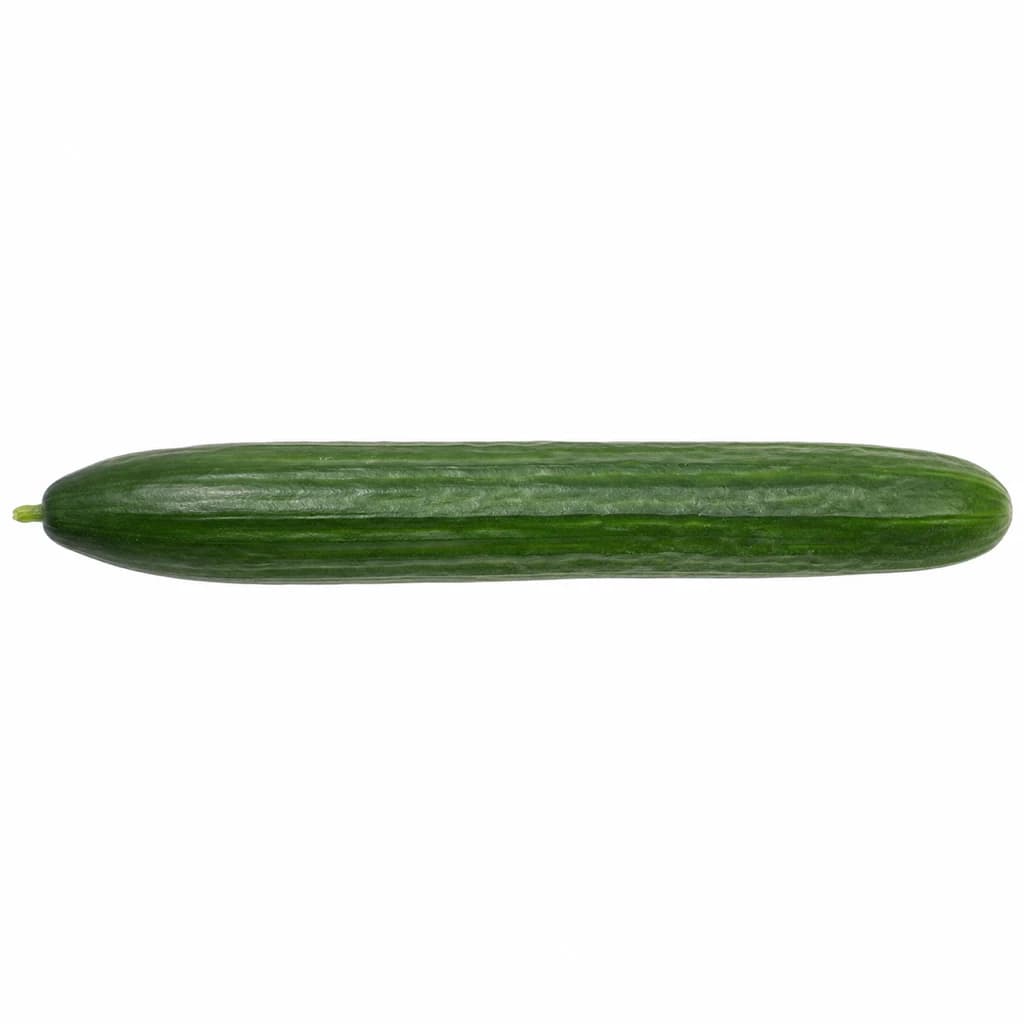
Cucumber
Cool, crisp, and watery — for salads, pickles, and tzatziki

Lettuce
Crisp leaves for salads, wraps, and a fresh crunch