Proteins
Capicola (Coppa)
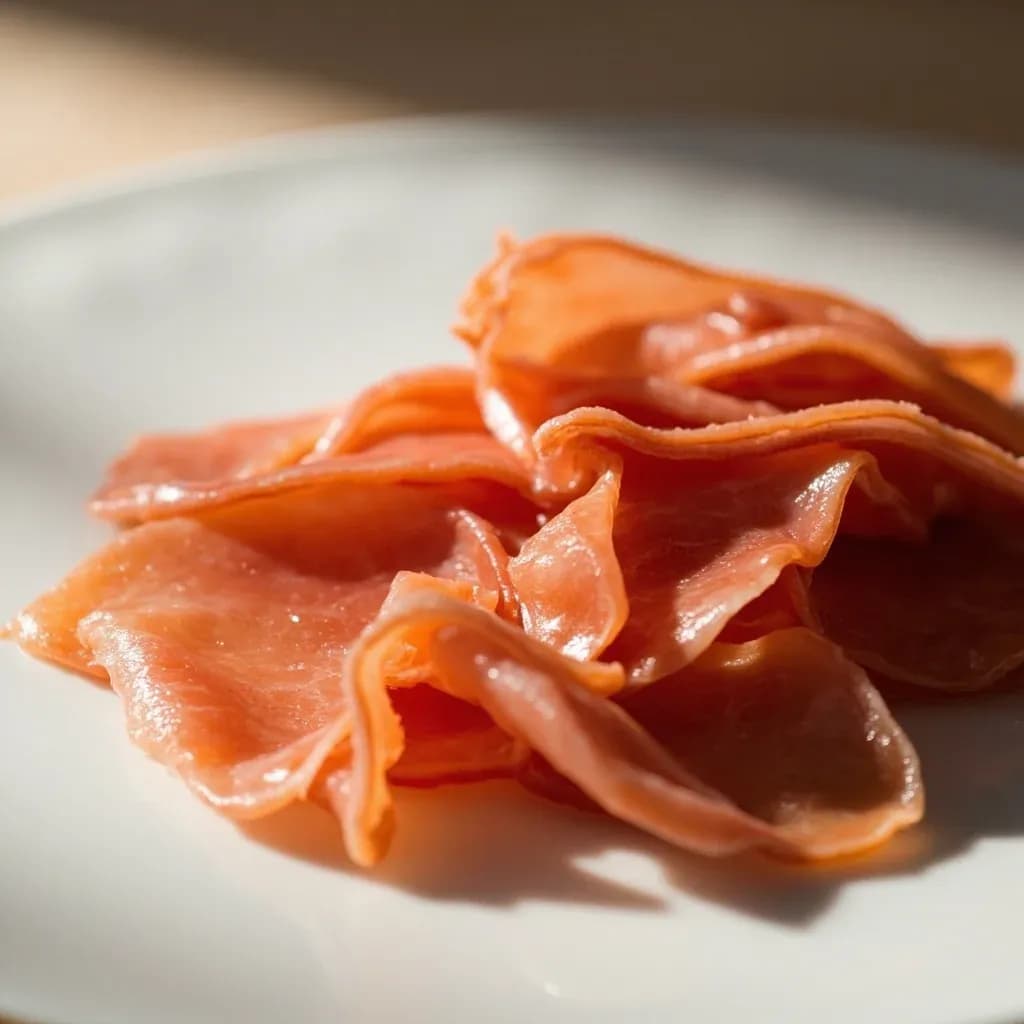
Dry-cured Italian pork shoulder-neck, sliced thin for charcuterie and sandwiches.
Capicola, also called coppa, is a whole-muscle Italian cold cut made from the dry-cured neck and shoulder of pork. Seasoned with spices and sometimes wine, it is air-dried and sliced very thin, showing a marbled ribbon of fat and lean. It anchors antipasto boards and Italian sandwiches and ranges from sweet to spicy (piccante).
Capocollo, known in American markets as capicola or coppa, is a whole-muscle dry-cured pork product made from the trapezius and shoulder of the pig. Unlike salami or soppressata, which are ground and stuffed, capocollo retains the integrity of a single primal cut, giving it a distinctly different texture—firm but yielding, with fat marbled evenly throughout the lean meat. The result is a cured meat that offers both structural body and rich, buttery mouthfeel in every slice.
Production begins with trimming the whole shoulder-neck muscle, which is then dry-rubbed with salt and cracked black pepper, sometimes enhanced with garlic, nutmeg, or other regional spices. The meat is stuffed into natural casing and hung to cure for a minimum of two to four months, sometimes longer for deeper flavor. Northern Italian regions—particularly Parma, Piacenza, and Norcia—have the longest traditions, with specific styles protected under Italian designations. The flavor profile leans sweet and peppery with subtle spice warmth, making it distinct from the saltier, more intensely aged character of prosciutto or the smokiness of speck.
In Italian-American kitchens, capicola appears most often on sandwiches—Philadelphia's "gabagool" being the famous Neapolitan pronunciation—and on antipasto platters where its handsome marbling and firm slice hold up better than delicate prosciutto. The fat content, typically 25–35% intramuscular, means it stands up to heat and layering without drying out, and it renders effectively when cooked, making it surprisingly versatile beyond the cold-cut platter.
- Measured in
- g
- Storage
- Fridge
Types & varieties
Made in Parma region; typically unspiced, longer cure, nutty-sweet flavor
DOP-certified from Piacenza; strict production standards; peppery finish
Seasoned with hot pepper flakes; noticeably spicier variant
Roasted variant; pork shoulder is cooked before curing; softer texture, milder flavor
Widely available; often brined or injected; less complex than traditional Italian imports
Choosing Quality Capicola
The difference between imported Italian capicola and commercial American products is significant. True Italian imports—particularly DOP-certified Coppa Piacentina or Coppa di Parma—undergo extended cures with minimal processing beyond salt and spice. American commercial versions frequently contain curing nitrates, are sometimes brined or injected for moisture retention, and may use lower-quality cuts, resulting in a blander, less complex flavor with a rubbery texture.
- Look for uniform marbling throughout the cross-section; avoid pieces with large hard fat chunks or dried, discolored edges
- Press the surface gently with a finger—quality capicola springs back, neither mushy nor rock-hard
- Imported whole pieces should feel heavy for their size, indicating proper moisture retention
- Check for a natural casing; synthetic casings indicate industrial production
- Color should be deep rose-pink to reddish, not gray or brown
Slicing Technique
Capicola is almost always served sliced, and the cut matters enormously. A deli slicer produces the most consistent paper-thin results, but a sharp chef's knife with steady technique works well at home. The angle and thickness determine both texture and perceived flavor.
- For antipasto and charcuterie boards: paper-thin slices, almost translucent—use a deli slicer if available
- For sandwiches: slightly thicker, about 1/8-inch, to maintain integrity when layered
- Angle the knife at 45 degrees to the grain for ribbons rather than straight cuts
- Always bring cold capicola to room temperature before slicing; cold fat resists cutting cleanly and tastes waxy
- If the piece has been refrigerated, let it sit uncovered on the counter for 20–30 minutes before cutting
Common uses
Tips & pitfalls
- When slicing, angle the knife against the grain at 45 degrees for proper thin-cut ribbons.
- Bring cold capicola to room temperature 20–30 minutes before serving; cold fat tastes waxy.
- Look for consistent marbling throughout; avoid pieces with large hard fat chunks or dried-out edges.
- Press the slice gently with a finger—good capicola springs back, not mushy or rock-hard.
- Store sliced capicola in a single layer between paper towels in a sealed container to absorb moisture.
- On sandwiches, layer capicola on top of other meats and cheeses; its fat melts slightly from warm fillings.
- When using in pasta sauces, rough-chop or tear into pieces rather than cutting; preserves texture better.
- Seek imported whole pieces from Parma, Piacenza, or Norcia for authentic Italian character.
Nutrition
Nutrition
No USDA FoodData Central match for Capicola (Coppa) yet. We surface a per-100 g profile once a generic whole-food entry is matched and verified.
In the shops
Matched grocery products
No matched grocery products for Capicola (Coppa) yet.
Good to know
- Origin
- Northern Italy (Emilia-Romagna, Umbria)
- Primary cut
- Pork shoulder and neck (musculus trapezius)
- Curing method
- Dry-curing with salt, pepper, and spices; minimum 2–4 months
- Texture
- Firm but yielding; marbled fat throughout
- Flavor profile
- Sweet, peppery, mildly spiced; rich pork taste with subtle nutmeg and garlic notes
- Typical weight
- Whole pieces 3–8 lbs (1.4–3.6 kg)
- Storage (whole)
- Refrigerate at 40°F (4°C); 2–3 months shelf life
- Storage (sliced)
- Use within 5–7 days; wrap tightly
- Serving temperature
- Room temperature for full flavor; cold only for slicing
- US regional name
- Gabagool (Northeastern Italian-American communities, from Neapolitan)
- Italian term
- Capocollo (standard Italian) or Coppa (common alternate)
- Fat content
- 25–35% intramuscular fat (ideal marbling)
Substitutes
- Prosciutto di Parma — Different cut (ham) but similar thin-sliced charcuterie application; sweeter, less peppery
- Coppa Sgherro — From the outer shoulder; slightly firmer texture; acceptable direct substitute
- Speck Alto Adige — Smoked and cured pork; different flavor but works in sandwiches
- Pancetta Arrotolata — Rolled cured pork belly; richer fat flavor; suitable for cooked applications
Pairs with
Also called
Coppa · Gabagool · Capocollo
Related
Egg
The kitchen's everything ingredient — bind, leaven, enrich, or fry
Chicken Breast
Lean, quick-cooking white meat for everyday dinners

Ground Beef
Versatile minced beef for burgers, ragù, tacos, and meatballs
Pork Loin
Lean, tender roasting cut that stays juicy with care
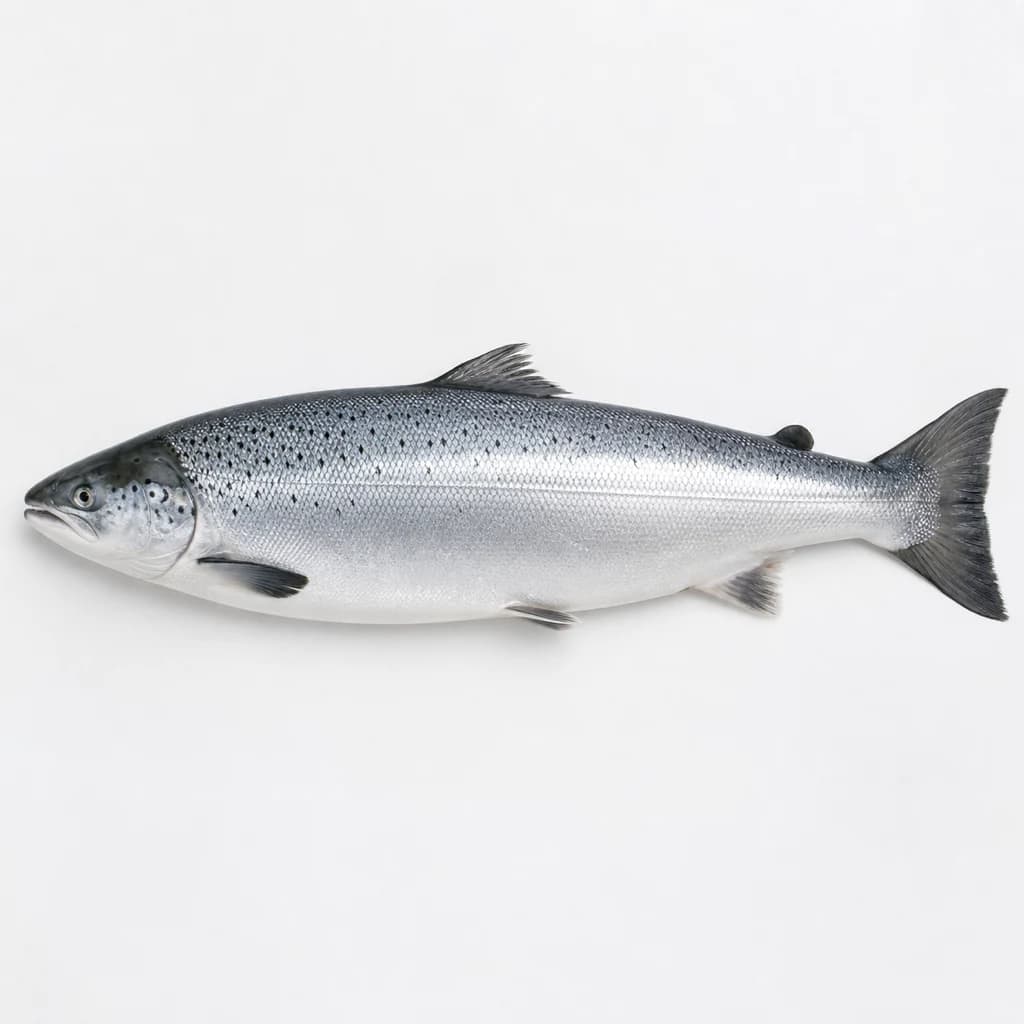
Salmon
Rich, rosy fish that roasts, grills, or cures beautifully

Egg White
Pure protein that whips to airy peaks for meringue and more
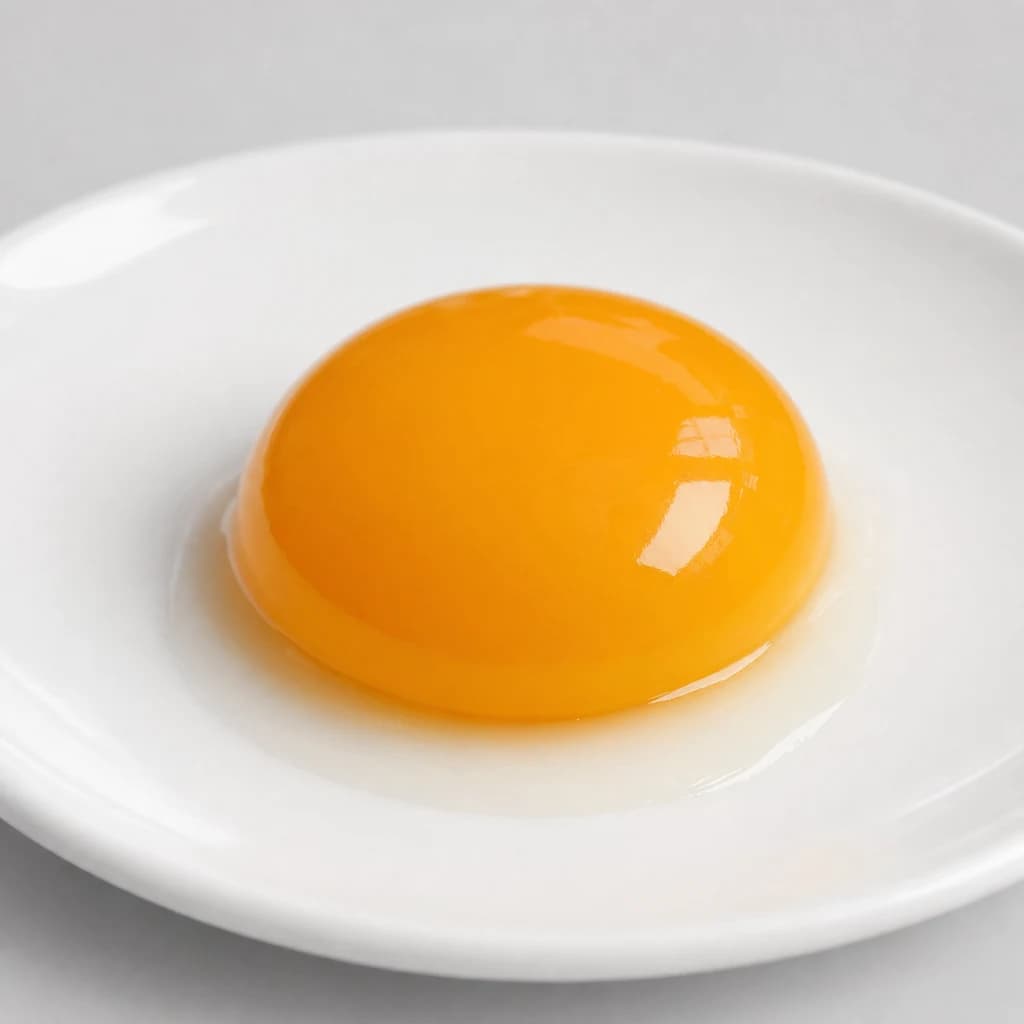
Egg Yolk
Rich, golden yolk for custards, mayonnaise, and pasta

Quail Egg
Tiny, speckled eggs for garnishing and elegant bites