
Natural form
Whole century eggs still in their muddy clay coating, as sold at market.
Shows the egg in its unpeeled preserved state — the dark clay-ash exterior is the first thing a reader encounters.
Dairy & Eggs
Century Egg (皮蛋)
Alkaline-preserved duck or chicken egg with a dark jelly white and creamy green yolk.
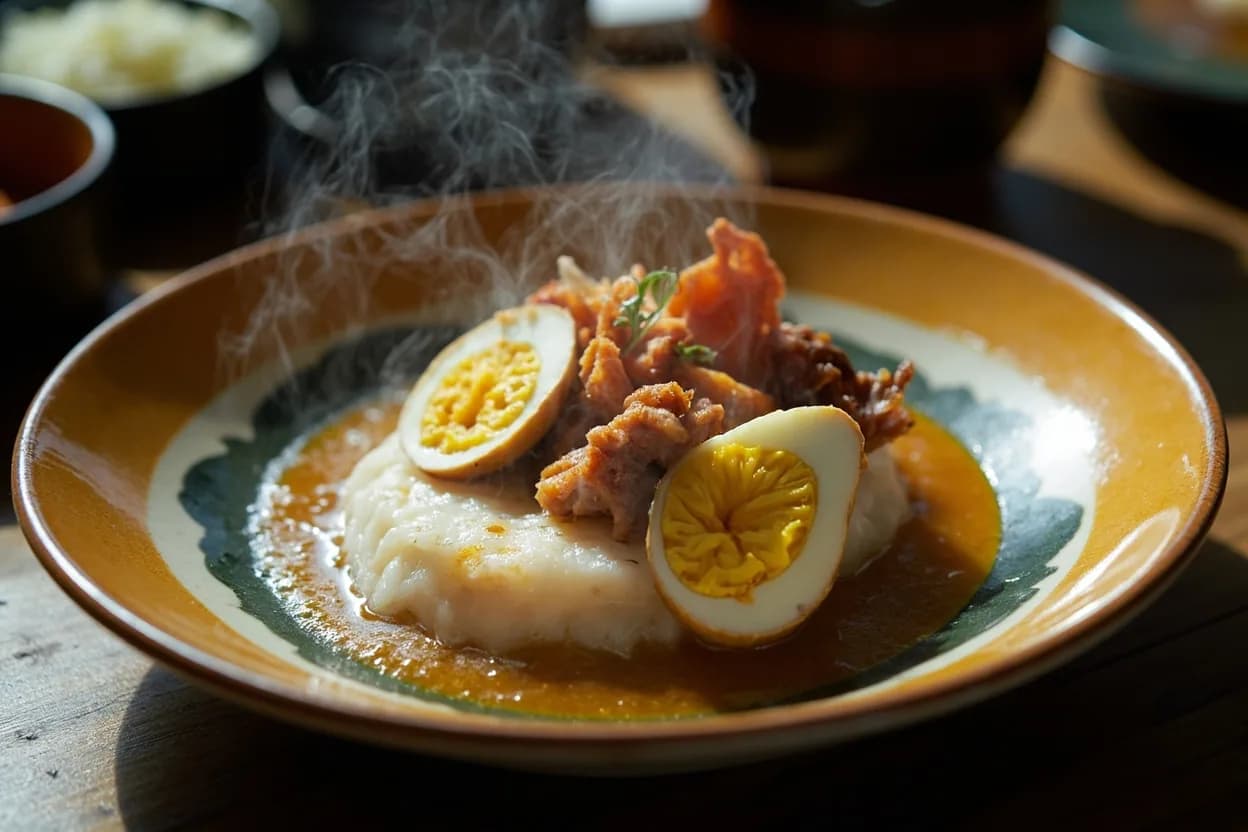
Century egg is a duck, chicken, or quail egg preserved in an alkaline mix for weeks, transforming the white into a translucent dark-brown jelly and the yolk into a creamy, gray-green center. A Chinese delicacy, it is sliced over congee, tofu, or pickled ginger, adding a savory, sulfurous, umami punch. Its bold ammonia-tinged flavor is mellowed by serving with vinegar and ginger.
Century Egg (皮蛋, pí dàn — literally 'leather egg') is a preserved egg cured in an alkaline paste of quicklime, ash, salt, and clay. The name is a folk mistranslation; the original Chinese term refers to the parchment-like coating, not the egg's age. Originating in Hunan Province during the Ming Dynasty, the process exploits alkaline chemistry to transform the egg's proteins and fats over weeks to months, producing the characteristic translucent, jelly-like white and the firm yet creamy, green-gray yolk.
The ammoniacal and sulfurous compounds — hydrogen sulfide and ammonia released as cystine and cysteine break down under high pH — create the egg's assertive, savory personality. Quality eggs carry a faint floral note beneath the characteristic pungency; an overwhelmingly fishy or bitter flavor signals over-processing or poor-quality starting material. Century Egg occupies a dual identity in Chinese cooking: a delicacy (佳肴) at its best, a humble pantry staple when mass-produced.
Sourced from duck, chicken, or quail eggs, the preservation concentrates and transforms the original flavor into something entirely distinct. The high pH environment denatures the white into a dense, translucent gel while the yolk undergoes saponification, forming metallic sulfides that create the blue-green to gray coloration. This same chemistry produces the green ring around hard-boiled egg yolks, but prolonged alkaline exposure intensifies and concentrates it.
- Measured in
- piece
- Storage
- Pantry
Allergens
Types & varieties
Standard and most common; larger, richer flavor, preferred for eating out of hand or as a standalone appetizer
Smaller and milder; quicker to process, often used in congee and sliced dishes where a subtler presence is desired
Tiny specialty item; eaten whole as a garnish or in small bites
The Chemistry of Transformation
The alkaline curing process is a controlled chemical reaction, not simple preservation. When the egg is sealed in the high-pH paste, hydroxyl ions penetrate the shell and raise the interior pH dramatically. Under these conditions, the egg white's proteins denature and re-fold into a dense, translucent gel — the jelly-like texture that contrasts so sharply with a cooked egg white. The yolk's lipids undergo saponification, forming metallic sulfides that create the blue-green to gray coloration and a firm outer ring around a paste-like center. Modern industrial production can accelerate this process to 10–15 days, but traditional clay-and-ash curing over weeks develops greater aromatic complexity and that elusive floral note.
- Quality eggs smell faintly floral beneath the characteristic pungency; an overwhelming fishy or bitter odor indicates over-processing
- The green-gray yolk color is a sign of proper alkaline transformation, not spoilage
- Some traditional recipes add tea, star anise, or other aromatics to the coating paste for added complexity
Common uses
Tips & pitfalls
- Select eggs with uniform dark brown-to-black coloring and no cracks; the white should be translucent amber when peeled
- Avoid eggs with an overwhelmingly strong ammonia odor beyond the characteristic slight pungency — this signals spoilage
- Store unopened eggs in a cool, dry pantry; once cracked, refrigerate and consume within a week
- To serve: rinse off the coating under warm water, peel carefully, and rinse again to remove any residue
- Do not assume longer processing is always better; industrial rapid-processing (10–15 days) can lack the nuance of a properly monitored traditional cure
- Slice with a wet knife or dip the blade in hot water between cuts to prevent the jelly white from sticking and tearing
- When adding to congee or porridge, fold in just before serving to preserve the contrast between the jelly white and creamy yolk
- If the yolk is chalky or dry throughout, the egg was likely over-processed; a properly cured yolk has a distinct firm ring and paste-like center
Nutrition
Energy
598 kJ · per 100 g
Where the calories come from
Protein
12.6g
25% DV
Carbs
0.7g
0% DV
Fat
9.5g
12% DV
Fiber
0g
0% DV
Sugars
0.4g
of which
Sodium
142mg
6% DV
Source · USDA FoodData Central · approx. Egg, whole, raw, fresh
View on FDC →In the shops
Matched grocery products
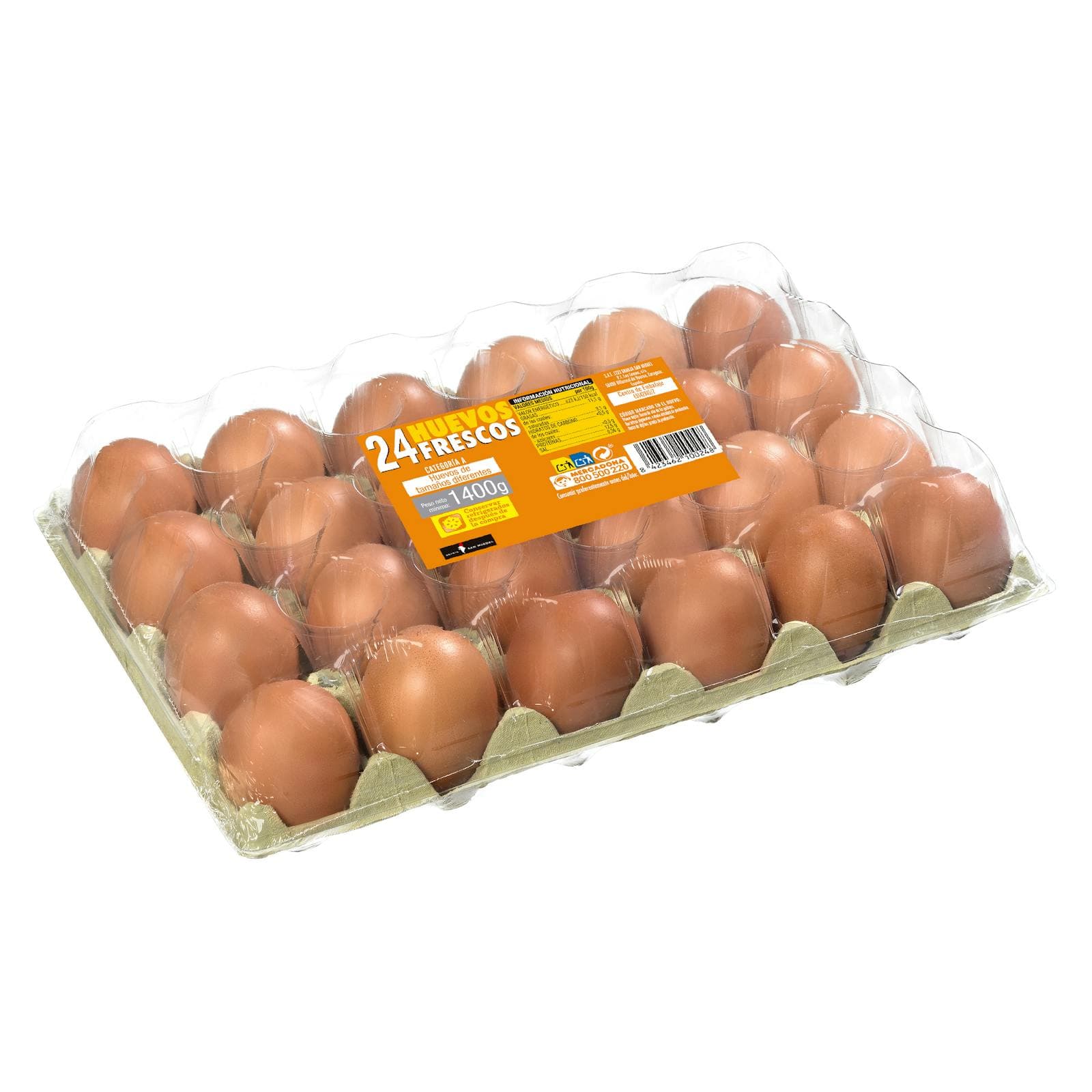 €5.60
€5.60Eggs
24 dz · Mercadona
 €2.20
€2.20Cooked Eggs
6 dc · Mercadona
 €1.80
€1.80Large Eggs
6 dc · Mercadona
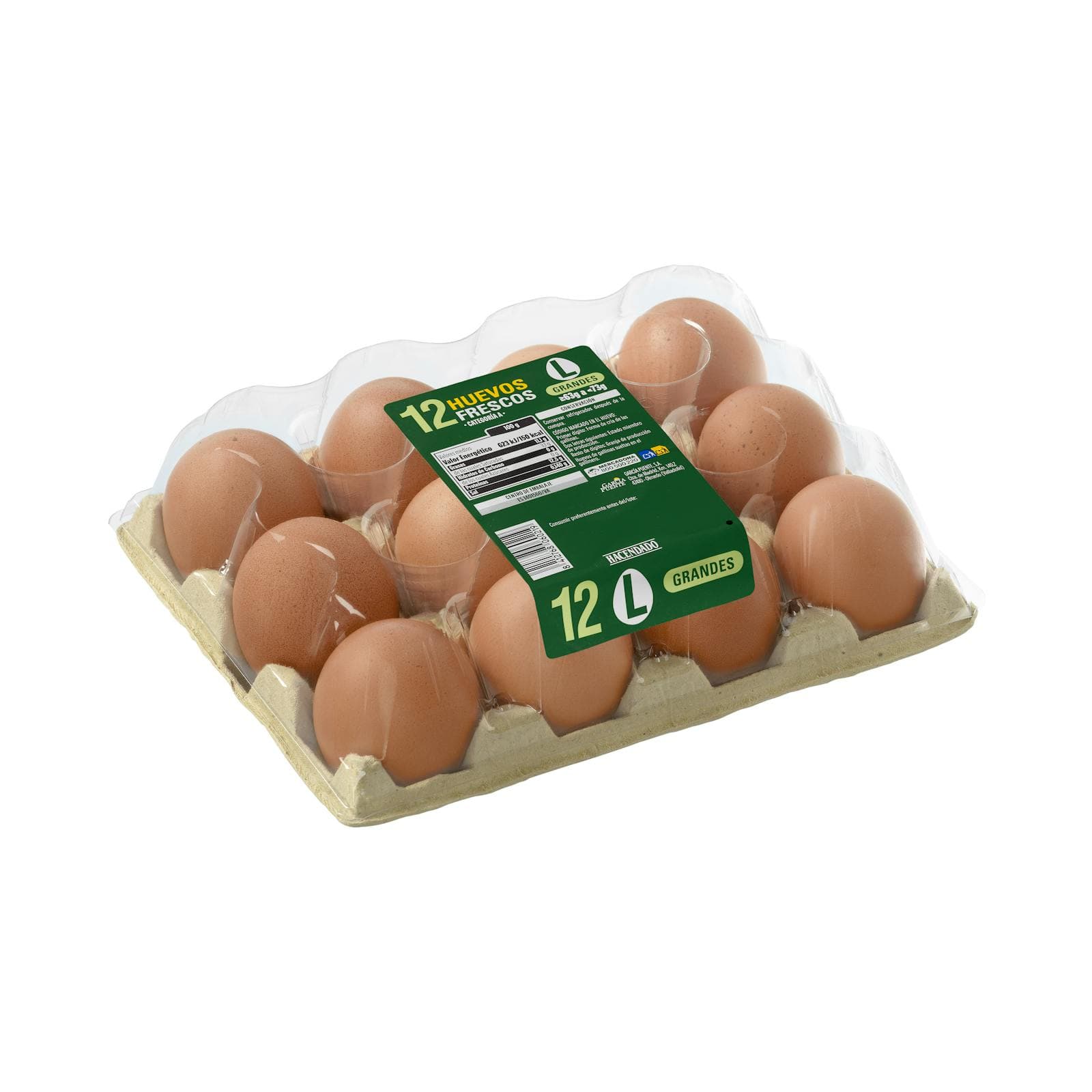 €3.20
€3.20Large Eggs
12 dc · Mercadona
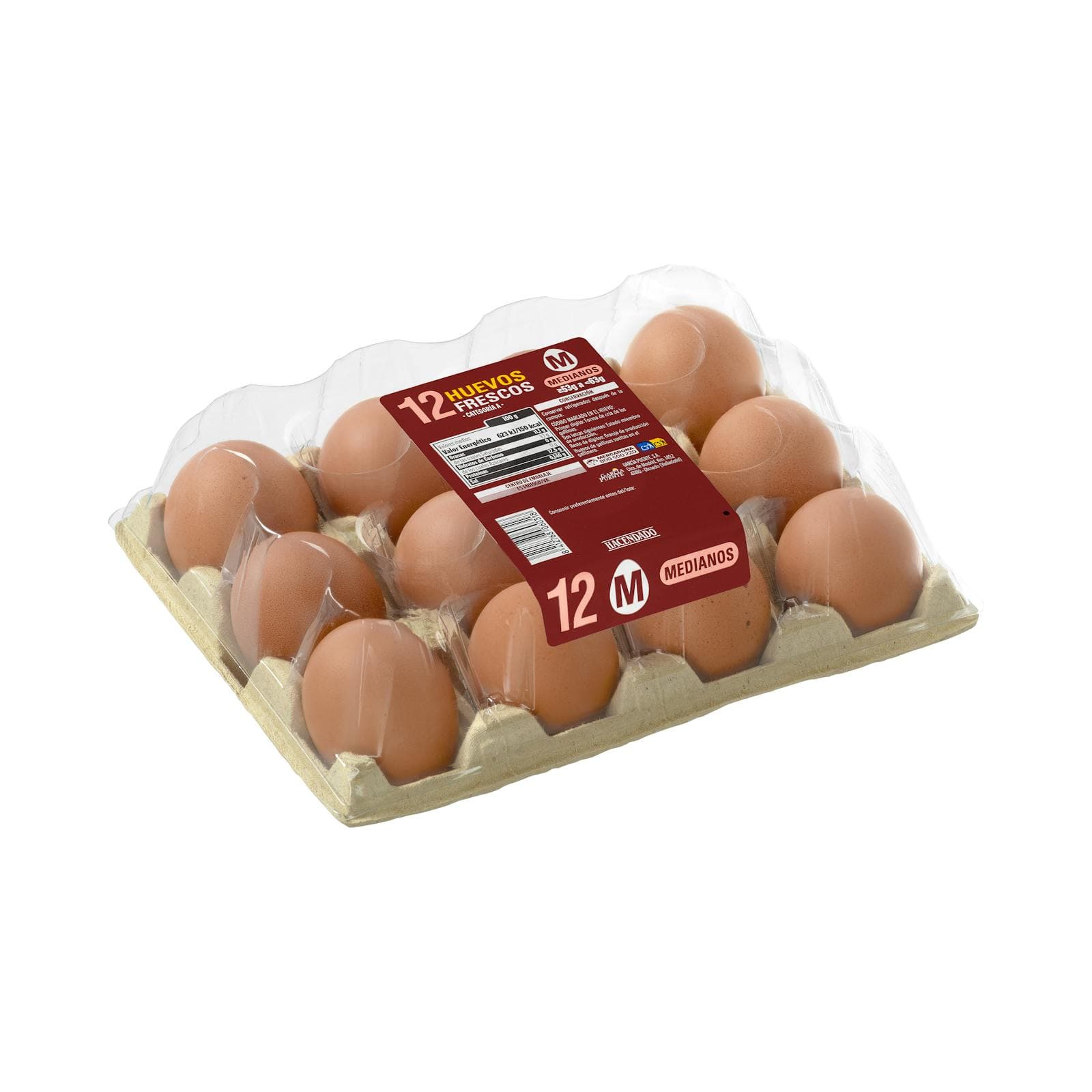 €3.00
€3.00Medium M Eggs
12 dc · Mercadona
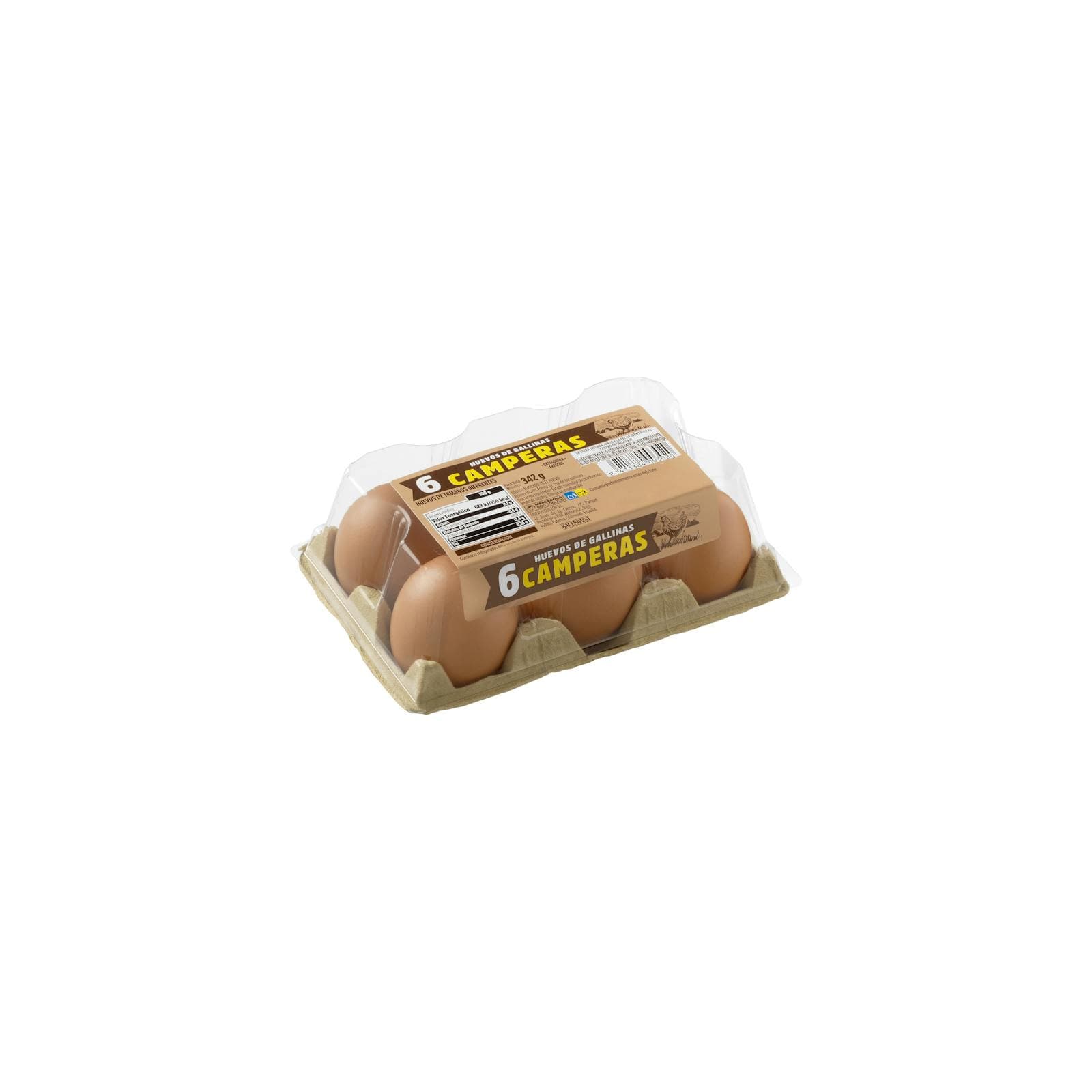 €2.10
€2.10Free-Range Eggs
6 dc · Mercadona
Good to know
- Origin
- Hunan Province, China, Ming Dynasty (circa 1368–1644)
- Primary Egg Used
- Duck egg; also chicken and quail
- Processing Time
- 2 weeks to 5 months (not 100 years — the name is a mistranslation)
- Preservation Method
- Coated in a paste of quicklime, ash, salt, and clay, then stored in airtight containers
- Chemical Process
- Alkaline hydrolysis transforms egg proteins, creating the dark jelly white and green-gray creamy yolk
- Shelf Life
- 1–2 years unopened in pantry; up to 4 weeks refrigerated once opened
- Flavor Profile
- Ammoniacal, sulfurous, savory, with a creamy, umami-rich yolk; quality eggs carry a faint floral note
- Sodium Content
- High; significant due to salt in the preservation paste
Substitutes
- Soft-Boiled Egg with Soy Marinade — Does not replicate the alkaline chemistry or jelly texture but provides a similar savory, protein-rich addition to congee or rice
- Pickled Quail Eggs — More accessible in most markets; offers a comparable appetizer role with vinegar tang instead of alkaline pungency
- Haminados (Middle Eastern Preserved Egg) — Slow-cooked in olive oil and spices; shares the preserved, dense-yolk characteristic and works in similar savory contexts
Pairs with
Also called
皮蛋 · Preserved Egg · Pidan · Thousand-Year Egg
Appears in these dishes
Related

Whole Milk
Rich, full-fat milk for drinking, coffee, sauces, and baking
Butter
Golden fat for searing, baking, and finishing a sauce
Yogurt
Tangy, creamy culture for breakfast, sauces, and marinades
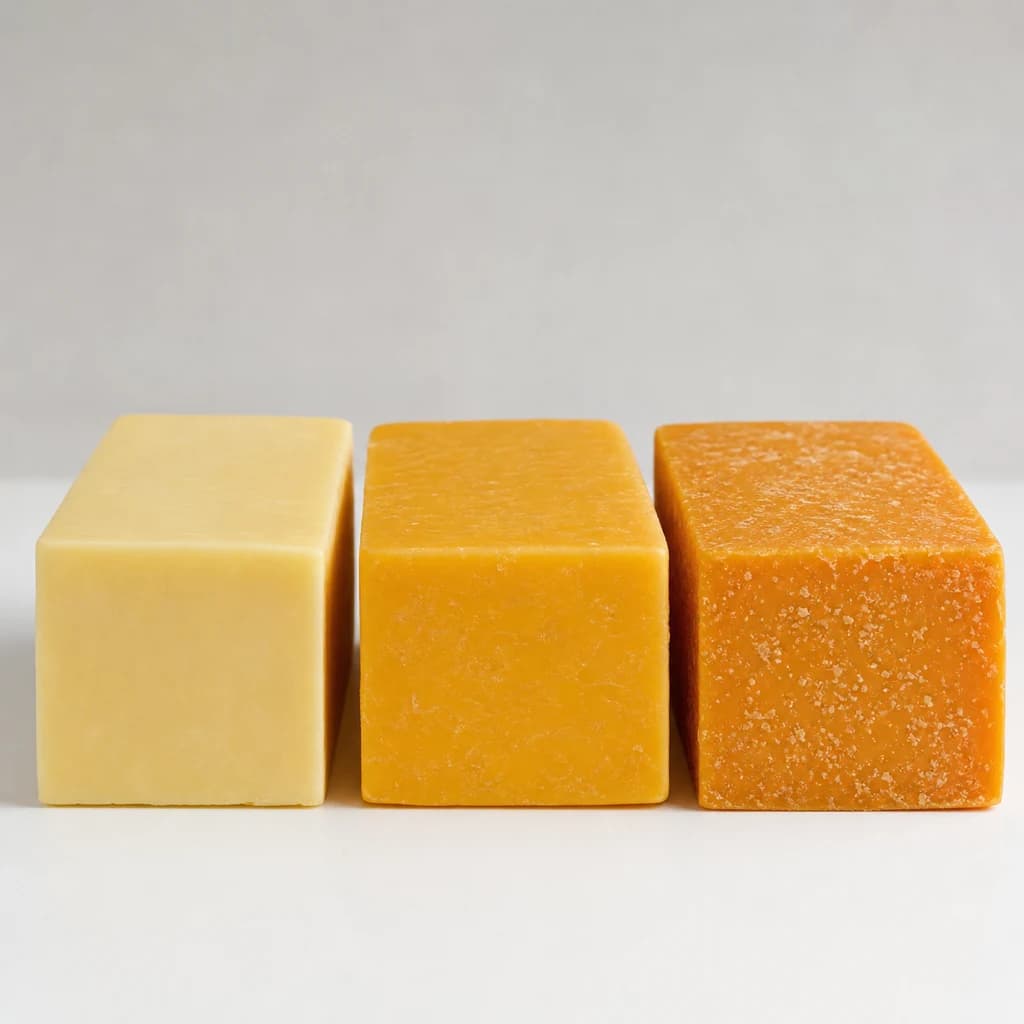
Cheddar Cheese
Sharp, melty cheese for sandwiches, gratins, and grating
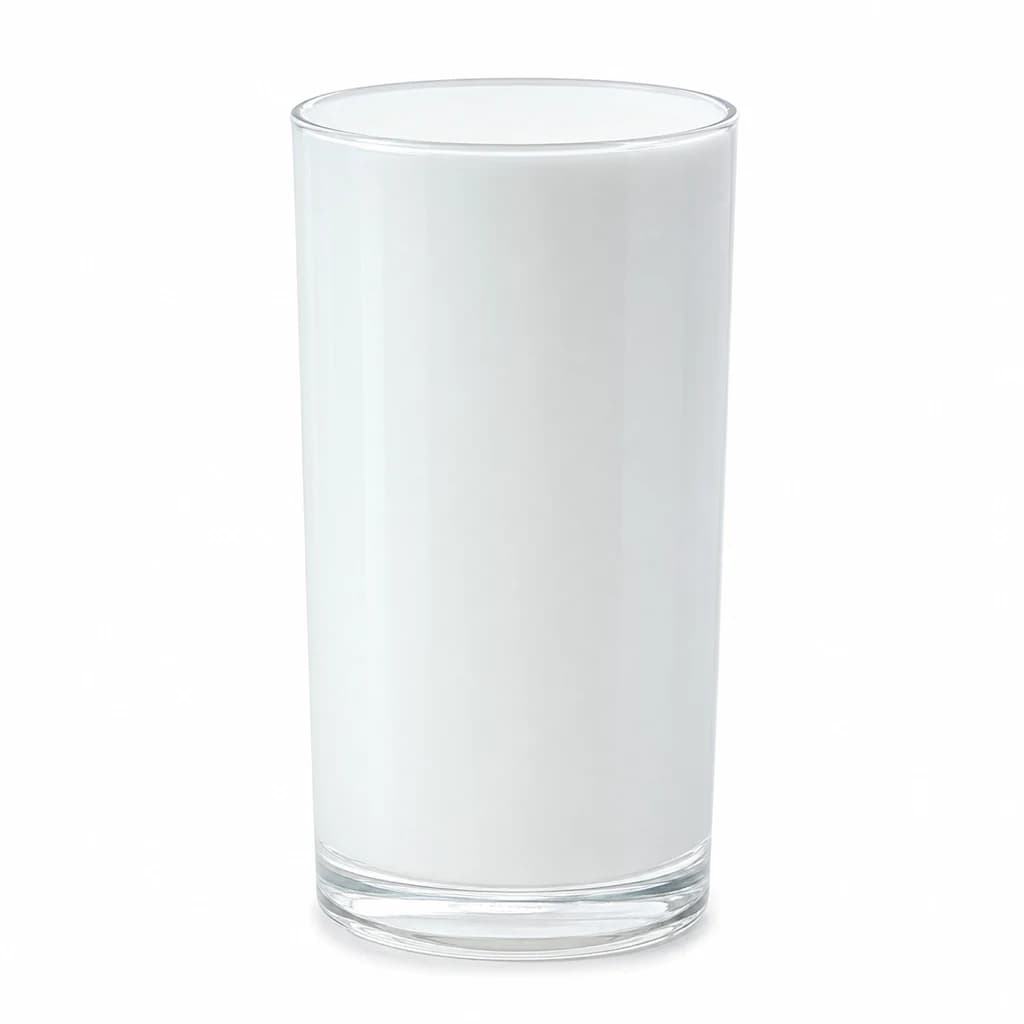
Skim Milk
Fat-free milk for lighter drinking, coffee, and cooking
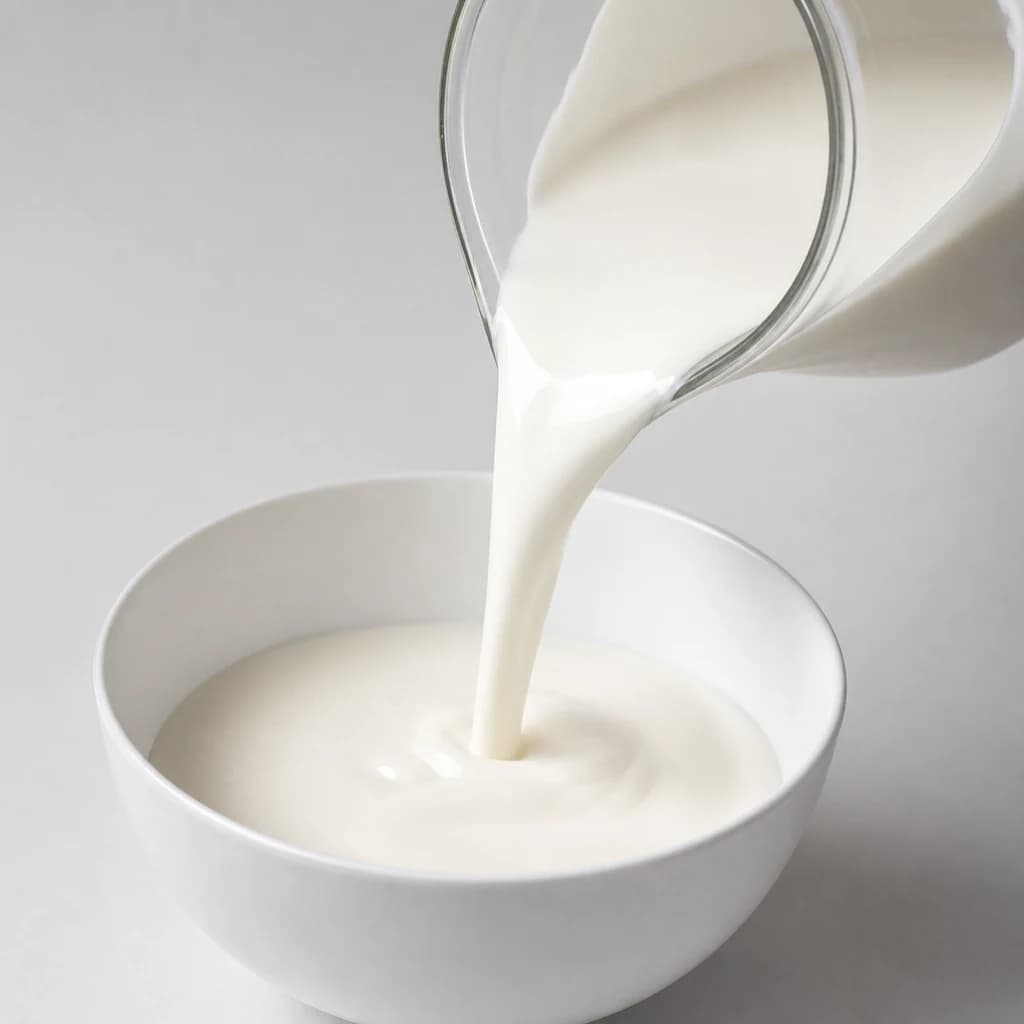
Heavy Cream
Rich cream that whips, enriches sauces, and sets ganache

Sour Cream
Tangy, thick cream for dolloping, baking, and dips
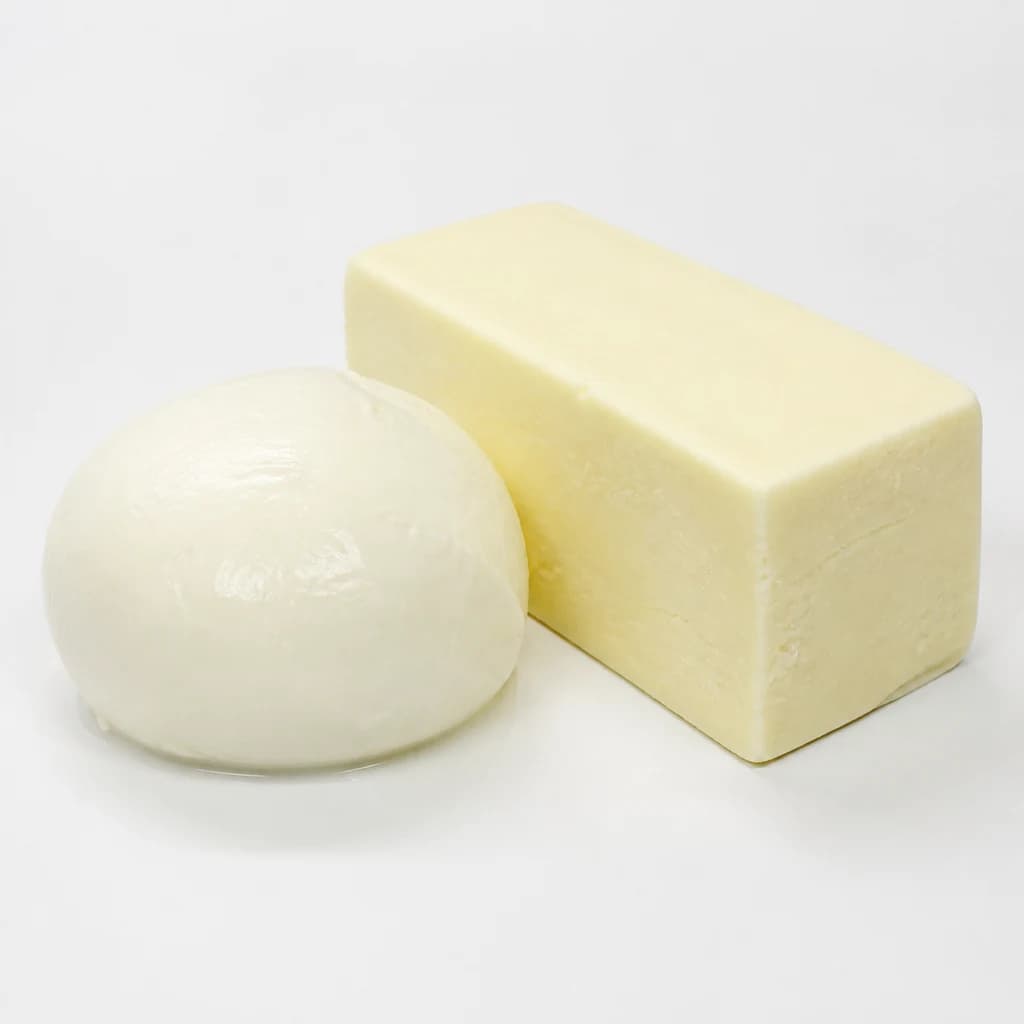
Mozzarella
Soft, milky cheese that melts into stretchy pizza pulls