Proteins
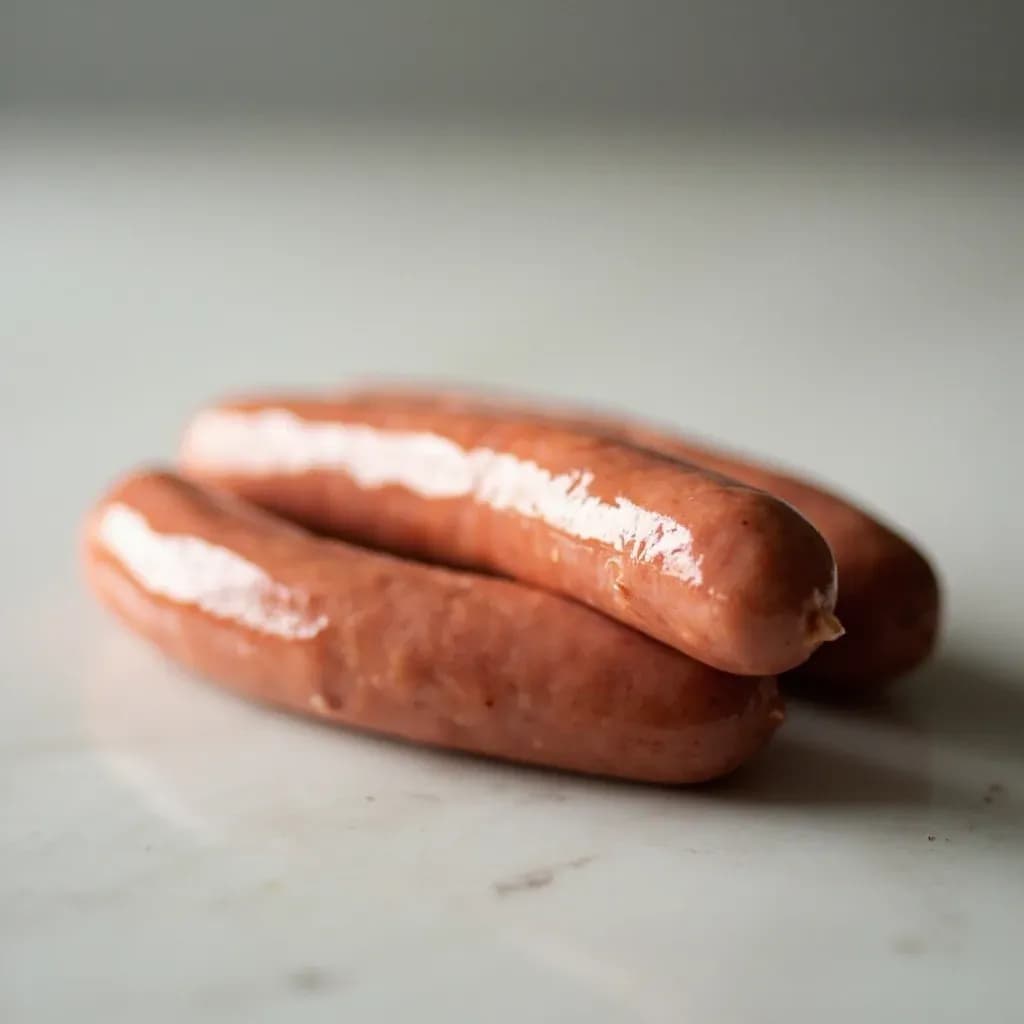
Cervelat Sausage
Mild smoked Swiss national sausage of beef and pork, eaten boiled, grilled, or sliced cold.
Cervelat is a cooked, lightly smoked sausage of beef, pork, and bacon, regarded as Switzerland's national sausage. It is eaten cold in slices, grilled over a fire with the ends slit to splay open, or boiled, and is a fixture of Swiss picnics and barbecues. The flavor is mild, savory, and gently smoky.
Cervelat is Switzerland's national sausage—a smoked, fully cooked link of pork and beef that balances mild sweetness against a subtle smoky backbone. Its flavor is approachable and crowd-pleasing: the meat is coarsely ground with a fat content of 25–35%, seasoned with pepper, cardamom, mace, and coriander, and colored reddish-orange with paprika or annatto. The result is a sausage that carries itself equally well as a weeknight grill staple and a festive centerpiece. Its texture offers a satisfying snap when bitten—provided you source one with natural beef casing—before yielding to a juicy, slightly firm interior. Historically derived from the 18th-century Italian cervellata, the Swiss version dropped the original pork brain (the likely origin of the name, from cervello) and evolved into this distinct national specialty. Switzerland consumes roughly 5 million cervelat annually, with peak demand on August 1st, Swiss National Day, when grills nationwide sizzle with them. The sausage's versatility is its defining quality: it performs across cooking methods from quick grill marks to gentle simmering, and from cold slicing in salads to being baked en croûte.
- Measured in
- piece
- Storage
- Fridge
Types & varieties
The standard, most common variety; leaner than other types
Shaped in a continuous ring or wreath; popular for grilling
Larger, often includes a visible pork bone at one end; coarser grind; considered the premium festive version
Higher bacon content; richer, more porky flavor
Air-dried version; firmer texture, can be stored at room temperature
Regional variant from Basel; slightly different spice blend
Regional variant; traditionally includes white wine in the farce
Buying and Storage
Seek out cervelat from a Swiss-style butcher or specialty deli for natural beef casings, which produce the characteristic snap when bitten. Most supermarket cervelat is made with collagen or cellulose casings, which are easier to peel but sacrifice texture. Fresh cervelat should feel firm with no slimy surface. The color should be an even reddish-orange; gray or brown spots indicate oxidation. Once purchased, use within 10–14 days if refrigerated, or freeze for up to three months. Thaw frozen cervelat overnight in the refrigerator, never at room temperature.
- Natural beef casing = superior snap; cellulose casing = easier peeling
- Avoid packages with bulging or leaking liquid
- Check for sell-by date; avoid products past their prime
The Schüfeli Difference
The Schüfeli (or Schüblig) variant deserves special attention. Distinguished by a pork bone protruding from one end—left intentionally as a handle and flavor anchor—this larger, coarser-ground sausage is the premium choice for celebrations and special occasions. The bone is not merely decorative; it adds depth to the farce and makes the sausage easier to handle on the grill. If you encounter Schüfeli, buy it without hesitation.
Common uses
Tips & pitfalls
- Score the casing diagonally before grilling to prevent bursting and allow fat to render evenly
- Do not pierce the sausage with a fork—juices escape and it becomes dry
- On the grill, cook over medium heat, turning frequently, about 8–10 minutes total
- If boiling, simmer gently; never boil vigorously as the casing will burst
- After cooking, the casing peels off easily if desired
- For better char, pat dry before grilling and brush lightly with oil
- Cold cervelat slices hold their shape well in salads; warm slices tend to crumble
- Buy from a butcher for natural beef casings and fresher product; factory versions often use collagen casings that don't peel
- Add to hot dishes at the last moment—overcooking toughens the texture
- For funk, pre-grill the cervelat until slightly charred, then dice and fold into the onion-potato hash
Nutrition
Energy
649 kJ · per 100 g
Where the calories come from
Protein
18.8g
38% DV
Carbs
0.5g
0% DV
Fat
8.1g
10% DV
Fiber
0g
0% DV
Sugars
0g
of which
Sodium
593mg
26% DV
Source · USDA FoodData Central · approx. Sausage, turkey, fresh, raw
View on FDC →In the shops
Matched grocery products
No matched grocery products for Cervelat Sausage yet.
Good to know
- Origin
- Switzerland (national sausage)
- Primary Meats
- Pork and beef, with pork fat or bacon
- Casings
- Beef middle casings; factory versions often use collagen or cellulose
- Preparation
- Smoked, then fully cooked; sold ready-to-eat
- Typical Form
- Curved or hooked links, 15–20 cm long, 40–50 g each
- Color
- Pinkish-red exterior from paprika or annatto; tan-brown when grilled
- Shelf Life
- Refrigerated: 10–14 days; frozen: up to 3 months
- USDA Category
- Cooked sausage (similar to frankfurters)
Substitutes
- Fleischkäse — Similar German cooked sausage; slightly different texture but works as a 1:1 substitute in most applications
- Frankfurter Würstchen — German frankfurter; acceptable but lacks the characteristic smoked flavor and slight snap
- Wiener / Hot Dog — American-style hot dog; acceptable but milder; avoid skinless varieties for authenticity
- Bockwurst — German cooked sausage of pork and veal; similar texture but slightly different flavor profile
- Boudin blanc — White sausage of pork and cream; significantly different but usable in cold applications
Pairs with
Also called
Cervelat · Servelat
Related
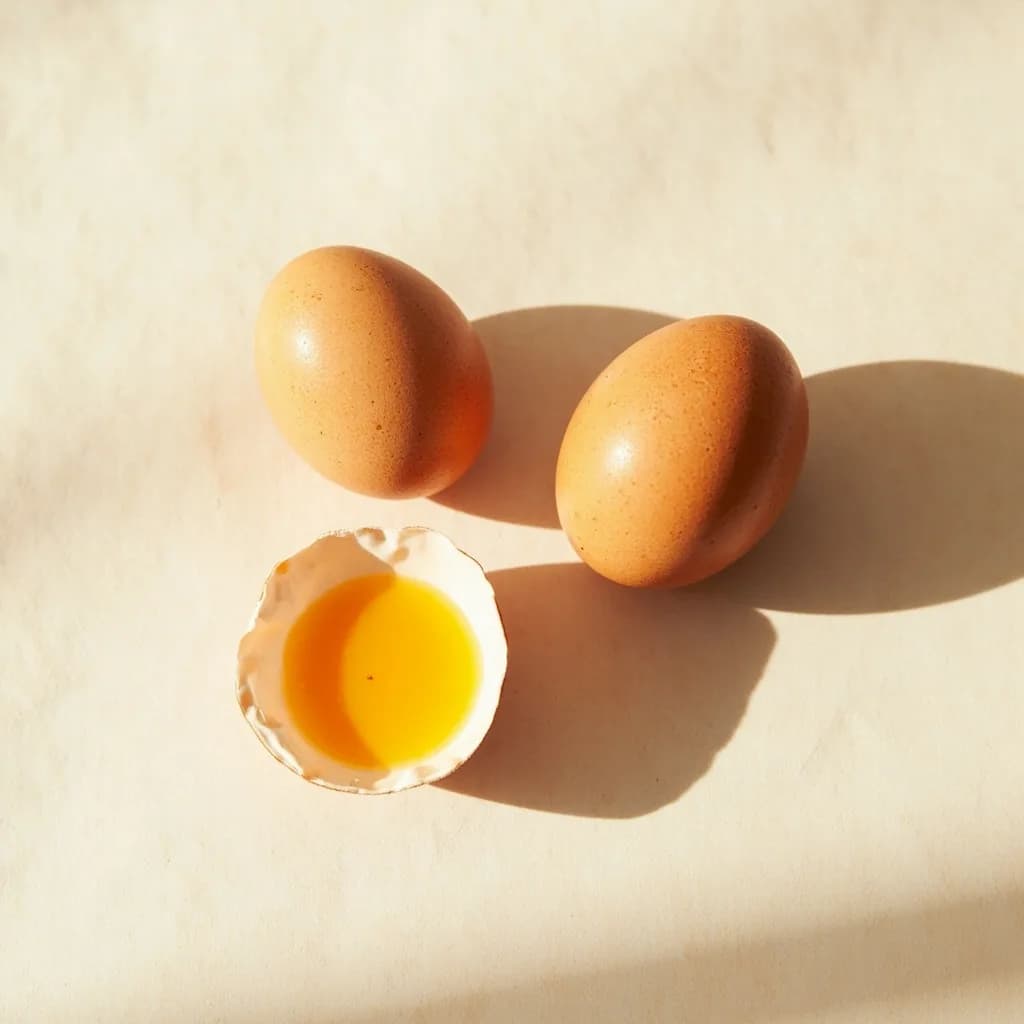
Egg
The kitchen's everything ingredient — bind, leaven, enrich, or fry
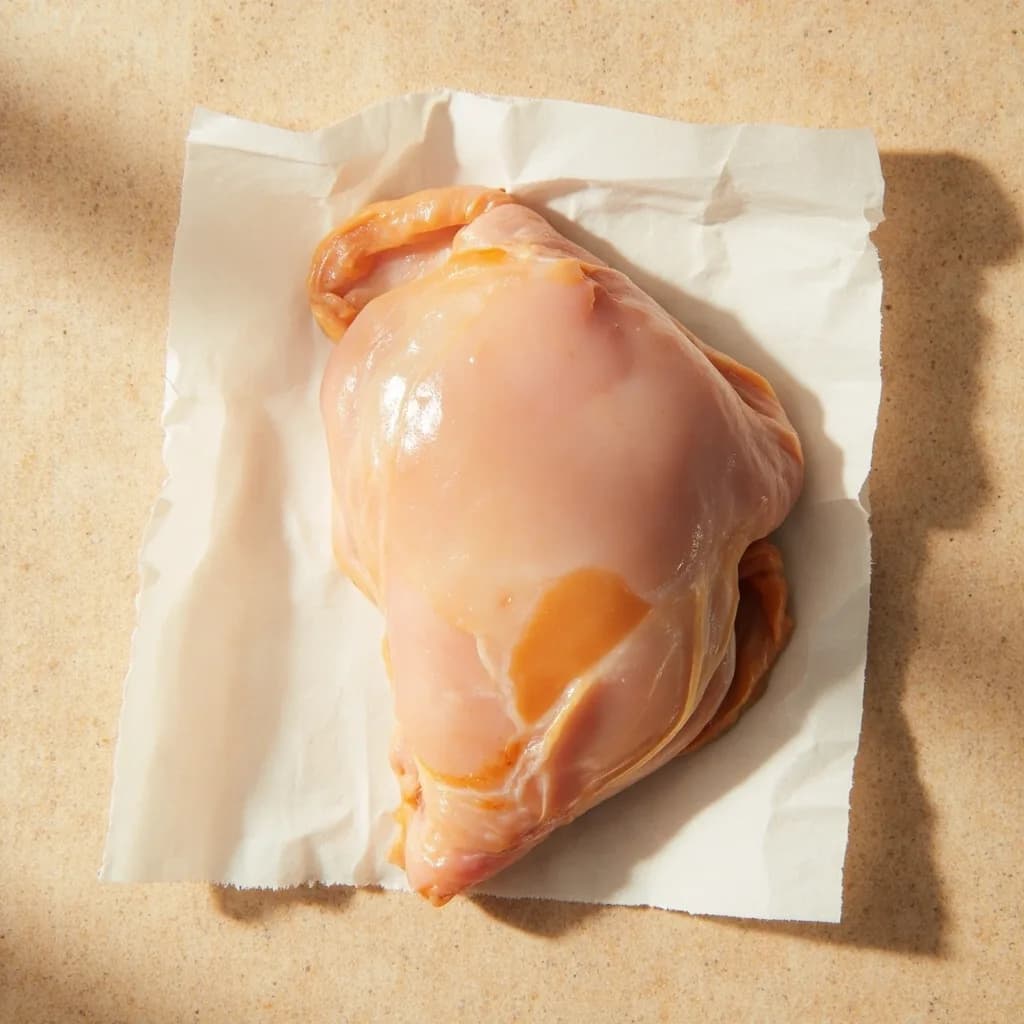
Chicken Breast
Lean, quick-cooking white meat for everyday dinners

Ground Beef
Versatile minced beef for burgers, ragù, tacos, and meatballs
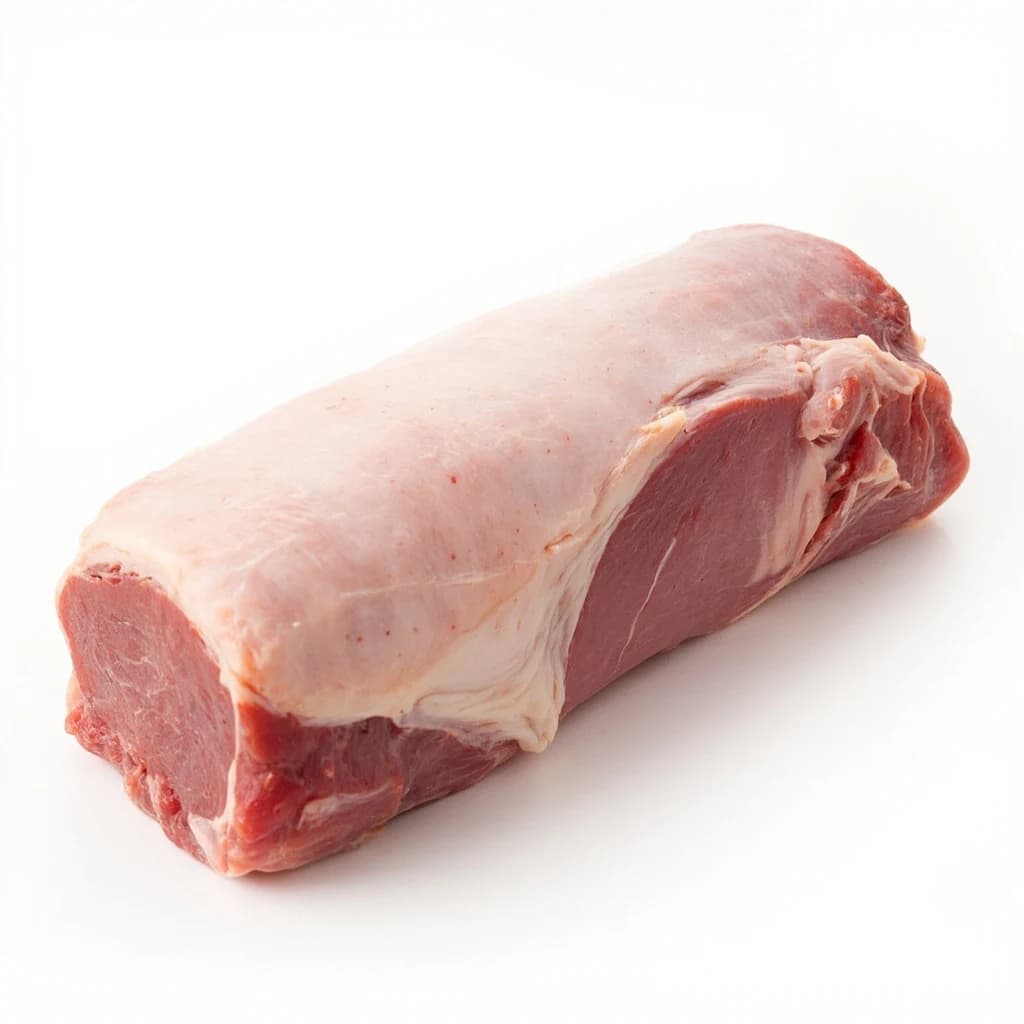
Pork Loin
Lean, tender roasting cut that stays juicy with care
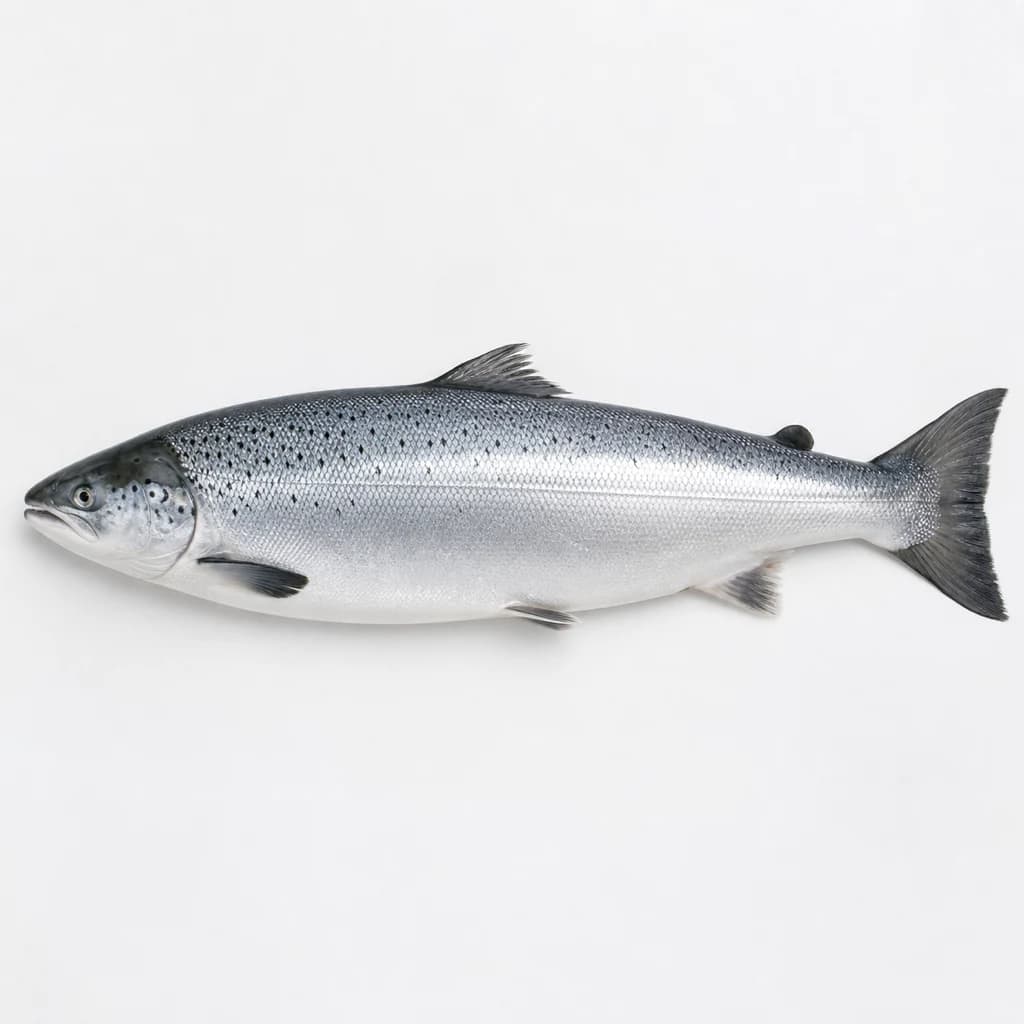
Salmon
Rich, rosy fish that roasts, grills, or cures beautifully

Egg White
Pure protein that whips to airy peaks for meringue and more
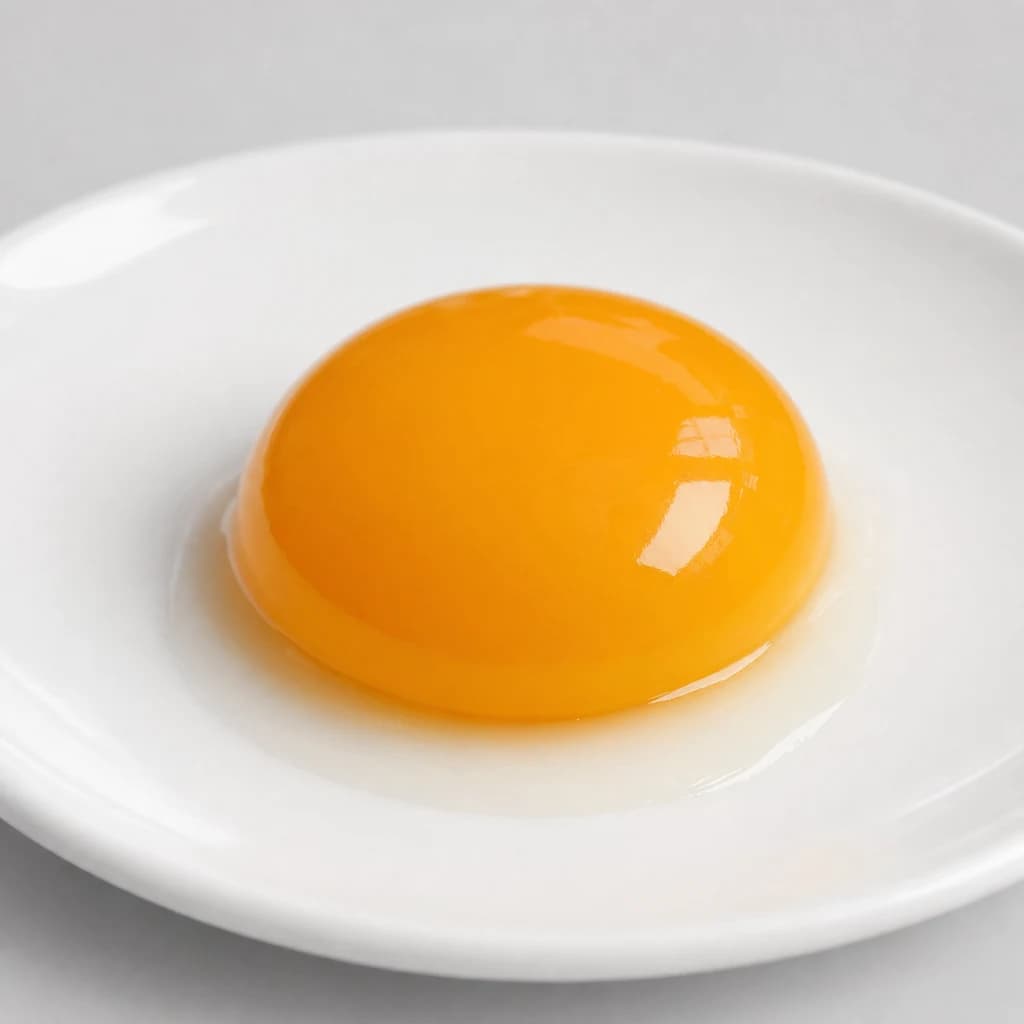
Egg Yolk
Rich, golden yolk for custards, mayonnaise, and pasta

Quail Egg
Tiny, speckled eggs for garnishing and elegant bites