Proteins
Leberkäse
Bavarian baked meatloaf of finely ground beef and pork, sliced and pan-fried.
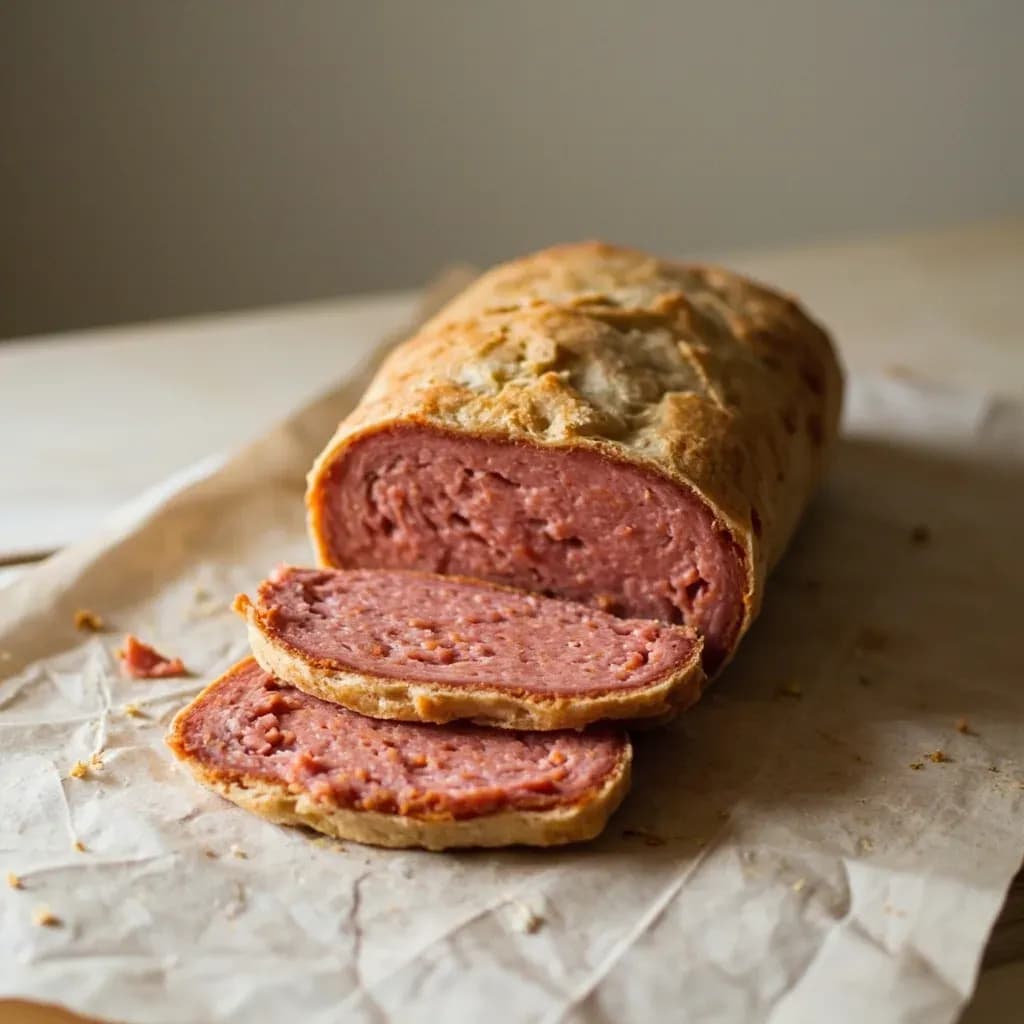
Leberkäse is a Bavarian and Austrian specialty made from finely ground corned beef, pork, and bacon baked into a dense loaf with a crisp brown crust. Despite the name, it usually contains no liver; it is sliced and served hot in a bread roll or pan-fried with a fried egg. Its smooth, savory texture comes from the very fine emulsified grind.
Leberkäse is an emulsified, finely chopped meat loaf from the Bavarian-Austrian heartland, baked open-top in a rectangular pan so a deep golden crust forms over a smooth, pink, almost pâté-like interior. Despite the name — literally "liver cheese" — most modern versions contain no liver; the "cheese" refers to the loaf shape and "liver" is largely a historical relic. When liver is absent the same product is sold as Fleischkäse, a naming distinction that confuses visitors but means essentially the same thing at the table.
Technically it sits between a sausage and a meatloaf. Beef and pork, often with pork belly or bacon for richness, are cut or ground to a very fine paste over ice, seasoned with restrained warm spices — mace, marjoram, white pepper, a hint of ginger — then packed into a hinged rectangular mold and baked until set. Curing salt (nitrite) is standard and gives the characteristic rose-pink hue. The interior should be moist and fine enough to slice cleanly without crumbling; the exterior a crackling brown.
It is sold fully cooked and eaten warm or cold. The canonical snack is a 5–8 mm slice tucked into a kaiser roll with sweet mustard — a Leberkässemmel. The same slice anchors a traditional breakfast or pub plate alongside potato salad, a pretzel, and a glass of Helles. The cut face dries quickly, so buy whole from a butcher or bakery and slice just before serving.
- Measured in
- g
- Storage
- Fridge
Types & varieties
Same product made without liver; the standard Swabian and most modern supermarket version
Bavarian style, often slightly coarser and traditionally includes a small amount of liver
Swabian style, finer texture, no liver
Topped or layered with melted cheese (typically Emmental) during baking
Mixed with chili or red bell pepper for a spicier version
Herbed variant with parsley, marjoram, sometimes chives
Made with chicken or turkey instead of pork and beef
Leberkäse vs. Fleischkäse: what's in a name
The terms are largely interchangeable at the table. The traditional Bavarian product did include some liver — hence the name — but commercial production moved away from liver for shelf life, milder flavor, and broader appeal. Swabia (southwestern Germany) and most modern bakeries and supermarkets sell the liver-free version simply as Fleischkäse. If you want liver, ask specifically for Leberkäse and expect a slightly stronger, more mineral flavor and a deeper color.
Pan-frying the perfect slice
Slicing and frying is where Leberkäse shows its character. Cut across the loaf into 5–8 mm slabs, then sear in clarified butter or a mix of butter and neutral oil over medium-high heat for about 2 minutes a side until you get a serious crust without drying the interior. Resist the urge to press the slice flat — let the crust do the work. Serve immediately on a warmed roll or with potato salad; a fried egg on top is the classic pub-plate addition.
Common uses
Tips & pitfalls
- Source Leberkäse from a butcher (Metzger) or bakery (Bäckerei) rather than pre-sliced supermarket packs when possible — the texture, juiciness, and crust are far better when it's fresh from the oven.
- Pan-fry slices in clarified butter or a butter-and-oil mix over medium-high heat so the outside gets a real crust without the interior drying out.
- Don't reheat slowly in a microwave — it turns rubbery and the crust goes flabby. Reheat by pan-frying from cold, or warm gently in a low oven covered with foil for 10–15 minutes.
- Slice only what you need; the cut surface dries out quickly, so leave the rest of the loaf whole and wrap tightly in plastic or foil.
- Common mistake: seasoning a homemade batch with the same salt you'd use in a fresh sausage. Commercial Leberkäse is noticeably salty thanks to curing salt, so reduce any added table salt accordingly.
- Common mistake: overcooking a homemade loaf. The interior should just be set and still moist; pull it when an instant-read thermometer reads about 72°C (160°F) in the center and let it rest 10 minutes before unmolding.
- If making it at home, chill the meat farce well and process it in a food processor to achieve the fine, emulsified texture that defines the product — a coarse grind gives you a meatloaf, not a Leberkäse.
- Press a sheet of parchment on the surface during baking to keep the top crust from becoming overly thick and tough if you prefer a thinner, more delicate crust.
Nutrition
Nutrition
No USDA FoodData Central match for Leberkäse yet. We surface a per-100 g profile once a generic whole-food entry is matched and verified.
In the shops
Matched grocery products
No matched grocery products for Leberkäse yet.
Good to know
- Origin
- Bavaria and Austria; a closely related regional specialty with each region claiming its own version
- Type
- Emulsified, baked sausage in loaf form — a hybrid of meatloaf and fine-textured wurst
- Main ingredients
- Beef, pork, pork belly or bacon, ice or water, onion, parsley, marjoram, mace, ginger, white pepper, occasional cardamom, salt, and curing salt (nitrite)
- Liver content
- Traditional recipes include liver; most modern commercial and bakery versions omit it and are sold as Fleischkäse
- Texture
- Very fine, smooth, sliceable; pink interior under a golden-brown crust
- Form
- Baked in a hinged rectangular loaf pan (Leberkäseform), typically 1–2 kg, with the lid open so a crust forms on top
- Flavor
- Savory, mildly spiced, porky, with warm notes from mace, marjoram, and ginger
- Cooked state
- Sold fully cooked; eaten warm or cold
- Shelf life
- 2–3 days refrigerated once cut; whole uncut loaves keep a few days longer
- Etymology
- Name means "liver cheese"; "cheese" refers to the loaf shape, "liver" is largely a historical relic
Substitutes
- Fleischwurst / Lyoner — Closest German equivalent; very fine emulsified pork-and-beef sausage sold in loaves — slice and pan-fry the same way
- Bologna (US-style) — Similar emulsified texture and mild flavor, though softer and smokier; works for sandwiches but not for a proper Leberkäse roll
- Mortadella — Finer-textured Italian cold cut with a similar loaf shape; lacks the crust but provides a comparable mild, porky base
- Polish pasztetowa or serdelowa — Finely ground pork loaves common in Eastern Europe; pan-fry slices as a stand-in for breakfast plates
- Boudin blanc (pork version) — Not a direct match, but a fine-textured white pork sausage that can be sliced and pan-fried in a similar way
Pairs with
Also called
Leberkaese · Fleischkäse
Related
Egg
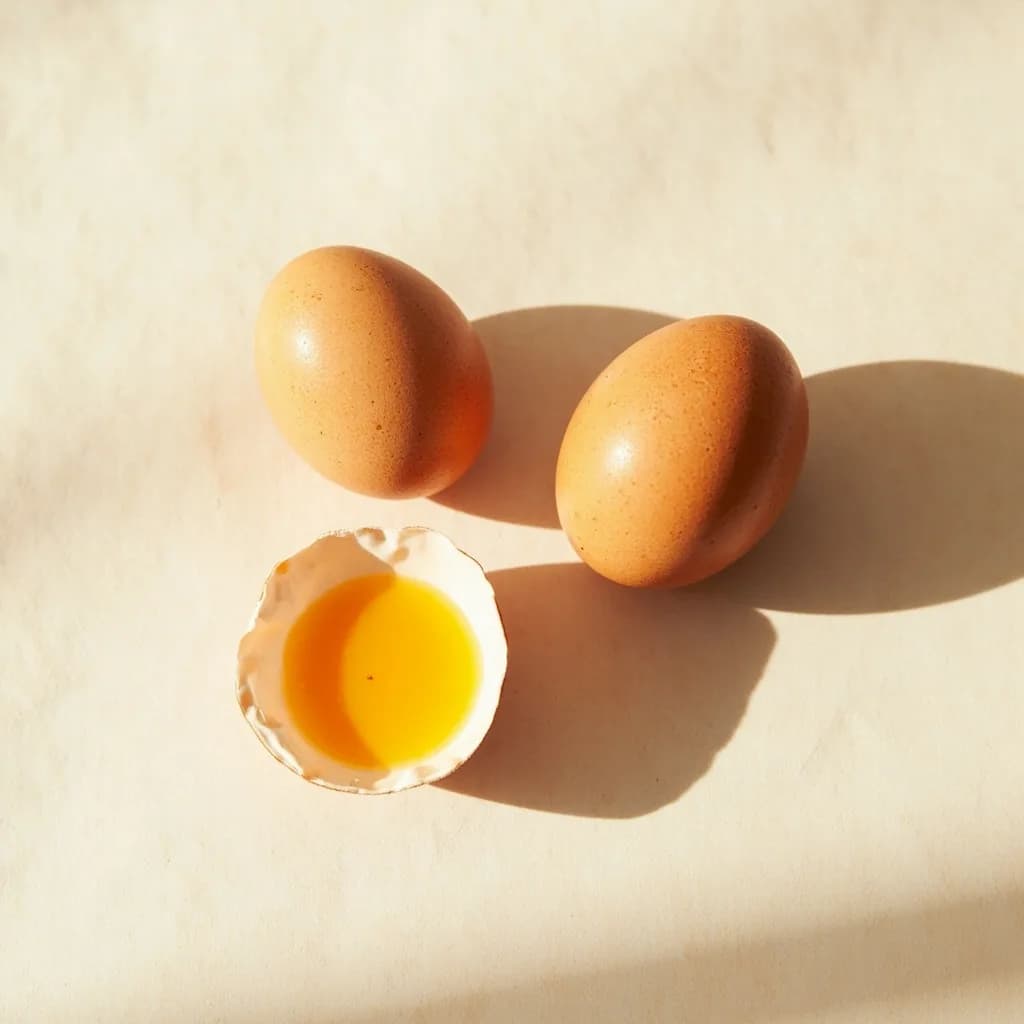
The kitchen's everything ingredient — bind, leaven, enrich, or fry
Chicken Breast
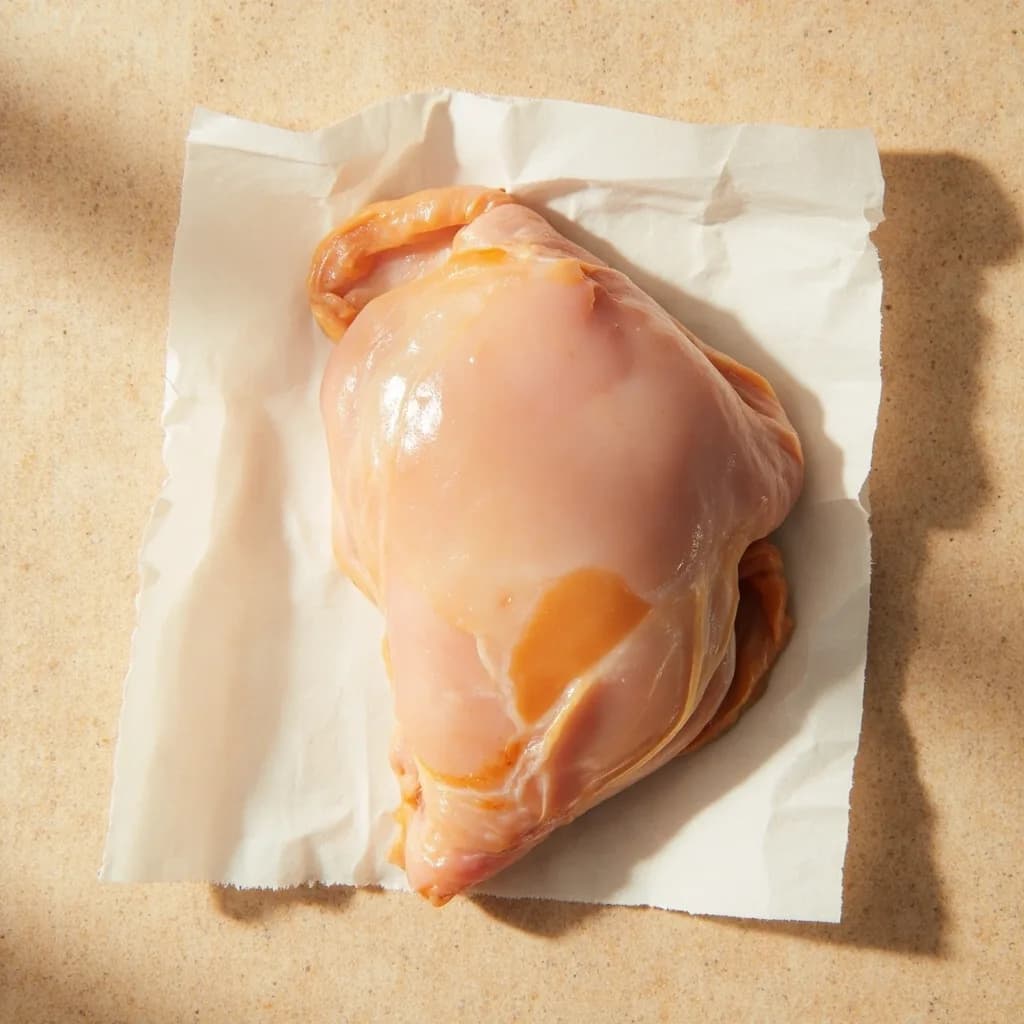
Lean, quick-cooking white meat for everyday dinners

Ground Beef
Versatile minced beef for burgers, ragù, tacos, and meatballs
Pork Loin
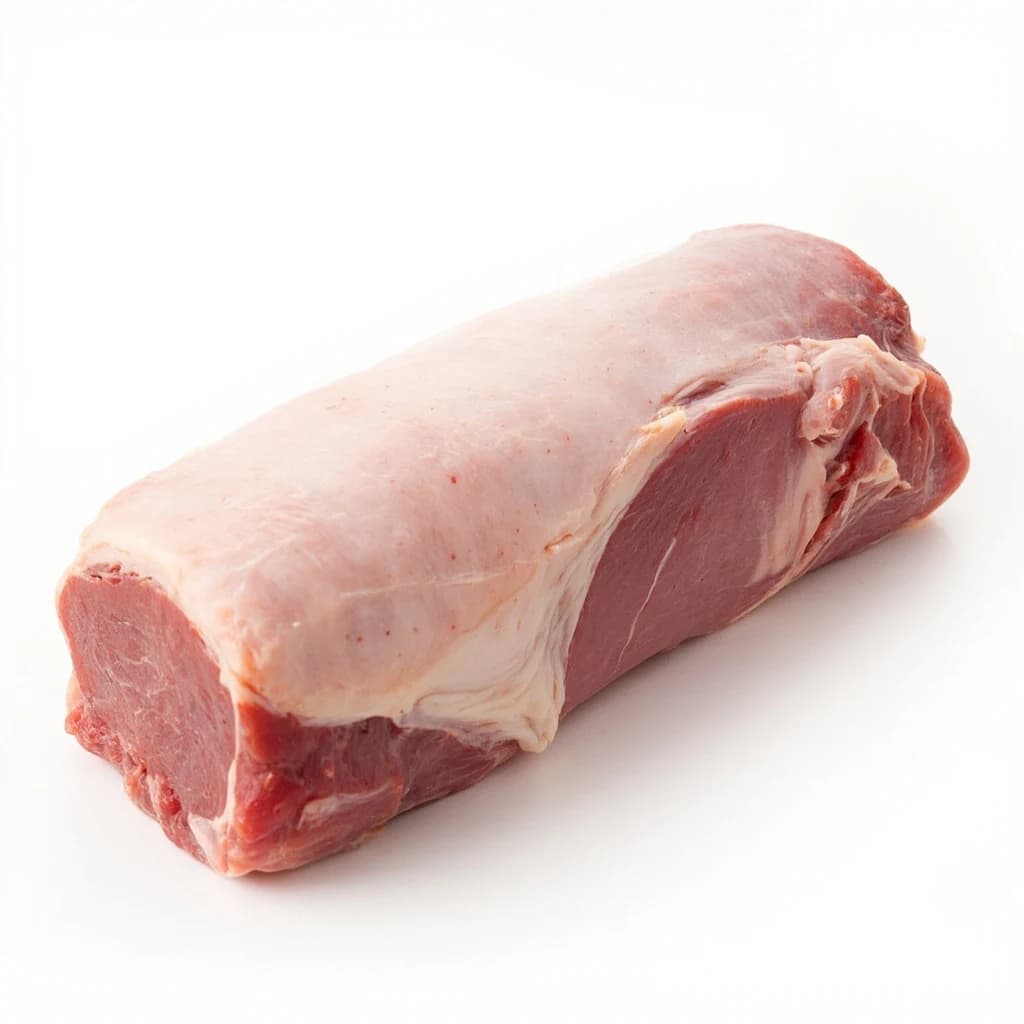
Lean, tender roasting cut that stays juicy with care
Salmon
Rich, rosy fish that roasts, grills, or cures beautifully

Egg White
Pure protein that whips to airy peaks for meringue and more

Egg Yolk
Rich, golden yolk for custards, mayonnaise, and pasta

Quail Egg
Tiny, speckled eggs for garnishing and elegant bites