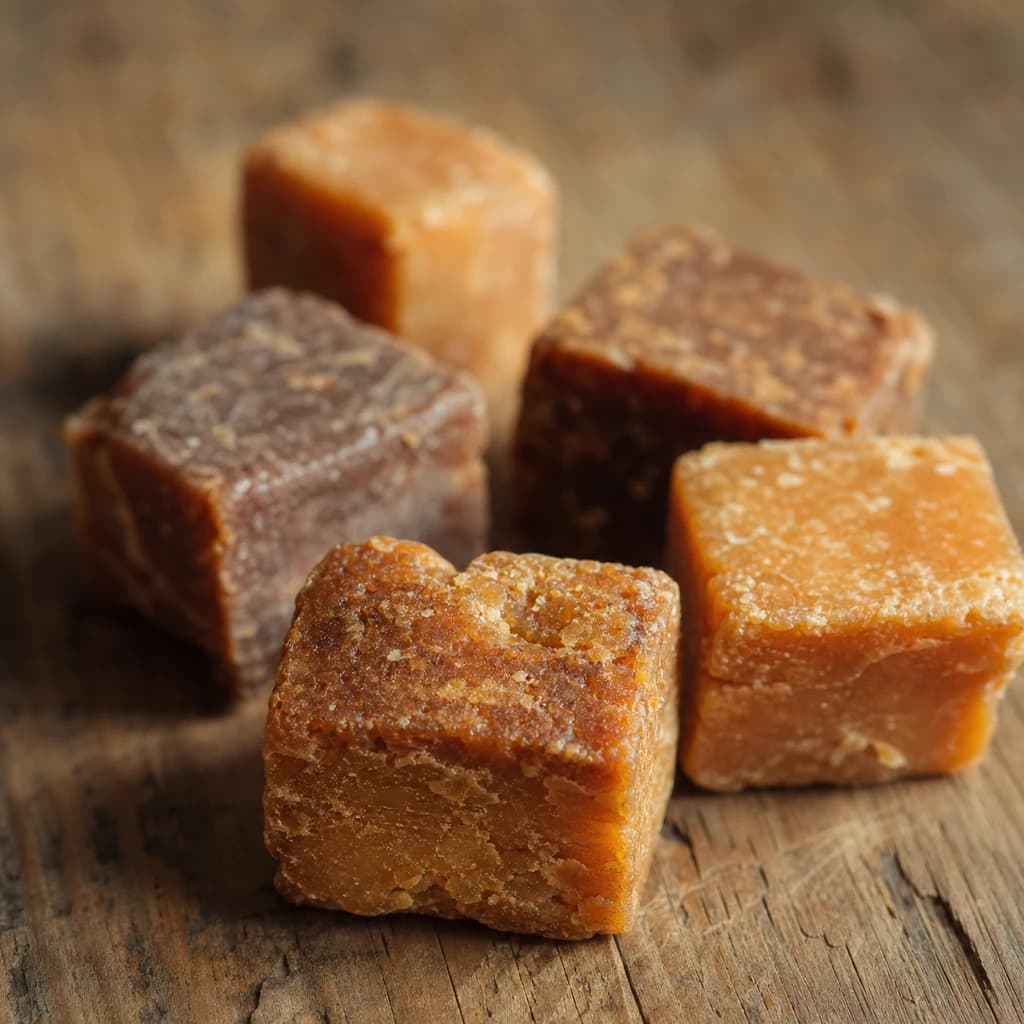
Natural form
Hard churpi cubes in their characteristic smoked, dried form — the traditional long-chew snack.
Shows the defining physical form of hard churpi: its dark amber-brown color, dense rectangular blocks, and rough texture that explain why it takes hours to soften.
Dairy & Eggs
Churpi (Hard Yak Cheese)
Rock-hard Himalayan yak-milk cheese, slowly chewed for hours like a savory hard candy.
Churpi is a traditional Himalayan cheese made from yak or cow milk, with a soft fresh form for cooking and an extremely hard, dried form. The hard variety is smoked and dried into tooth-resistant cubes that are slowly chewed and softened over hours as a long-lasting snack. It is rich, savory, and smoky, and is also fed to dogs as a durable chew.
Churpi is a traditional yak-milk cheese produced across the Himalayan plateau in Nepal, Bhutan, Tibet, Sikkim, Ladakh, and Himachal Pradesh. It represents one of the few documented cheese-making traditions native to this high-altitude region, where yak herding communities developed preservation techniques to convert perishable milk into a stable, nutrient-dense food source for harsh winters and long transhumance journeys. The cheese is made by acid-coagulating boiled milk with buttermilk or lemon juice, then pressing and drying the curds—with the hard variety additionally smoked over pine or juniper fires. The result is a product of two entirely different characters depending on aging time.
Soft churpi (known as mewa in Nepali) is a fresh, pliable cheese with a crumbly, slightly elastic texture. It crumbles easily and melts into hot dishes, making it the workhorse of Himalayan cooking. Hard churpi (called doda) is the extreme opposite—an aged, rock-solid block that requires hammering to break. This hardness is not a defect but the intentional design of nomadic cheesemakers: the extreme density and near-zero moisture content make it the most shelf-stable and transportable form possible. A properly aged hard churpi will keep for years at room temperature, providing a portable protein and fat reserve for herders crossing vast distances between grazing grounds. The flavor of the hard variety deepens with age, developing intense umami and, when smoked, an assertive wood-fired character unlike any cheese in the Western tradition.
For cooks encountering churpi outside its native context, understanding which variety to use is essential. The hard type is primarily a snack and an artifact—chewed slowly against the teeth like a savory hard candy for extended periods, a practice that both cleans the palate and delivers sustained energy. The soft type is a genuine cooking ingredient, folding into soups, stews, rice dishes, and dumplings where its umami richness and gentle melting make it invaluable in Himalayan kitchens.
- Measured in
- g
- Storage
- Pantry
Allergens
Types & varieties
Fresh, pliable version used for cooking. Crumbles easily and melts into soups, stews, and rice dishes. The workhorse variety for culinary applications across Nepal, Bhutan, and Sikkim.
Extremely aged, rock-hard variety designed for portability and long-term storage. Traditionally chewed slowly as a savory snack, working it against the teeth for extended periods. Requires hammering or heavy knife to break into pieces.
Hard churpi that has been cold-smoked over pine or juniper during the aging process. Adds pronounced wood-fired depth and further enhances shelf stability. Most commonly found when sourced from high-altitude herder communities.
Common alternate spelling used across different Himalayan regions. Refers to the same cheese; spelling varies by dialect and locality.
Why the Hardness Matters
The rock-hard texture of aged churpi is a technological achievement, not a flaw. At high altitudes where refrigeration is unavailable and temperatures swing dramatically, maximum dehydration was the only path to food security. Hard churpi contains so little moisture that bacteria cannot proliferate, meaning it remains edible for years—sometimes decades. For Himalayan herders, a chunk of hard churpi carried in a cloth bag was a protein capsule that could be nibbled over days or weeks of travel. This explains why the texture is genuinely extreme: it was engineered for survival, not for ease of use. Modern cooks should approach hard churpi with the same respect they would a flint and steel—as a tool requiring proper technique, not a simple snack to bite into.
- The extreme hardness is an intentional preservation method developed over centuries by nomadic yak herders
- Moisture content in hard churpi is near zero, making it one of the most shelf-stable dairy products in the world
- Properly aged hard churpi should feel impossibly dense and produce a dull, heavy thud when dropped on a hard surface
- Never attempt to bite hard churpi with teeth—it can crack or damage them
Acquiring Churpi
Finding authentic churpi outside the Himalayan region requires knowing where to look. Specialty South Asian grocery stores, particularly those serving Nepali, Bhutanese, or Tibetan communities, are your best source. Imported hard churpi from Nepal or Bhutan is occasionally available in larger urban markets. Online suppliers specializing in Himalayan foods also carry both varieties. When purchasing hard churpi, verify density by holding it: it should feel significantly heavier than a block of similar size in aged Parmesan. Authentic hard churpi from high-altitude herders may have a more pungent, intense flavor than mass-produced versions, so adjust quantities accordingly when cooking. Soft churpi is harder to find outside South Asian markets and should be used within one to two weeks of purchase—it does not age well like its hard counterpart.
- Seek out South Asian grocery stores in areas with Himalayan refugee communities
- Verify hard churpi density before purchasing—it should feel unusually heavy for its size
- Hard churpi sourced from traditional herders may be more intensely flavored than commercial versions
- Soft churpi spoils quickly; plan to use it within 1–2 weeks of purchase
Common uses
Tips & pitfalls
- Never attempt to bite or chew hard churpi with your teeth—it can crack or break them. Place the chunk in a heavy cloth bag and strike with a meat tenderizer mallet or hammer until you have manageable pieces.
- To use hard churpi in cooking, soak broken pieces in warm water for 15–30 minutes until pliable, then drain before adding to dishes. The soaking water absorbs some flavor and can be used as a broth base.
- Do not substitute hard churpi for soft churpi in recipes expecting melting or integration—the hard variety will remain a dense, unyielding chunk. Use soft churpi exclusively for soups, stews, rice dishes, and dumplings.
- Hard churpi and smoked hard churpi are not interchangeable with soft churpi in any cooking application. The textural difference is absolute.
- When purchasing hard churpi, test density by dropping it on a hard surface: it should produce a dull, heavy thud, not a sharp clatter. Lightweight or hollow-sounding churpi is improperly aged.
- Authentic hard churpi from high-altitude herders often has a more assertive, pungent flavor than mass-market versions. Start with a smaller amount than you think you need, then adjust on taste.
- Soft churpi does not keep well—use it within one to two weeks and store in an airtight container in the refrigerator. It does not improve with age like the hard variety.
- For a quick approximation of hard churpi's traditional use, rasp or grate frozen hard churpi over dishes as a finishing element, similar to how aged Parmesan is used.
Nutrition
Energy
1628 kJ · per 100 g
Where the calories come from
Protein
25.6g
51% DV
Carbs
1.6g
1% DV
Fat
31.1g
40% DV
Fiber
0g
0% DV
Sugars
1.6g
of which
Sodium
800mg
35% DV
Source · USDA FoodData Central · approx. Cheese, fontina
View on FDC →In the shops
Matched grocery products
No matched grocery products for Churpi (Hard Yak Cheese) yet.
Good to know
- Origin
- Himalayan Nepal, Bhutan, Tibet, Sikkim, Ladakh, Himachal Pradesh
- Primary Milk
- Yak milk; sometimes blended with cow milk at lower elevations
- Aging Time
- 2 months to over 1 year for hard variety (soft variety is unaged/fresh)
- Texture
- Soft: crumbly, slightly elastic; Hard: rock-solid, requires hammering or heavy knife to break
- Flavor
- Nutty, intensely umami, slightly tangy; aged hard variety gains deep smoky notes from hearth smoking
- Traditional Method
- Boiled milk acid-coagulated with buttermilk or lemon juice, pressed, then dried or dried and smoked over hearth
- Shelf Life
- Hard variety: years at room temperature; Soft variety: 1–2 weeks refrigerated
- Typical Size
- Blocks or wheels, 1–5 kg; hard variety often sold in irregular chunks or compressed rounds
Substitutes
- Aged Pecorino Romano or Queso Añejo — Hard, aged cheeses with similar density, saltiness, and umami depth. Use sparingly as a finishing element or for chewing—the yak-milk intensity of true churpi is difficult to replicate.
- Aged Parmesan (Parmigiano-Reggiano) — Offers comparable umami depth and granular texture. Works as a substitute when rasped over dishes, though the flavor profile differs noticeably from yak-milk churpi.
- Paneer (for soft churpi cooking applications) — Will not replicate the umami depth of soft churpi in soups and stews, but provides similar texture and protein for Indian-style dishes. Does not melt the same way.
- Halloumi (for soft churpi applications) — Can stand in for soft churpi in dishes where you want a cheese that holds structure under heat, though the flavor profile differs significantly and it lacks churpi's characteristic tang.
Pairs with
Also called
Chugo · Yak Cheese (Chugo) · Dried Cheese Cubes (Chugo) · Chhurpi
Related

Whole Milk
Rich, full-fat milk for drinking, coffee, sauces, and baking
Butter
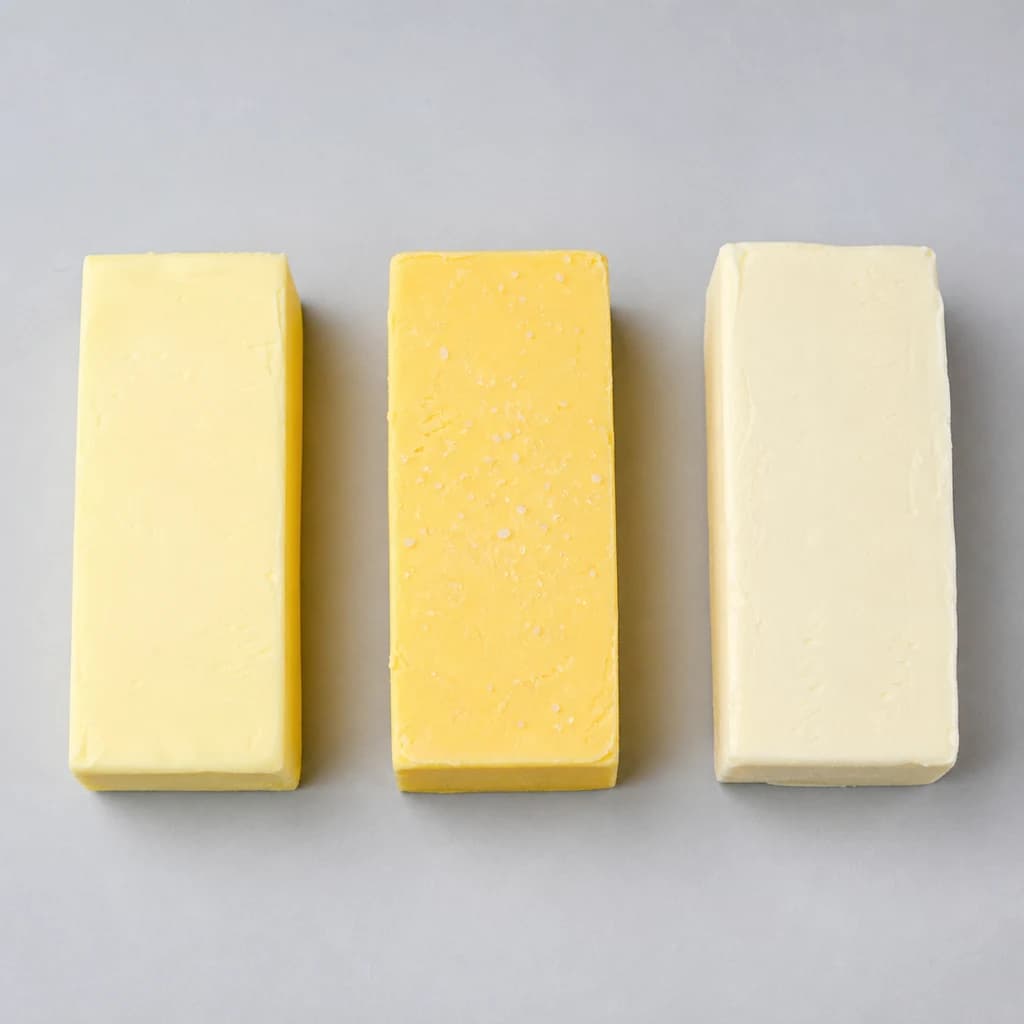
Golden fat for searing, baking, and finishing a sauce
Yogurt
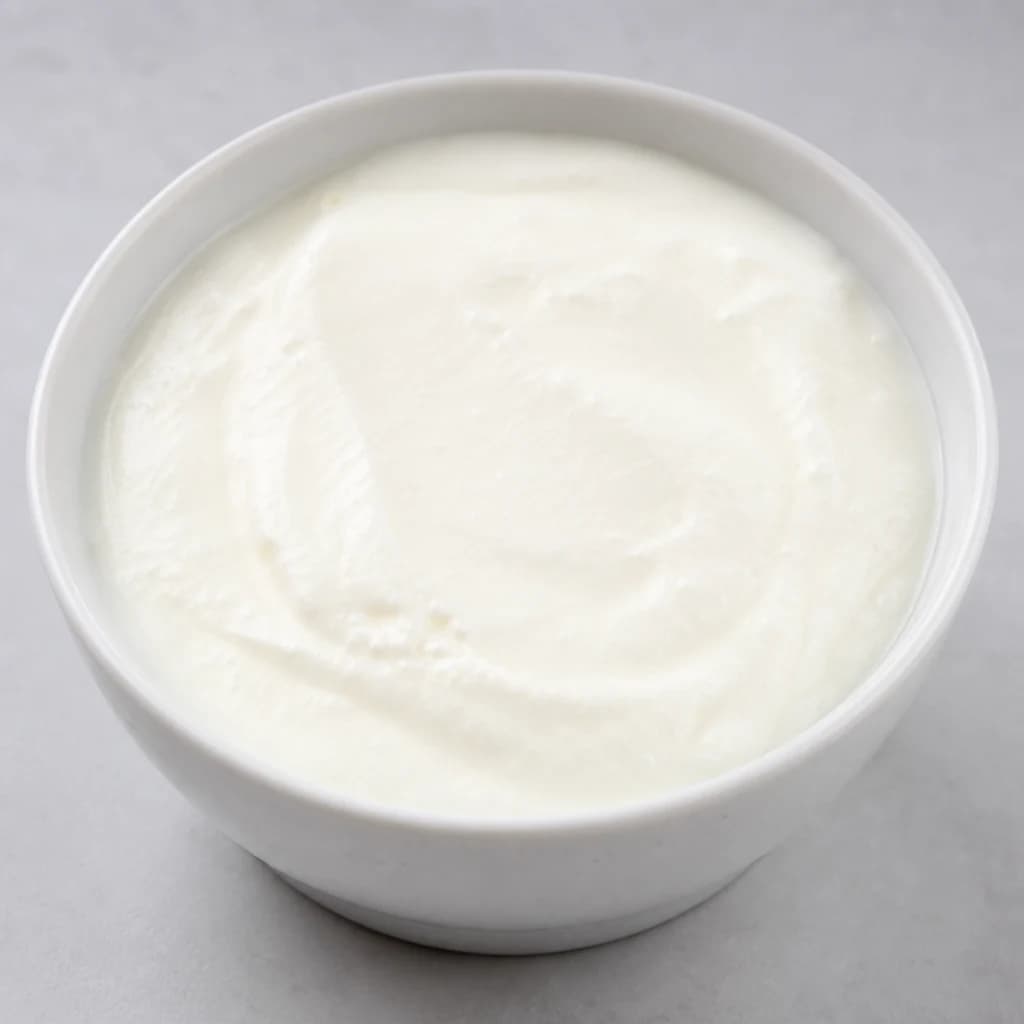
Tangy, creamy culture for breakfast, sauces, and marinades
Cheddar Cheese
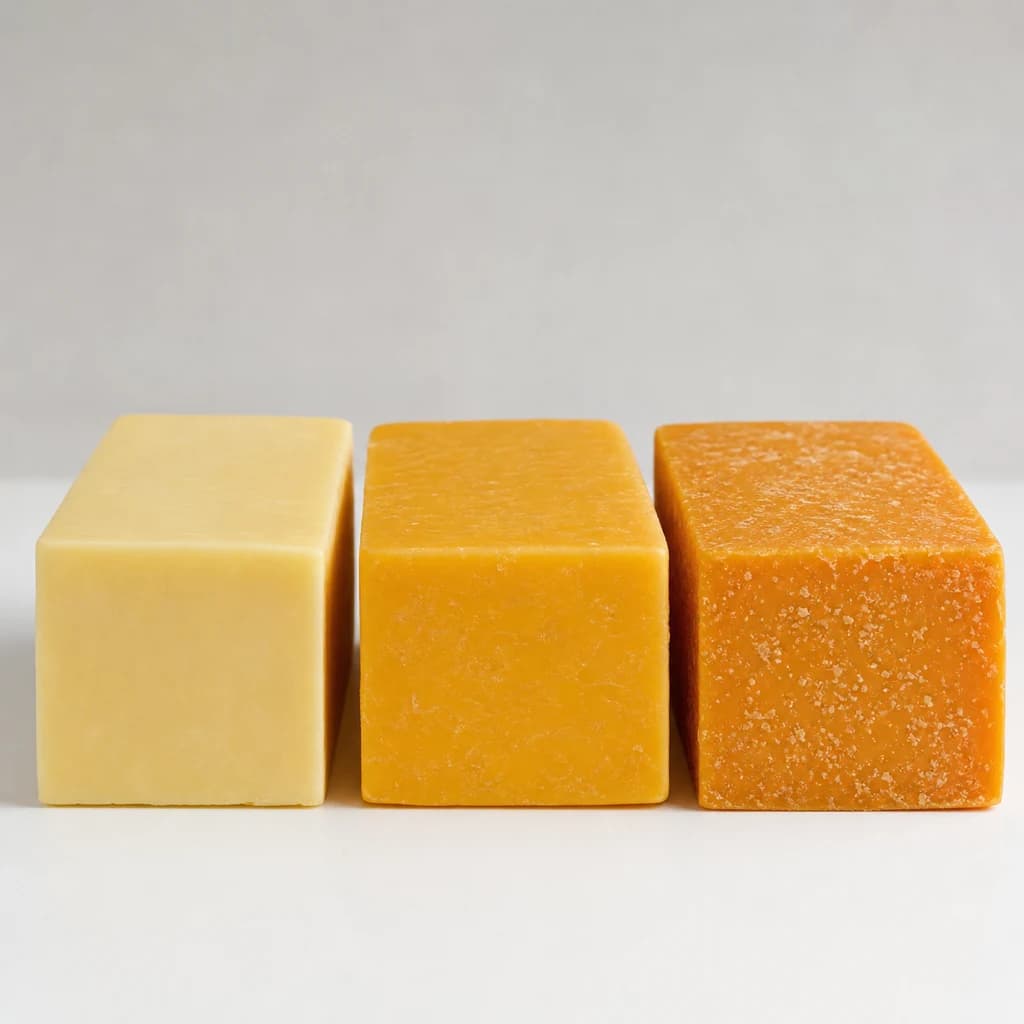
Sharp, melty cheese for sandwiches, gratins, and grating

Skim Milk
Fat-free milk for lighter drinking, coffee, and cooking
Heavy Cream
Rich cream that whips, enriches sauces, and sets ganache

Sour Cream
Tangy, thick cream for dolloping, baking, and dips
Mozzarella
Soft, milky cheese that melts into stretchy pizza pulls