Proteins
Cooked Shrimp
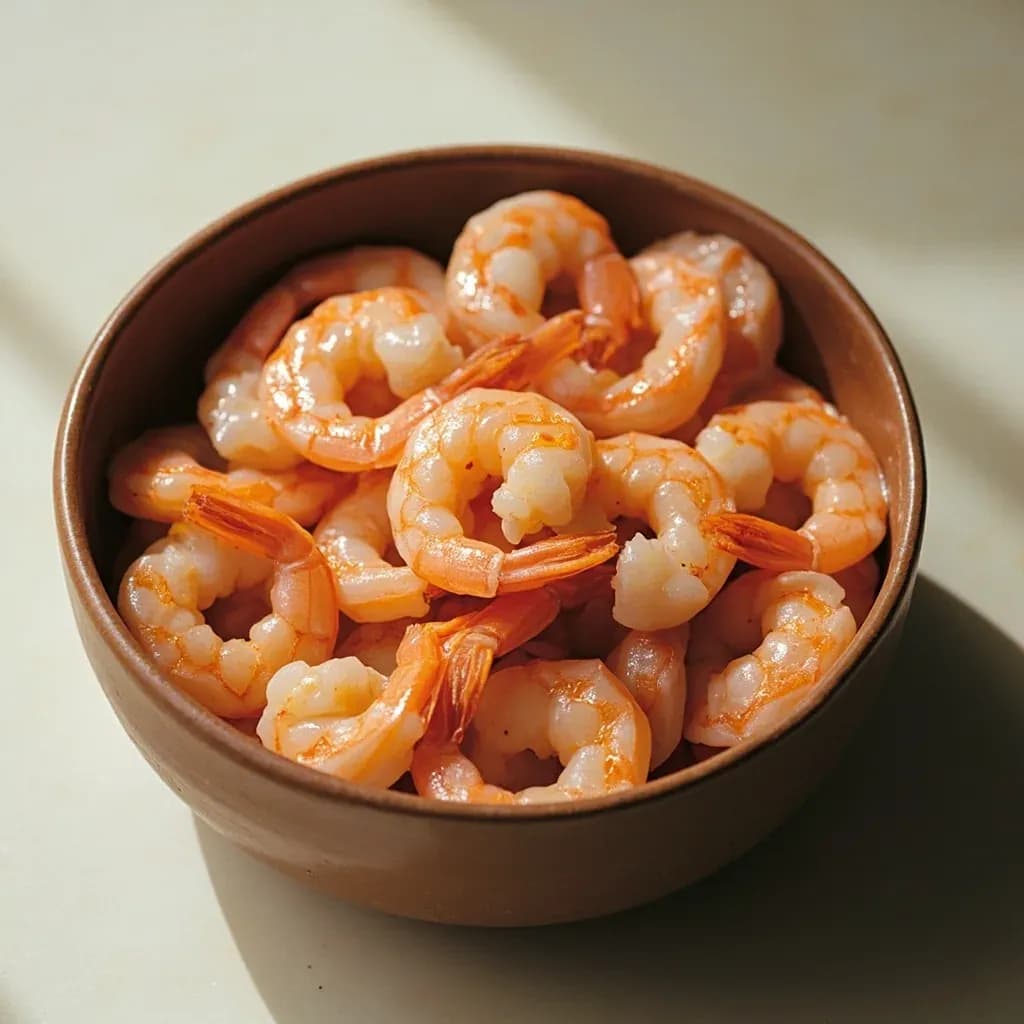
Pre-boiled or steamed shrimp, ready to eat in salads, sushi, and platters.
Cooked shrimp are pre-boiled or steamed and turn pink and firm, ready to use without further cooking. They top sushi (where they are called ebi), fill cocktails and salads, and garnish noodle and rice dishes. Gently warming rather than re-cooking keeps them tender and prevents rubberiness.
Cooked shrimp is a ready-to-eat protein that has already undergone boiling or steaming, eliminating the most common pitfall in shrimp cookery: the line between perfectly done and hopelessly overcooked. Available shell-on or peeled, this product ranges from the plump, briny white shrimp of the Gulf and Pacific to smaller pink and brown varieties. The texture is firm yet yielding—the flesh should resist your finger briefly, then give way cleanly. What makes cooked shrimp both convenient and demanding is that it arrives fully finished: your job is to preserve what the processor achieved, not to create it. This means treating cooked shrimp with the same respect you would give a finished roast—warmed gently, kept cold, and never subjected to extended heat that turns sweet flesh into rubber. In professional and home kitchens alike, cooked shrimp serves as a versatile foundation for everything from classic shrimp cocktail to composed salads, sushi preparations, and quick pasta dishes where it enters the pan at the last possible moment.
- Measured in
- g
- Storage
- Fridge
Allergens
Types & varieties
Most flavorful option; shell protects flesh during storage; traditional for shrimp cocktail and decorative platters
Shell and tail removed for convenience; preferred for salads and quick applications where tail-on appearance is unnecessary
Shell split along the back for easy eating; retains moisture better than fully peeled shrimp
Small whole cooked shrimp, often breaded or battered before a final fry; fully cooked before breading
Pre-cooked shrimp combined with salmon pieces; sold for sushi and salad use
Buying Quality Cooked Shrimp
The difference between a memorable shrimp cocktail and a disappointing one often begins at the display case. Frozen cooked shrimp should be assessed by ice glaze coverage—5–10% is standard; anything encased in a thick ice armor means you are paying water weight. Fresh cooked shrimp (never frozen) should display a clean ocean scent. A pronounced ammonia or sour smell indicates bacterial decomposition and spoilage. Black spotting on shells, called melanosis, is a natural enzymatic reaction, not a safety failure, but it signals age. Light spotting is acceptable; heavy spotting throughout the batch means pass. Both wild-caught and farmed cooked shrimp are widely available. Wild shrimp tend toward firmer texture and more pronounced flavor; farmed shrimp offer consistent sizing but can feel softer.
- Choose shrimp with minimal ice glaze when buying frozen
- Smell test: clean ocean scent is acceptable; ammonia means reject
- Light melanosis (black spots) is cosmetic only; heavy spotting means avoid
- Wild-caught is firmer and more flavorful; farmed is consistent in size
Cold vs. Hot Applications
Understanding when to serve cooked shrimp cold versus how to introduce it to hot dishes is essential. For cold applications—salads, sushi, appetizers, platters—chill the shrimp thoroughly before using. Serve directly from the refrigerator or on a bed of ice for the firmest, most appealing texture. For hot applications, cooked shrimp enters the dish at the absolute last moment. In stir-fries, add it after removing the pan from heat and fold it through residual warmth. For pasta dishes, scatter the shrimp over plated pasta rather than tossing it in a hot pan. The goal is to bring the shrimp to serving temperature without any additional cooking. Even 60 seconds too long in a hot environment tightens the proteins and produces that dreaded rubbery bite.
- Always chill thoroughly before cold applications
- Add to hot dishes only after removing from heat or just before serving
- Never cook cooked shrimp a second time—even 1–2 minutes over direct heat compromises texture
- Pat dry before use to avoid diluting sauces and causing splattering
Common uses
Tips & pitfalls
- Smell before buying: a mild ocean scent is fine; a strong ammonia or sour odor indicates spoilage
- Avoid excessive ice glaze: thick ice means you are paying for water weight; 5–10% glaze is standard
- Reheat minimally or not at all: cooked shrimp is already done; more than 1–2 minutes in a hot dish risks a rubbery, tough texture
- Pat dry before using: surface moisture dilutes sauces and causes splattering in hot applications
- Add to hot dishes at the very end: after removing from heat or just before plating for stir-fries, pasta, and risottos
- Chill thoroughly before cold applications: serve on ice or directly from the refrigerator for the best texture
- Do not refreeze thawed shrimp: this degrades cell structure and produces a mushy texture; thaw overnight in the refrigerator only
- Check for black spot syndrome: melanosis is cosmetic, not a safety issue, but heavy spotting indicates age—avoid those batches
- Store in the coldest part of the refrigerator, not the door, which experiences temperature fluctuations
- For shrimp cocktail, bring water to a rolling boil, add frozen cooked shrimp, and blanch just 1 minute to bring to serving temperature—this is warming, not cooking, since the shrimp is already fully cooked
Nutrition
Energy
414 kJ · per 100 g
Where the calories come from
Protein
24g
48% DV
Carbs
0.2g
0% DV
Fat
0.3g
0% DV
Sodium
111mg
5% DV
Source · USDA FoodData Central · approx. Crustaceans, shrimp, cooked
View on FDC →In the shops
Matched grocery products
 €3.95
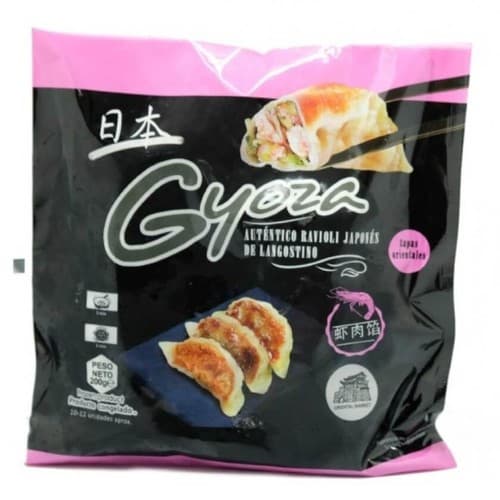
€3.95Shrimp Gyoza
ORIENTAL MARKET · kg · Bonpreu
 €6.95
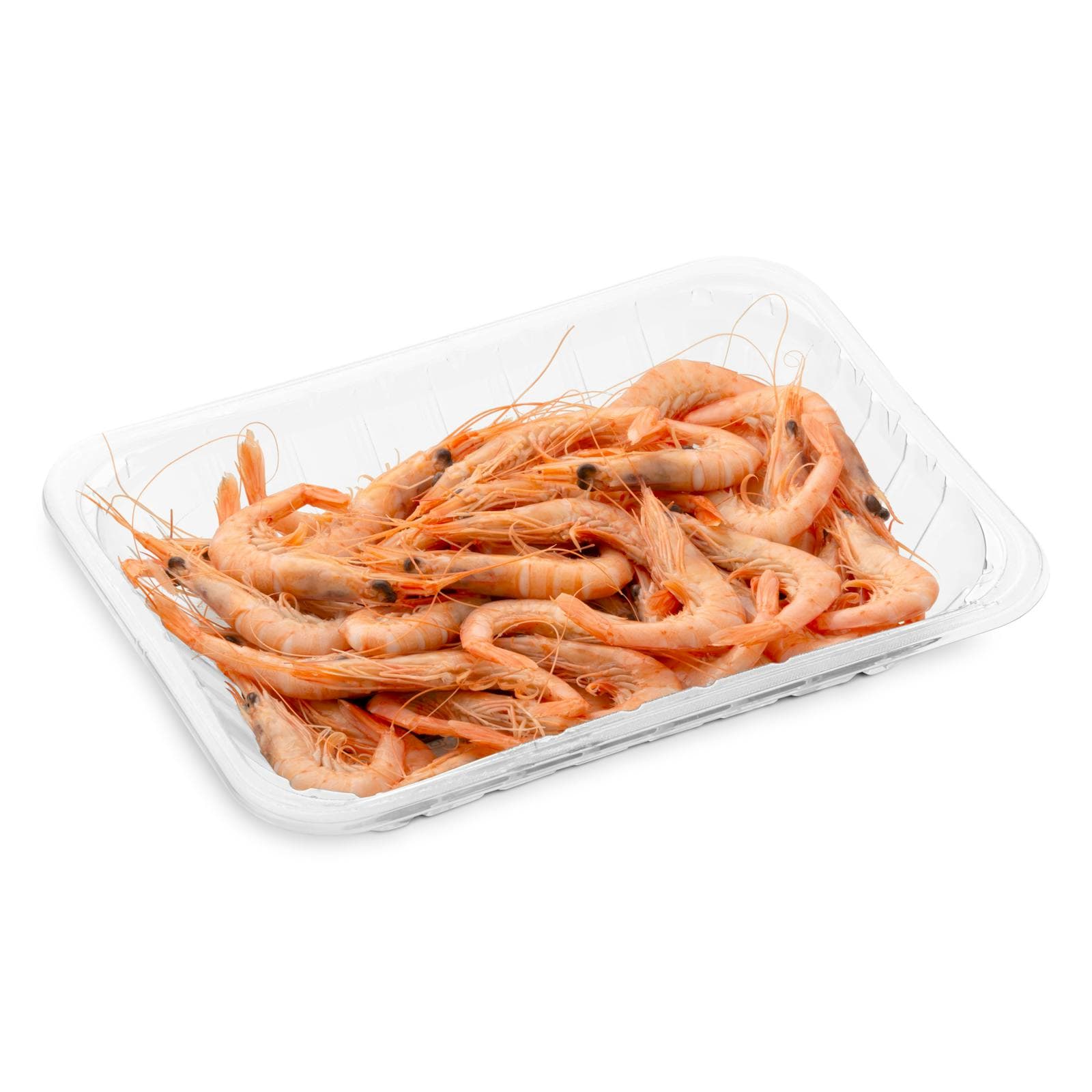
€6.95Cooked Shrimp
300 g · Mercadona
 €1084.05
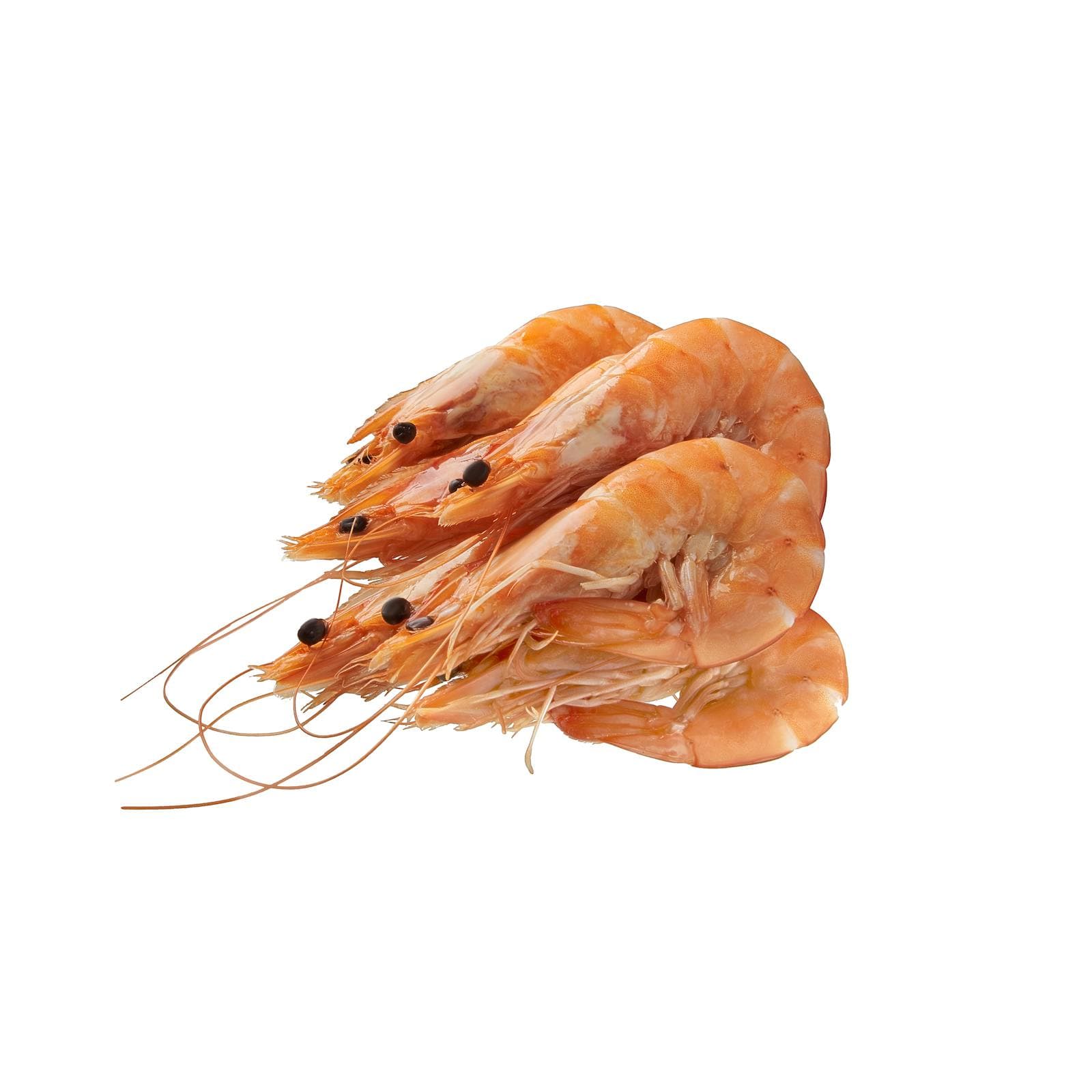
Cooked Shrimp
kg · Mercadona
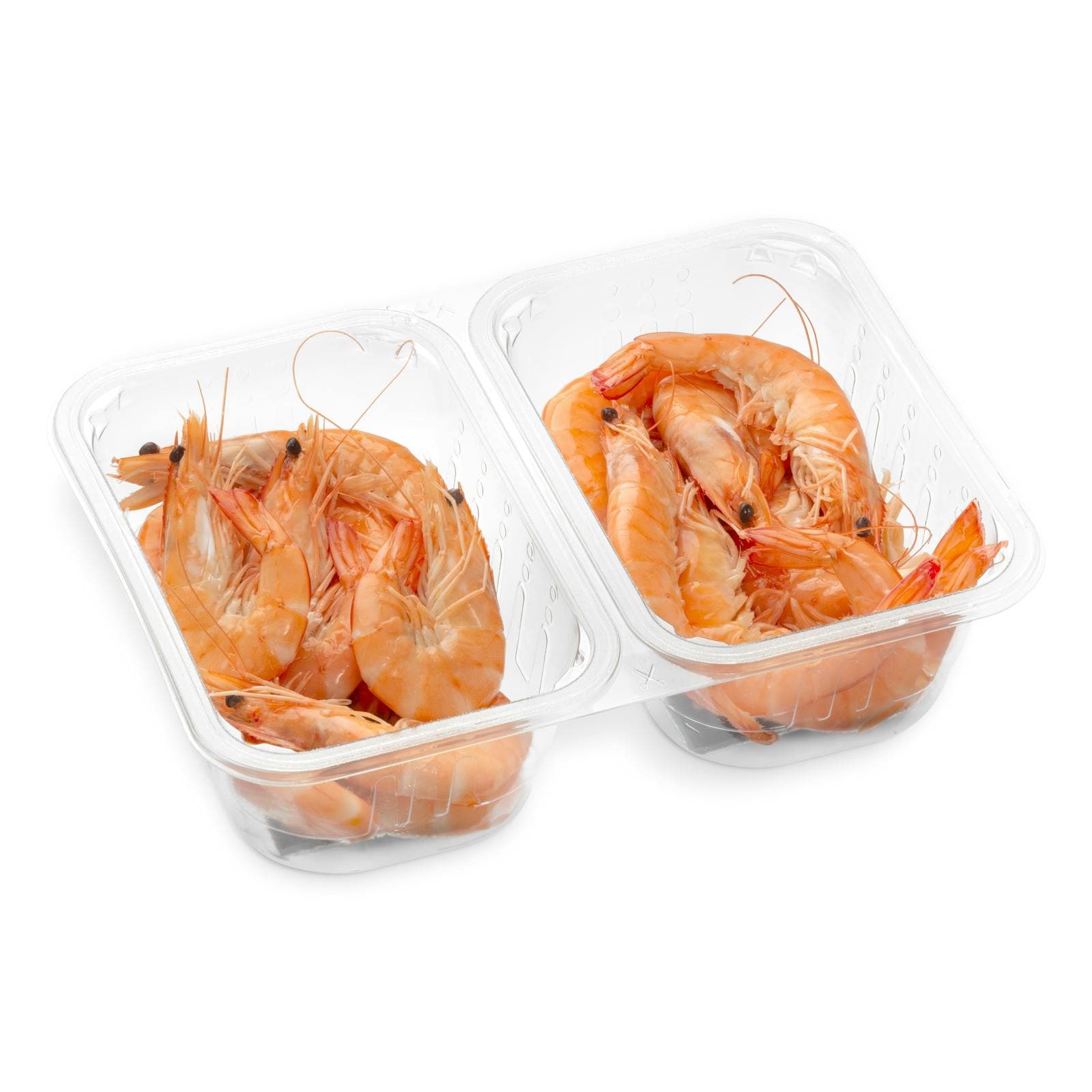 €6.30
€6.30Cooked Prawn
600 g · Mercadona
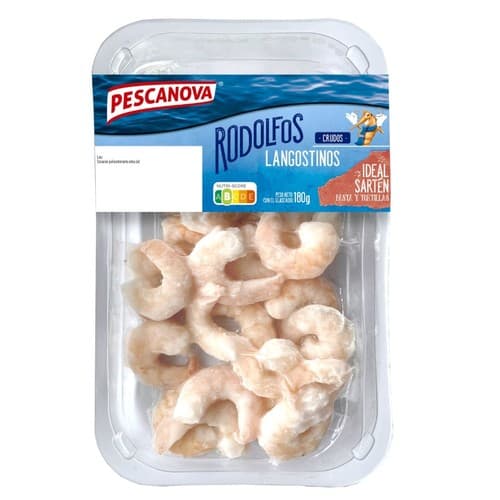 €4.89
€4.89Peeled Raw Shrimp
PESCANOVA · kg · Bonpreu
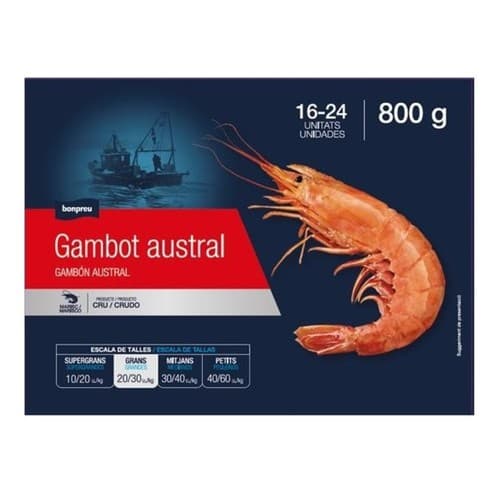 €10.95
Australian Prawn
BONPREU · kg · Bonpreu
Good to know
- Form
- Pre-boiled or steamed shrimp, ready to eat without further cooking
- Flavor
- Mildly sweet, briny, clean taste with a subtle oceanic character
- Texture
- Firm yet tender; flesh yields easily without being rubbery
- Count Sizes
- 16/20, 21/25, 26/30, 31/40 per pound (higher number = smaller shrimp)
- Color
- Pink to coral-orange after cooking; shells vary by species and processing method
- Shelf Life (Refrigerated)
- 1–2 days at 32–38 °F; store in the coldest part of the refrigerator, not the door
- Shelf Life (Frozen)
- 3–6 months in a sealed freezer bag; quality declines noticeably after 6 months
- Sodium Content
- Varies by producer; brined shrimp contain significantly more sodium than unbrined
Substitutes
- Cooked Lobster Tail — Substantially more expensive; similar sweet flavor and tender texture; best as a luxury substitute in cold presentations
- Cooked King Crab Legs — Similar briny sweetness with a different, stringier texture; works in cold salads, platters, and cocktails
- Imitation Crab (Surimi) — Much cheaper; milder flavor and softer texture; acceptable in salads and sushi rolls but distinctly different from real shrimp
- Small Cooked Prawns — Larger than standard cooked shrimp; similar sweet flavor and tender texture; excellent one-to-one substitute in most applications
Pairs with
Also called
Ebi · Cooked Prawns
Appears in these dishes
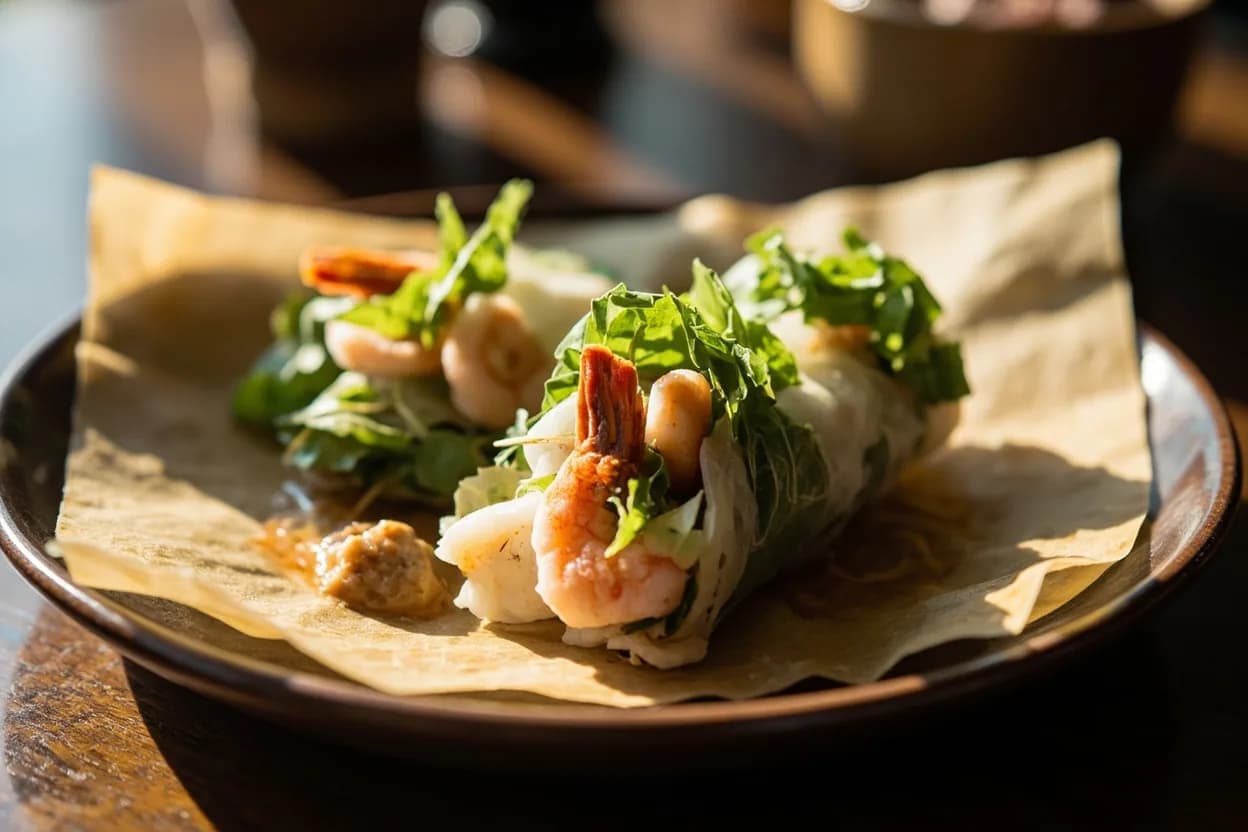
Related
Egg
The kitchen's everything ingredient — bind, leaven, enrich, or fry
Chicken Breast
Lean, quick-cooking white meat for everyday dinners

Ground Beef
Versatile minced beef for burgers, ragù, tacos, and meatballs
Pork Loin
Lean, tender roasting cut that stays juicy with care
Salmon
Rich, rosy fish that roasts, grills, or cures beautifully

Egg White
Pure protein that whips to airy peaks for meringue and more
Egg Yolk
Rich, golden yolk for custards, mayonnaise, and pasta

Quail Egg
Tiny, speckled eggs for garnishing and elegant bites