Produce
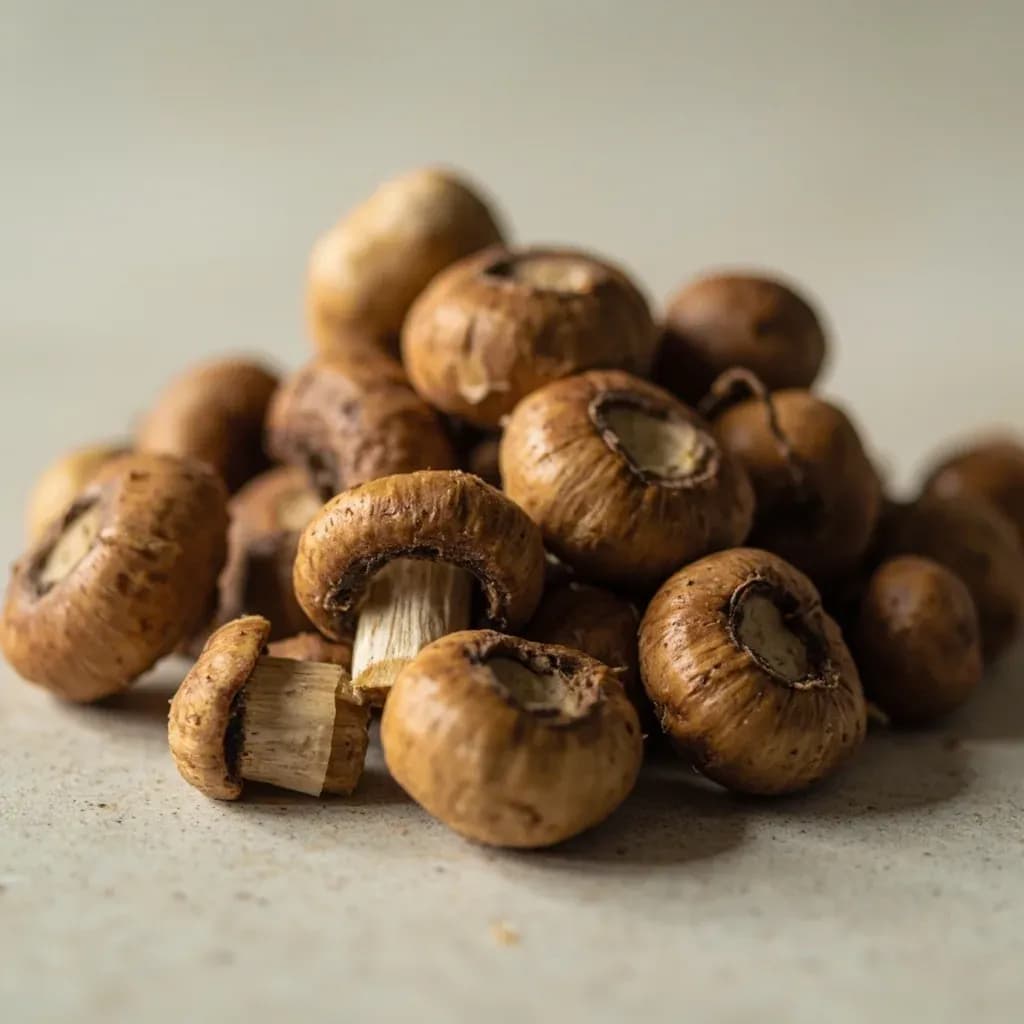
Cremini Mushroom
Brown button mushroom with firmer texture and deeper flavor than white mushrooms.
Cremini mushrooms are the brown, slightly more mature form of the common button mushroom, with a firmer texture and earthier, meatier flavor. They are versatile in sautés, sauces, soups, pasta, and stuffing, browning well to deepen savory dishes. Left to grow larger they become portobellos, so they sit between the two in size and intensity.
The cremini mushroom (Agaricus bisporus) is a mature form of the white button mushroom, allowed to develop its characteristic tan-to-brown cap and more complex flavor as it matures. Originated in Northern Italy and first commercially cultivated in the United States in early 1900s Connecticut, cremini occupy the middle ground in the Agaricus bisporus spectrum—they're firmer and more flavorful than white buttons but less intensely earthy than their fully mature cousin, the portobello. The brown pigmentation develops as the mushroom matures, bringing with it a deeper, more savory profile that holds up beautifully to high-heat cooking. Their flesh cuts from white to cream-colored, and their relatively firm texture means they maintain structure in soups, sautés, and roasted preparations where white buttons might disintegrate. In Italy they are called prataioli or funghi cremini.
- Measured in
- g
- Storage
- Fridge
Types & varieties
Same species, less mature; milder flavor, softer texture
Fully mature cremini; large, meaty caps with open veils and pronounced earthy flavor
Marketing term, typically interchangeable with cremini; may refer to smaller specimens
A slightly paler variant with similar flavor profile
Darker variant with slightly deeper flavor; sometimes marketed as 'super browns'
Why Cremini Over White Buttons?
The practical difference comes down to water content and structural integrity. White button mushrooms are roughly 90% water and have a softer cellular structure. Cremini, having spent more time developing, have slightly denser flesh and less free moisture. This matters when you're searing—they brown rather than steam, and they hold their shape in long-cooked dishes like braises and risottos rather than dissolving into mush. The flavor difference is meaningful too: cremini have more available glutamates, which translates to more umami impact in finished dishes.
Buying and Selecting
Look for firm, unblemished caps with smooth, taut skin. The gills underneath should be tightly closed or only slightly open—wide-open gills indicate older, more mature specimens closer to portobello stage. Avoid any with slimy patches, dark spots, or a strong ammonia smell, which indicates age or improper storage. Smaller cremini tend to be more tender; larger caps are better for grilling or stuffing.
- Choose firm, taut caps without blemishes or slime
- Closed or barely-open gills signal freshness
- Smaller mushrooms are more tender; larger ones better for grilling
- Avoid any with ammonia or sour odors
Common uses
Tips & pitfalls
- Wipe clean with a damp cloth or rinse briefly under running water—never soak cremini, as they absorb liquid rapidly and will steam instead of brown in the pan
- Salt only after achieving a good sear; salting early draws out moisture and prevents browning through Maillard reaction
- Cook over high heat in a dry or lightly oiled pan and resist stirring until browned on one side—this develops the savory crust that defines a properly cooked cremini
- Store stem-side up in a paper bag or loosely wrapped in paper towels to prevent moisture pooling on the gills
- If cremini appear dried out, revive them in a paper bag with a damp paper towel for a few hours in the refrigerator
- Large caps can be grilled whole after light oiling and seasoning—brush with oil, season, and grill over medium-high heat until tender
- Add to long-cooking dishes like braises early so their flavor deepens and melds with the rest of the dish
- Common mistake: crowding the pan. Give each mushroom room to contact the hot surface, or you'll get steamed, pale, rubbery results
Nutrition
Energy
92 kJ · per 100 g
Where the calories come from
Protein
2.5g
5% DV
Carbs
4.3g
2% DV
Fat
0.1g
0% DV
Fiber
0.6g
2% DV
Sugars
1.7g
of which
Sodium
6mg
0% DV
Source · USDA FoodData Central · Mushrooms, brown, italian, or crimini, raw
View on FDC →In the shops
Matched grocery products
 €2.05
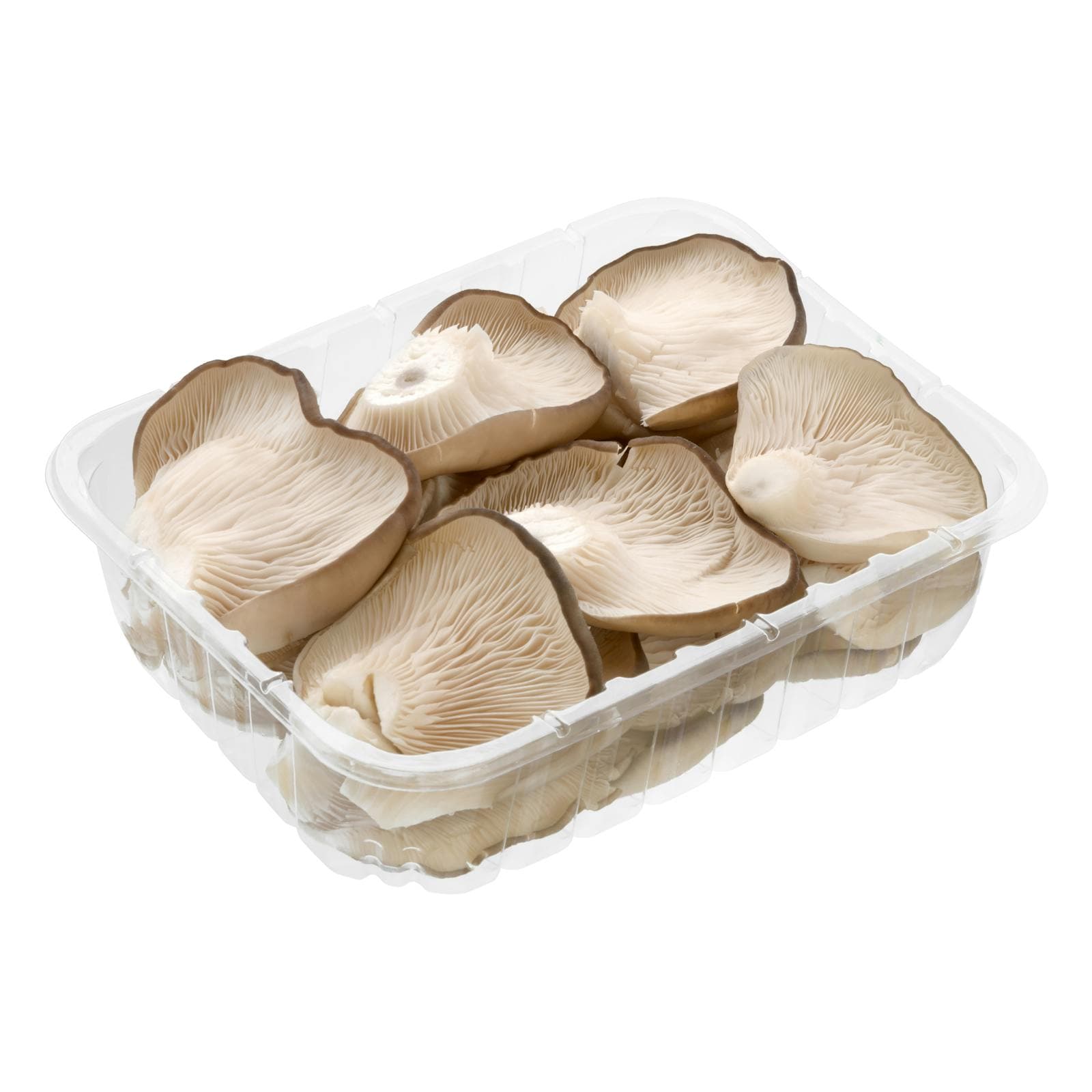
€2.05Mushrooms
250 g · Mercadona
 €1.45
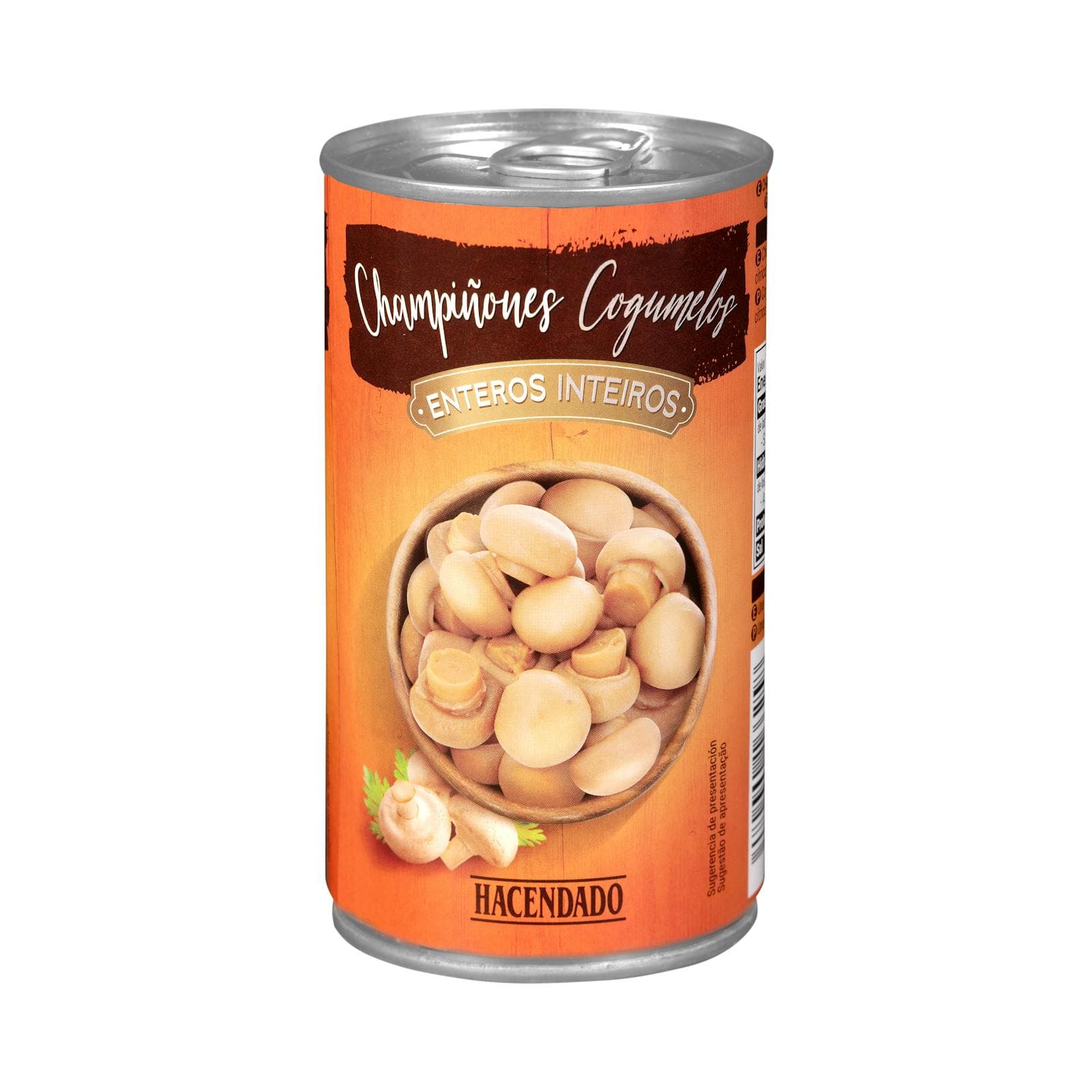
€1.45Whole Mushroom
Hacendado · 355 g · Mercadona
 €1.50
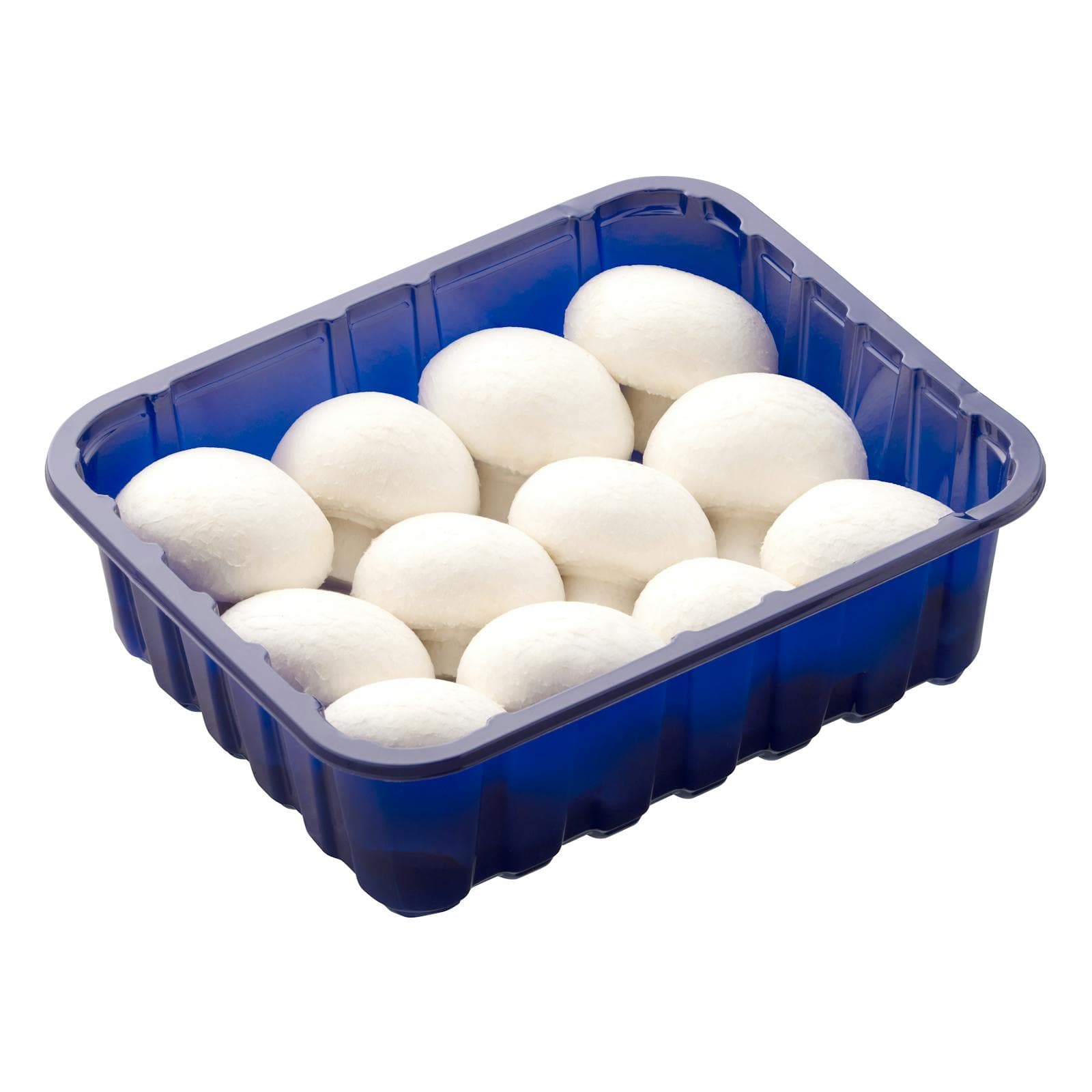
€1.50White Mushrooms
300 g · Mercadona
 €1.99
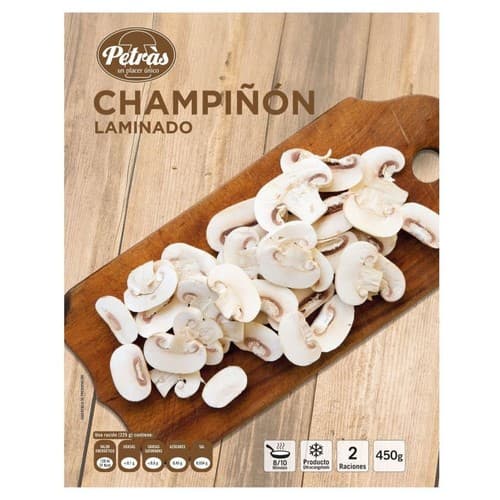
€1.99Sliced Mushrooms
PETRAS · kg · Bonpreu
 €3.96
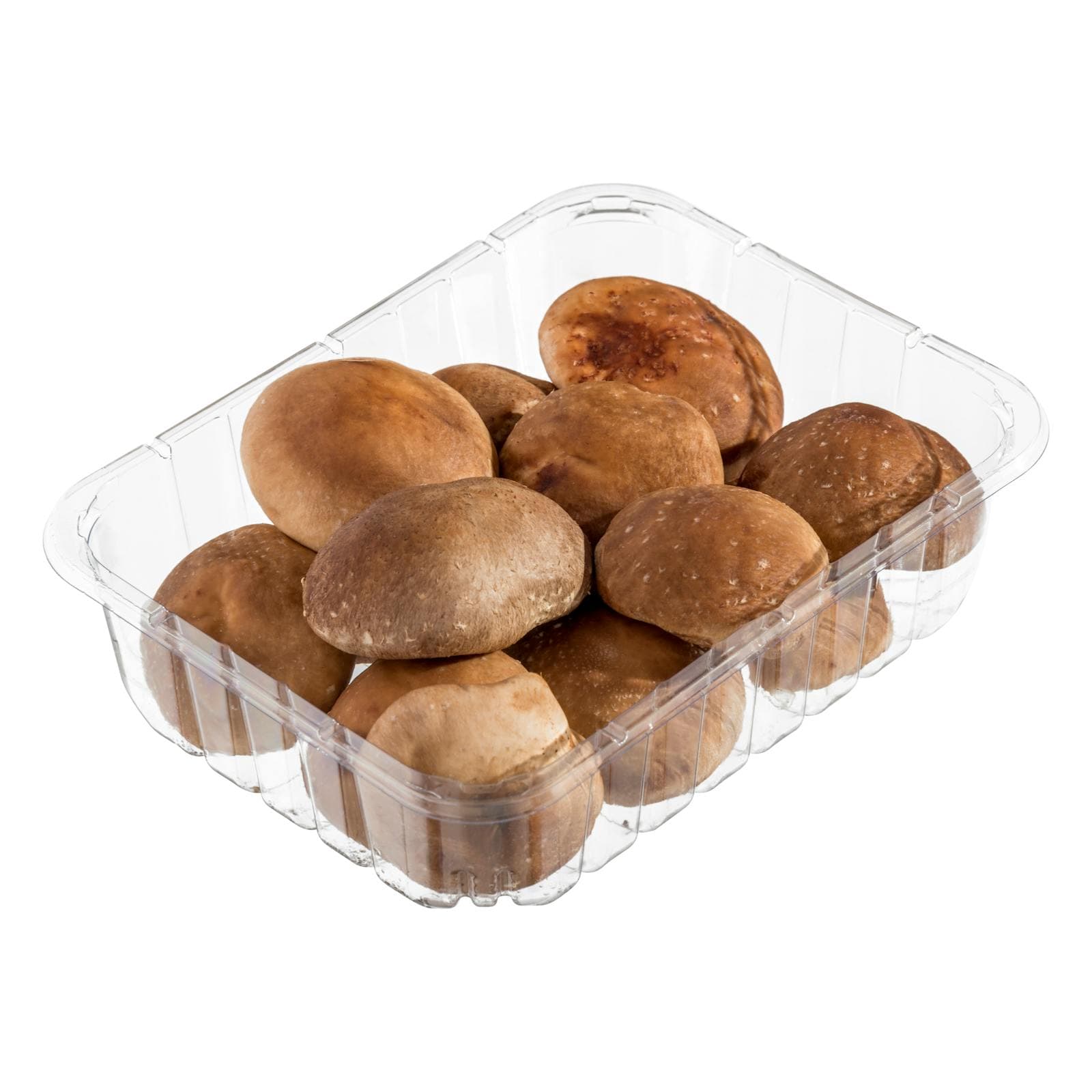
€3.96Shiitake Mushrooms
300 g · Mercadona
 €2.16
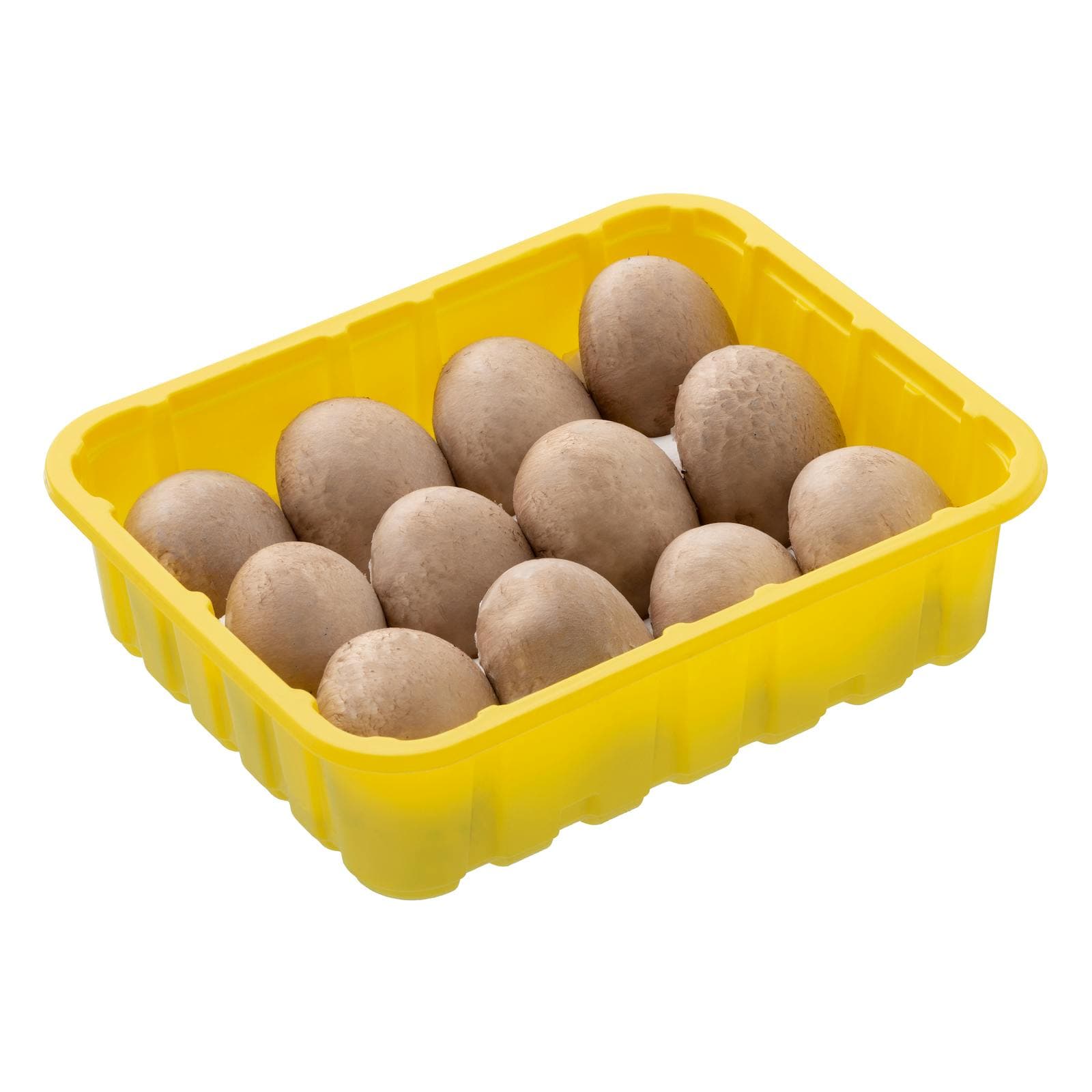
€2.16Portobello Mushrooms
300 g · Mercadona
Good to know
- Scientific name
- Agaricus bisporus
- Origin
- Northern Italy; first cultivated in the U.S. in Connecticut, early 1900s
- Peak season
- Fall (available year-round)
- Average size
- Caps 1–3 inches in diameter; smaller than portobello, larger than white button
- Color
- Light tan to rich brown caps; cream-colored flesh when cut
- Shelf life
- 5–7 days refrigerated in paper bag or loosely wrapped in paper towels
- Texture
- Firm, slightly chewy; holds shape well when cooked
- Yield
- Reduces roughly 50% in volume when cooked
Substitutes
- White button mushroom — Milder, less complex flavor; add a touch of dried mushroom or a splash of soy sauce to approximate depth
- Portobello — More intensely flavored; cook slightly faster when substituting smaller cremini; good 1:1 ratio
- Shiitake — Different genus but comparable earthiness; slightly tougher texture; cook 1–2 minutes longer
- Dried porcini — Reconstitute and use soaking liquid; far more concentrated flavor, use sparingly and adjust seasoning
Pairs with
Also called
Baby Bella · Brown Mushroom · Chestnut Mushroom
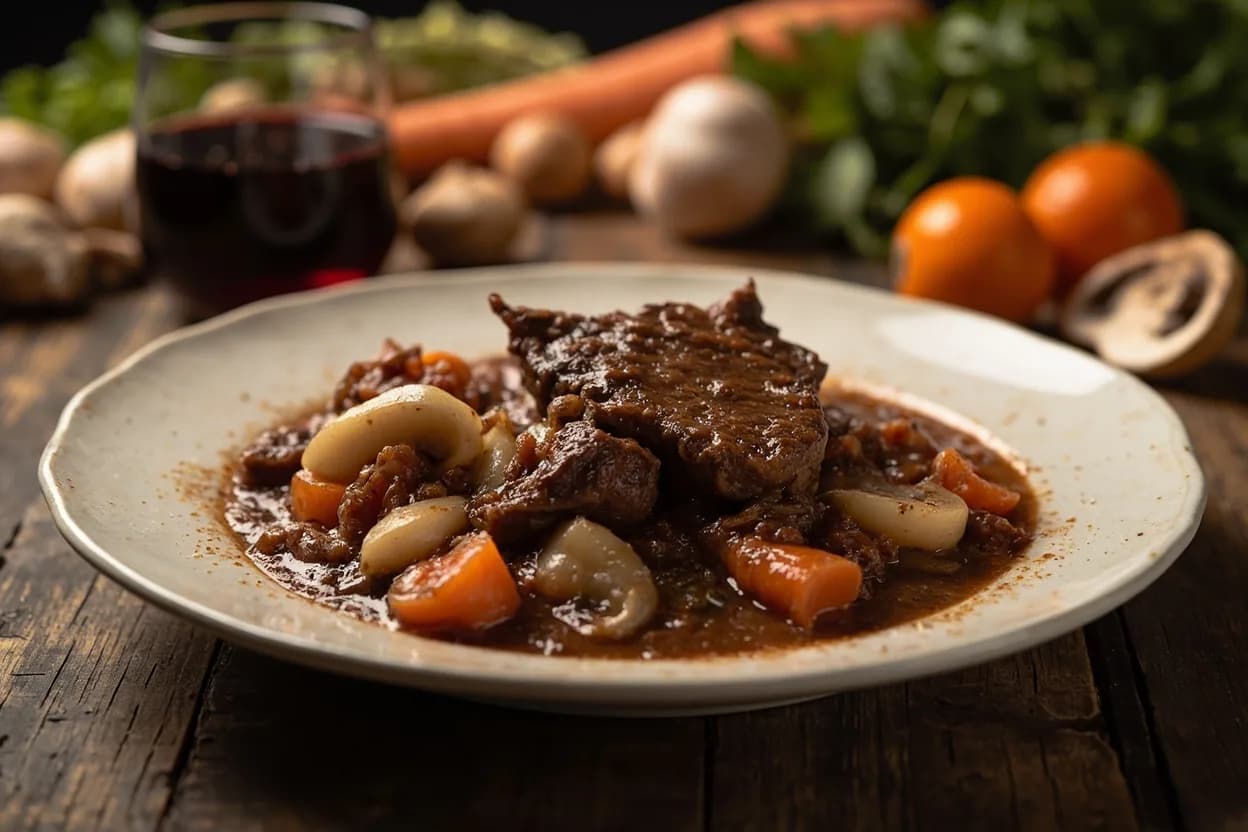
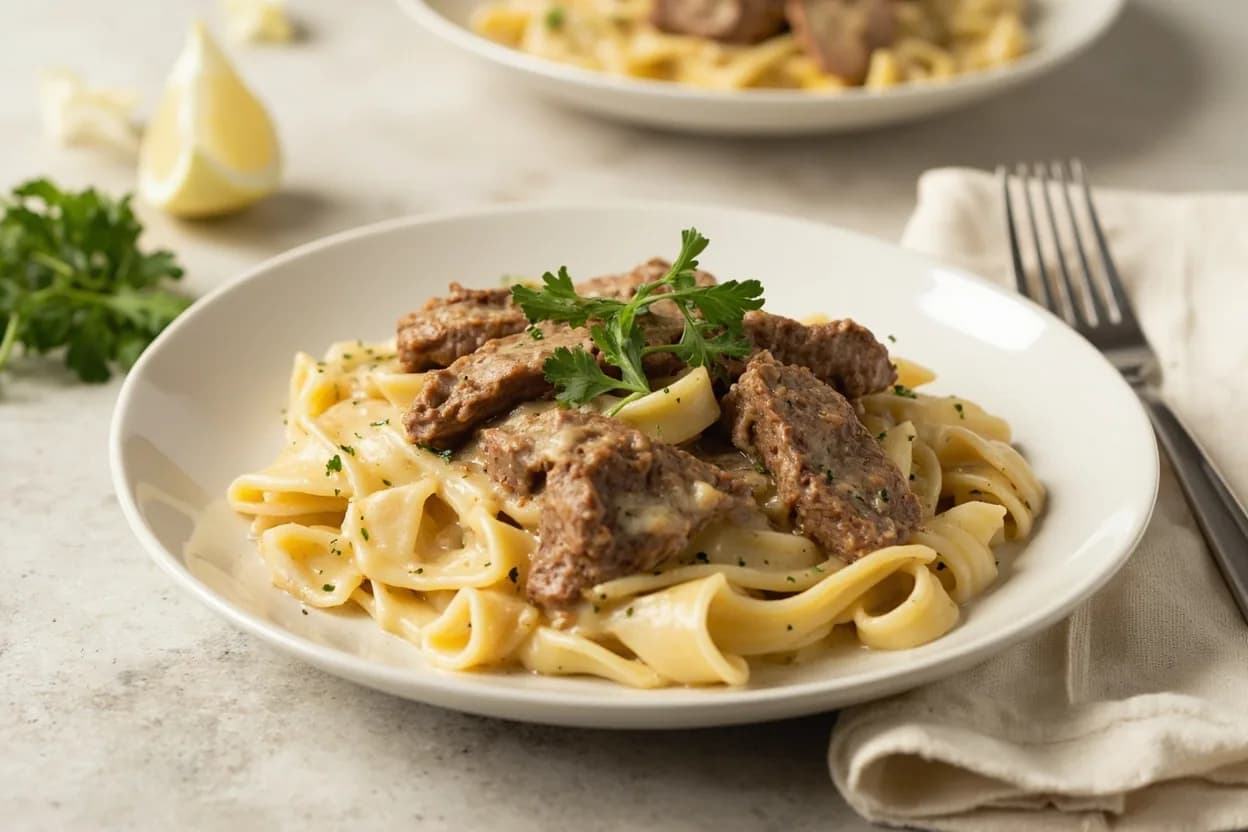
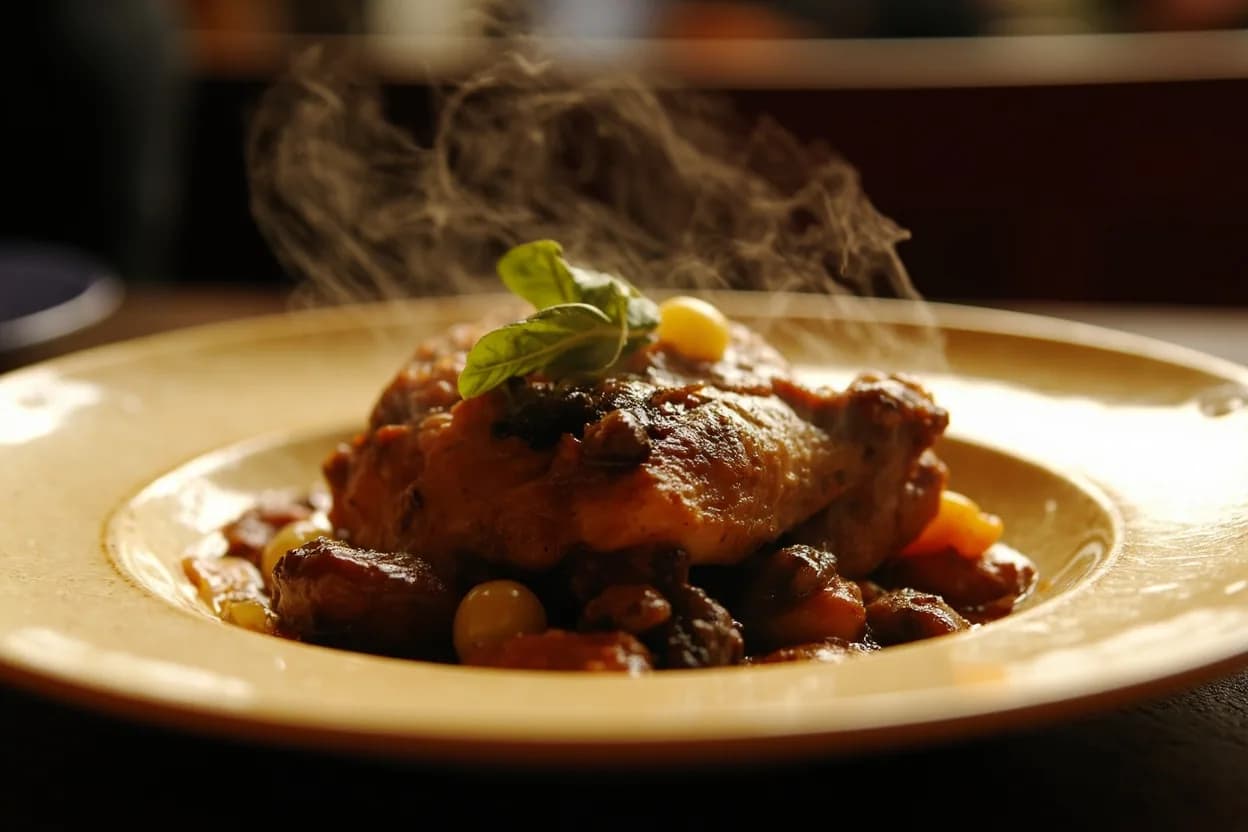
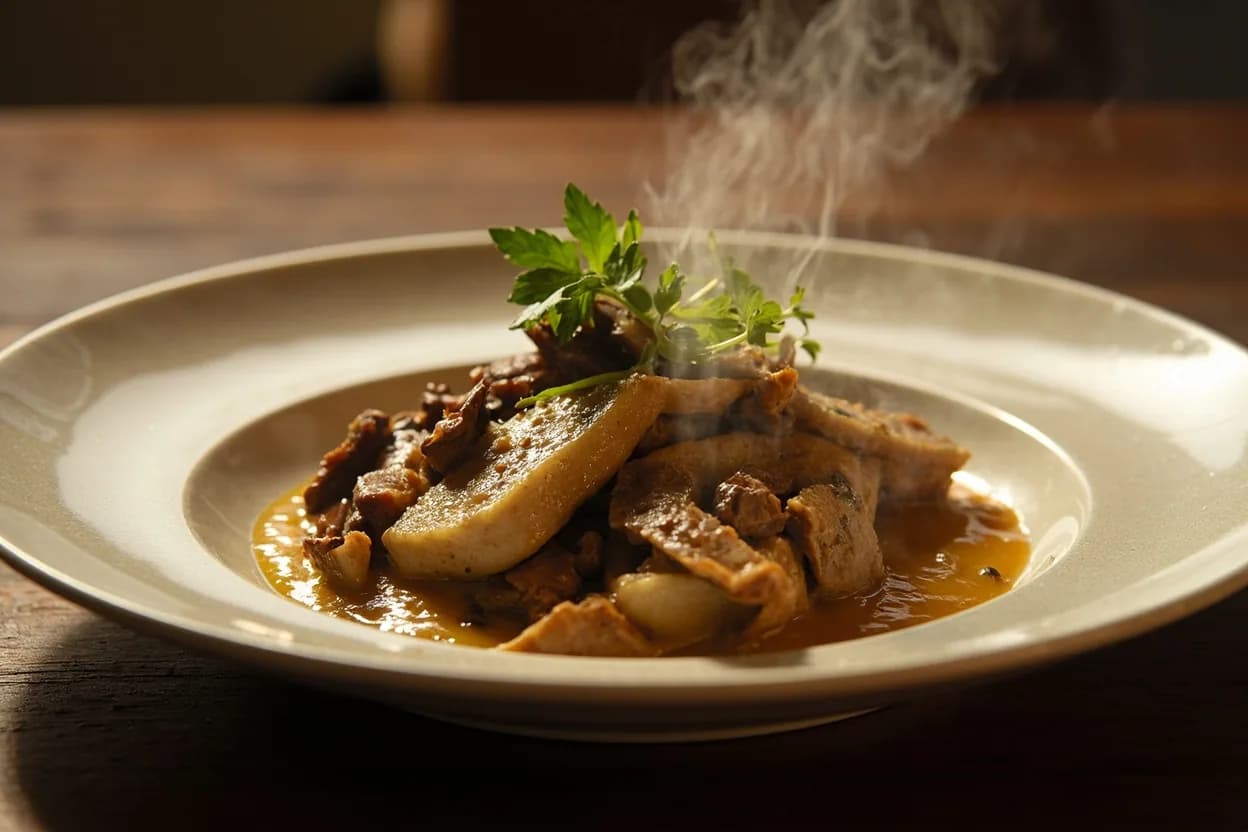
Appears in these dishes
Related
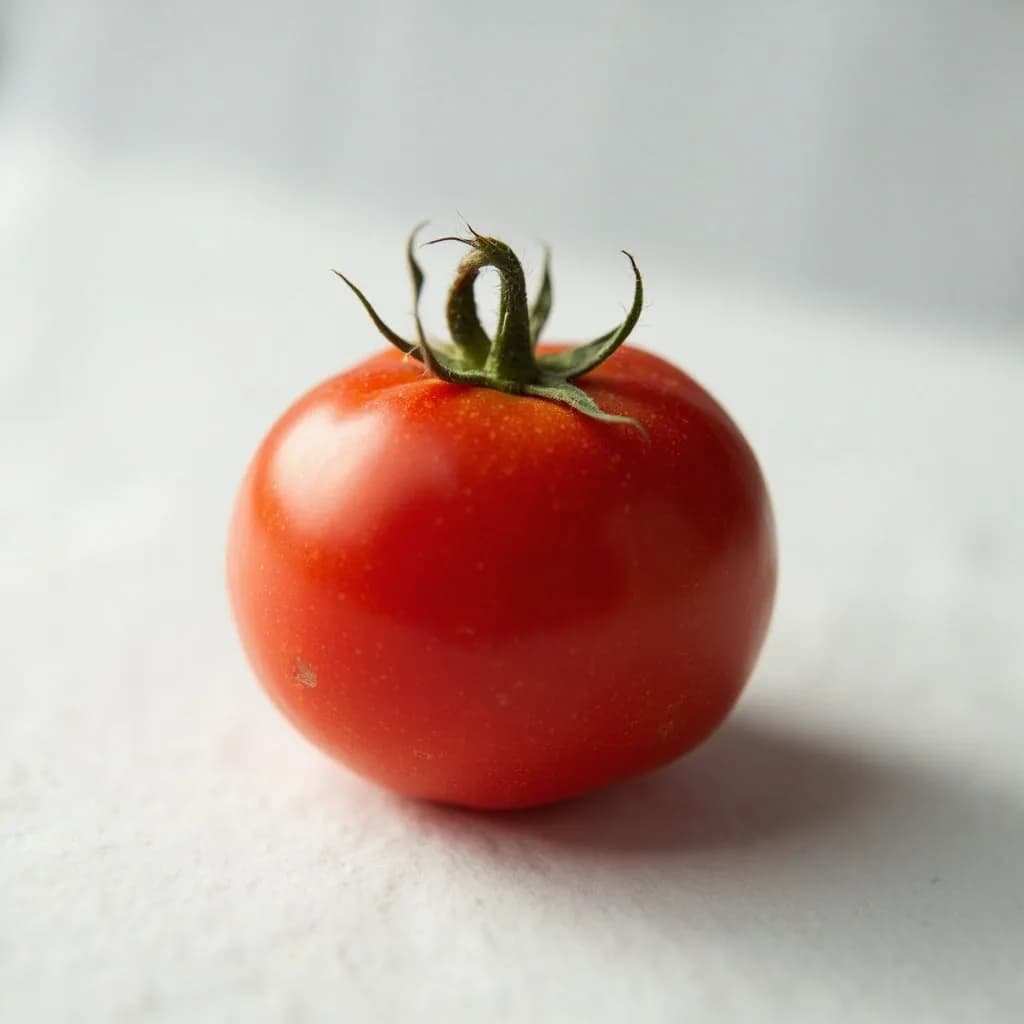
Tomato
Juicy, sun-sweet fruit for sauces, salads, and slow-cooked depth
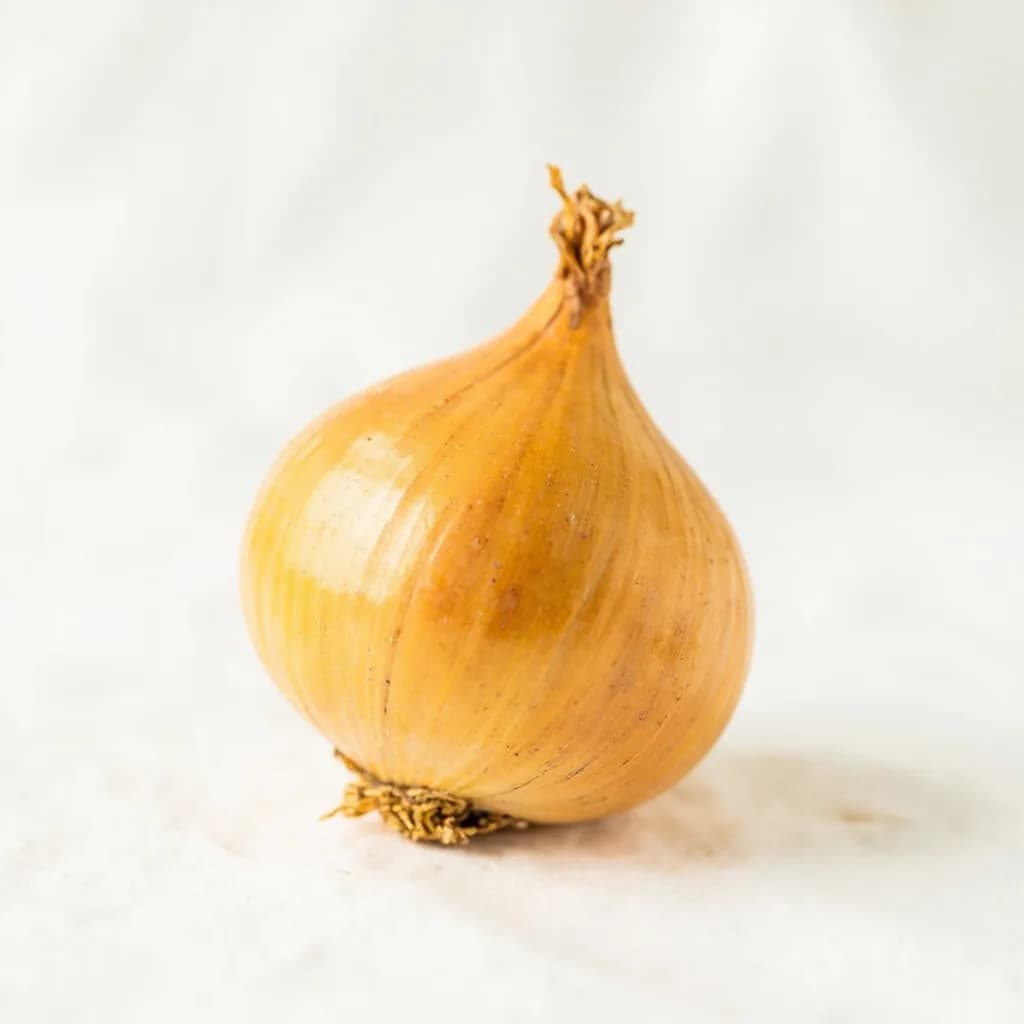
Yellow Onion
The aromatic backbone of soups, sofritos, and braises
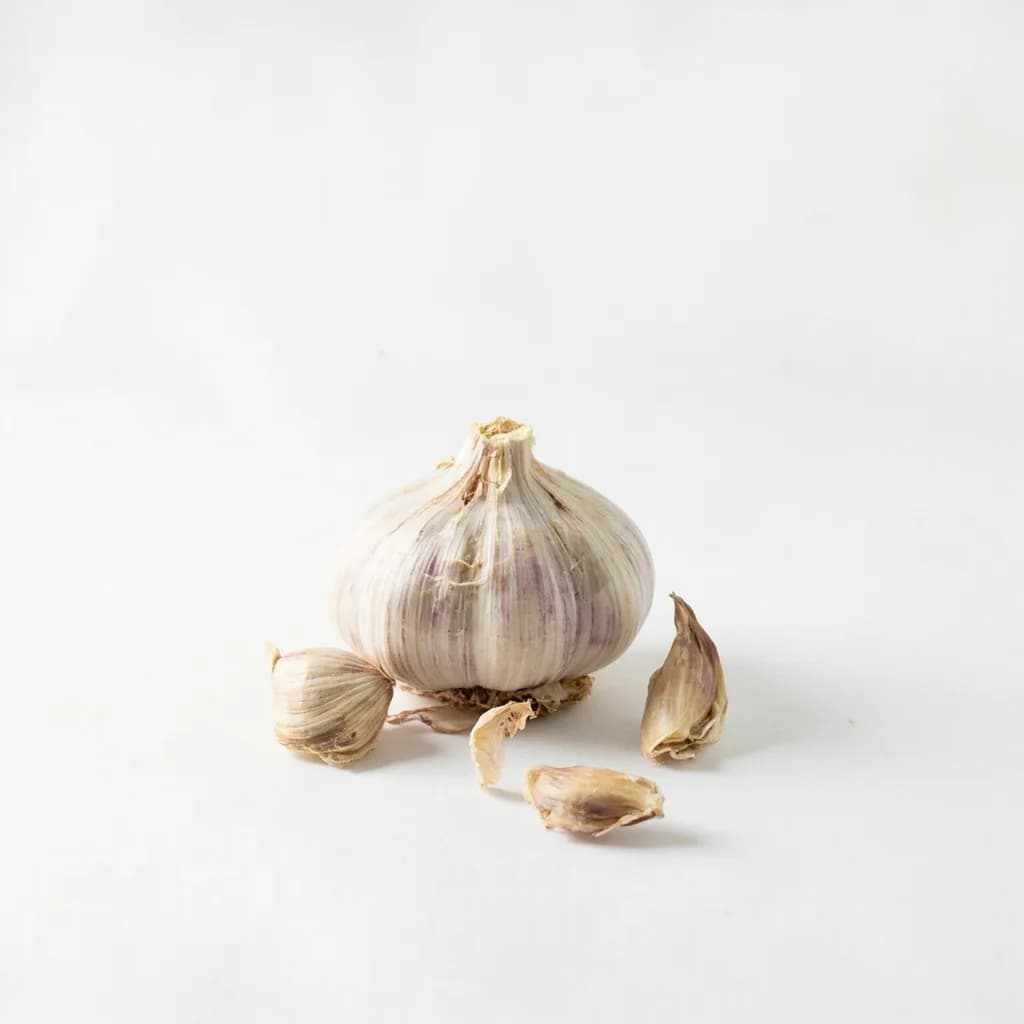
Garlic
Pungent cloves that perfume nearly every savory dish
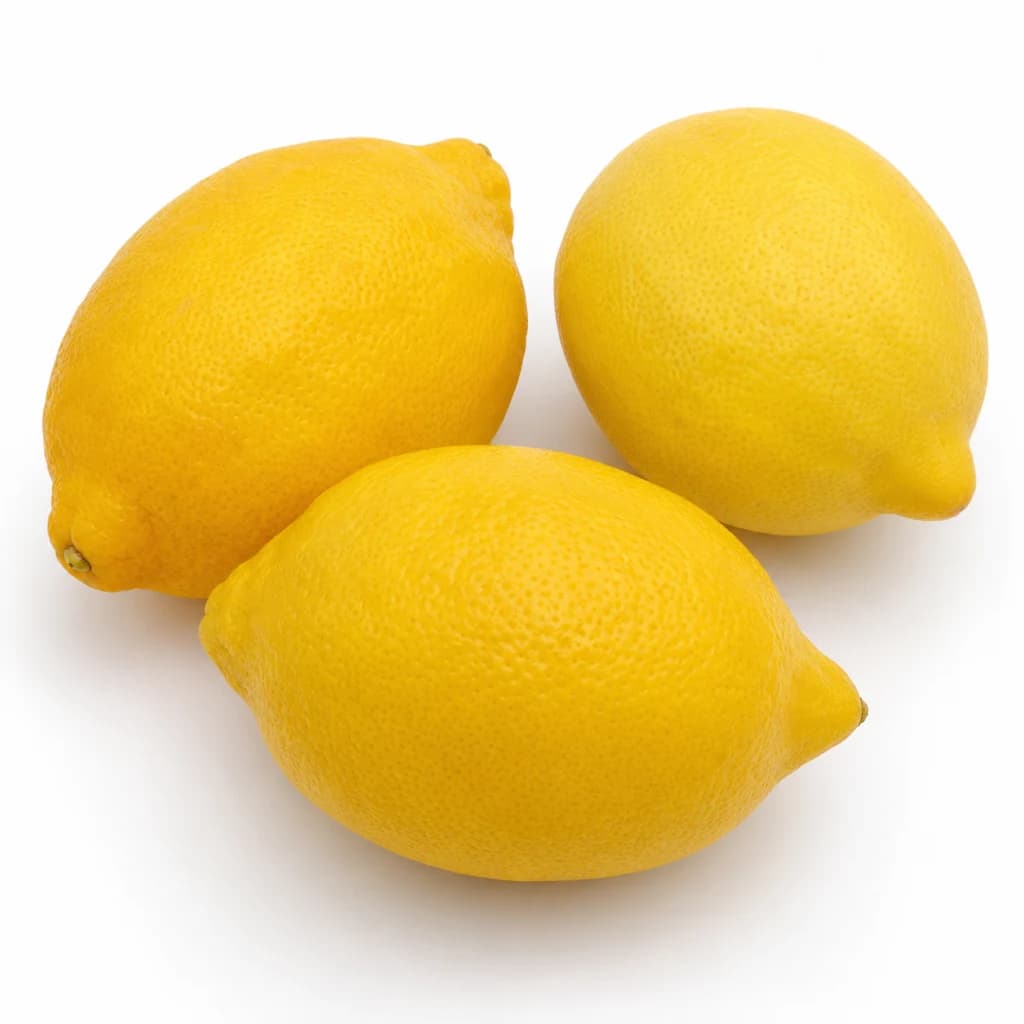
Lemon
Bright, acidic citrus that wakes up almost any dish
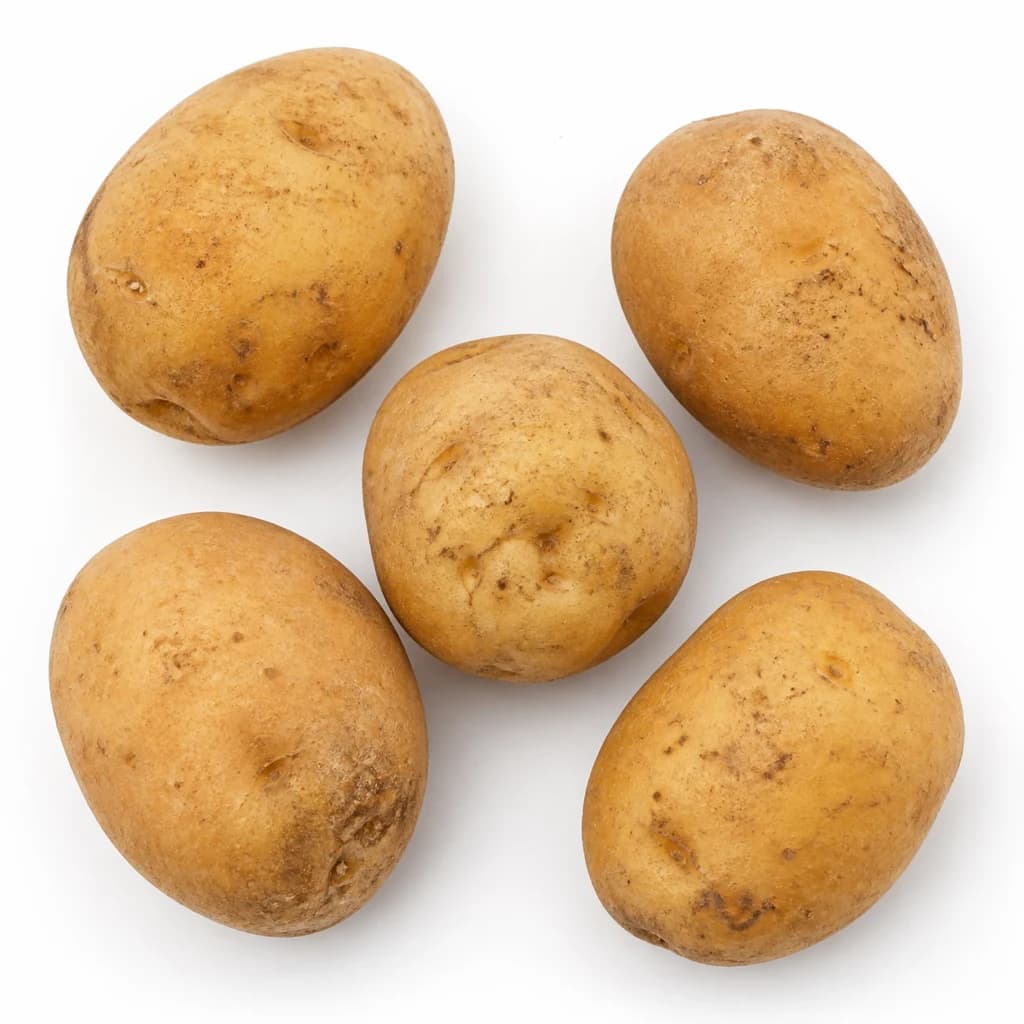
Potato
Humble, hearty staple — roast, mash, fry, or boil
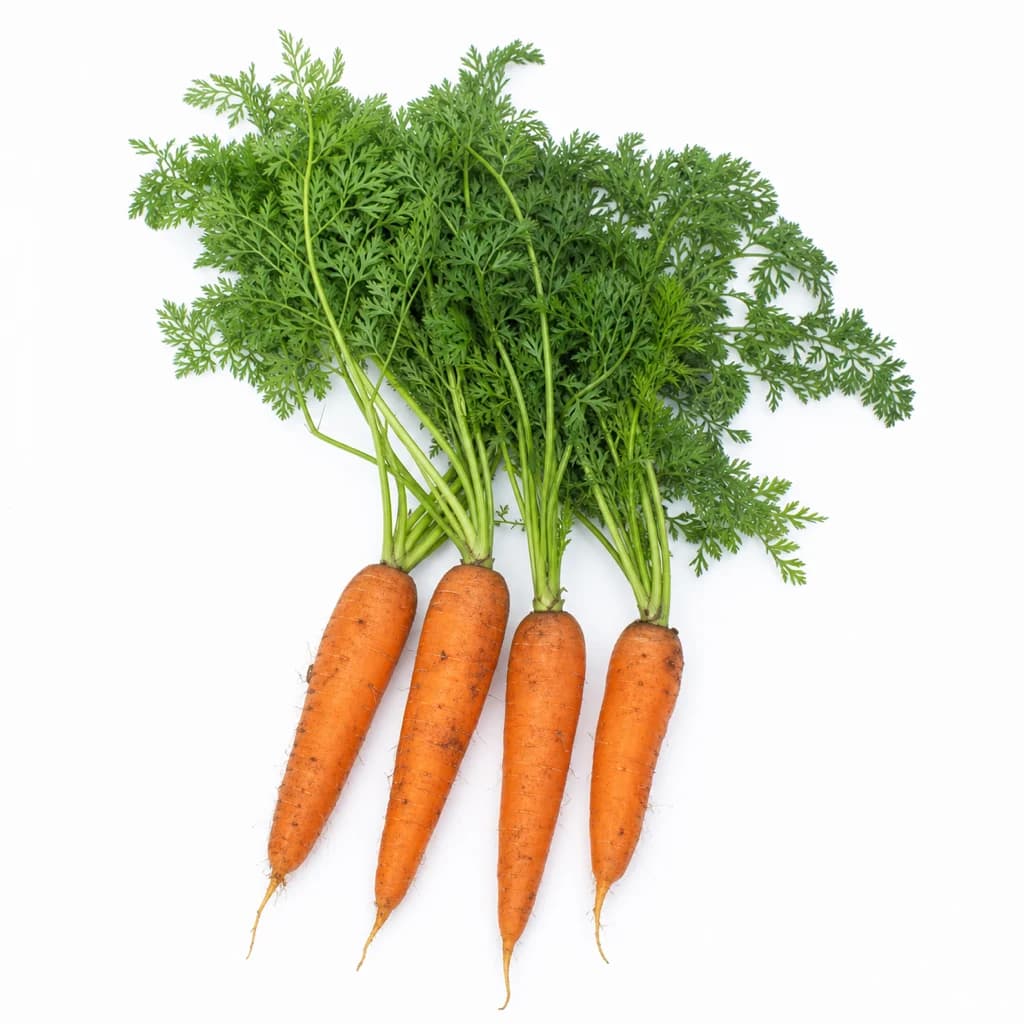
Carrot
Sweet, crunchy root — raw, roasted, or the base of a sofrito
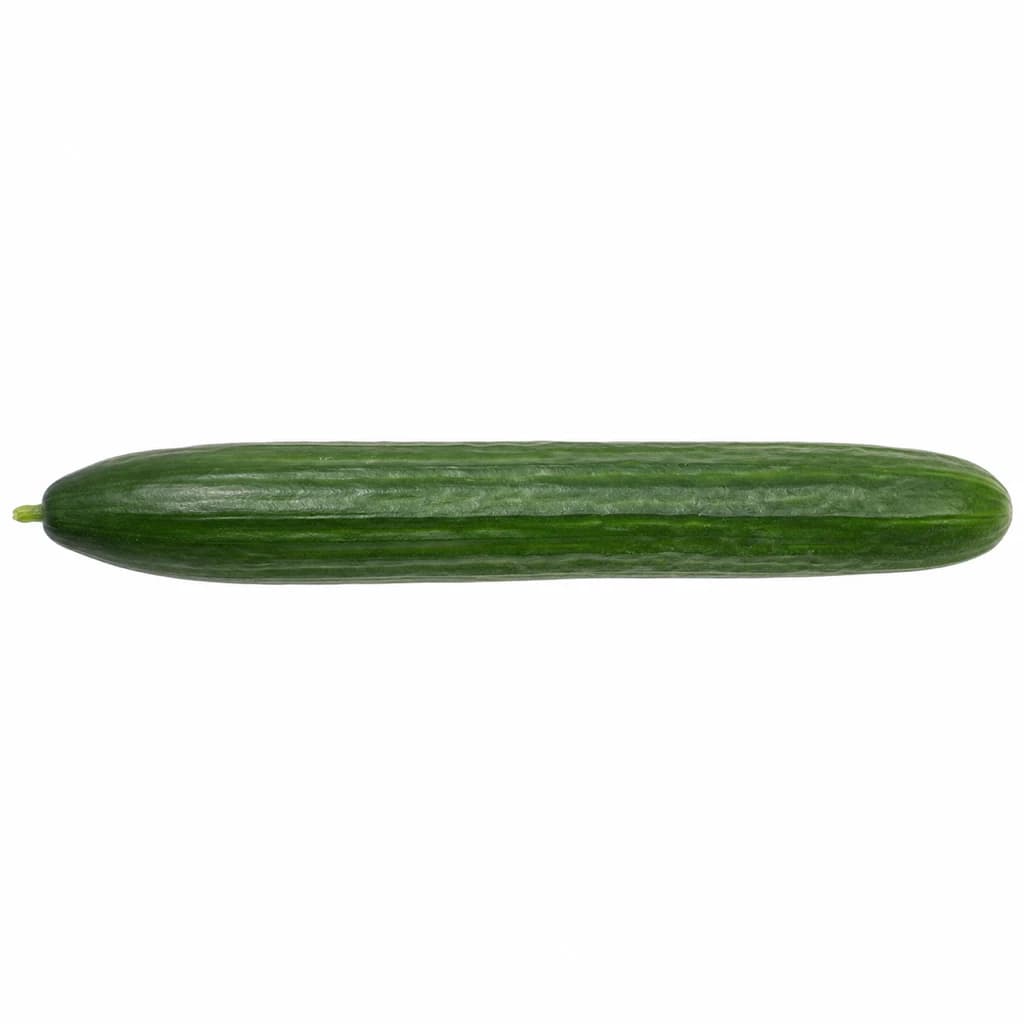
Cucumber
Cool, crisp, and watery — for salads, pickles, and tzatziki

Lettuce
Crisp leaves for salads, wraps, and a fresh crunch