
Stored
Pre-diced onion sold refrigerated in a clear plastic tub, ready to cook.
Shows the defining characteristic of this product — already peeled, uniformly chopped, and packaged for convenience — so readers immediately understand what distinguishes it from whole onion.
Produce
Pre-Diced Onion
Onion sold already peeled and chopped for quick cooking convenience.
Pre-diced onion is regular onion that has been peeled and chopped into even pieces, sold refrigerated or frozen for convenience. It saves prep time in stews, soups, sofritos, and sautés where a uniform dice is needed. It is more perishable than whole onion once cut and is best used quickly.
Pre-diced onion is peeled, cut onion sold in the refrigerated or frozen produce section, typically cut to a 1/4- to 1/3-inch (6–8 mm) dice. It emerged as a commercial convenience product in the 1980s–1990s alongside other pre-cut produce, addressing the most time-consuming prep step in many savory dishes. The onions used are standard culinary varieties—yellow granex, white click, or red burgundy types—cut on industrial equipment that ensures remarkable uniformity, which actually means they cook more evenly than hand-diced pieces of varying sizes. The trade-off is real: once diced, onions convert starches to sugars and lose pungency faster than whole bulbs, and the texture differs from freshly cut—especially in frozen form, which becomes slightly softer after cooking. For long-cooked dishes like soups, stews, and chili, this compromise disappears entirely into the finished dish; for applications where onion texture is the star, freshly diced remains superior.
- Measured in
- g
- Storage
- Fridge
Types & varieties
Most common variety; mild-to-moderate pungency, suitable for most savory applications
Slightly sharper flavor; traditional in Mexican and Southwestern cooking
Milder and slightly sweeter; best for uncooked or lightly cooked uses where color is desired
Individually quick frozen (IQF); can be cooked from frozen without thawing; slightly softer texture than refrigerated
Fully submerged in liquid; longer shelf life but diluted flavor and wetter texture; drain before sautéing
Refrigerated vs. Frozen: Choosing the Right Product
The form you choose matters more than most home cooks realize. Refrigerated pre-diced onion, found in the produce section, offers flavor and texture closest to freshly cut onion. Use it when the onion will be added near the end of cooking or when it will be eaten raw. Frozen pre-diced onion, found in the freezer aisle, is individually quick frozen (IQF) and can go straight from freezer to pan—no thawing required. The texture will be slightly softer after cooking, but this difference vanishes in dishes that cook for 20 minutes or longer. For meal prep, frozen is often the smarter choice: it keeps for months and reduces food waste.
- Refrigerated: use within 7–10 days of opening, ideally within the first few days for best quality
- Frozen: cook directly from frozen to save 2–3 minutes and avoid a wet, soggy start in your pan
- Pre-diced onion packed in water has the longest shelf life but the most diluted flavor—always drain and pat dry before sautéing if using this form
When Pre-Diced Falls Short
Pre-diced onion is not appropriate for every application. The most common mistake is using frozen dice in dishes where crisp, raw or lightly cooked texture is essential—garnishes, fresh salsas, tacos, and salads all suffer. Thawed frozen onion becomes mealy and waterlogged, losing the satisfying bite of freshly cut pieces. Similarly, pre-diced onion of any kind struggles to achieve the deep, caramelized browning required for dishes like French onion soup. The cut surfaces of pre-diced onion have already begun to lose moisture and sugars, and frozen versions carry additional surface water that inhibits proper Maillard browning. For these applications, hand-dicing a fresh onion is worth the extra five minutes.
- Never use frozen pre-diced onion as a raw garnish—select refrigerated instead
- Caramelized onion dishes require freshly diced onion for proper browning
- Once opened, refrigerated pre-diced onion degrades faster than whole onion; treat it as you would cut herbs—with urgency
Common uses
Tips & pitfalls
- For best texture, use refrigerated pre-diced onion within the first few days after opening; it degrades faster than whole onion once cut
- If a recipe requires caramelized onion, freshly diced onion performs noticeably better; pre-diced frozen versions contain more surface moisture and won't brown as cleanly
- Frozen pre-diced onion can go directly into hot pans for cooking—no need to thaw—reducing prep time by 2–3 minutes
- Avoid using frozen dice for applications where crisp, raw onion texture is desired (garnish, salads, tacos); they become mealy when thawed
- Check the ingredient list: some brands add salt or anti-caking agents that may affect seasoning calculations in savory dishes
- For mirepoix or sofrito, the uniformity of pre-diced onion means it cooks more evenly than hand-diced pieces of varying sizes
- Store refrigerated pre-diced onion in a well-sealed container; it absorbs odors from other foods in the refrigerator
Nutrition
Energy
167 kJ · per 100 g
Where the calories come from
Protein
1.1g
2% DV
Carbs
9.3g
3% DV
Fat
0.1g
0% DV
Fiber
1.7g
6% DV
Sugars
4.2g
of which
Sodium
4mg
0% DV
Source · USDA FoodData Central · Onions, raw
View on FDC →In the shops
Matched grocery products
No matched grocery products for Pre-Diced Onion yet.
Good to know
- Dice size
- Typically 1/4 to 1/3 inch (6–8 mm); may be sold as "small dice" or "medium dice"
- Storage (refrigerated)
- 7–10 days in original packaging; transfer to airtight container if opened
- Storage (frozen)
- 6–12 months in freezer; no thawing needed before cooking
- Available colors
- Yellow, white, and red varieties; yellow is most common
- Form
- Refrigerated (in produce section) or frozen (in freezer aisle)
- Texture note
- Frozen dice may be slightly softer after cooking; refrigerated versions closely match freshly diced
- Added ingredients
- Some brands add salt, preservatives, or water to extend shelf life; check label
Substitutes
- Fresh onion, hand-diced — Best substitute; dice your own to desired size for superior texture and flavor
- Frozen diced onion — Direct substitute in cooked dishes; texture may be slightly softer
- Dehydrated onion flakes — Use 1 tablespoon flakes per medium onion; rehydrate in 2 tablespoons water before using; best for soups and sauces
- Onion powder — Use 1/4 teaspoon per medium onion; appropriate for smooth-textured dishes (sauces, marinades) but adds no texture
- Shallots, minced — Milder, slightly sweeter; not a 1:1 substitute but works in many applications
- Leeks, white and light green parts, diced — Milder flavor and different texture; good for creamy dishes; rinse thoroughly to remove grit
- Frozen chopped onion blends — May include peppers and other vegetables; check composition before using as direct substitute
Pairs with
Also called
Pre-Diced Onion · Chopped Onion · Diced Onions
Appears in these dishes


Related
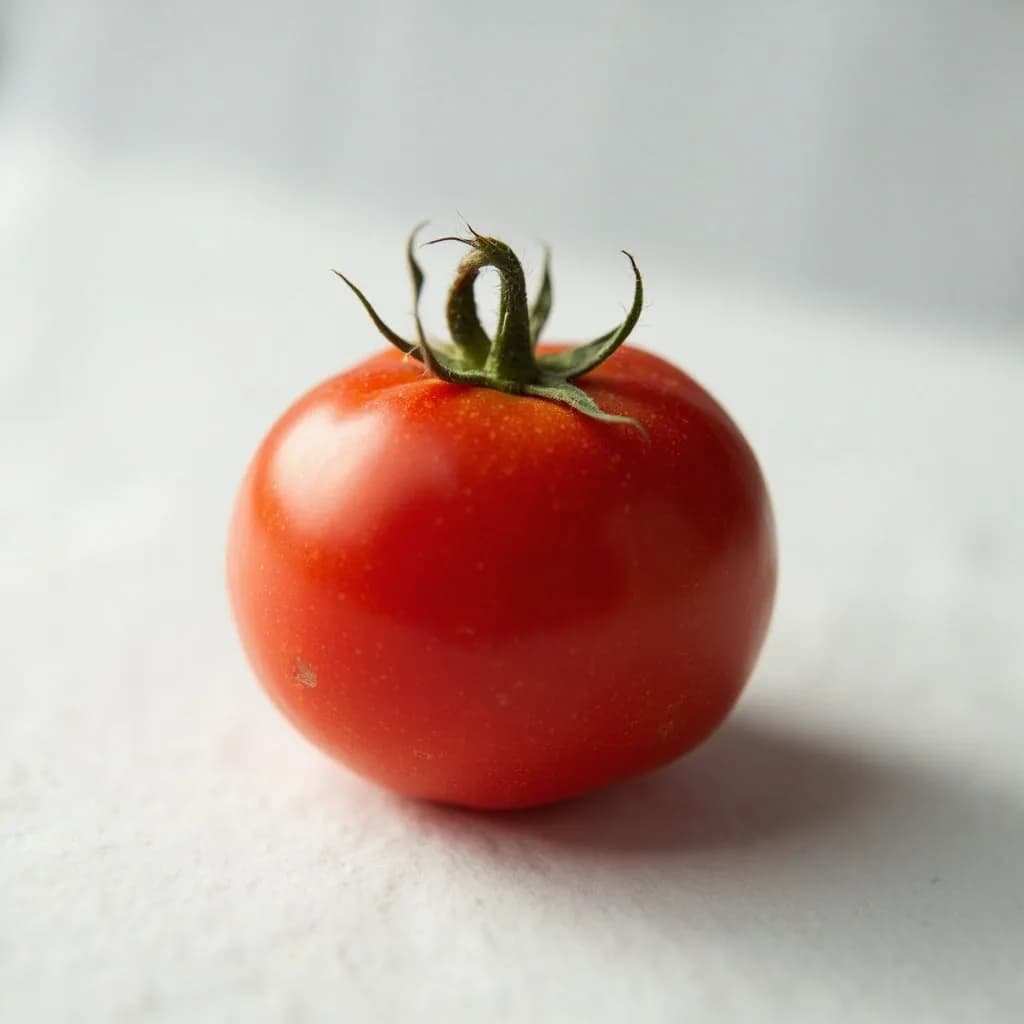
Tomato
Juicy, sun-sweet fruit for sauces, salads, and slow-cooked depth
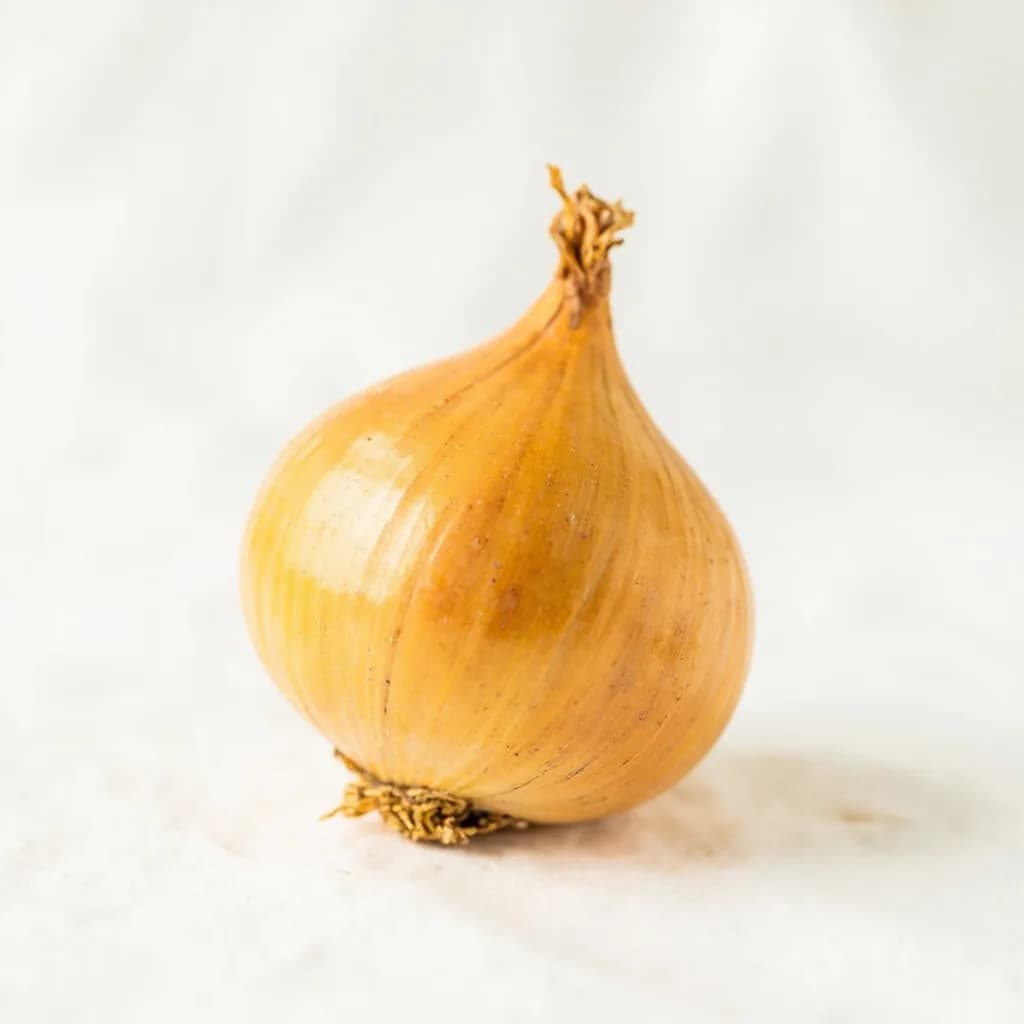
Yellow Onion
The aromatic backbone of soups, sofritos, and braises
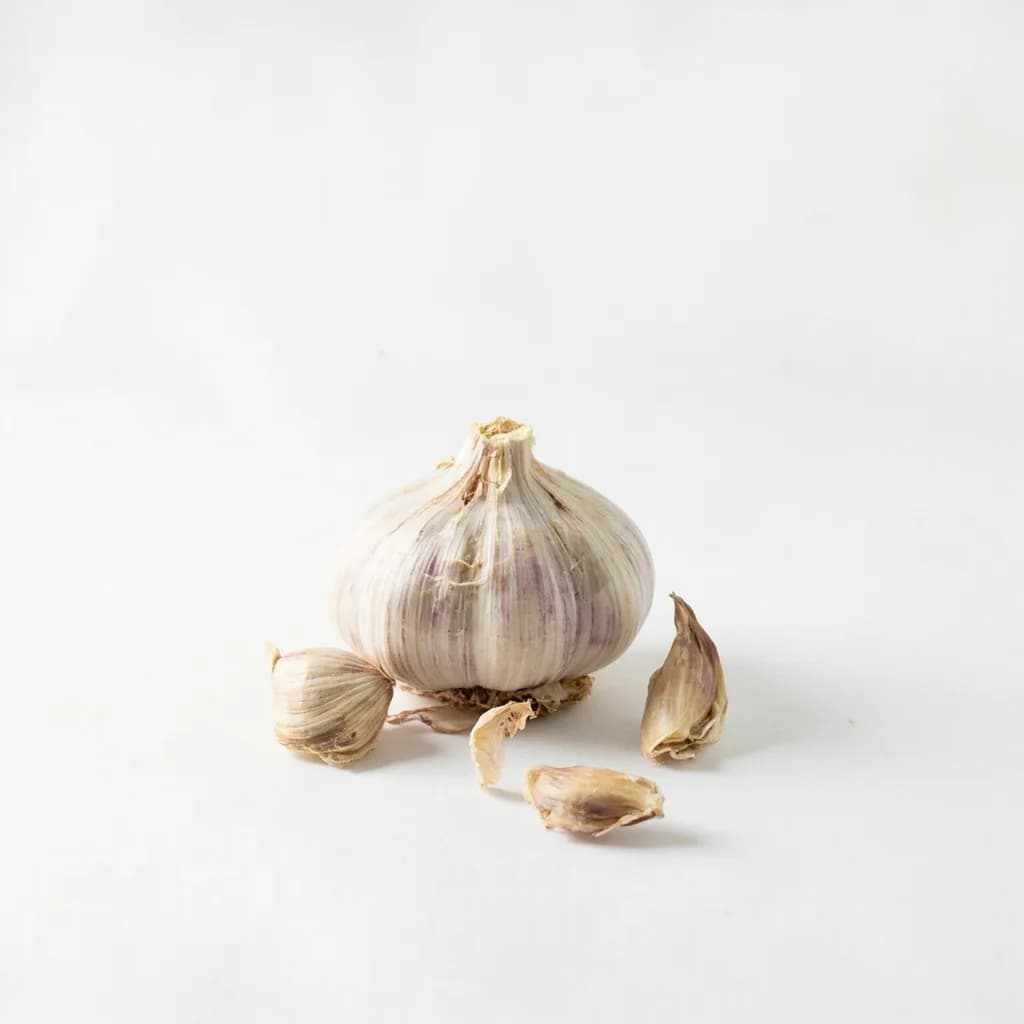
Garlic
Pungent cloves that perfume nearly every savory dish

Lemon
Bright, acidic citrus that wakes up almost any dish
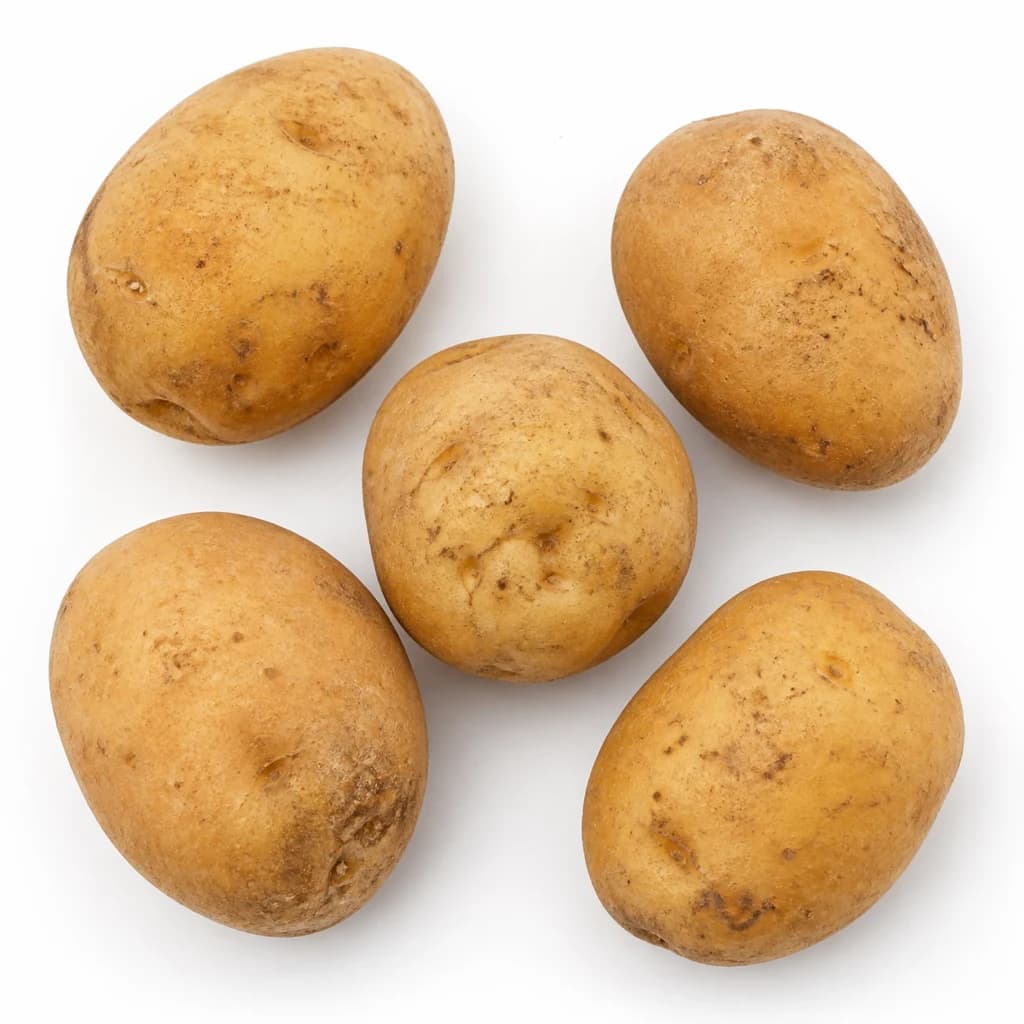
Potato
Humble, hearty staple — roast, mash, fry, or boil
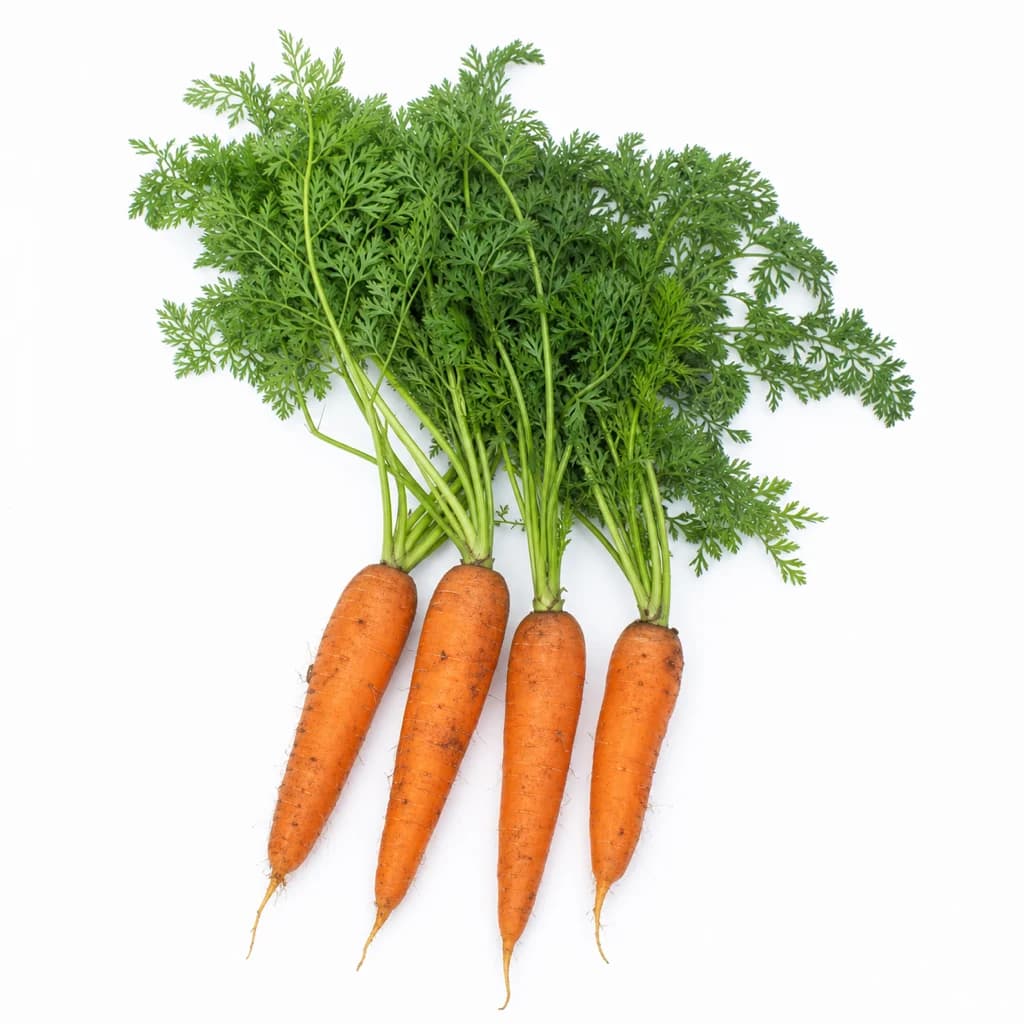
Carrot
Sweet, crunchy root — raw, roasted, or the base of a sofrito
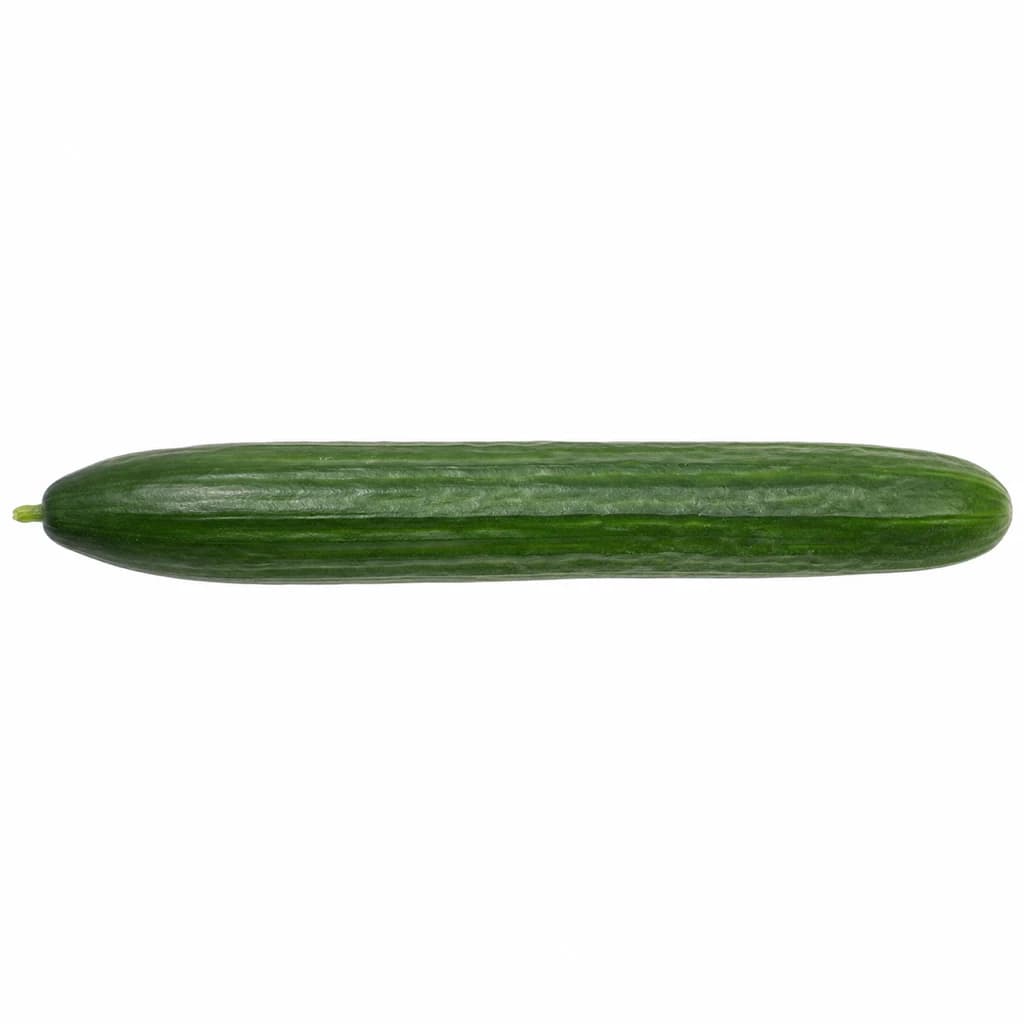
Cucumber
Cool, crisp, and watery — for salads, pickles, and tzatziki

Lettuce
Crisp leaves for salads, wraps, and a fresh crunch