Spices
Onion Powder
Dried, ground onion for sweet-savory depth in rubs, dips and seasoning blends.
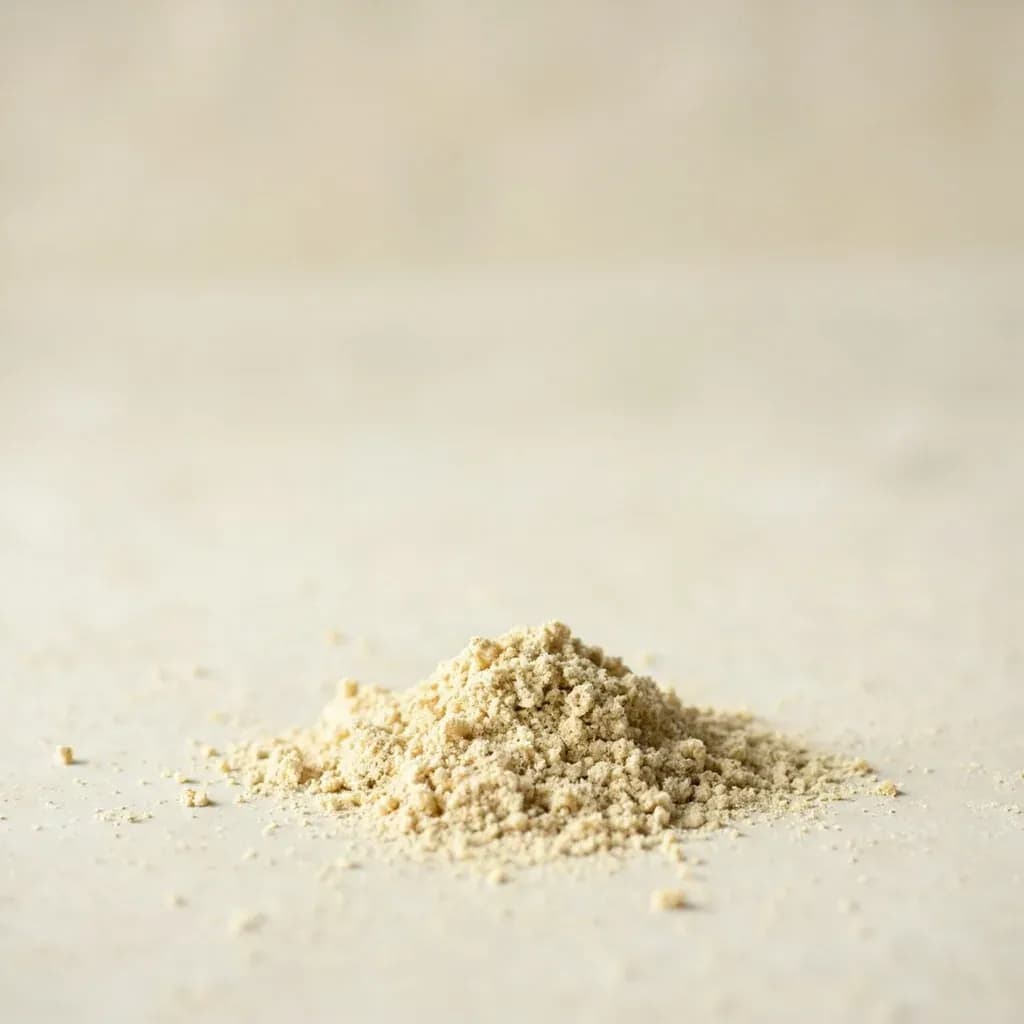
Onion powder is made from dehydrated onions ground to a fine powder, delivering concentrated sweet-savory onion flavor that blends in smoothly. It is a staple of spice rubs, dips, dressings and all-purpose seasoning blends. It disperses evenly and avoids the moisture and texture of fresh onion.
Onion powder is dehydrated and finely ground onion, typically from yellow onion (Allium cepa), that delivers concentrated savory-sweet flavor without the moisture or texture of fresh onion. The dehydration process does more than remove water—it transforms the onion's natural sugars into more complex compounds, producing a flavor that is sweeter, more uniform, and more deeply savory than what you'd get from adding raw or even cooked fresh onion. This makes onion powder uniquely suited to applications where fresh onion would burn, add too much liquid, or create uneven flavor pockets: dry rubs, seasoning blends, long-simmered sauces, and shelf-stable packaged foods. Commercial onion powder is most commonly made from yellow onions because they offer the most neutral, well-rounded onion flavor; white onion powder provides a slightly different, more delicate note, while shallot powder (from a different variety of Allium cepa) is subtler and more expensive. Quality varies widely. Pure onion powder has an intense, immediate onion aroma when opened; weak or musty odor signals age or improper storage. Many mass-market brands include silica as an anti-caking agent (up to 2%), which dilutes the product—read labels when purity matters. The powder holds up remarkably well under sustained heat, making it a workhorse in long-cooked dishes, but it cannot replicate the sharp, pungent bite of raw onion or the complex caramelization fresh onion develops over high heat. It is not merely a convenience product; it has genuine culinary properties that distinguish it from fresh onion in ways that matter for specific applications.
- Measured in
- g
- Storage
- Pantry
Types & varieties
100% dehydrated, ground onion with no additives; preferred for precise seasoning control and when purity is important
Pre-mixed with salt (typically 30–50%); convenient for seasoning but severely limits sodium control; reduce or omit added salt in the recipe
Coarser grind than powder; dissolves more slowly and retains slight texture; ideal for dry rubs and applications where a hint of chew is acceptable
Dehydrated but not fully ground; rehydrate in liquid or fat before use; tolerable in soups, stews, and rubs where minor texture is acceptable
Made from white onion rather than yellow; slightly different, more delicate flavor; less commonly available
Different variety of Allium cepa (var. aggregatum); sweeter, more delicate, and more expensive than standard onion powder
Identical functional product with certified organic sourcing; no meaningful culinary difference
When Onion Powder Outperforms Fresh Onion
Onion powder excels in three distinct situations where fresh onion falls short. First, in dry applications—dry rubs, seasoning salts, spice blends, and snack seasonings—fresh onion introduces unwanted moisture that prevents proper adhesion and causes uneven distribution. The powder integrates seamlessly into these mixtures. Second, in long-simmered or canned dishes where the onion will cook for 30 minutes or longer, fresh onion either dissolves into mush or, if added late, provides uneven flavor. Onion powder disperses immediately and delivers consistent savoriness throughout the dish. Third, in applications where texture is undesirable—creamy sauces, emulsified dressings, deviled eggs, meatloaf—onion powder contributes flavor without leaving chewy or stringy bits. A useful technique: rehydrate powder briefly in oil or liquid (2–3 minutes) before adding to the pan; this helps the fat-soluble compounds dissolve and disperse evenly, much as fresh onion would bloom in fat when sautéed.
- Dry rubs and spice blends: powder distributes evenly with no moisture
- Long-cooked sauces and canned soups: no risk of burning or mushy texture
- Emulsified sauces and creamy dishes: no textural contrast, only flavor
- Rehydrate in fat at the start of cooking for best flavor dispersion
Why It Tastes Different From Fresh Onion
The dehydration process fundamentally changes onion's flavor chemistry. As onions dry, some natural sugars undergo caramelization-like reactions, concentrating sweetness and producing more complex savory notes. This is why well-made onion powder tastes sweeter and more uniformly savory than fresh onion—it's closer to the flavor of a deeply caramelized onion than to raw or even sautéed onion. Crucially, onion powder lacks the sharp, sulfurous bite of raw onion (which comes from enzyme-driven reactions when cells are damaged) and cannot replicate the complex Maillard browning that fresh onion develops when seared at high heat. If a recipe depends on raw onion bite (salsas, fresh garnishes, sandwiches) or on caramelized onion texture and appearance (French onion soup, onion rings), onion powder is the wrong tool. Understanding this distinction prevents the most common misuse of the ingredient.
- Sweeter and more uniformly savory than fresh onion due to sugar concentration during drying
- No raw bite; lacks the sulfur compounds that create sharp pungency in fresh-cut onion
- Cannot develop Maillard browning or caramelized texture
- Wrong choice for dishes relying on raw onion presence or caramelized onion appearance
Common uses
Tips & pitfalls
- Store in an airtight glass jar, not the original shaker container, which allows gradual moisture ingress that degrades flavor
- Keep in a dark cabinet; light oxidizes the sulfur compounds (allicin and others) responsible for onion flavor, causing noticeable loss within weeks of opening
- Toast in a dry pan over low heat for 30–60 seconds to revive stale powder—this simple step noticeably deepens the flavor before you add it to any dish
- Add to oil or fat at the start of cooking for best dispersion of fat-soluble compounds; this mimics blooming fresh onion in a pan and gives more even coverage than adding to liquid
- Do not substitute 1:1 with fresh onion in raw applications—the flavor profile is fundamentally different and will taste flat or missing entirely
- In wet dishes, rehydrate briefly by sprinkling into liquid and letting sit 2–3 minutes before proceeding; this prevents clumping and ensures even distribution
- Measure by weight in baking or precision applications; volume varies with settling and humidity, leading to inconsistent results
- Season at multiple stages—apply in a dry rub first, then finish with a small pinch at the end—to build layered, complex onion flavor rather than a flat single-note presence
- Avoid in dishes where visual onion presence or textural contrast is expected (salsas, French onion soup, burgers with visible onion)
- High-heat searing can scorch onion powder quickly; add it after the initial sear or reduce heat when incorporating it into hot fat
Nutrition
Energy
167 kJ · per 100 g
Where the calories come from
Protein
1.1g
2% DV
Carbs
9.3g
3% DV
Fat
0.1g
0% DV
Fiber
1.7g
6% DV
Sugars
4.2g
of which
Sodium
4mg
0% DV
Source · USDA FoodData Central · Onions, raw
View on FDC →In the shops
Matched grocery products
No matched grocery products for Onion Powder yet.
Good to know
- Made from
- Dehydrated and ground yellow onion (Allium cepa); white onion and shallot are used for specific varieties
- Equivalence
- 1 tablespoon onion powder ≈ 1 medium onion (≈ ½ cup minced fresh)
- Form hierarchy
- Finest powder → granulated onion → onion flakes → dried onion slices (dissolves and integrates less readily as you move down)
- Color
- White to pale cream; grayish tint indicates age, oxidation, or poor-quality product
- Dehydration method
- Drum drying or low-temperature air drying preserves allicin and other sulfur-based flavor compounds
- Heat performance
- Flavor compounds hold well under sustained heat; ideal for slow-cooked stews, braises, and simmered sauces
- Shelf life (sealed)
- 2–3 years minimum in airtight, light-protected container
- Shelf life (opened)
- 6–12 months for peak potency; flavor compounds degrade steadily after opening due to oxidation and light exposure
- Additives
- Some commercial brands add salt (up to 50%), silica (anti-caking), or maltodextrin; check labels for pure product
- Origin
- Onion (Allium cepa) traced to Central Asia (Afghanistan/Turkmenistan); onion powder gained widespread use in the US during WWII rationing
Substitutes
- Fresh onion — Use 1 medium minced onion per 1 tablespoon powder. Add early for sweetness or near the end for milder presence. Lacks the concentrated sweetness of dried; adds texture and moisture that the dish may not need.
- Granulated onion — 1:1 substitute; identical flavor, slightly larger particle size. Dissolves more slowly, so allow a minute longer in liquid applications. Ideal for dry rubs and seasoning blends.
- Onion flakes — Use 1 teaspoon flakes per 1 teaspoon powder; rehydrate briefly in liquid or fat. Some chewiness may persist, so avoid where smooth texture is desired.
- Shallots — 1 small minced shallot per 1 teaspoon powder; sweeter and more delicate. Best in sauces and lighter dishes; avoid where robust, full-strength onion flavor is required.
- Leeks (dried powder or fresh) — Milder and more herbal; not a true substitute but workable in creamy soups, white sauces, and delicate preparations where onion would overpower.
- Onion salt — Only if sodium is not a concern; typically 50% salt. Reduce recipe's added salt by at least half, or omit it entirely, to avoid oversalting.
Pairs with
Also called
ground-onion · granulated-onion
Appears in these dishes
Related
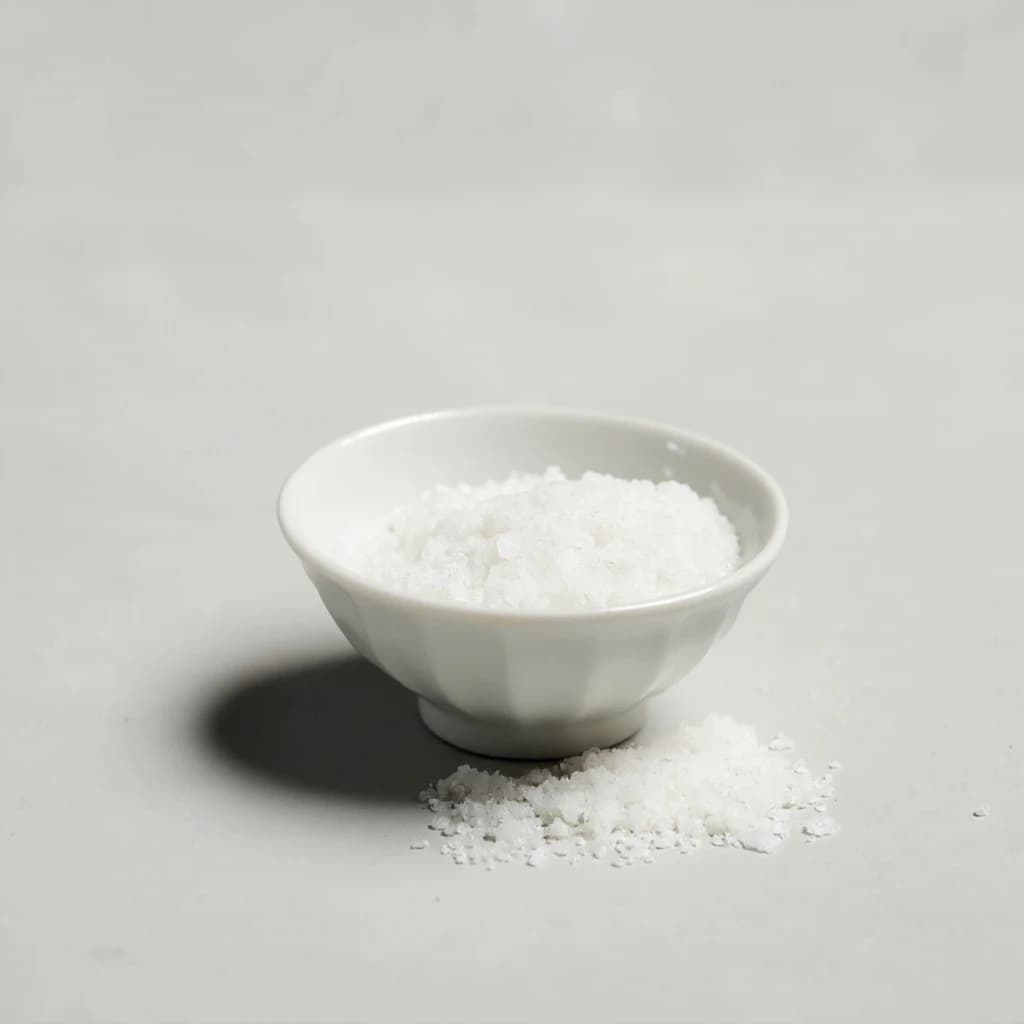
Salt
The one seasoning that makes everything else taste like itself

Black Pepper
Pungent, woody heat — best cracked fresh over anything savory
Amchur
Dried unripe mango ground to a tart, fruity souring powder
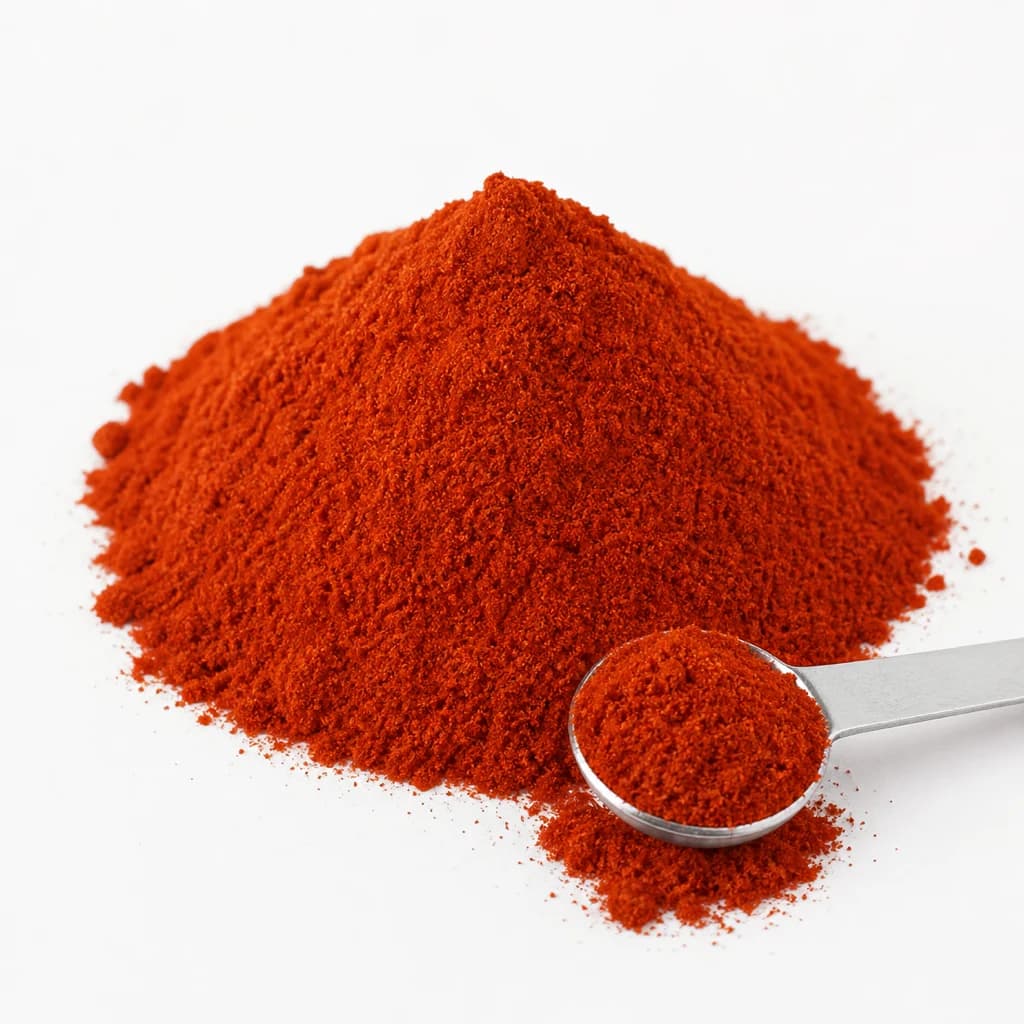
Paprika
Sweet, vivid ground pepper for color and gentle warmth
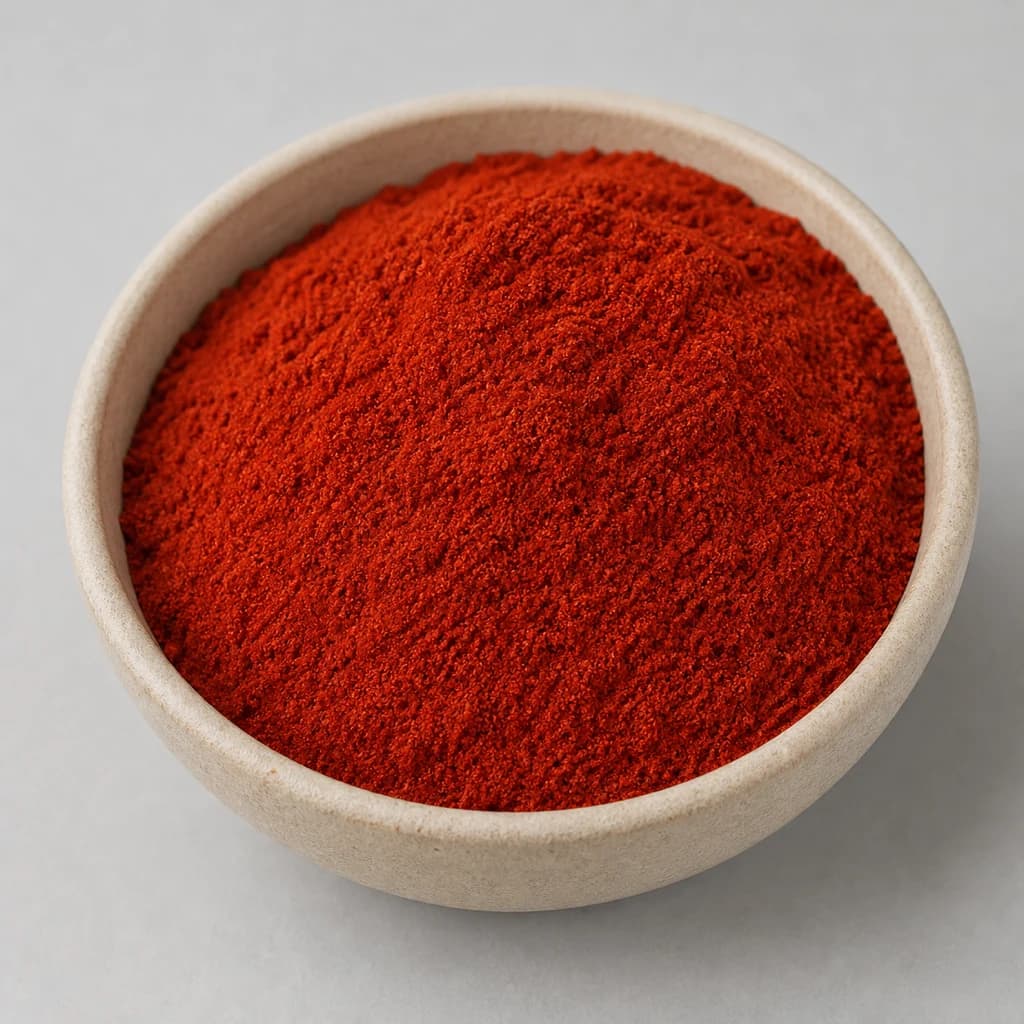
Smoked Paprika
Deep, smoky ground pepper for a campfire warmth
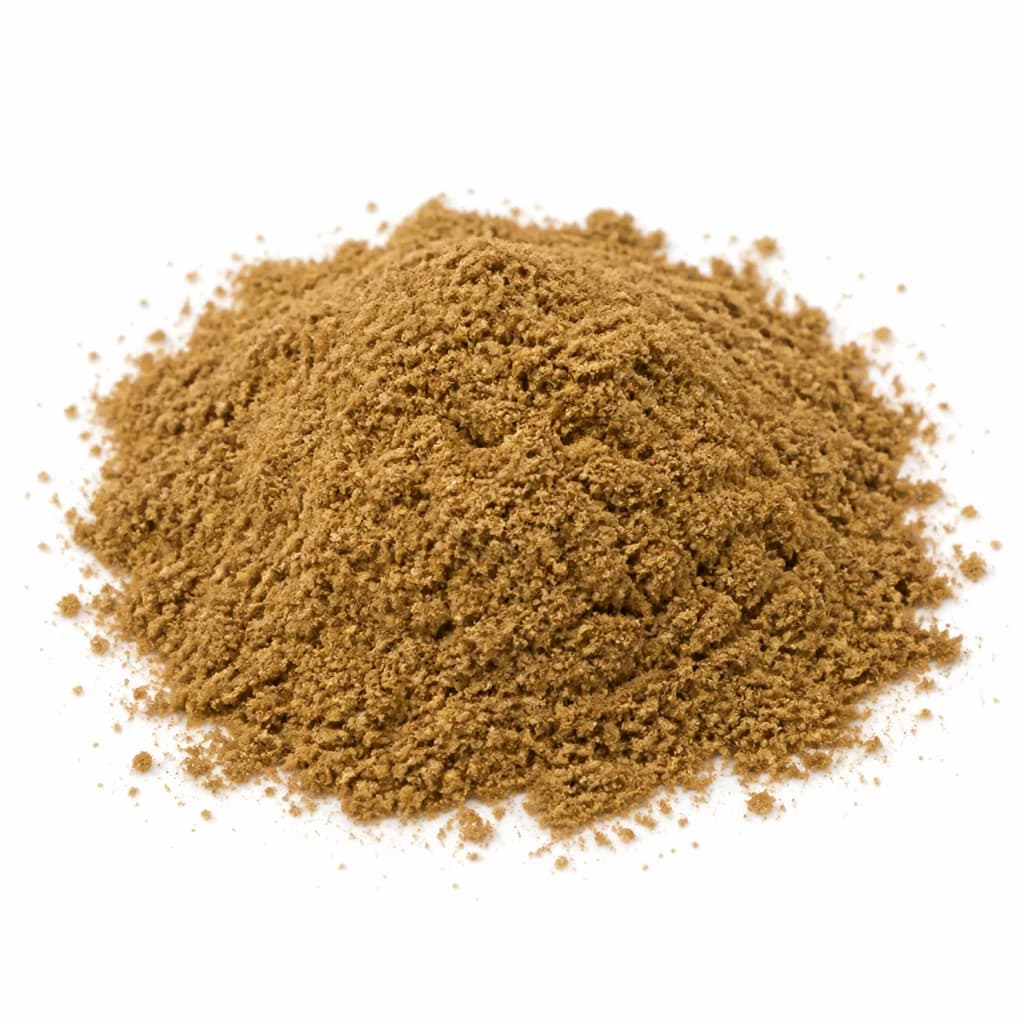
Cumin
Warm, earthy spice central to curries, chili, and tacos
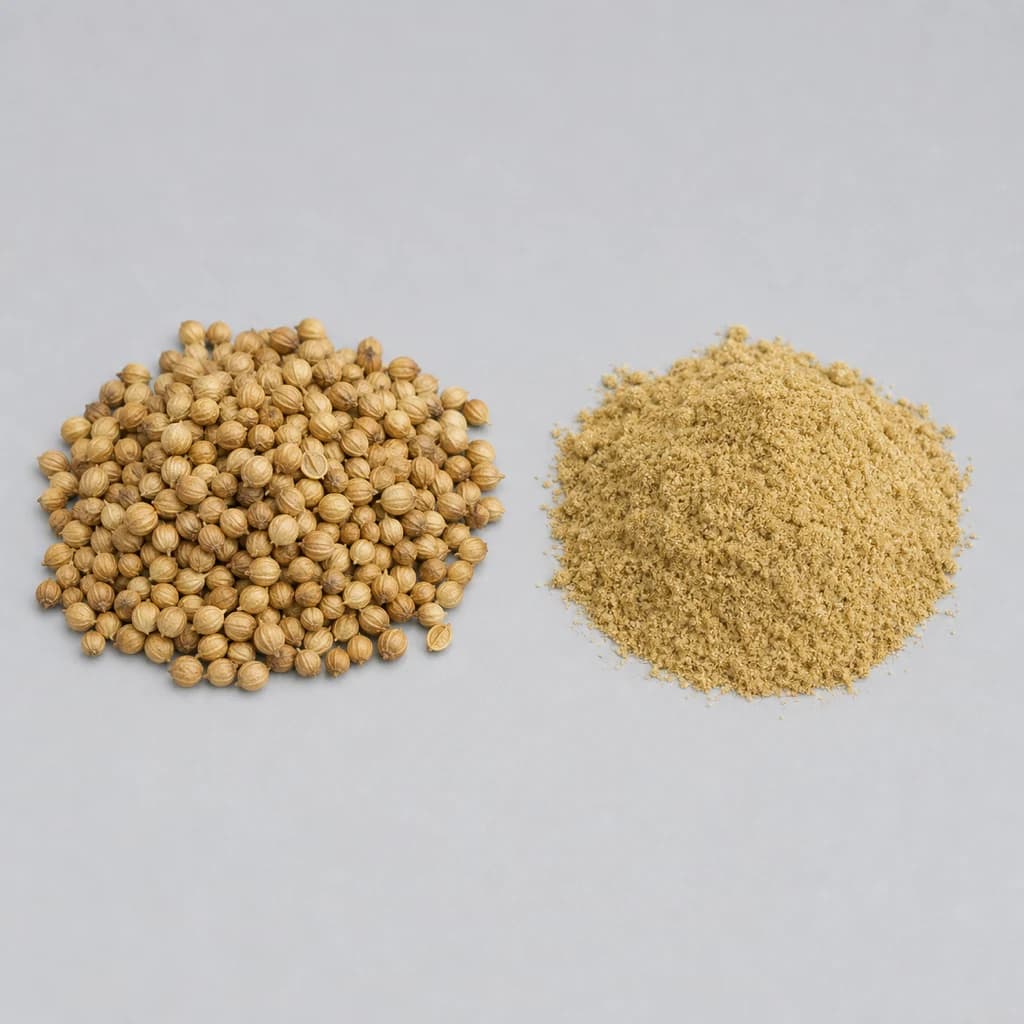
Coriander Seed
Citrusy, warm seed for curries, pickles, and rubs
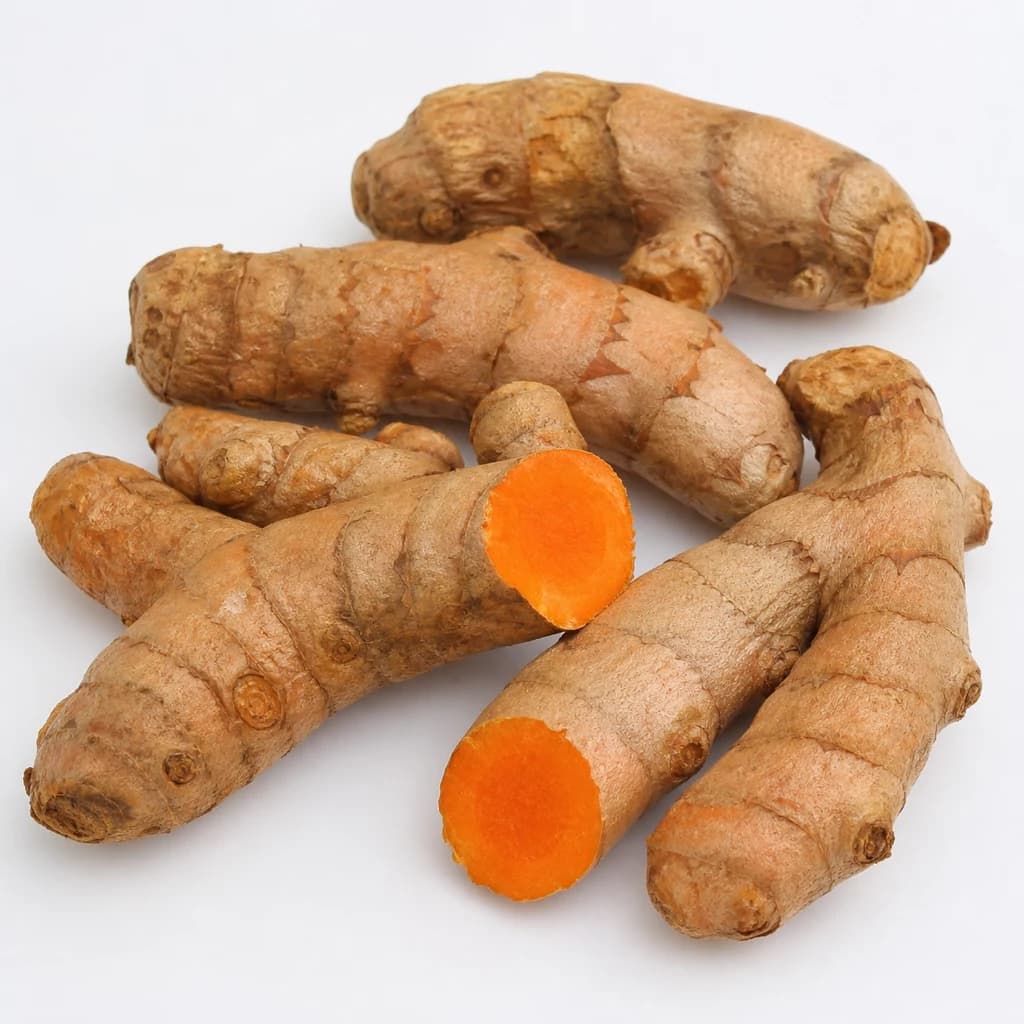
Turmeric
Golden, earthy spice for curries, rice, and color