Proteins
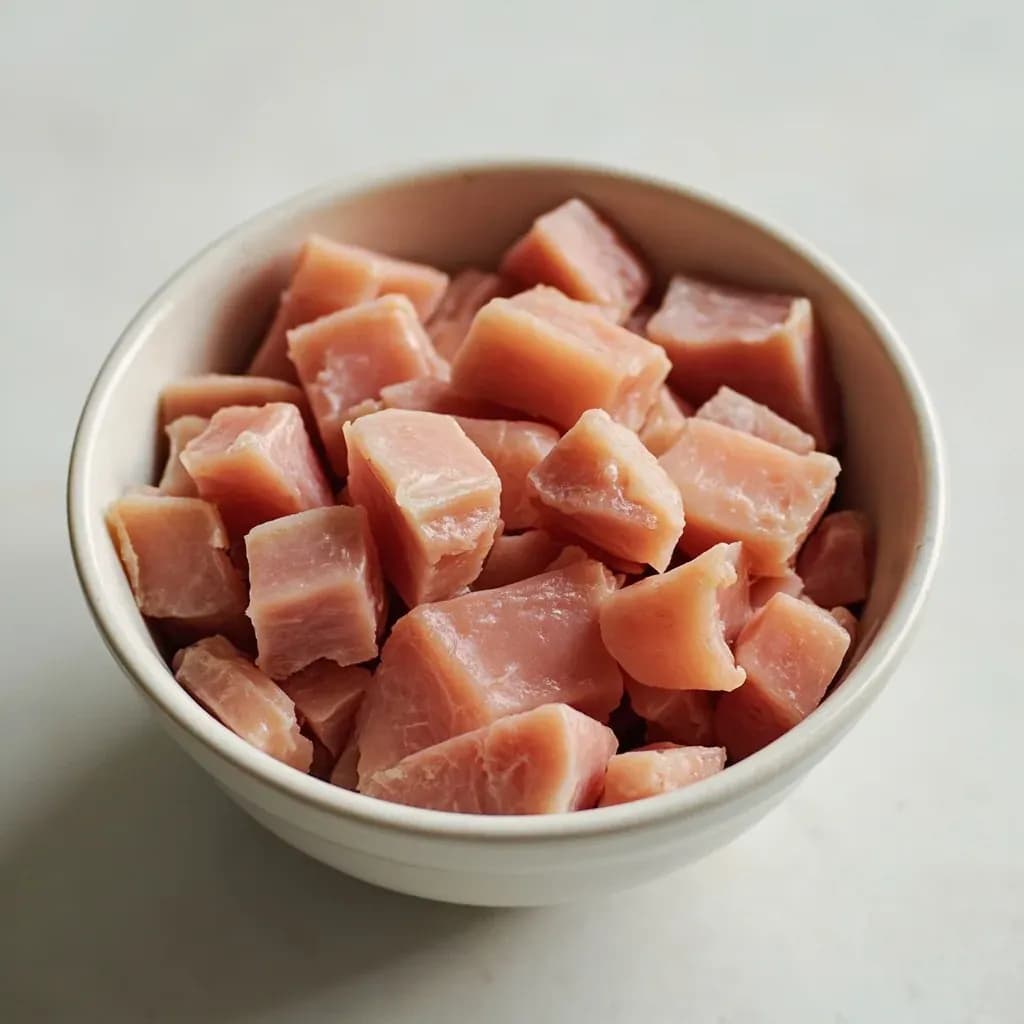
Diced Turkey Ham
Cubed turkey-based ham, a leaner pork-free stand-in for diced ham.
Diced turkey ham is cured, cooked turkey thigh processed and seasoned to taste like ham, then cut into cubes. It is a leaner, pork-free alternative used in the same way as diced ham — in scrambles, soups, and casseroles. It is common in halal and lower-fat cooking.
Diced turkey ham is a fully cooked, cured processed meat made from turkey that has been treated with salt, nitrates, and often smoke flavoring to mimic the savory, smoky character of traditional pork ham. Unlike fresh turkey breast, which is pale and mild in flavor, diced turkey ham carries the characteristic pink hue and cured flavor that make it useful in dishes where you want ham-like smokiness without the pork or the higher fat content. The product typically comes pre-diced into cubes ranging from 1/2 to 3/4 inch, ready to add directly to recipes without any prep work. This makes it a convenient weeknight ingredient for quick breakfast scrambles, pasta dishes, and grain bowls where you need that salty, savory depth but want to keep fat and calories in check.
The key to working with diced turkey ham is understanding what it is and what it is not. It will never deliver the rich mouthfeel or the deep porky flavor of true pork ham—the texture tends toward firmer and the flavor leans more smoke-forward than fatty and indulgent. Quality varies dramatically between brands: higher-end options from specialty poultry producers offer genuine smoky depth and a pleasing texture, while economy brands can taste overly processed, rubbery, or artificially smoky. Read labels and, when possible, taste a piece raw before committing to a dish. For best results, treat diced turkey ham as an ingredient that contributes smokiness and savory depth rather than trying to recreate the experience of real pork ham.
One practical reality: the sodium content is substantial, typically running 400–600mg per 2-ounce serving due to the curing process. If you are watching salt intake, factor this into your overall recipe planning and consider lower-sodium brand options when available. The high sodium is also why it stores reasonably well—it is essentially pre-seasoned and preserved—but it means the product works best when you want that built-in savory punch rather than when you need to control seasoning from scratch.
- Measured in
- g
- Storage
- Fridge
Types & varieties
Mild turkey flavor, pale pink color from curing agents; best when you want subtle background savory notes without smoke dominance
Added smoke flavoring; the most common variety found in grocery stores; works in nearly any application calling for ham-like flavor
Sweet glaze incorporated during curing; develops pleasant caramelization when sautéed; good for dishes where a sweet-savory balance is desired
Heavily smoked, darker color, stronger and more assertively flavored; best reserved for dishes where it will be a featured player, not a background note
Common uses
Tips & pitfalls
- Add diced turkey ham toward the end of cooking to prevent it from drying out and becoming tough—it is already cooked and just needs gentle reheating
- Sauté in a dry or lightly oiled pan for 1–2 minutes to render some fat and develop deeper flavor before adding to dishes—this step is especially worthwhile for breakfast applications
- For best texture, avoid adding to very long-simmering dishes like extended braises or slow-cooker meals that run more than 1–2 hours; instead, add it in the final stages of cooking
- Pat the cubes dry with a paper towel if thawed from frozen before sautéing—excess moisture causes steaming rather than browning
- Use at a 1:1 ratio when substituting for pork ham in most recipes, but expect a firmer texture and more smoke-forward flavor
- Store unopened packages in the coldest part of the refrigerator, below 40°F, to maximize shelf life; the door is too warm
- To freeze: portion into freezer bags with as much air removed as possible; thaw overnight in the refrigerator for best texture; avoid microwave thawing which can make the cubes rubbery
- Common mistake: assuming it can be browned aggressively like raw sausage or bacon—it will toughen and become chewy rather than caramelized
- Common mistake: neglecting to account for its sodium when seasoning the rest of the dish—it is already quite salty, so taste before adding additional salt
Nutrition
Energy
1100 kJ · per 100 g
Where the calories come from
Protein
16.3g
33% DV
Carbs
1.8g
1% DV
Fat
20.7g
27% DV
Fiber
0g
0% DV
Sugars
0g
of which
Sodium
1245mg
54% DV
Source · USDA FoodData Central · approx. Ham, minced
View on FDC →In the shops
Matched grocery products
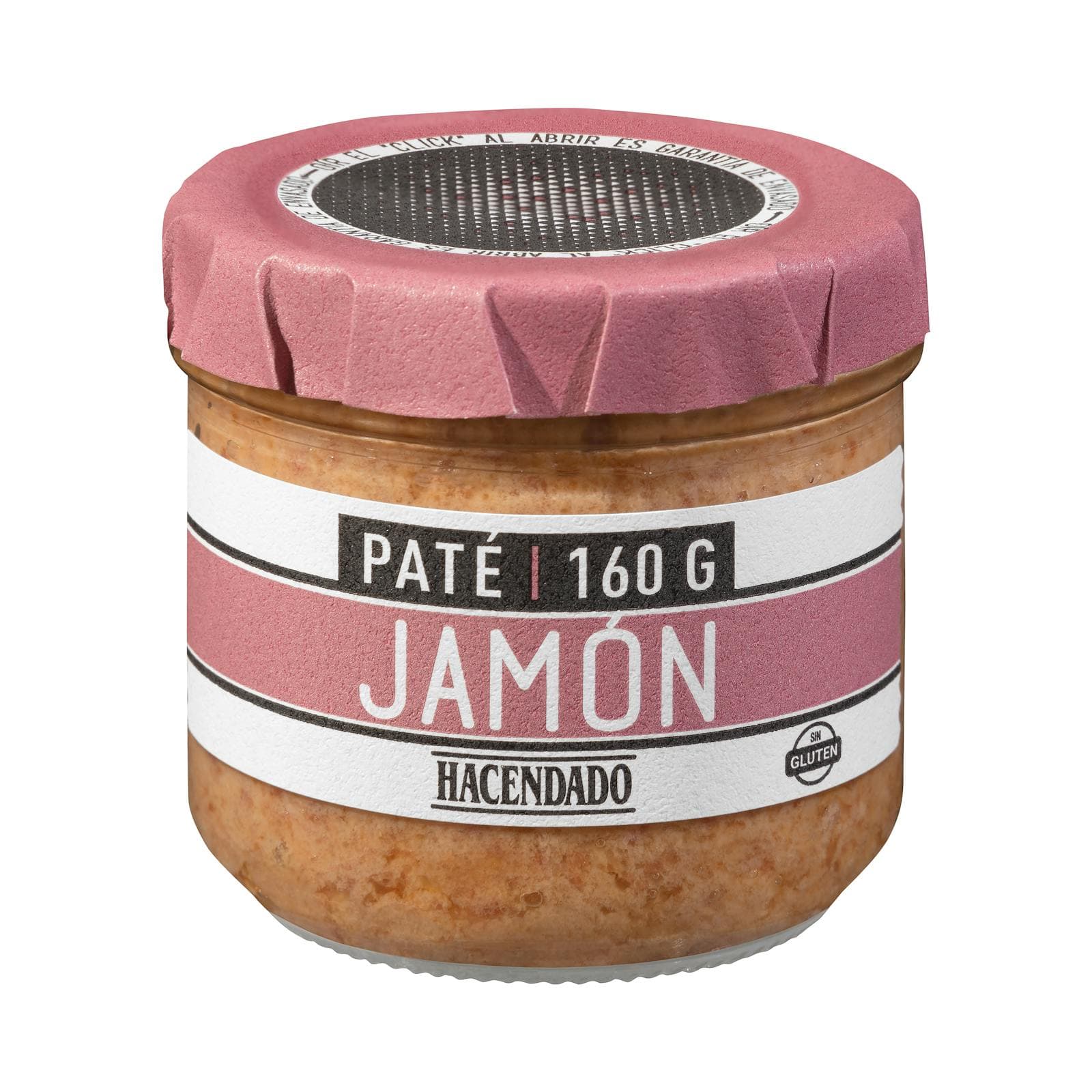 €1.10
€1.10Ham Pâté
Hacendado · 160 g · Mercadona
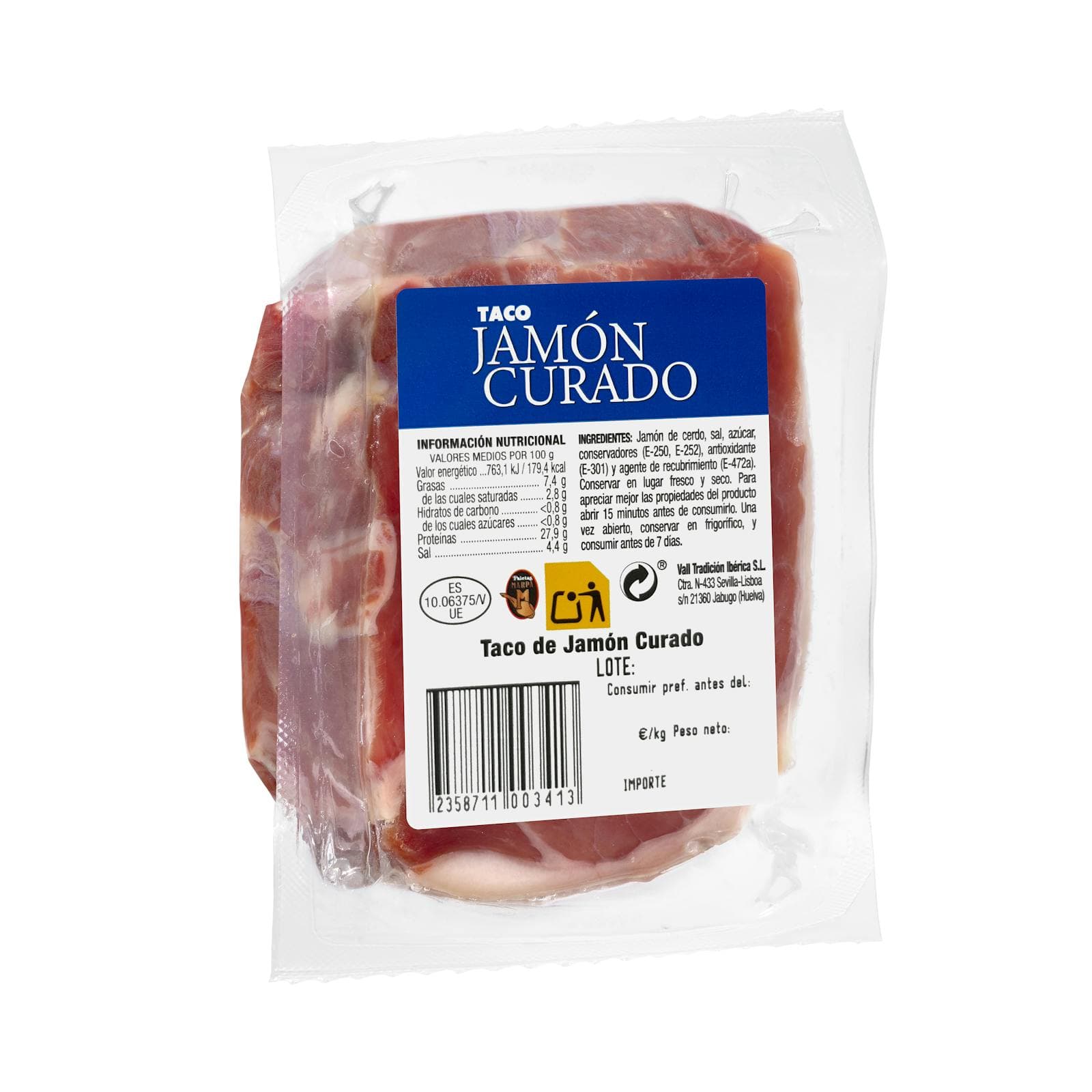 €3.85
€3.85Cured Ham Portion
220 g · Mercadona
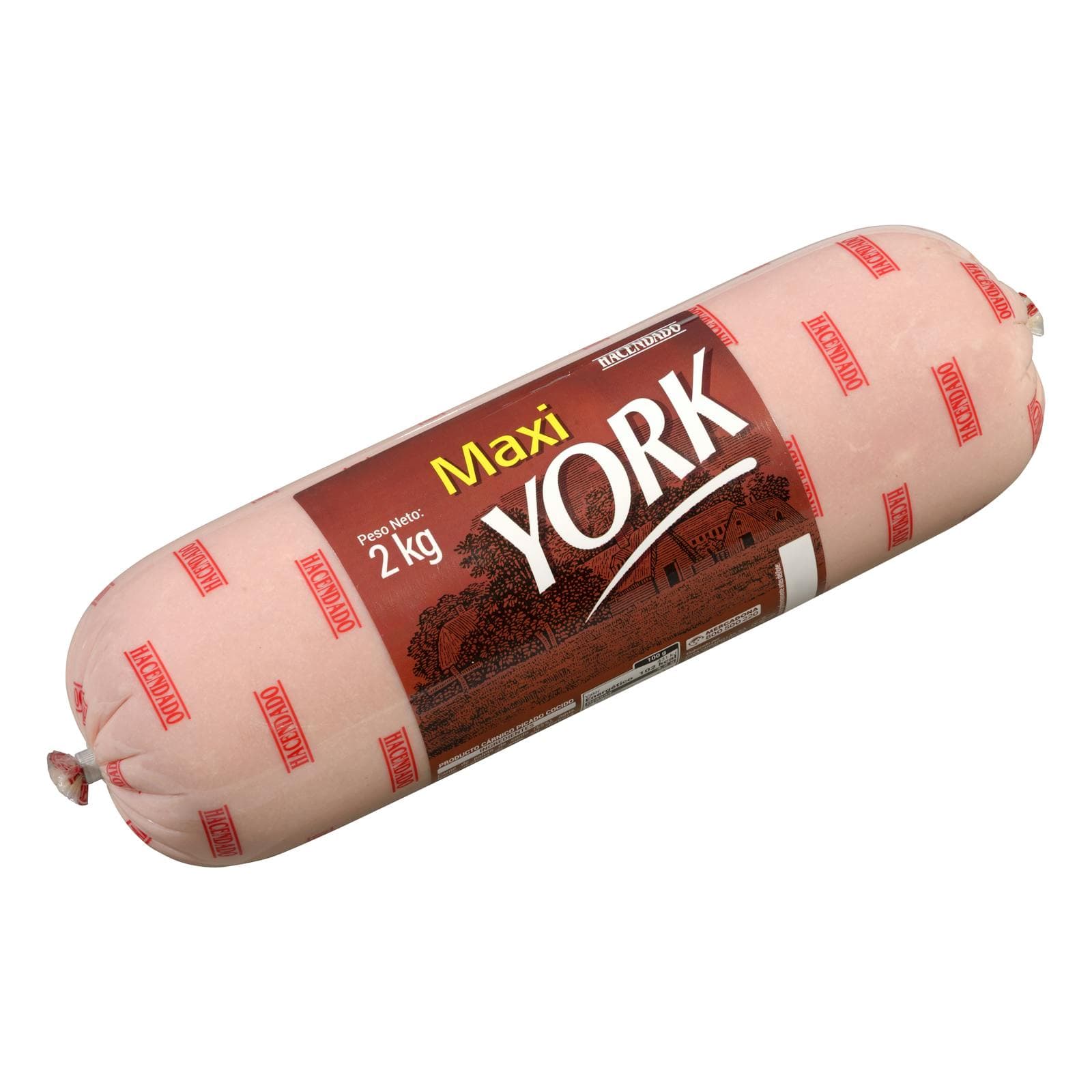 €5.95
€5.95Maxi York Ham
Hacendado · 2 kg · Mercadona
 €6.75
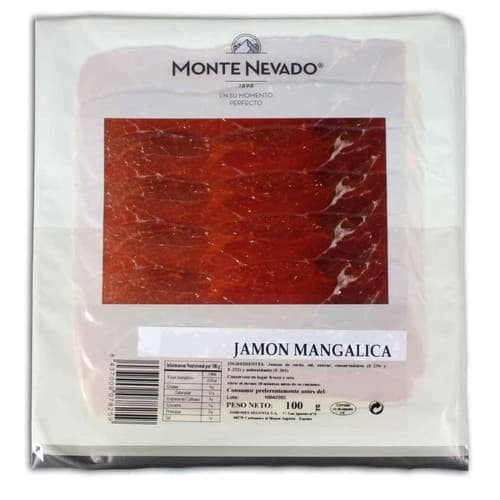
€6.75Mangalica Ham
MONTE NEVADO · kg · Bonpreu
 €65.00
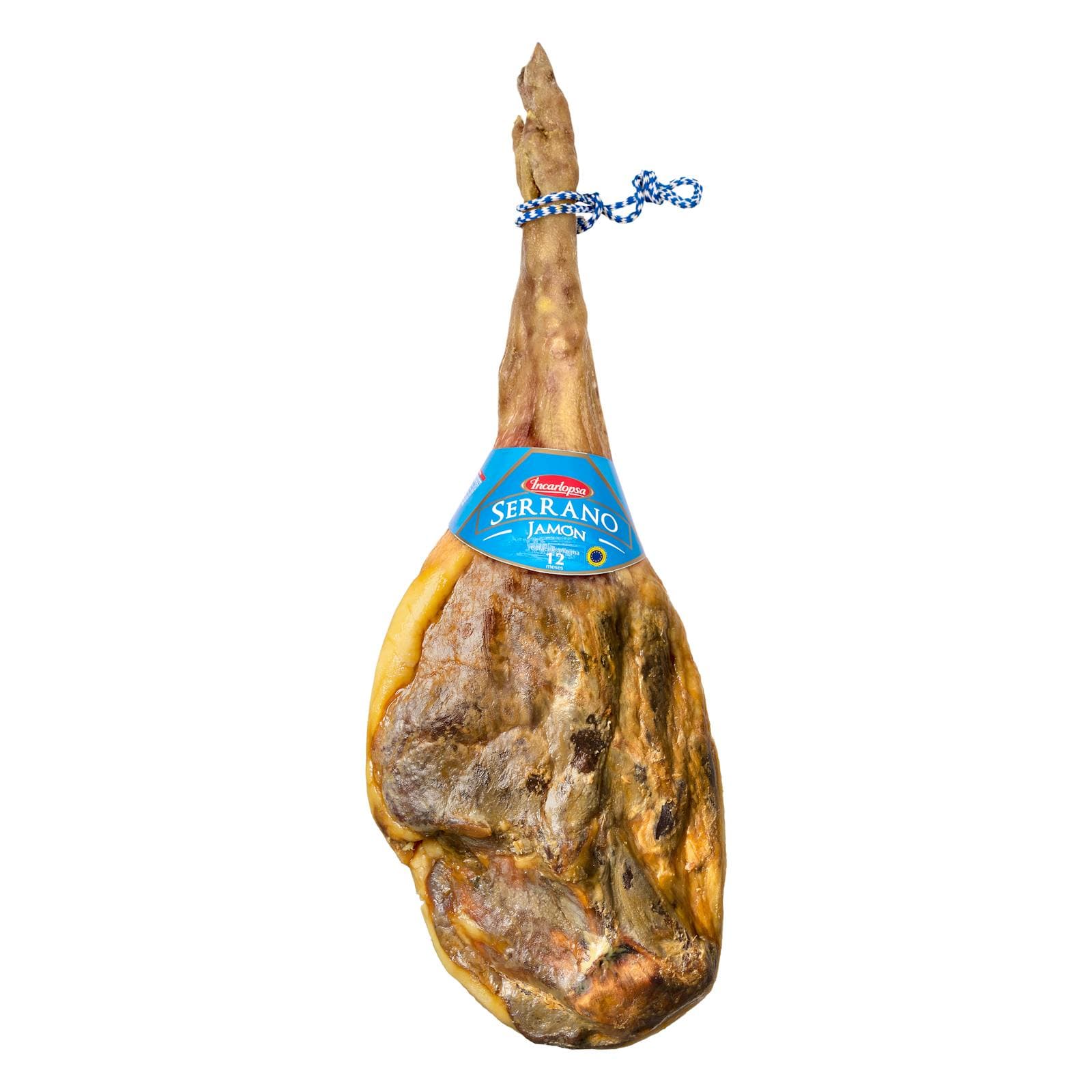
Serrano Ham Incarlopsa
Incarlopsa · 7.5 kg · Mercadona
 €3.85
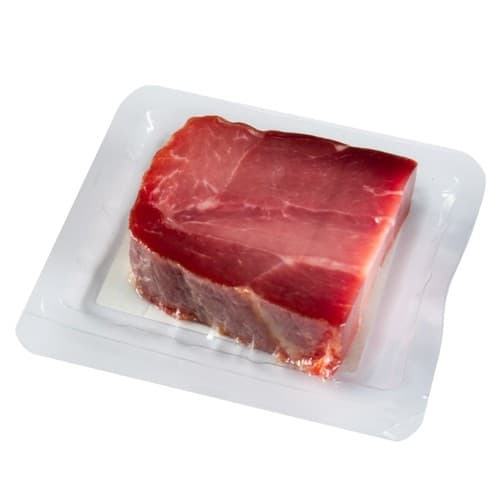
€3.85Cured Ham Block
ESPUÑA · kg · Bonpreu
Good to know
- Type
- Fully cooked, cured processed meat (turkey-based)
- Form
- Pre-diced cubes, typically 1/2 to 3/4 inch
- Fat Content
- Approximately 3–5g per 2oz serving (vs. 7–9g for pork ham)
- Protein
- Approximately 10–14g per 2oz serving
- Sodium
- 400–600mg per 2oz serving (high; due to curing)
- Calories
- Approximately 70–90 per 2oz serving
- Curing
- Cured with salt, nitrates, and often smoke flavoring; not the same as fresh turkey
- Cooking Requirement
- Fully cooked; requires only reheating to serving temperature
- Shelf Life (unopened)
- Refrigerated: 7–10 days; Frozen: up to 3 months
- Shelf Life (opened)
- Refrigerate and use within 3–5 days
Substitutes
- Diced Pork Ham — The most direct substitute; higher in fat but delivers traditional ham flavor and richer mouthfeel; use at a 1:1 ratio
- Diced Canadian Bacon — Pre-sliced and then diced; leaner than regular pork ham with a similar curing and smoke flavor profile; cuts slightly softer than turkey ham
- Diced Smoked Turkey Breast — May be uncured depending on brand; milder, less ham-like flavor; check labeling if specifically seeking that cured, smoky ham character
- Diced Rotisserie Chicken — Not cured and lacks smokiness entirely; add a pinch of salt and a splash of liquid smoke to approximate the savory depth if using as a substitute
Pairs with
Also called
Turkey Ham Cubes
Related
Egg
The kitchen's everything ingredient — bind, leaven, enrich, or fry
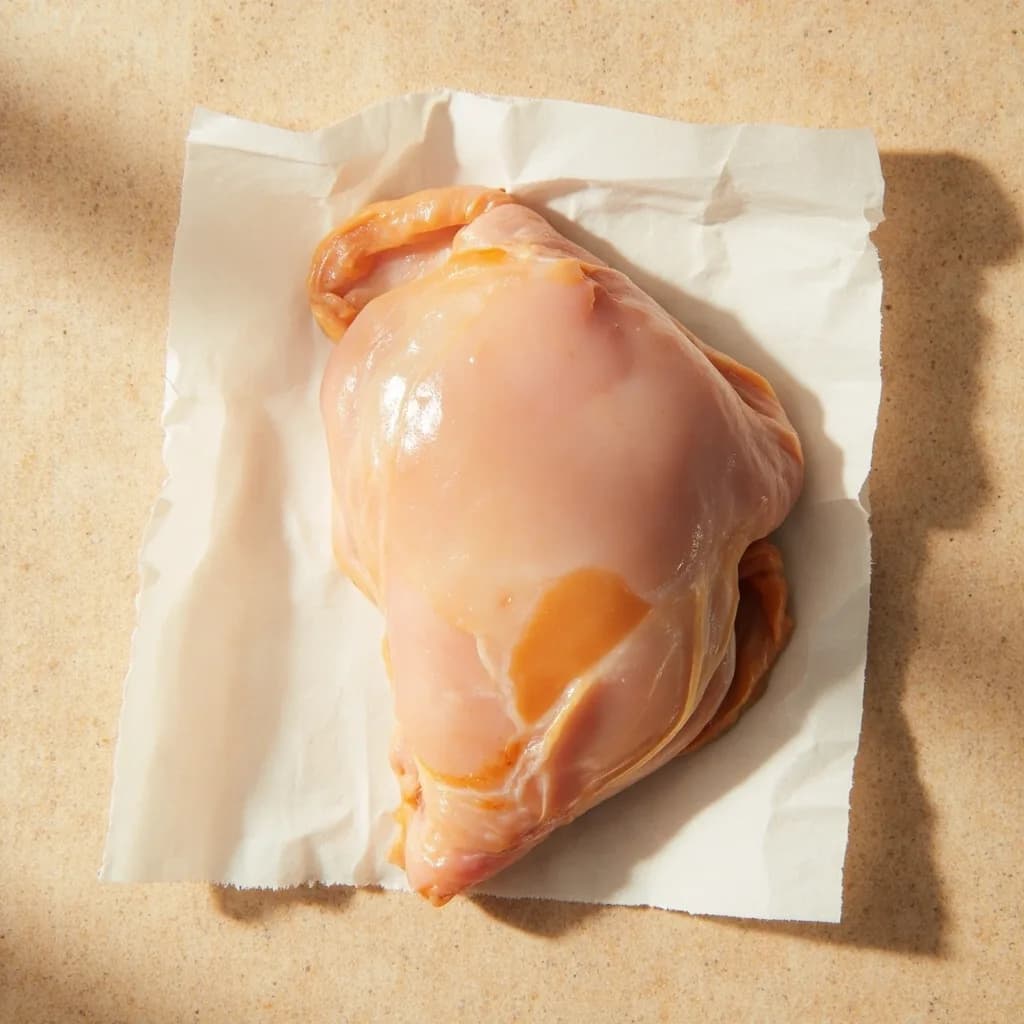
Chicken Breast
Lean, quick-cooking white meat for everyday dinners

Ground Beef
Versatile minced beef for burgers, ragù, tacos, and meatballs
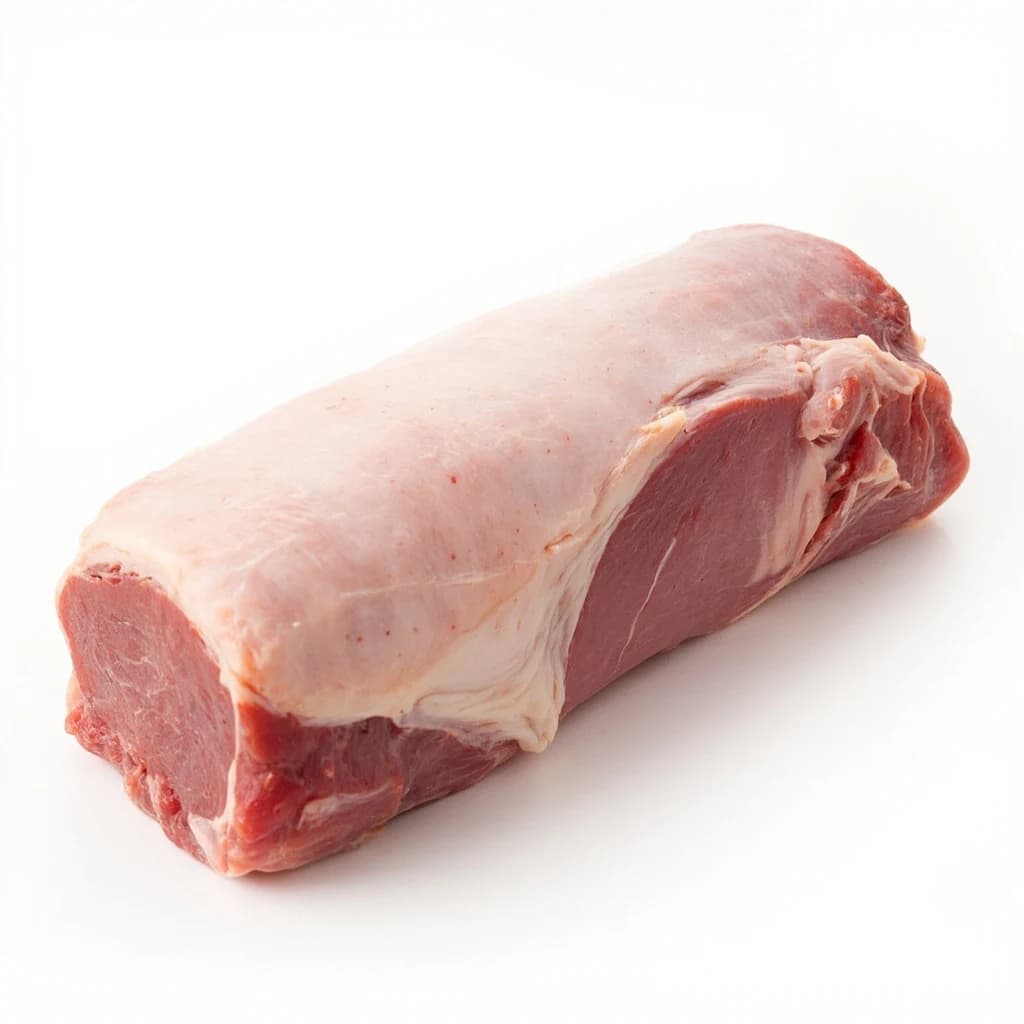
Pork Loin
Lean, tender roasting cut that stays juicy with care
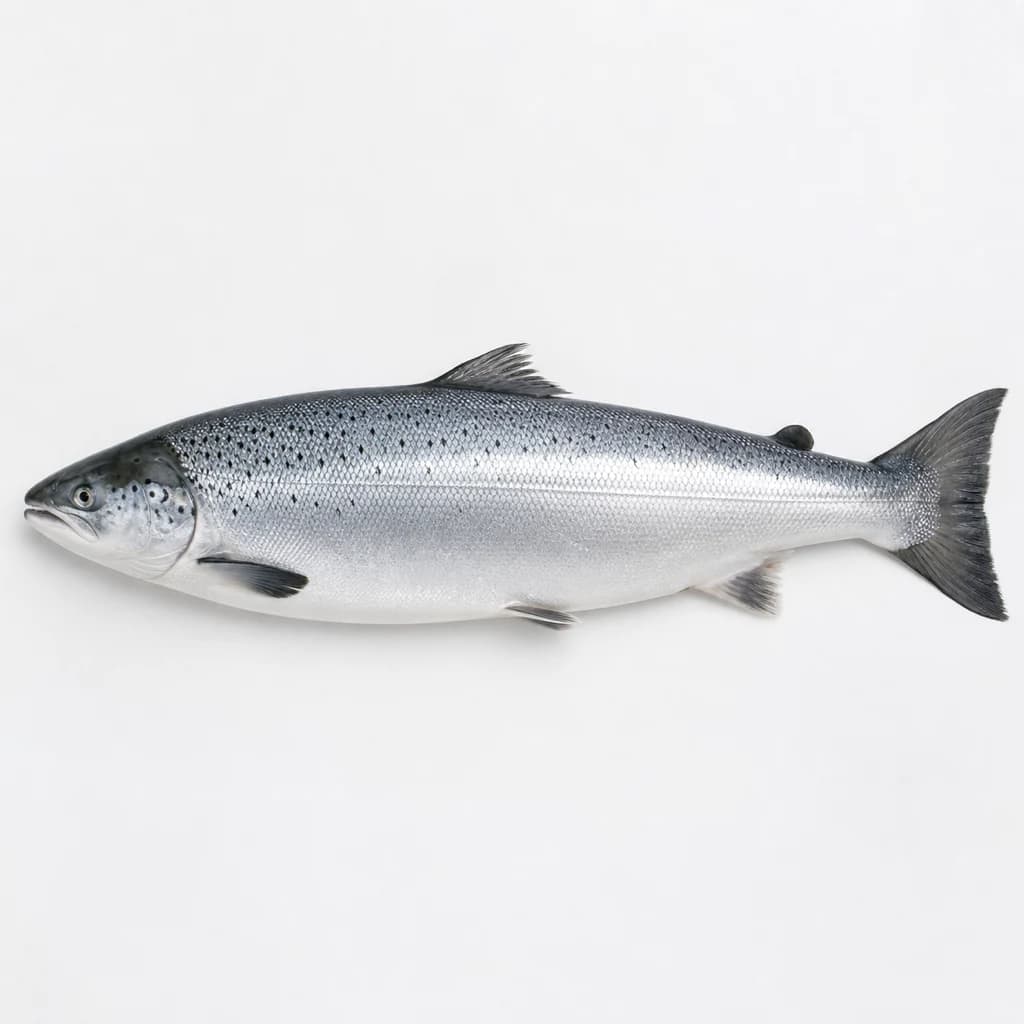
Salmon
Rich, rosy fish that roasts, grills, or cures beautifully

Egg White
Pure protein that whips to airy peaks for meringue and more

Egg Yolk
Rich, golden yolk for custards, mayonnaise, and pasta

Quail Egg
Tiny, speckled eggs for garnishing and elegant bites