
Stored
Dried ground okra powder in its ready-to-use pantry form, pale green and fine-textured.
Shows the exact form a buyer encounters — a milled powder — so readers can identify the product on sight.
Spices
Dried Ground Okra
Powdered dried okra used as a natural thickener for West African soups and stews.
Dried ground okra is okra that has been sun-dried and milled into a powder, used across West Africa as a thickening agent for soups and stews. Stirred into the pot, it lends the same characteristic silky, mucilaginous body as fresh okra without the seasonal limitation. It stores indefinitely and is a pantry shortcut for okra soup.
Dried Ground Okra is the sun-dried pods of the okra plant (Abelmoschus esculentus) ground to a fine, greenish-tan powder. The drying process concentrates the vegetable's natural mucilage—the same soluble fiber that gives fresh okra its characteristic slippery quality—transforming it into one of West Africa's most potent and reliable thickeners. When rehydrated in liquid, this powder releases a smooth, viscous body that transforms thin broths into rich, silky soups and stews. Unlike flour-based thickeners, okra powder contributes no starchiness and maintains a clean, vegetable-forward flavor that integrates seamlessly with bold West African seasonings.
This ingredient is indispensable across the region, particularly in Nigerian, Ghanaian, Sierra Leonean, and Senegalese kitchens, where fresh okra may be seasonal or prohibitively expensive. Households routinely prepare batches during peak okra season and store the powder in airtight containers for year-round use. The powder appears in beloved dishes like the Yoruba Ewedu soup, the palm-wine-infused draw soup of Igbo cuisine, and the peppery palm-oil soups served with fufu. Its ubiquity reflects both practical economy and deep culinary tradition—dried ground okra is not merely a substitute for fresh but a distinct pantry staple with its own character and following.
Functionally, the powder behaves differently from fresh okra: it dissolves more evenly, thickens more predictably, and yields a smoother texture without the slimy mouthfeel some people find off-putting in fresh preparations. The mucilage activates quickly in warm liquid and continues to develop viscosity as the soup simmers, making timing an important consideration for cooks learning its rhythm.
- Measured in
- g
- Storage
- Pantry
Types & varieties
100% dried okra, no additives; best quality for traditional cooking
Fine-sifted for smooth soups; less fibrous texture; ideal for delicate preparations
Mixed with cassava flour for extra thickening power; common in commercial products but less traditional
Made from red-tinged okra varieties; identical use and function to green varieties
Making Your Own Okra Powder
Producing dried ground okra at home ensures purity and allows you to control the texture. Select young, tender okra pods that are firm and bright green—older, woody pods yield a coarser, less flavorful powder. Wash the pods thoroughly and slice them into rounds approximately 1/4-inch thick, or leave them whole if you prefer larger pieces that dry faster. Arrange the slices in a single layer on clean drying racks, ensuring pieces do not overlap. Sun-drying takes 2–4 days depending on climate, with pods fully dry when they are brittle and snap easily without bending. Alternatively, use a dehydrator set to 125–135°F (52–57°C) for 6–10 hours until completely desiccated. Once fully dry, allow the pieces to cool completely before grinding to prevent moisture condensation. Grind in batches in a spice grinder or high-powered blender until you reach your desired consistency. Sift through a fine mesh strainer to achieve a smooth powder, discarding any fibrous chunks. Store immediately in airtight glass jars away from heat and humidity.
- Choose young, tender pods for the sweetest, most flavorful powder
- Ensure complete drying—any residual moisture causes mold and spoilage
- Grind in short bursts to avoid heating the powder, which degrades quality
- Label jars with the preparation date to track freshness
Understanding the Mucilage
The thickening power of dried ground okra comes from its mucilage, a soluble fiber that dissolves in water and creates a gel-like consistency. This mucilage is present in fresh okra but becomes concentrated and more potent through drying, which is why the powder is such an effective thickener in small quantities. The mucilage is heat-activated: it begins dissolving immediately in warm liquid and reaches full viscosity within 10–15 minutes of simmering. Unlike starch-based thickeners that break down with prolonged cooking, okra mucilage holds up well under extended gentle simmering, though prolonged high heat can eventually reduce its thickening effect. The mucilage is also affected by acid—adding acidic ingredients like tomatoes early in cooking can slightly inhibit thickening, so adjust your timing accordingly if you prefer a thicker result.
- Mucilage activates fully at temperatures above 140°F (60°C)
- Acidic ingredients added early can reduce thickening power slightly
- Prolonged vigorous boiling, not gentle simmering, eventually breaks down the mucilage
- Unlike roux, okra powder adds fiber rather than flour-based carbohydrates
Common uses
Tips & pitfalls
- Add powder gradually while stirring to avoid clumping; whisk into a small amount of cold liquid first for smooth incorporation
- Do not over-thicken—the mucilage continues to activate as soup simmers, so start with less and add more as needed
- Store away from humidity—moisture causes clumping, spoilage, and loss of thickening power
- Commercial powders are often mixed with cassava flour; check the label if seeking traditional pure okra powder
- Add near the end of cooking (last 10–15 minutes) if you prefer a slightly chunkier texture, or early for fully integrated smoothness
- Sift homemade powder before using to remove fibrous chunks that resist grinding
- If your powder has clumped from humidity, sift it through a fine mesh strainer before adding to your pot
- Use less powder than you think necessary—1 tablespoon per 3 cups of liquid is often enough for a lightly thickened soup
Nutrition
Energy
138 kJ · per 100 g
Where the calories come from
Protein
1.9g
4% DV
Carbs
7.5g
3% DV
Fat
0.2g
0% DV
Fiber
3.2g
11% DV
Sugars
1.5g
of which
Sodium
7mg
0% DV
Source · USDA FoodData Central · Okra, raw
View on FDC →In the shops
Matched grocery products
No matched grocery products for Dried Ground Okra yet.
Good to know
- Origin
- West Africa (Nigeria, Ghana, Sierra Leone, Senegal); okra is native to sub-Saharan Africa
- Form
- Dried okra pods ground to fine powder, typically greenish-tan in color
- Primary Function
- Natural thickener for soups and stews due to soluble fiber (mucilage)
- Yield
- 1 tablespoon powder thickens approximately 2–3 cups liquid
- Typical Use Level
- 1–3 tablespoons per pot depending on desired thickness
- Shelf Life
- 6–12 months when stored airtight in a cool, dry, dark place
- Processing
- Okra pods washed, sliced or whole, sun-dried or dehydrator-dried, then ground
- Alternative Names
- Okra powder, dried okra flour, ọ̀kụ̀rẹ̀ (Yoruba), gumbo powder (US Creole usage)
Substitutes
- Ogbono (wild mango seed powder) — Similar mucilaginous quality with a distinct nutty flavor; use in equal amounts as a thickener
- Egusi (ground melon seeds) — Adds thickness and richness but more commonly paired with okra than used as a direct substitute; provides texture as well as body
- Fresh sliced okra — 3–4 fresh pods per tablespoon of powder; adds texture and authentic visual character; cook 20–30 minutes longer to achieve similar thickening
- Cassava flour — Neutral-flavored thickener; use about half the amount of okra powder; be aware this is often used to adulterate commercial okra powders
- Tapioca starch or pearl tapioca — Gluten-free starch thickener; use 25–50% less than powder amount; produces a different, slightly glossy mouthfeel
Pairs with
Also called
Okra Powder · Ground Okra
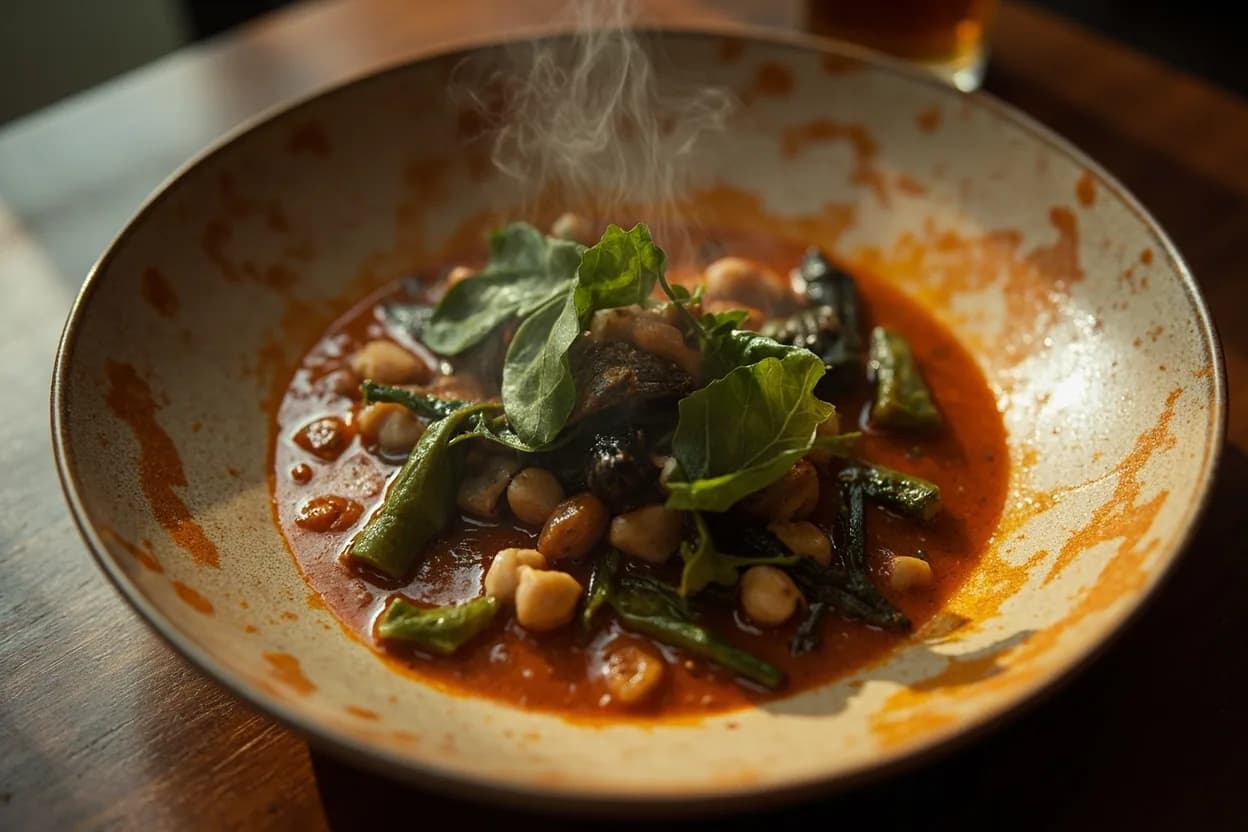
Appears in these dishes
Related
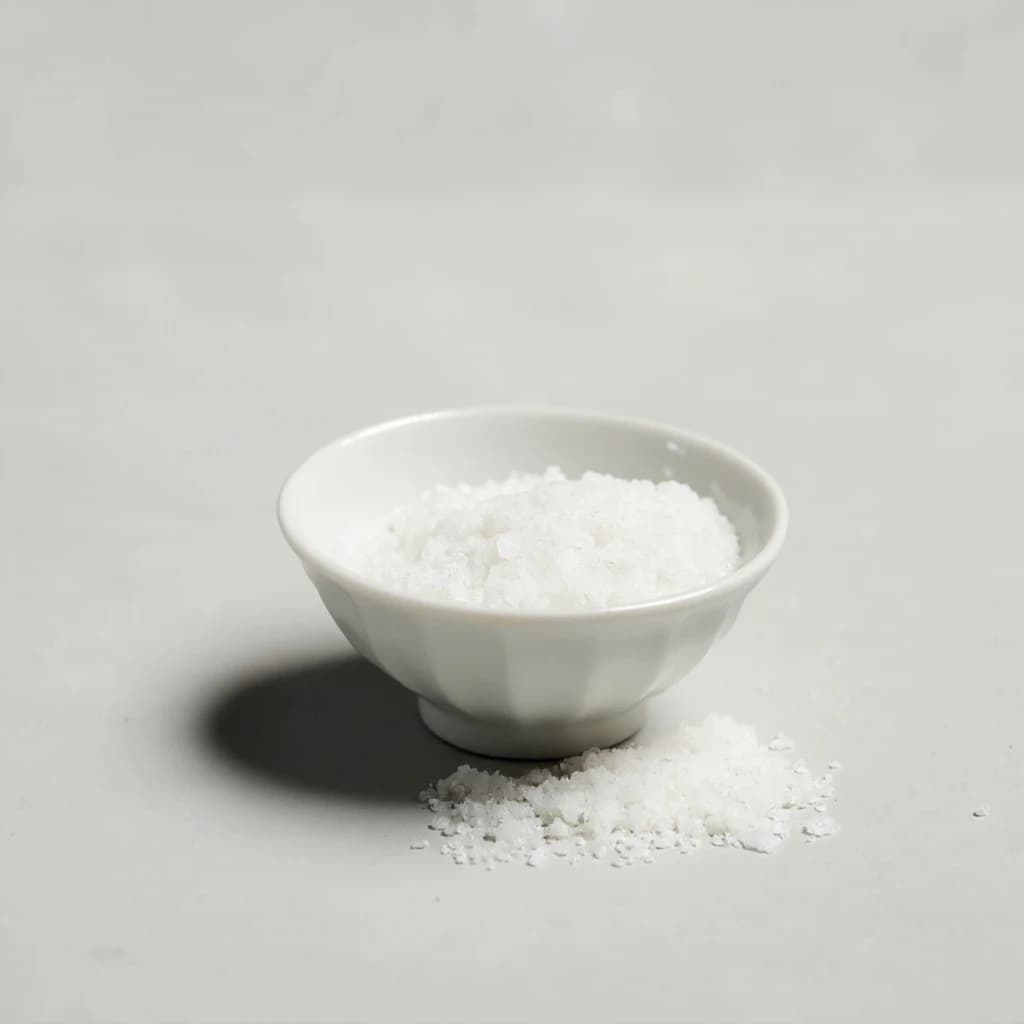
Salt
The one seasoning that makes everything else taste like itself

Black Pepper
Pungent, woody heat — best cracked fresh over anything savory
Amchur
Dried unripe mango ground to a tart, fruity souring powder
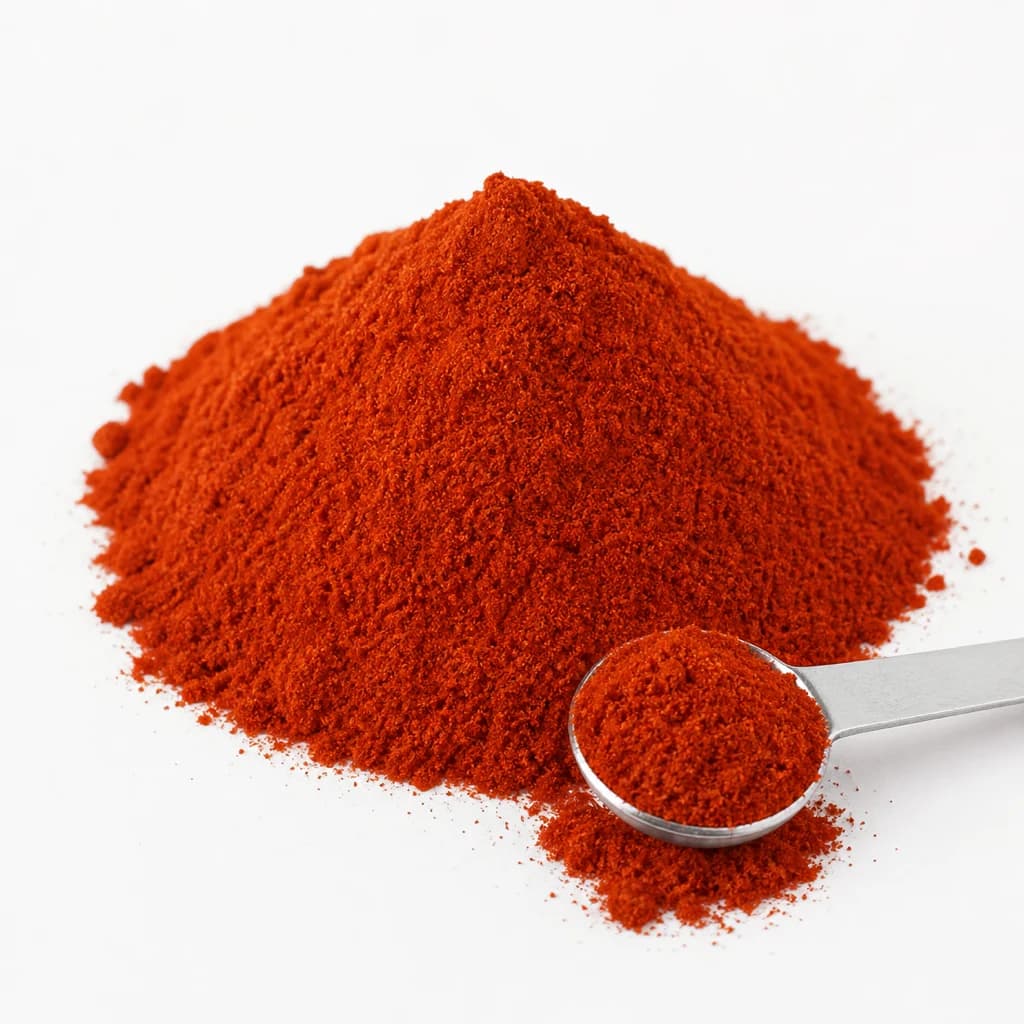
Paprika
Sweet, vivid ground pepper for color and gentle warmth
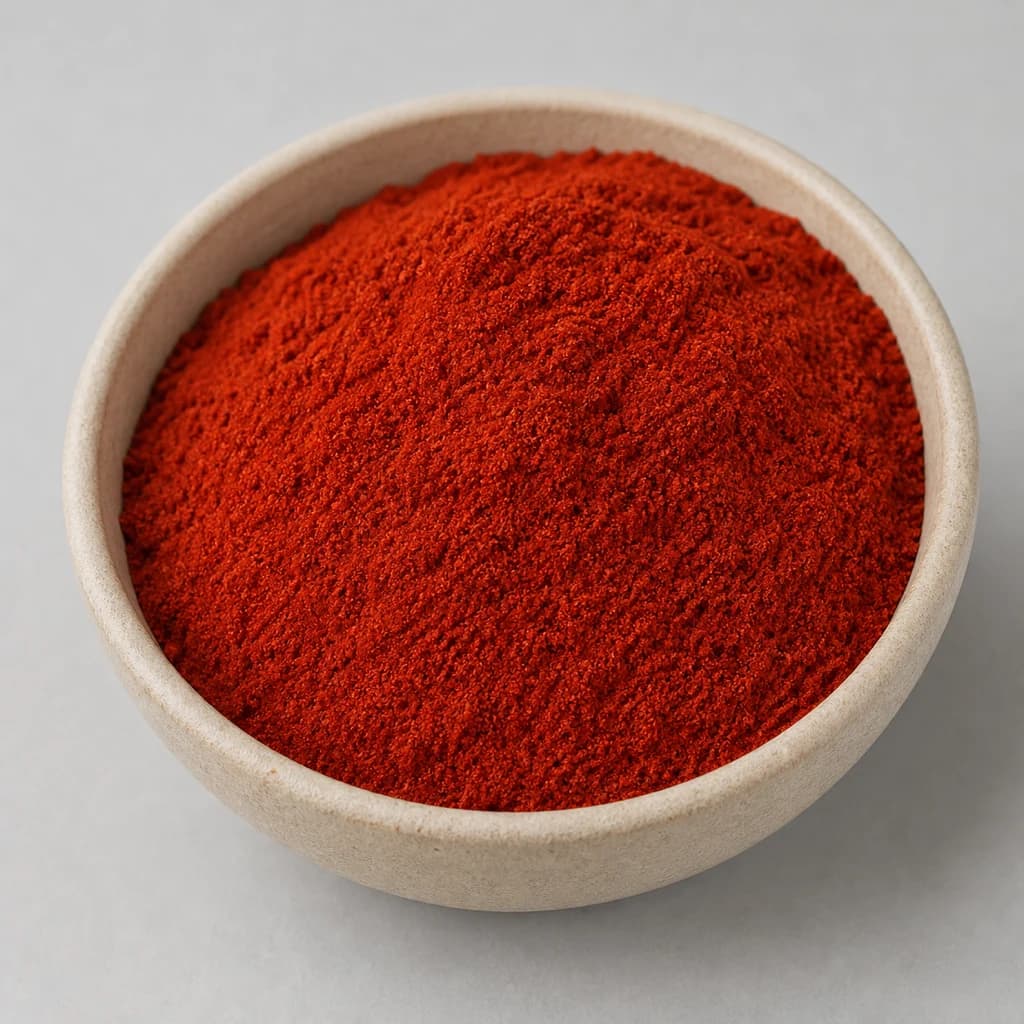
Smoked Paprika
Deep, smoky ground pepper for a campfire warmth
Cumin
Warm, earthy spice central to curries, chili, and tacos
Coriander Seed
Citrusy, warm seed for curries, pickles, and rubs
Turmeric
Golden, earthy spice for curries, rice, and color