Grains & Rice
Dried Pasta
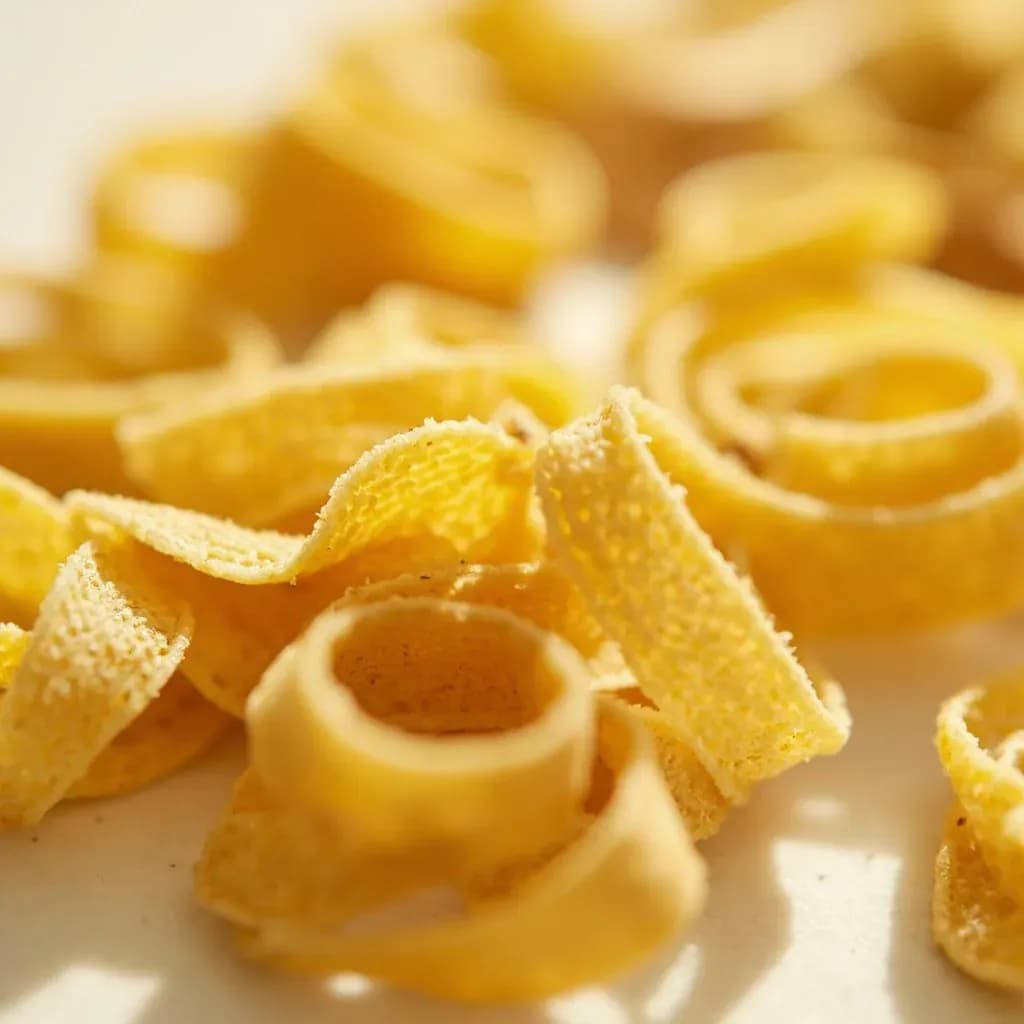
Shelf-stable durum-wheat pasta in countless shapes, boiled to al dente.
Dried pasta is made from durum wheat semolina and water, extruded into shapes and dried for long storage. It is the everyday Italian staple, boiled in salted water until al dente and sauced in endless ways. The high-protein durum gives it the bite and structure that hold up to cooking and sauce.
Dried pasta is wheat semolina shaped and dried for long-term storage, distinct from fresh pasta in both texture and behavior. In Italy, Law 580/1967 reserves the term "pasta" for dried durum-wheat products only, giving Italian industrial pasta its characteristic firm bite and slight elasticity that holds shape under sauce. The durum wheat's hard vitreous endosperm produces a pasta that cooks evenly while releasing starch into the water—a functional element, not a flaw. That starchy water is what allows sauce to cling and emulsify; discarding it without saving some is one of the most common mistakes home cooks make. Dried pasta achieves al dente ('to the tooth') when the exterior is fully cooked but the core still offers slight resistance. Unlike fresh pasta's buttery softness, dried pasta has structural integrity that lets it stand up to chunky sauces, baking, and salads without falling apart. Bronze dies (used by artisanal brands like Rustichella d'Abruzzo) create rougher surfaces that grip sauce better than smooth Teflon-extruded pasta. The pasta is done when you bite it—no timer substitutes for the fork test.
- Measured in
- g
- Storage
- Pantry
Allergens
Types & varieties
Spaghetti, linguine, fettuccine, bucatini, pappardelle, capellini—best with oil-based or tomato sauces where the strand shape matters; bucatini has a hollow center that captures sauce
Penne, fusilli, farfalle, macaroni, wagon wheels—shapes and curves trap sauce; penne rigate has ridges for extra grip
Rigatoni, manicotti, cannelloni—ideal for baked dishes and thick, chunky sauces
Dried tortellini and ravioli exist but are limited; quality varies significantly by brand
Italian dried egg pasta; cooks in 6–8 minutes; common in central regions like Marche, Umbria, and Lazio; differs from fresh egg pasta which cooks in 2–3 minutes
Ground from whole durum berries; nuttier flavor, slightly longer cooking time, firmer texture
Corn, rice, quinoa, or legume flours; cooking times and texture vary dramatically by brand—test early; some brands (e.g., chickpea or red lentil pasta) hold shape better than others
Al Dente: What It Actually Means
Al dente means 'to the tooth'—pasta should offer slight resistance at the center when bitten, with no hard core remaining. The exterior should be fully cooked and tender. Because pasta continues cooking in the sauce, test 1–2 minutes before the package time and trust the fork, not the clock. A piece dropped on a white plate should show a faint white line of uncooked dough at the very center. Overcooked pasta cannot be saved; undercooked pasta can always be finished.
- The starch cells at the center must still have some structure—not raw, but not collapsed
- Pasta pulled directly from water into a hot sauce finishes cooking in seconds
- Rinse cooked pasta only if assembling a salad where you want to stop carryover cooking and prevent clumping
Why Bronze Dies Matter
Extrusion dies determine pasta's surface texture. Bronze dies are rougher, producing pasta with a matte, porous surface that sauces cling to. Teflon (PTFE) dies create smooth, shiny pasta that slides away from sauce. Bronze-die pasta from brands like De Cecco or Rustichella d'Abruzzo costs slightly more but performs noticeably better with chunky meat or vegetable sauces. The difference is most visible with rough sauces like ragù and least relevant with smooth, buttery sauces like cacio e pepe.
- Rougher surface = more sauce clinging = better flavor delivery
- Bronze-die pasta is often identifiable by its matte finish
- Teflon pasta is fine for smooth, glossy sauces where surface doesn't matter
The Cooking Water Is Part of the Dish
Pasta water is not waste—it's the secret ingredient in most Italian pasta preparations. The starch released during cooking emulsifies fat (butter, oil, cheese) into sauce, creating a cohesive coating rather than separate greasy and watery layers. Save at least one cup of cooking water before draining. Use it to loosen a sauce that's too thick, or add it gradually while tossing pasta in the pan to build a glossy emulsion. The water is especially critical for cheese-based sauces like carbonara and cacio e pepe, where the emulsion prevents the cheese from clumping or 'breaking.' Pasta water is best used immediately; it can be refrigerated for a day but is most effective fresh.
- The water should look cloudy or milky with starch—clear water means insufficient cooking or too much water
- Add 2–3 tablespoons at a time while tossing pasta over low heat, until the sauce coats without pooling
- Use pasta water immediately when possible for best emulsification results
Common uses
Tips & pitfalls
- Always cook pasta in abundant, vigorously boiling, well-salted water—do not add oil to the water; oil floats and doesn't prevent sticking
- Stir the pasta 1–2 times during the first 2 minutes; after that, surface starch prevents clumping
- Test for al dente 1–2 minutes before the package time; pasta continues cooking in the sauce off heat
- Reserve at least 1 cup of starchy pasta cooking water before draining—it emulsifies and loosens sauces
- Do NOT rinse cooked pasta unless assembling a salad; rinsing removes surface starch needed for sauce to cling
- For long pasta, push strands down gently as they soften; breaking spaghetti is a tradition in Italy, not a rule
- Add pasta to the sauce in the pan over low heat with a splash of cooking water and toss—this is where al dente finishes
- If the sauce is too thick, loosen with pasta water; if too thin, reduce over heat while tossing constantly
- Use a timer for the first 2–3 minutes only—after that, trust visual and tactile checks (pressing a strand against a white plate)
- Pasta water is your insurance policy: always save some before draining
Nutrition
Energy
1473 kJ · per 100 g
Where the calories come from
Protein
13.9g
28% DV
Carbs
73.4g
27% DV
Fat
2.9g
4% DV
Fiber
9.2g
33% DV
Sugars
2.7g
of which
Sodium
6mg
0% DV
Source · USDA FoodData Central · approx. Pasta, whole-wheat, dry (Includes foods for USDA's Food Distribution Program)
View on FDC →In the shops
Matched grocery products
No matched grocery products for Dried Pasta yet.
Good to know
- Primary ingredient
- Durum wheat semolina and water (egg pasta adds 1–4 eggs per kg of semolina)
- Italian legal standard
- Law 580/1967 restricts dried pasta to durum wheat only—common wheat pasta is legally something else in Italy
- Drying impact
- Slow drying (24–72 hrs at low temp) develops better flavor and texture than industrial fast-drying at 80–100°C
- Serving size
- 75–100 g dry (about 150–200 g cooked) per person; a 500 g box typically serves 5–6
- Water ratio
- 1 liter per 100 g dry pasta; less water concentrates starch and causes sticking
- Cooking time
- 8–12 minutes for standard dried pasta; egg pasta dried (e.g., from Marche, Umbria, Lazio) cooks in 6–8 minutes; truly fresh dried pasta cooks in 2–4 minutes
- Salt in water
- 10 g per liter—about a heaped tablespoon per 5 liters; add when water returns to a boil after pasta is added, not before
- Yield
- Dried pasta roughly doubles in weight when cooked
Substitutes
- Fresh egg pasta — Cooks in 2–3 minutes vs. 8–12; softer, more delicate texture; not a direct substitute in baked dishes or chunky sauces; different preparation method entirely
- Gluten-free dried pasta — Corn, rice, quinoa, or chickpea-based alternatives exist; look for brands that hold their shape well; cooking times vary—test early and drain when slightly firm
- Polenta or cornmeal mush — For gluten-free; serves with sauces but is not a pasta substitute—it's a porridge that happens to take sauce
Pairs with
Also called
Pasta di Semola · Durum Wheat Pasta · Dried Durum Wheat Pasta
Appears in these dishes
Related

White Rice
Fluffy long-grain rice — the neutral base for almost any meal

White Bread
Soft sandwich loaf for toast, sandwiches, and crumbs
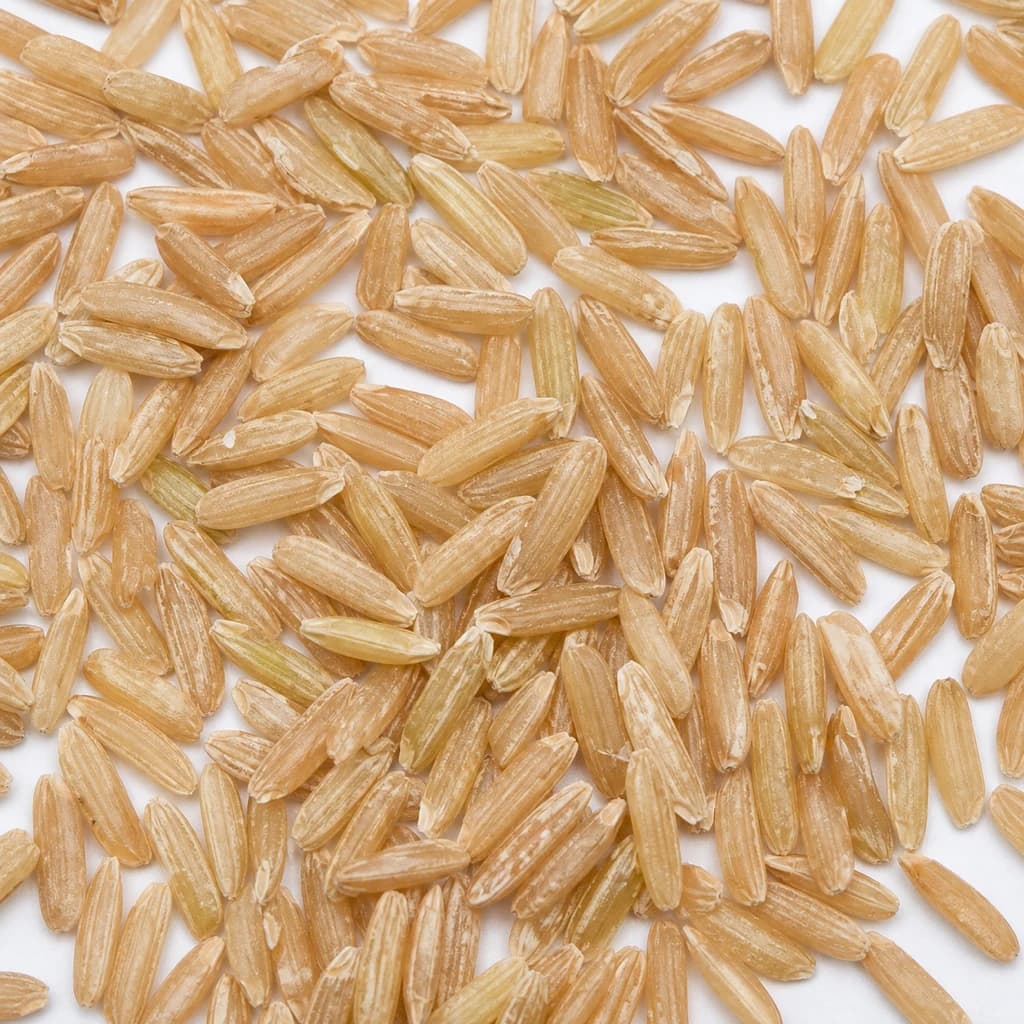
Brown Rice
Nutty, whole-grain rice with chew and extra fiber

Basmati Rice
Fragrant, long-grain rice that cooks up light and separate
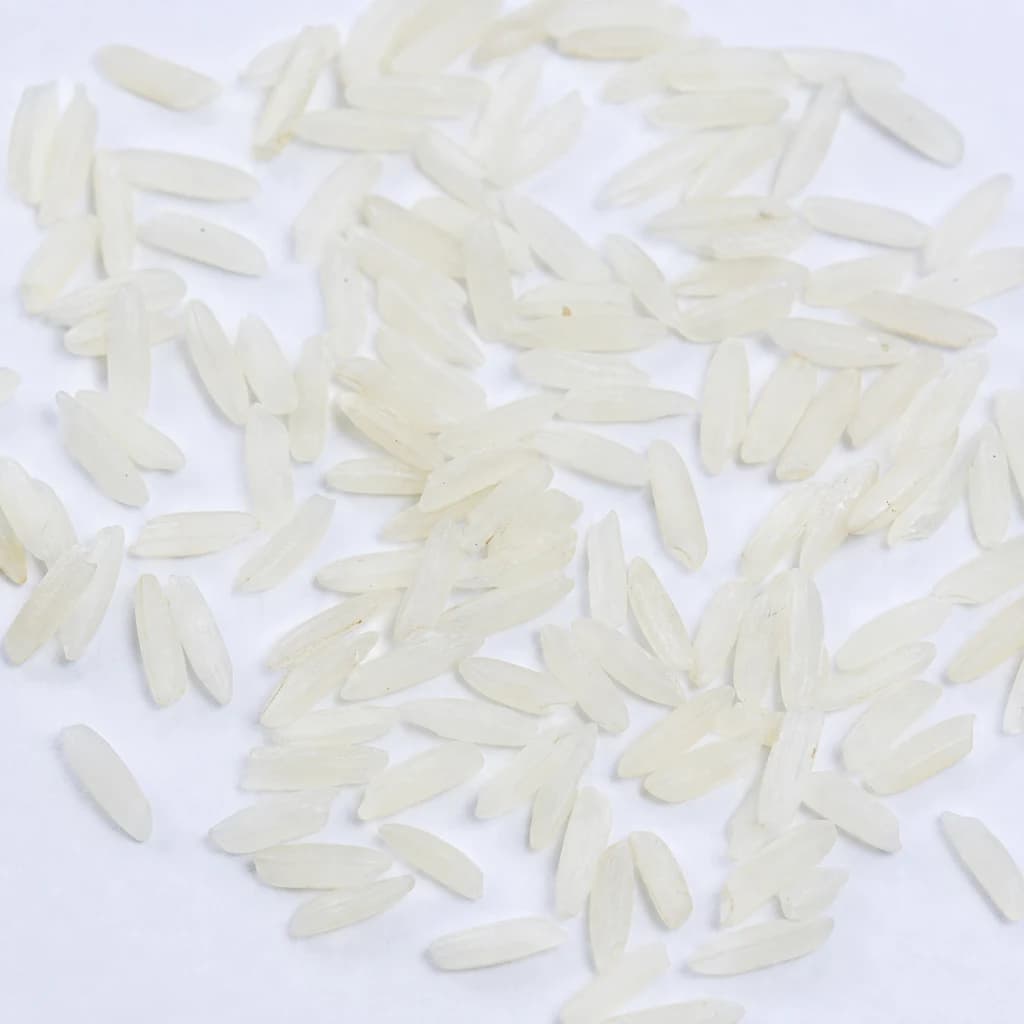
Jasmine Rice
Soft, floral-scented rice that's the pillar of Thai meals
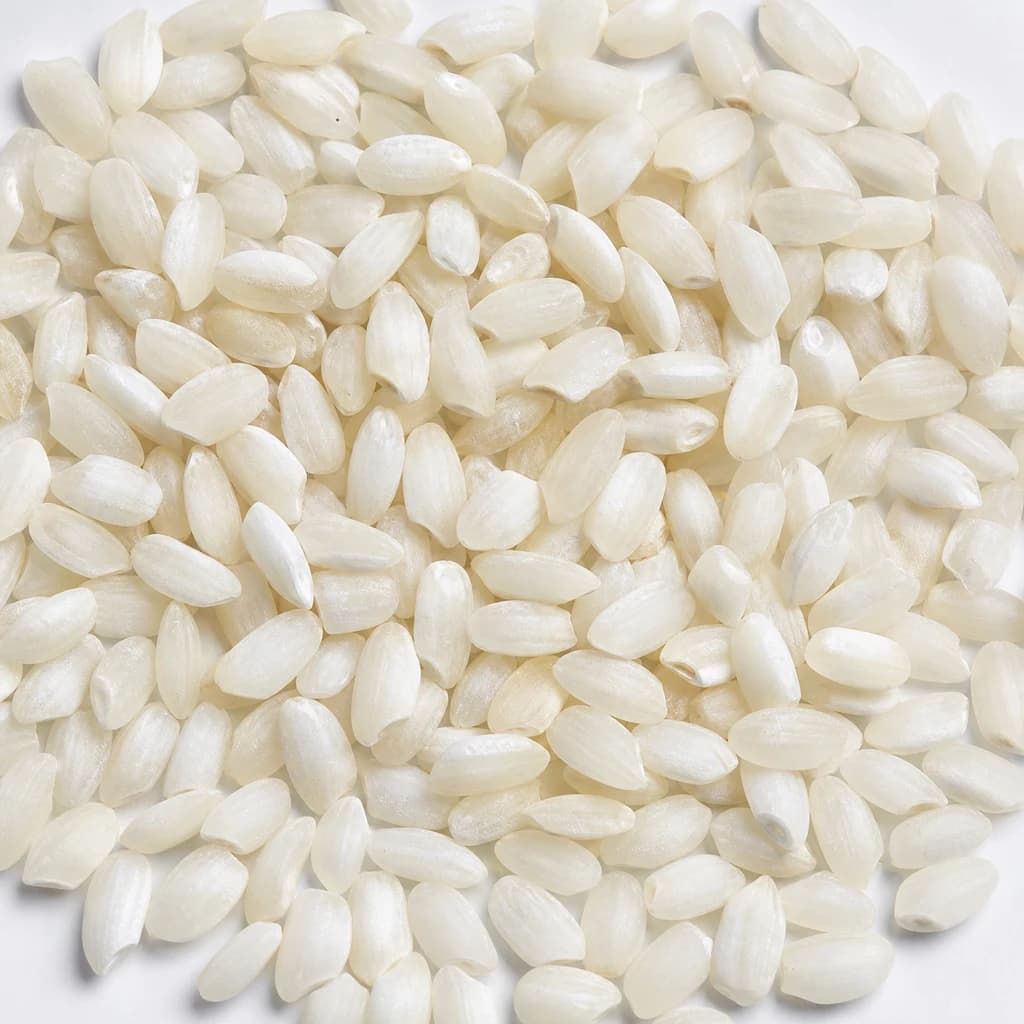
Arborio Rice
Plump, starchy rice that makes risotto creamy
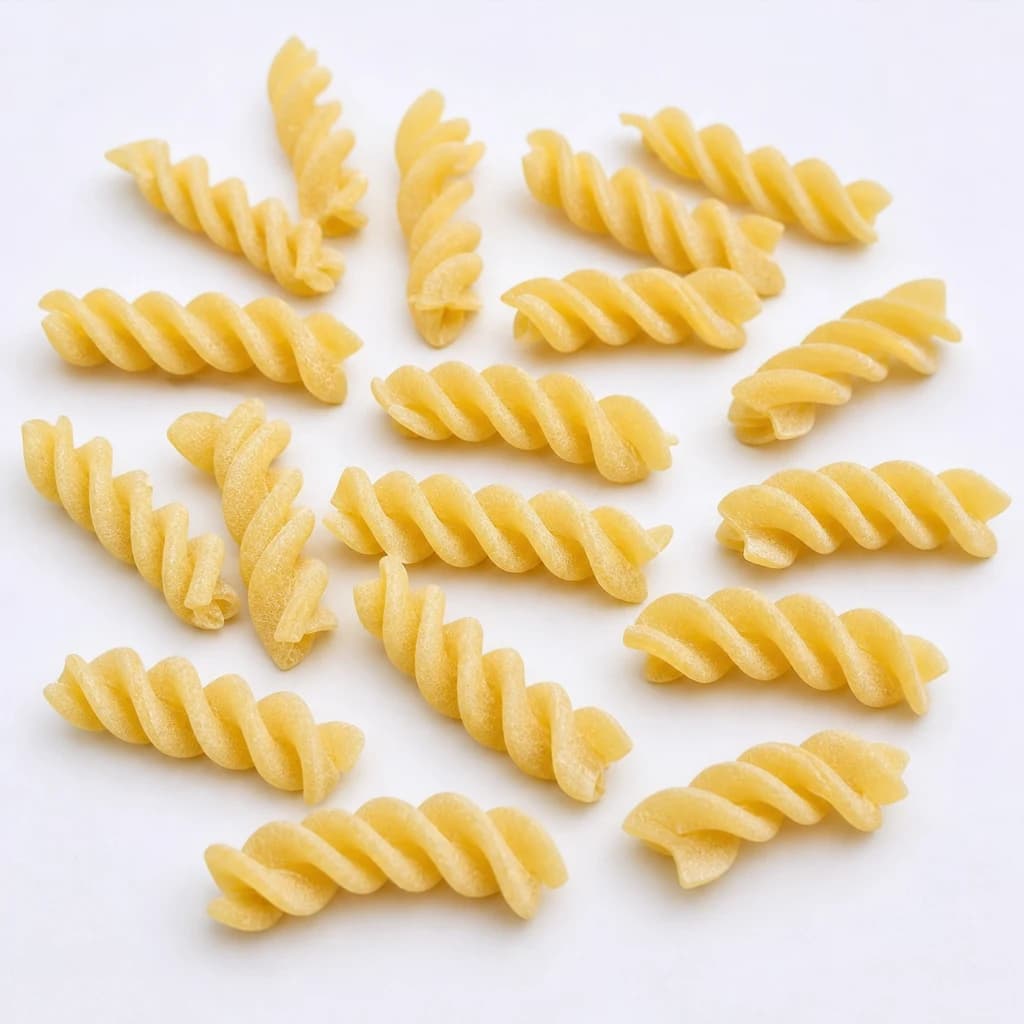
Fusilli
Spiraled pasta that twirls up sauce and dresses cold salads
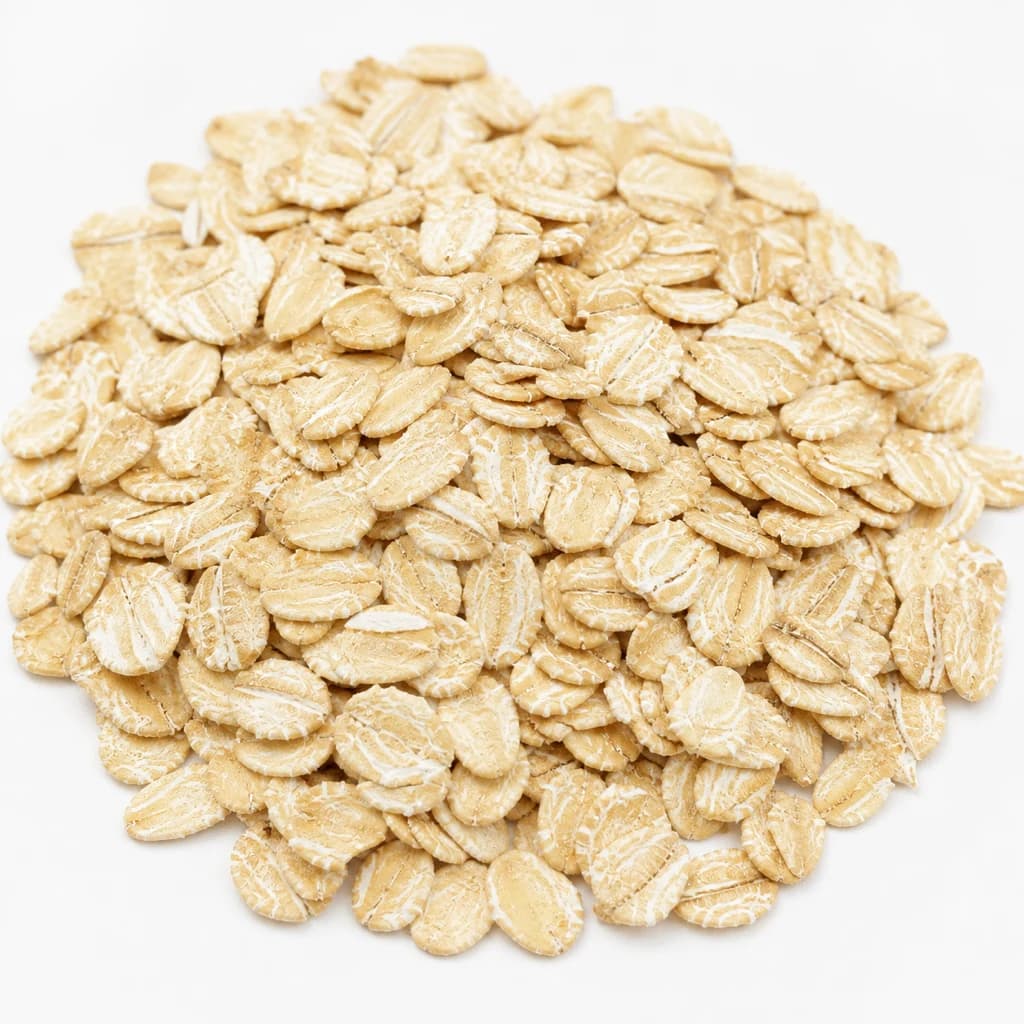
Rolled Oats
Hearty flakes for porridge, granola, and chewy cookies