
Natural form
Dulce de leche in its classic jar form — thick, amber, and glossy.
Shows the product as most people encounter it: a deep amber caramel spread with visible viscosity and sheen, establishing color, texture, and consistency.
Sweeteners
Dulce de Leche
Thick caramel made by slowly cooking sweetened milk, spread on toast or used in desserts.
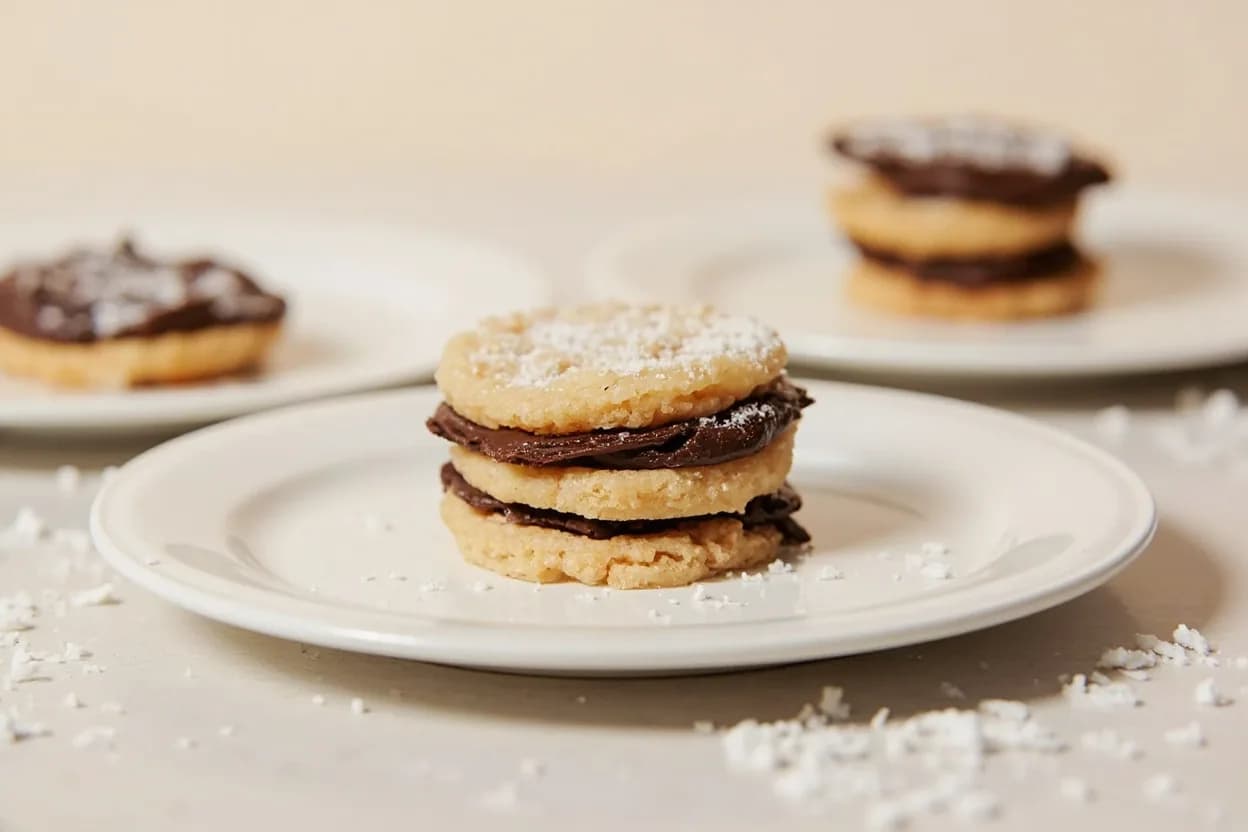
Dulce de leche is a thick, glossy caramel made by gently simmering sweetened milk until its sugars brown and the mixture thickens. Popular across Latin America, it is spread on toast and pastries, sandwiched in alfajores, swirled into ice cream, and used as a filling for cakes. Its flavor is deep caramel with a soft, spoonable, fudgy texture.
Dulce de leche is a thick caramel made by slowly cooking milk and sugar together until the mixture reduces to a spreadable consistency and develops a deep amber color. What sets it apart from conventional caramel is the Maillard reaction: as milk proteins cook alongside sucrose, they react with the sugar to produce rich, complex toffee and butterscotch notes that cannot be achieved by caramelizing sugar alone. The result is smoother, creamier, and more nuanced than burnt-sugar caramel.
The addition of a small amount of baking soda is nearly universal in dulce de leche recipes. It raises the milk's pH, which dramatically accelerates browning and reduces cooking time from hours to roughly one to two hours on low heat. Without it, the same result takes considerably longer and is harder to control. The color progression is predictable: pale tan at 15–20 minutes, progressing through golden amber to deep brown over 1–2.5 hours, reaching the ideal final temperature of 225–230°F (107–110°C).
Dulce de leche behaves differently from most spreads when cool—it firms considerably, making it essential to bring it to room temperature before spreading. In baking and dessert construction, it holds its shape well, making it ideal for fillings and roll-ins. Its stability when heated also makes it suitable for glazes and coatings that set as they cool.
- Measured in
- g
- Storage
- Pantry
Allergens
Types & varieties
Thinner, runnier consistency; the benchmark style. Often made with whole milk, sugar, and vanilla.
Mexican variant; traditionally made with goat milk, refined to a fudge-like consistency. Often flavored with vanilla and cinnamon.
Chilean and Peruvian versions; slightly lighter in color and flavor than Argentine dulce de leche.
Colombian version; similar to manjar, used as a dessert filling and spread.
South Asian (India/Pakistan) variant; closer to a thicker, fudge-like texture.
Thicker, more concentrated commercial grade used by pastry professionals.
Dulce de Leche vs. Caramel
The critical difference is the cooking medium. Conventional caramel is made by heating sugar alone (sometimes with water or cream) until the sugar caramelizes. Dulce de leche is made by cooking sugar in milk, which introduces milk proteins into the equation. These proteins undergo the Maillard reaction with the sugar, creating hundreds of flavor compounds—particularly 5-hydroxymethylfurfural (HMF) and various melanoidins—that give dulce de leche its signature depth and creaminess. Evaporated milk caramel, often sold as "dulce de leche" in stores, lacks this complexity because the milk proteins have already been heat-processed before caramelization begins.
The Condensed Milk Shortcut
Submerging an unopened can of sweetened condensed milk in boiling water for 2.5–3 hours produces a reliable dulce de leche. This works because the extended heat pressure-cooks the milk and sugar together inside the sealed can, mimicking the traditional Maillard process. However, this method requires constant attention—the water must remain at a rolling boil throughout, and the can must stay fully submerged. If the water boils away or the can is left unattended, the can can rupture, creating a dangerous situation. Always use tongs to handle the hot can and cool it completely before opening.
- Never leave the boiling can unattended
- Ensure water covers the can by at least 2 inches throughout cooking
- Cool the can completely before opening—the contents will be near 200°F
Common uses
Tips & pitfalls
- Use a heavy-bottomed pot — thin pots create hot spots that cause scorching
- Add 1/4 teaspoon baking soda per 4 cups milk; it raises pH and dramatically accelerates browning without altering flavor
- Stir frequently for the first 30 minutes, then nearly constantly as the mixture thickens
- Cook on the lowest possible heat — bubbles should barely break the surface
- Use a pot at least 3× larger than your starting liquid; the mixture roughly doubles in volume
- Watch carefully in the final 15 minutes — dulce de leche goes from perfect to burnt quickly
- If it seizes or turns grainy, reheat gently and whisk in 1–2 tablespoons warm cream
- Commercial condensed milk shortcut: submerge an unopened can completely in boiling water for 2.5–3 hours, monitored throughout
- Store with a thin layer of melted butter pressed onto the surface to prevent a skin from forming
- Bring to room temperature before spreading — cold dulce de leche is very thick
Nutrition
Energy
1318 kJ · per 100 g
Where the calories come from
Protein
6.8g
14% DV
Carbs
55.4g
20% DV
Fat
7.4g
9% DV
Fiber
0g
0% DV
Sugars
49.7g
of which
Sodium
129mg
6% DV
Source · USDA FoodData Central · Dulce de Leche
View on FDC →In the shops
Matched grocery products
No matched grocery products for Dulce de Leche yet.
Good to know
- Origin
- Latin America — Argentina, Uruguay, Chile, Peru, and Mexico; documented since the 19th century
- Primary Ingredients
- Milk, sugar, and a pinch of baking soda (accelerates Maillard browning)
- Flavor Profile
- Rich caramel, butterscotch, toffee; sweeter and creamier than burnt-sugar caramel
- Color Range
- Pale tan (15–20 min cooking) to deep amber-brown (1–2 hours)
- Final Temperature
- 225–230°F (107–110°C) — above milk's boiling point, below true caramelization
- Yield
- Approximately 1 cup from 4 cups milk and 1 cup sugar
- Shelf Life
- 2–3 weeks refrigerated; up to 3 months sealed with butter layer on top
- Difficulty
- Simple ingredients, requires patience — unattended or high heat ruins it
- Equipment Needed
- Heavy-bottomed pot, wooden spoon or silicone spatula, candy thermometer
- Cooking Time
- 1–2.5 hours on low heat (traditional); 2–3 hours boiling a can of sweetened condensed milk (modern shortcut)
- Key Chemistry
- Maillard reaction: milk proteins react with sucrose, producing complex toffee and butterscotch compounds
Substitutes
- Caramel sauce — Conventional caramel (sugar + cream) is thinner and more buttery; add a splash of milk to approximate richness.
- Toffee bits + cream — Melt Heath or Skor bars with a tablespoon of cream; lacks the milk-cooked depth but works in a pinch.
- Brown sugar syrup — Dissolve brown sugar in warm cream; far thinner, best as a drizzle, not a spread.
- Condensed milk (cooked) — Boil an unopened can of sweetened condensed milk for 2.5–3 hours (submerged in water); this is essentially dulce de leche and is the most reliable shortcut.
Also called
Manjar · Cajeta · Milk Caramel
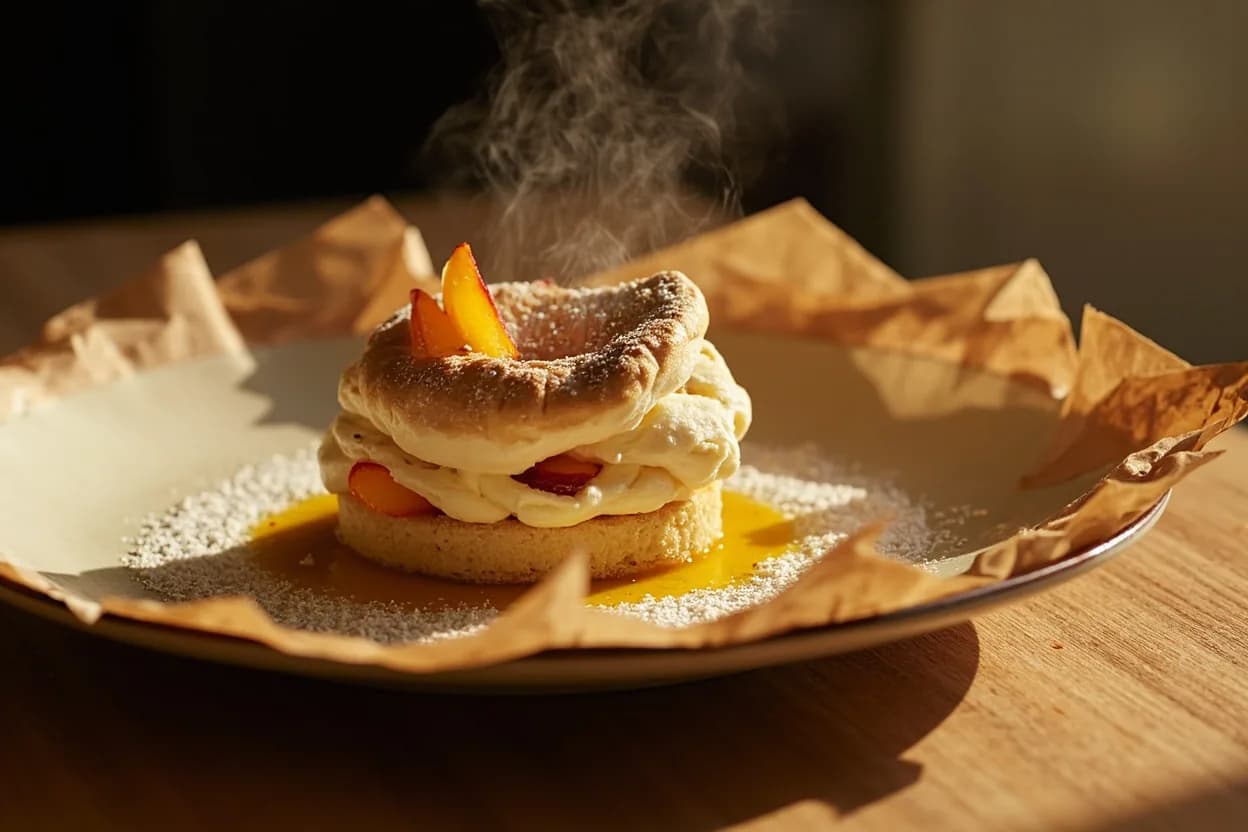
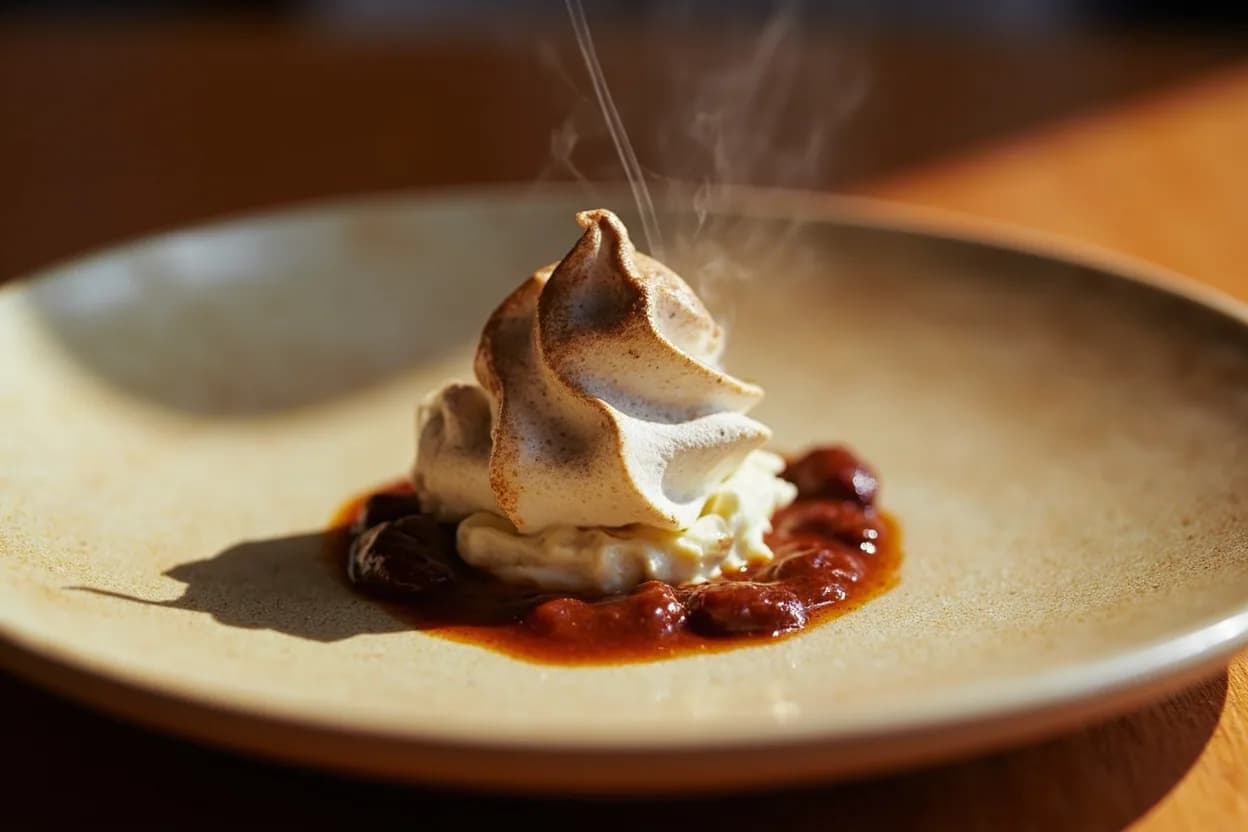
Appears in these dishes
Related

White Sugar
Clean, granulated sweetness for baking, drinks, and beyond
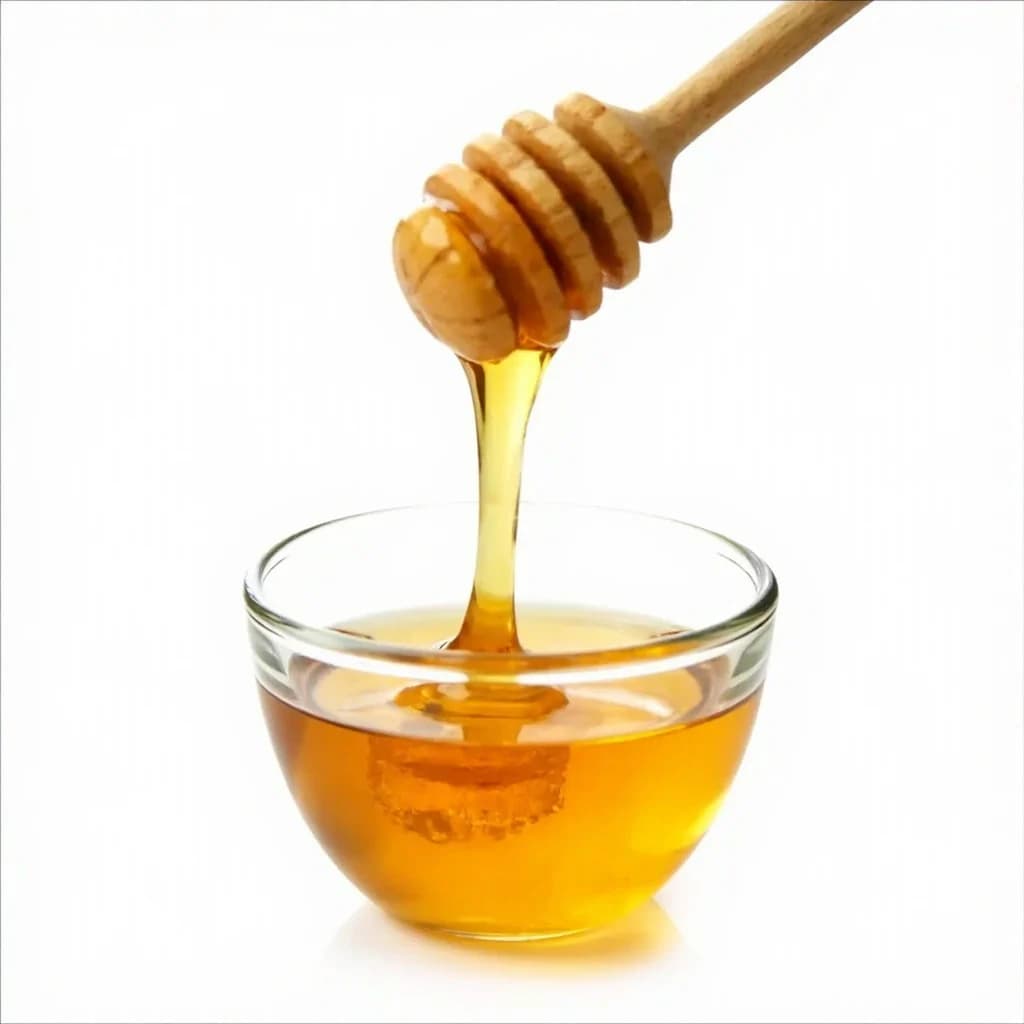
Honey
Floral, golden sweetener for drizzling, glazing, and baking
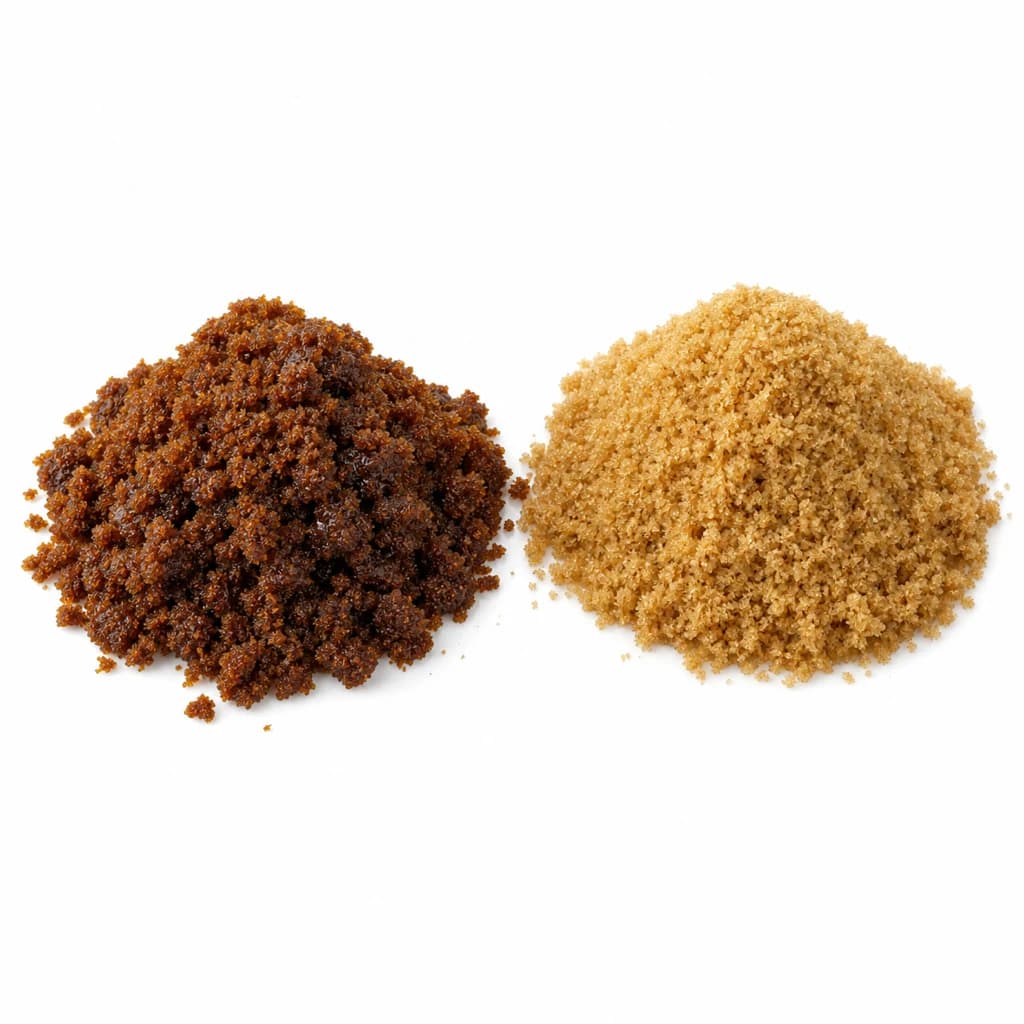
Brown Sugar
Moist, molasses-rich sugar for chewy cookies and glazes

Maple Syrup
Rich, woodsy syrup for pancakes, glazes, and baking
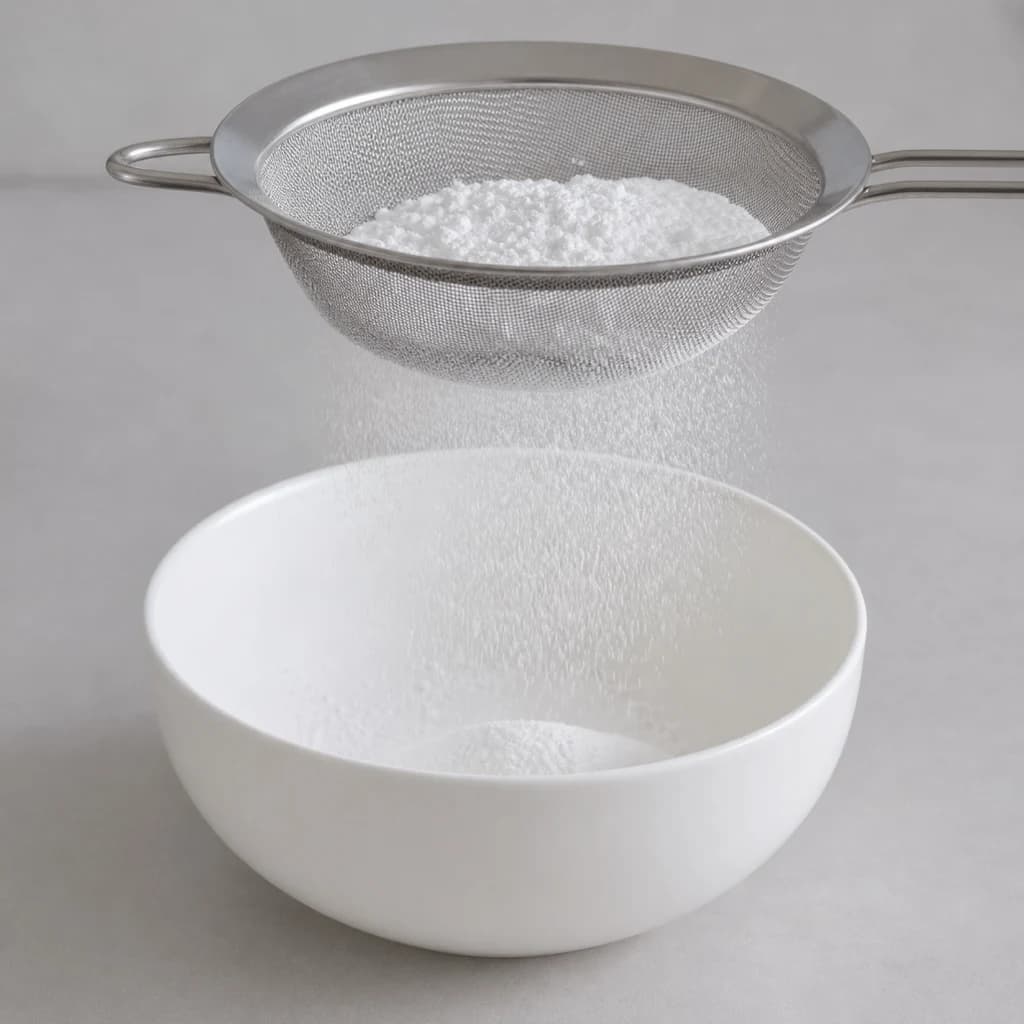
Powdered Sugar
Fine, dissolvable sugar for icing, dusting, and frosting
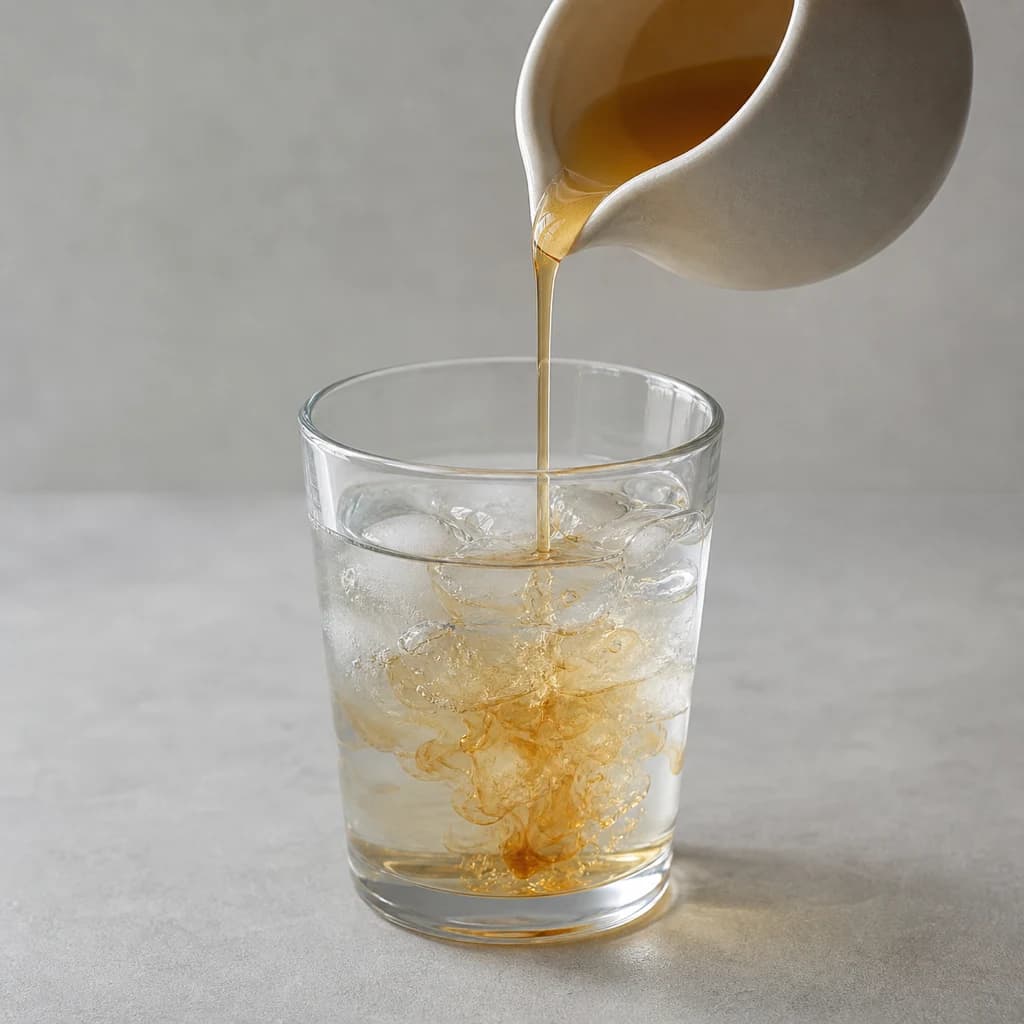
Agave Syrup
Mild, pourable sweetener that dissolves easily into drinks
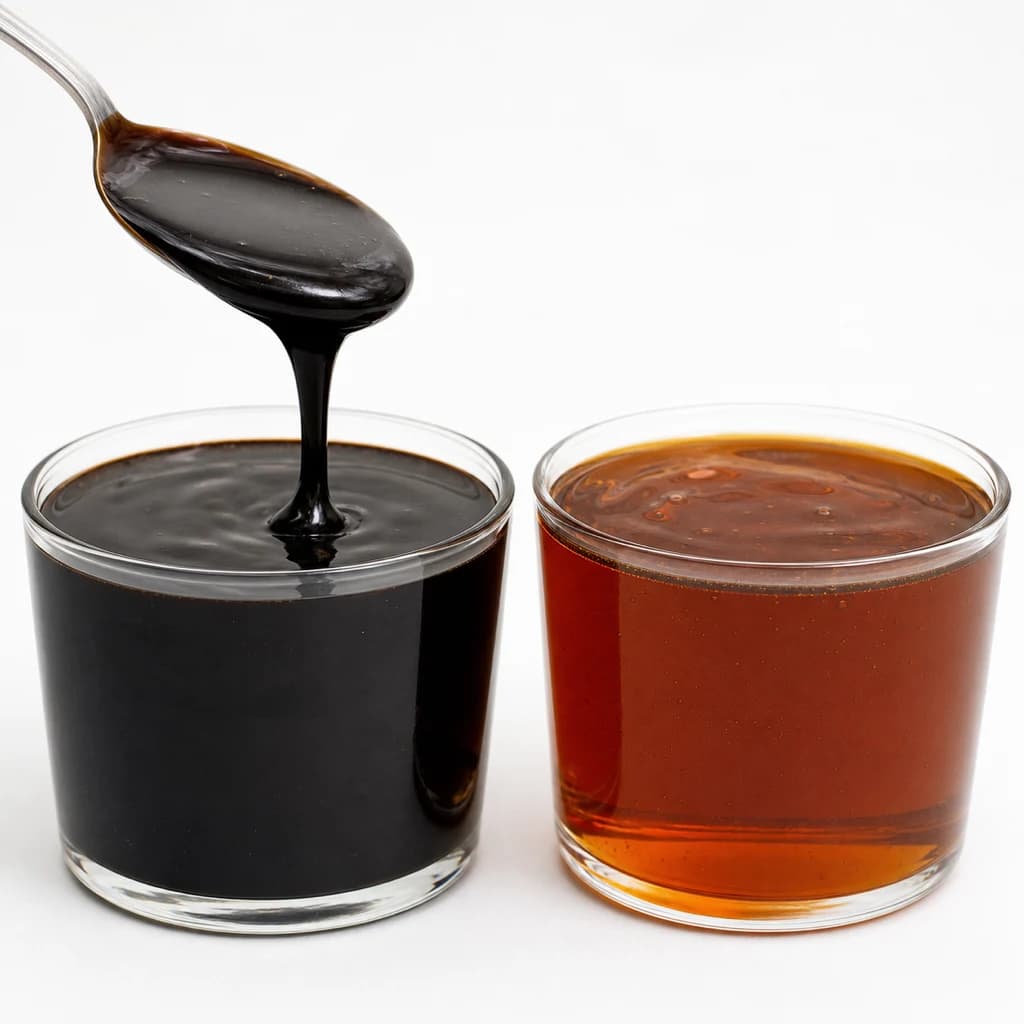
Molasses
Dark, bittersweet syrup for gingerbread, beans, and rubs
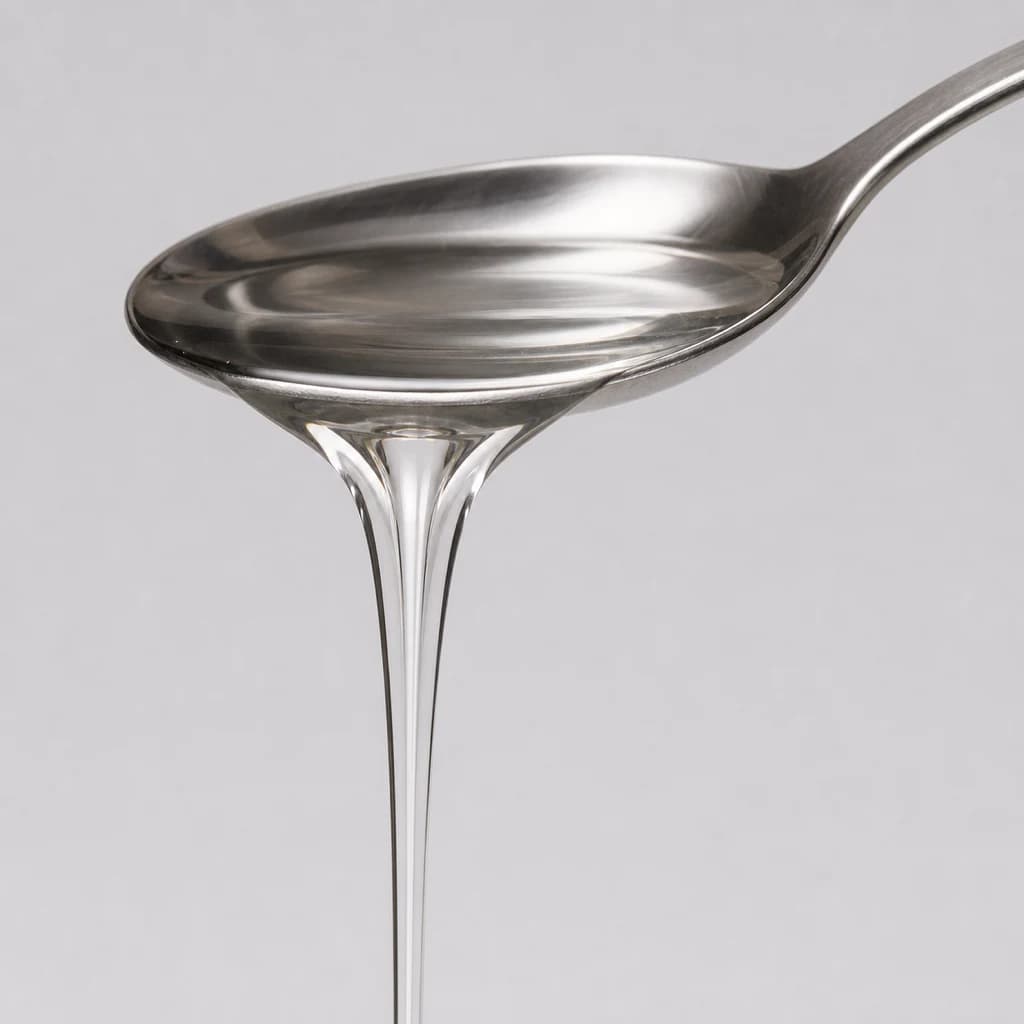
Simple Syrup
Dissolved sugar syrup for sweetening drinks and cocktails