Spices
Fenugreek Seed (Methi)
Hard amber seed with a maple-meets-bitter aroma; key to curry powders and pickles.
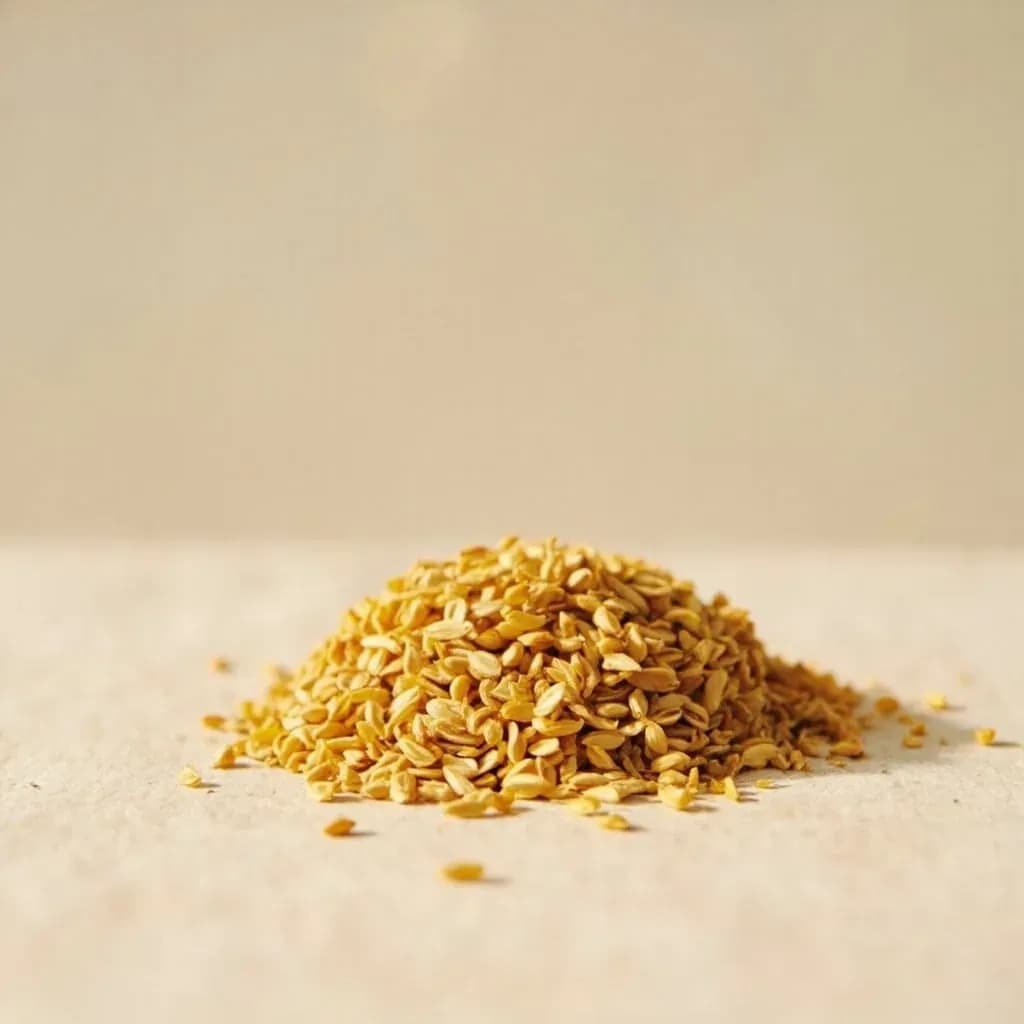
Fenugreek seeds are small, hard amber-colored seeds with a complex aroma that recalls maple and burnt sugar alongside a distinct bitterness. They are a foundational spice in Indian curry powders, dals, pickles and tempering, and are also used in Ethiopian and Middle Eastern cooking. Toast them briefly and use sparingly, as too many turn a dish bitter.
Fenugreek seeds are small, hard, amber-to-russet legumes with a deeply idiosyncratic flavor: bittersweet and maple-like when ground and bloomed in fat, raw and harsh when used without preparation. This duality places fenugreek apart from most spices—it functions simultaneously as an aromatic and a bittering agent, a combination found in few other pantry staples. The seeds contain sotolone, the same compound responsible for artificial maple flavoring, but also yield an assertive bitterness that can overwhelm a dish if used carelessly. In Indian cooking, fenugreek occupies a critical role in tempering (tadka), spice blends, and vegetable preparations; it appears across South Asian, Middle Eastern, Ethiopian, and North African cuisines, each using it for different ends.
The seeds behave differently depending on preparation. Whole seeds bloomed in oil or ghee release their fat-soluble aromatics and contribute a mellow, integrated bitterness with subtle sweetness. Ground seeds intensify more rapidly and are best added toward the end of cooking to preserve their maple note. When simmered for extended periods, the seeds become slightly mucilaginous, thickening and bodying liquids like a vegetable gum—this is useful in some contexts, unwanted in others. The distinction between fenugreek seed and its botanical relatives matters in the kitchen: fresh methi leaves (fenugreek greens) taste grassy and mildly bitter with no maple quality, while Kasuri methi—dried, sun-treated leaves—offers a concentrated, caramelized, umami-rich flavor entirely absent in the seeds. These are separate ingredients.
Fenugreek's bitterness is not a flaw to mask but a structural element that balances rich, fatty, or sweet components. The best fenugreek cooking is deliberate about timing, heat, and proportion: roasted to tame harshness, bloomed in fat to extract properly, paired with jaggery or coconut milk to soften its edge, and used sparingly because 1 teaspoon per substantial dish is typically the maximum. Get these variables right and fenugreek does something no other spice can—adds a savory, faintly sweet-bitter depth that makes curries and braises taste complete rather than merely spiced.
- Measured in
- g
- Storage
- Pantry
Types & varieties
Smaller, more pungent seeds; standard variety in South Asian cooking; also denotes the fresh leaf form
Hindi term for fenugreek seed; common in North Indian preparation descriptions; refers to the same seeds as Indian Methi
Dried, sun-treated fenugreek leaves (not seeds); concentrated, caramelized flavor essential in many North Indian curries—entirely separate product from fenugreek seeds
Fenugreek Seed vs. Fenugreek Leaves
These are distinct ingredients that do not substitute for each other. Fenugreek seeds are hard, amber legumes with a maple-bitter duality; fresh methi leaves are tender, grassy, and mildly bitter with no maple quality; Kasuri methi is dried leaf that has developed a caramelized, umami-rich character. Recipes calling for one do not work with the others. If a recipe specifies Kasuri methi and you use seeds, you will get a harsh, beany bitterness instead of the intended subtle, savory depth. If a recipe specifies seeds and you use fresh leaves, the dish will lack both the maple note and the proper bitter structure.
- Seeds: maple-bitter when prepared, harsh-raw otherwise
- Fresh leaves (methi): grassy, mild bitterness, no maple
- Kasuri methi: caramelized dried leaves, savory-umami quality
- None of these are interchangeable
Understanding the Bitterness
Fenugreek's bitterness is a feature, not a fault—used correctly, it provides a savory backbone that prevents dishes from tasting flat or one-dimensionally sweet. The bitterness integrates with fats, acids, and sweeteners rather than fighting them. In Indian cooking philosophy, this is part of why fenugreek appears in tempering alongside mustard seeds and dried red chiles: the bitter cuts the richness of ghee, balances sweetness in tamarind-based dishes, and anchors coconut milk curries. To use fenugreek well, accept the bitterness and learn to deploy it structurally: balance with jaggery in meat braises, with coconut milk in South Indian curries, with tamarind in chutneys, with tomatoes in masalas.
- Bitterness integrates with fat, acid, and sweetness
- Do not try to eliminate it—use it to balance dishes
- Fats (ghee, coconut milk) carry and soften bitter compounds
- Sweeteners (jaggery, palm sugar) counter and round bitter edges
- Acids (tamarind, lemon) brighten and cut bitterness
Common uses
Tips & pitfalls
- Dry roast whole seeds in a dry pan over medium heat until fragrant and slightly darkened, about 1–2 minutes—this mellows the harsh, beany bitterness and heightens the maple note
- Bloom seeds in oil or ghee before adding liquids—the fat-soluble flavor compounds extract more effectively than when added directly to water-based dishes
- Grind seeds just before using; the aromatic sotolone compounds oxidize rapidly once powdered and ground fenugreek loses potency faster than whole seeds
- Soak seeds overnight in water to reduce bitterness and soften the outer layer; drain before use in tempering or grinding
- Add early in cooking for mellow, integrated flavor; add at the end for sharper, more direct bitterness—choose based on the role you want fenugreek to play
- Balance bitterness with fat (ghee, coconut milk), sweetness (jaggery, sugar), or acid (tamarind, lemon)—fenugreek is a structural element, not a standalone flavor
- Account for the mucilaginous quality when cooking long—seeds thicken liquids similar to flaxseed; this is useful in dals, unwanted in thinner curries
- Common mistake: using too much—1 tsp seeds per substantial dish is the maximum; overuse makes dishes soapy or excessively bitter and dominates all other flavors
- Common mistake: skipping the roast—raw seeds contribute harsh, raw-beany bitterness rather than the desired maple nuance; always dry-roast before using in most preparations
- Store away from direct light; light degrades the sotolone compound responsible for the characteristic aroma, even in whole seeds
Nutrition
Energy
372 kJ · per 100 g
Where the calories come from
Protein
4.1g
8% DV
Carbs
17.3g
6% DV
Fat
0.5g
1% DV
Sodium
1mg
0% DV
Source · USDA FoodData Central · approx. Seeds, lotus seeds, raw
View on FDC →In the shops
Matched grocery products
No matched grocery products for Fenugreek Seed (Methi) yet.
Good to know
- Scientific name
- Trigonella foenum-graecum
- Family
- Fabaceae (legume family)
- Origin
- Western Asia and Eastern Mediterranean; cultivated in India, North Africa, and the Middle East for over 4,000 years
- Physical form
- Hard, angular, amber-yellow to reddish-brown seeds, 3–5 mm long with a central groove
- Flavor compounds
- Sotolone (maple-like aroma when ground); trigonelline and coumarin derivatives (bitterness)
- Fresh leaves (methi greens)
- Separate ingredient—grassy, mildly bitter, no maple note; not interchangeable with seeds
- Sprouting
- Seeds germinate in 3–7 days; sprouted seeds used raw in salads and sandwiches
- Yield (tadka)
- Typically 1 tsp seeds per 2–3 cups liquid or 500g dish
- Storage (whole)
- Airtight container, cool dark place; retains flavor 2–3 years
- Storage (ground)
- Airtight container, refrigerated; loses potency within 6 months
Substitutes
- Yellow mustard seeds — Similar size and function in tadka; slightly more pungent and sharp with no maple note; use 3/4 the amount
- Fennel seeds — Closest flavor approximation for the aniseed-sweet note; lacks bitterness and maple quality; better for aroma than bittering function
- Celery seeds — Similar bitter edge and seed size; distinctly different aroma; acceptable in small amounts for bittering function in pickles and spice blends
- Caraway seeds — Somewhat similar appearance and warm, bitter note; better in European contexts than South Asian; use sparingly
Pairs with
Also called
dried-fenugreek · methi · methi-seed
Appears in these dishes
Related
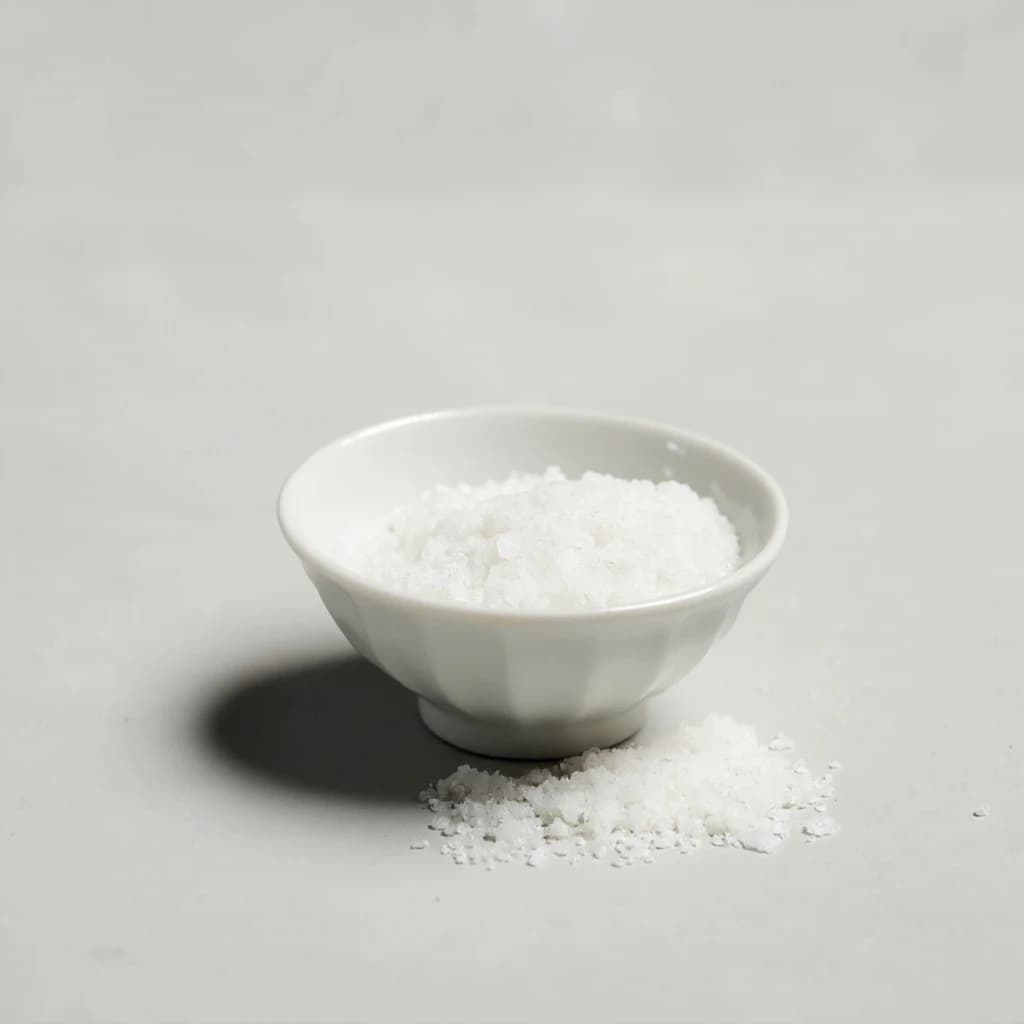
Salt
The one seasoning that makes everything else taste like itself

Black Pepper
Pungent, woody heat — best cracked fresh over anything savory
Amchur
Dried unripe mango ground to a tart, fruity souring powder
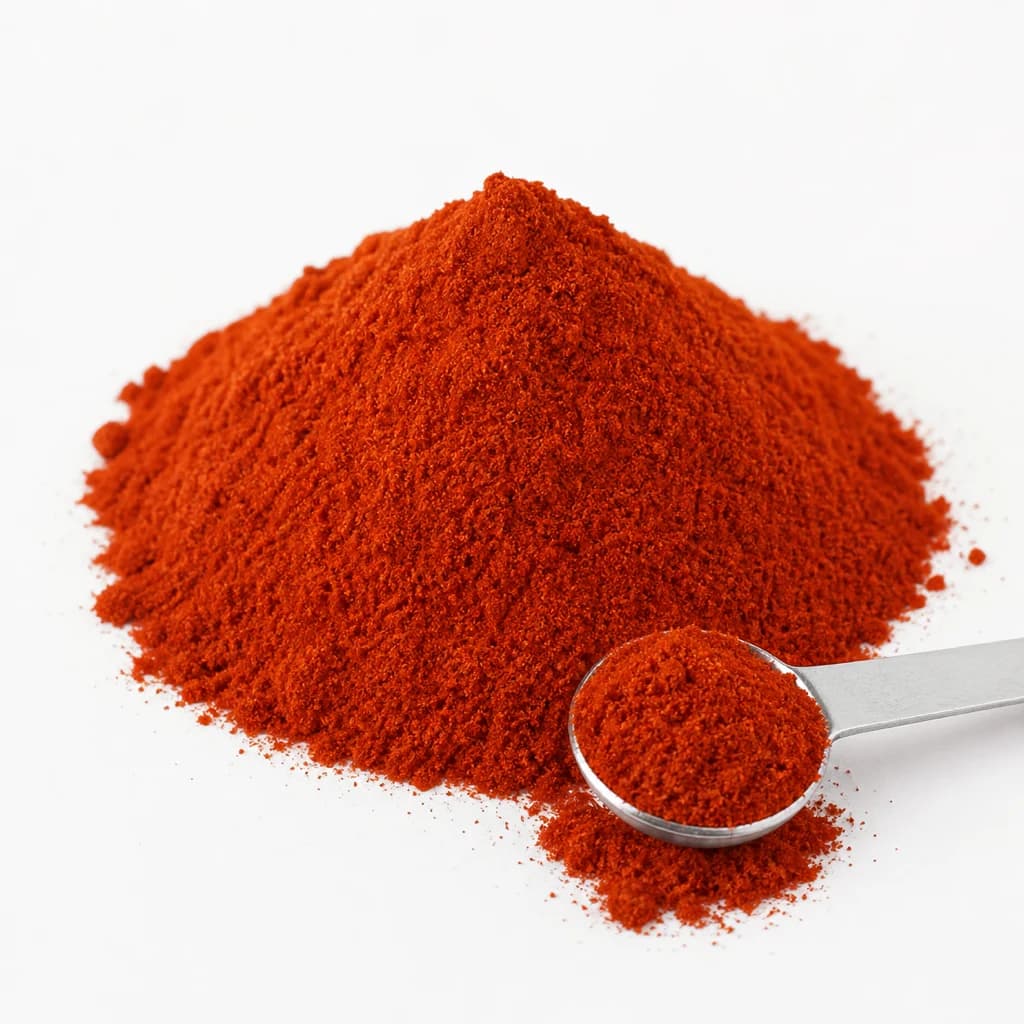
Paprika
Sweet, vivid ground pepper for color and gentle warmth
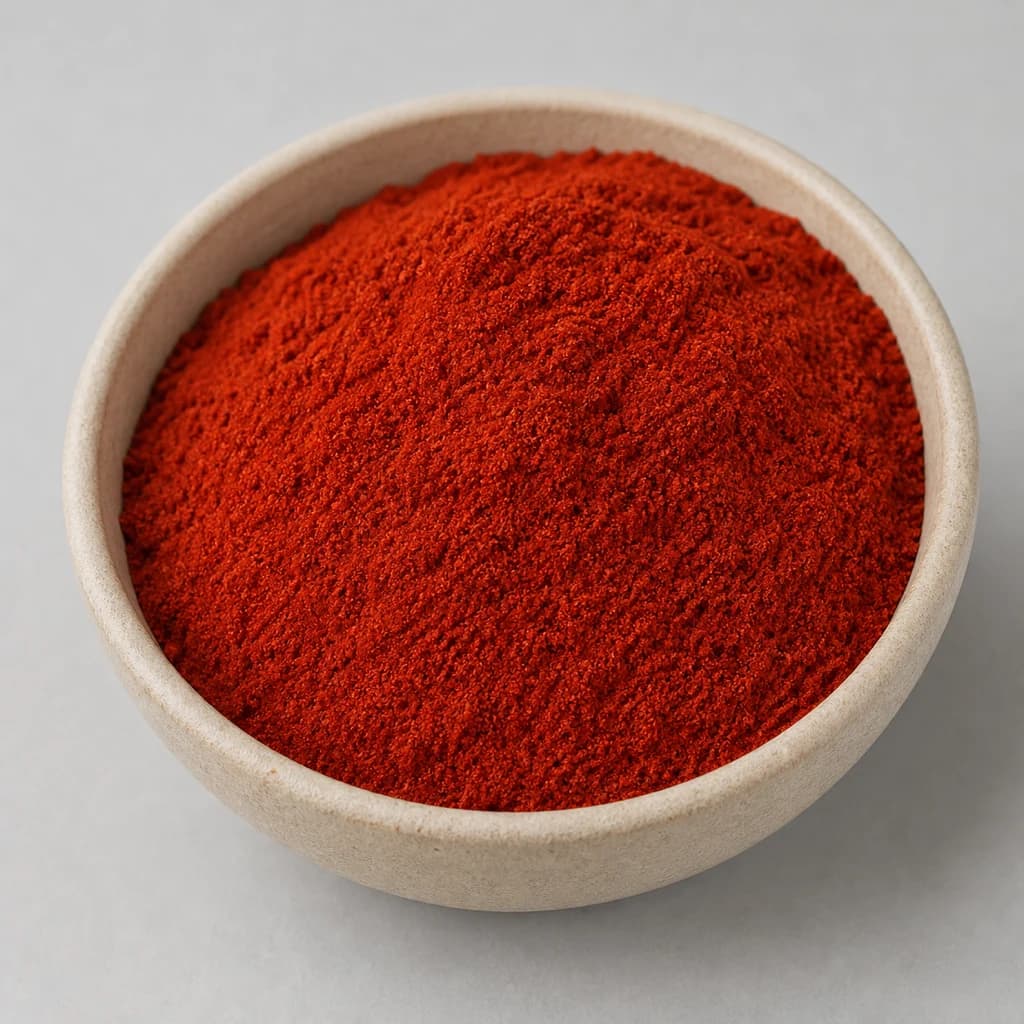
Smoked Paprika
Deep, smoky ground pepper for a campfire warmth
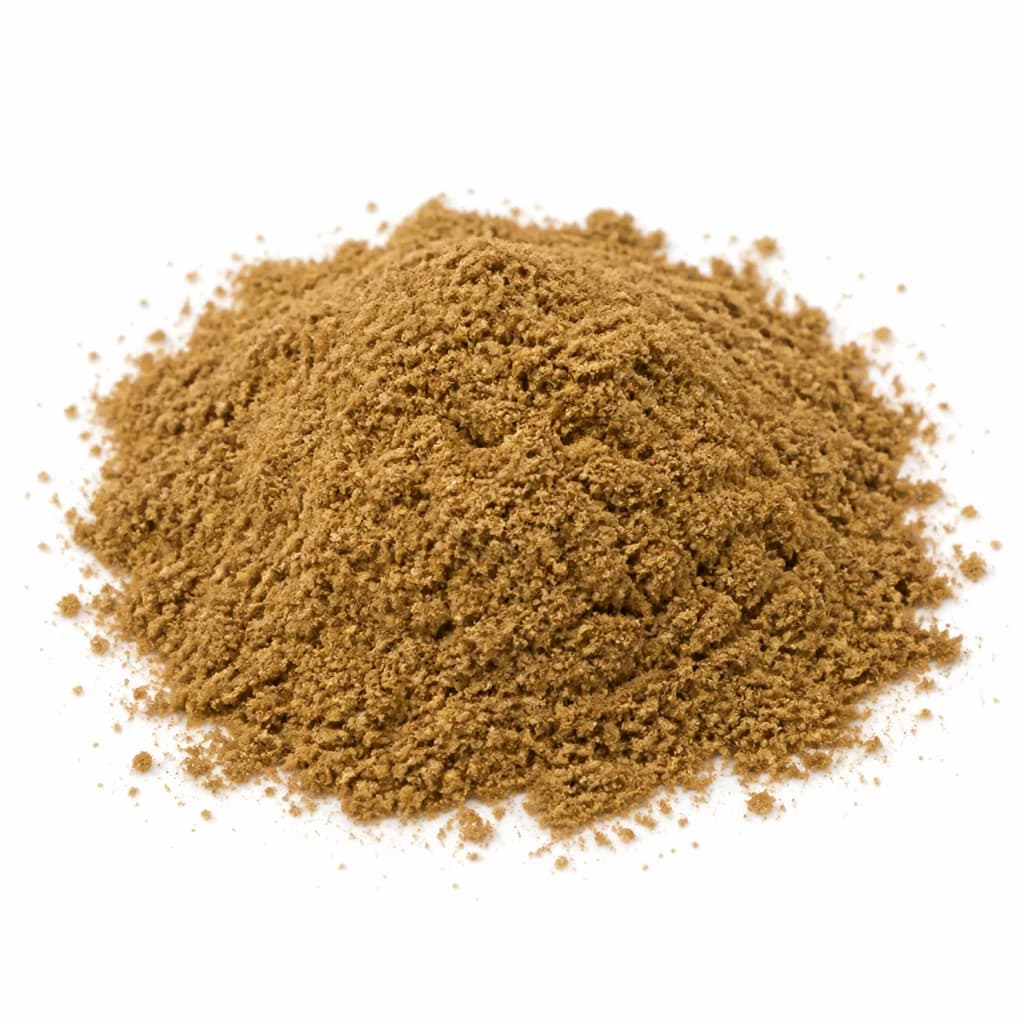
Cumin
Warm, earthy spice central to curries, chili, and tacos
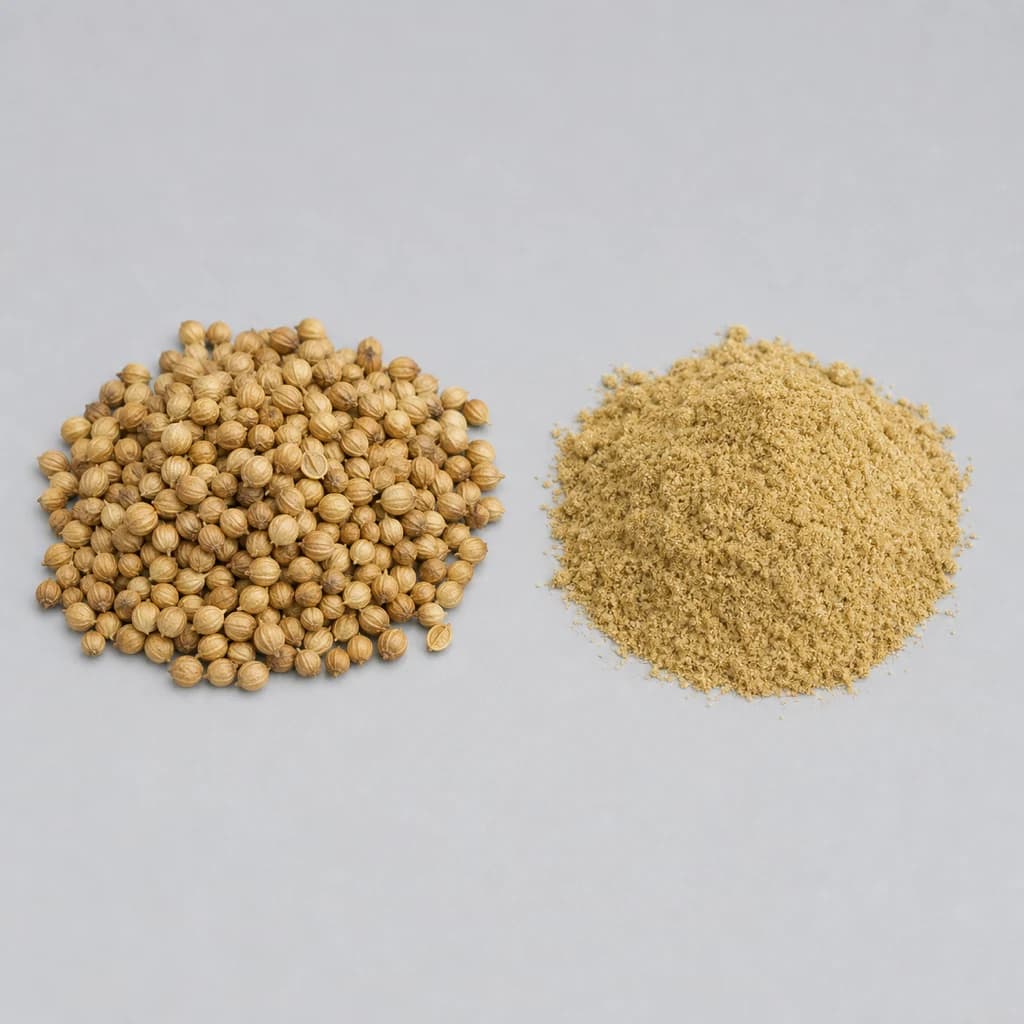
Coriander Seed
Citrusy, warm seed for curries, pickles, and rubs
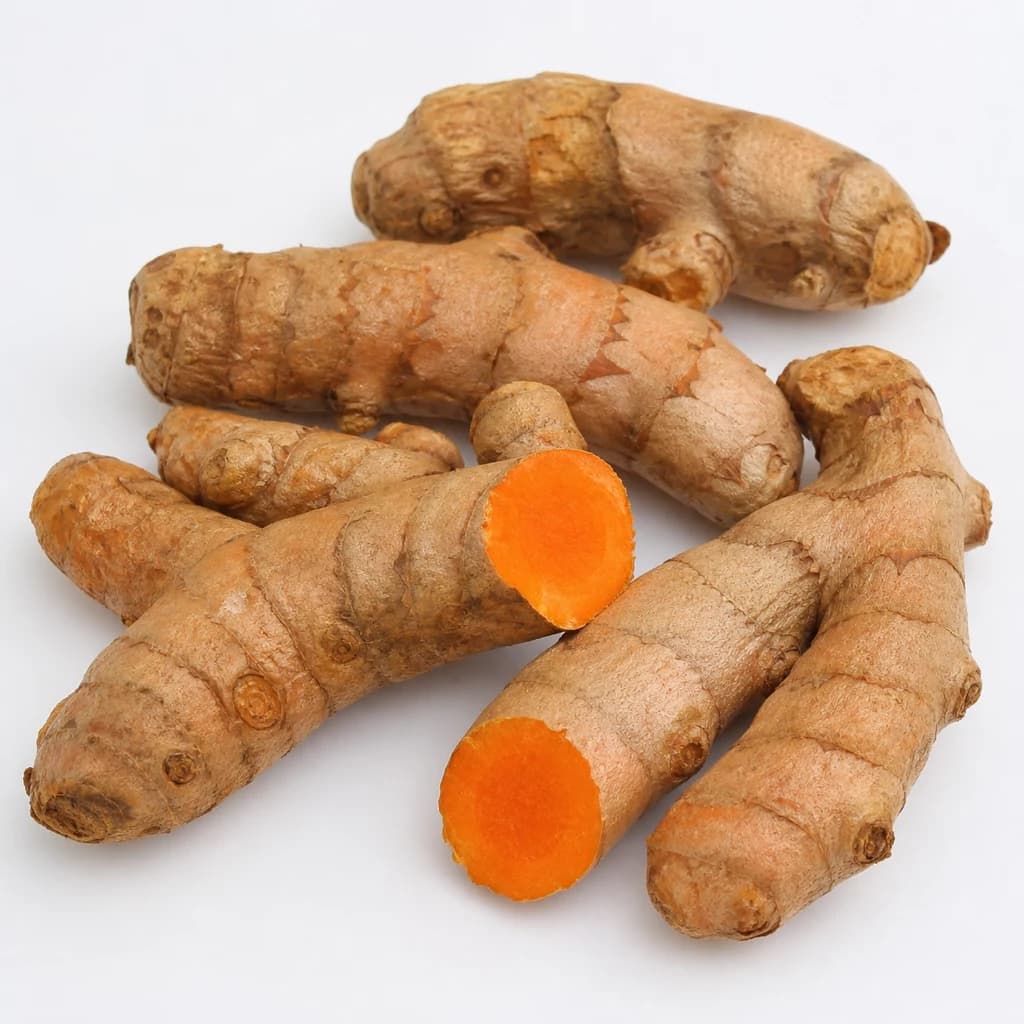
Turmeric
Golden, earthy spice for curries, rice, and color