Proteins
Fermented Dried Meat (Miriss/Kajaik)
Sudanese fermented, sun-dried meat used as a pungent flavoring agent.
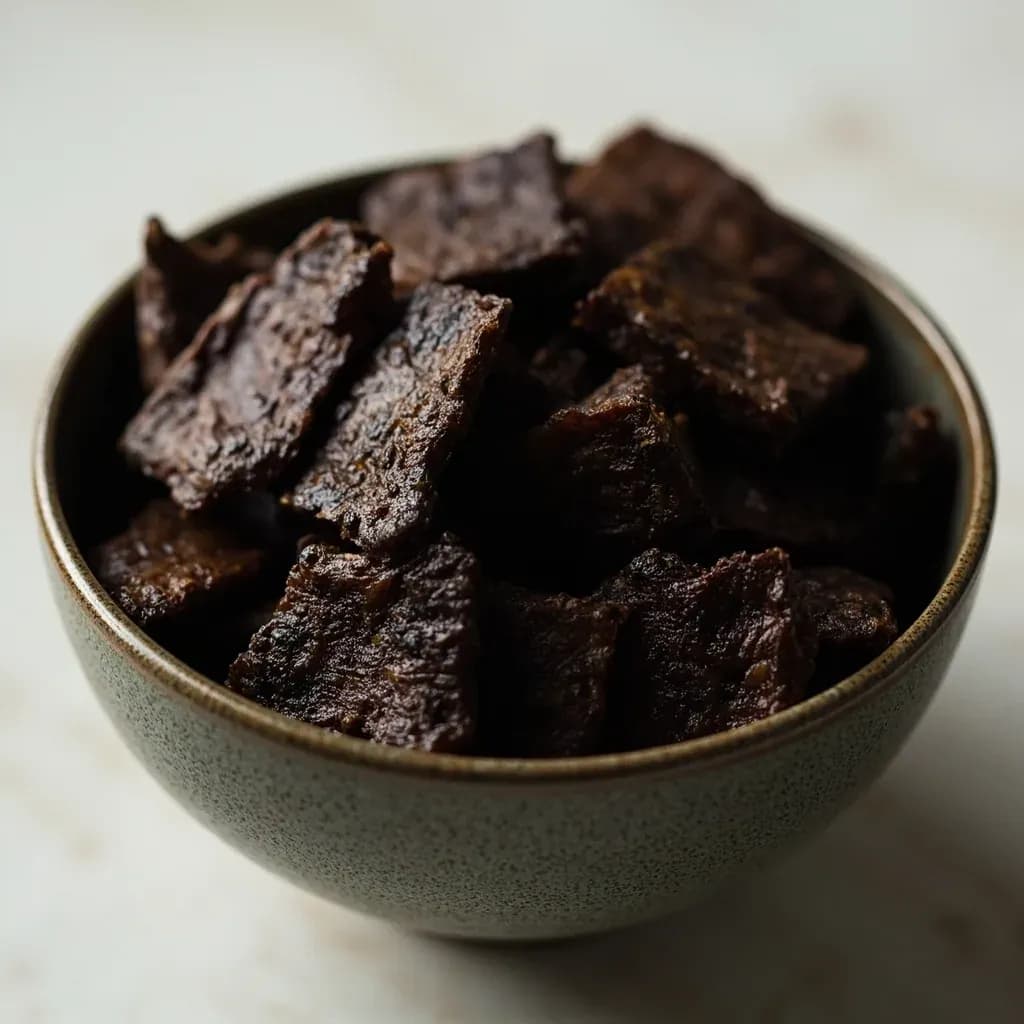
Miriss and kajaik are traditional Sudanese fermented and sun-dried meat and fat preparations used to season stews and sauces. The fermentation gives them a powerful, pungent aroma, and small amounts deeply flavor a dish. They are part of a long Sahelian tradition of preserving protein without refrigeration.
Miriss and kajaik are the cornerstone umami boosters of Sudanese and South Sudanese cooking—intensely savory, pungent dried meats that function as a flavor foundation for the starch-heavy dishes that form the backbone of the regional diet. Made from beef, goat, or sheep, the meat is spiced with coriander, cardamom, cinnamon, and dried chili, then sun-dried and allowed to ferment, developing a concentrated, funky depth that has no precise parallel in other cuisines. Think of them as the Sudanese answer to fermented fish sauce in Southeast Asia or bouillons in Western cooking: they are rarely eaten alone but instead work quietly in the background, adding complexity and savoriness to simple porridges, flatbreads, and stews. The flavor is intensely salty and deeply umami, with a distinctive fermented character that improves with age when stored properly.
Two main varieties exist: miriss, the more commonly market-available thin-sliced spiced beef or goat, and kajaik, the more pungent traditional preparation often made from goat or sheep that is considered the more authentic and historical form. Miriss and kajaik are essential for anyone cooking traditional Sudanese food, but they also reward experimentation by cooks seeking to understand how fermented proteins function across culinary traditions.
Because the flavor is so concentrated, a little goes an extraordinarily long way—a quality that makes these ingredients both powerful and unforgiving for the unfamiliar cook. The rehydration process yields not only pliable meat but also a deeply savory cooking liquid that should be used judiciously; it carries much of the extracted salt and can easily overwhelm a dish if added in full. Unlike fresh meat, which dominates a dish, miriss and kajaik dissolve into the background, lending body and depth to legumes, grains, and vegetables. Understanding this supporting role is key to using them well.
- Measured in
- g
- Storage
- Pantry
Types & varieties
Thinly sliced, spiced, sun-dried beef or goat; more commonly available in markets
Traditional fermented dried meat, often considered more pungent; historically made from goat or sheep
Common uses
Tips & pitfalls
- Start with a very small amount—typically 1–2 teaspoons of rehydrated meat per serving—because the flavor is extremely concentrated and salty
- To rehydrate, simmer gently in water or broth for 20–30 minutes until pliable; use the cooking liquid in your dish but be aware it carries much of the extracted salt
- Seek out authentic Sudanese grocery stores or specialty African/Arab markets for the best sourcing; availability outside Sudan remains limited
- Store in an airtight container in a cool, dry place; avoid refrigeration, which can introduce moisture and promote mold
- Account for the meat's inherent saltiness when seasoning your dish—taste as you go rather than automatically adding more salt
- Never discard the rehydrating liquid without tasting it first; it concentrates savory depth but also salt, so use it sparingly and adjust seasoning accordingly
- If the product develops an off smell or visible mold before its expected shelf life, discard it—this indicates improper storage rather than normal fermentation
- When first experimenting, add miriss or kajaik toward the end of cooking and let it simmer to meld with the dish rather than using it raw
Nutrition
Energy
1301 kJ · per 100 g
Where the calories come from
Protein
41.7g
83% DV
Carbs
34.7g
13% DV
Fat
3g
4% DV
Fiber
17.5g
63% DV
Sodium
10mg
0% DV
Source · USDA FoodData Central · approx. Meat extender
View on FDC →In the shops
Matched grocery products
No matched grocery products for Fermented Dried Meat (Miriss/Kajaik) yet.
Good to know
- Origin
- Sudan and South Sudan, traditional among Nilotic and other Sudanese ethnic groups
- Main Ingredients
- Beef, goat, or sheep meat; spices including coriander, cardamom, cinnamon, dried chili
- Form
- Sun-dried, fermented meat strips or pieces
- Flavor Profile
- Pungent, intensely savory, salty, with fermented umami notes
- Shelf Life
- Months to years when kept dry; improves with age
- Typical Use
- Flavoring agent, used sparingly—a little goes a long way
- Traditional Pairing
- Kisra (sorghum flatbread), asida (porridge), soups, and stews
Substitutes
- Dried shrimps (Asian style) — Provides similar intense umami and oceanic saltiness; use sparingly and adjust for seafood flavor
- Fermented shrimp paste (belacan/garum) — Offers comparable pungency and fermented depth, though from a different base ingredient
- Kimchi or other fermented vegetable condiments — Can approximate the funk and depth in vegetarian preparations, though not a direct flavor match
Pairs with
Also called
Miriss · Kajaik
Related

Egg
The kitchen's everything ingredient — bind, leaven, enrich, or fry
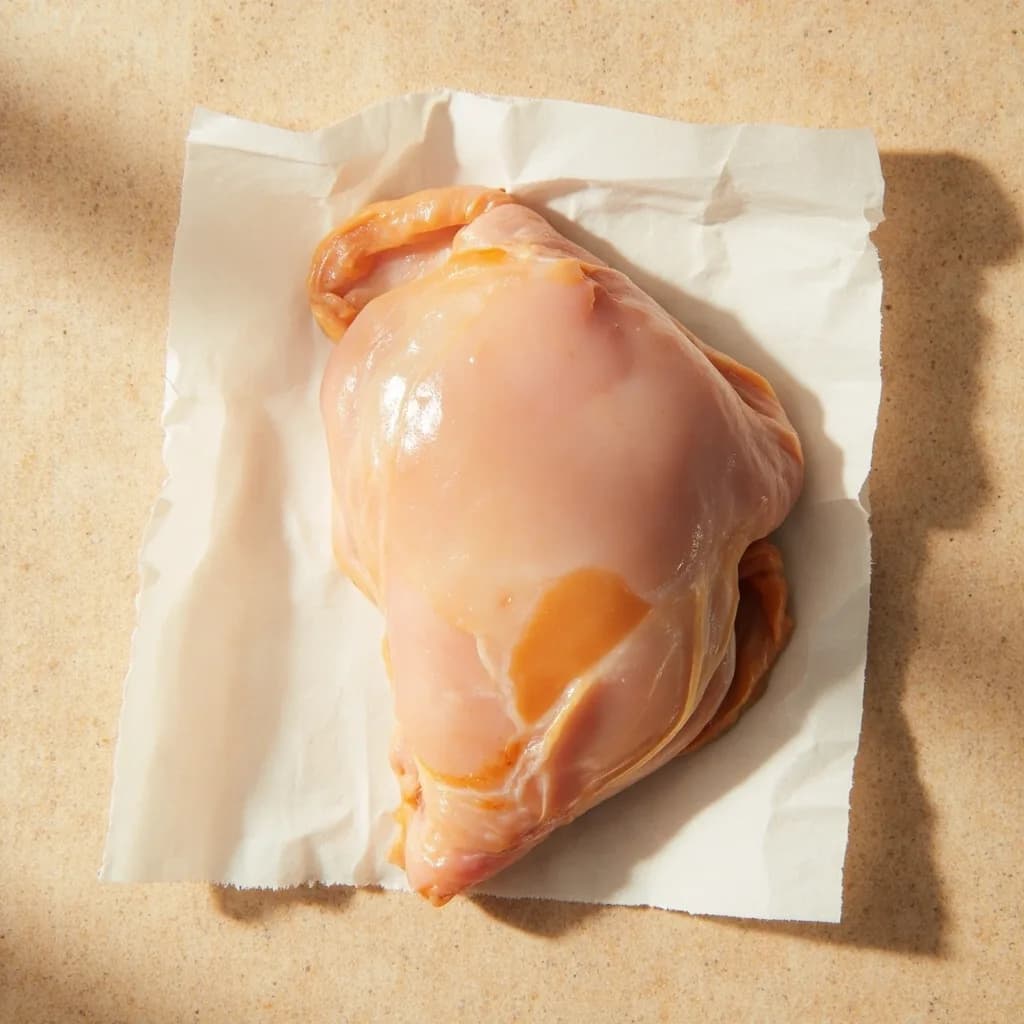
Chicken Breast
Lean, quick-cooking white meat for everyday dinners

Ground Beef
Versatile minced beef for burgers, ragù, tacos, and meatballs
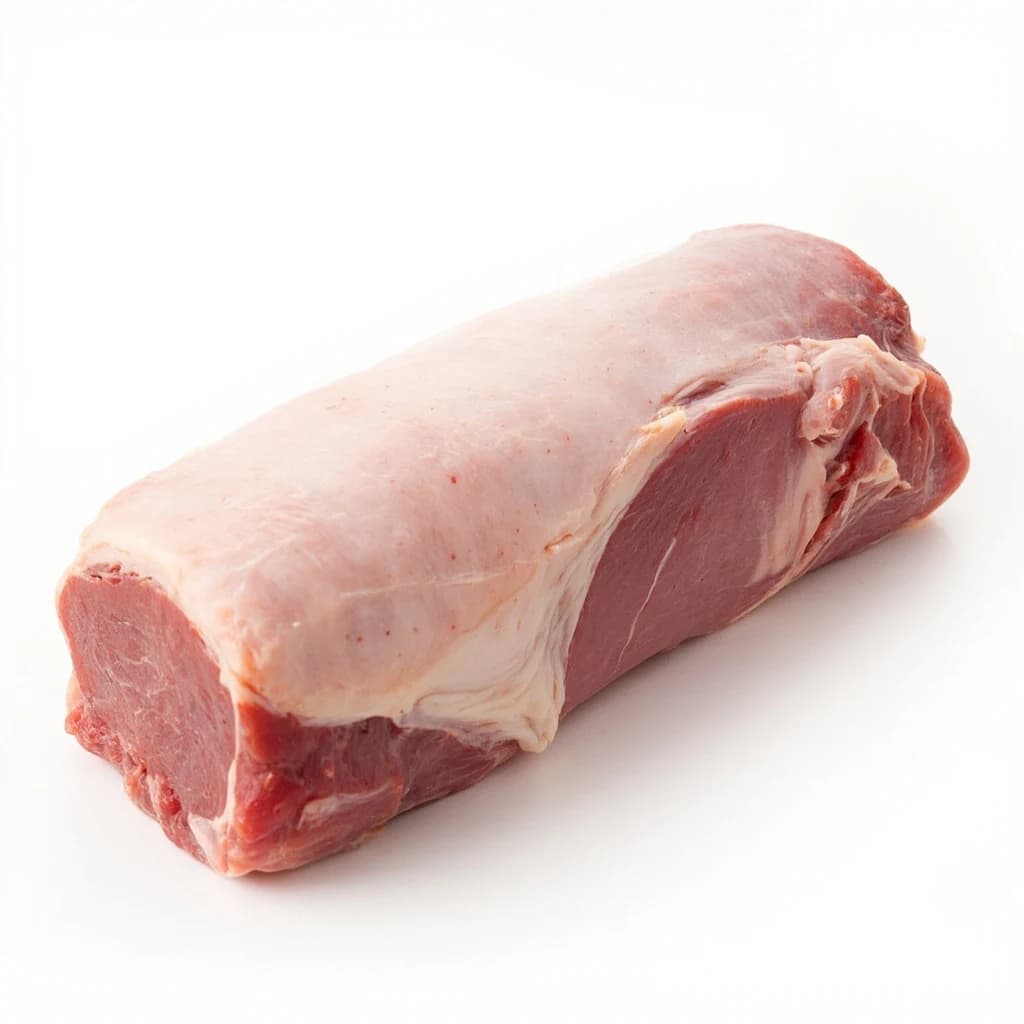
Pork Loin
Lean, tender roasting cut that stays juicy with care
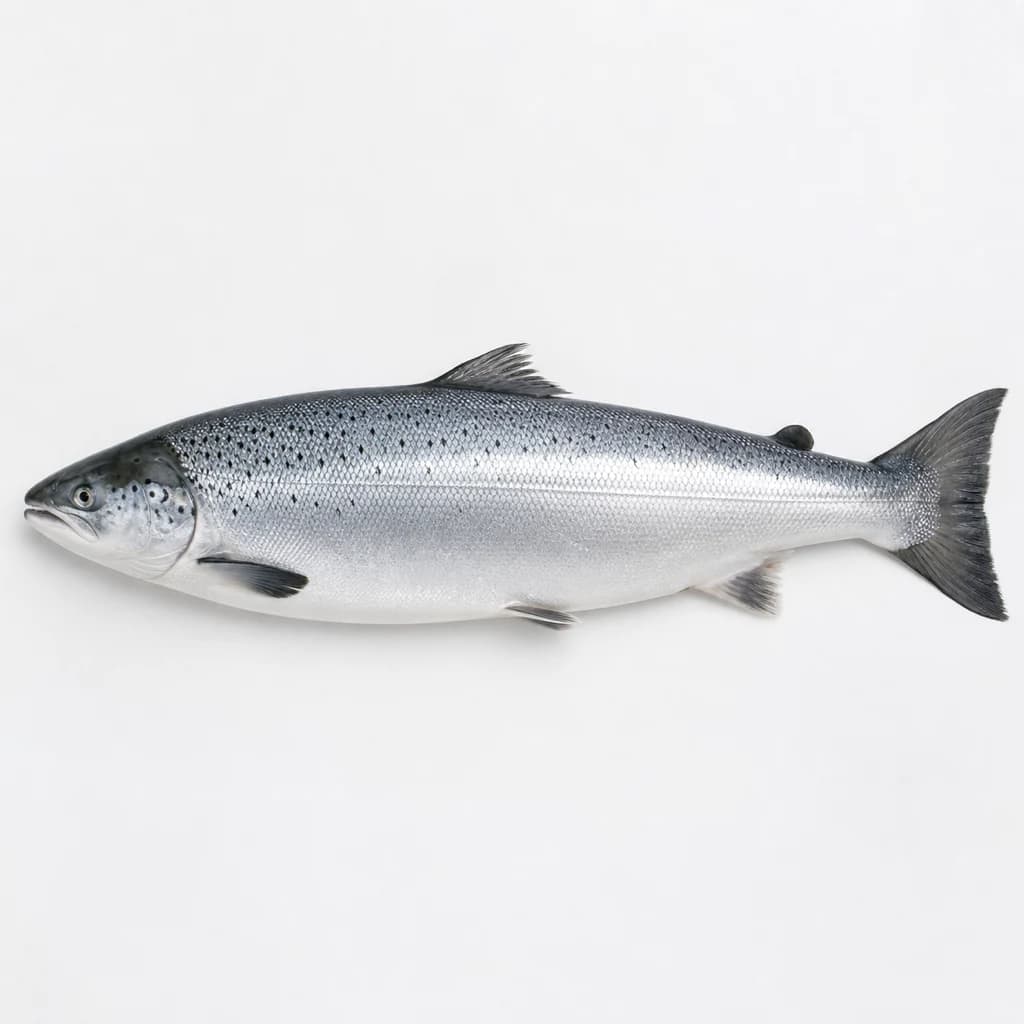
Salmon
Rich, rosy fish that roasts, grills, or cures beautifully

Egg White
Pure protein that whips to airy peaks for meringue and more

Egg Yolk
Rich, golden yolk for custards, mayonnaise, and pasta

Quail Egg
Tiny, speckled eggs for garnishing and elegant bites