Proteins
Fermented Fish
Salt-cured and fermented fish used as a pungent, umami-loaded seasoning across West Africa and Southeast Asia.
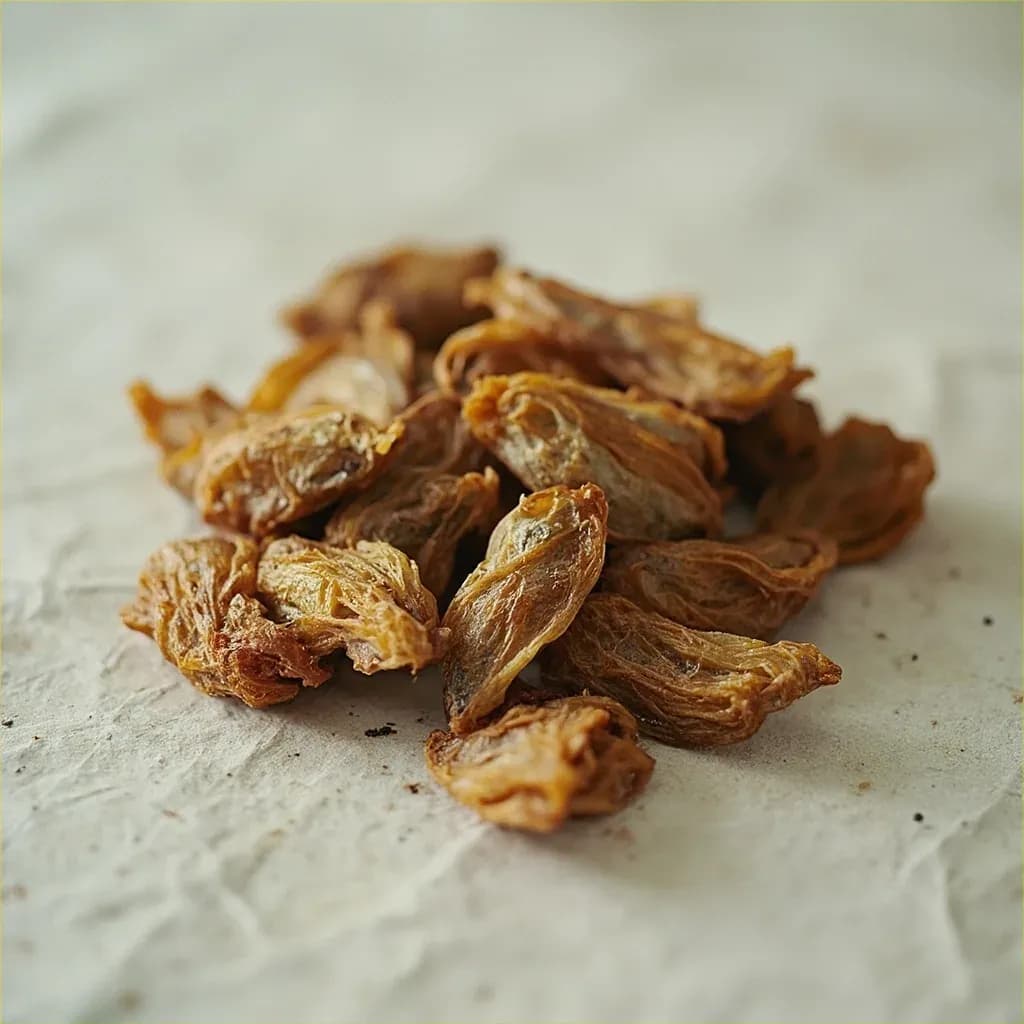
Fermented fish is fish preserved by salting and natural fermentation, producing a powerful, funky, umami-rich ingredient used in small amounts to season dishes. West African cooks add guedj or fasik to soups and stews, while Southeast Asian cuisines use similar pastes and dried forms as a savory backbone. A little transforms a pot with deep saltiness and depth.
Fermented fish is a category of intensely savory, salt-preserved proteins produced by layering small whole fish or fish parts with generous salt (typically 15–25% by weight) and allowing beneficial bacteria and yeasts to transform them over weeks to months. This ancient preservation technique developed independently across West Africa and Southeast Asia before refrigeration existed, converting perishable protein into shelf-stable condiments that could season meals year-round. The fermentation process is straightforward in principle but unforgiving in practice: salt creates an inhospitable environment for spoilage organisms while selectively encouraging the lactobacillus strains and yeasts that build the complex, pungent flavors cooks in these regions prize.
The flavor profile of properly fermented fish is unmistakable—deeply savory, intensely salty, with layered funky notes that add dimension rather than brute force. Unlike commercial fish sauce, which is often heat-treated and filtered to a clean, consistent product, traditional fermented fish retains more character and complexity. The texture varies dramatically by variety: some are smooth pastes, others are chunky sauces with visible fish fragments, and some are semi-solid pastes with crunchy fermented bits. When cooked, the aggressive aroma softens considerably, integrating into dishes as pure umami foundation rather than a detectable fish note.
In the kitchen, fermented fish functions as a seasoning agent rather than a primary protein. A small amount punctuates dishes with savory depth that anchors all other flavors. It behaves differently depending on preparation: bloomed briefly in hot fat at the start of cooking, it perfumes the entire dish; added near the end of braises, it contributes rounded savoriness without dominating; diluted with acid, sweetness, and heat, it becomes a dynamic dipping condiment. Understanding this ingredient means recognizing that a little goes further than you expect, and that the intense raw aroma is not what the finished dish will taste like.
- Measured in
- g
- Storage
- Pantry
Allergens
Types & varieties
Thai fermented fish paste; pink to reddish, intensely salty, used in som tum and fried rice
Philippine fermented shrimp paste; darker, more pungent than the fish version
Northern Thai and Lao fermented fish sauce with visible fish chunks; cloudy, strongly aromatic
Vietnamese traditional fermented fish sauce; darker and more pungent than commercial nuoc mam
Malaysian fermented fish sauce, traditionally made from anchovies; used in Malay and Peranakan cooking
Senegalese and wider West African fermented fish paste; intensely pungent, used in yassa and mafé
Lao fermented fish sauce with whole fermented fish chunks; essential to laap and jeow
Malaysian and Sumatran fermented fish with ginger and turmeric; slightly sweet, crunchy texture
Understanding Intensity and Use
Traditional fermented fish products vary enormously in strength, even within the same category. A Thai pla ra from one village can be twice as potent as another from a neighboring province. This variability means there is no universal measurement—cooks develop an intuition through tasting and adjusting. The most common mistake beginners make is measuring by volume rather than by flavor, leading to overseasoned dishes. Always taste and add in small increments, especially in dishes where the fermented fish is the primary seasoning.
Raw fermented fish has a sharp, aggressive aroma that many Western cooks find off-putting. This is normal and expected. The volatile compounds that create the raw smell (certain amines and organic acids) are largely driven off during cooking, transforming into the deep savory backbone that characterizes finished dishes. If you taste the raw product and are overwhelmed, give it a chance in a properly cooked dish before judging. The exception is when using fermented fish as a dipping condiment, where the brightness of raw flavor is intentional and desirable.
- Taste intensity varies by producer and region—season to flavor, not to measurement
- Raw aroma is not representative of cooked flavor; give dishes time to develop
- In dipping applications, raw intensity is intentional and desirable
- The saltiness in fermented fish can dominate other seasonings if not balanced with acid and sweetness
Common uses
Tips & pitfalls
- Add sparingly during cooking—intensity concentrates as liquid reduces, so season in stages and taste frequently
- Reduces or eliminates the need for added salt in recipes; adjust other seasoning accordingly to avoid over-salting
- Rinse lightly with water or dilute with lime juice if the finished dish is too pungent—the effect is immediate
- Store in an airtight container away from direct sunlight and heat; refrigeration extends shelf life further
- Bloom briefly in hot oil at the start of cooking to unlock deeper, more integrated flavor throughout the dish
- The pungent aroma diminishes significantly when cooked—trust the transformation rather than judging raw scent
- Start with roughly half the amount of fermented fish you think you need, then build from tasting, not guessing
- Common mistake: using commercial fish sauce expectations when cooking with traditional fermented fish—the flavor profiles differ substantially
- Texture varies significantly: chunky, paste, and liquid varieties are not interchangeable in equal proportions; adjust to texture and intended use
Nutrition
Energy
519 kJ · per 100 g
Where the calories come from
Protein
20g
40% DV
Carbs
0g
0% DV
Fat
4.2g
5% DV
Fiber
0g
0% DV
Sodium
60mg
3% DV
Source · USDA FoodData Central · approx. Fish, bluefish, raw
View on FDC →In the shops
Matched grocery products
No matched grocery products for Fermented Fish yet.
Good to know
- Origin
- Independently developed across multiple cultures in West Africa and Southeast Asia
- Primary Function
- Intense umami seasoning and condiment
- Flavor Profile
- Pungent, salty, deeply savory, funky fermented notes
- Salt Content
- Typically 15–25% by weight (preservative)
- Fermentation Period
- 2 weeks to 6 months depending on variety and method
- Shelf Life
- Months to years at room temperature once opened
- Typical Base Fish
- Small oily fish (anchovies, sardines, mackerel) or freshwater fish depending on region
Substitutes
- Commercial fish sauce — Milder and cleaner flavor; use in 1:1 ratio but expect a different profile—less funk, more straightforward salt-umami
- Worcestershire sauce — Contains fermented fish as an ingredient; different but functional in a pinch for quick applications
- Hoisin sauce — Sweet and less pungent; adds umami dimension but lacks authenticity—useful when fermented fish is unavailable
- Soy paste combined with shrimp paste — Approximates some flavor dimensions of fermented fish but lacks the particular funk and depth; better than nothing
Pairs with
Also called
Fasik · Fermented Dried Fish · Guedj
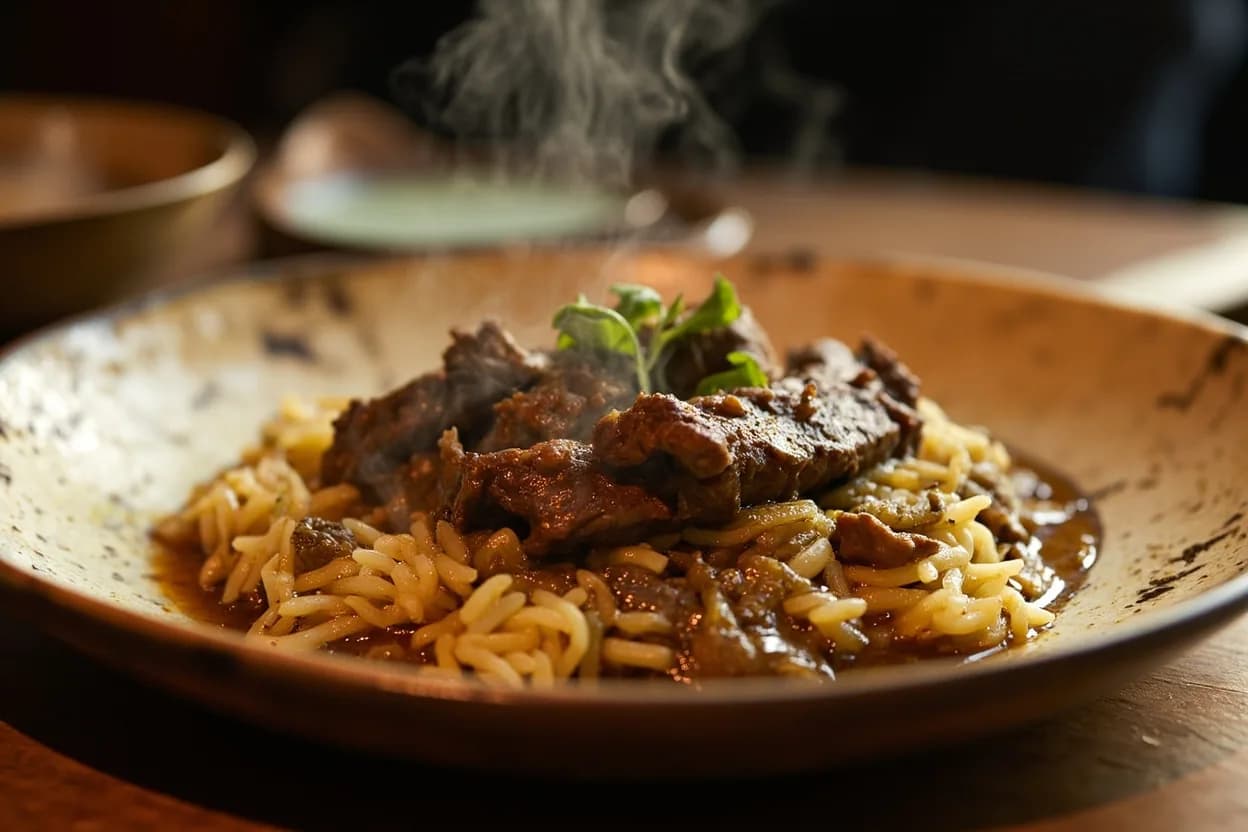
Appears in these dishes
Related
Egg
The kitchen's everything ingredient — bind, leaven, enrich, or fry
Chicken Breast
Lean, quick-cooking white meat for everyday dinners

Ground Beef
Versatile minced beef for burgers, ragù, tacos, and meatballs
Pork Loin
Lean, tender roasting cut that stays juicy with care
Salmon
Rich, rosy fish that roasts, grills, or cures beautifully

Egg White
Pure protein that whips to airy peaks for meringue and more

Egg Yolk
Rich, golden yolk for custards, mayonnaise, and pasta

Quail Egg
Tiny, speckled eggs for garnishing and elegant bites