
Stored
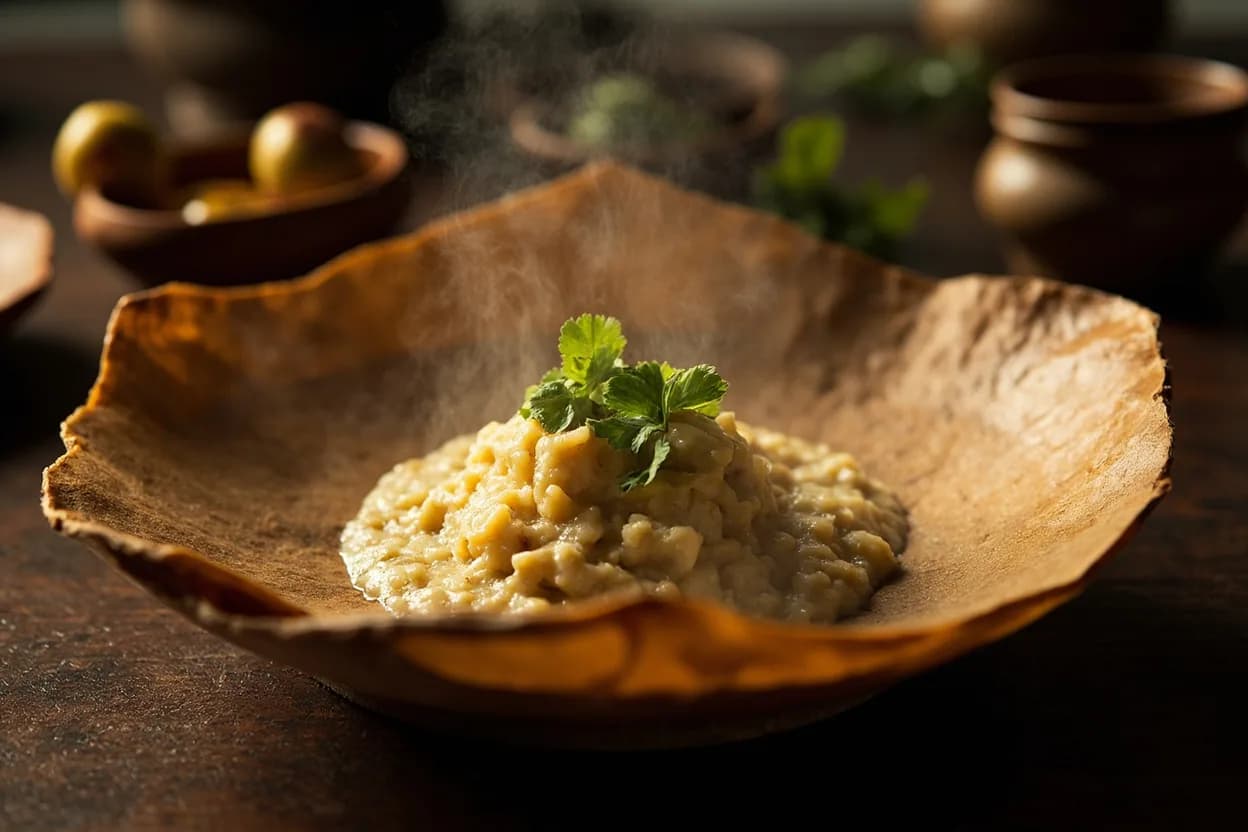
Gundruk sun-dried to a dark, crinkled mass ready to store year-round.
The dried form is the ingredient as purchased or stored — showing its color, texture, and compressed shape teaches immediate recognition.
Produce
Fermented Greens (Gundruk)
Sun-dried lacto-fermented leafy greens, sour and savory, used in Himalayan soups and pickles.
Gundruk is a Himalayan staple of leafy greens such as mustard or radish leaves that are wilted, packed to lacto-ferment, then sun-dried. The result is a tangy, deeply savory dried green that is rehydrated into soups, stir-fried, or made into a spicy pickle in Nepal, Bhutan, and Darjeeling. Its intense sourness comes from natural fermentation and stores well year-round.
Gundruk refers to a family of lacto-fermented leafy greens central to Nepali and broader Himalayan food culture. The process begins with hearty greens—mustard greens (rayo sag) most traditionally, though radish leaves and watercress also appear—wilted in full sun, then crushed and packed tightly into an earthenware vessel or bamboo container where naturally occurring Lactobacillus bacteria drive fermentation over one to two weeks. The result is an intensely sour, savory, umami-rich ingredient that functions simultaneously as a vegetable preservation method, a seasoning, and a condiment. Unlike vinegar or citrus, which provide straightforward acidity, gundruk carries the layered complexity of lactic fermentation: tangy, saline, and deeply savory in ways that evolve through cooking. The dried and ground powder form extends the ingredient's reach far beyond the fermentation season and into diaspora kitchens, making gundruk both a practical survival food and a pantry cornerstone with deep cultural weight. In Nepali households, gundruk—especially in the form of Gundruk Ko Jhol—is considered nourishing and restorative, often prepared for those recovering from illness.
- Measured in
- g
- Storage
- Pantry
Types & varieties
Made from mustard greens; the most common and traditional variety, with the fullest fermented flavor
Made from radish leaves; slightly different texture and a more subtle, radish-forward flavor
Sun-dried and ground gundruk used as a sour seasoning powder; the most shelf-stable form
Pickled version tossed with oil, chili, and spices; served as a condiment alongside rice and dal
The Fermentation Process
The craft of making gundruk hinges on three sequential stages: wilting, crushing, and fermenting under pressure. Greens are first spread under strong sun until fully flaccid—this step is not cosmetic; under-wilted leaves retain too much structure and release insufficient brine during crushing, which stalls fermentation and invites spoilage. The wilted greens are then kneaded and crushed by hand until a copious green juice pools in the vessel. This juice is the fermentation medium; without it, the greens ferment unevenly or spoil. The crushed mass is packed extremely tightly to eliminate air pockets, then weighted and left at cool room temperature. Lactobacillus bacteria, present on the leaves and in the environment, rapidly dominate in the anaerobic, saline conditions, producing lactic acid that pickles the greens. The process is essentially complete within 5–15 days; beyond that, over-fermentation turns the greens mushy and excessively sharp.
- Fully wilt greens before crushing—test by squeezing a fistful; no firm stems should remain
- Crush and knead until visible juice pools at the bottom of the vessel, typically 5–10 minutes of firm work
- Pack greens tightly with no air pockets; use a clean weight on top to keep greens submerged in their own brine
- Ferment at 15–20°C for the cleanest, most controlled sourness; warmer temperatures speed fermentation but risk over-sharpness
Dried Form and Storage
Sun-drying fermented gundruk converts a perishable ingredient into a shelf-stable pantry staple with no loss of functionality. Spread the fully fermented greens in a single layer under direct sun for several days, turning occasionally, until completely bone-dry and brittle. The dried gundruk stores in an airtight container for months at room temperature, though refrigeration extends viability further. To use, crumble the dried greens and simmer directly in soups and stews; they reconstitute in the cooking liquid and release their sour, savory character. The powder form, made by grinding the dried gundruk fine, disperses more evenly and can be mixed directly into batters (as in Sel Roti) or dusted over dishes as a seasoning. Dried gundruk does not require refrigeration and travels well, which is why it has long served Himalayan travelers and mountain communities as a portable source of nutrition and flavor.
- Dry completely until brittle—no flexibility or moisture should remain, or mold will develop in storage
- Store dried gundruk in airtight containers; use clean, completely dry utensils each time to prevent contamination
- Rehydrate by simmering directly in soups for 15–20 minutes rather than adding dry directly to quick-cooking dishes
- The powder form disperses more evenly and is ideal for seasoning; grind dried gundruk to a fine consistency
Common uses
Tips & pitfalls
- Wilt the greens fully in sun before crushing—under-wilted leaves stay too firm and release insufficient liquid for fermentation
- Crush and knead the leaves aggressively until a copious green juice pools at the bottom of the vessel
- Pack greens extremely tightly to eliminate air pockets; oxygen exposure causes unwanted molds rather than proper fermentation
- Ferment at cool room temperature (15–20°C) for the cleanest sour flavor; warmer temperatures accelerate fermentation and can turn the greens too sour too quickly
- Taste daily once fermentation begins; the ideal sourness develops within 5–10 days for most palates
- Sun-dry after fermentation for a shelf-stable product; the dried form reconstitutes well in soups
- Gundruk is intensely sour; start with modest amounts and adjust to taste rather than adding freely
- If the brine smells rotten or shows pinkish mold rather than white surface mold, discard the batch and clean the vessel thoroughly before retrying
Nutrition
Energy
255 kJ · per 100 g
Where the calories come from
Protein
1.1g
2% DV
Carbs
14.7g
5% DV
Fat
0.5g
1% DV
Fiber
3g
11% DV
Sugars
9g
of which
Sodium
3mg
0% DV
Source · USDA FoodData Central · approx. Kiwifruit, green, raw
View on FDC →In the shops
Matched grocery products
No matched grocery products for Fermented Greens (Gundruk) yet.
Good to know
- Origin
- Nepal and the Himalayan region (Sikkim, Darjeeling, Northeast India, Tibet)
- Primary Greens
- Mustard greens (rayo sag) most traditional; also radish leaves, watercress, and other hearty leafy greens
- Flavor
- Pronounced sourness with savory, tangy, and slightly salty notes; umami depth from lacto-fermentation
- Fermentation Type
- Lacto-fermentation via naturally occurring Lactobacillus bacteria
- Traditional Vessel
- Earthenware (matka) or bamboo containers; sometimes dried gourd
- Fermentation Time
- 5–15 days at room temperature, depending on warmth and desired sourness
- Form
- Wilted, crushed, and fermented greens; also dried and ground to a shelf-stable powder
- Storage
- Refrigerated for several weeks; dried powder keeps for months
Substitutes
- Kimchi — Different vegetable base but shares lacto-fermented sourness and umami depth; chop finely before using and adjust for spice level
- Sauerkraut — Cabbage-based but provides comparable sour tang; rinse briefly if too salty and drain before adding to soups
- Fermented Bamboo Shoots — Southeast Asian product with sour fermented notes; use sparingly as the flavor profile is quite different
- Fresh Lemon or Lime Juice — Provides sourness but lacks the fermented complexity and umami; not a close substitute, best as a last resort
Pairs with
Also called
Gundruk
Appears in these dishes
Related
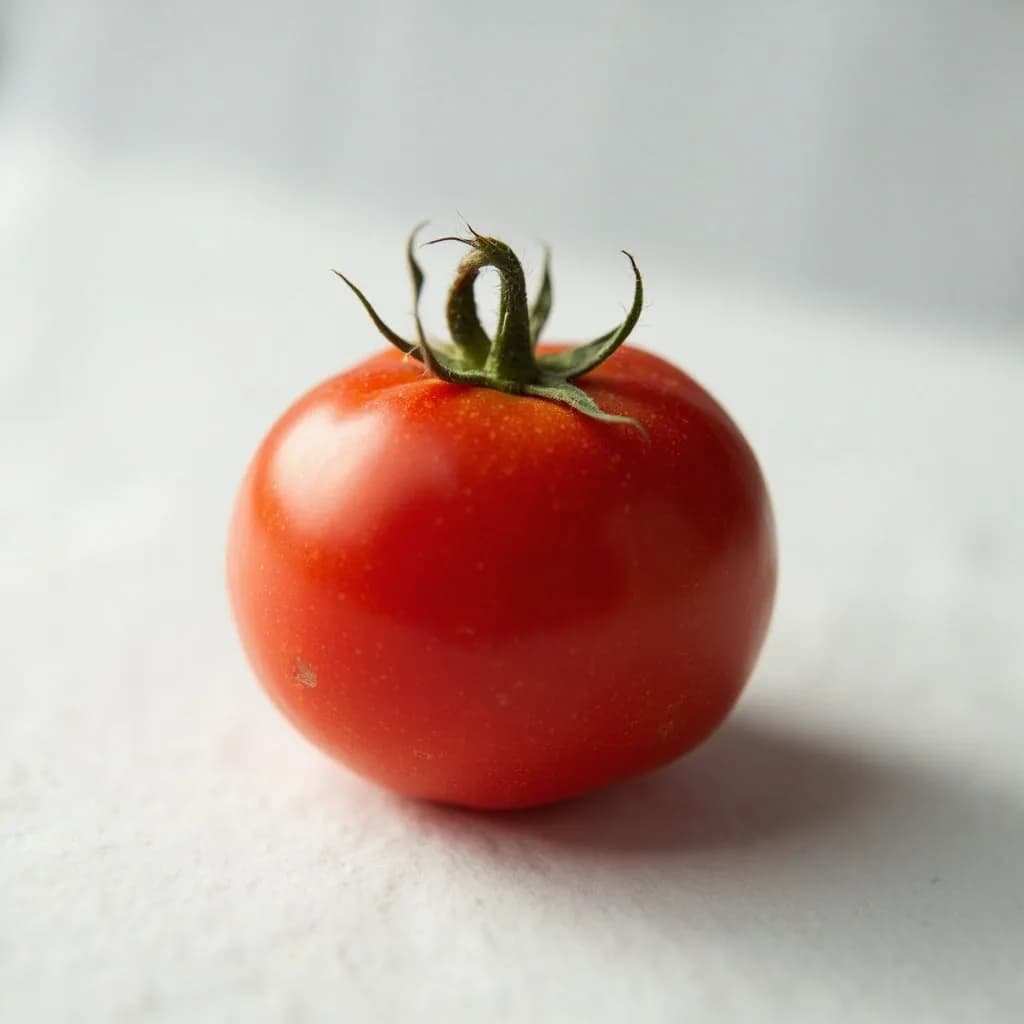
Tomato
Juicy, sun-sweet fruit for sauces, salads, and slow-cooked depth
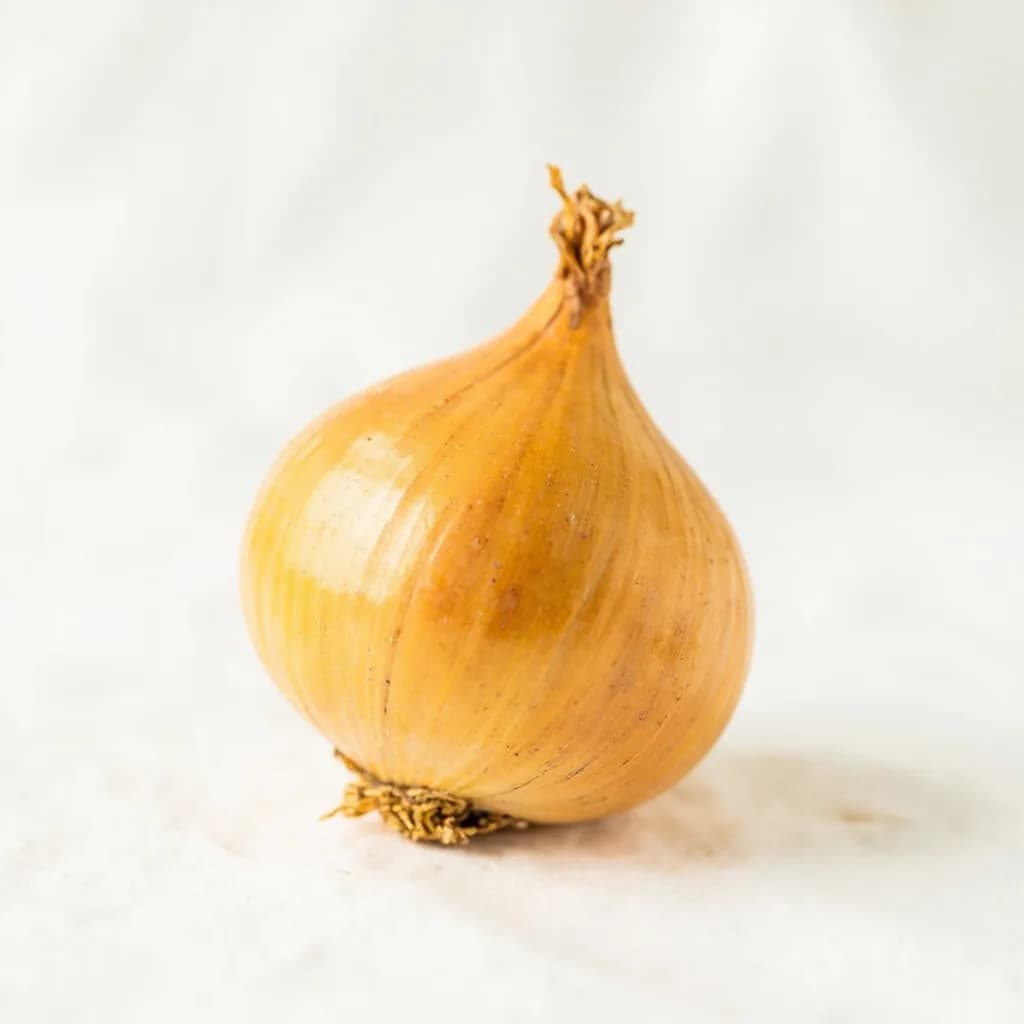
Yellow Onion
The aromatic backbone of soups, sofritos, and braises
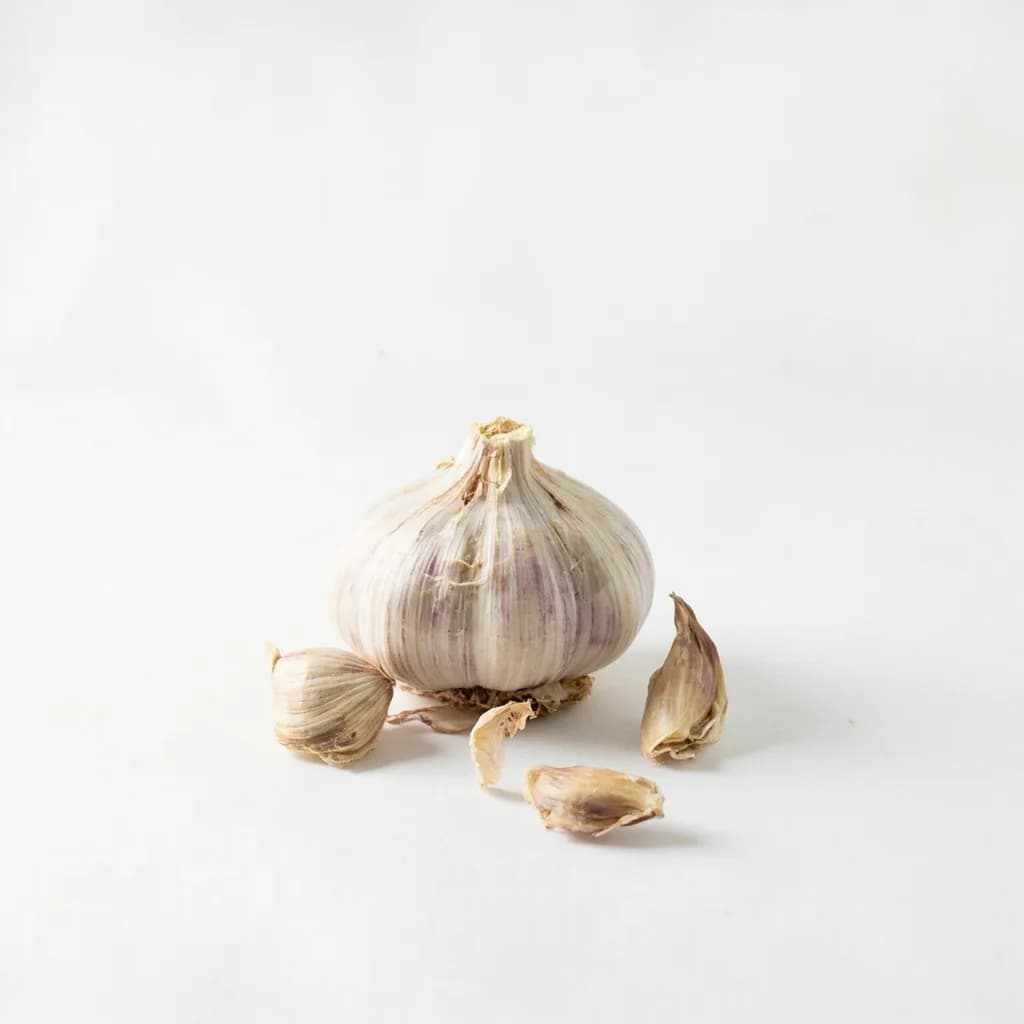
Garlic
Pungent cloves that perfume nearly every savory dish
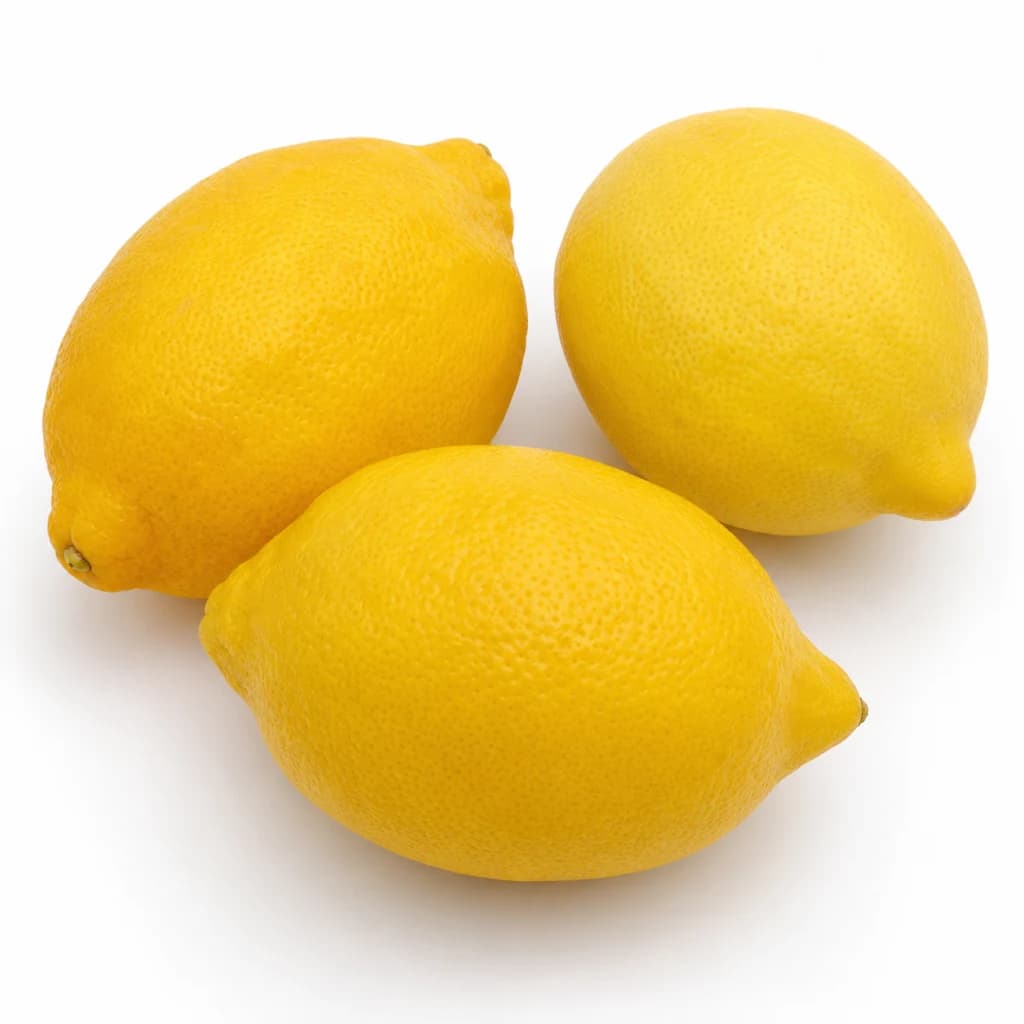
Lemon
Bright, acidic citrus that wakes up almost any dish
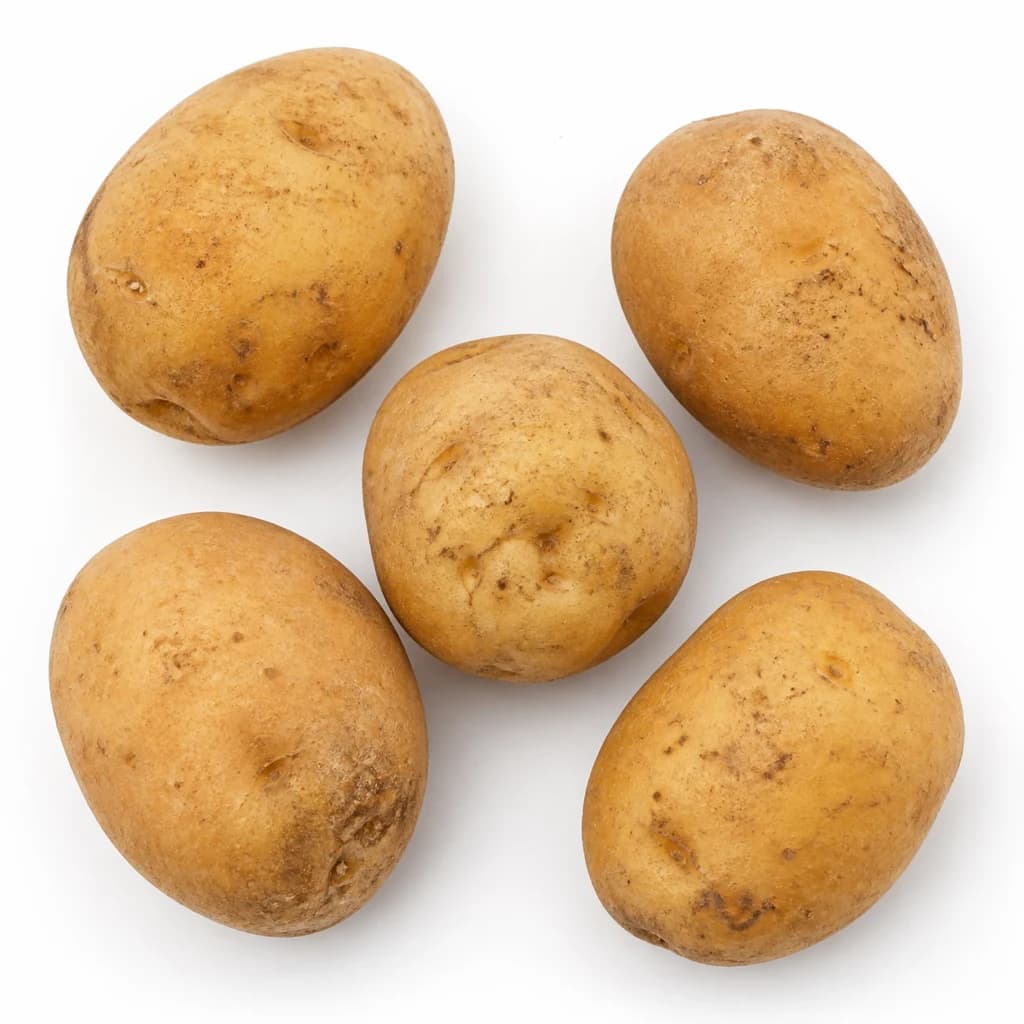
Potato
Humble, hearty staple — roast, mash, fry, or boil
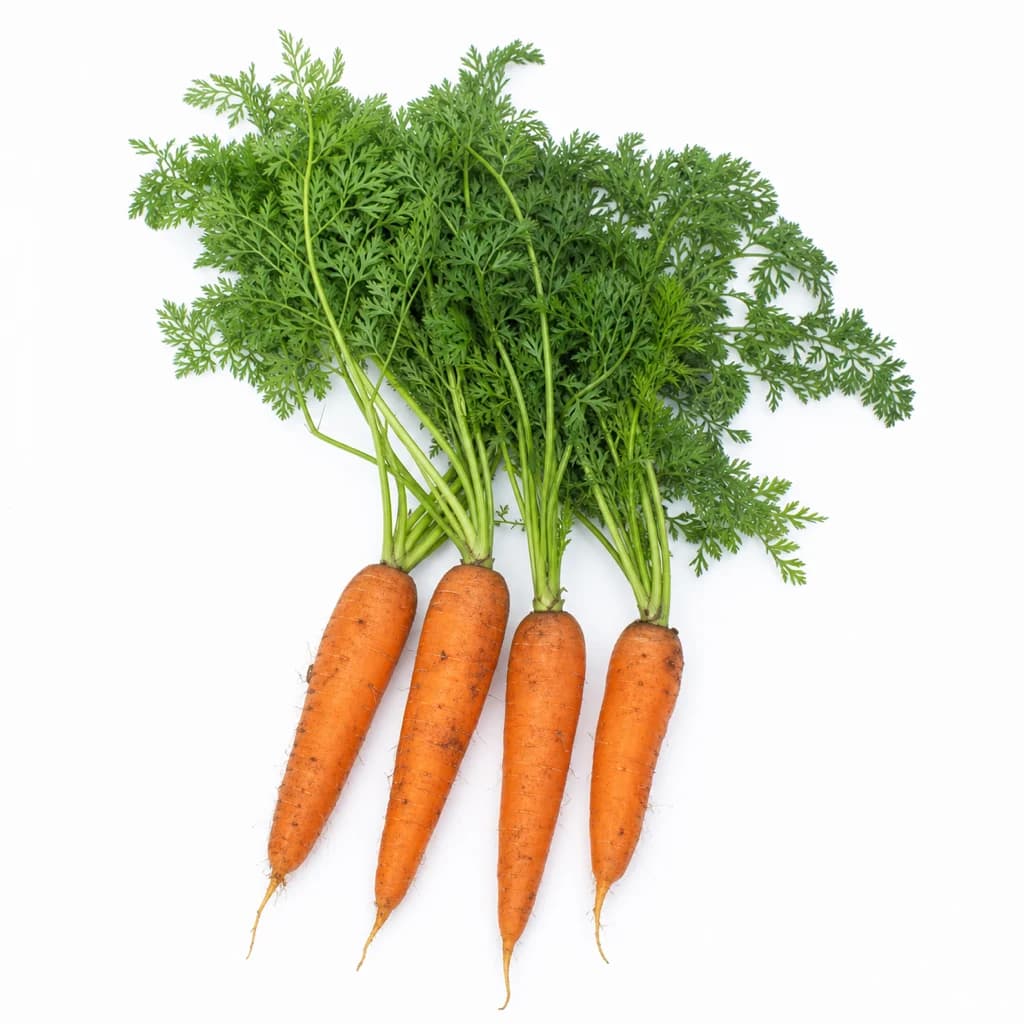
Carrot
Sweet, crunchy root — raw, roasted, or the base of a sofrito
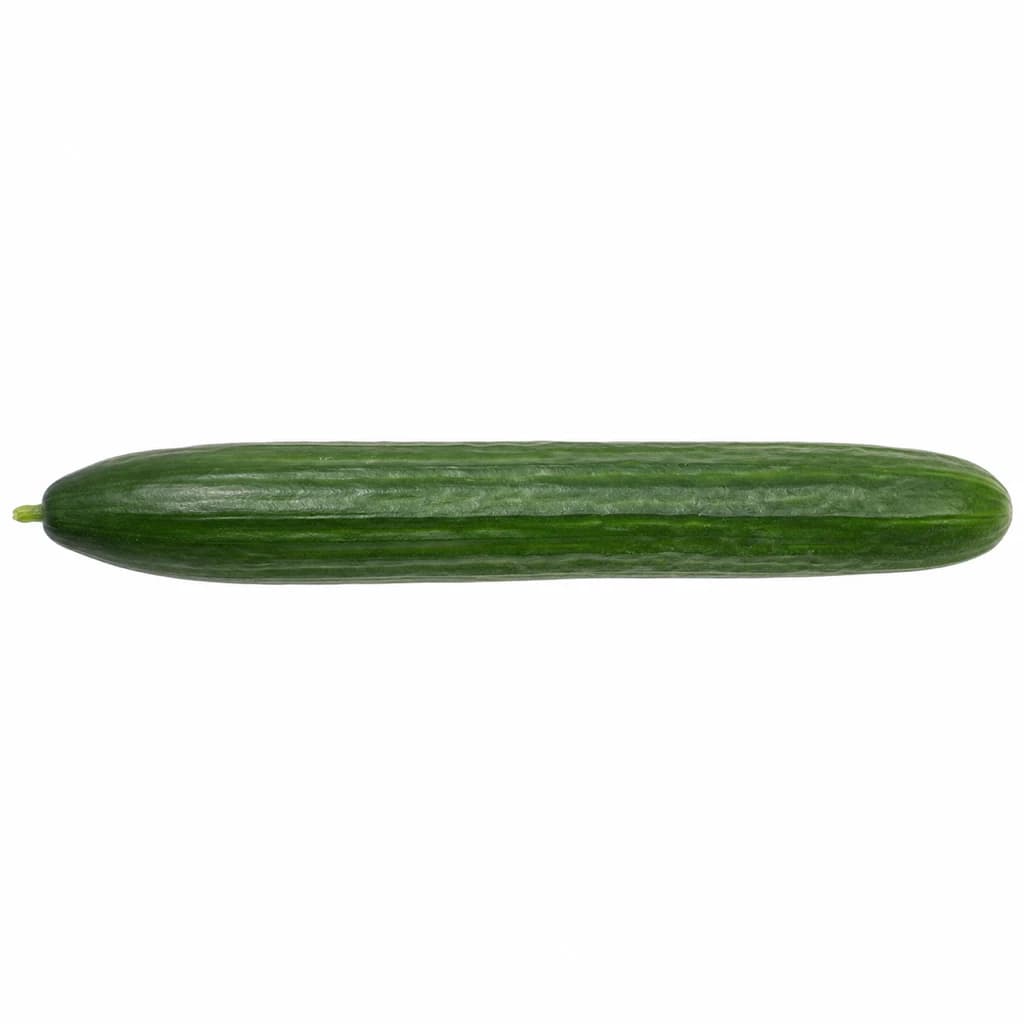
Cucumber
Cool, crisp, and watery — for salads, pickles, and tzatziki

Lettuce
Crisp leaves for salads, wraps, and a fresh crunch