Stored
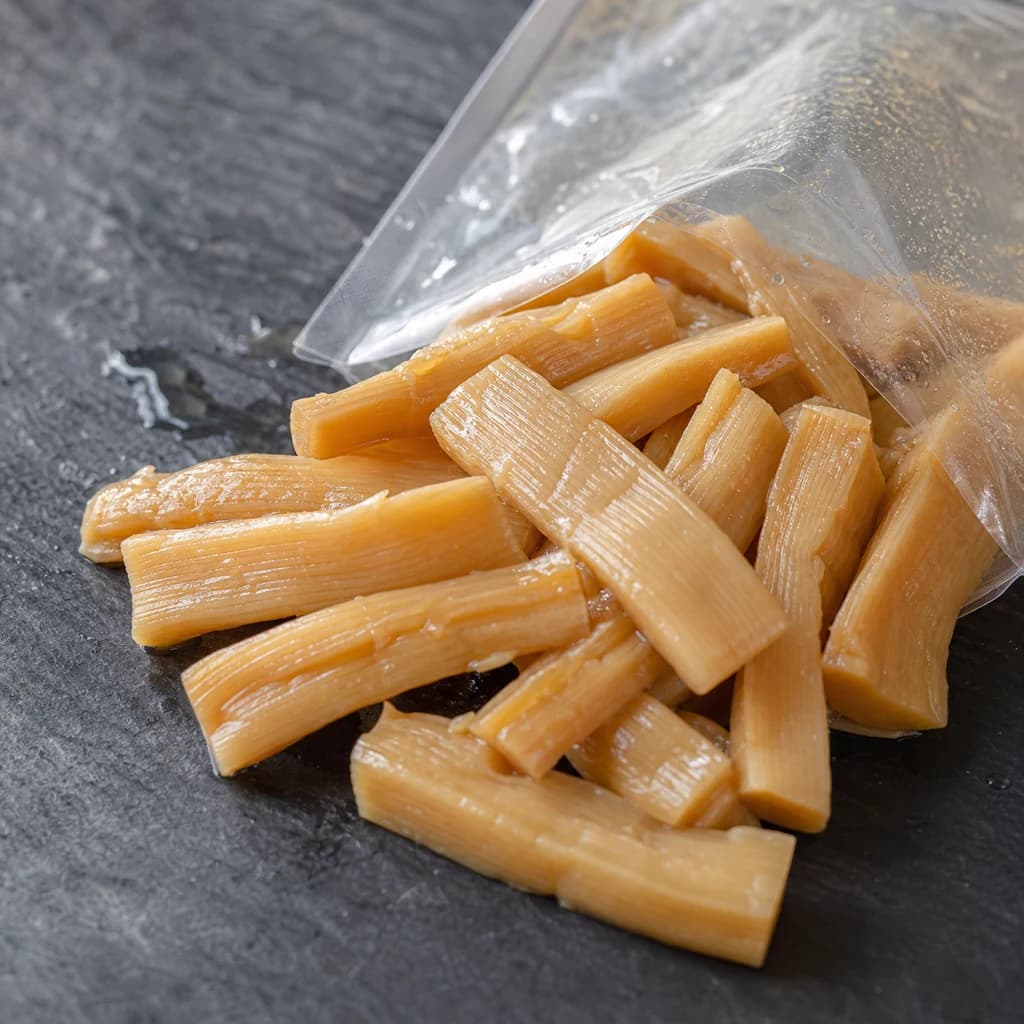
Menma sold in vacuum-sealed pouches, pale gold and lightly glistening with brine.
Shows the most common way home cooks and restaurants encounter menma — the preserved, ready-to-use packaged form — teaching its appearance before cooking.
Produce
Menma (Fermented Bamboo Shoots)
Lacto-fermented, seasoned bamboo shoots used as a classic ramen topping.
Menma is made from bamboo shoots that are lacto-fermented, dried, then rehydrated and simmered in a soy-based seasoning. It is one of the classic toppings for Japanese ramen, adding a savory, slightly sour, crunchy-chewy bite. The fermentation gives it a distinctive tangy depth beyond fresh bamboo.
Menma is lacto-fermented bamboo shoots that have been seasoned and cut into thin strips for use as a ramen topping. The product begins as young bamboo shoots—typically from Phyllostachys species—preserved through lacto-fermentation, a process borrowed from Chinese technique and refined in Japan. During fermentation, naturally occurring Lactobacillus bacteria convert sugars into lactic acid, creating the signature tangy, complex flavor that distinguishes menma from ordinary bamboo shoots. The shoots are then seasoned with soy sauce, mirin, and often sugar, sometimes finished with sesame oil or dashi.
What makes menma essential in a ramen context is its ability to cut through richness. The mild acidity and deep umami of fermented bamboo provide counterpoint to heavy pork-based or creamy tori paitan broths, while the chewy-but-crunchy texture adds sensory interest to every bowl. Menma is not merely decorative—it performs functional work on the palate. In dedicated ramen-ya, cooks often start with plain fermented bamboo shoots and season them in-house to control salt, sweetness, and sourness precisely. Commercial versions vary widely in quality: the best have a firm, slightly crunchy bite and a pronounced fermented tang, while inferior products can be mushy, oversalted, or barely sour at all.
- Measured in
- g
- Storage
- Fridge
Allergens
Types & varieties
Ready to use straight from package; the most common retail form.
Seasoned at home; preferred by chefs for fresh flavor control and more pronounced fermentation tang.
Longer fermentation, richer umami, firmer texture; sold in specialty Japanese grocers.
Why Lacto-Fermentation Matters
The lacto-fermentation process is what separates menma from plain preserved bamboo shoots. Lactobacillus cultures feed on natural sugars in the shoots, producing lactic acid that preserves the vegetable and develops a complex sour-funk absent in fresh or merely blanched bamboo. This same process underlies Korean kimchi, German sauerkraut, and Japanese nukazuke—the controlled acidity deepens savory flavor rather than simply preserving. In menma, the fermentation also breaks down some of the vegetable's fibrous cell walls, yielding a texture that is firm enough to hold its shape in hot broth yet yielding enough to absorb the seasoning fully.
- Look for a distinct sour aroma without any off or spoiled notes—fermented is tangy, not rotten.
- If the liquid in the package smells overly acidic or vinegary, rinse the menma more thoroughly before serving.
- Longer fermentation produces a deeper, more complex sourness; shorter fermentation yields a milder product.
Buying and Quality Guide
Menma quality divides roughly into three tiers. Industrial-grade menma, often found in supermarket international aisles, tends toward heavy seasoning that masks low-quality base product—oversalted, sometimes mushy, and with minimal fermentation character. Mid-grade menma, available at Japanese grocery stores, offers decent texture and balanced seasoning; this is the workhorse for home cooks. Premium artisanal menma, found at specialty Japanese grocers or online, shows real fermentation complexity—a pronounced tang, firm bite, and seasoning that enhances rather than overwhelms. When buying, press a strip gently: it should spring back slightly and not feel waterlogged or slimy.
- Vacuum-sealed packages generally have better texture than canned versions.
- Check the ingredient list—fewer additives and shorter ingredient lists indicate a more traditional product.
- Premium menma often carries a slightly higher price but justifies it with superior chew and depth of flavor.
Common uses
Tips & pitfalls
- Rinse briefly under cold water and drain well before serving to remove excess liquid and prevent diluting the broth.
- Briefly sauté in a dry pan or with a touch of sesame oil for 30–60 seconds to concentrate flavor and improve texture before topping the bowl.
- Use sparingly at first—commercial menma is often heavily seasoned and can overwhelm a delicate broth.
- Season canned bamboo shoots with soy sauce, mirin, a pinch of sugar, and a few drops of rice vinegar to approximate fermented flavor when menma is unavailable.
- Store opened menma in an airtight container; for convenience, portion into freezer bags for quick ramen assembly without thawing—just drop frozen portions directly into the bowl or broth.
- Do not rely on menma as the only topping—it works in concert with nori, green onions, and chashu to build a complete profile.
- If menma tastes flat, a single drop of toasted sesame oil stirred in right before serving can lift the flavor significantly.
- Avoid adding menma to the broth during cooking; it is always a finishing garnish added just before serving to preserve its texture.
Nutrition
Energy
113 kJ · per 100 g
Where the calories come from
Protein
2.6g
5% DV
Carbs
5.2g
2% DV
Fat
0.3g
0% DV
Fiber
2.2g
8% DV
Sugars
3g
of which
Sodium
4mg
0% DV
Source · USDA FoodData Central · approx. Bamboo shoots, raw
View on FDC →In the shops
Matched grocery products
No matched grocery products for Menma (Fermented Bamboo Shoots) yet.
Good to know
- Origin
- Chinese-influenced; popularized in Japanese ramen
- Primary Use
- Ramen topping (especially shoyu and shio styles)
- Flavor Profile
- Tangy, umami-rich, mildly sour with savory-sweet seasoning
- Texture
- Chewy with slight crunch; denser than fresh bamboo shoots
- Form
- Fermented bamboo shoots, pre-cut into strips; vacuum-sealed or canned, often pre-seasoned
- Seasoning Base
- Soy sauce, mirin, sugar; sometimes sesame oil or dashi added
- Shelf Life (Opened)
- Refrigerate in airtight container; 2–4 weeks
- Shelf Life (Unopened)
- Cool, dark pantry; refrigerate for extended freshness
Substitutes
- Canned Bamboo Shoots (harusame-dane) — Lacks fermentation tang; blanch, drain, and season with soy sauce, mirin, and a few drops of rice vinegar to approximate the flavor.
- Takuan (Pickled Daikon) — Provides visual and textural contrast but differs fundamentally in flavor—acceptable in a pinch for crunch only.
Pairs with
Also called
Fermented Bamboo Shoots · Shinachiku
Appears in these dishes
Related
Tomato
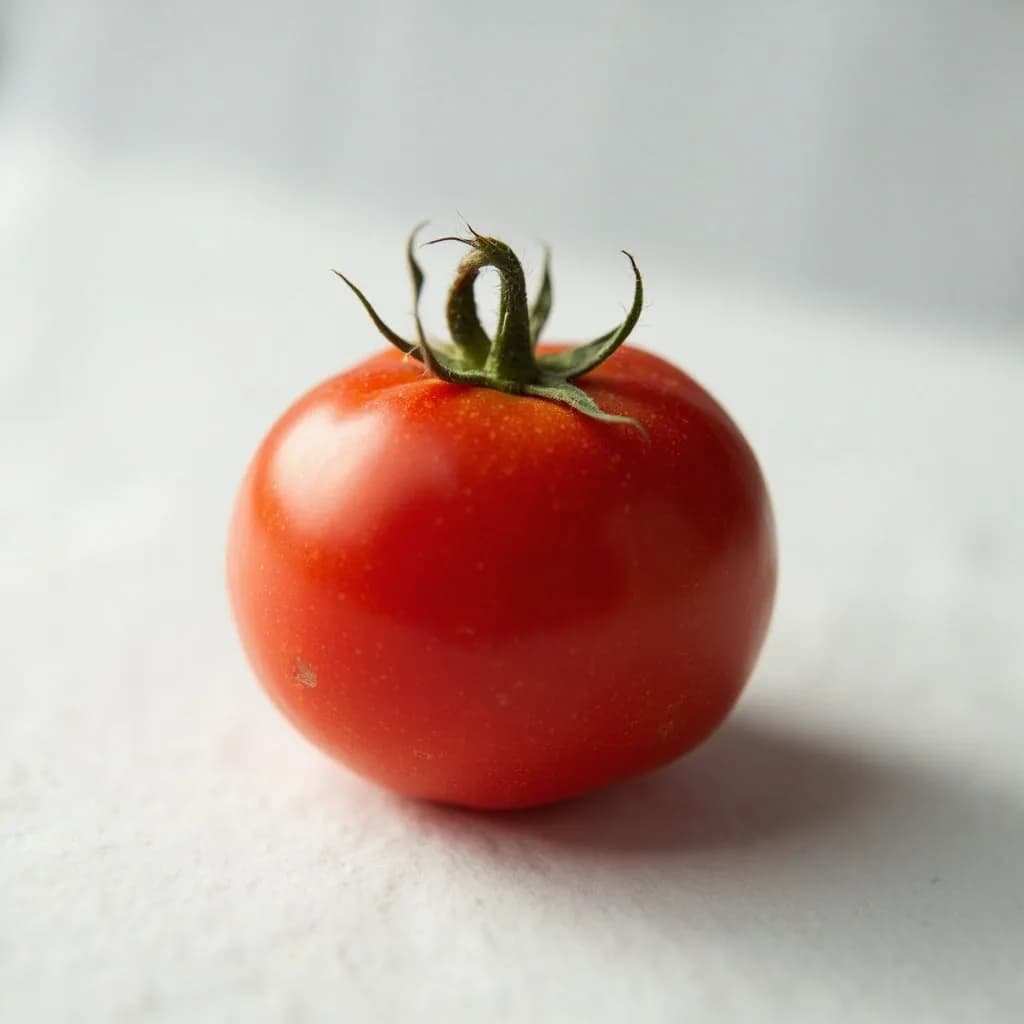
Juicy, sun-sweet fruit for sauces, salads, and slow-cooked depth
Yellow Onion
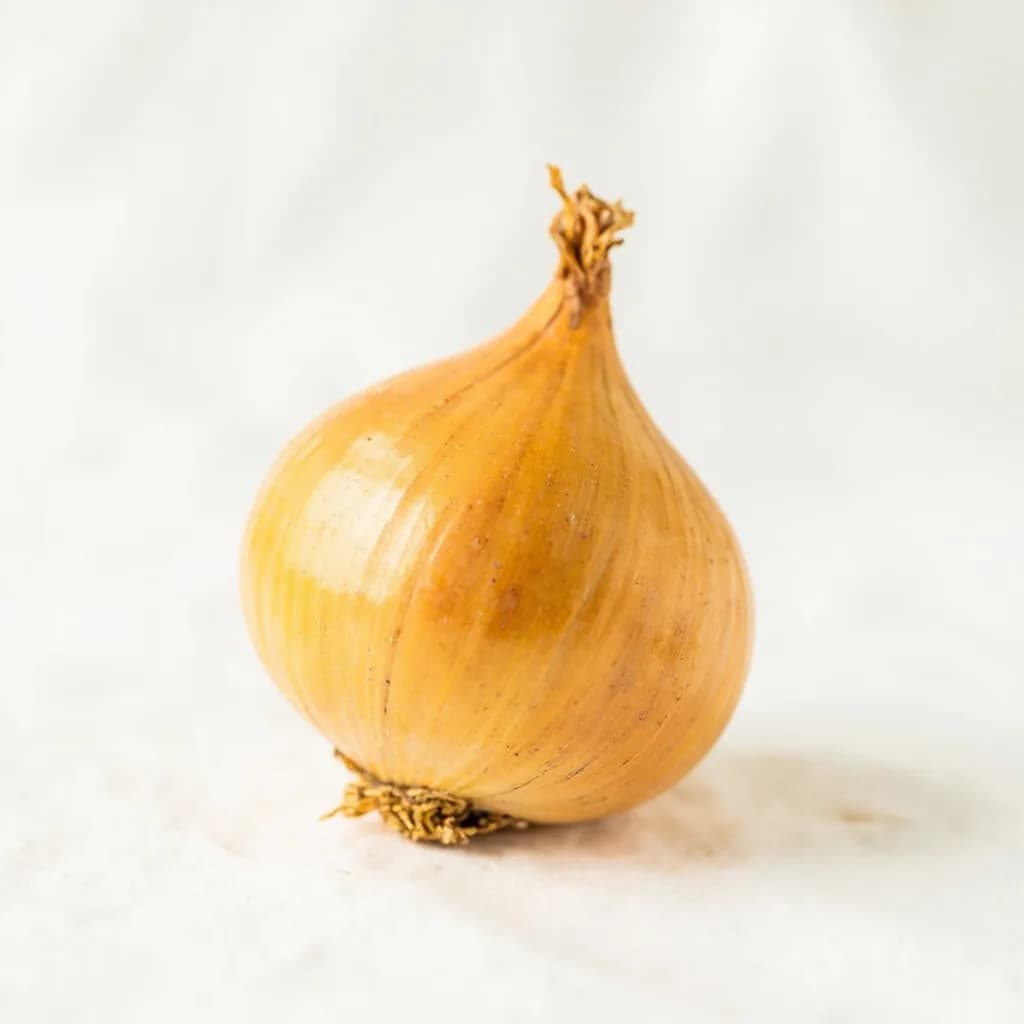
The aromatic backbone of soups, sofritos, and braises
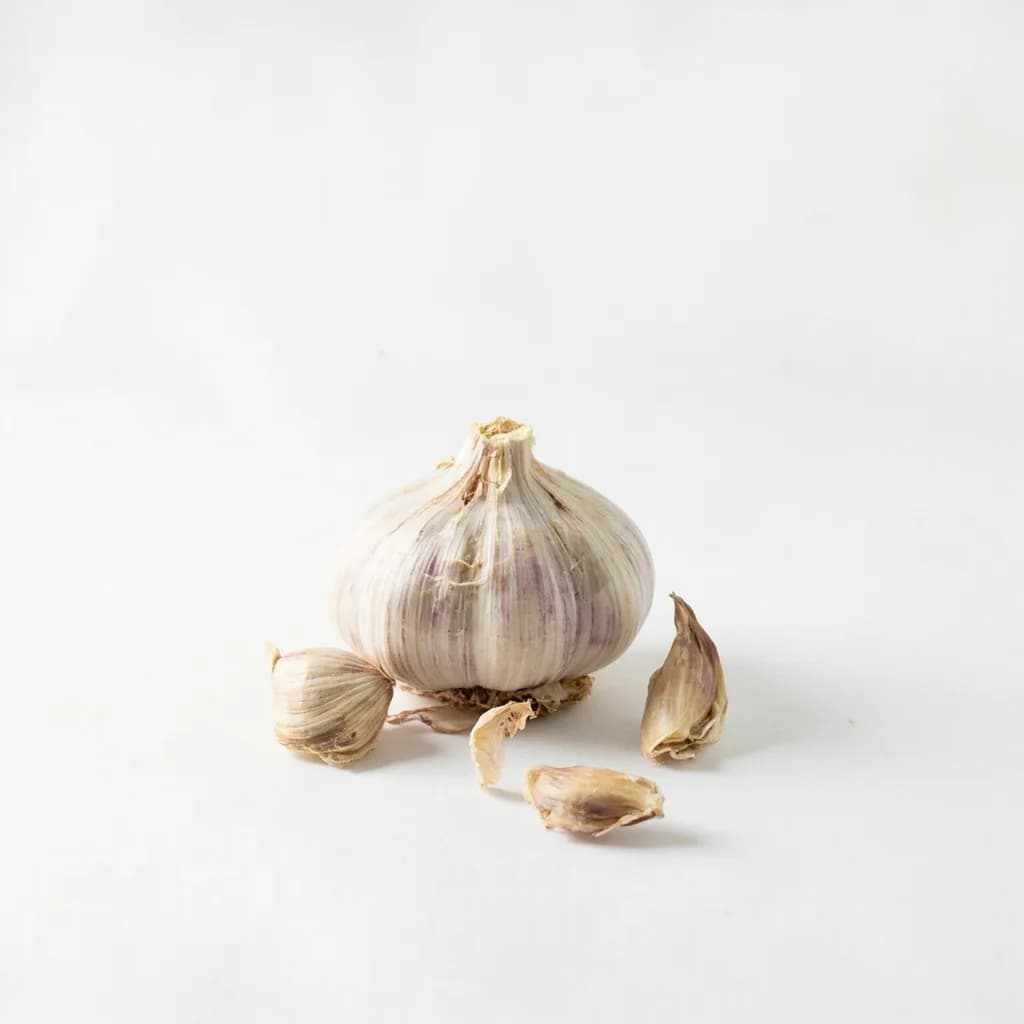
Garlic
Pungent cloves that perfume nearly every savory dish
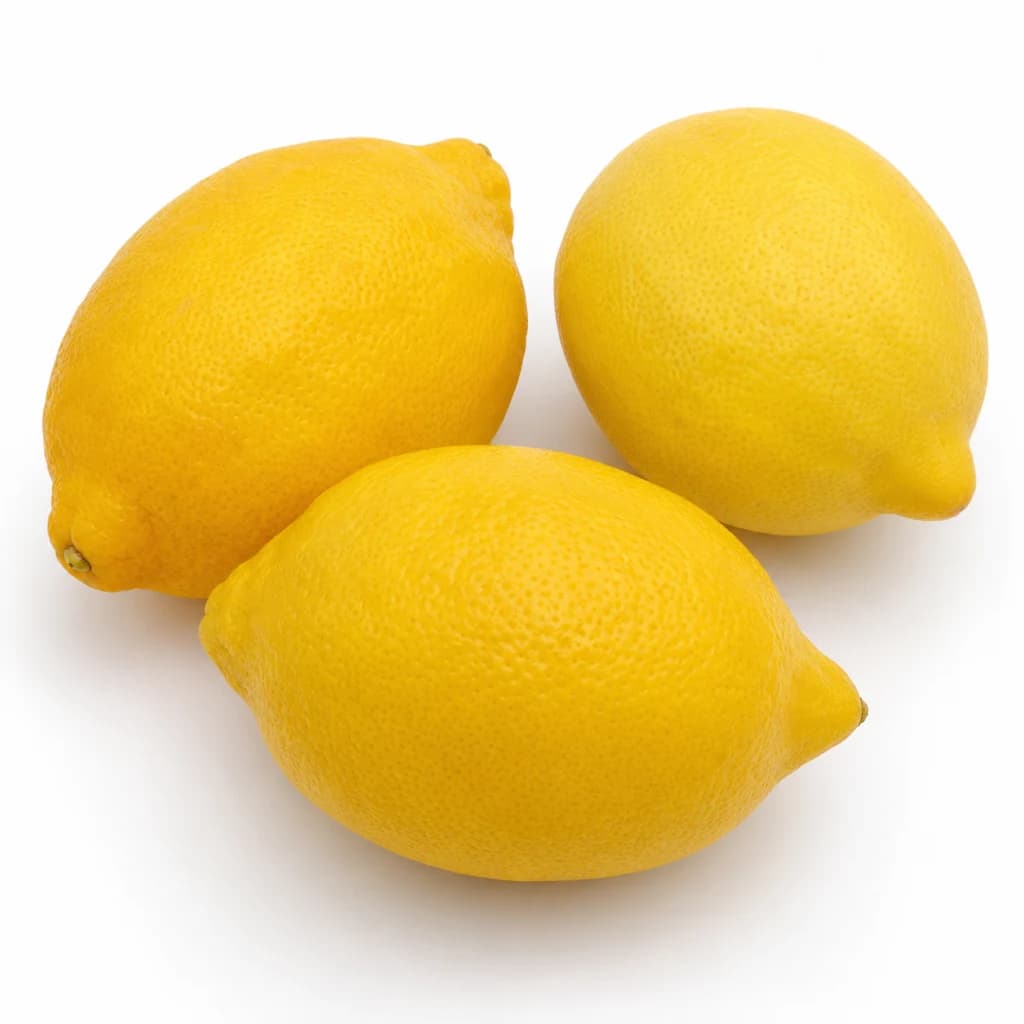
Lemon
Bright, acidic citrus that wakes up almost any dish
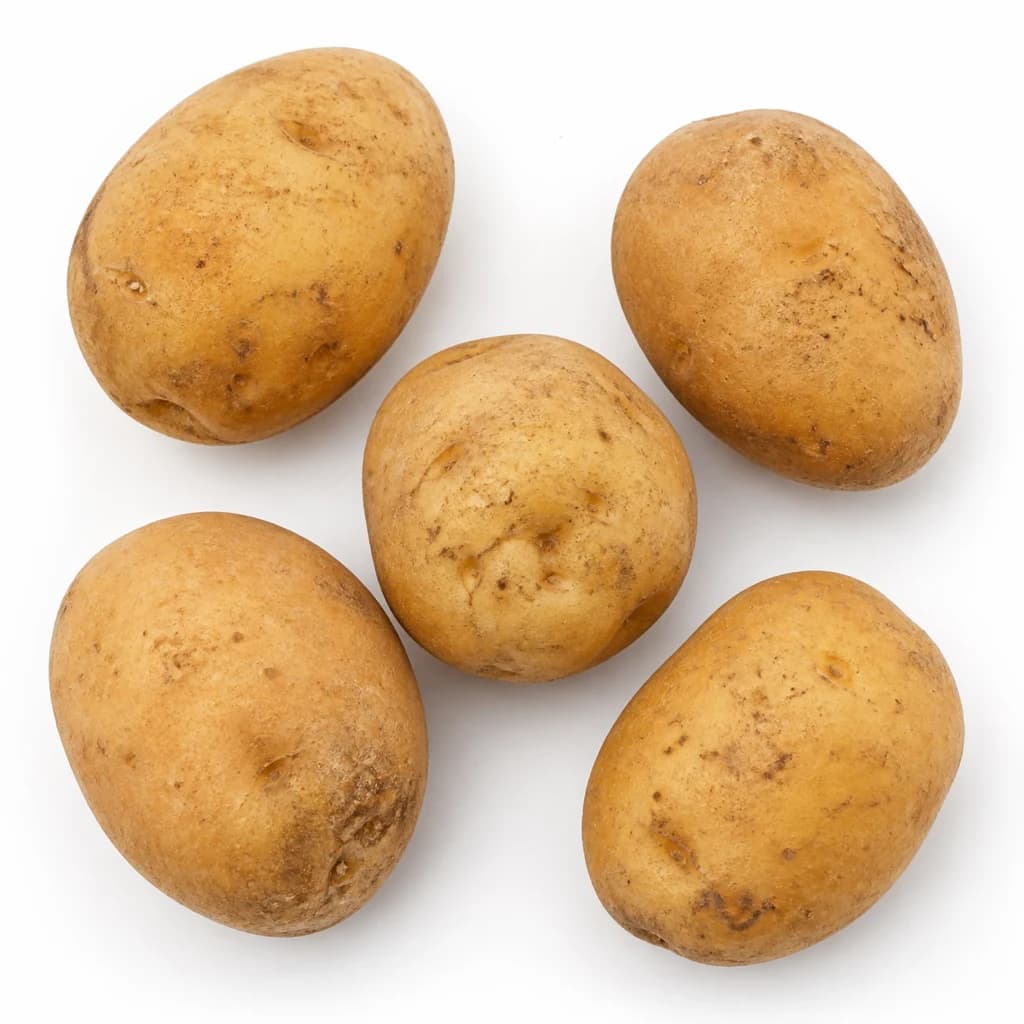
Potato
Humble, hearty staple — roast, mash, fry, or boil
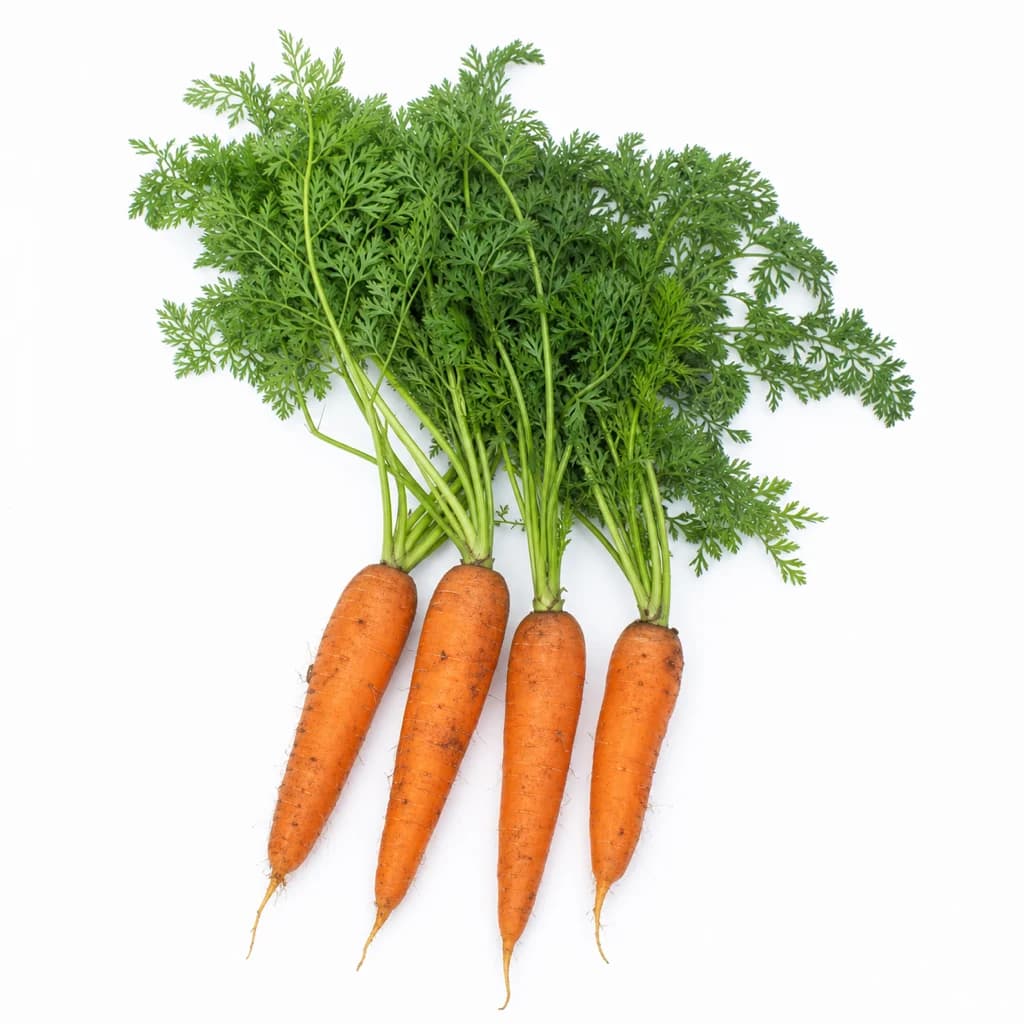
Carrot
Sweet, crunchy root — raw, roasted, or the base of a sofrito
Cucumber
Cool, crisp, and watery — for salads, pickles, and tzatziki

Lettuce
Crisp leaves for salads, wraps, and a fresh crunch