Produce
Finger Lime
Australian citrus whose tiny juice pearls burst like caviar over seafood, oysters and desserts.
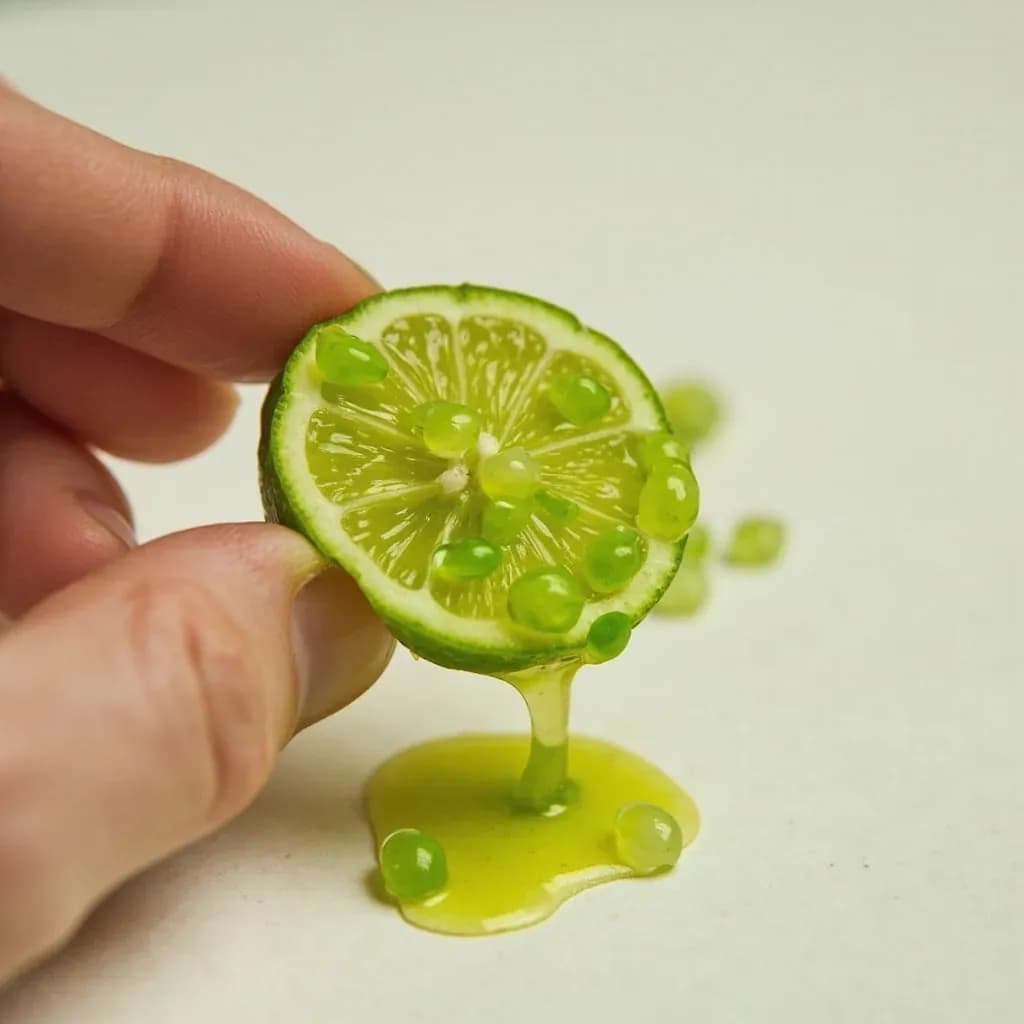
Finger lime is a slender, finger-shaped Australian native citrus filled with tiny round juice vesicles that pop in the mouth, earning it the name citrus caviar. The tart pearls are spooned over oysters, seafood, salads, and desserts as a fresh, bursting garnish. The skin ranges from green to deep burgundy, and the pearls can be pale green, pink, or red.
Finger lime (Citrus australasica) is a citrus species native to the subtropical rainforests of New South Wales and Queensland, Australia. The fruit grows on a thorny shrub or small tree and produces an elongated cylindrical shape, typically 5–8 cm long. What distinguishes finger lime from all other citrus is its internal structure: instead of the typical juice sacs found in standard limes and lemons, finger lime flesh consists of individual, juice-filled cells called idioblasts—tiny pearls that measure 3–7 mm in diameter and remain structurally separate when the fruit is cut or squeezed. These vesicles roll and tumble like caviar rather than clumping, which is precisely why the product earned the "citrus caviar" designation. The flavor is notably more complex than ordinary lime: tart and bright, yes, but with floral and herbaceous undertones that give it depth. The pH ranges from 2.2–2.6, making it highly acidic.
The plant has been used by Indigenous Australians for centuries, but only entered commercial cultivation in the past three decades. Australian biosecurity restrictions historically prevented fresh import to many countries, which drove local greenhouse and micro-farm production in California, the Mediterranean, and South Africa. Today, peak season runs March through August in Australia, making the fruit counter-seasonal in the Northern Hemisphere—available fresh here during winter months. The fruit stores 2–3 weeks refrigerated when kept dry and unwashed, and the vesicles can be extracted and frozen for up to 6 months without losing their structural integrity or flavor.
In the kitchen, finger lime is used almost exclusively as a finishing element. The vesicles rupture under the slightest pressure, releasing a burst of highly acidic, aromatic juice directly onto the palate. This makes it invaluable where you want brightness and citrus punch without diluting a dish with liquid—as you would with standard lime juice. The visual drama is equally important: the pearls cascade and roll across a plate, adding movement and contrast that no other ingredient provides at this scale. Because heat ruptures the vesicles, finger lime is never cooked; it is always applied at the very end of preparation.
- Measured in
- piece
- Storage
- Fridge
Types & varieties
Bright green vesicles; the most common commercial variety
Pink to coral vesicles; popular for visual contrast on light-colored dishes
Deep red or magenta vesicles; striking against dark proteins and sauces
Yellow vesicles; milder, slightly sweeter flavor
Cross between finger lime and round lime (C. australis); deep red exterior and vesicles; slightly larger fruit
Orange-yellow vesicles; hybrid variety with balanced sweetness
Vesicle colors vary from near-black to pale green depending on provenance and plant genetics
Extracting the Vesicles
The easiest method is to slice the fruit in half lengthwise and then tap or squeeze each half gently over your target dish, letting gravity do the work. For more controlled placement—say, arranging vesicles in a pattern on a plate—use your fingers or tweezers to pull a thin strip of flesh from the interior and gently shake the pearls off. Never crush or press hard; the vesicles rupture instantly under pressure and you'll lose the signature pop. Some cooks slice the fruit into coins and let diners squeeze the coins directly at the table, which works well for oyster bars or sharing platters.
- Slice fruit in half lengthwise to expose the vesicle column
- Tap gently to release pearls onto the dish rather than pressing
- Use tweezers for precise placement when plating
- Slice into coins for table-side squeezing service
Storing and Preparing
Keep unwashed fruit loosely wrapped in paper towels in the refrigerator crisper—moisture accelerates spoilage and the vesicles lose turgor. Wash only immediately before use. If you've extracted more vesicles than needed, spread them on a parchment-lined tray in a single layer and freeze until solid, then transfer to a freezer bag. This prevents clumping and lets you portion out exact amounts later. Frozen vesicles are ideal for cocktails, frozen desserts, or any application where a slight textural softening is acceptable.
- Store unwashed in paper towels in the crisper drawer
- Wash only at the moment of use
- Freeze extracted vesicles on a tray before bagging
- Thaw frozen vesicles quickly under cold running water
Common uses
Tips & pitfalls
- Handle vesicles gently—they rupture easily under pressure. Squeeze or tap the fruit lightly over the dish rather than crushing the flesh directly into food.
- Select fruit that is firm with taut skin. Wrinkled or soft skin indicates age and dehydration; the vesicles will have lost turgor.
- Wash fruit just before use. Moisture accelerates spoilage, so keep unwashed fruit dry and loosely wrapped in paper towels in the refrigerator crisper.
- Do not cook or bake with finger lime vesicles expecting them to remain intact—heat ruptures them and they lose their signature caviar-like texture. Add them only as a finishing element.
- Use the zest as you would any citrus: it carries aromatic oils and works in marinades, dressings, or candied applications where heat is appropriate.
- For maximum color contrast, match vesicle color to the dish—green or yellow vesicles disappear against pale sauces; save red and pink for dark sauces or white proteins.
- When freezing, spread extracted vesicles on a parchment-lined tray in a single layer until solid, then transfer to a freezer bag. This prevents clumping and makes portioning easier for later use.
- The acidity is very high—taste as you go when using juice or vesicles in dressings or sauces, as the flavor concentrates as the vesicles burst.
Nutrition
Energy
126 kJ · per 100 g
Where the calories come from
Protein
0.7g
1% DV
Carbs
10.5g
4% DV
Fat
0.2g
0% DV
Fiber
2.8g
10% DV
Sugars
1.7g
of which
Sodium
2mg
0% DV
Source · USDA FoodData Central · Limes, raw
View on FDC →In the shops
Matched grocery products
 €0.40
€0.40Lime
90 g · Mercadona
 €1.49
€1.49Lime in tray of 350 g
LA COLLITA · kg · Bonpreu
Good to know
- Scientific name
- Citrus australasica (syn. Microcitrus australasica)
- Origin
- Subtropical rainforests of New South Wales and Queensland, Australia
- Peak season
- March–August in Australia; counter-seasonal in the Northern Hemisphere
- Fruit dimensions
- 5–8 cm long, 1.5–2.5 cm diameter, elongated cylindrical shape
- Vesicle size
- 3–7 mm in diameter when intact
- Flavor profile
- Tart, bright citrus with floral and herbaceous notes; more complex than standard lime
- pH
- 2.2–2.6 (highly acidic)
- Shelf life
- 2–3 weeks refrigerated when dry and unwashed; vesicles freeze up to 6 months
Substitutes
- Fresh lime zest and juice — Provides citrus flavor but lacks the textural caviar effect; best for cooked preparations where texture is not a priority
- Osetra or tobiko caviar — Mimics the visual pop and textural burst on seafood presentations; flavor is entirely different but the effect is similar
- Tapioca or basil seeds — Soaked for 30–60 minutes to produce a gelatinous bubble that provides textural similarity; no citrus flavor
- Standard lime segments — Citrus flavor substitute in cooked applications; no structural similarity to vesicles
Pairs with
Also called
Citrus Caviar
Related
Tomato
Juicy, sun-sweet fruit for sauces, salads, and slow-cooked depth
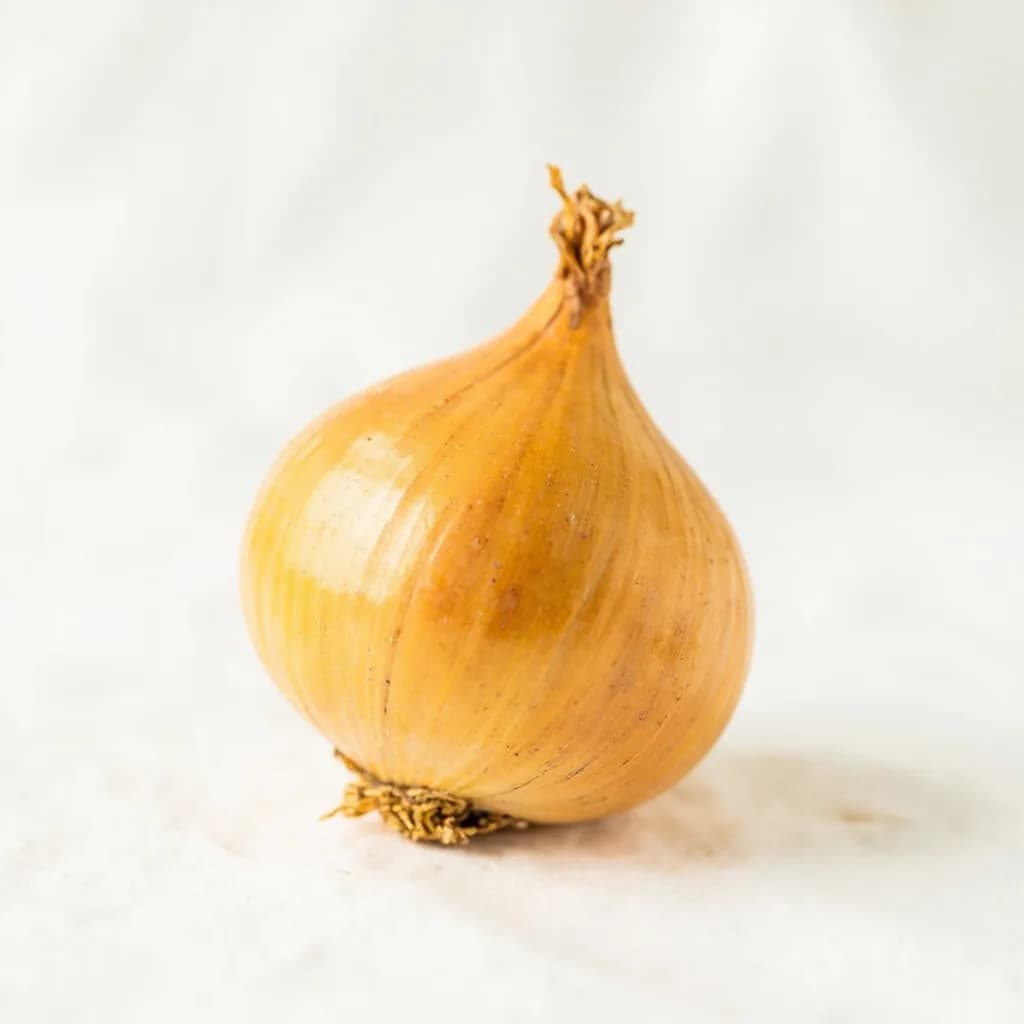
Yellow Onion
The aromatic backbone of soups, sofritos, and braises
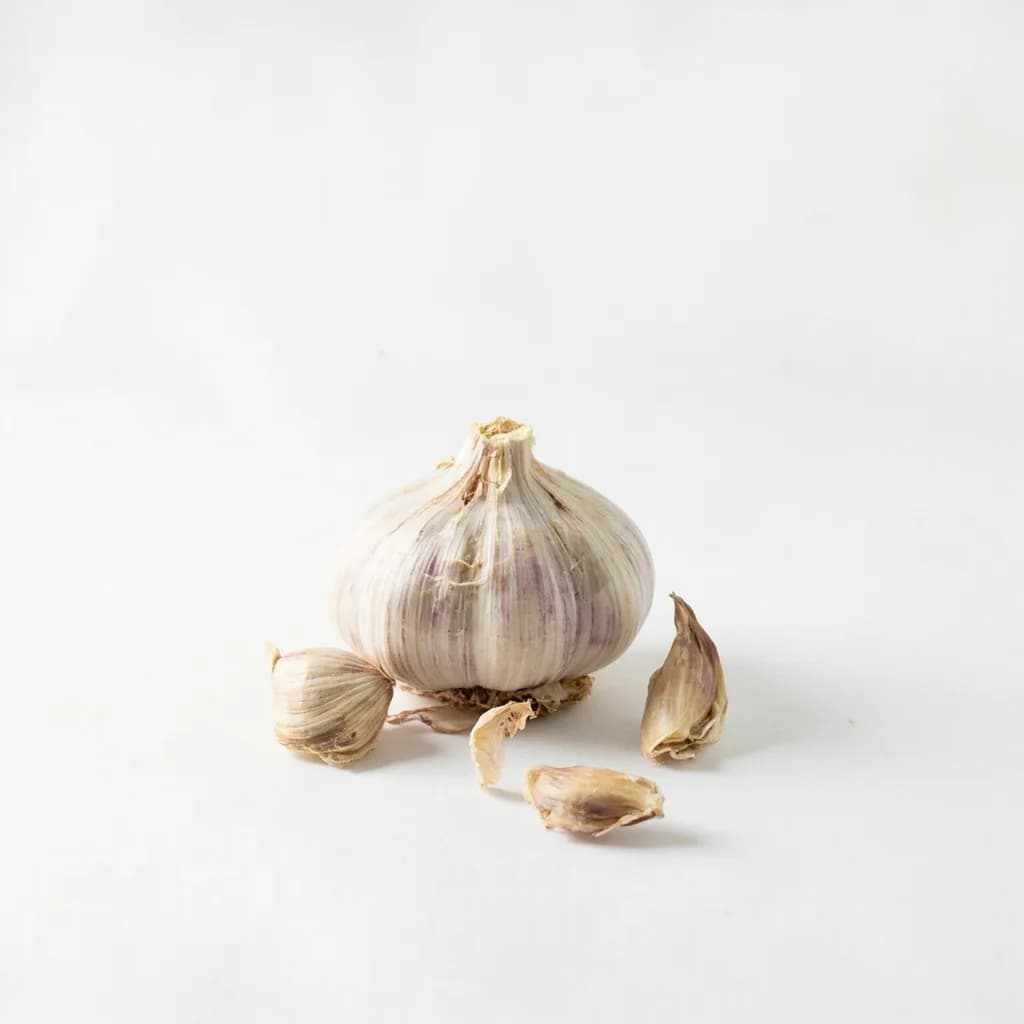
Garlic
Pungent cloves that perfume nearly every savory dish
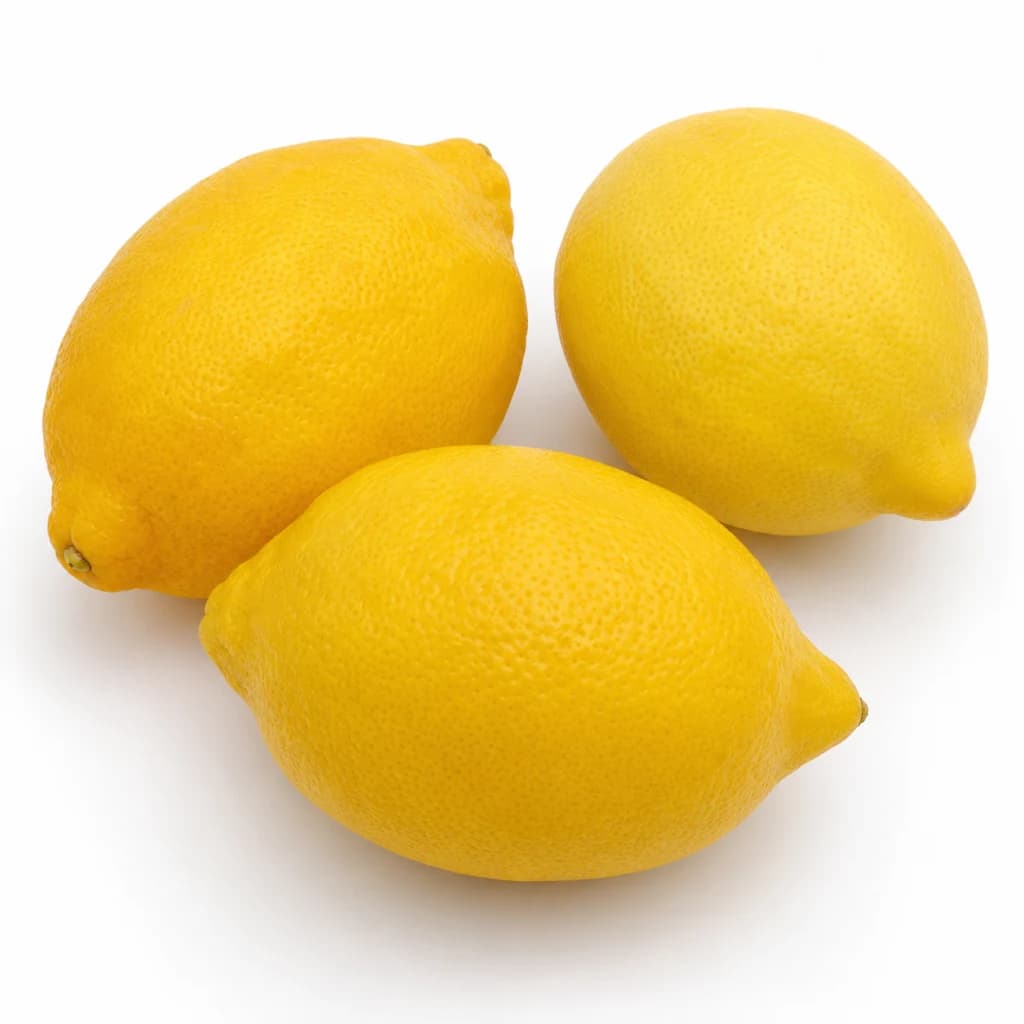
Lemon
Bright, acidic citrus that wakes up almost any dish
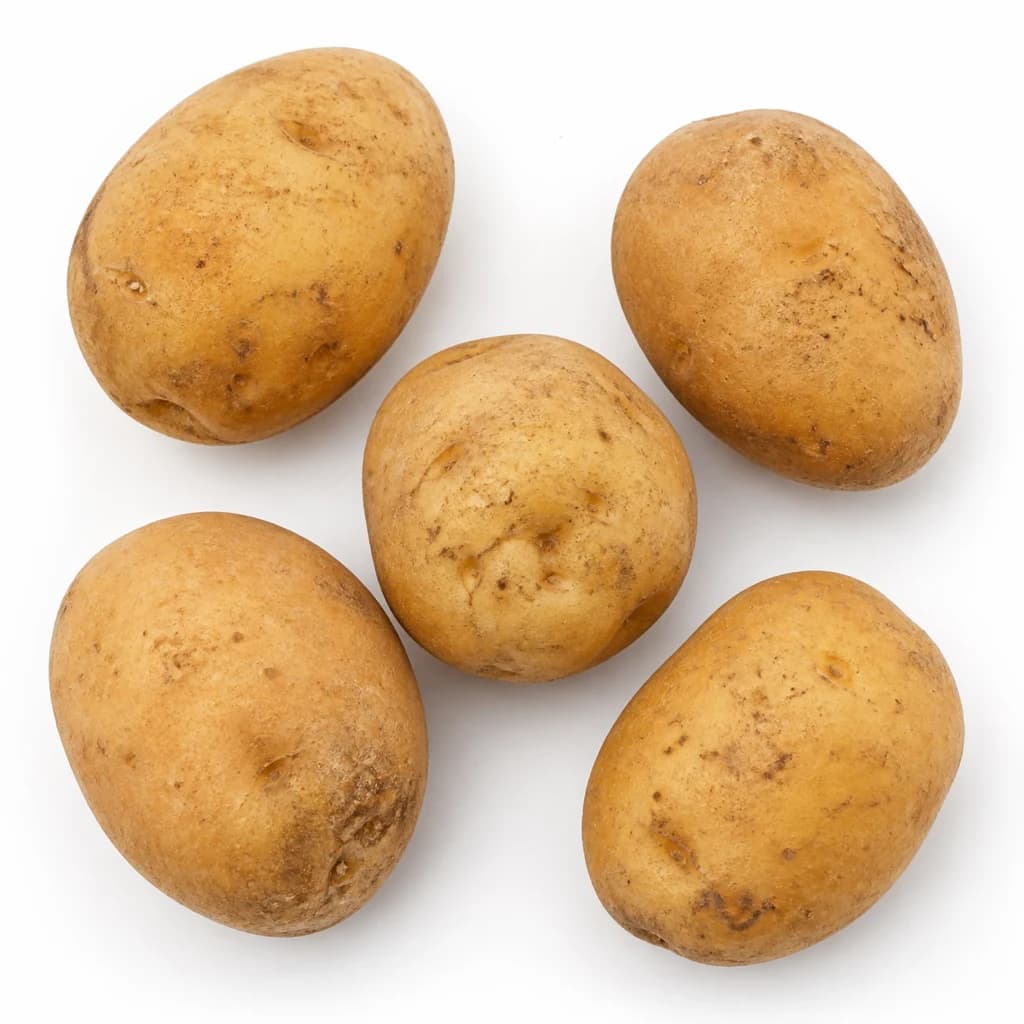
Potato
Humble, hearty staple — roast, mash, fry, or boil
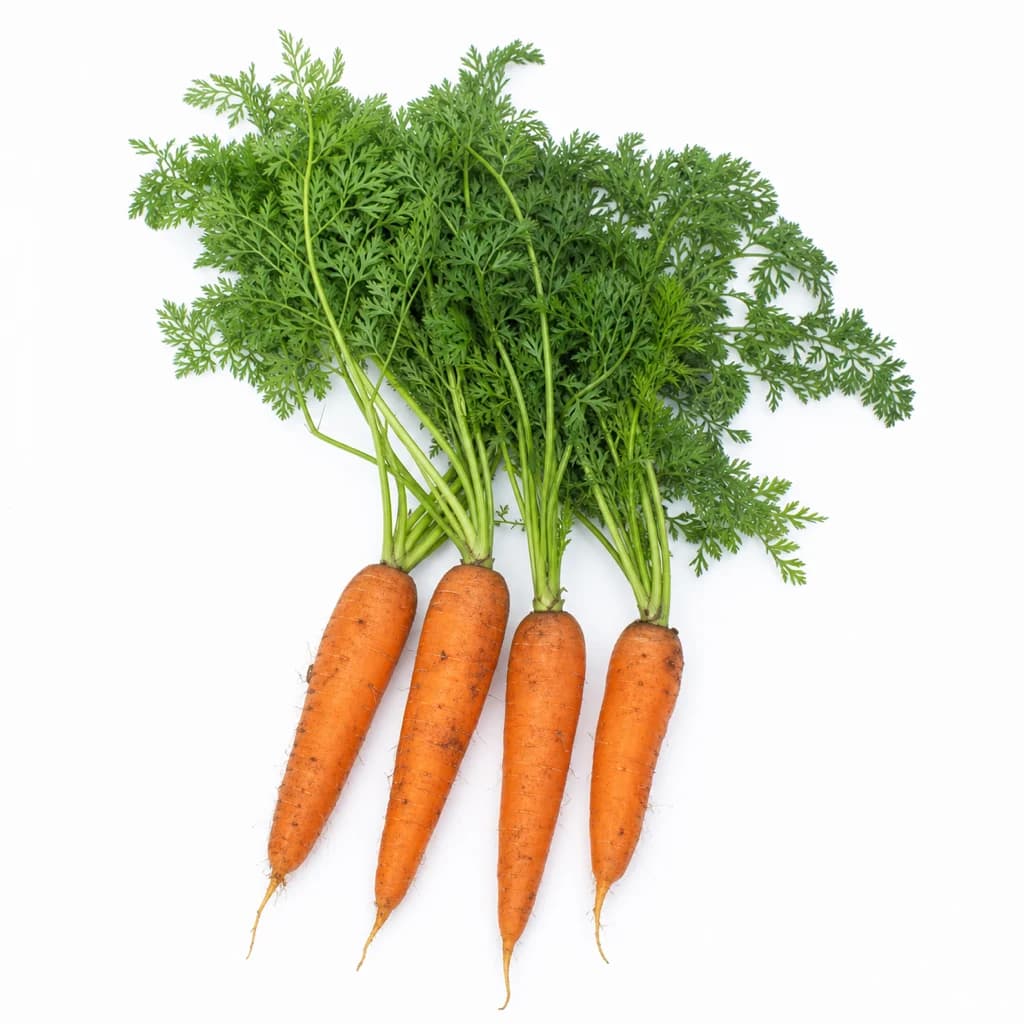
Carrot
Sweet, crunchy root — raw, roasted, or the base of a sofrito
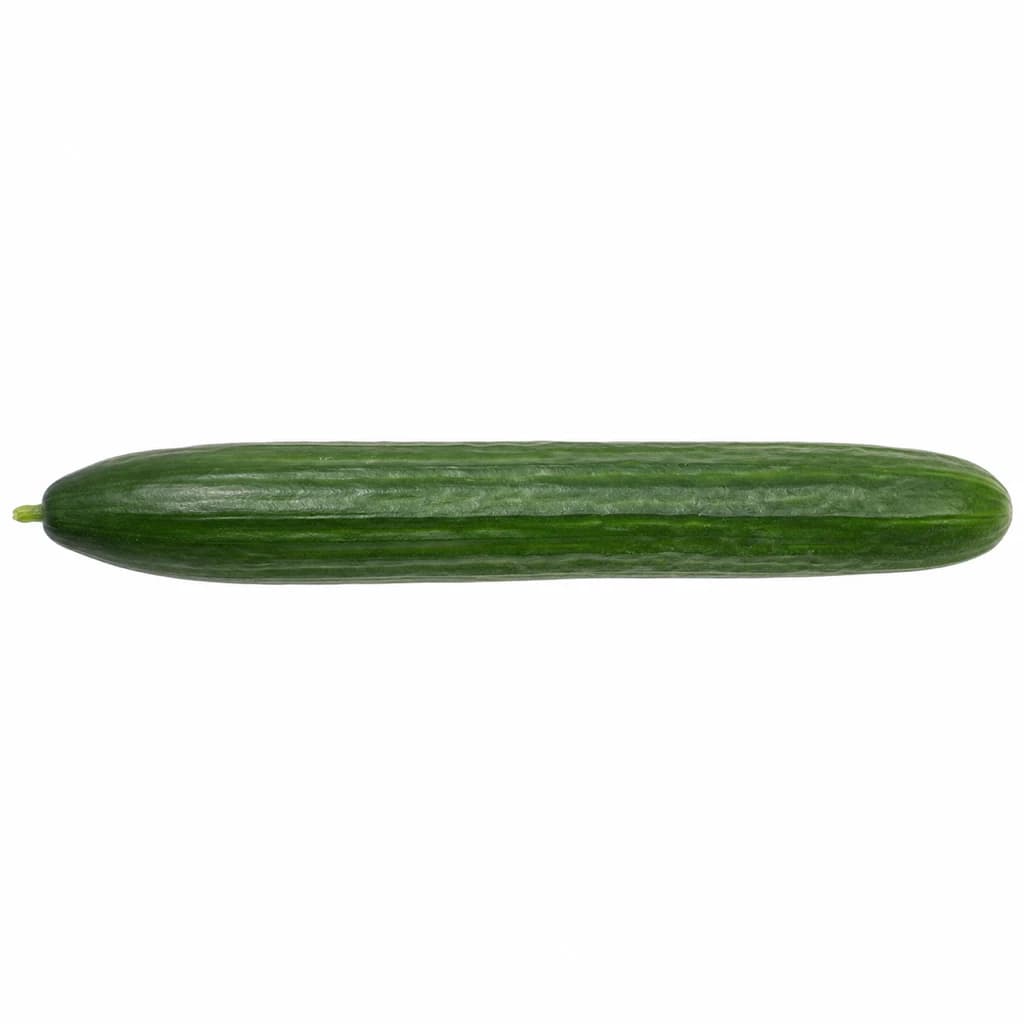
Cucumber
Cool, crisp, and watery — for salads, pickles, and tzatziki

Lettuce
Crisp leaves for salads, wraps, and a fresh crunch