Grains & Rice
Flaked Rice
Flattened, pre-cooked rice flakes (poha) that rehydrate quickly for snacks and dishes.
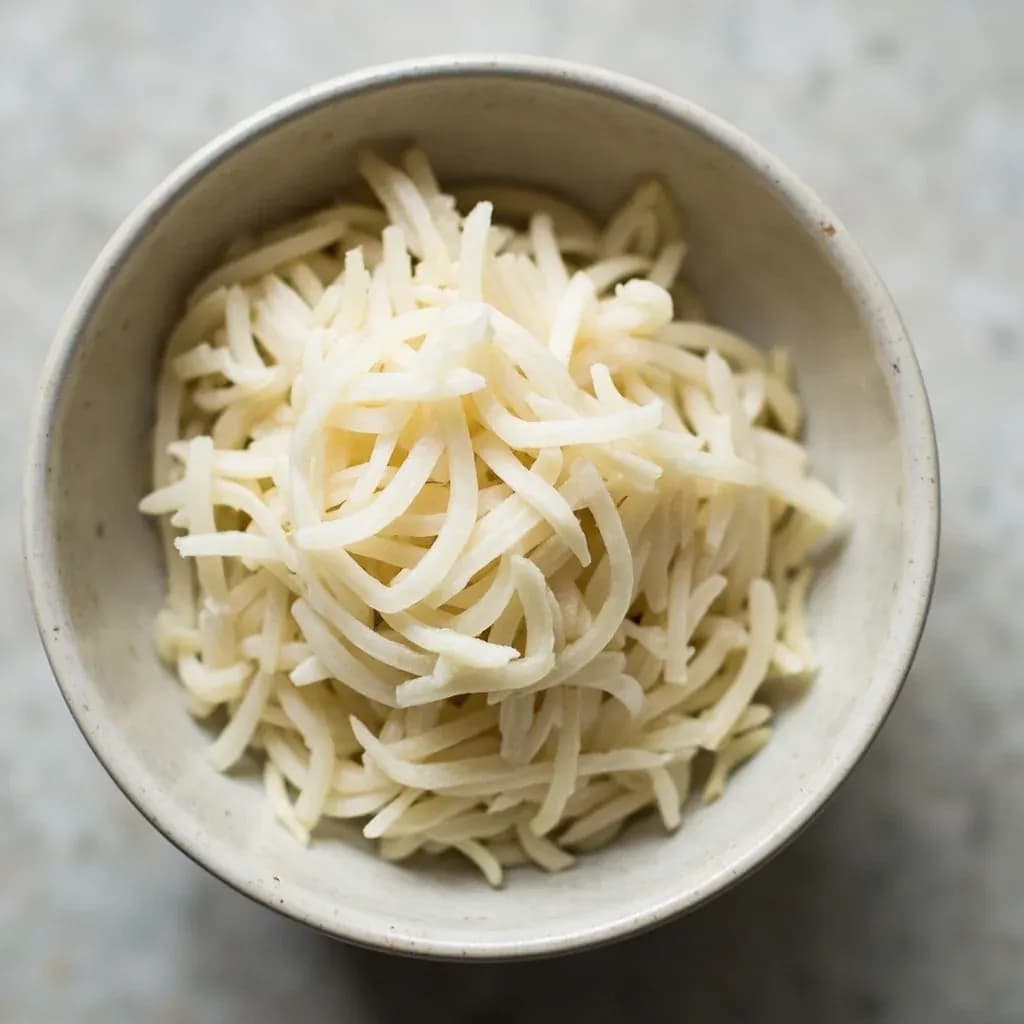
Flaked rice is parboiled rice that has been flattened into light, dry flakes, known as poha or chira in South Asia. It needs only a brief soak or steam to soften, making it quick to cook. It is used in savory breakfasts, snacks, and sweets, and as a brewing adjunct.
Flaked rice—known as poha, beaten rice, or flattened rice in different regions—is pre-processed rice that has been steamed until partially cooked (parboiled), then passed through heavy rollers to flatten it into thin, irregular flakes. This dual process of steaming and flattening gelatinizes the surface starch, giving the flakes their defining characteristic: the ability to rehydrate in minutes rather than the 20–40 minutes required for whole rice grains. The result is a versatile ingredient with a mild, slightly nutty flavor and a texture that ranges from delicate and yielding to substantial and crunchy, depending on thickness.
The product is central to Indian cuisine, particularly in the states of Maharashtra, Gujarat, Madhya Pradesh, and Odisha, where it appears at breakfast tables, in street food stalls, and as a stored pantry staple. Its quick preparation time made it historically valuable—ready to cook in minutes, it provided a nourishing meal without the labor of grinding or extended cooking. In South India, it finds its way into milk-based desserts (kheer and payasam), while in Thai cooking it functions as a thickener for rice porridge. The processing also extends shelf life compared to raw rice, as the parboiling step reduces moisture content and stabilizes the fats.
Thickness is the primary variable. Thin flakes (chavri patti) disintegrate readily, making them ideal for soft, quickly assembled dishes. Thick flakes (mota poha) hold their shape through frying and retain a satisfying chew when hydrated. Understanding this distinction is essential: substituting one for the other in the wrong application produces disappointing, often inedible results. Yellow poha—pre-fried with oil, salt, and sometimes turmeric—is a ready-to-eat snack base with significantly longer shelf life than raw flakes.
- Measured in
- g
- Storage
- Pantry
Types & varieties
Fine, delicate flakes that dissolve readily; ideal for soft-textured dishes like breakfast poha; over-soaking produces mushy results
Coarser, more substantial flakes that hold shape better through frying and hydration; preferred for chivda and heavier preparations
Pre-fried with oil, salt, and sometimes turmeric; longer shelf life; primarily used as a ready-to-eat snack base
Made from red rice; nuttier, more complex flavor; increasingly available in health-food markets; darker in color
Made from brown rice; higher in fiber than white variants; earthier taste and darker color; cooks similarly to white poha
Choosing the Right Thickness
The single most important decision when working with flaked rice is thickness selection. In India, regional preferences define the two main camps: Bombay style uses thin poha for a soft, almost pillowy breakfast dish, while Indori and Bhopali styles call for thick poha that provides body and a pleasant chew. When purchasing outside specialty Indian grocery stores, examine the flakes closely—thin poha appears translucent and delicate; thick poha looks opaque and substantial, with visible individual flakes.
- For soft breakfast dishes: thin flakes (chavri patti) that break down easily
- For frying and snacking: thick flakes (mota poha) that maintain crunch and structure
- For coating fritters: thick poha provides the crispiest result
- When in doubt, thick poha is more versatile and forgiving in savory applications
Hydration and the Over-soaking Problem
Because the starch is already gelatinized during processing, flaked rice rehydrates with startling speed. This is a feature, not a bug—unless you let it become a failure. Thin poha placed in cold water begins absorbing immediately; 30 seconds to 1 minute is sufficient. For breakfast poha, a common technique is to rinse, drain thoroughly, then let stand 2–3 minutes—the residual moisture continues to hydrate the flakes without the dilution of excess water. The goal is hydrated but not waterlogged: the flakes should hold their shape when tossed and separate easily.
- Test by squeezing gently: properly hydrated flakes cling together loosely, not in a wet mass
- If excess water pools after standing, drain it off before adding seasonings
- For frying applications, thicker flakes may need 5–10 minutes of soaking; always drain and pat dry before frying
- Thin poha added to liquid-based dishes (like kheer) should be added last, in the final 2–3 minutes of cooking
Common uses
Tips & pitfalls
- Rinse thin poha only briefly (30 seconds to 1 minute) in cold water; they rehydrate almost instantly and over-soaking produces a mushy, gluey texture
- For breakfast poha, rinse then drain thoroughly and let stand 2–3 minutes; the residual moisture is sufficient for proper hydration without dilution
- For frying (chivda), thick poha holds its shape and delivers superior crunch—test-fry a small batch first to judge color and crispness before committing the full quantity
- Toast dry poha in a warm pan for 1–2 minutes before using to deepen the nutty flavor and reduce any residual dampness from storage
- Store in airtight containers in a cool, dry place; humidity causes clumping and accelerates spoilage by creating conditions for mold and insect activity
- If poha feels damp when opening a package, spread on a clean cloth and sun-dry for 30 minutes before storing—this step prevents mold and extends usability
- Do not substitute thick poha for thin in breakfast dishes—the texture will be chewy and unevenly hydrated, and the thicker flakes may remain hard at the center
- Never skip the tempering step for savory dishes; poha itself is bland and requires the aromatic foundation of mustard seeds, curry leaves, onions, and green chilies to become flavorful
Nutrition
Energy
1536 kJ · per 100 g
Where the calories come from
Protein
7.5g
15% DV
Carbs
76.3g
28% DV
Fat
3.2g
4% DV
Fiber
3.6g
13% DV
Sugars
0.7g
of which
Sodium
5mg
0% DV
Source · USDA FoodData Central · approx. Rice, brown, long-grain, raw (Includes foods for USDA's Food Distribution Program)
View on FDC →In the shops
Matched grocery products
No matched grocery products for Flaked Rice yet.
Good to know
- Definition
- Pre-processed rice steamed until parboiled, then flattened into thin flakes; also called poha, beaten rice, or flattened rice
- Primary Origin
- Indian subcontinent; staple in Maharashtra, Gujarat, Madhya Pradesh, and Odisha
- Base Rice
- Usually indica varieties (Patna or similar long-grain); specialty versions use red or brown rice
- Processing Method
- Cleaning, parboiling (steaming), then roller-flattening to gelatinize surface starch
- Shelf Life
- 6–12 months in airtight containers in cool, dry conditions; yellow (fried) poha lasts longer due to reduced moisture
- Hydration Time
- Thin flakes: 1–3 minutes in cold water; thick flakes: 5–10 minutes depending on desired texture
Substitutes
- Quick-cooking oats (rolled oats) — Similar rehydration behavior; use in equal weight; neutral flavor differs significantly; not suitable for traditional Indian preparations but works in porridge-style dishes
- Instant rice flakes — Very similar product; may be thinner than standard poha; adjust soaking time downward to prevent over-hydration
- Breadcrumbs (for frying) — For coating applications only; different texture and absorption properties—breadcrumbs create a finer, more even crust rather than the irregular crunch of poha
- Crushed cornflakes (for snacks) — Comparable crunch for fried snacks and mixture; flavor profile is sweeter and more neutral; suitable for most snack applications
Pairs with
Also called
Poha · Chira · Beaten Rice
Related

White Rice
Fluffy long-grain rice — the neutral base for almost any meal

White Bread
Soft sandwich loaf for toast, sandwiches, and crumbs
Brown Rice
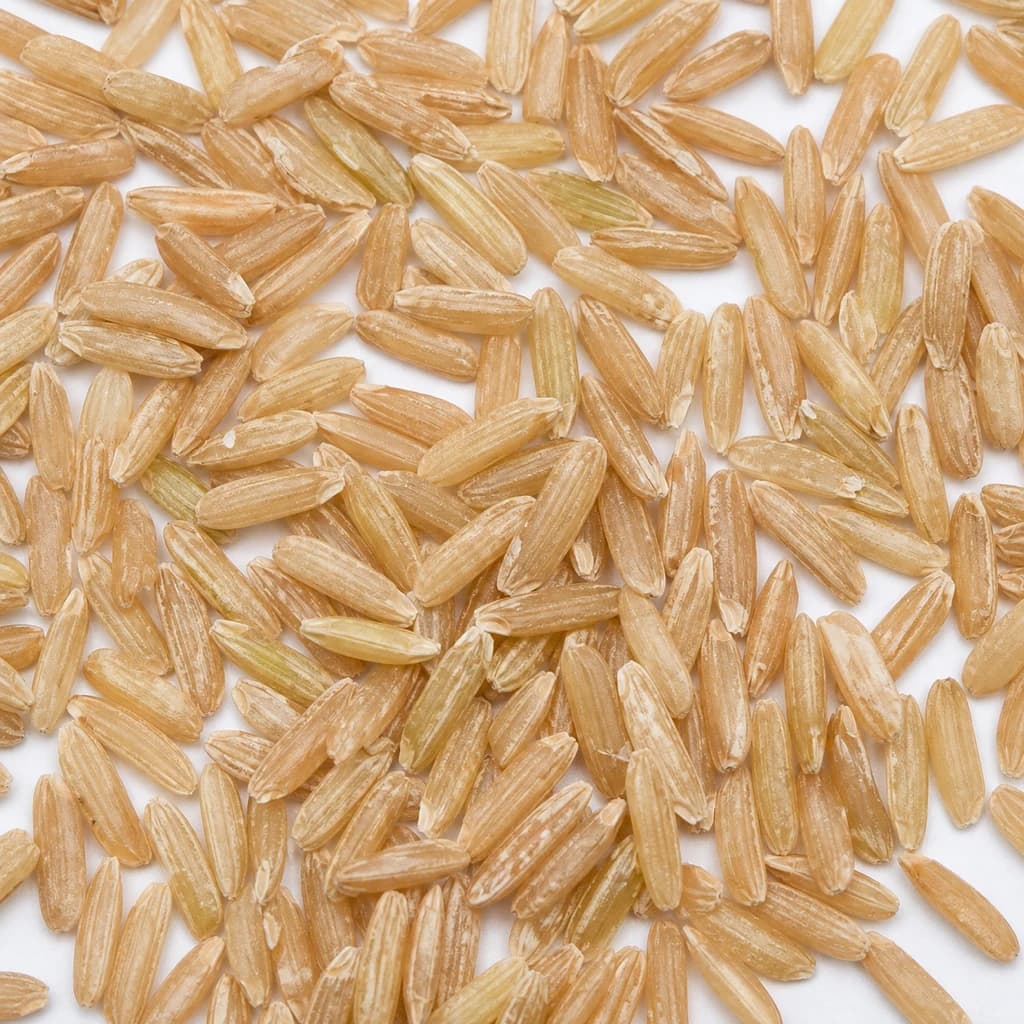
Nutty, whole-grain rice with chew and extra fiber

Basmati Rice
Fragrant, long-grain rice that cooks up light and separate
Jasmine Rice
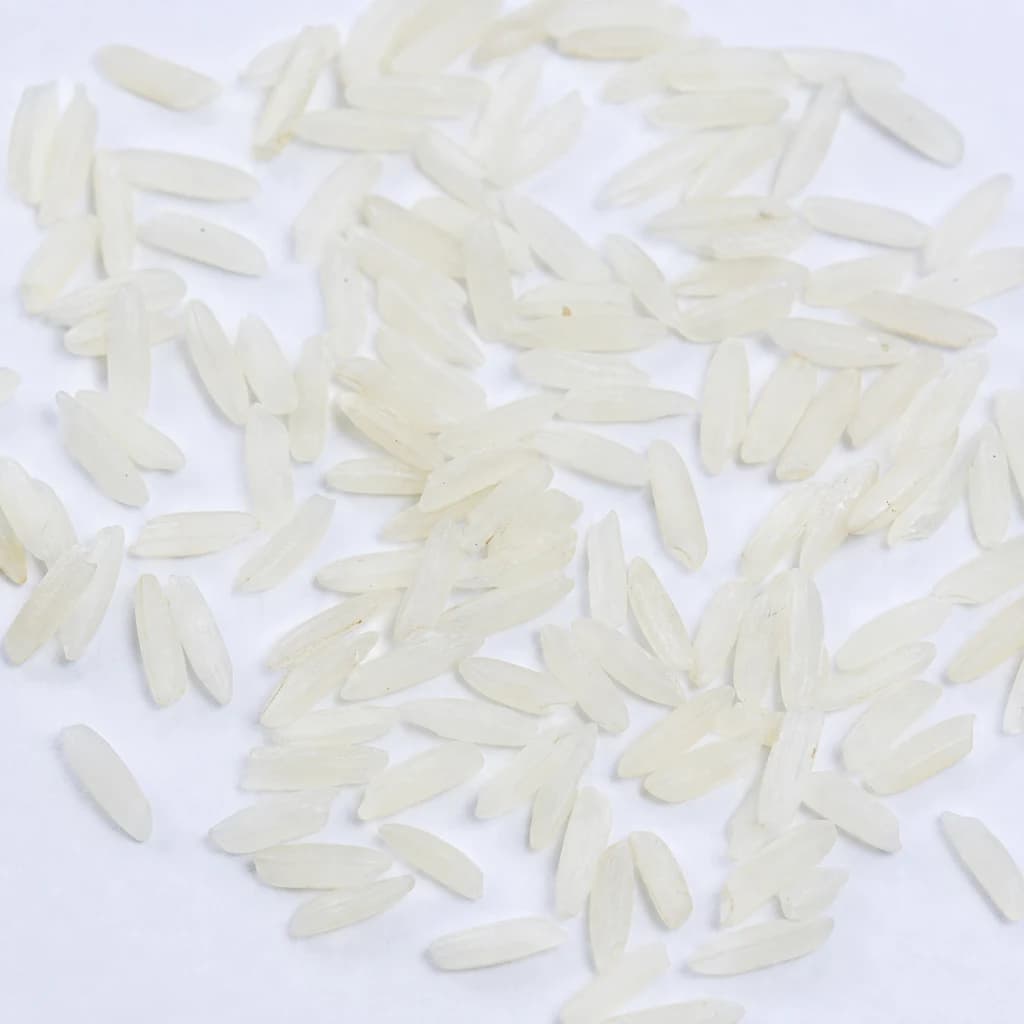
Soft, floral-scented rice that's the pillar of Thai meals
Arborio Rice
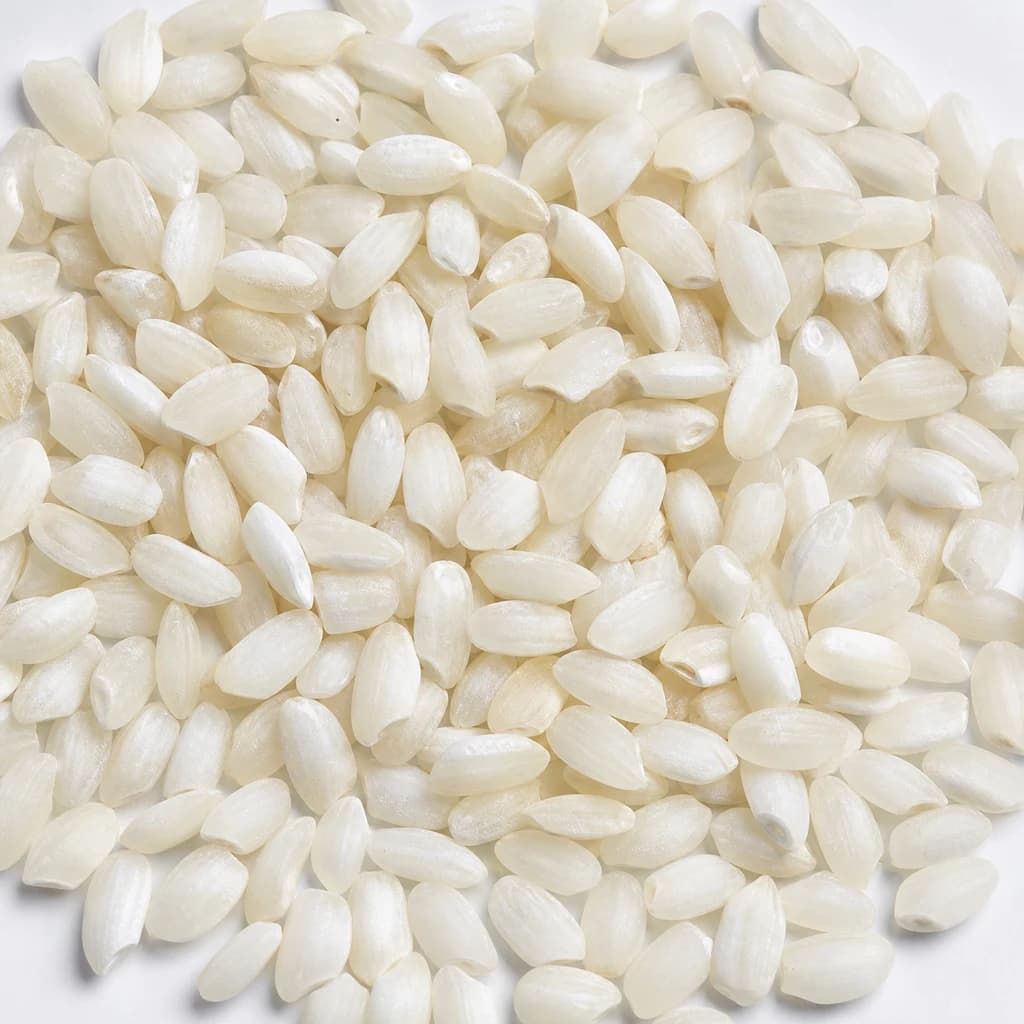
Plump, starchy rice that makes risotto creamy
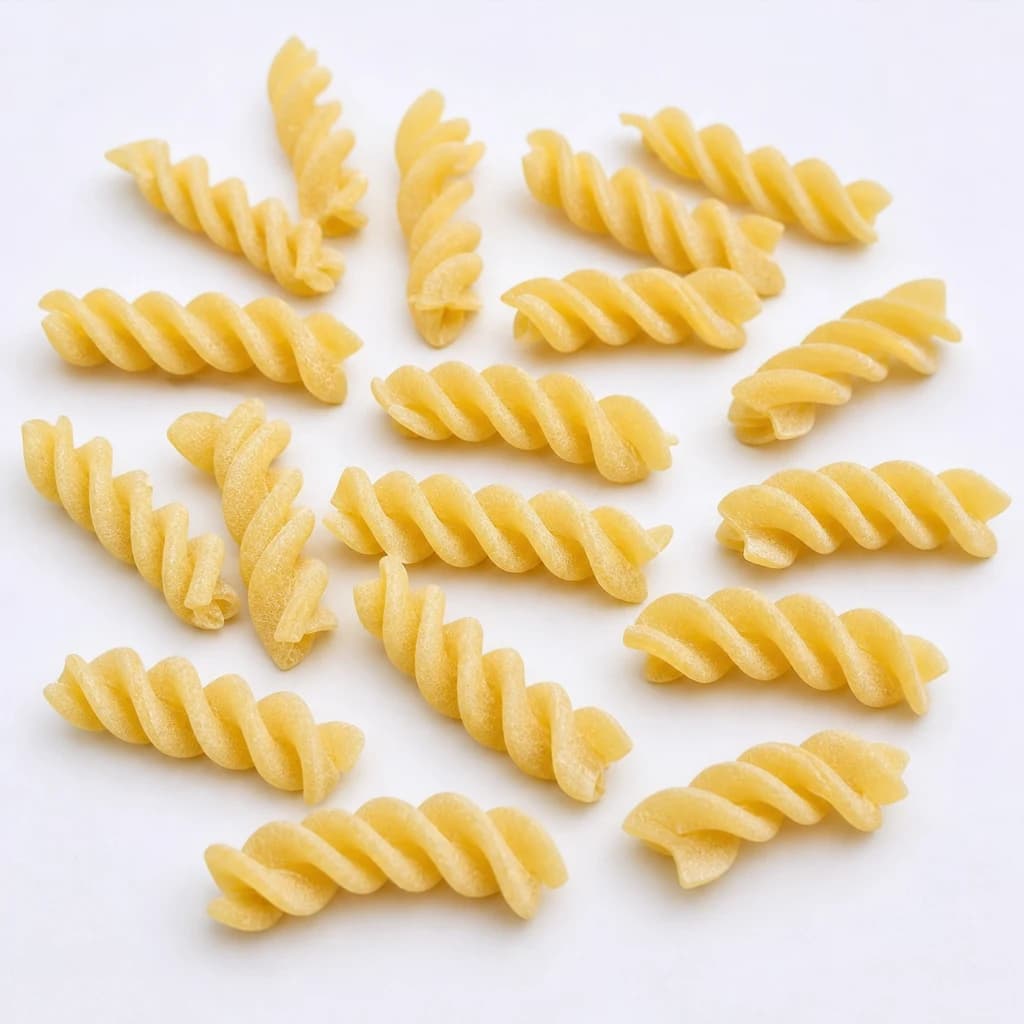
Fusilli
Spiraled pasta that twirls up sauce and dresses cold salads
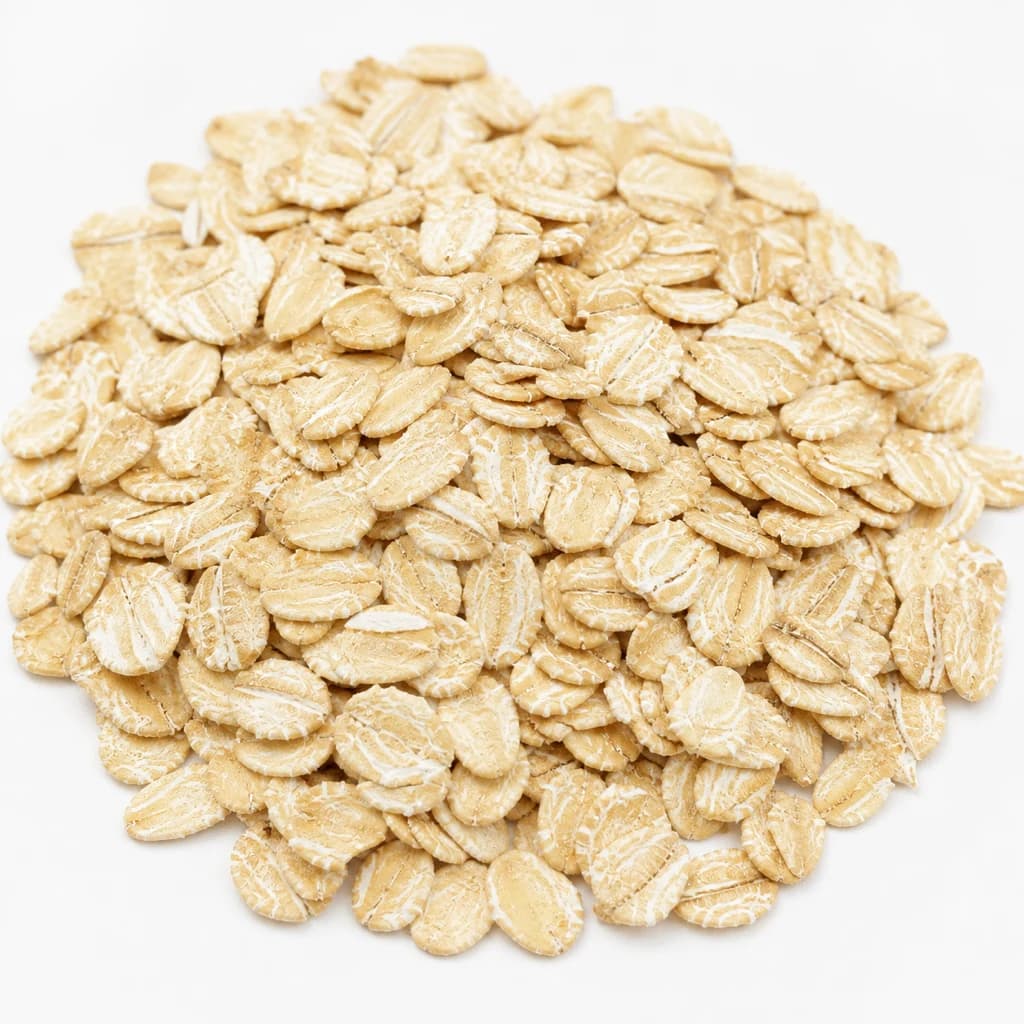
Rolled Oats
Hearty flakes for porridge, granola, and chewy cookies