Natural form
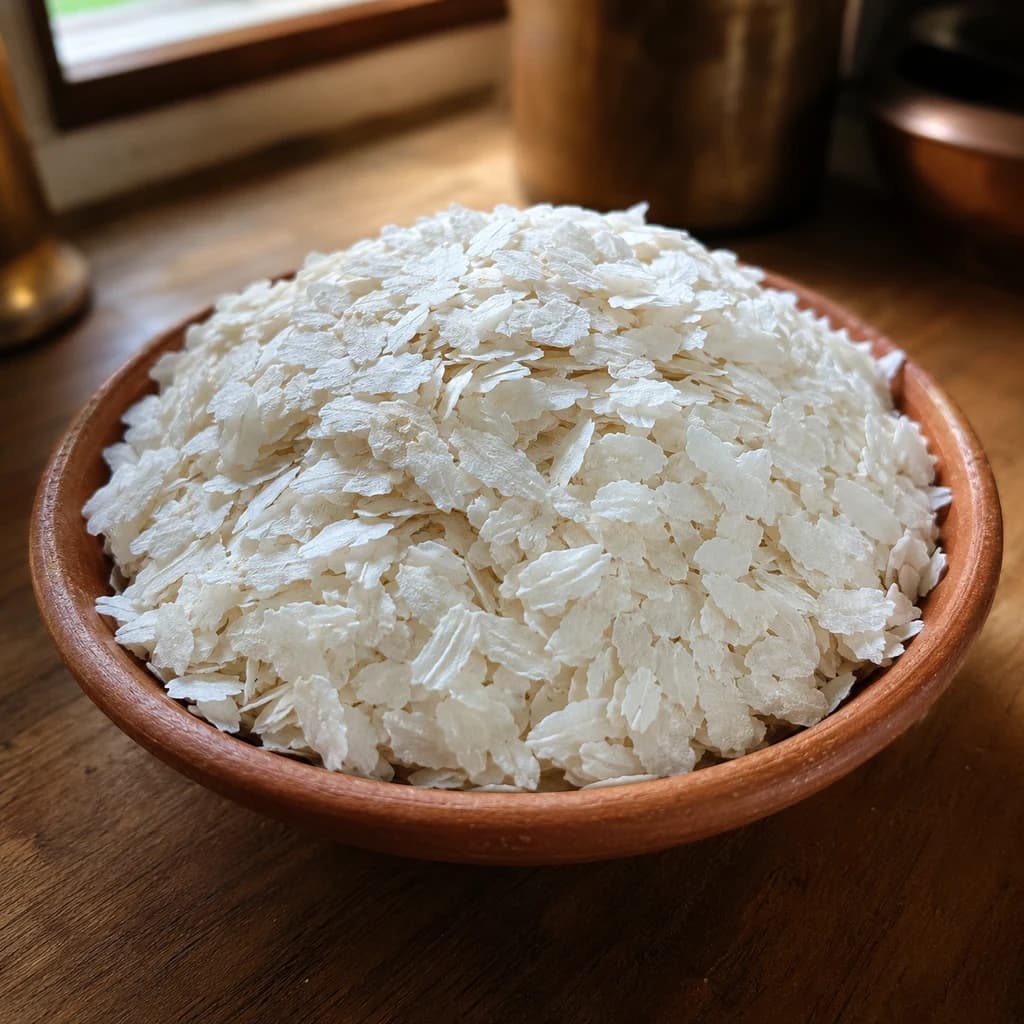
Dry flattened rice flakes in their raw, unsoaked state, showing the papery flat texture.
Shows readers the unmistakable dry flake form they will encounter when buying or storing poha.
Grains & Rice
Flattened Rice (Poha)
Parboiled rice rolled into flat flakes that soften instantly with a quick soak.
Flattened rice is made by flattening parboiled rice grains into dry, papery flakes that rehydrate in minutes. A South Asian staple, it stars in Indian poha breakfasts, Nepali chiura, and quick snacks because it cooks without boiling. The flakes come in thin and thick grades, the thin used for crisp snacks and the thick for moist dishes.
Flattened rice, known as poha across India and as chura or beaten rice in other regions, is a pre-processed rice product with a long history in South Asian kitchens. The production begins with parboiled rice—rice that is steamed under pressure before milling, which gelatinizes the starch and partially cooks the grain. This parboiled rice is then passed through rollers that flatten it into flakes of varying thickness, then dried. The parboiling step is what distinguishes true poha from simple rolled rice: it creates a product that rehydrates in minutes rather than requiring extended cooking, while retaining a pleasant chewy firmness when handled correctly. The flakes absorb liquid rapidly, swelling to two or three times their original volume, yet they can turn gummy and lose all texture if over-hydrated. This narrow margin between perfect and ruined is why technique matters more than cooking time with poha. Historically a staple in Maharashtra, Gujarat, Madhya Pradesh, and Odisha, poha has evolved from a practical way to stretch rice stores into a beloved breakfast and snack canvas that anchors regional identities—from the thin, paper-like flakes of Kolhapur to the plump, substantial poha of Indore.
- Measured in
- g
- Storage
- Pantry
Types & varieties
Translucent, delicate flakes that soak almost instantly; preferred for chivda, namkeen, and recipes where a light texture matters most
The most widely available variety; standard for Poha Upma and most regional preparations; balances structure with quick hydration
Made from bold, specific rice varieties; signature product of Indore in Madhya Pradesh; requires 5–8 minutes of soaking and yields a substantial, almost meaty texture
Flattened from de-husked red rice; nuttier, earthier flavor; traditional in Odisha and parts of South India; retains more fiber than white varieties
Produced from brown rice; less processed than white poha; higher fiber content with a slightly more pronounced nutty taste
Understanding Hydration: The Critical Variable
Poha's entire culinary character depends on controlling water contact. The parboiled starch inside each flake is already gelatinized, meaning it has absorbed moisture and begun to gelatinize during processing. When you add water at home, the starches rehydrate quickly—so quickly that there is almost no margin between properly hydrated and hopelessly mushy. Thin poha requires a mere splash of water and immediate draining, or even just a brief rinse and shake. Medium poha needs 30 to 60 seconds of soaking followed by thorough drainage. Thick Indori poha demands the most patience: 5 to 8 minutes in water, then careful draining. The goal in every case is for the flakes to remain distinct and slightly firm at their center, not soft and clumping together.
- Under-hydrated poha will be hard and chalky in the center; it will not bind or absorb flavors properly
- Over-hydrated poha becomes a gummy, pasty mass that falls apart when tossed and absorbs nothing
- Always spread hydrated poha on a plate or cloth immediately after draining to stop residual steaming
- For recipes requiring binding (cutlets, ladoo), slightly more hydration is acceptable; for light, fluffy preparations, err toward under-hydration
The Tempering Foundation
Authentic savory poha preparations begin and end with tempering—called tadka or phodni in Hindi. This is not optional embellishment but structural technique. Mustard seeds are fried in oil until they pop and sputter, which releases their compounds and creates the aromatic base. Curry leaves follow, turning crisp and fragrant as they hit the hot oil. Green chilies and ginger may be added at this stage. The hydrated poha is then added to this aromatic oil and tossed gently, coating every flake with the tempered fat. Skipping or skimping on the tempering produces poha that tastes flat, bland, and unfinished—no amount of additional spices will compensate for the missing foundation.
- Oil temperature matters: test with a mustard seed—if it pops immediately, the oil is ready
- Fresh curry leaves are irreplaceable; dried leaves lose the citrusy, aromatic quality that defines the dish
- The tempered oil should coat the poha evenly—add a splash of water to the tempering to help it distribute if needed
Common uses
Tips & pitfalls
- Rinse thin poha quickly (30 seconds max) or simply sprinkle with water; medium poha needs 1–2 minutes; thick Indori poha requires 5–8 minutes—never treat all varieties the same
- Drain poha thoroughly after rinsing—shake the colander well and spread on a plate; any trapped water continues cooking the flakes from the inside out
- Always salt poha after hydrating and draining, not before; adding salt early draws out moisture and makes the flakes soggy and fragile
- For authentic flavor, the mustard-curry leaf-turmeric-peanut tempering is essential, not optional—these create the signature profile of the dish
- Store poha in airtight containers in a cool, dry place; humidity causes the flakes to lose crunch and develop off-flavors, and promotes mold growth
- When frying poha into chivda, ensure flakes are completely dry; any residual moisture causes clumping and uneven browning
- For sweet preparations like kheer or ladoo, soak poha only until pliable—you want a slight bite remaining, not soft mush
- Common mistake: pressing or mashing poha while tossing; use a gentle folding motion with a wide spatula to keep flakes intact
- If poha becomes too hydrated, spread it on a dry pan over low heat for 1–2 minutes to remove excess moisture and recover some texture
- Red and brown poha varieties have more fiber and bran, so they may require slightly longer soaking times than white varieties to achieve the same softness
Nutrition
Energy
1536 kJ · per 100 g
Where the calories come from
Protein
7.5g
15% DV
Carbs
76.3g
28% DV
Fat
3.2g
4% DV
Fiber
3.6g
13% DV
Sugars
0.7g
of which
Sodium
5mg
0% DV
Source · USDA FoodData Central · approx. Rice, brown, long-grain, raw (Includes foods for USDA's Food Distribution Program)
View on FDC →In the shops
Matched grocery products
No matched grocery products for Flattened Rice (Poha) yet.
Good to know
- Origin
- Indian subcontinent; staple in Maharashtra, Gujarat, Madhya Pradesh, and Odisha
- Processing
- Parboiled, steamed, then flattened and dried; distinct from raw or instant rice
- Color
- Off-white to cream; red and brown varieties retain more bran
- Flavor
- Mild and slightly nutty; neutral enough for both sweet and savory applications
- Hydration Behavior
- Swells to 2–3× volume when soaked; requires precise timing to maintain texture
- Thickness Range
- Thin/paper (instant) to medium (common) to thick (Indori)
- Shelf Life
- 6–12 months stored airtight in a cool, dry place
- Primary Role
- Breakfast cereal and savory snack base; regional identity marker across India
Substitutes
- Beaten Rice (Chura) — Identical product under a different regional name; use without adjustment to recipe or technique
- Quick-Cooking Oats — Comparable rehydration behavior and texture for upma-style preparations; yields a different, more earthy flavor and is not interchangeable in sweet preparations
- Rice Flakes — Similar swelling properties when hydrated; substitute in either direction in most preparations with minor timing adjustments
Pairs with
Also called
Chira · Poha · Beaten Rice · Chiura
Appears in these dishes
Related

White Rice
Fluffy long-grain rice — the neutral base for almost any meal

White Bread
Soft sandwich loaf for toast, sandwiches, and crumbs
Brown Rice
Nutty, whole-grain rice with chew and extra fiber

Basmati Rice
Fragrant, long-grain rice that cooks up light and separate
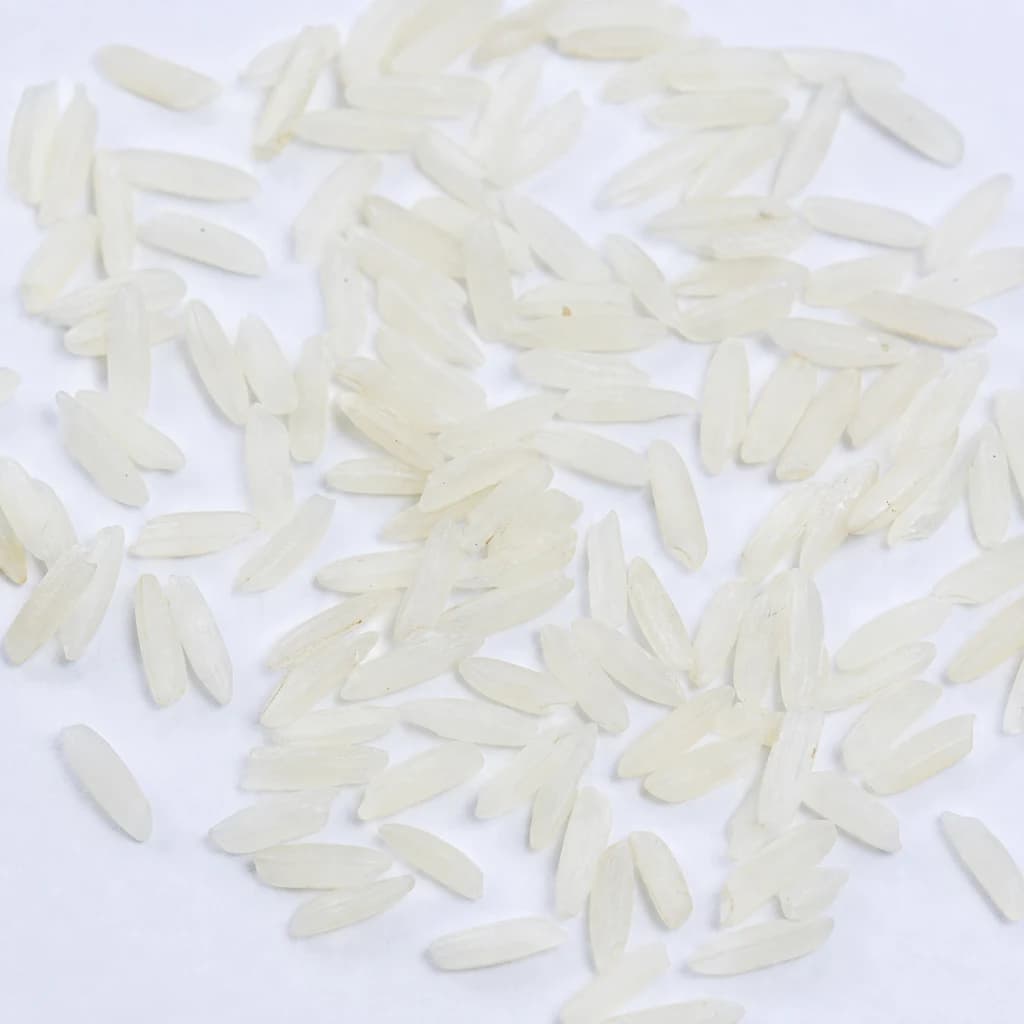
Jasmine Rice
Soft, floral-scented rice that's the pillar of Thai meals
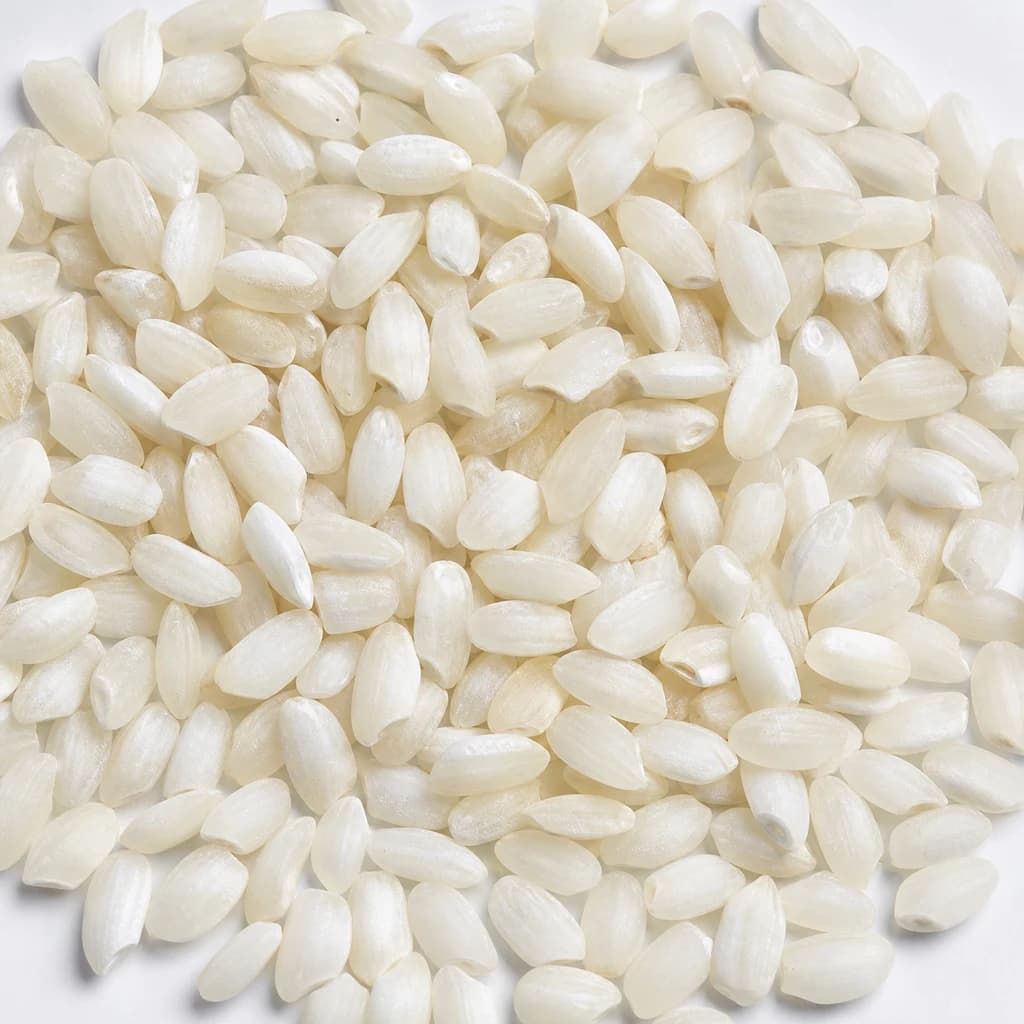
Arborio Rice
Plump, starchy rice that makes risotto creamy
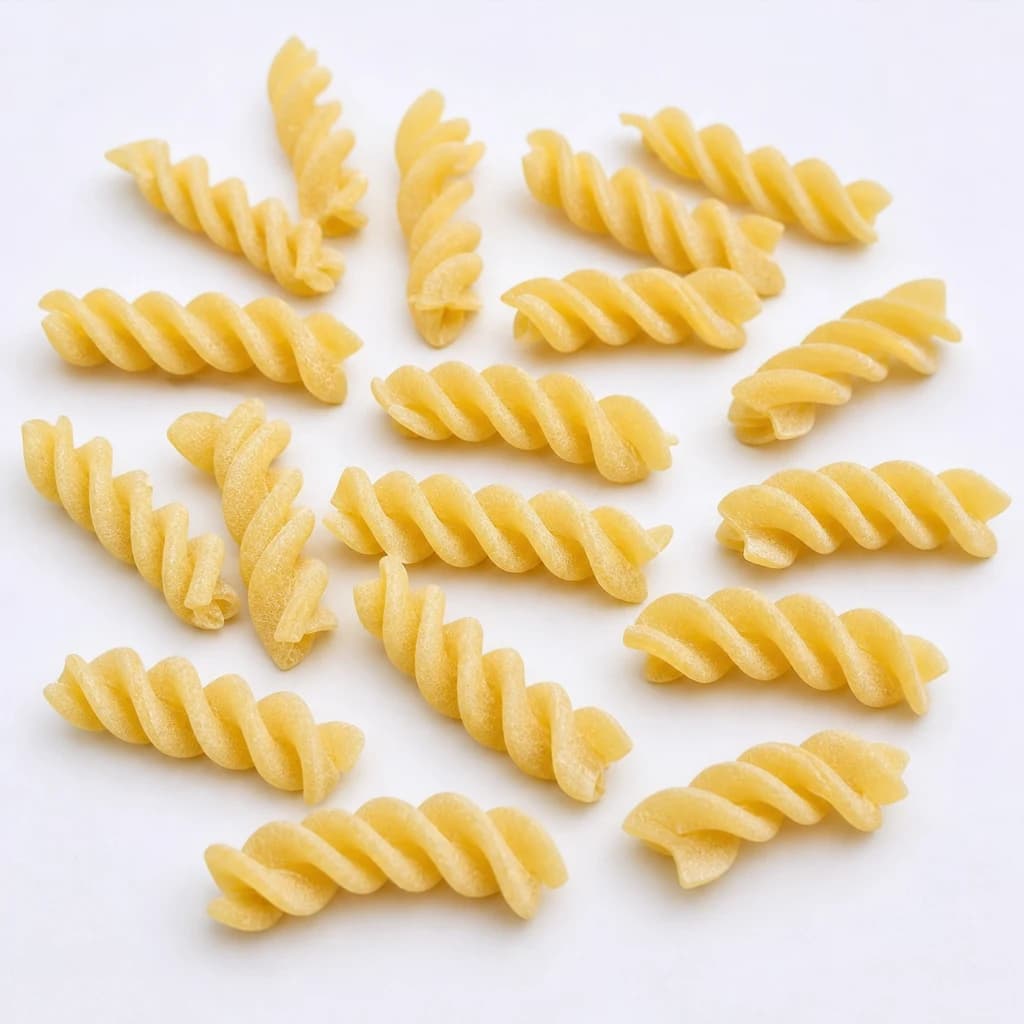
Fusilli
Spiraled pasta that twirls up sauce and dresses cold salads
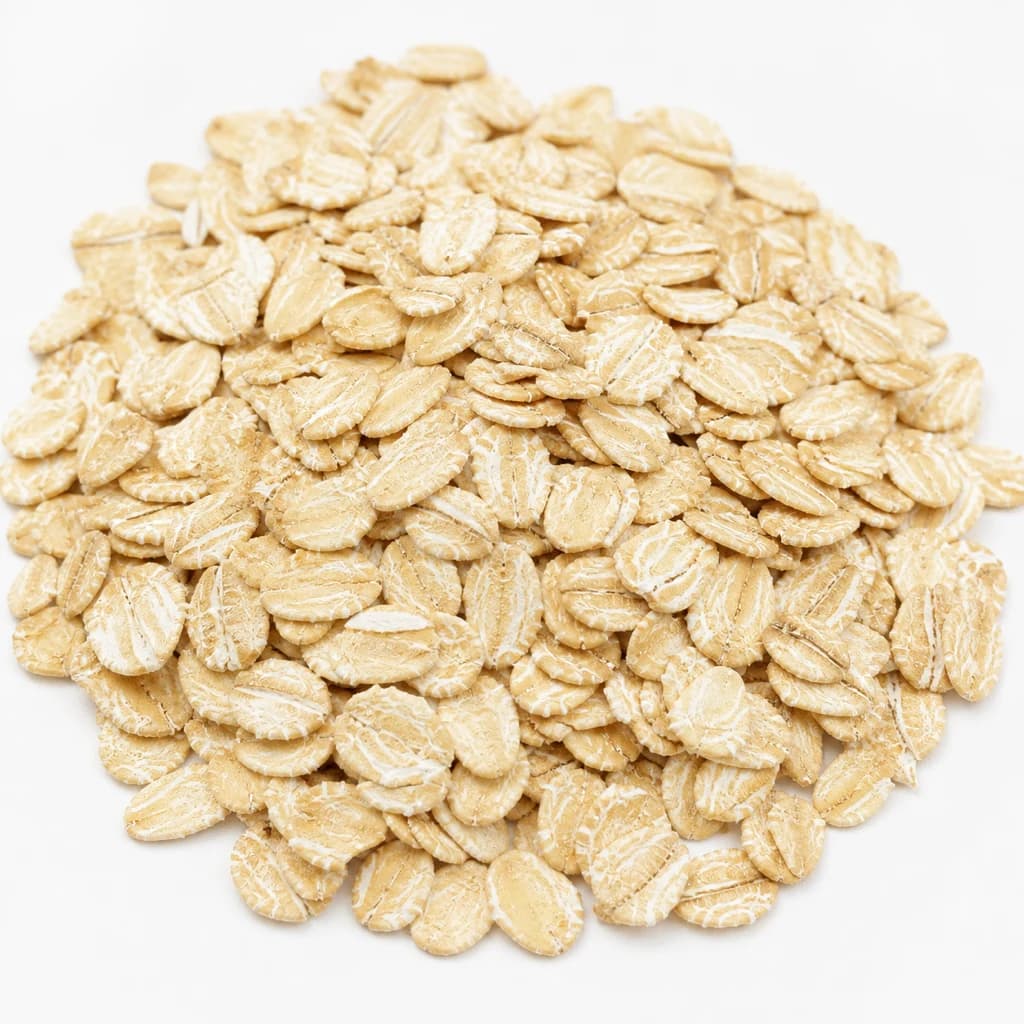
Rolled Oats
Hearty flakes for porridge, granola, and chewy cookies