
Natural form
Whole freeze-dried strawberries showing their airy, crisp texture and vivid red color.
Establishes the subject's defining visual identity — intact berry shape preserved but dramatically lightened and intensely colored after freeze-drying.
Produce
Freeze-Dried Strawberry
Crisp, intensely flavored dehydrated strawberries used in baking, cereals, and as a powder.
Freeze-dried strawberries are berries with nearly all moisture removed under vacuum, leaving an airy, crisp piece with concentrated sweet-tart flavor and vivid color. They are crushed into powder for frostings and macarons, folded into granola and trail mix, or eaten as a light snack. Because they stay crunchy and won't add moisture, they are favored in baking and confectionery.
Freeze-dried strawberries represent one of the most versatile processed fruit ingredients available to home cooks and professionals alike. The lyophilization process freezes the fruit solid, then removes moisture through sublimation in a vacuum chamber, leaving cellular structure remarkably intact. This differs fundamentally from air-drying or dehydrator-drying, which use heat and produce a chewy, shrunken product. The result is a crisp, porous berry that shatters between your teeth yet reconstitutes nearly to its original texture when soaked in liquid.
What makes freeze-dried strawberries indispensable is their flavor concentration. Without heat degradation, volatile aromatics and sensitive compounds like vitamin C and anthocyanins remain largely preserved, giving you strawberry intensity that fresh berries can't match by weight. A single ounce of whole freeze-dried berries delivers the equivalent flavor punch of an entire cup of fresh strawberries. The color stays bright red, the nutritional profile stays high, and the shelf life extends to years rather than days. For bakers, this means you can add genuine strawberry flavor and visual impact without introducing excess moisture that would ruin batter consistency.
The product enters your kitchen in several forms—whole berries, sliced rounds, crumbled chunks, or finely ground powder—and each behaves differently. Whole berries add dramatic visual pops and satisfying crunch; powder disperses evenly throughout batters and frostings; crumbled pieces strike a balance between the two. Understanding these differences lets you choose the right form for each application, whether you're folding berries into granola bars, dusting powder into buttercream, or pressing whole pieces into muffin tops.
- Measured in
- g
- Storage
- Pantry
Types & varieties
Full strawberries, freeze-dried whole; retain shape but are extremely crisp and lightweight
Strawberries sliced before drying; common in cereal and granola applications where even distribution matters
Pre-broken pieces; convenient for baking, trail mixes, and direct snacking
Finely ground; disperses evenly in batters, frostings, and liquids without visible pieces
Grown without synthetic pesticides; same freeze-dry process; commands premium price but same functionality
Common commercial variety; bright red, firm flesh, good freeze-dry performance
Everbearing variety; produces notably sweet fruit; popular in premium freeze-dried products
Powder vs. Whole Berry: Choosing the Right Form
The decision between powder and whole/crumbled berries hinges on what you need the ingredient to do in your recipe. Powder dissolves and distributes throughout a mixture, creating homogeneous flavor and color—you'll see it in strawberry frosting, protein shakes, and cake batter. Whole or crumbled pieces create texture contrast and visual interest, appearing as distinct specks or bursts in cookies, granola, and ice cream.
Mixing both forms is a legitimate technique: use powder for background strawberry presence and crumbled berries for textural pops. In banana bread with freeze-dried strawberry, for instance, powder integrates into the crumb while crumbled pieces create pockets of concentrated flavor and crunch.
Powder quality varies significantly between products. Commercial strawberry powder is sometimes made from air-dried fruit rather than true freeze-dried, which produces a duller color and less intense flavor. Check the ingredient list—pure freeze-dried strawberry should contain only strawberries, no added sugar, oil, or anti-caking agents unless specified.
- Use powder when you want invisible strawberry flavor integration
- Use whole or crumbled when you want visible pieces and textural contrast
- Combine both forms for layered strawberry impact
- Verify powder is truly freeze-dried, not air-dried, by checking the ingredient list
The Moisture Test: Authenticating Freeze-Dried Fruit
A quick test confirms whether your freeze-dried strawberries are the real thing. Drop a few pieces into a glass of water. True freeze-dried fruit contains almost no air in its porous structure—it will float briefly as the surface tension holds it up, then sink as water penetrates. Air-dried or dehydrator-dried strawberries are less porous and will float indefinitely. This isn't merely an curiosity—it tells you something practical: air-dried fruit won't rehydrate properly and carries residual moisture that can affect baking recipes. If your "freeze-dried" strawberries float, they're mislabeled or degraded, and you should adjust your expectations accordingly.
- True freeze-dried fruit floats briefly then sinks in water
- Air-dried fruit floats indefinitely due to trapped air pockets
- Floating berries won't rehydrate properly in recipes
- Test a piece before committing to a recipe that depends on proper rehydration
Common uses
Tips & pitfalls
- Store in airtight containers (mason jars, zip-top bags with excess air expelled) immediately after opening original packaging to prevent moisture absorption
- Keep in cool, dark cabinet — heat and light degrade color and flavor over time, even in the sealed bag
- Add powder to dry ingredients first in baking to prevent clumping; sift if lumps appear before incorporating into batter
- To rehydrate: cover with liquid (water, milk, fruit juice) for 10–15 minutes; fruit will soften and swell to near-fresh texture; use the absorbed liquid in your recipe for full strawberry integration
- Crush whole berries by placing in a sealed bag and rolling with a pin, or use a spice grinder for consistent powder
- In frostings and buttercream, add powder gradually — a little goes a long way and excessive amounts can make icing gritty from undissolved plant fiber
- For embedded whole berries in cakes or breads, press gently into batter just before baking to prevent them from sinking to the bottom
- Do not confuse with air-dried or dehydrator-dried strawberries — those are chewy, not crispy, and have different flavor concentration; they cannot substitute in recipes requiring crunch
- Check for moisture integrity before adding to recipes — if berries feel soft or tacky, moisture has compromised them; discard or re-dry in oven at lowest setting for 10–15 minutes
Nutrition
Energy
134 kJ · per 100 g
Where the calories come from
Protein
0.7g
1% DV
Carbs
7.7g
3% DV
Fat
0.3g
0% DV
Fiber
2g
7% DV
Sugars
4.9g
of which
Sodium
1mg
0% DV
Source · USDA FoodData Central · approx. Strawberries, raw
View on FDC →In the shops
Matched grocery products
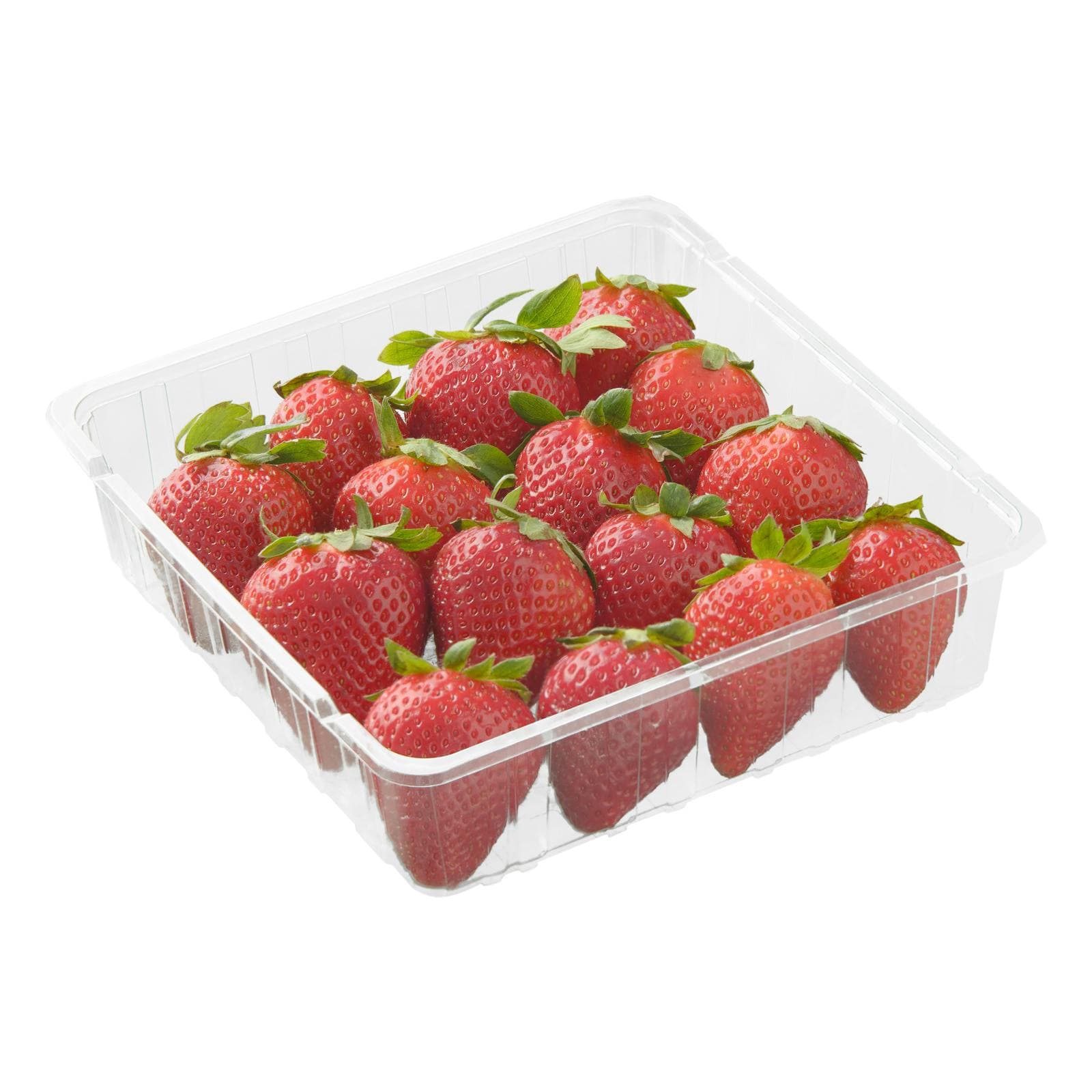 €2.09
€2.09Strawberry
440 g · Mercadona
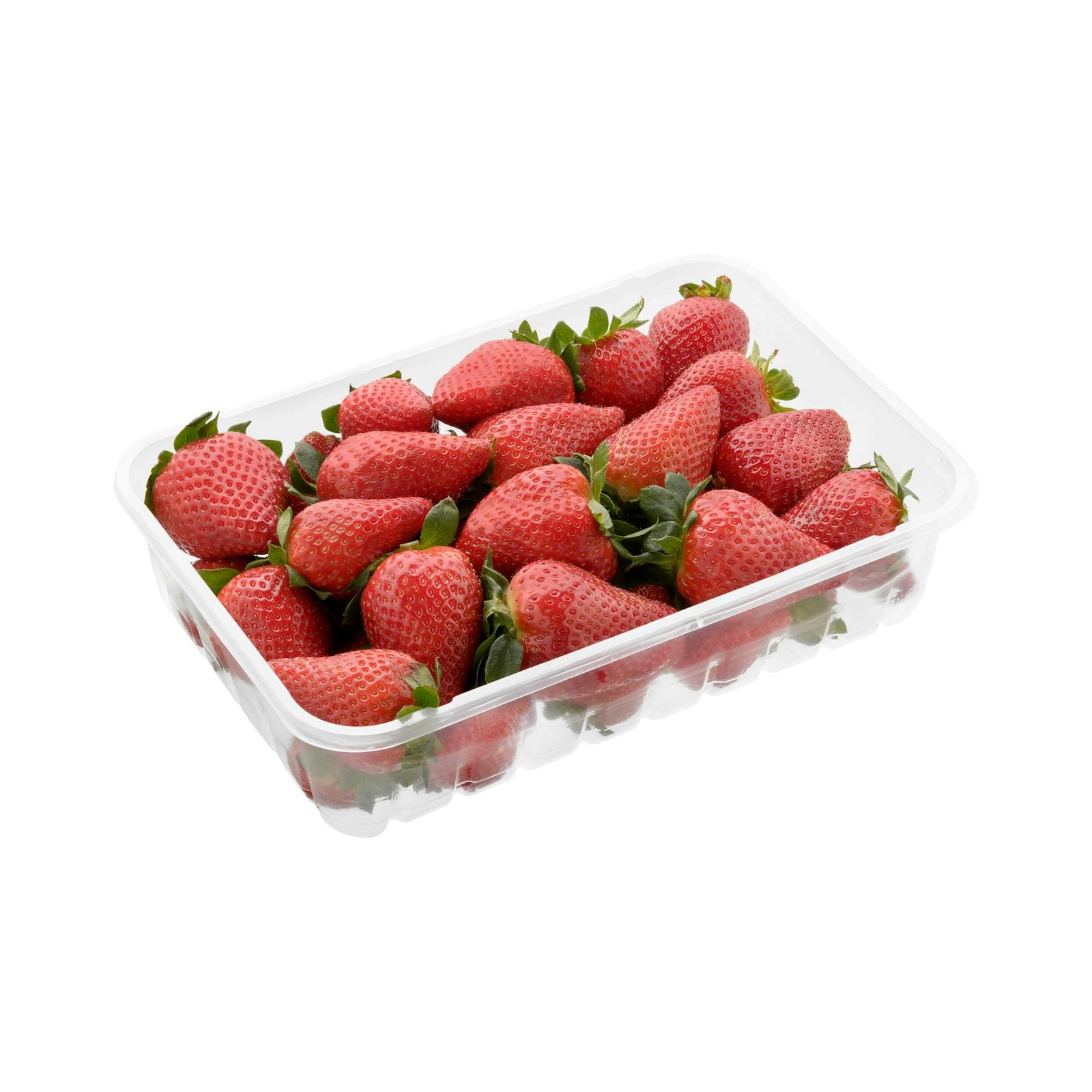 €3.90
€3.90Strawberry
1.3 kg · Mercadona
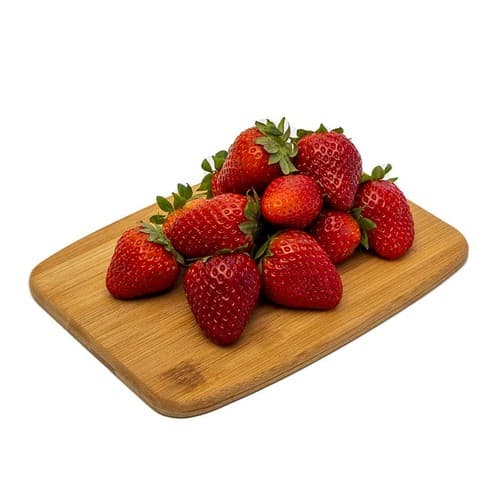 €2.59
€2.59La Collita Strawberry Terrine 500 g
LA COLLITA · kg · Bonpreu
Good to know
- Process
- Lyophilization — frozen fruit placed in vacuum chamber where ice sublimates directly to vapor, preserving cellular structure
- Moisture Content
- 2–5% (vs. ~90% in fresh strawberries)
- Texture
- Crisp, porous, lightweight; shatters when bitten
- Flavor
- Intensely concentrated strawberry; sweet-tart balance with pronounced aroma
- Color Retention
- Excellent — bright red due to low-temperature processing that preserves pigments
- Shelf Life
- 2–5 years in airtight container away from heat and moisture
- Rehydration Ratio
- Approximately 1:1 by weight — absorbs liquid readily
- Typical Forms
- Whole berries (5–15mm), sliced (3–5mm thick), crumbled, powder (60–100 mesh)
Substitutes
- Air-Dried Strawberry — Chewy texture, less intense flavor; not a direct substitute for crunch but works in recipes where moisture is acceptable; use 1.5x the amount
- Dehydrator Strawberry — Similar to air-dried; chewy rather than crispy; add to recipes earlier to allow rehydration time
- Frozen Strawberry (thawed, chopped) — High moisture content; will alter batter consistency in baking; use sparingly and reduce other liquids in the recipe; best for smoothies and toppings
- Commercial Strawberry Powder — Often made from air-dried or lower-quality fruit; check ingredient list carefully; may lack the intensity and color of true freeze-dried powder
- Lyophilized Raspberry or Blueberry — Provides similar crunch and concentrated fruit flavor; different fruit taste but functional substitute in baking, granola, and toppings
Pairs with
Related
Tomato
Juicy, sun-sweet fruit for sauces, salads, and slow-cooked depth
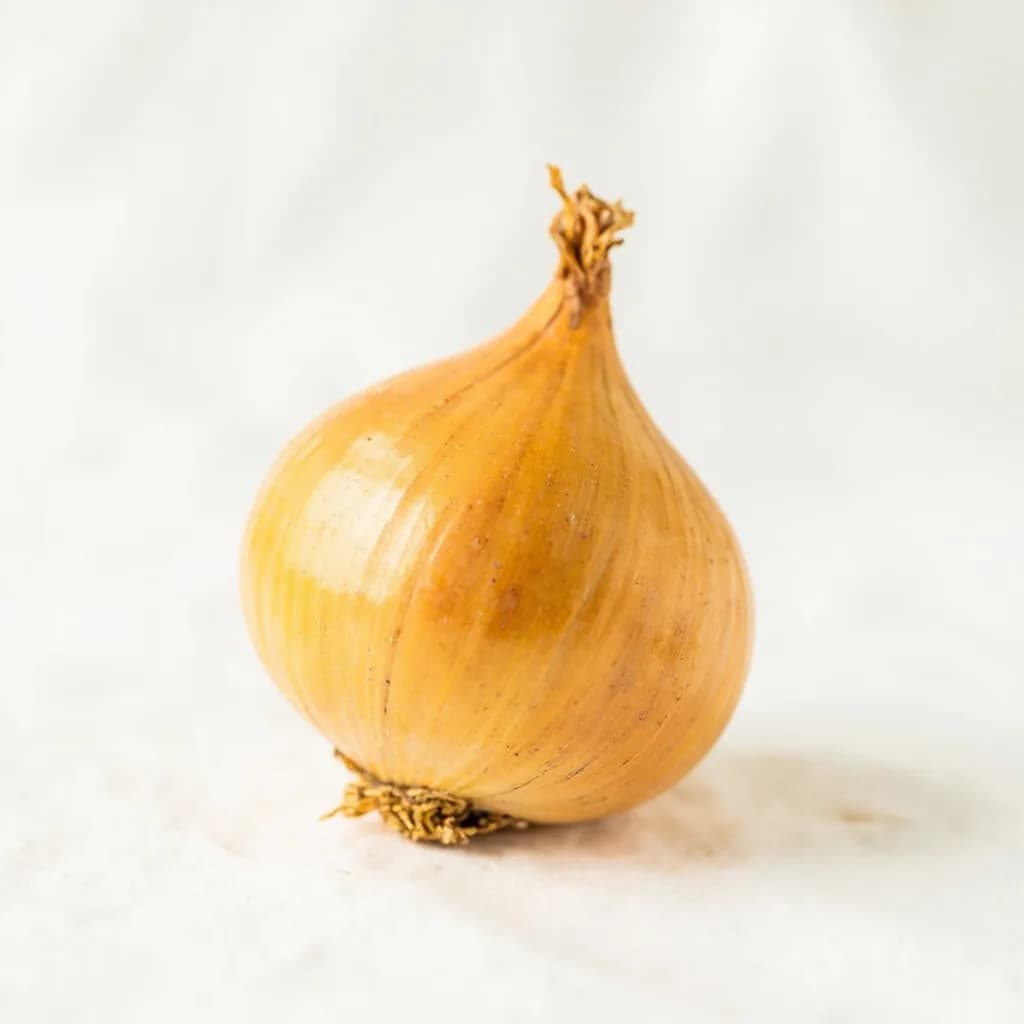
Yellow Onion
The aromatic backbone of soups, sofritos, and braises
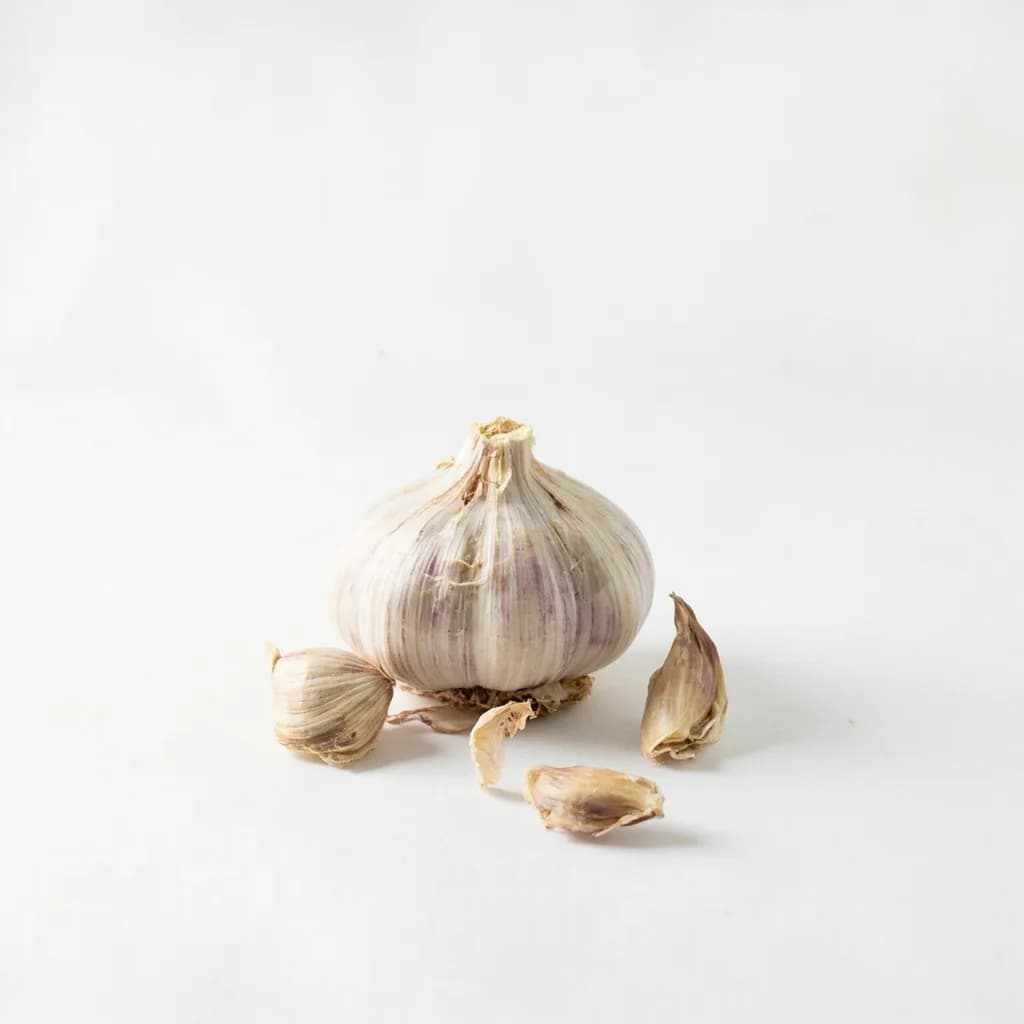
Garlic
Pungent cloves that perfume nearly every savory dish
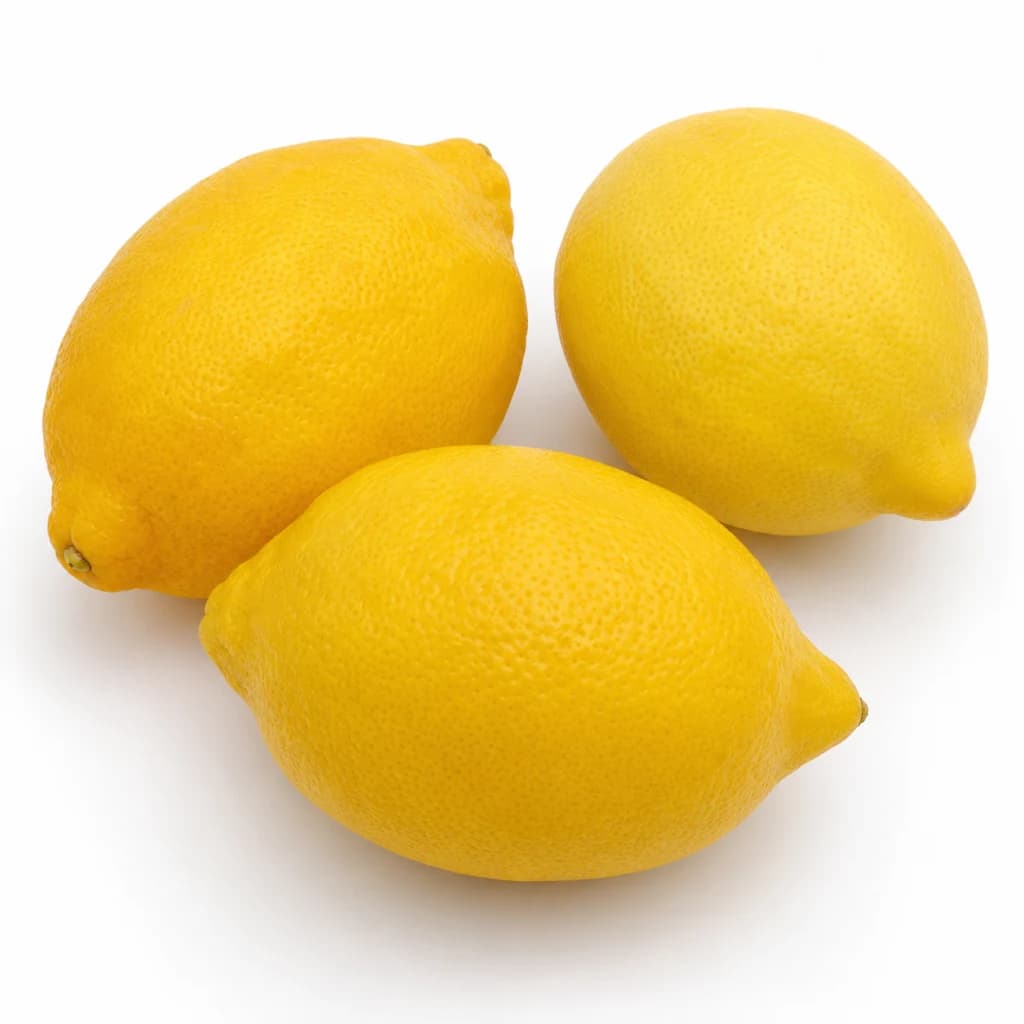
Lemon
Bright, acidic citrus that wakes up almost any dish
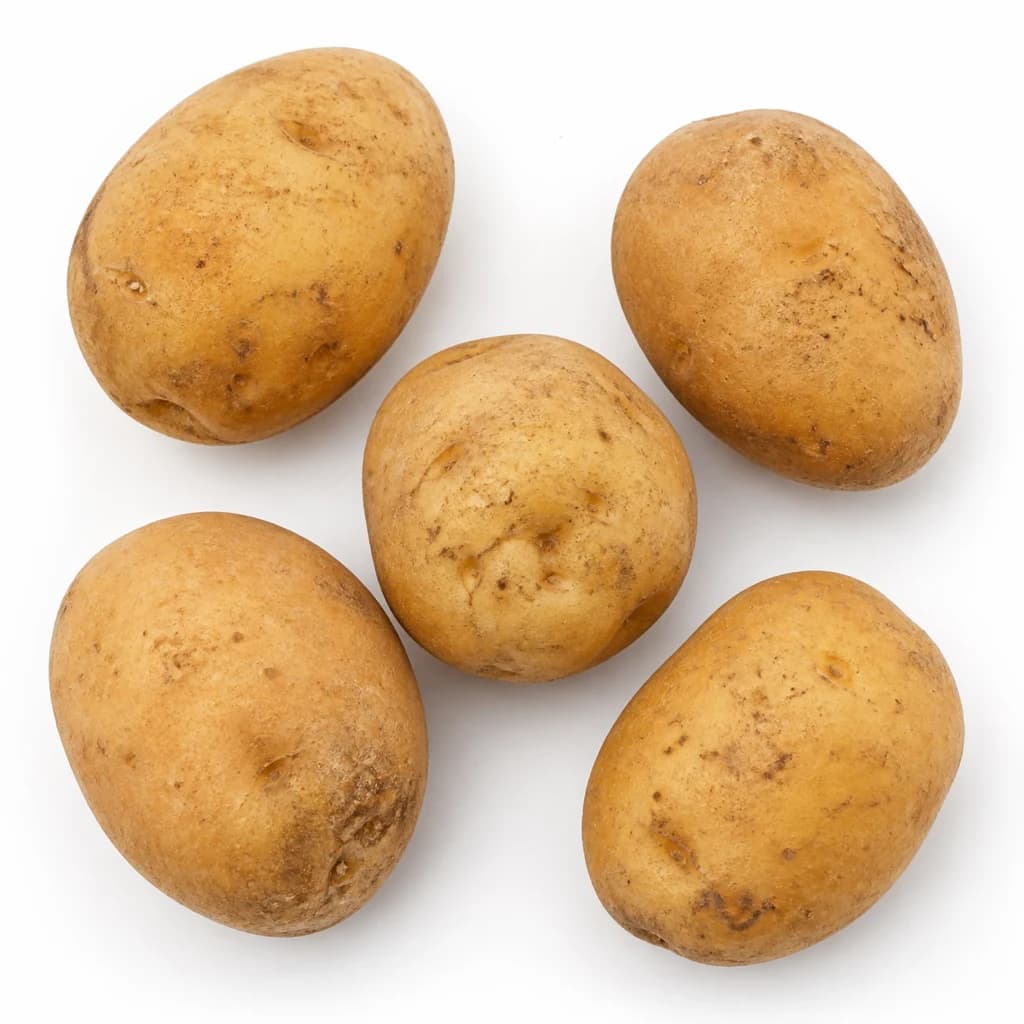
Potato
Humble, hearty staple — roast, mash, fry, or boil
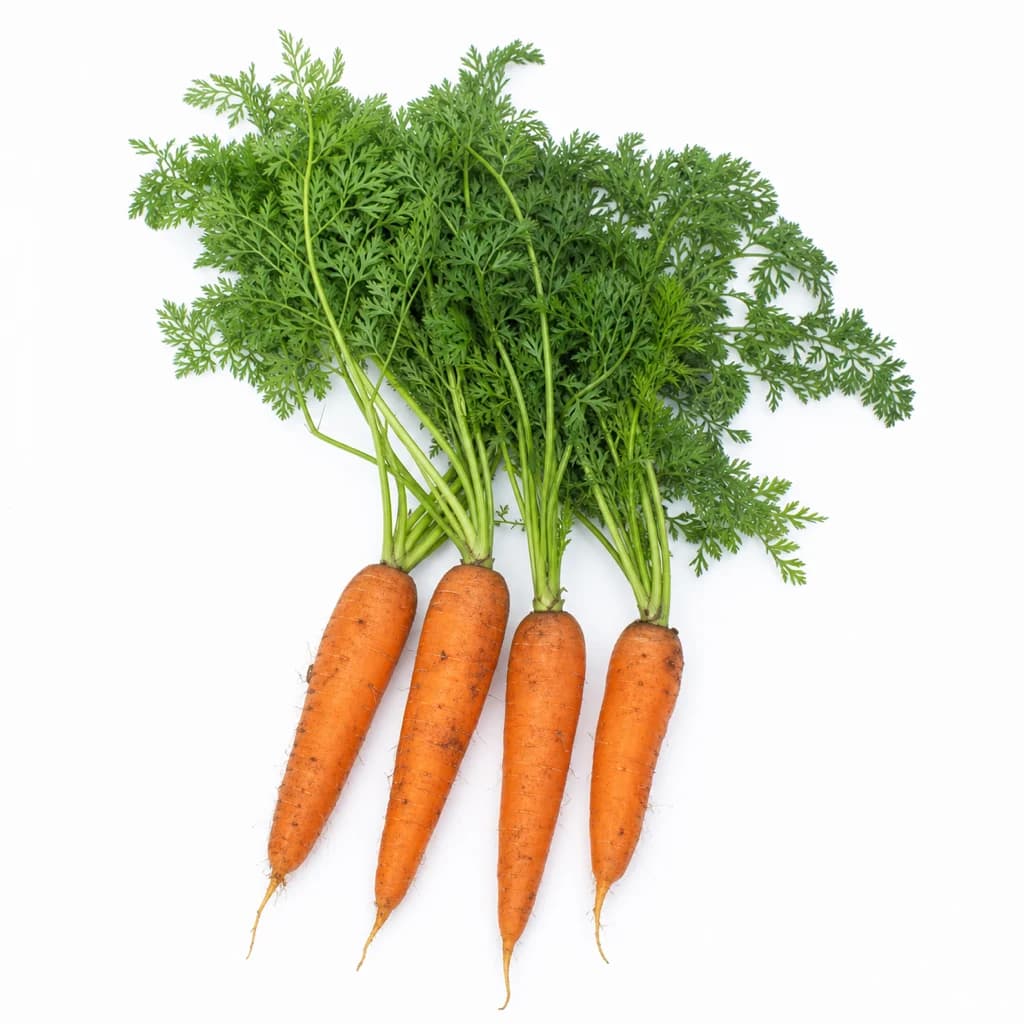
Carrot
Sweet, crunchy root — raw, roasted, or the base of a sofrito
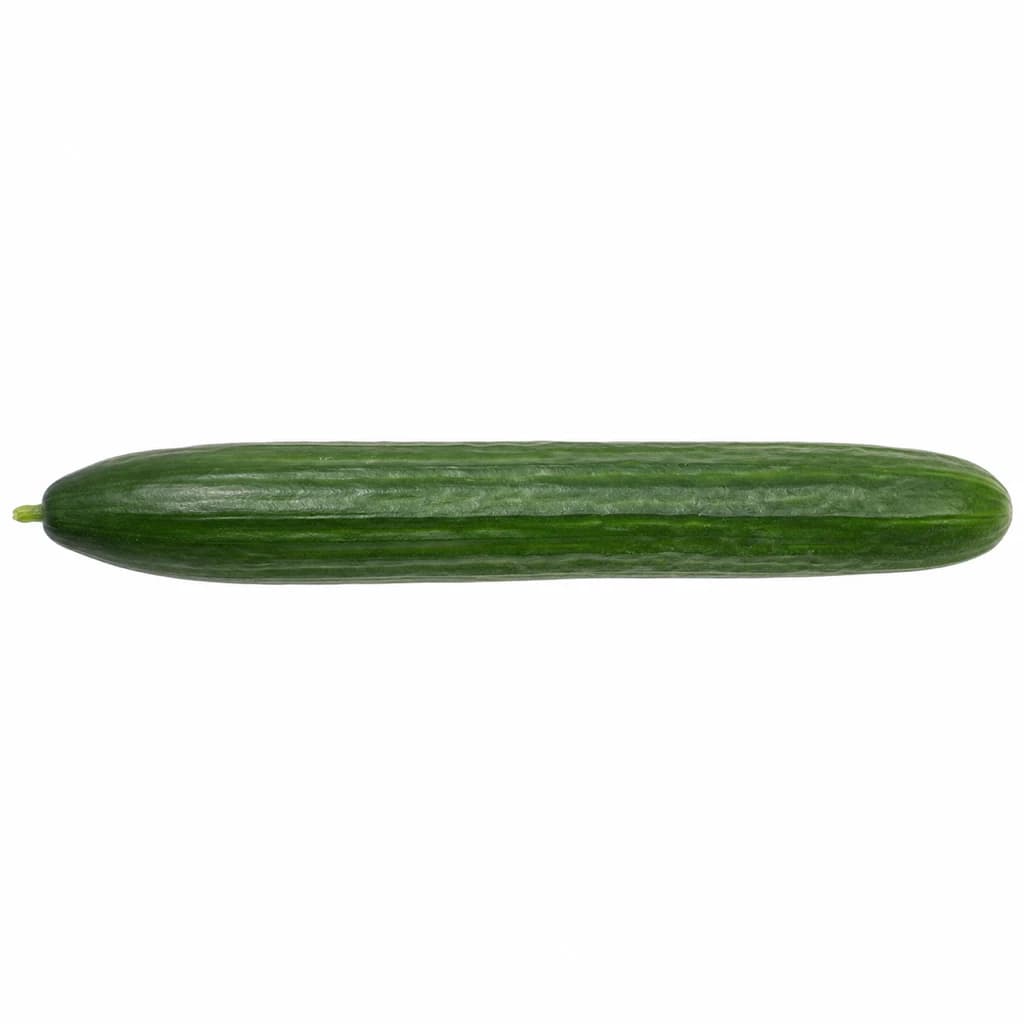
Cucumber
Cool, crisp, and watery — for salads, pickles, and tzatziki

Lettuce
Crisp leaves for salads, wraps, and a fresh crunch