Proteins
Freshwater Shrimp
Large river prawns with sweet meat and rich roe for South Asian curries.
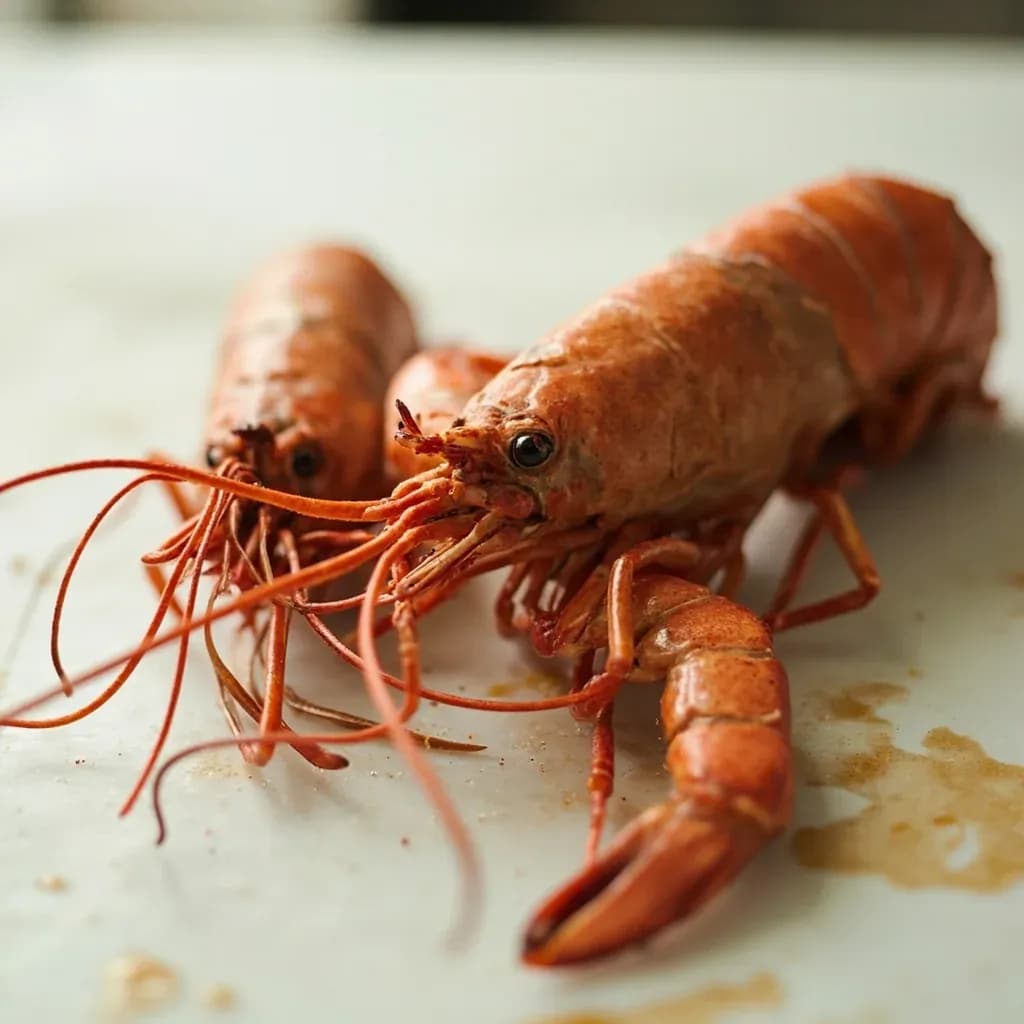
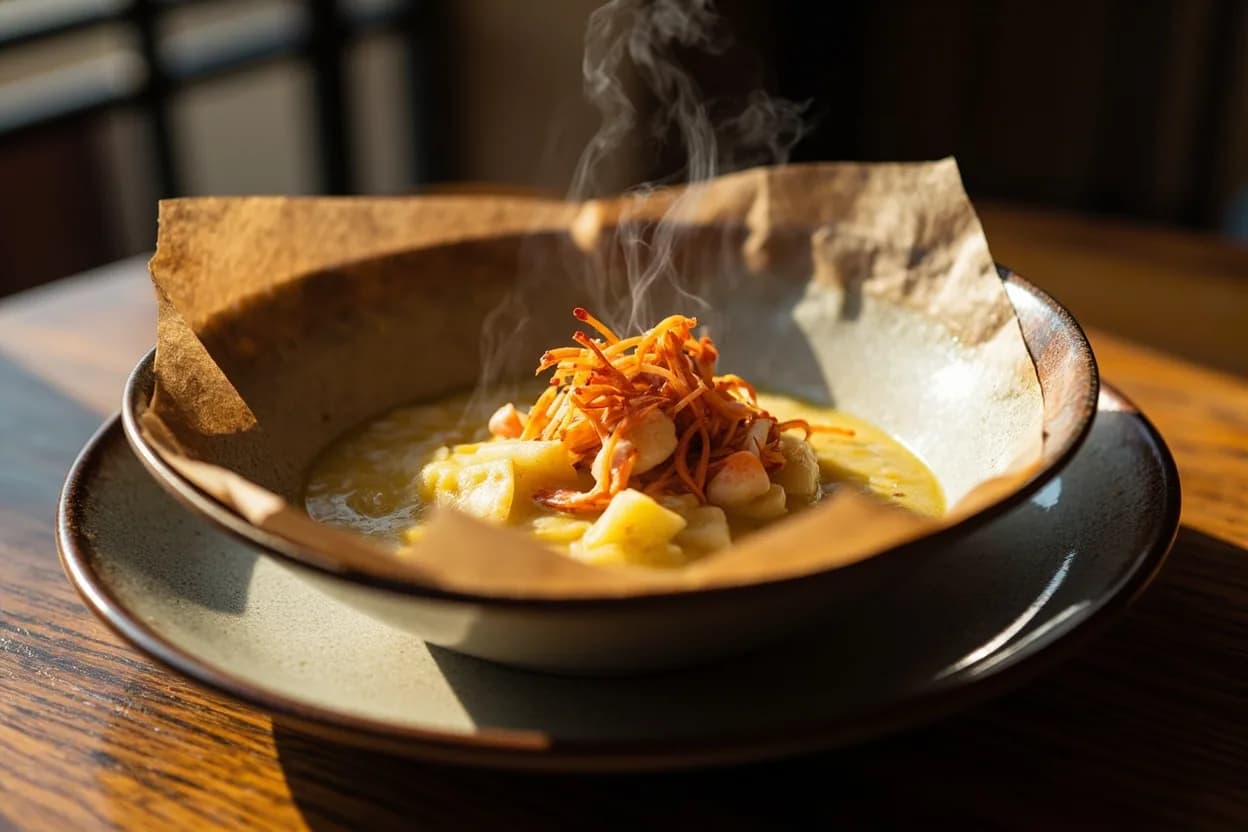
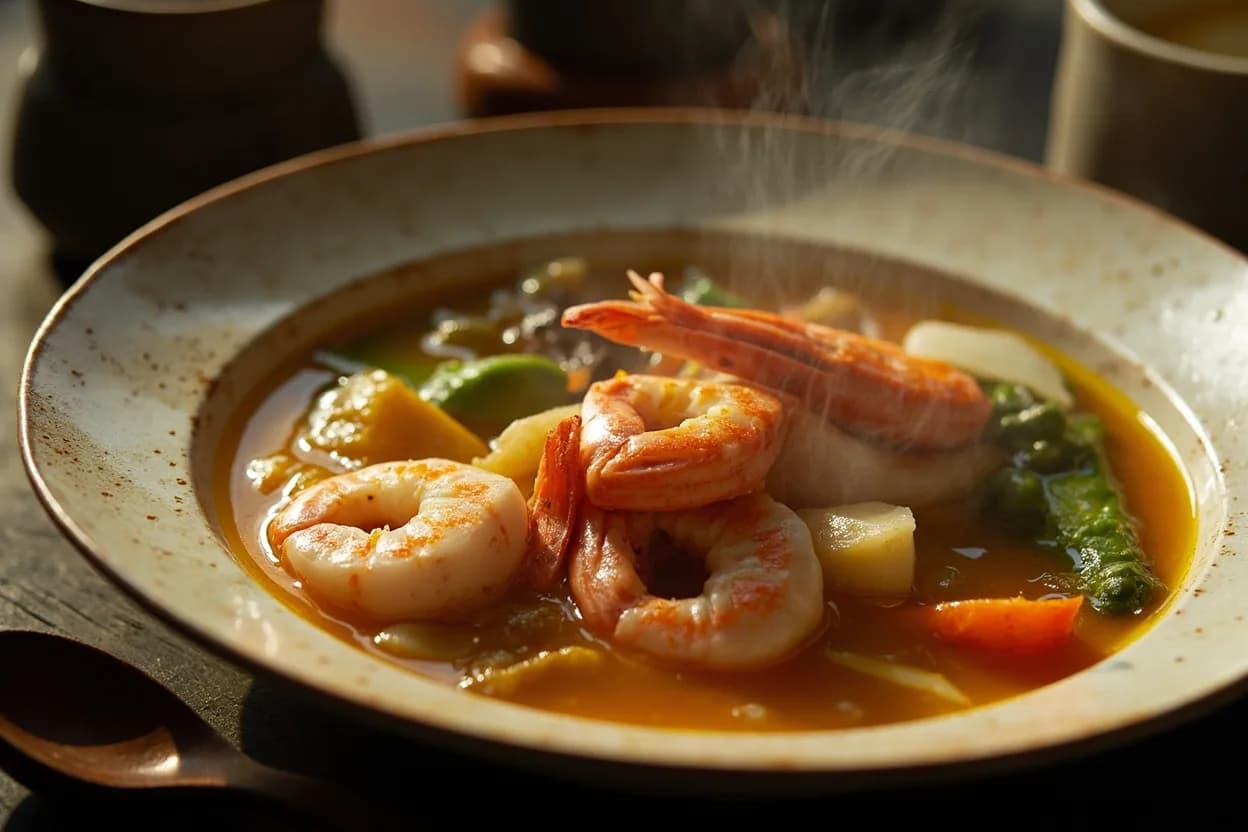
Freshwater shrimp, such as the Bengali golda chingri, are large river prawns with sweet, succulent flesh and prized fatty roe in the head. They are central to dishes like chingri malai curry, simmered in coconut milk. Their size and richness make them a celebratory ingredient.
Freshwater shrimp — taxonomically prawns of the Macrobrachium genus, though marketed as shrimp in most English-speaking regions — belong to South and Southeast Asian rivers and are a cornerstone of Bengali, Thai, and coastal Indian cooking. The giant freshwater prawn (Macrobrachium rosenbergii) dominates commercial production and tables alike: its meat carries a cleaner, milder sweetness than marine shrimp, and its softer shell is routinely left on during cooking to protect the delicate flesh and add body to sauces. What sets freshwater shrimp apart in the kitchen is the roe — a prized element in Bengali cuisine that runs orange to black depending on the variety and species. In the hands of a skilled cook, that roe is not an afterthought but a finishing element, cooked separately in ghee and swirled into curries to distribute its rich, briny flavor without going gritty. Smaller wild species like M. malcomsonii and Himalayan river shrimp carry more concentrated flavor in their diminutive forms and are seasonal treasures worth seeking out.
Unlike their marine cousins, freshwater shrimp deteriorate quickly once dead; the softer shell offers less protection, and bacterial activity accelerates. This means live purchase or same-day use is essential for the best results. In landlocked markets where fresh are unavailable, frozen specimens with heads and shells intact represent the best quality substitute. The cooking behavior differs too: freshwater shrimp require less time than marine varieties and turn rubbery fast — a hot curry or sauce for two to three minutes is sufficient. The yield runs roughly 60–70% meat by weight after peeling, and for most South Asian preparations, peeling is optional rather than default.
- Measured in
- g
- Storage
- Fridge
Allergens
Types & varieties
The dominant farmed species; large, sweet meat, distinct roe; also called Malaysian prawn or scampi in some markets
Smaller wild species; intensely flavored; common in Bengali and Odia cuisine
Small, wild-caught from cold mountain rivers; delicate, sweet; seasonal availability
Found in Indian rivers; smaller with pronounced flavor; traditionally used in coastal Bengali cooking
Distinct shell color variant; same species characteristics as standard giant freshwater prawn
The Roe Question in Bengali Cooking
The roe is the defining element that separates freshwater shrimp cookery from standard marine shrimp preparation. In the canonical Chingri Malai Curry, the roe is treated as a separate ingredient, not simply an add-on. The technique: remove the roe sacs before cooking the shrimp in the coconut milk base; cook the roe separately in ghee over low heat, stirring gently, until it releases its oils and turns a deep orange; then swirl the cooked roe into the finished curry just before serving. This prevents the roe from going chalky or gritty — a common failure when it is simply stirred into a hot liquid. The result is an evenly distributed richness and color throughout the sauce that no other ingredient replicates.
- Cook roe separately in ghee, never directly in the curry base
- Add cooked roe in the final minutes to preserve its texture
- Roe color ranges from orange to near-black depending on species and maturity; all are usable
Live vs. Frozen: What to Buy
Freshwater shrimp lose quality faster than marine varieties once dead. The softer exoskeleton offers less barrier to bacterial activity, and enzymatic degradation accelerates, leading to mushy texture and off-flavors within hours. When purchasing, prioritize live shrimp that are active and alert — the shells should be translucent and firmly adhered to the body. Avoid any with ammonia odor, loose shells, or blackened edges. In markets far from source, frozen head-on shrimp represent acceptable quality; choose bags with no ice crystals or freezer burn, indicating a single freeze cycle. Never refreeze thawed shrimp.
- Live shrimp: active movement, clear eyes, firm shells adhered to body
- Avoid: ammonia smell, separated shells, blackened tips
- Frozen: head-on and shell-on for best quality; single freeze cycle preferred
Common uses
Tips & pitfalls
- Buy live or very fresh with intact shells; freshwater shrimp deteriorate faster than marine varieties once dead
- Leave the shell on for curries — it protects the delicate meat from overcooking and adds body to the sauce
- Devein carefully: the dark intestinal tract is more visible in larger specimens; use sharp scissors rather than a knife for clean removal
- The roe is prized in Bengali cooking — do not discard it; add to the curry in the final minutes or cook separately in ghee first
- Do not overcook: freshwater shrimp turn rubbery quickly; 2–3 minutes in a hot sauce is sufficient
- If using frozen, thaw slowly in the refrigerator overnight; never under running water or at room temperature
- Season simply: the sweet flavor is easily overwhelmed by heavy spice; let the shrimp lead the dish
- For grilling, butterfly the prawn by splitting along the underside to expose the meat to direct heat
- Avoid shrimp with ammonia odor or shells that separate easily from the body — these are signs of age and poor quality
Nutrition
Energy
356 kJ · per 100 g
Where the calories come from
Protein
20.1g
40% DV
Carbs
0g
0% DV
Fat
0.5g
1% DV
Sodium
119mg
5% DV
Source · USDA FoodData Central · approx. Crustaceans, shrimp, raw
View on FDC →In the shops
Matched grocery products
 €3.95
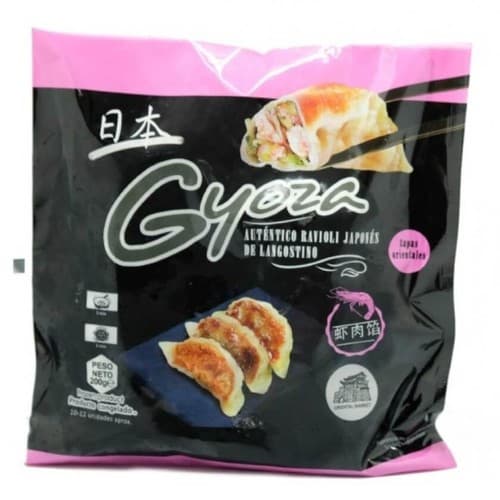
€3.95Shrimp Gyoza
ORIENTAL MARKET · kg · Bonpreu
 €6.95
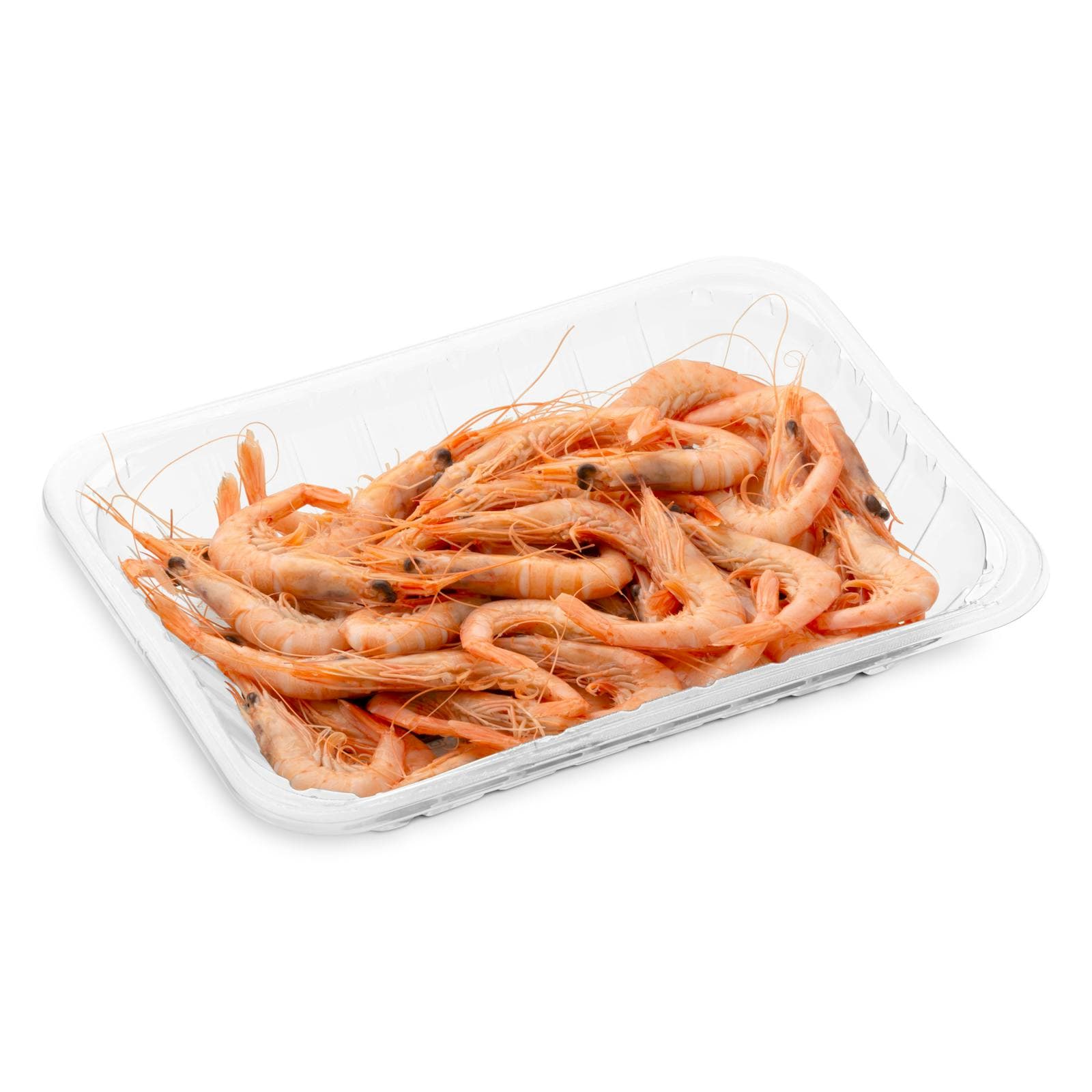
€6.95Cooked Shrimp
300 g · Mercadona
 €1084.05
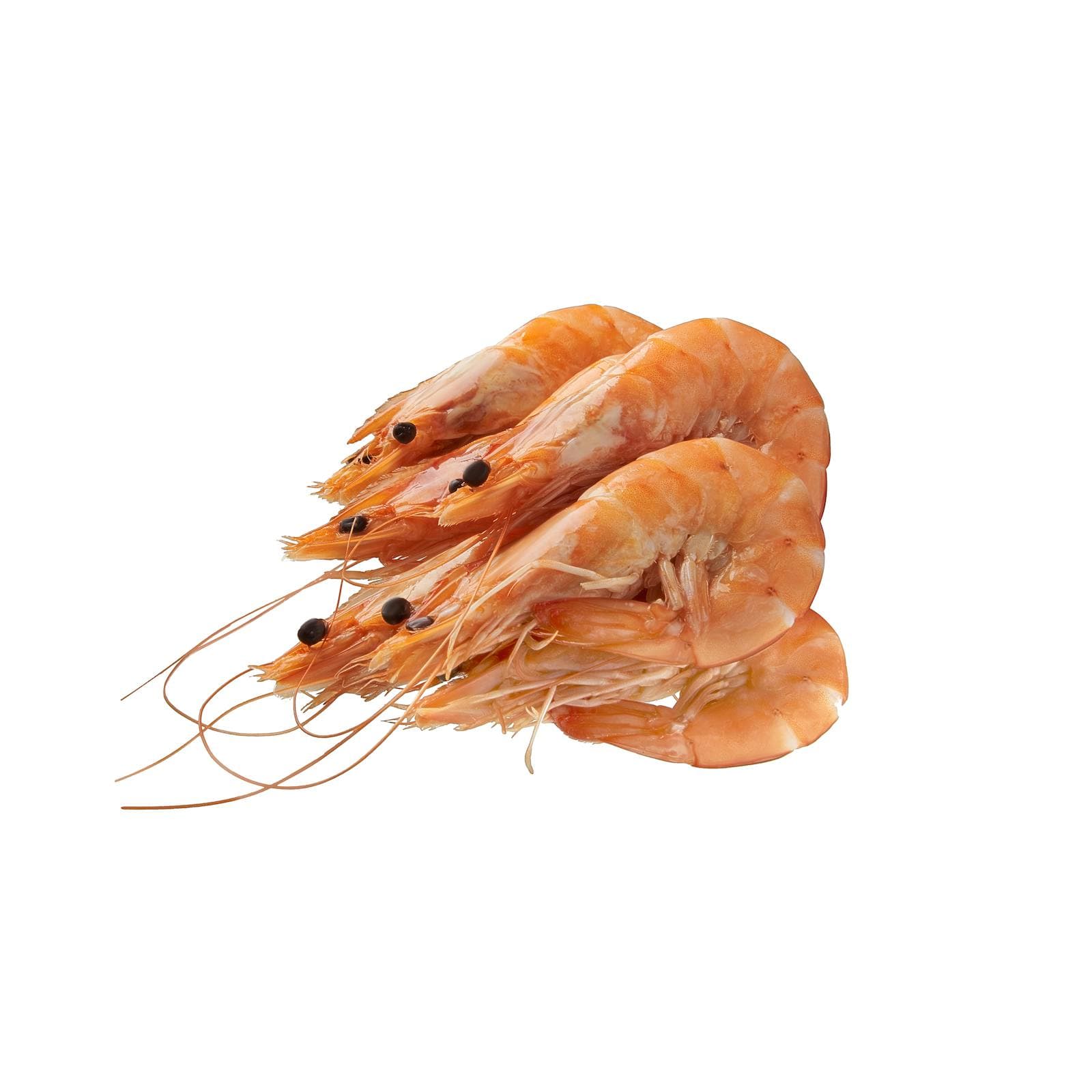
Cooked Shrimp
kg · Mercadona
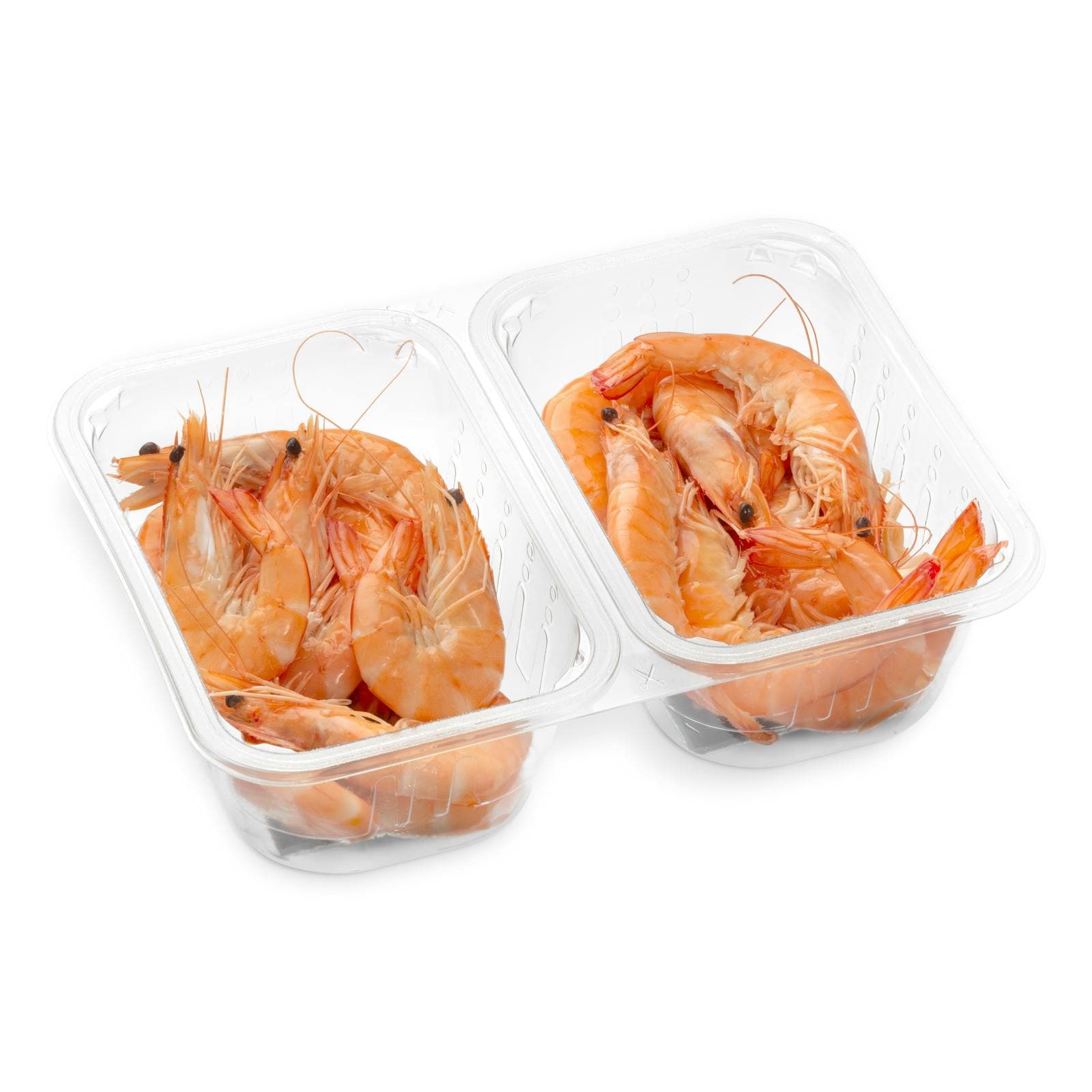 €6.30
€6.30Cooked Prawn
600 g · Mercadona
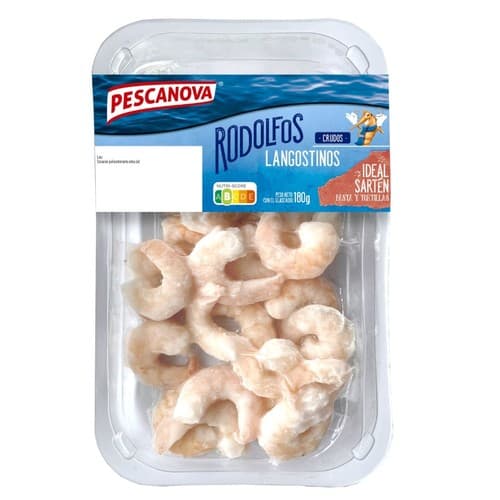 €4.89
€4.89Peeled Raw Shrimp
PESCANOVA · kg · Bonpreu
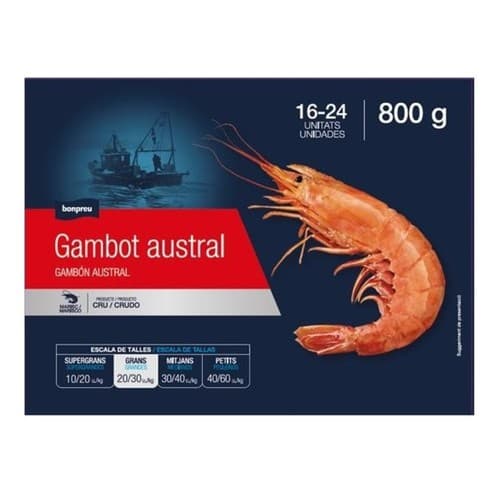 €10.95
Australian Prawn
BONPREU · kg · Bonpreu
Good to know
- Scientific Name
- Macrobrachium rosenbergii (giant freshwater prawn); other Macrobrachium species
- Primary Origin
- South and Southeast Asia; native to Bangladesh, India, Thailand, Vietnam, Indonesia
- Peak Season
- Varies by region; generally warmer months in temperate areas; year-round in tropical climates
- Flavor
- Sweet, delicate meat with a clean, mild sweetness; roe is rich and briny
- Typical Size
- M. rosenbergii reaches 20–30 cm; smaller wild species 5–15 cm
- Storage
- Use live shrimp within 24 hours; store on ice if whole; refrigerate shelled meat up to 2 days
- Meat Yield
- Approximately 60–70% meat by weight after peeling
- Common Names
- Chingri (Bengali), Jhinga/Jhingey (Hindi), Phrik chew (Thai), Ulang (Filipino)
- Cultivation
- Major farmed species; extensive aquaculture in Bangladesh, India, Thailand, Vietnam
Substitutes
- Marine Tiger Prawn or Black Tiger Shrimp — Similar size and meat texture; slightly less sweet; most accessible substitute in non-coastal markets
- Marine King Prawn (Jumbo) — Good for curries; milder flavor; comparable cooking time
- Crawfish Tail Meat — Acceptable in a pinch; smaller and slightly more delicate; reduce cooking time by 1 minute
- Smaller Marine Shrimp (16/20 count) — Use 2–3 per serving; higher shrimp-to-shell ratio; adjust cooking time down to 90 seconds
Pairs with
Also called
Golda Chingri · River Prawn · Giant Freshwater Prawn
Appears in these dishes
Related
Egg
The kitchen's everything ingredient — bind, leaven, enrich, or fry
Chicken Breast
Lean, quick-cooking white meat for everyday dinners

Ground Beef
Versatile minced beef for burgers, ragù, tacos, and meatballs
Pork Loin
Lean, tender roasting cut that stays juicy with care
Salmon
Rich, rosy fish that roasts, grills, or cures beautifully

Egg White
Pure protein that whips to airy peaks for meringue and more
Egg Yolk
Rich, golden yolk for custards, mayonnaise, and pasta

Quail Egg
Tiny, speckled eggs for garnishing and elegant bites