Grains & Rice
Maltese Bread (Ftira)
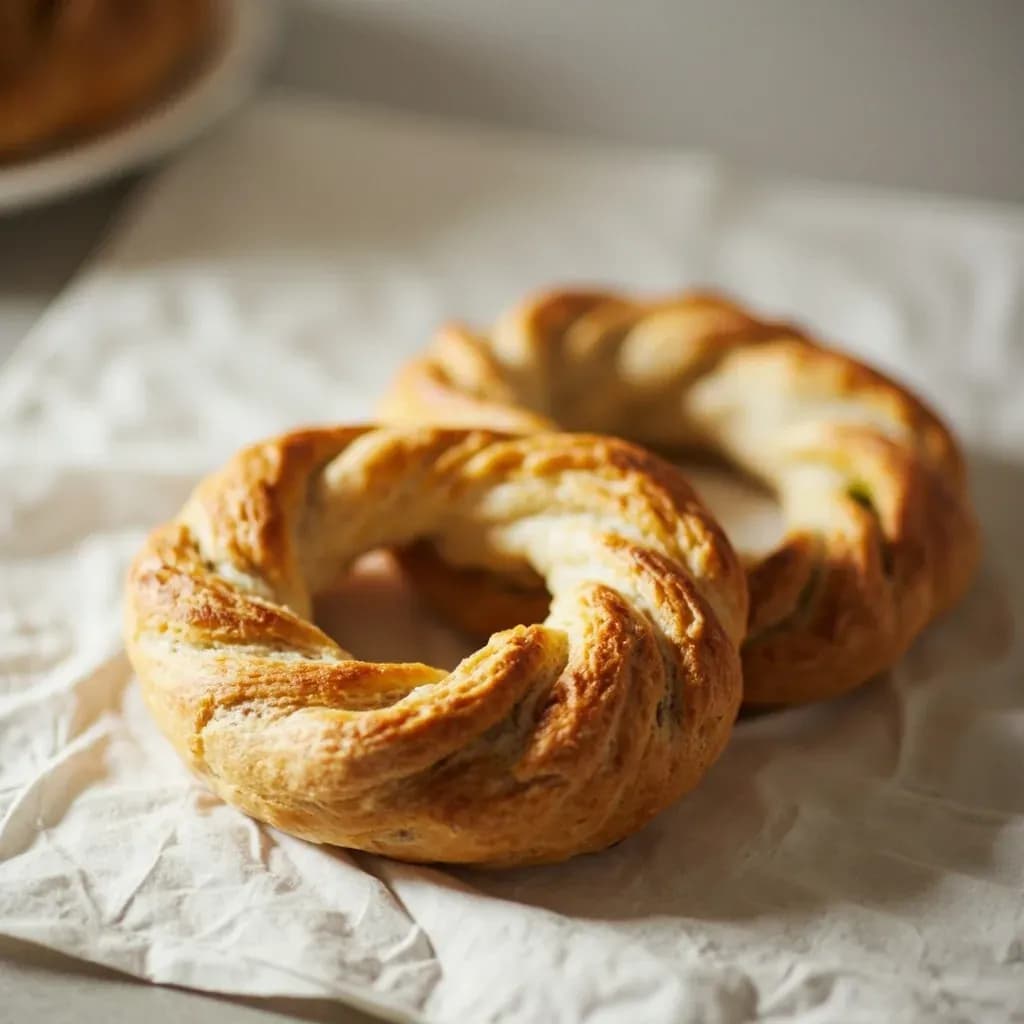
Crusty Maltese sourdough loaf or ring-shaped ftira used for hearty filled sandwiches.
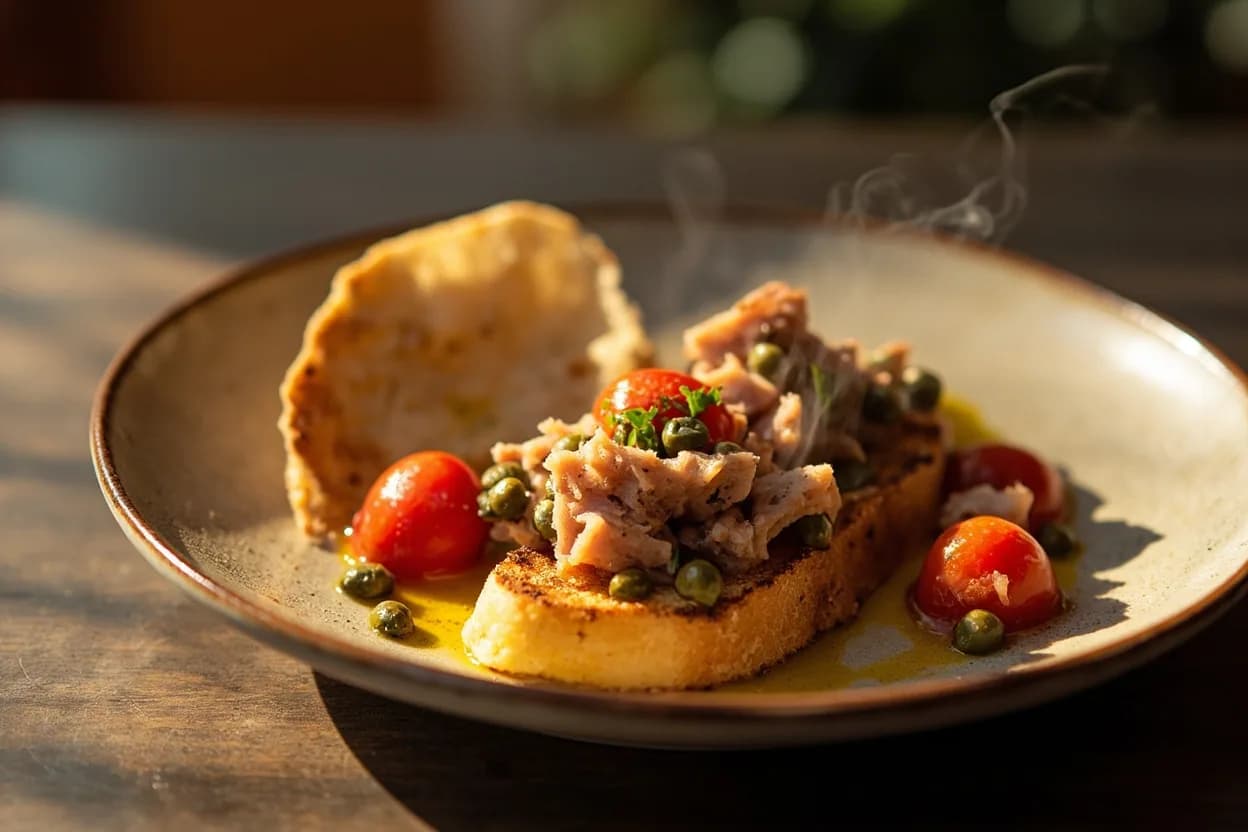
Maltese bread, including the ring-shaped ftira, is a rustic sourdough with a thick crackling crust and soft, open crumb. The ftira is famously split and stuffed with tuna, tomatoes, capers, olives, and olive oil into the island's signature sandwich. Its long fermentation gives it a tangy depth and chewy interior.
Ftira is Malta's signature rustic bread — a lean sourdough loaf distinguished by its thick, blistered crust and open, airy crumb. Unlike standard sandwich bread, ftira is substantial enough to hold wet fillings without becoming soggy, a quality rooted in the island's Mediterranean climate and street food culture. The bread is typically shaped as a ring or round with a central depression, features that serve both practical and culinary purposes: the hollow center of ring-shaped ftira acts as a natural vessel for the iconic Ftira Mbajba sandwich, while the depressed center of round varieties provides a well for olive oil pooling and tearing.
The sourdough base sets ftira apart from conventional breads, lending a subtle tang that balances the salty, briny fillings common in Maltese cuisine. This fermentation also extends the bread's shelf life in Malta's warm climate — a practical advantage that predates refrigeration. Historically baked in wood-fired stone ovens, ftira's characteristic crust requires high heat and steam, conditions that home bakers approximate using Dutch ovens or baking stones. The result is a bread that bridges the gap between sandwich bread and focaccia, sturdy enough for filled preparations yet crusty enough for appetizer service.
Ftira's cultural significance extends beyond its culinary uses. It appears at every meal, from breakfast with olive oil and salt to dinner as an accompaniment to braised dishes like fenek (rabbit stew). The ring form dominates street food culture, where vendors sell pre-stuffed ftira as portable meals. Understanding ftira means understanding Maltese food identity — this is not an interchangeable bread but a specific preparation with defined characteristics, regional variations, and centuries of tradition.
- Measured in
- piece
- Storage
- Pantry
Allergens
Types & varieties
Ring-shaped ftira, the most common form for making filled sandwiches; the hollow center holds fillings securely without spilling
Round, disc-shaped loaf with a shallow central depression rather than a full hole; versatile for open-faced preparations
Traditional Maltese term for the classic round loaf with a central well, historically baked on a flat stone (ħabta)
Variety with a slightly damper crumb, sometimes brushed with olive oil before baking
Cheese bread variety, incorporating local Maltese cheese into or folded through the dough
Why the Ring Shape Matters
The ring shape of Ftira tar-Ring is not merely aesthetic — it is functional engineering for Maltese street food. The hollow center creates a natural bowl that prevents fillings from sliding off the sides, a critical feature when the sandwich includes wet ingredients like tuna, tomato, and olive oil. When constructing a Ftira Mbajba, the ring is often laid flat and fillings are piled into the center, transforming the bread itself into both plate and utensil.
- For sandwich use, hollow out the ring center slightly with your hands before adding fillings
- The crust-to-crumb ratio in ftira means the exterior provides structural integrity while the interior absorbs flavors
- If you prefer a closed sandwich, flatten round ftira and slice horizontally like a pita
The Sourdough Advantage
Ftira's reliance on sourdough fermentation rather than commercial yeast is both traditional and practical. In Malta's warm climate, the long fermentation period allows flavor development while the lactic acid bacteria naturally preserve the dough. The result is a bread with a complex, mildly tangy flavor that complements salty and briny fillings. For home bakers, using a sourdough starter adds 12–24 hours to the process but produces a noticeably superior result.
- A 70% hydration dough works well for the open crumb characteristic of ftira
- If time is limited, instant yeast may be used, but expect a less complex flavor
- The dough should smell pleasantly sour and feel puffy before shaping — this is the signature of proper fermentation
Common uses
Tips & pitfalls
- Bring dough to room temperature before shaping; cold dough does not develop proper crust during baking
- Score the top before baking with a sharp blade at a 45-degree angle to control oven spring and create the characteristic rustic look
- Bake at 230–250°C (450–480°F) for the first 15 minutes with steam — add ice cubes to a hot pan placed below the bread to generate steam quickly
- Reduce temperature to 190°C (375°F) for the remaining baking time to cook through without burning the crust
- Do not slice ftira until just before serving; the crusty exterior is essential to its structure and holds wet fillings better when intact
- If using a Dutch oven, remove the lid after 20 minutes to allow the crust to dry and achieve maximum crispness
- For sandwich use, press down gently on the ring center to create a deeper well that holds fillings without overflow
- Common mistake: opening the oven door during the first 15 minutes — this causes steam to escape and the crust to collapse rather than blister
- Common mistake: under-proofing the dough — properly fermented ftira dough should feel slightly puffy, hold an indent when poked, and smell pleasantly sour
- Common mistake: skipping the steam step — without steam, the crust will be hard and pale instead of blistered and golden
Nutrition
Energy
1113 kJ · per 100 g
Where the calories come from
Protein
12.5g
25% DV
Carbs
47.1g
17% DV
Fat
3.1g
4% DV
Fiber
6.3g
23% DV
Sugars
9.4g
of which
Sodium
375mg
16% DV
Source · USDA FoodData Central · approx. Bread, potato
View on FDC →In the shops
Matched grocery products
No matched grocery products for Maltese Bread (Ftira) yet.
Good to know
- Origin
- Malta, Mediterranean island nation
- Type
- Traditional rustic sourdough bread, typically ring-shaped or round with a central depression
- Key Ingredients
- Flour, water, salt, sourdough starter or yeast; some varieties include olive oil
- Baking Method
- High-temperature baking; historically wood-fired in stone ovens, modern versions use 230–250°C (450–480°F)
- Crust
- Thick, golden-brown, and blistered exterior achieved through steam and sustained high heat
- Crumb
- Open, airy interior with a soft but substantial texture that holds wet fillings
- Typical Shape
- Ring with hollow center or round disc with shallow depression; ring form most common for sandwiches
- Shelf Life
- Best fresh; maintains quality 1–2 days in a bread box; freezes well for up to 3 months
Substitutes
- Italian Focaccia — Similar height and open crumb structure; drizzle with olive oil and add a dimpled top before baking; best choice for sandwich applications
- Portuguese Broa de Milho — Dense, corn-and-rye bread; not a direct substitute but works for heartier applications and dipping
- Greek Village-Style Bread — Round rustic loaf with comparable crust and crumb; acceptable substitute for open-faced and dunking uses
- Moroccan Khobz — Flat, round bread with a slightly softer crust; functional for dipping and some sandwich preparations
Pairs with
Also called
Ħobż tal-Malti · Ftira · Maltese Sourdough
Appears in these dishes
Related

White Rice
Fluffy long-grain rice — the neutral base for almost any meal

White Bread
Soft sandwich loaf for toast, sandwiches, and crumbs
Brown Rice
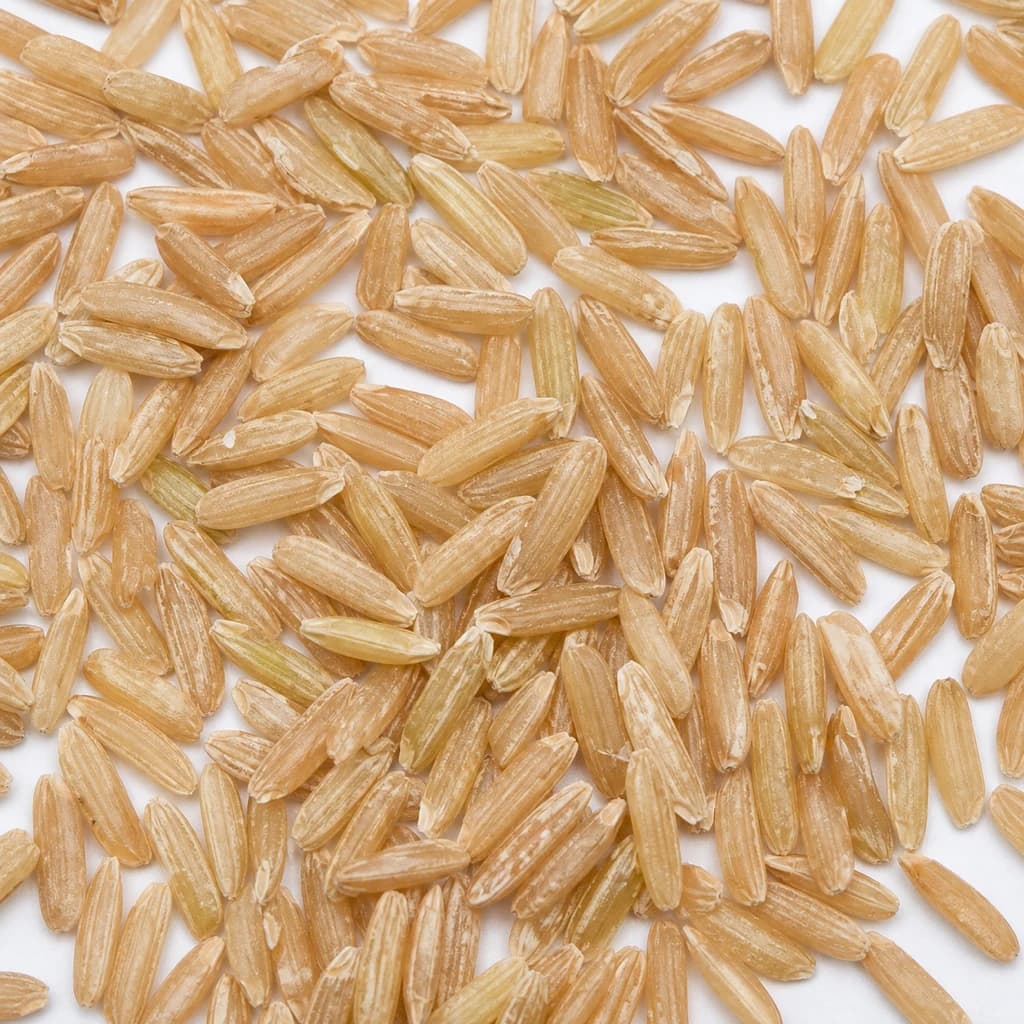
Nutty, whole-grain rice with chew and extra fiber

Basmati Rice
Fragrant, long-grain rice that cooks up light and separate
Jasmine Rice
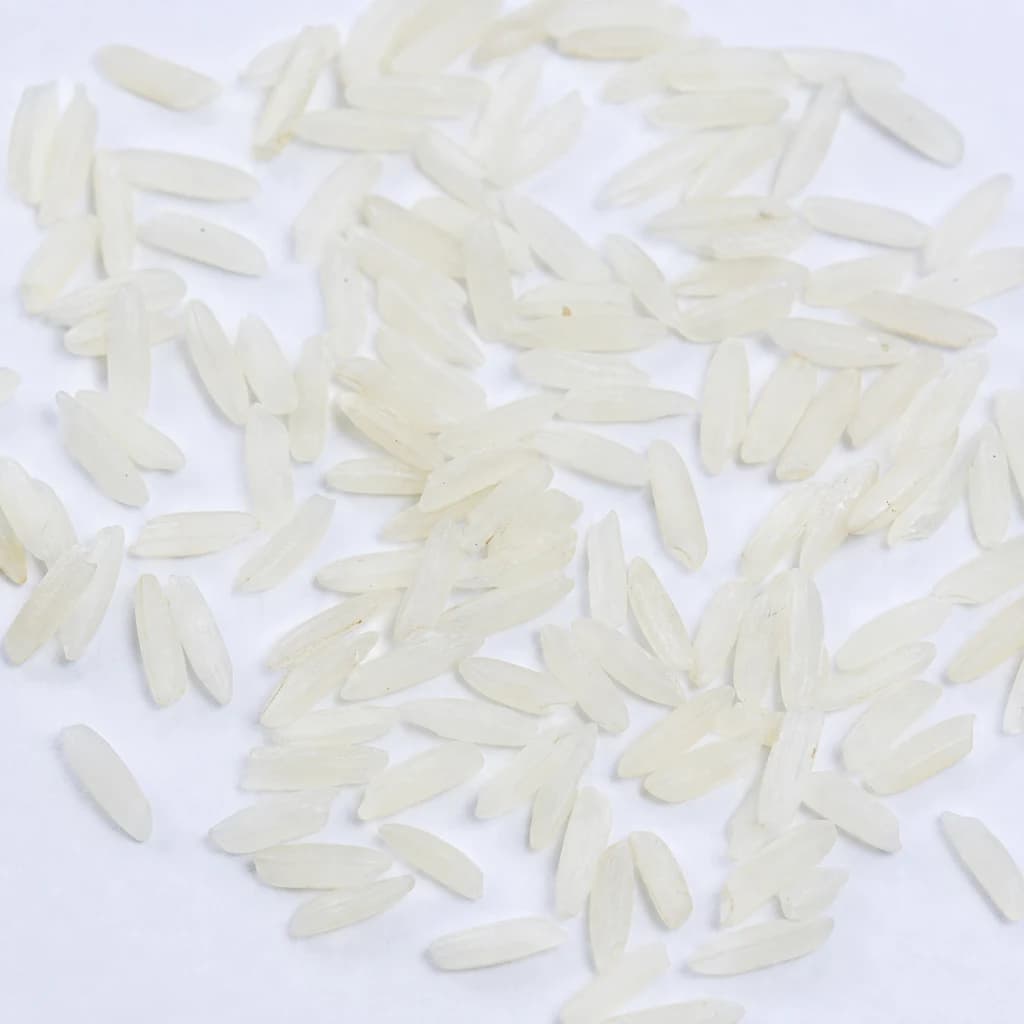
Soft, floral-scented rice that's the pillar of Thai meals
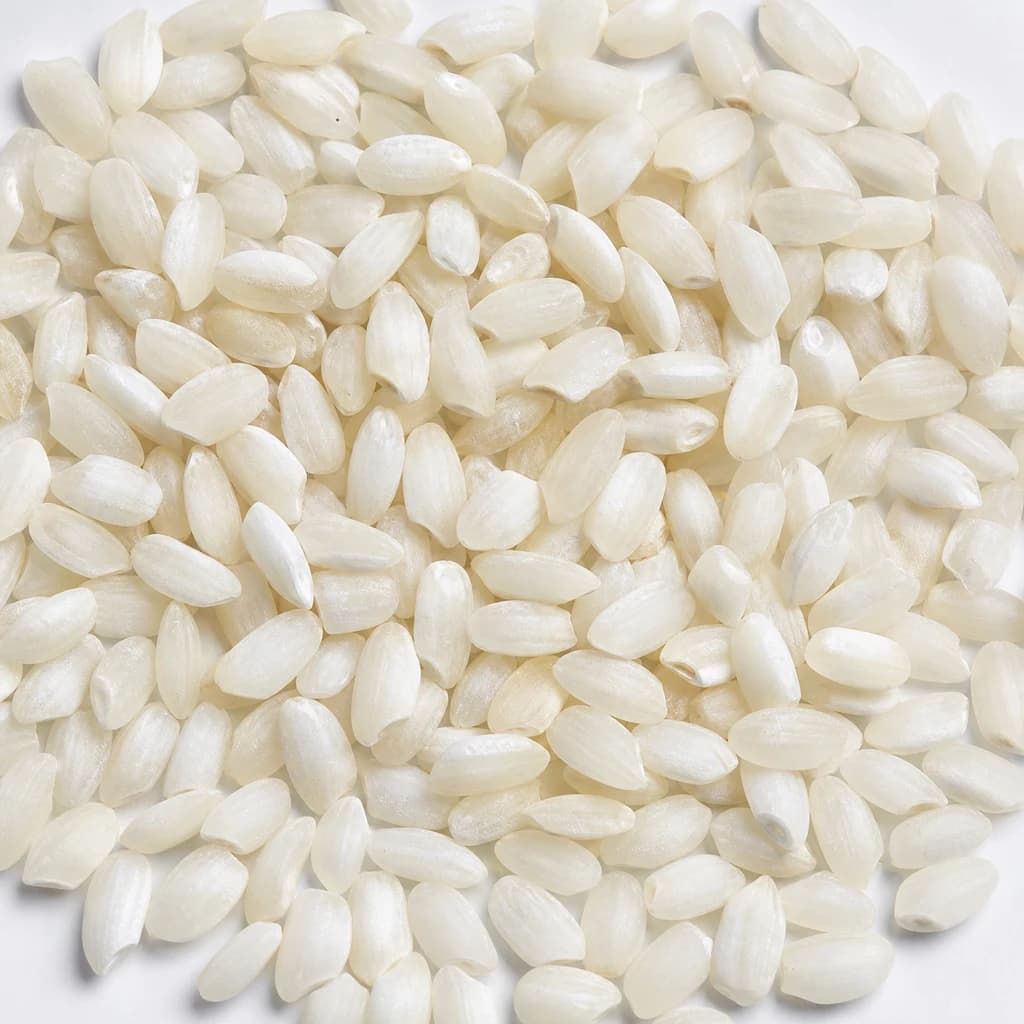
Arborio Rice
Plump, starchy rice that makes risotto creamy
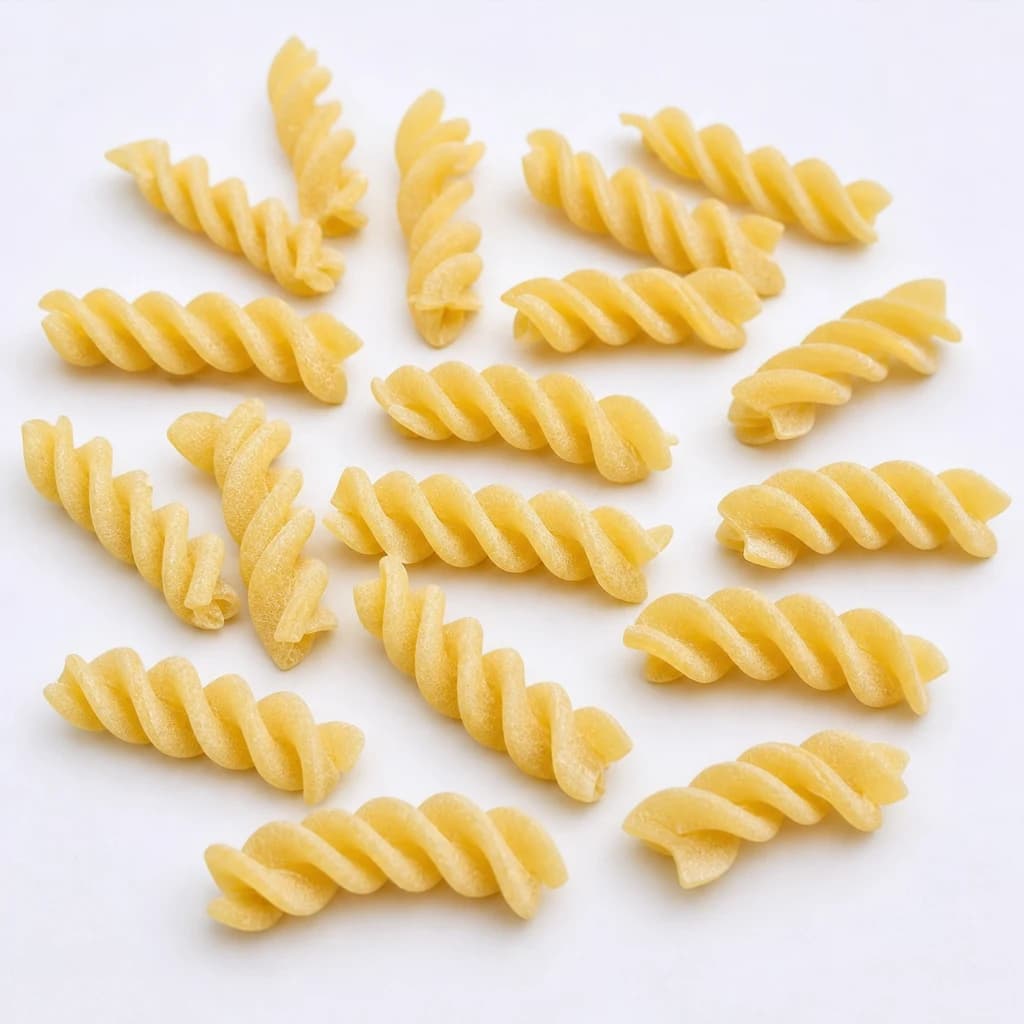
Fusilli
Spiraled pasta that twirls up sauce and dresses cold salads
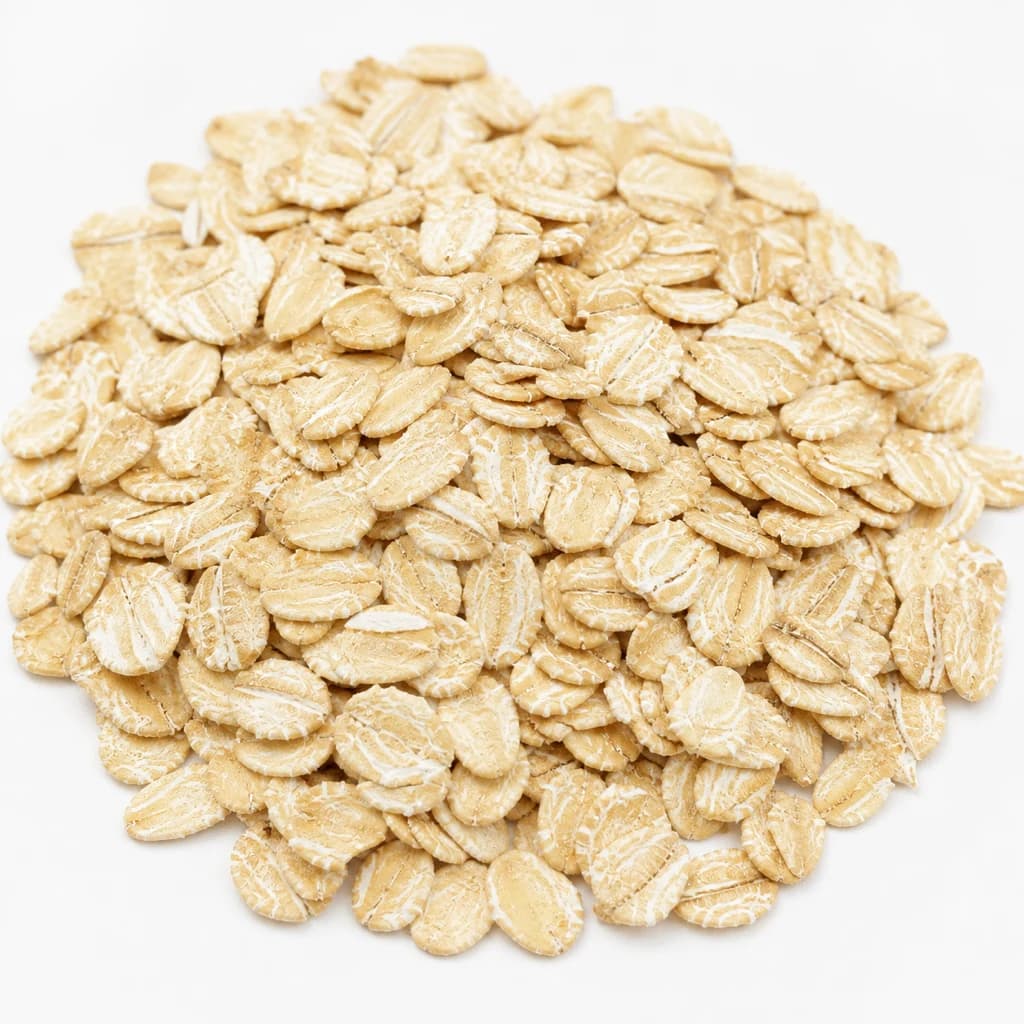
Rolled Oats
Hearty flakes for porridge, granola, and chewy cookies