Legumes & Beans
Broad Bean (Fava)
Large flat green bean, fresh or dried, for ful medames, falafel, and spring dishes.
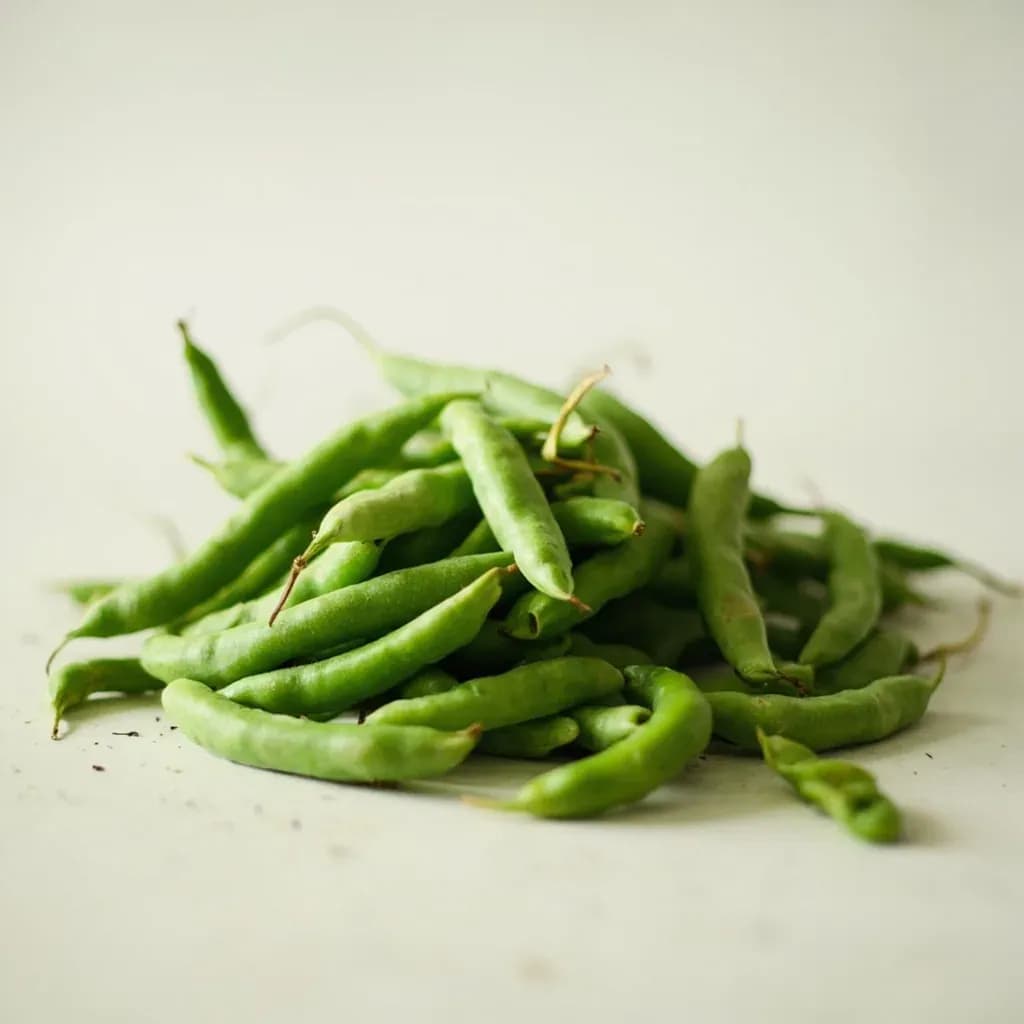
Broad beans, also called fava beans, are large flat beans eaten fresh in spring or dried year-round. Dried favas are the heart of Egyptian ful medames and traditional falafel, while fresh favas are blanched and peeled for risottos, salads, and purées. They have a buttery, slightly bitter flavor and a thick skin that is often removed.
Broad beans, known as favas in North America and simply ful in Egypt, occupy a unique culinary space between the fleeting freshness of spring vegetables and the steadfast reliability of dried pantry staples. In pod, they present as large, plump green pods containing flat, tender beans that range from thumbnail-sized (young and sweet) to substantial (requiring more work). Dried, they transform into a completely different ingredient—pale tan, starchy, and capable of anchoring hearty meals across North Africa, the Middle East, and Southern Europe. The distinction matters enormously to cooks: fresh broad beans are a seasonal treat requiring minimal cooking but often tedious double-peeling; dried broad beans demand overnight soaking and long simmering but reward with creamy texture and deep, nutty flavor. This duality explains why the same botanical species appears in such different preparations—from a simple British spring side to the defining bowl of Egyptian ful medames.
- Measured in
- g
- Storage
- Pantry
Types & varieties
Long-pod variety popular in UK and Mediterranean; white flowers, excellent for overwintering
Reliable maincrop with heavy yields; good fresh or dried
Dwarf variety reaching 30–45 cm; suitable for small gardens and containers
Dried variety with striking brick-red beans; sweet, chestnut-like flavor when cooked
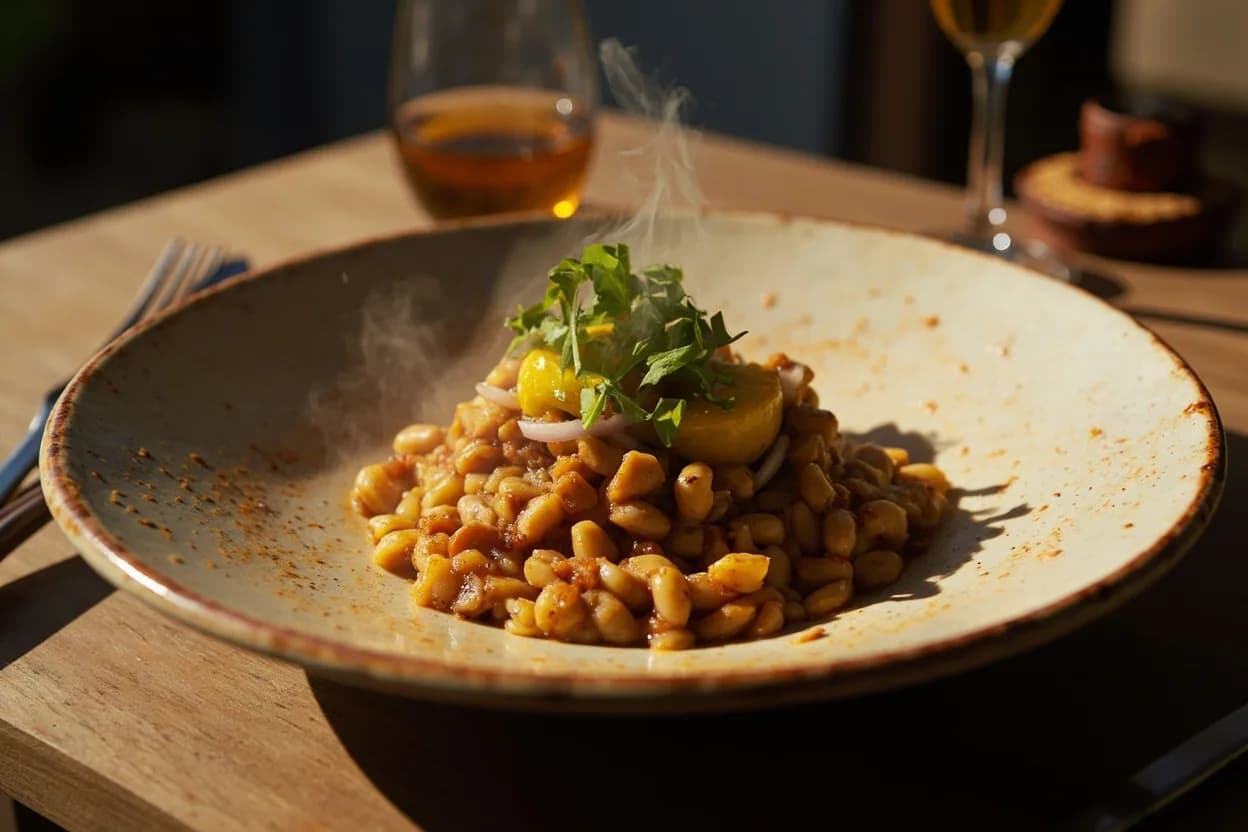
Small to medium beans specifically selected for ful medames; pale tan when dried, creamy when cooked
Very large-seeded variety; impressive presentation but tougher skins require longer cooking
Short-pod, early variety; faster to mature, good for short growing seasons
Traditional English variety; white flowers indicate milder flavor, less prone to browning
Mature, fully dried beans sold in bulk; require soaking 8–12 hours and long cooking; foundation for ful medames and stews
Fresh vs. Dried: A Critical Distinction
These are essentially two different ingredients sharing one botanical name. Fresh broad beans (in pod or shelled) are tender spring vegetables with bright green color and a delicate, slightly sweet flavor. They cook in minutes and are often eaten raw when very young. Dried broad beans are a grain staple—pale, starchy, and absorbent—which develop a creamy, almost nutty quality when cooked for hours. The Egyptian ful variety bred specifically for ful medames is a dried bean and is not interchangeable with fresh spring beans. When a recipe calls for 'broad beans,' determine whether fresh or dried is intended before shopping; the prep methods and flavor profiles are completely different.
- Fresh beans: blanch 1–2 minutes, double-peel, use within days
- Dried beans: soak 8–12 hours, simmer 1–2 hours, store for months
The Favism Warning
Raw and undercooked broad beans contain vicine and convicine, compounds that can trigger hemolytic anemia in individuals with glucose-6-phosphate dehydrogenase (G6PD) deficiency. This genetic condition is prevalent among people of Mediterranean, African, and Asian descent. Symptoms include fatigue, dark urine, and jaundice following bean consumption. Thorough cooking destroys these compounds completely. Never serve raw or barely cooked broad beans to someone whose ancestry puts them at risk without confirming they have been tested for G6PD deficiency. This is not an allergy or intolerance—it is a serious medical condition requiring strict avoidance of the trigger.
- Always cook broad beans thoroughly—40+ minutes for dried, 1–2 minutes blanching for fresh
- G6PD-deficient individuals should avoid broad beans entirely regardless of cooking time
Common uses
Tips & pitfalls
- Double-peel fresh beans for best texture: blanch shelled beans 1–2 minutes, drain, then pinch each bean to slip off the pale inner skin; this removes bitterness significantly
- Young, small fresh beans (under 2 cm long) can be eaten raw in salads without peeling—they are tender and sweet
- Add ½ tsp baking soda to cooking water for dried beans in the last 10 minutes; this softens stubborn skins without turning beans mushy
- Cook dried beans with aromatics (bay leaf, onion, garlic) but add salt only after beans are fully tender; salt added early hardens the skins
- For ful medames: simmer dried beans 1–2 hours until completely soft; traditional Egyptian cooking uses a slow overnight simmer with tomato paste and cumin
- If beans cause flatulence: change soaking water 2–3 times; add epazote or kombu seaweed to cooking water; introduce gradually in small portions
- Frozen shelled broad beans are reliable: blanch 1 minute, drain, freeze on a tray, then bag; skip double-peeling if freezing, as skins slip off easily after thawing
- Test freshness of dried beans: drop a few into cold water; fresh dried beans swell within 1–2 hours; old beans remain hard even after overnight soaking
- Toast dried beans briefly in a dry pan before soaking for deeper, nuttier flavor in the cooked dish
- Pair with lemon or sumac to brighten the starchy flavor; mint and parsley are the classic fresh herbs with spring beans
Nutrition
Energy
368 kJ · per 100 g
Where the calories come from
Protein
7.9g
16% DV
Carbs
17.6g
6% DV
Fat
0.7g
1% DV
Fiber
7.5g
27% DV
Sugars
9.2g
of which
Sodium
25mg
1% DV
Source · USDA FoodData Central · Beans, fava, in pod, raw
View on FDC →In the shops
Matched grocery products
No matched grocery products for Broad Bean (Fava) yet.
Good to know
- Scientific name
- Vicia faba
- Family
- Fabaceae (legume family)
- Origin
- North Africa and Mediterranean/Middle East; among oldest cultivated legumes, with evidence dating back 10,000+ years
- Season
- Spring in temperate climates; winter in mild Mediterranean climates (October–March)
- Fresh shelf life
- Pods: 2–3 days refrigerated; shelled: 3–5 days refrigerated
- Dried shelf life
- 12+ months in airtight container in cool, dark place
- Dried cooking time
- 40–90 minutes depending on age and size; add baking soda in last 10 minutes to soften skins
- Protein content
- ~26–30% by dry weight; ~8% when cooked fresh
- Key nutrients
- Folate, iron, potassium, fiber, B vitamins
- Yield
- Approximately 500–700 g shelled beans per 1 kg pods
- Difficulty
- Simple to cook, but double-peeling fresh beans is time-consuming—budget 20–30 minutes for 500 g
Substitutes
- Lima beans — Most similar texture and size; slightly sweeter, less earthy; use 1:1 in salads and soups
- Cannellini or white kidney beans — Good for purées and soups; less grassy flavor; texture differs—creamier, not as firm
- Black-eyed peas — Similar cooking time and protein content; different visual appeal (black eye); works in salads and stews
- Peas (fresh or frozen) — For raw spring salads only; completely different when cooked—too soft for most broad bean preparations
- Split peas — For falafel only; similar texture when blended; different flavor profile entirely
Pairs with
Also called
Bouneschlupp bean · Broad Beans · Ful · Fava Bean · Faba Bean
Appears in these dishes
Related
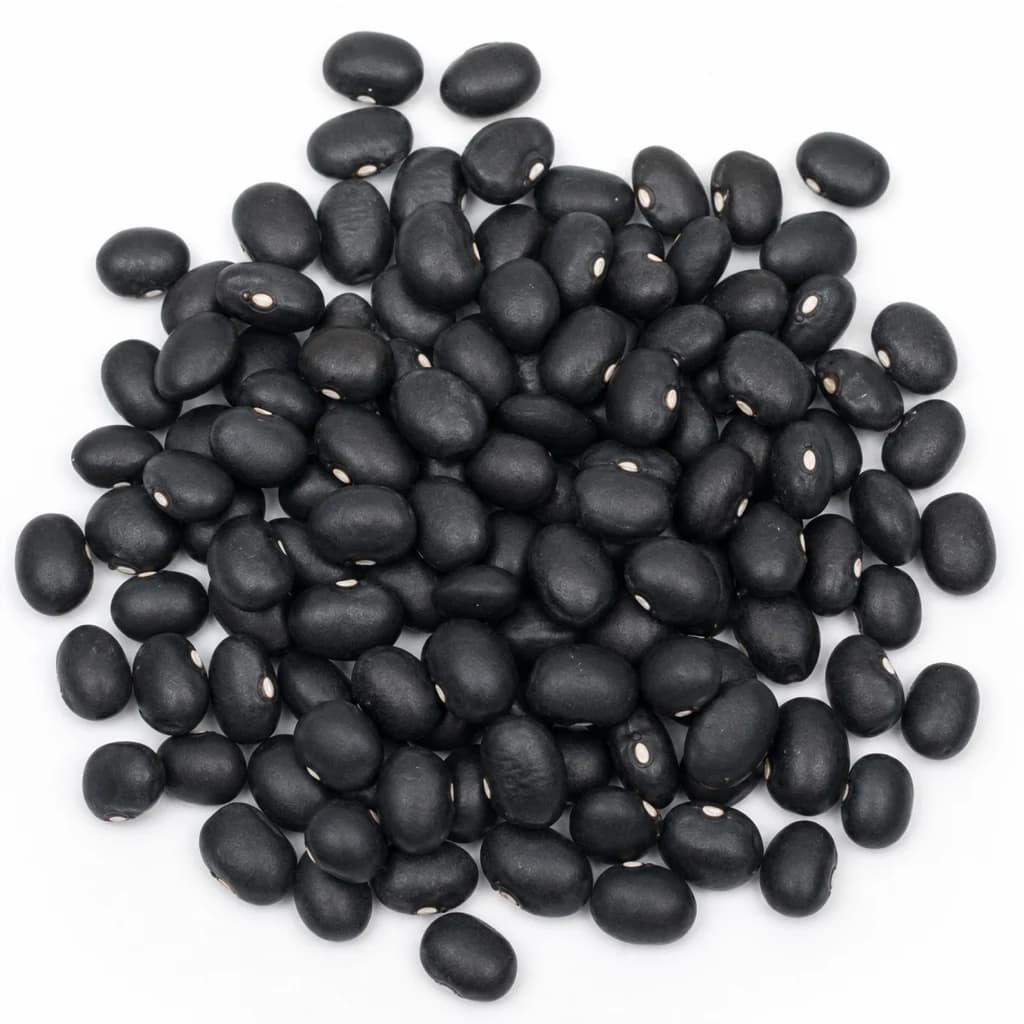
Black Beans
Earthy, creamy beans for bowls, soups, and tacos
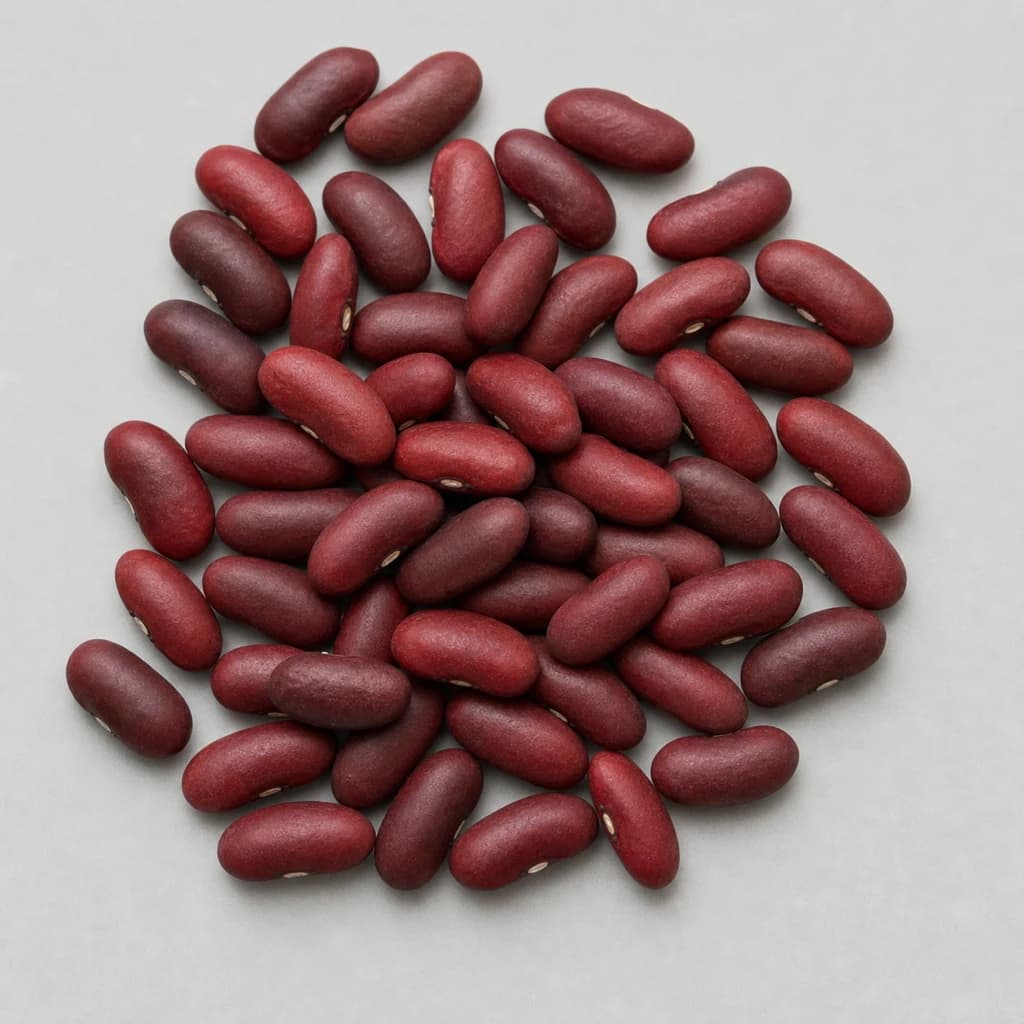
Kidney Beans
Hearty red beans that hold their shape in chili and stews
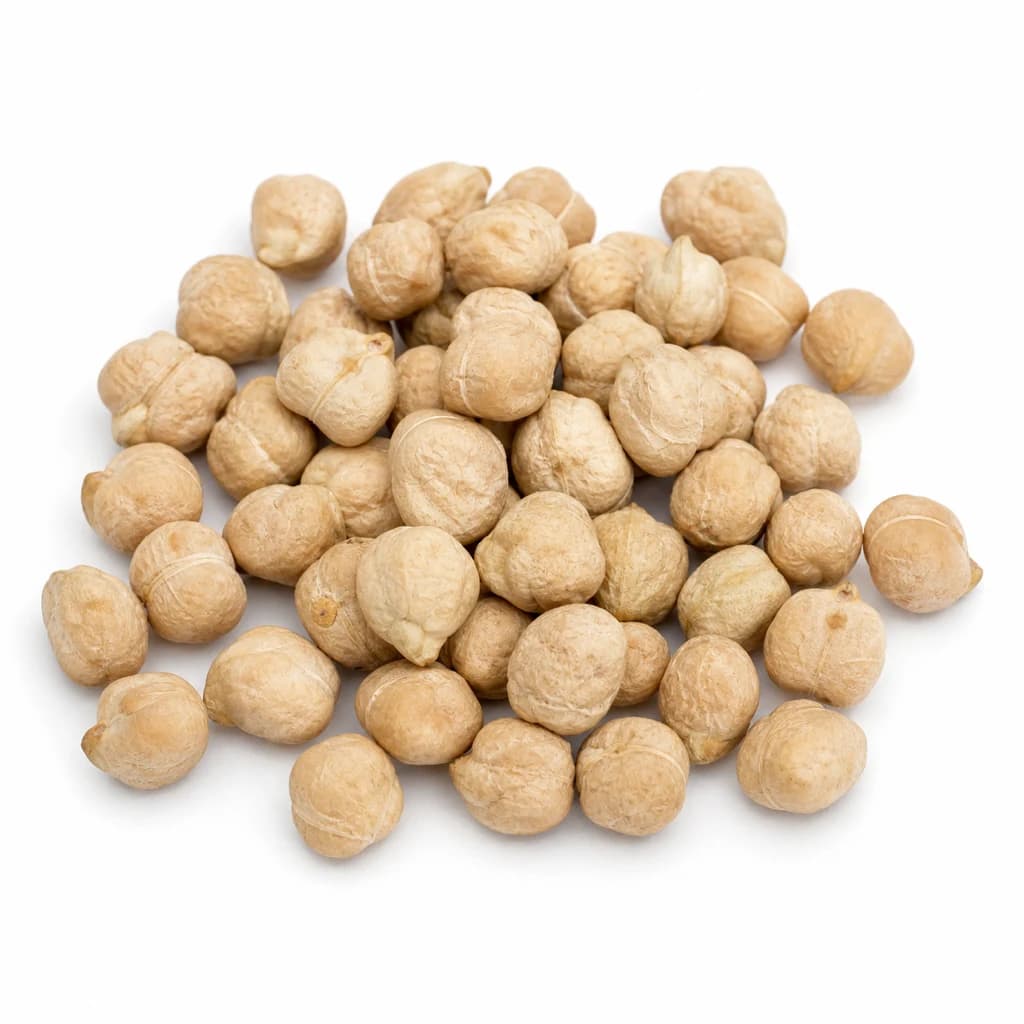
Chickpeas
Nutty, versatile beans for hummus, curries, and roasting
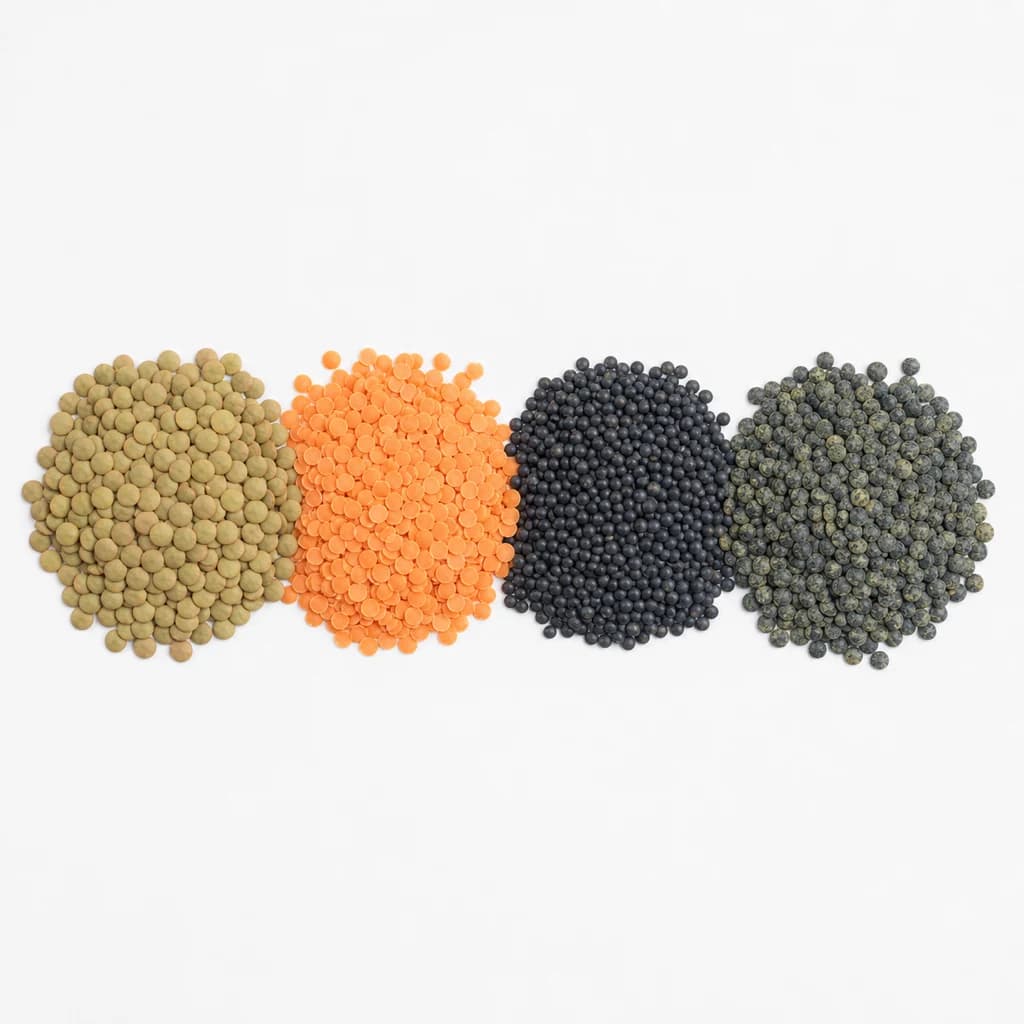
Lentils
Quick-cooking pulses for soups, dals, and hearty salads

White Beans
Creamy, mild beans for soups, stews, and silky purées
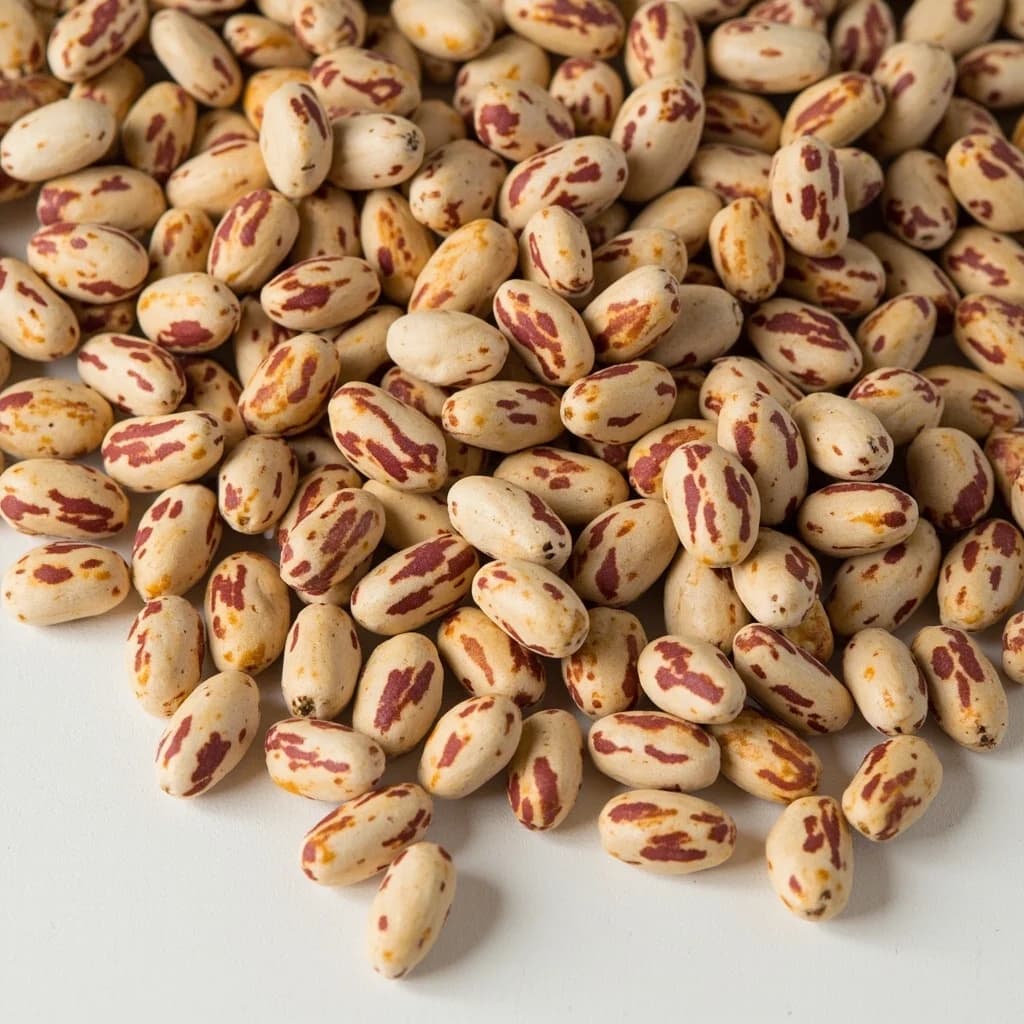
Pinto Beans
Creamy, speckled beans for refried beans and stews

Split Peas
Quick-cooking peas that melt into thick, comforting soups
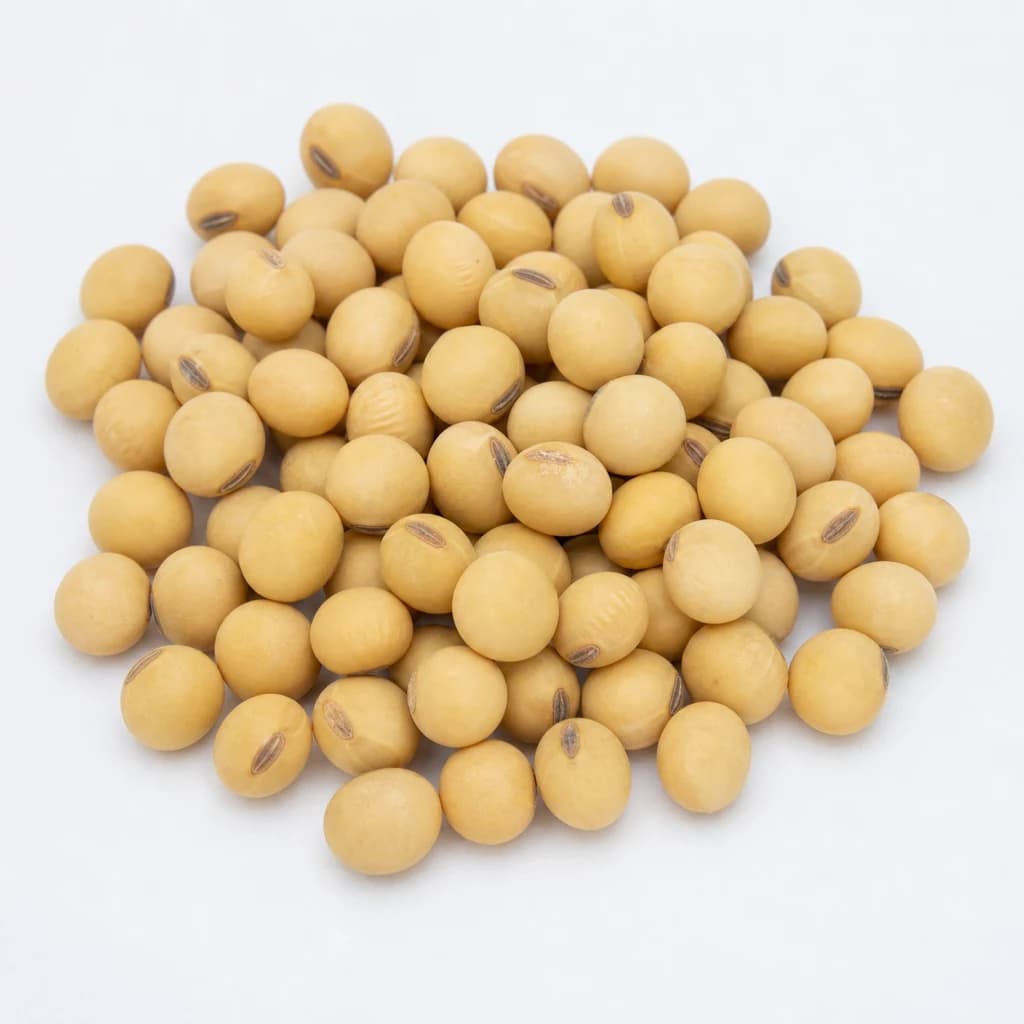
Soybeans
Protein-packed beans, the base for tofu and miso