
Natural form
Whole prickly pears showing their range of color from green to deep magenta.
Shows the fruit's unmistakable oval shape, spiny skin texture, and color range so readers can identify it at a market.
Produce
Prickly Pear
Sweet, seedy cactus fruit eaten fresh or made into syrups and jams.
Prickly pear is the fruit of the opuntia cactus, with a thick spiny skin and sweet, juicy flesh full of hard edible seeds. Once carefully peeled to remove the fine spines, it is eaten fresh and chilled, juiced, or cooked into syrups, jams, and candies. Colors range from green to deep magenta, common in Mexican and Mediterranean cooking.
Prickly pear is the fruit of Opuntia cacti, most commonly Opuntia ficus-indica, harvested from the same paddle-shaped pads that yield nopales. Ranging from two to four inches long, the oval fruit matures from green to vivid yellow, orange, red, or deep purple depending on variety. Its flesh—roughly 55% of the fruit by weight—runs the full color spectrum and carries a sweet, melon-like flavor with subtle berry and watermelon notes, a mild cactus tang, and dozens of small edible seeds distributed throughout. The fruit has been cultivated for thousands of years by indigenous peoples of the Americas and is now naturalized across the Mediterranean, Middle East, Australia, and parts of Africa. What makes prickly pear distinctive in the kitchen is its striking color, high natural pectin content that produces excellent gels without additives, and flesh that resists oxidation, keeping its fresh appearance for hours after cutting. The principal handling challenge is glochids—microscopic barbed spines embedded in the skin that must be completely removed before the fruit touches food or mouth. Beyond this barrier, the fruit rewards cooks with versatility spanning fresh eating, beverages, preserves, and savory applications.
Fresh, fully ripe prickly pear has a yielding texture and bright, unblemished skin with a strong fragrance. Green or underripe fruit is vegetal and lacking sweetness; avoid it unless you intend to cook it down with sugar. The magenta-fleshed varieties are especially prized for their visual impact in salads, cocktails, and desserts, but color alone does not predict flavor—some red fruits are milder than yellow ones. The seeds, while edible and nutrient-dense, are crunchy and can dominate smooth preparations; strain them for juices, sorbets, and sauces but leave them intact for a more rustic texture in jams or chutneys.
- Measured in
- piece
- Storage
- Fridge
Types & varieties
Most common commercial variety; deep red-purple flesh, sweet flavor, nearly spineless pads
Developed by Luther Burbank; large fruit with mild flavor
Red-skinned with white flesh; firm texture
Often sweeter than red types; golden to pale orange flesh; common in Mexico
Green-skinned with green flesh; more vegetal, less sweet
Regional names like 'Texas Sugar' exist but are not standardized
Peeling and Glochid Removal
The glochid removal step is non-negotiable—ingesting glochids causes oral and digestive irritation. Two reliable methods exist. The torch method is fastest: hold the whole fruit with long tongs over a gas burner flame, rotating for 20–30 seconds until the skin chars visibly. Alternatively, place the fruit directly on a gas burner grate at low flame for the same duration. Let the fruit cool briefly, then scrub under cold running water using a stiff vegetable brush, rinsing away all ash and loosened spines. The heat burns off both visible spines and invisible glochids. After scrubbing, confirm the skin is smooth by running a gloved finger across it. Never handle glochids with bare hands or bare arms.
- Use long tongs to hold the fruit throughout the torching process
- Scrub under running water with a stiff brush immediately after torching
- Discard the scrubbing water carefully to avoid transferring glochids to skin or surfaces
Peeling and Cutting the Fruit
Once the skin is glochid-free, slice off both blossom and stem ends. Make one shallow longitudinal cut through the skin only—deep enough to score but not pierce the flesh. Insert a spoon or your fingers beneath the skin and peel it away in one motion. The flesh should slide out cleanly. Work over a bowl to catch the juice, which is precious. Gloves are still recommended during this step because residual spine fragments may persist even after torching.
- A shallow score makes peeling easier; a deep cut risks tearing the flesh
- Work over a bowl to capture juice; prickly pear flesh does not oxidize, so no acid treatment is needed
Common uses
Tips & pitfalls
- Use long tongs to handle fruit during cleaning; never touch glochids with bare hands
- Torch the whole fruit over a gas burner or place directly on a gas burner grate for 20–30 seconds to burn off glochids, then scrub under running water
- To peel: slice off both ends, make one shallow longitudinal cut through the skin, then peel skin away from flesh (gloved hands or clean tongs)
- The flesh does not oxidize quickly after cutting, so no lemon juice treatment is needed
- Strain seeds for smooth preparations like juices, sorbets, or sauces; seeds are edible but crunchy
- For jam: fruit is already high in pectin—cook with sugar until thickened, add acid (lime or lemon juice) to set; test gel point at 220°F/104°C
- Choose fruit that yields slightly to pressure; skin should be bright and free of blemishes; slight shriveling is acceptable
- Underripe green fruit can be cooked but lacks sweetness; very ripe fruit should have vivid color and strong fragrance
- Refrigerate whole unpeeled fruit for up to two weeks; peel only what you need as needed
- When making cocktails, muddle flesh directly or use a fine mesh strainer to remove seeds for clearer drinks
- Prickly pear juice is the base for the classic New Orleans drink Opal Basil Punch
- Never skip the glochid-removal step; even brief contact with glochids causes painful irritation
- Store frozen peeled flesh in airtight containers for up to three months without significant texture loss
Nutrition
Energy
172 kJ · per 100 g
Where the calories come from
Protein
0.7g
1% DV
Carbs
9.6g
3% DV
Fat
0.5g
1% DV
Fiber
3.6g
13% DV
Sodium
5mg
0% DV
Source · USDA FoodData Central · Prickly pears, raw
View on FDC →In the shops
Matched grocery products
 €0.31
€0.31Ercolina Pear
80 g · Mercadona
 €0.44
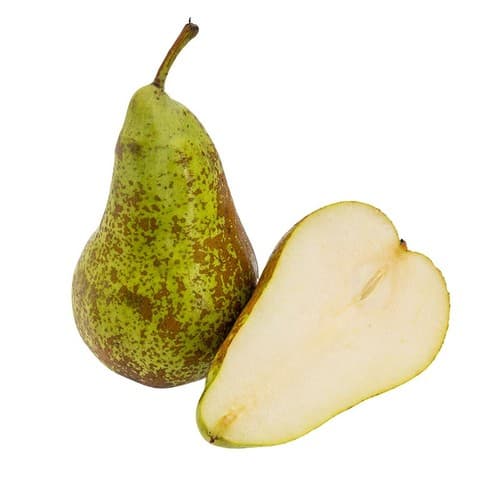
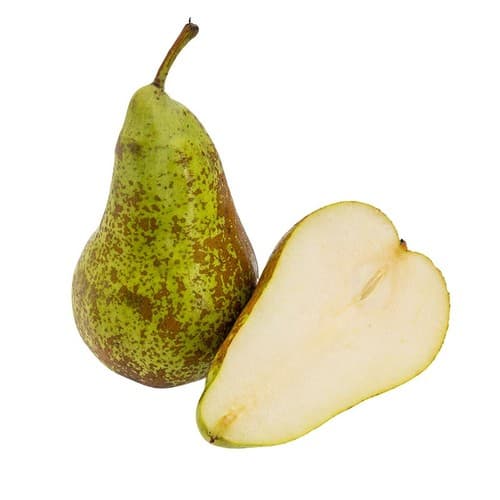
€0.44Conference Pear
180 g · Mercadona
 €2.39
€2.39Conference Pears
1.11 kg · Mercadona
 €0.36
€0.36Ercolina Pear 1 unit
ud · Bonpreu
 €0.45
€0.45Conference Pear Km0 1 unit
Bonpreu
 €0.52
€0.52Conference Pear Km0 1 unit
ud · Bonpreu
Good to know
- Scientific name
- Opuntia ficus-indica (primary cultivated species); other Opuntia species yield edible fruit
- Also called
- Tuna, cactus pear, Indian fig, nopal fruit
- Origin
- Americas; cultivated for thousands of years by indigenous peoples; now naturalized in Mediterranean, Middle East, Australia, and parts of Africa
- Peak season
- Late summer through fall (varies by region)
- Colors
- Green, yellow, orange, red, or purple skin and flesh depending on variety
- Flavor
- Sweet, melon-like with berry and watermelon notes; mild cactus tang; many small edible seeds throughout flesh
- Size
- Typically 2–4 inches long, oval to oblong
- Yield
- Approximately 55% flesh by weight after peeling
- Storage
- Refrigerate unpeeled fruit up to 2 weeks; peel and refrigerate flesh 2–3 days; freezes well for longer storage
- Handling note
- Skin covered in glochids (microscopic barbed spines) and larger spines; must be removed before eating
- Pectin content
- High; sets well into jams and jellies without added pectin
Substitutes
- Passion fruit — Similar seediness, tropical sweetness, and acidity; more pronounced flavor intensity
- Guava — Comparable texture and tropical notes; more aromatic with a distinct floral quality
- Watermelon — Melon sweetness and high juice content; lacks seeds and the visual drama of magenta flesh
- Pomegranate — Sweet-tart balance with visual appeal; works similarly for decorative use in salads and drinks
- Raspberry jam — For preserves and glazes; adds color but not the cactus fruit's distinctive flavor or seediness
Pairs with
Also called
Beles · Cactus Fig · Tuna · Nopal Fruit
Appears in these dishes
Related
Tomato
Juicy, sun-sweet fruit for sauces, salads, and slow-cooked depth
Yellow Onion
The aromatic backbone of soups, sofritos, and braises
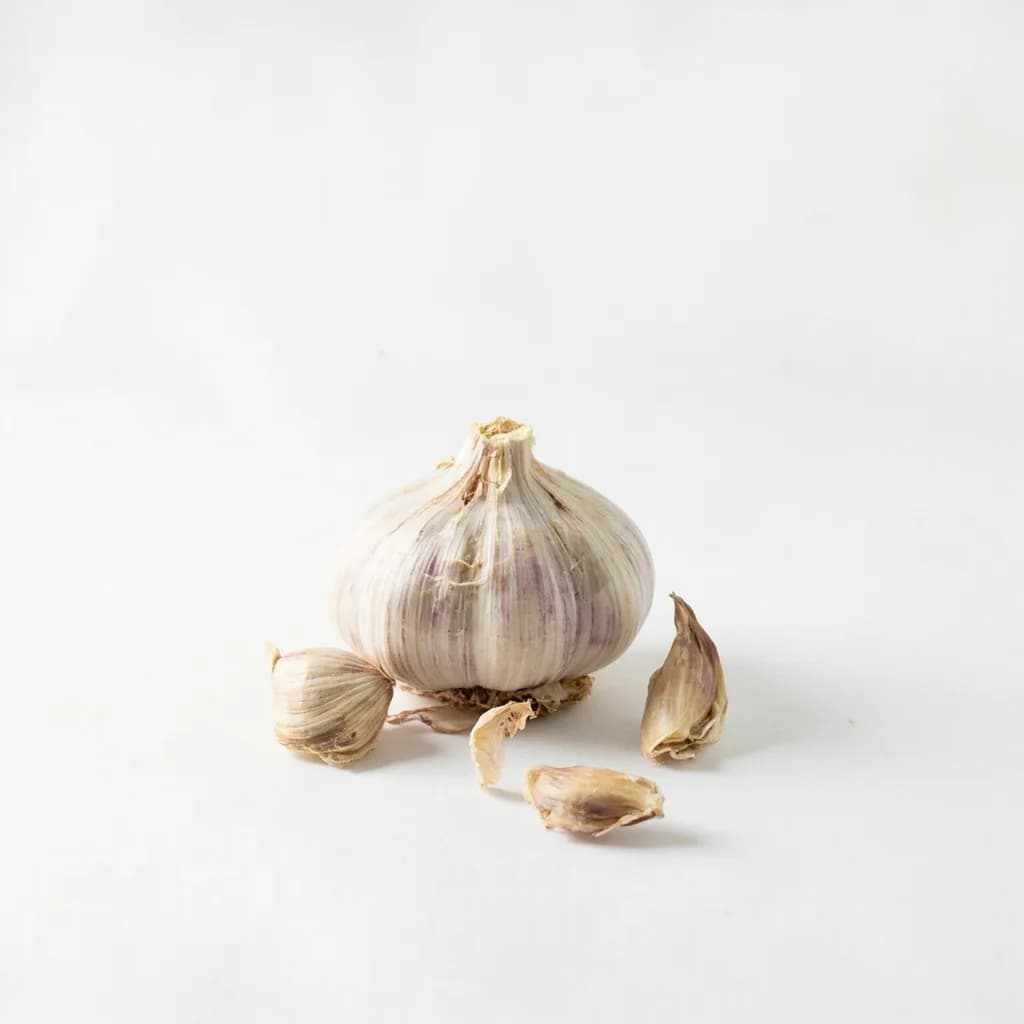
Garlic
Pungent cloves that perfume nearly every savory dish
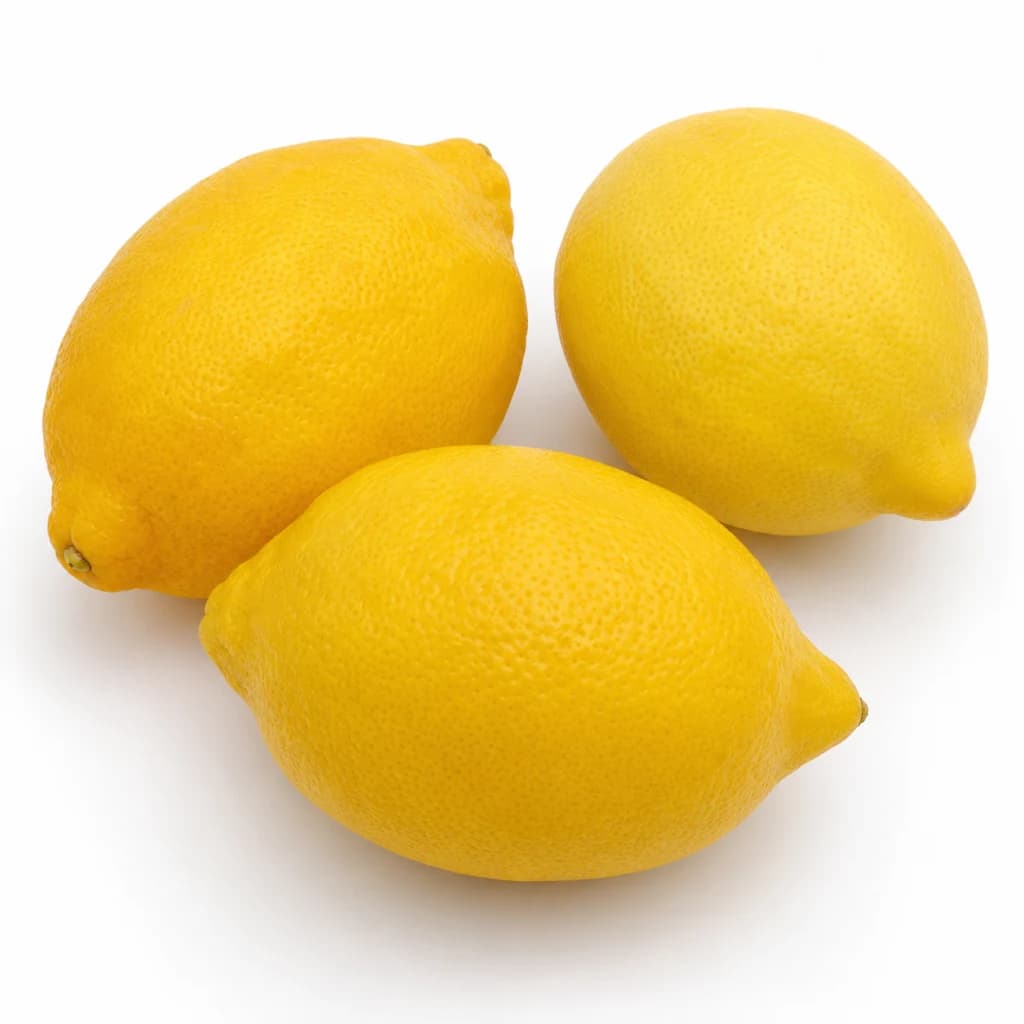
Lemon
Bright, acidic citrus that wakes up almost any dish
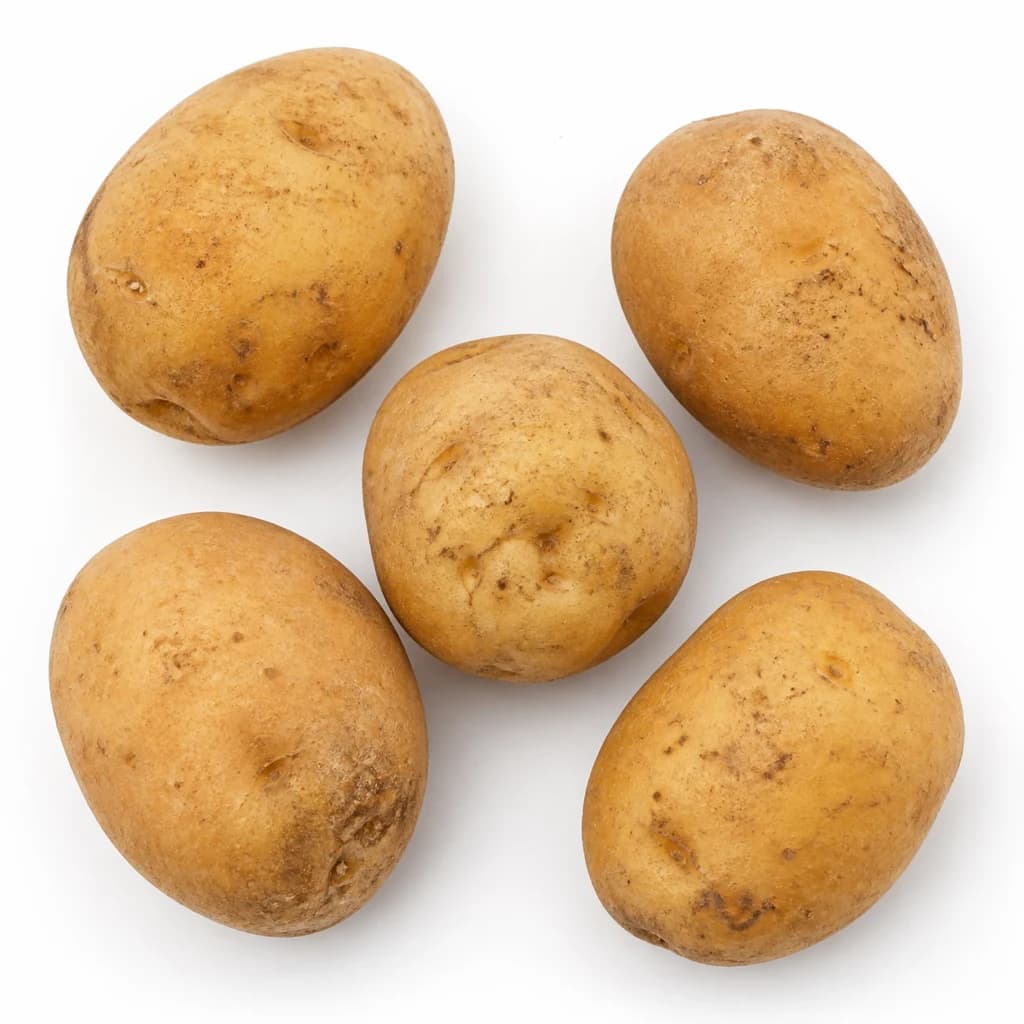
Potato
Humble, hearty staple — roast, mash, fry, or boil
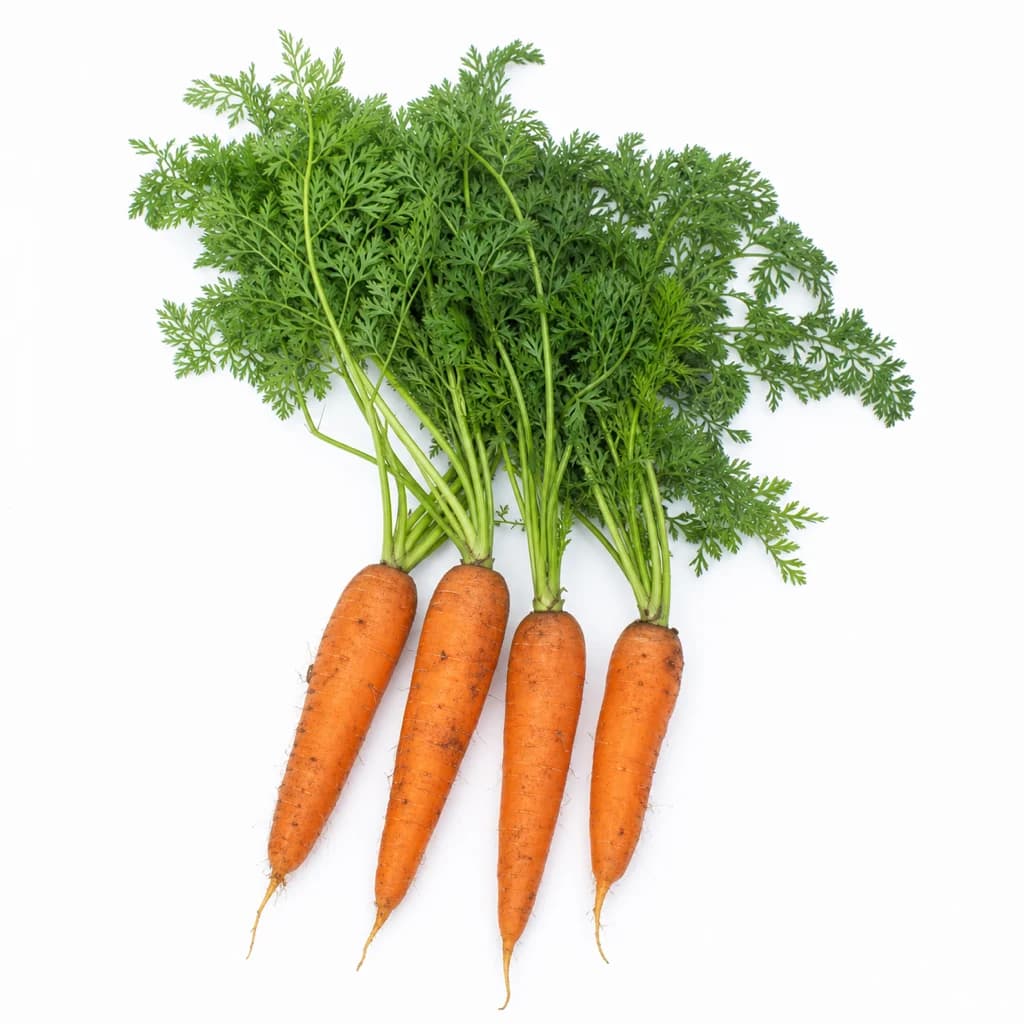
Carrot
Sweet, crunchy root — raw, roasted, or the base of a sofrito
Cucumber
Cool, crisp, and watery — for salads, pickles, and tzatziki

Lettuce
Crisp leaves for salads, wraps, and a fresh crunch