Produce
Lilikoi (Passion Fruit)
Hawaiian passion fruit; tart aromatic pulp for juices, curds, and desserts.
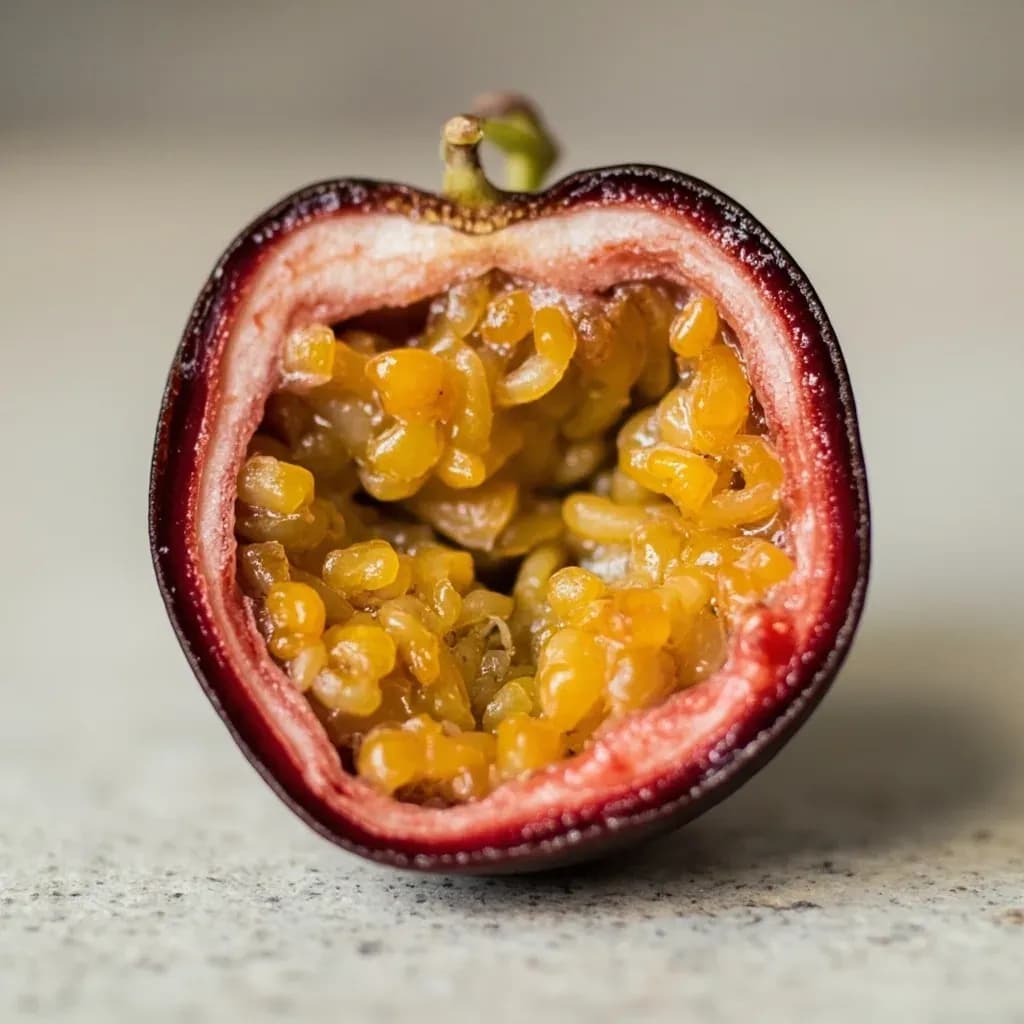
Lilikoi is the Hawaiian name for passion fruit, a round fruit with a wrinkly purple or yellow shell and intensely fragrant, tart-sweet pulp full of edible seeds. The juicy pulp flavors juices, syrups, cheesecakes, curds, and the malasada filling so beloved in Hawaii. Its sharp, floral acidity makes it a vivid accent in both sweet and savory dishes.
Lilikoi is the Hawaiian name for Passiflora edulis, the passion fruit vine that has been deeply woven into island cuisine since its introduction in the 1880s. Unlike commercially grown passion fruit from Colombia, Ecuador, or Australia, Hawaiian lilikoi comes primarily from small family farms and backyard vines, making it a treasured local ingredient with a distinctive terroir. The fruit ranges from 2 to 3 inches in diameter, with wrinkled, dimpled skin that gives way to intensely aromatic pulp studded with edible black seeds—the hallmark of fully ripe fruit. What makes lilikoi indispensable in the kitchen is its singular combination of tart acidity, tropical floral notes, and grape-like sweetness, all concentrated in roughly 35-40% edible pulp by weight. The natural pectin content allows it to set beautifully into curds and jams without additional thickeners, while its volatile aromatics dissipate rapidly once the fruit is cut, demanding immediate use or prompt freezing.
- Measured in
- piece
- Storage
- Fridge
Types & varieties
Smaller (2–2.5 inches) with deeper aromatic flavor; most common in Hawaiian cultivation; preferred for fresh eating and desserts
Larger (up to 3 inches) with more acidity and tartness; used commercially for juice and processing; slightly more heat-tolerant
Common uses
Tips & pitfalls
- Select fruits that feel heavy for their size with slightly wrinkled, dimpled skin — this signals full ripeness and peak aromatics; smooth-skinned fruits are underripe
- Refrigerate whole fruits unwashed; wash only before cutting to prevent premature spoilage
- To extract pulp: halve the fruit crosswise and scoop out the pulp and seeds with a spoon, or squeeze the halved shell directly over a bowl
- The tiny black seeds are edible and pleasantly crunchy — strain them out only if a completely smooth texture is required
- Work quickly with fresh pulp — volatile aromatics fade within hours at room temperature; freeze unused pulp in ice cube trays for portioned storage
- When making lilikoi curd, maintain gentle, steady heat and stir constantly to prevent egg scrambling; the mixture should coat a spoon at 170–175°F (76–79°C)
- A little lilikoi pulp added to a fruit salad prevents browning on cut apples and pears due to its acidity
- Do not attempt to juice lilikoi by pressing — the seeds and pulp must be loosened with water or blended; pressing alone yields minimal results
Nutrition
Energy
406 kJ · per 100 g
Where the calories come from
Protein
2.2g
4% DV
Carbs
23.4g
9% DV
Fat
0.7g
1% DV
Fiber
10.4g
37% DV
Sugars
11.2g
of which
Sodium
28mg
1% DV
Source · USDA FoodData Central · Passion-fruit, (granadilla), purple, raw
View on FDC →In the shops
Matched grocery products
No matched grocery products for Lilikoi (Passion Fruit) yet.
Good to know
- Scientific Name
- Passiflora edulis (purple); Passiflora edulis forma flavicarpa (yellow)
- Flavor Profile
- Tart, tangy, intensely aromatic with tropical floral and grape-like notes
- Typical Size
- 2–3 inches (5–7.5 cm) in diameter
- Edible Yield
- Approximately 35–40% pulp and seeds by weight per fruit
- Peak Season
- Year-round in tropical climates; mainland U.S. primarily summer through early fall
- Shelf Life
- Whole: 1–2 weeks refrigerated; pulp: up to 6 months frozen; prepared: 2–3 weeks after opening
- Difficulty
- Very easy — just cut and scoop
Substitutes
- Other passion fruit varieties — Purple or yellow passion fruit from Florida, California, or imported; flavor is nearly identical but may lack specific Hawaiian lilikoi aromatics
- Yuzu juice and simple syrup — Provides tart citrus notes with floral complexity; use equal parts yuzu to simple syrup to approximate the tart-sweet balance
- Tamarind paste (diluted) — Shares the tart-sour backbone and dark fruit notes; dilute tamarind concentrate with water and strain before using
- Mango puree and lime juice — Approximates tropical sweetness and acidity together; best for dessert applications rather than savory glazes
Also called
Passion Fruit · Liliko'i
Related
Tomato
Juicy, sun-sweet fruit for sauces, salads, and slow-cooked depth
Yellow Onion
The aromatic backbone of soups, sofritos, and braises
Garlic
Pungent cloves that perfume nearly every savory dish
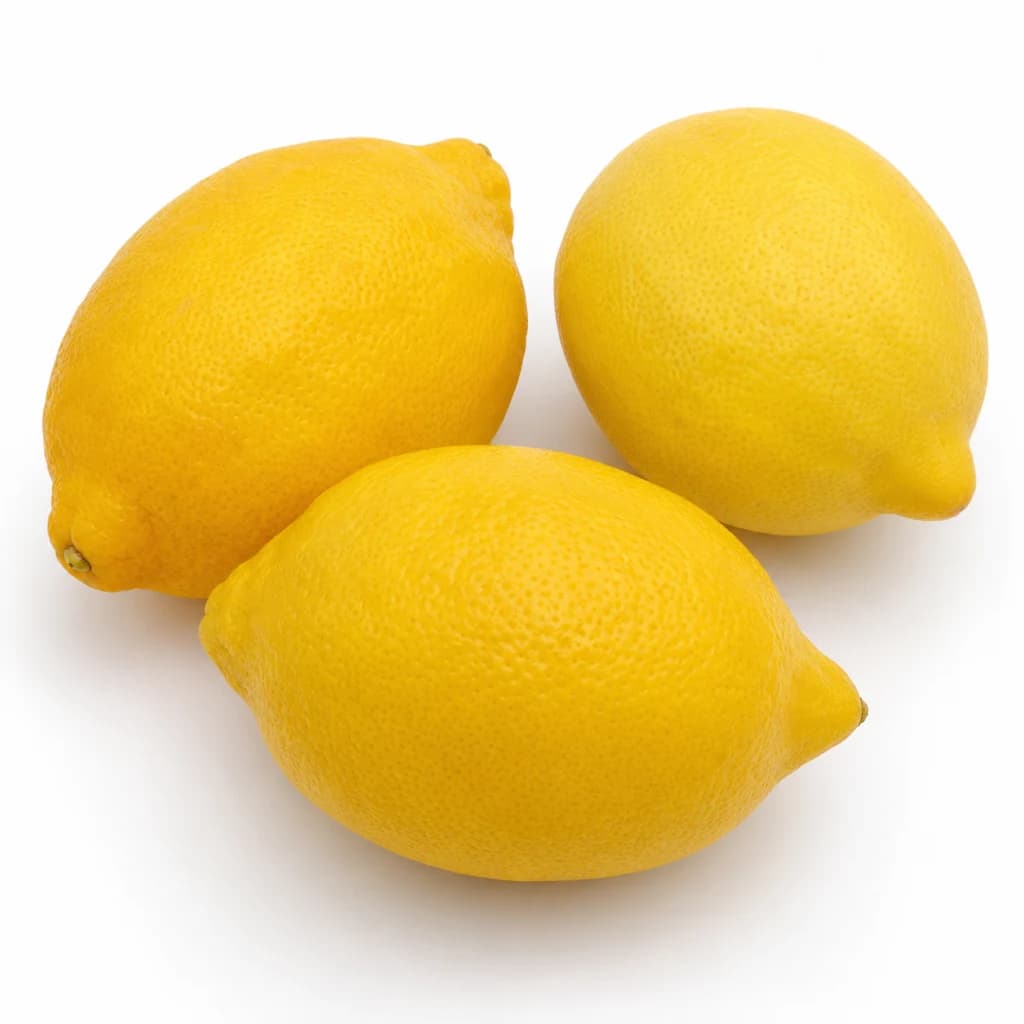
Lemon
Bright, acidic citrus that wakes up almost any dish
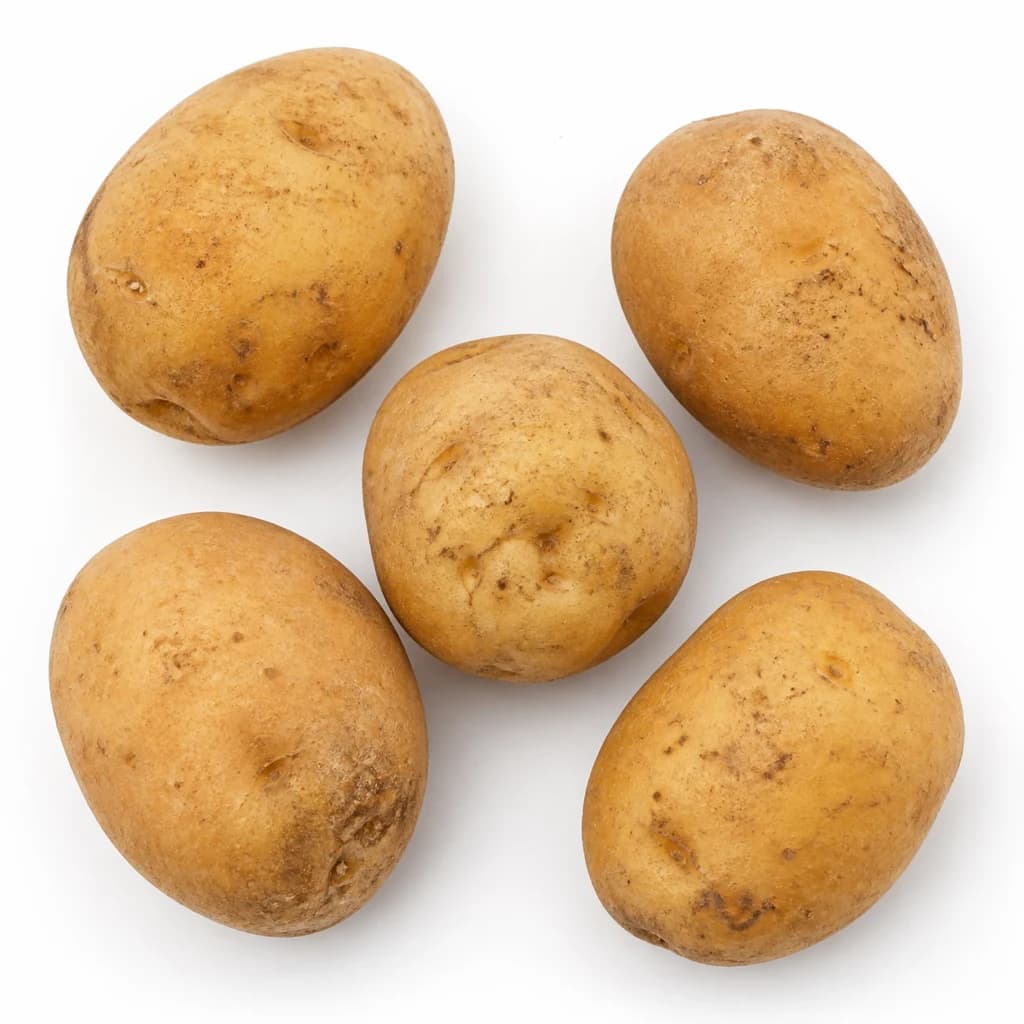
Potato
Humble, hearty staple — roast, mash, fry, or boil
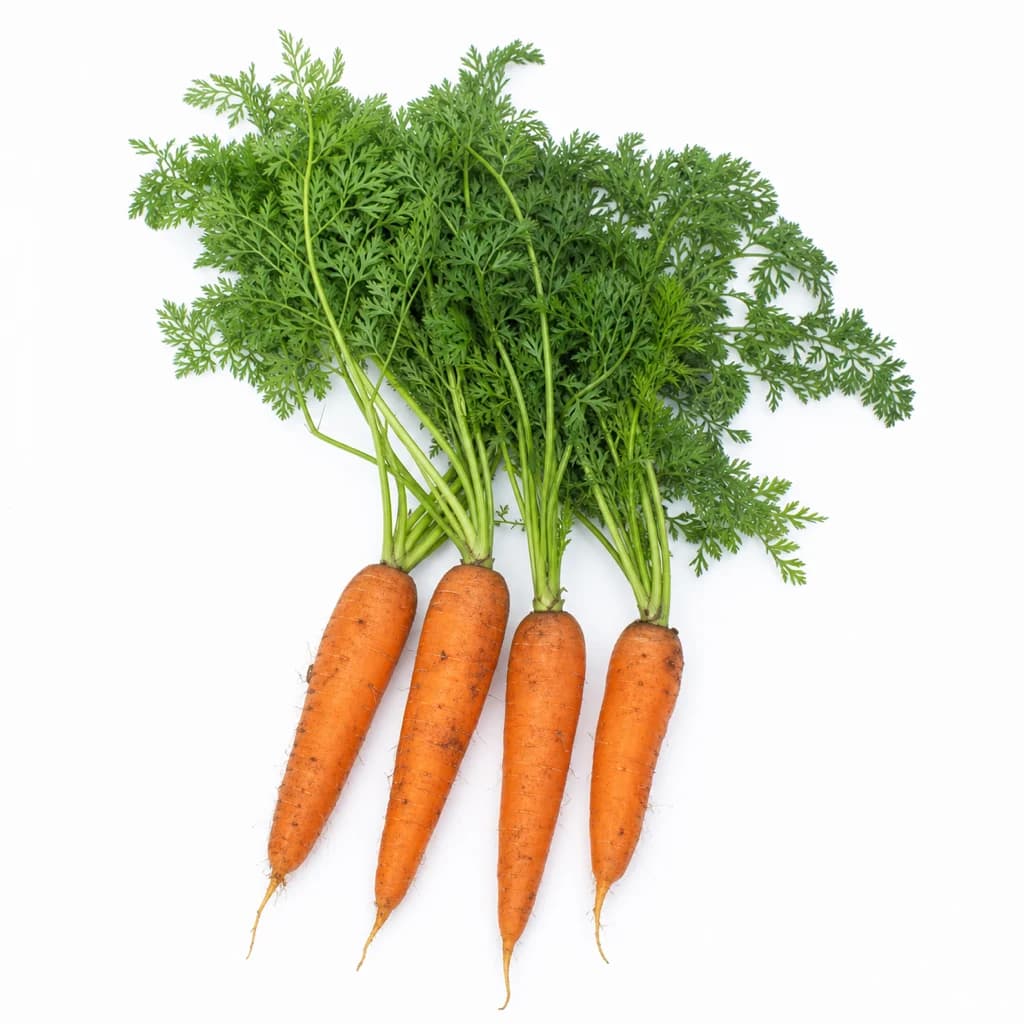
Carrot
Sweet, crunchy root — raw, roasted, or the base of a sofrito
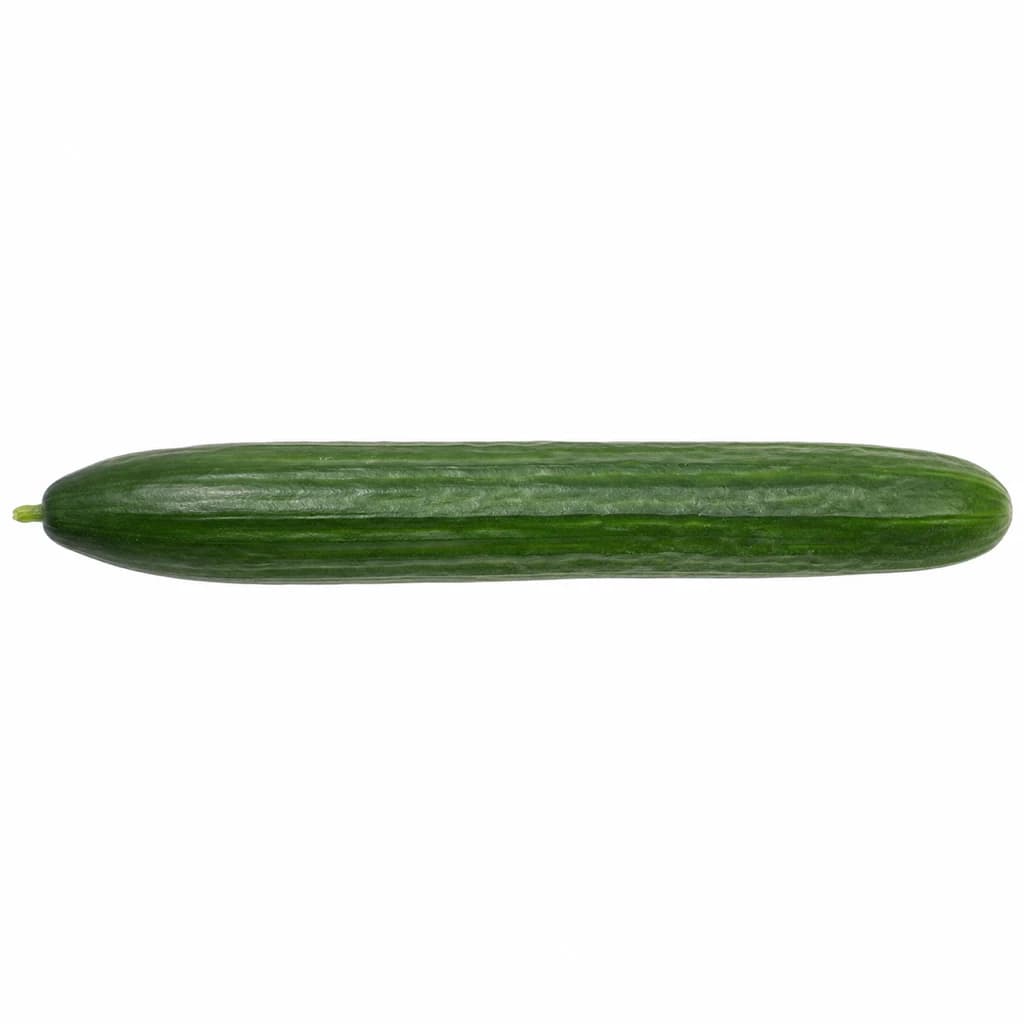
Cucumber
Cool, crisp, and watery — for salads, pickles, and tzatziki

Lettuce
Crisp leaves for salads, wraps, and a fresh crunch