Spices
Garlic Powder (Granulated Garlic)
Dried, ground garlic for even savory flavor in rubs, sauces and seasoning blends.
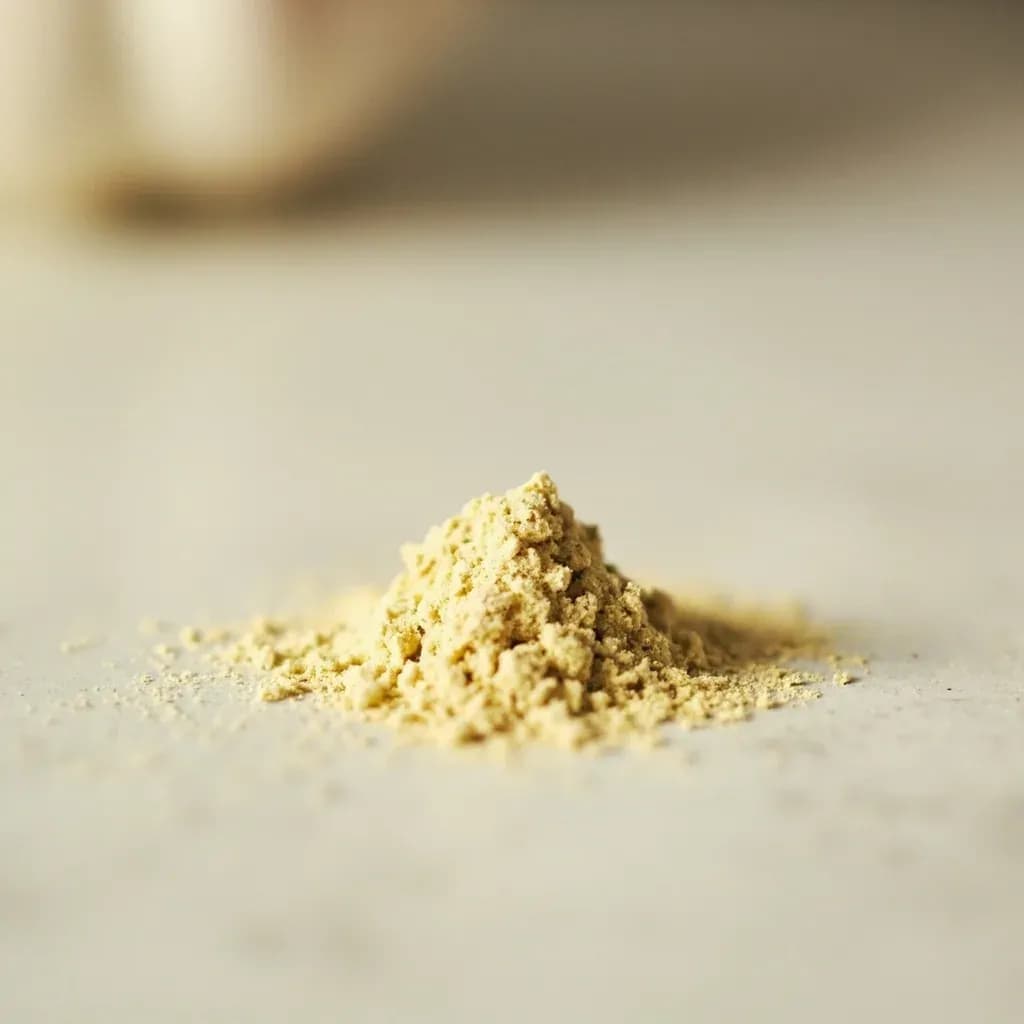
Garlic powder is made from dehydrated garlic ground to a fine powder or coarse granules. It delivers concentrated savory garlic flavor that disperses evenly, making it a staple in spice rubs, dressings, marinades and seasoning blends. It dissolves readily and avoids the burning that fresh garlic can suffer at high heat.
Garlic powder and granulated garlic are produced by dehydrating and grinding the bulbs of Allium sativum, creating two distinct textural forms of the same ingredient. Fine garlic powder grinds to a smooth consistency that dissolves readily in liquids, while granulated garlic retains a coarser, cornmeal-like texture that provides perceptible flecks and slower flavor release. Garlic has been cultivated for over 5,000 years, originating in Central Asia and now grown worldwide, with China, California, Mexico, Argentina, and Spain as major producers.
The flavor profile differs meaningfully from fresh garlic. While fresh clove delivers a sharp, pungent bite when raw and sweet complexity when cooked, dried garlic powder offers a mellowed, deeply savory warmth without the bright sulfurous edge. This happens because allicin—the compound responsible for fresh garlic's characteristic pungency—forms when cells are crushed and is only partially preserved through dehydration. The drying process concentrates sugars and umami compounds, yielding a rounder, more restrained flavor that performs differently in applications where fresh garlic might overpower or scorch.
Understanding when to reach for dried versus fresh is essential to cooking well with this ingredient. Garlic powder excels in dry rubs, seasoning blends, and long-cooked applications where fresh garlic would dissipate or burn. It integrates seamlessly into sauces, brines, and wet marinades. However, it cannot replicate the sharp raw bite needed in aioli, the textural presence required for bruschetta, or the caramelized sweetness of roasted whole heads. For these applications, keep fresh garlic on hand—the dried form is a complement, not a replacement, in a complete garlic strategy.
- Measured in
- g
- Storage
- Pantry
Types & varieties
Finely ground; dissolves quickly; best for sauces, rubs, and where smooth texture is desired
Coarser grind; preferred for dry rubs, seasoning blends, and where slight texture is acceptable
Garlic dried at higher heat or lightly toasted before grinding; mellower, slightly sweeter flavor with reduced bite
Dried sliced or chopped garlic; rehydrates to more closely mimic fresh garlic texture; distinct from powder
The Powder vs. Granule Decision
The choice between fine powder and granulated garlic affects both flavor delivery and texture in your dish. Fine powder incorporates completely into wet mixtures without settling, making it ideal for sauces, gravies, and marinades. In dry applications, it distributes evenly but can pack down, so whisk or sift before measuring for accuracy. Granulated garlic releases flavor more slowly as the larger particles rehydrate during cooking, providing a steadier seasoned presence. The perceptible texture makes it unsuitable for smooth sauces but desirable in rubs where you want garlic presence without a uniform dust. Many cooks keep both forms on hand precisely for this reason.
- Use fine powder for wet applications: sauces, marinades, brines, liquid-based dishes
- Use granulated for dry applications: rubs, seasoning blends, coatings where texture is welcome
- Toasted garlic powder substitutes well when a milder, less aggressive garlic flavor is desired
The Storage Reality
Garlic powder's shelf life depends heavily on storage conditions. In a sealed container away from heat, light, and moisture, it remains potent for 2–3 years unopened and 1–2 years after opening. Exposure to any of these elements accelerates flavor degradation significantly. A container that has been sitting near the stove for six months may smell weak or musty even if it hasn't reached the official expiration date. Always trust your senses over the calendar: if the warm, aromatic scent is absent or muted, the powder has lost potency and should be replaced.
- Store in airtight containers in a cool, dark cabinet—not near the stove or in humid environments
- Transfer bulk purchases to smaller sealed jars to minimize exposure each time you use it
- Smell test before using: potent, warm aroma confirms freshness; weak or stale scent indicates degradation
Common uses
Tips & pitfalls
- Store away from heat sources and direct light in an airtight container; exposure degrades flavor within months
- Add to oil or fat early in cooking to bloom flavors and reduce raw, pungent bite
- Use in wet applications: stir into marinades, brines, or liquid bases rather than sprinkling dry into liquid to prevent clumping
- For recipes needing raw garlic flavor, use freshly minced garlic or toasted garlic powder as a closer substitute
- Double or triple powder amount when substituting for fresh cloves in cooked dishes; halve the quantity for fresh-equivalent intensity
- Avoid in recipes requiring textural presence of fresh garlic such as aioli, bruschetta, or roasting whole heads
- Smell test before using: potent, warm aroma indicates freshness; weak or musty scent signals degradation
- Garlic powder can burn more easily than fresh garlic in high-heat searing; add earlier in cooking or reduce heat
Nutrition
Energy
623 kJ · per 100 g
Where the calories come from
Protein
6.4g
13% DV
Carbs
33.1g
12% DV
Fat
0.5g
1% DV
Fiber
2.1g
8% DV
Sugars
1g
of which
Sodium
17mg
1% DV
Source · USDA FoodData Central · Garlic, raw
View on FDC →In the shops
Matched grocery products
 €2.60
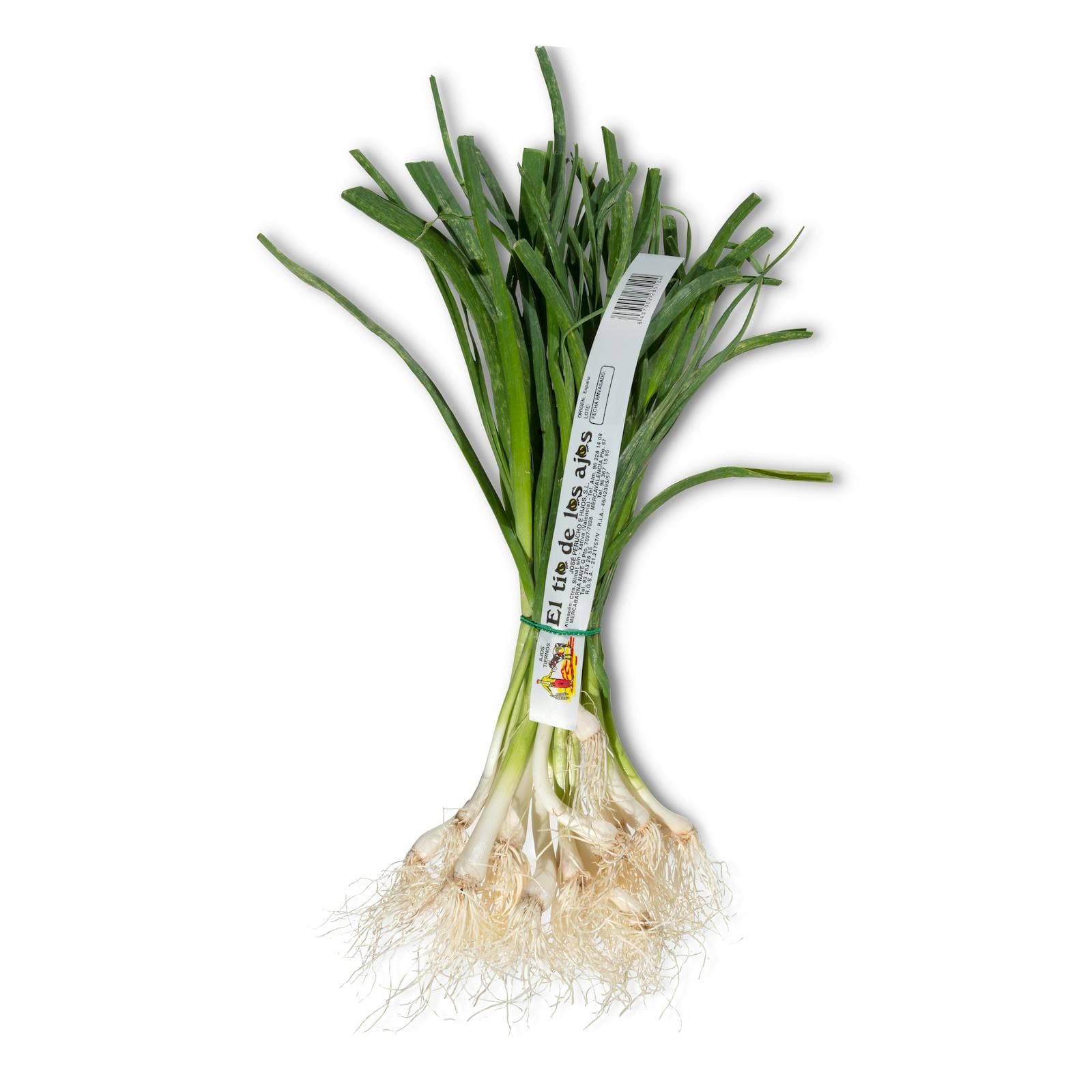
€2.60Young Garlic
200 g · Mercadona
 €1.85
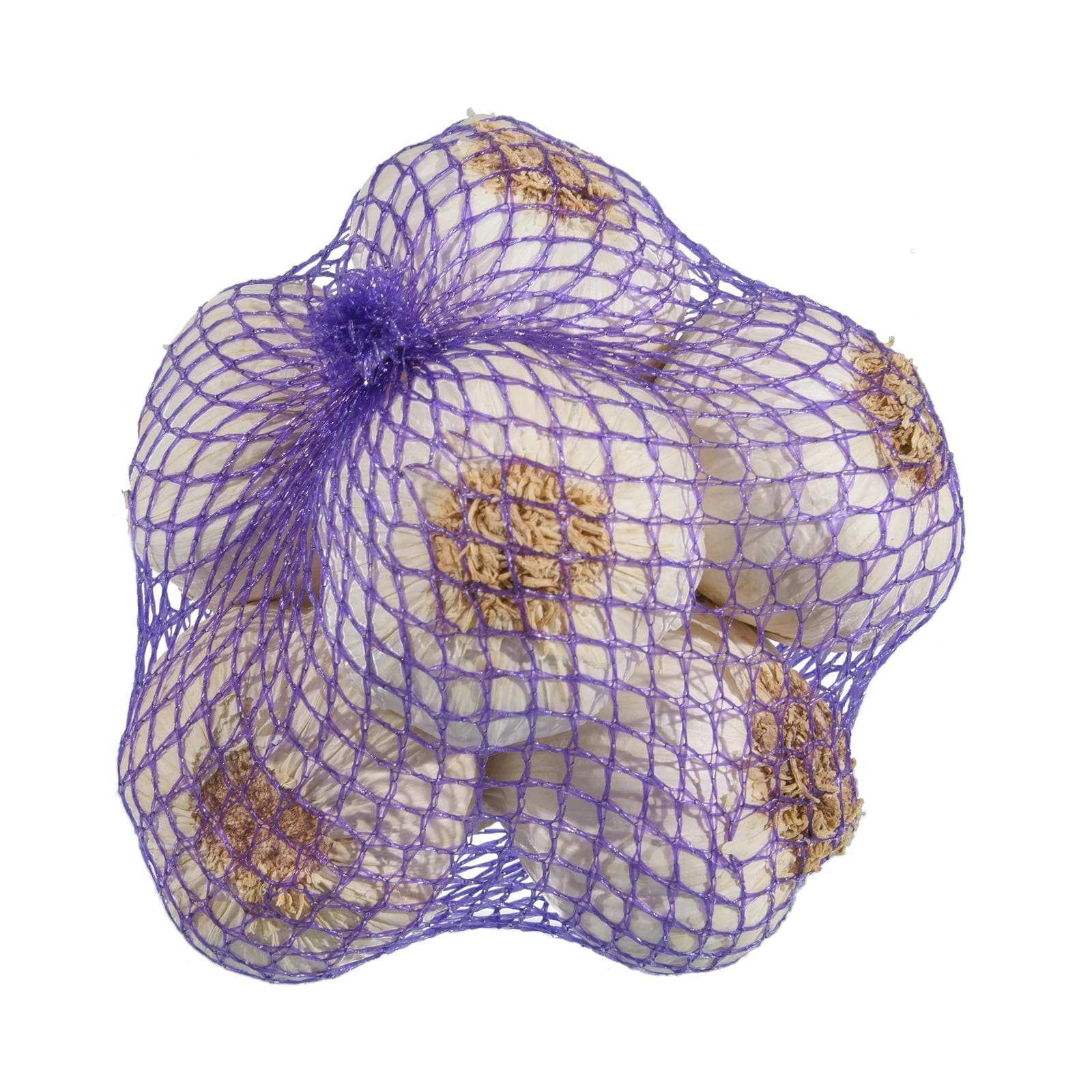
€1.85Purple Garlic
250 g · Mercadona
 €1.99
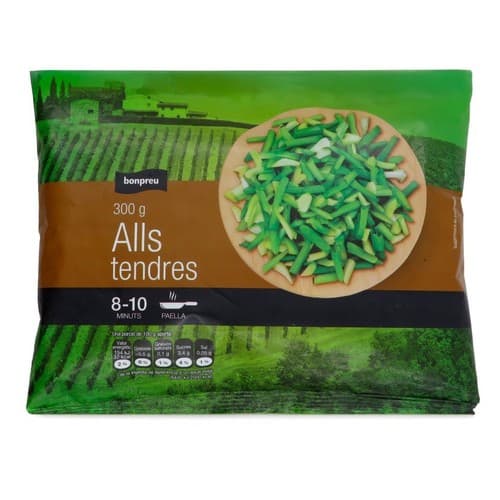
€1.99Tender Garlic
BONPREU · kg · Bonpreu
 €1.68
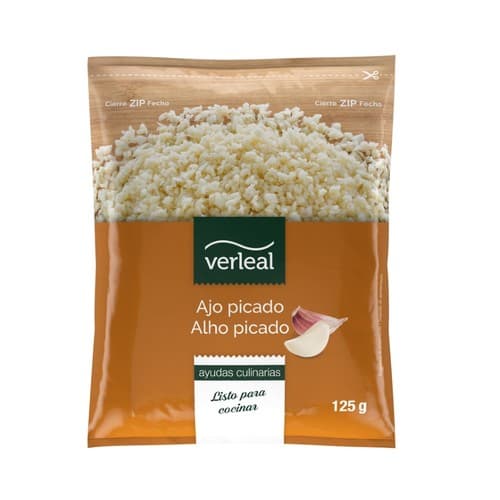
€1.68Chopped Garlic
VERLEAL · kg · Bonpreu
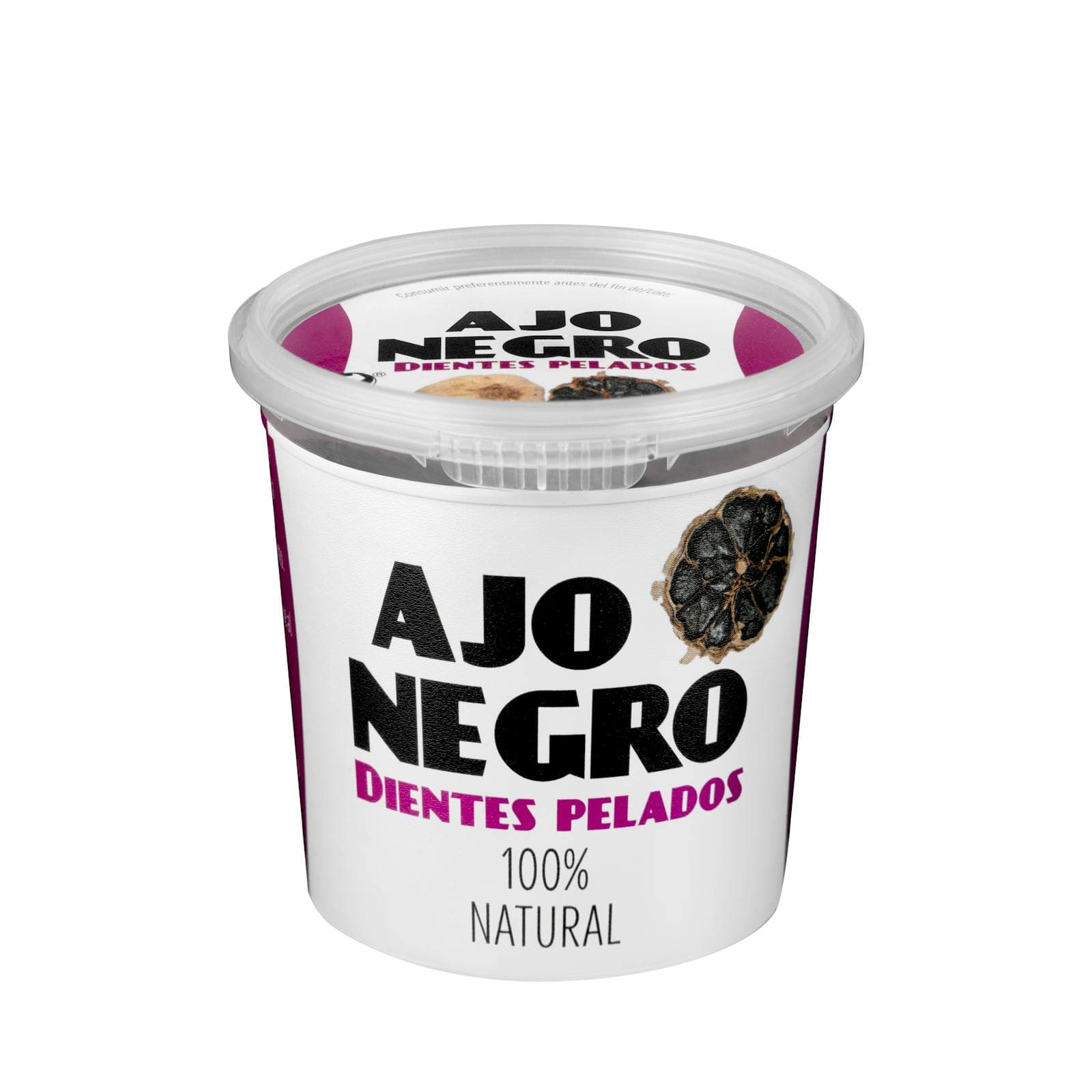 €5.00
€5.00Black Garlic Peeled Cloves
85 g · Mercadona
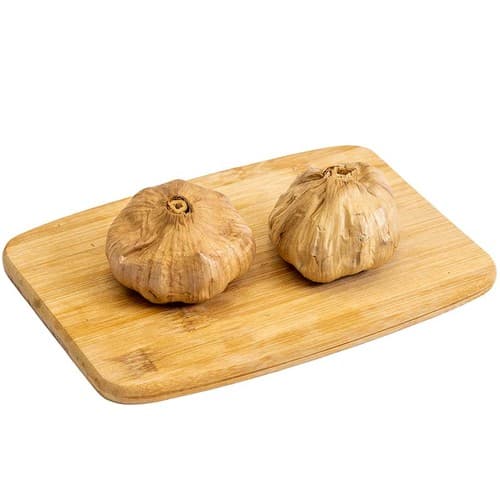 €4.69
€4.69Black Garlic in Bag of 2 Units
LA COLLITA · ud · Bonpreu
Good to know
- Source
- Dehydrated, ground bulbs of Allium sativum (garlic)
- Origin
- Garlic native to Central Asia; cultivated for over 5,000 years, now grown worldwide
- Forms
- Garlic powder (fine grind) and granulated garlic (coarser, like cornmeal texture)
- Active Compound
- Allicin (formed when fresh garlic is crushed; partially preserved in dried form)
- Equivalence
- 1 clove fresh garlic ≈ 1/8 tsp garlic powder; 1/4 tsp granulated garlic
- Shelf Life
- 2–3 years sealed; 1–2 years after opening in cool, dry, dark location
- Flavor Difference
- Milder heat than fresh with deeper savory notes; lacks raw garlic's sharp bite
- Concentration
- Dehydration concentrates sugars and flavor compounds
- Major Producers
- China leads global production; significant cultivation in California, Mexico, Argentina, Spain
Substitutes
- Fresh Garlic — Use 8× the amount; mince finely; reduce in cooked dishes for milder result or use raw for sharper bite
- Granulated Garlic — Use 2× the amount of fine powder for equivalent flavor in dry applications
- Garlic Flakes — Rehydrate 1 minute in warm water before using; roughly 1:1 ratio by volume with powder
- Onion Powder — Provides savory depth but distinctly different flavor; use alone or with 1/4 onion powder to approximate garlic complexity
- Shallots — Milder, sweeter allium flavor; 1 small shallot replaces approximately 1 clove fresh garlic; best raw or lightly cooked
- Garlic Salt — Use 2–3× the amount but account for added sodium; adjust recipe salt accordingly
Pairs with
Also called
granulated-garlic · ground-garlic
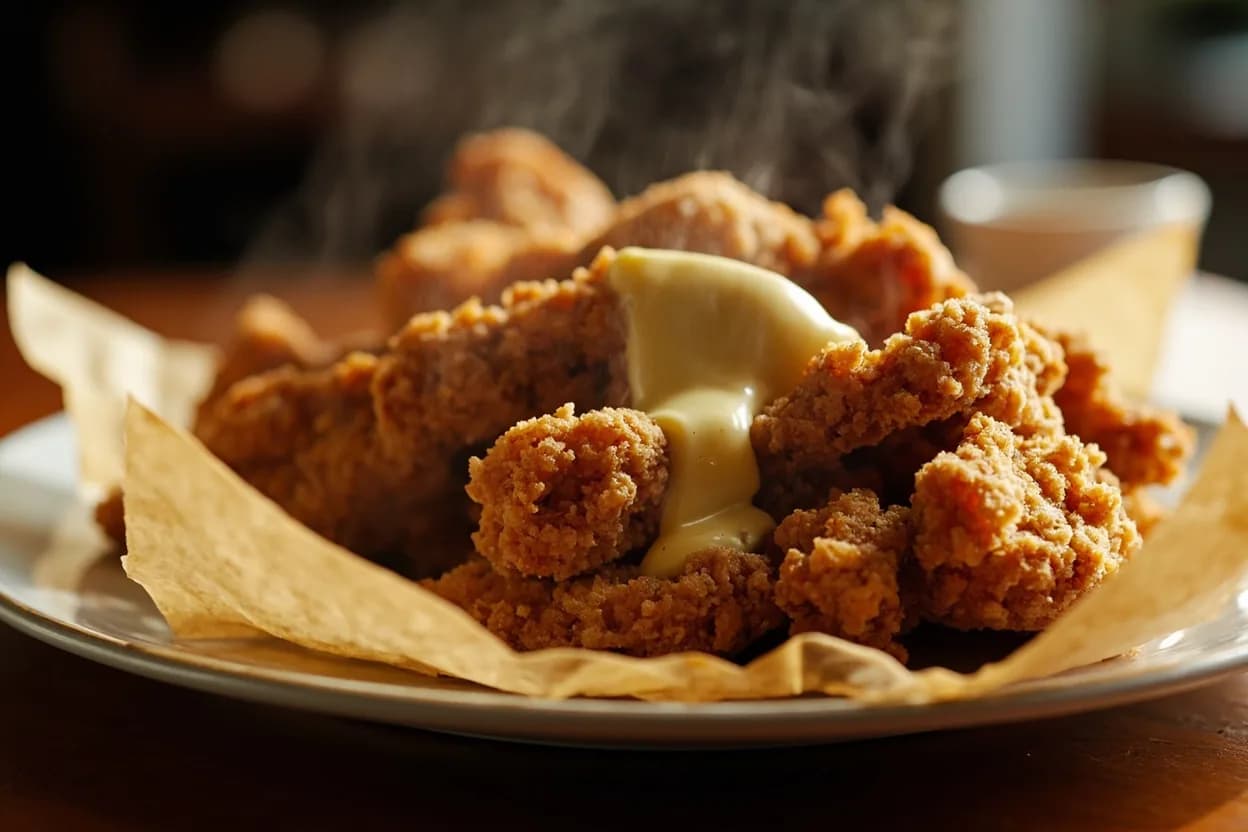
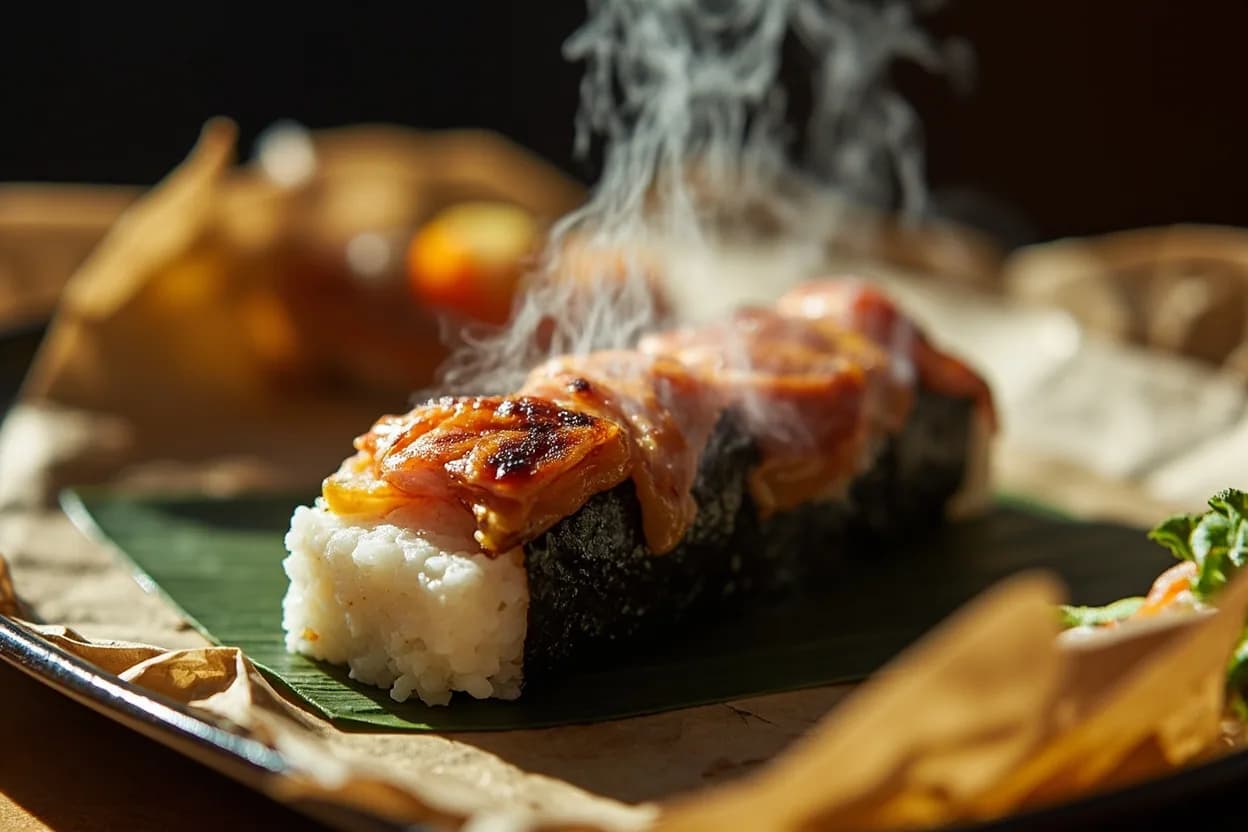
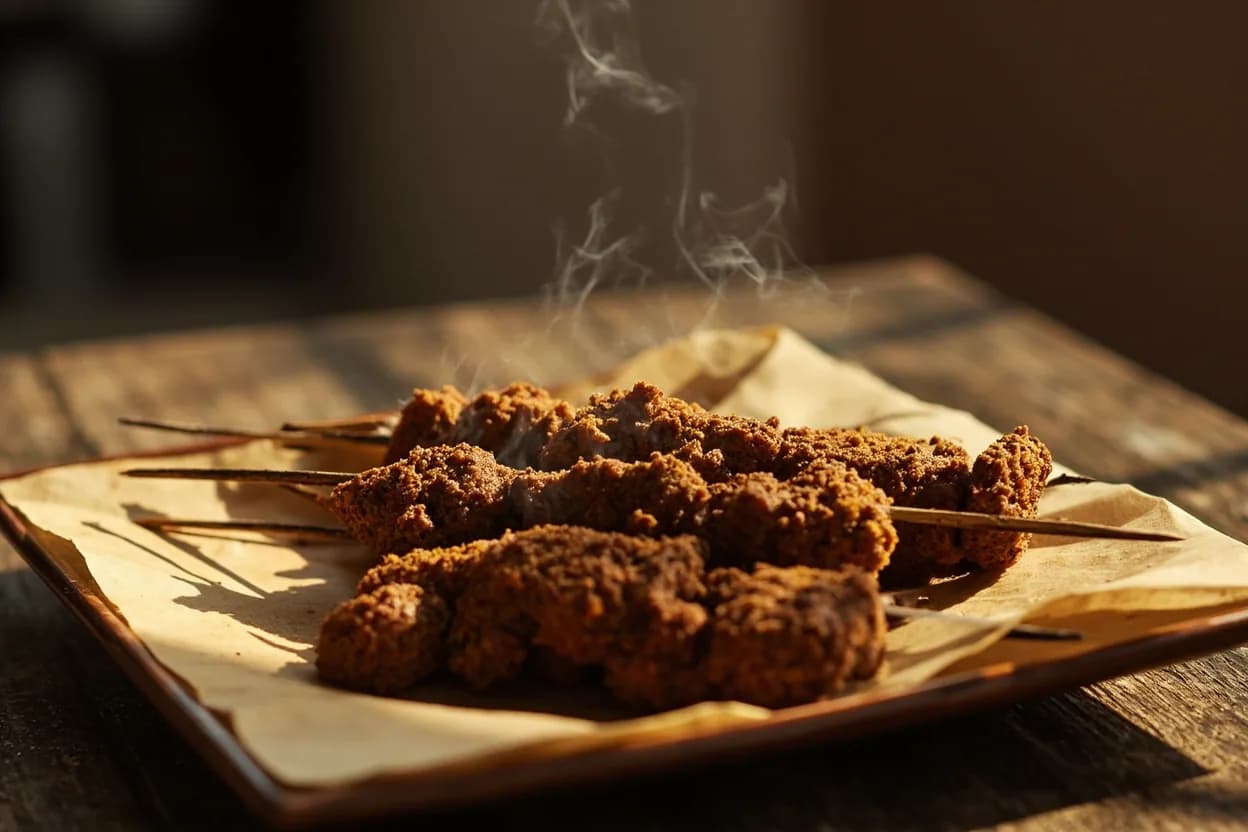
Appears in these dishes
Related
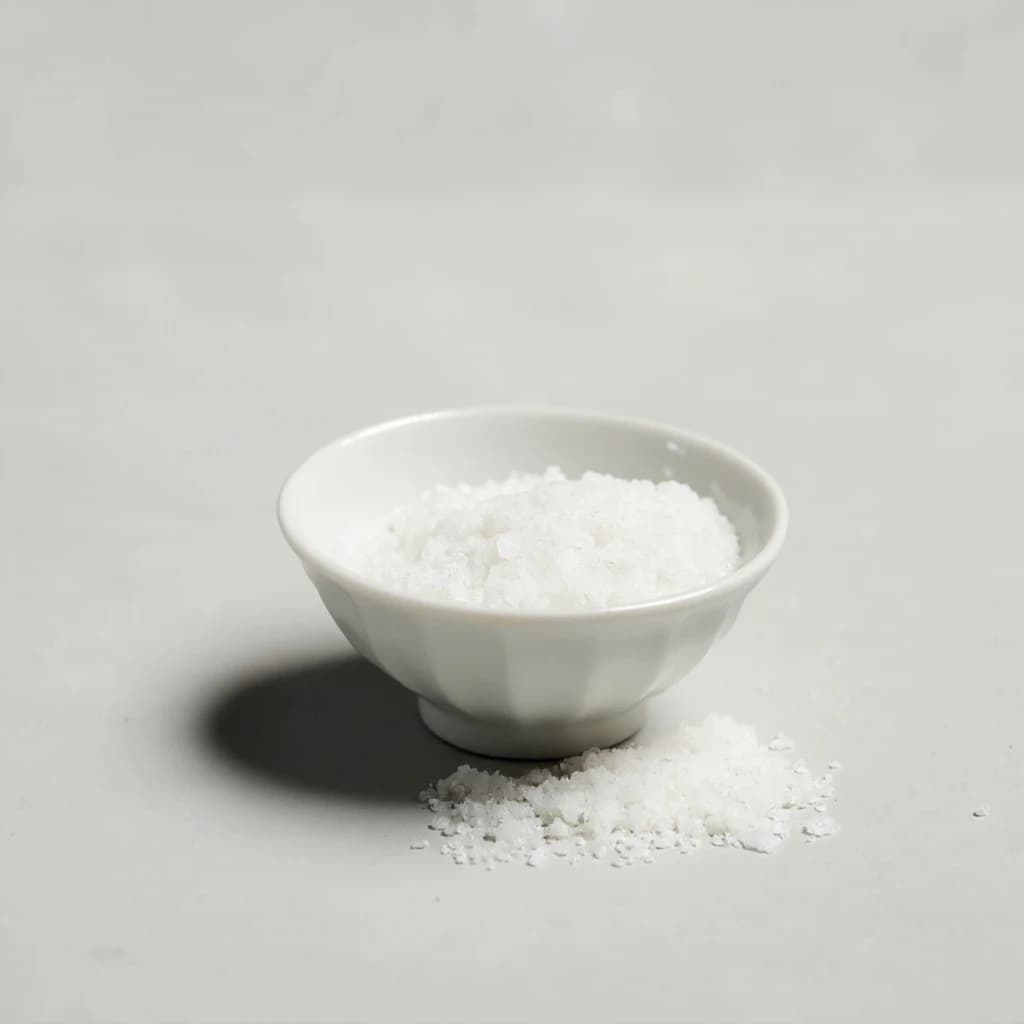
Salt
The one seasoning that makes everything else taste like itself

Black Pepper
Pungent, woody heat — best cracked fresh over anything savory
Amchur
Dried unripe mango ground to a tart, fruity souring powder
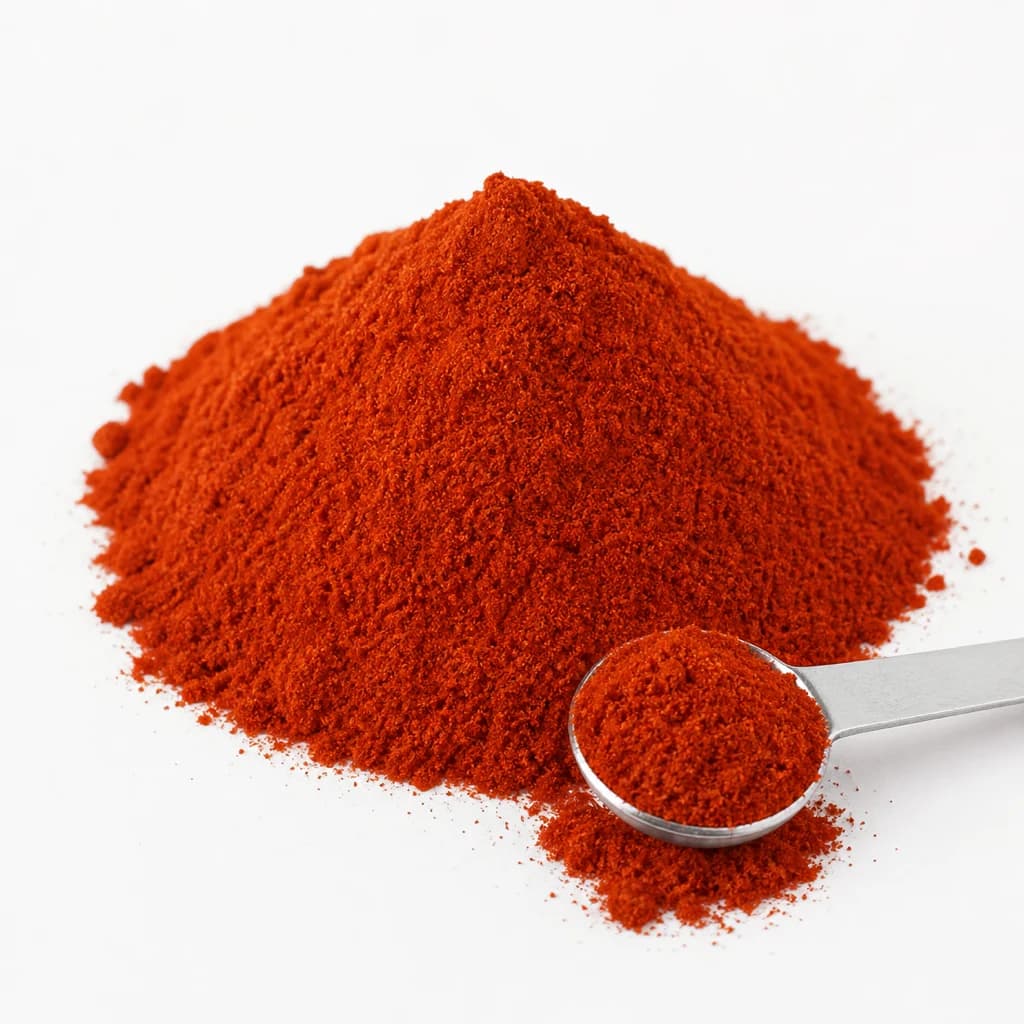
Paprika
Sweet, vivid ground pepper for color and gentle warmth
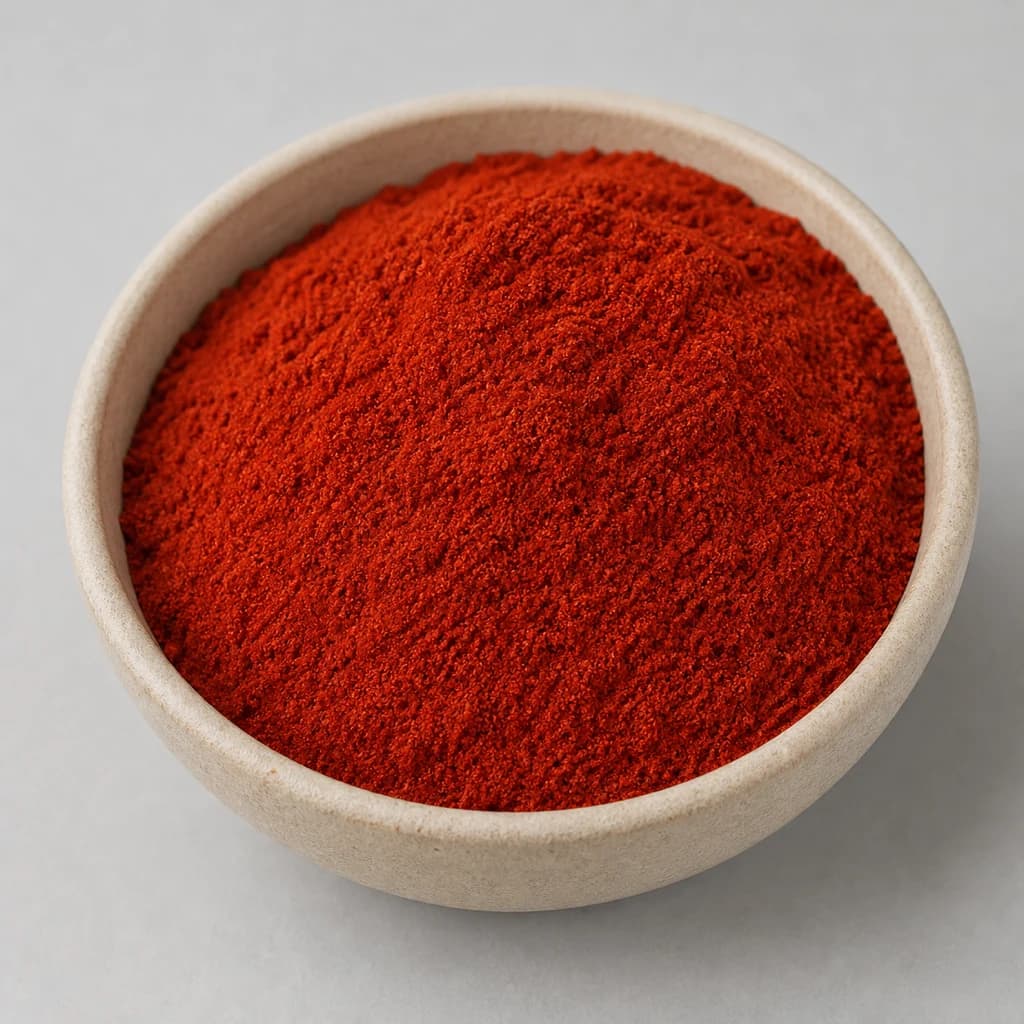
Smoked Paprika
Deep, smoky ground pepper for a campfire warmth
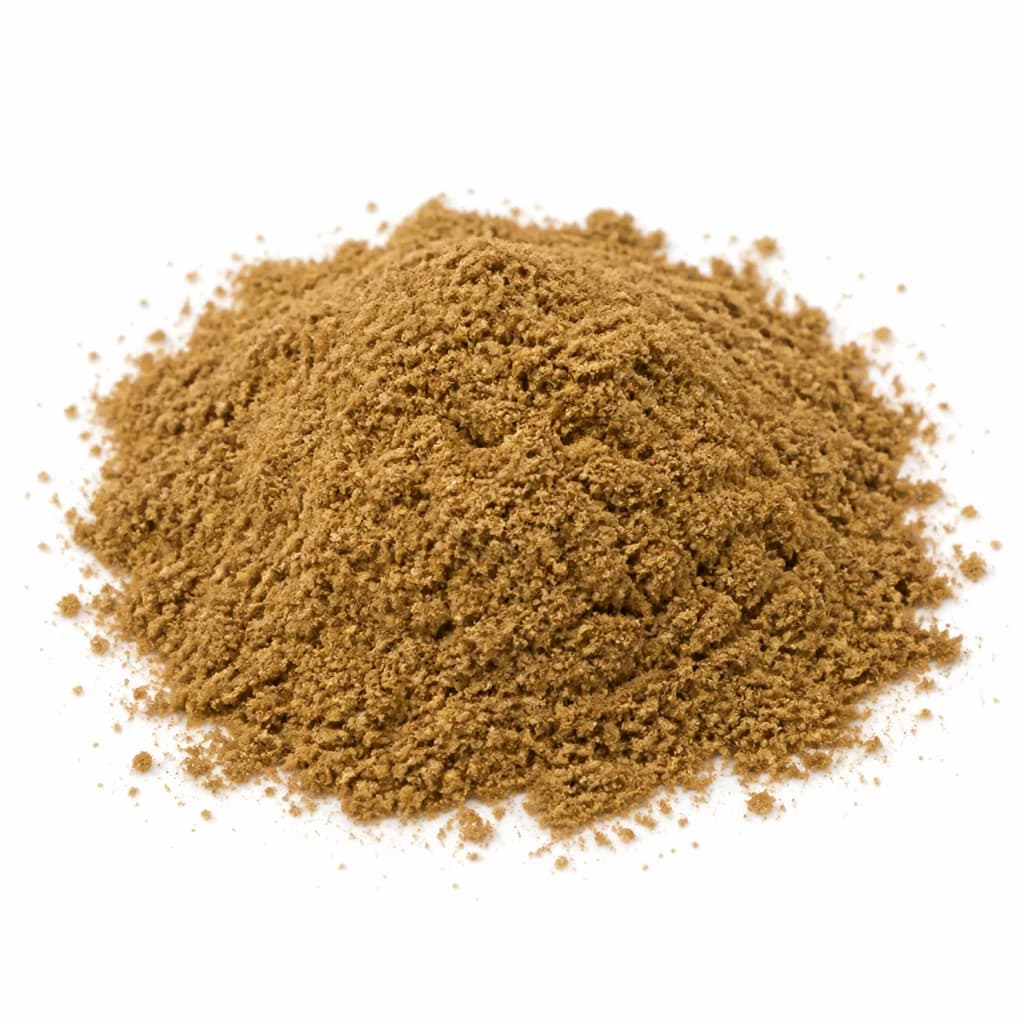
Cumin
Warm, earthy spice central to curries, chili, and tacos
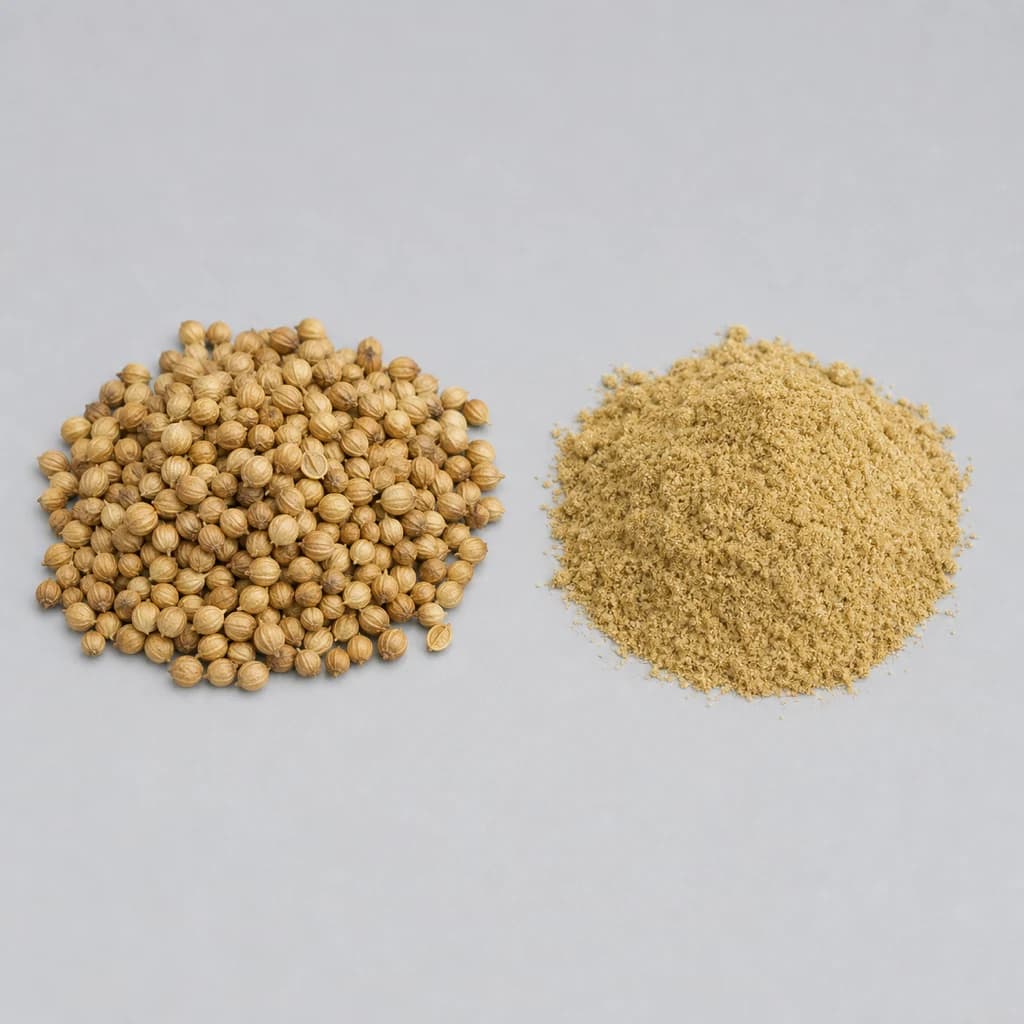
Coriander Seed
Citrusy, warm seed for curries, pickles, and rubs
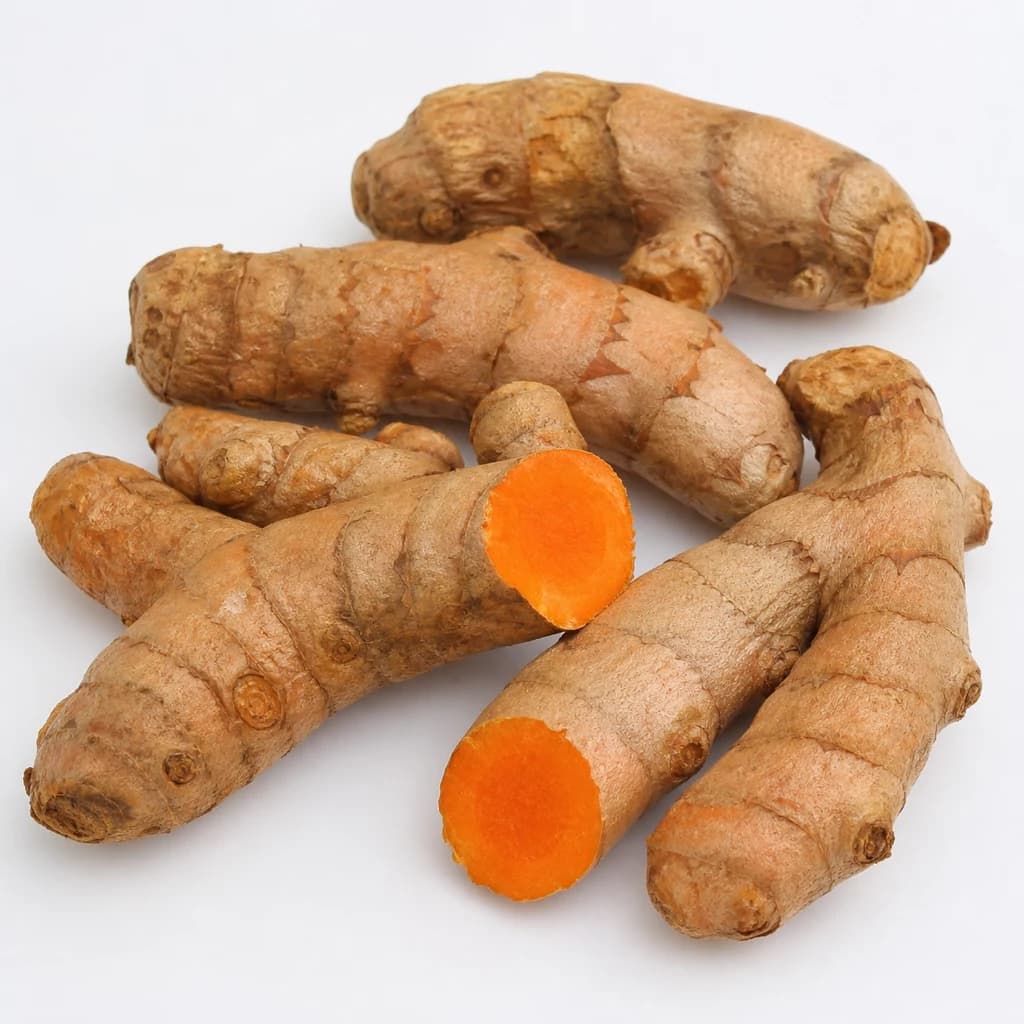
Turmeric
Golden, earthy spice for curries, rice, and color