Spices
Grains of Selim (Kili)
Smoky, peppery African pods used whole in soups, stews and spice blends.
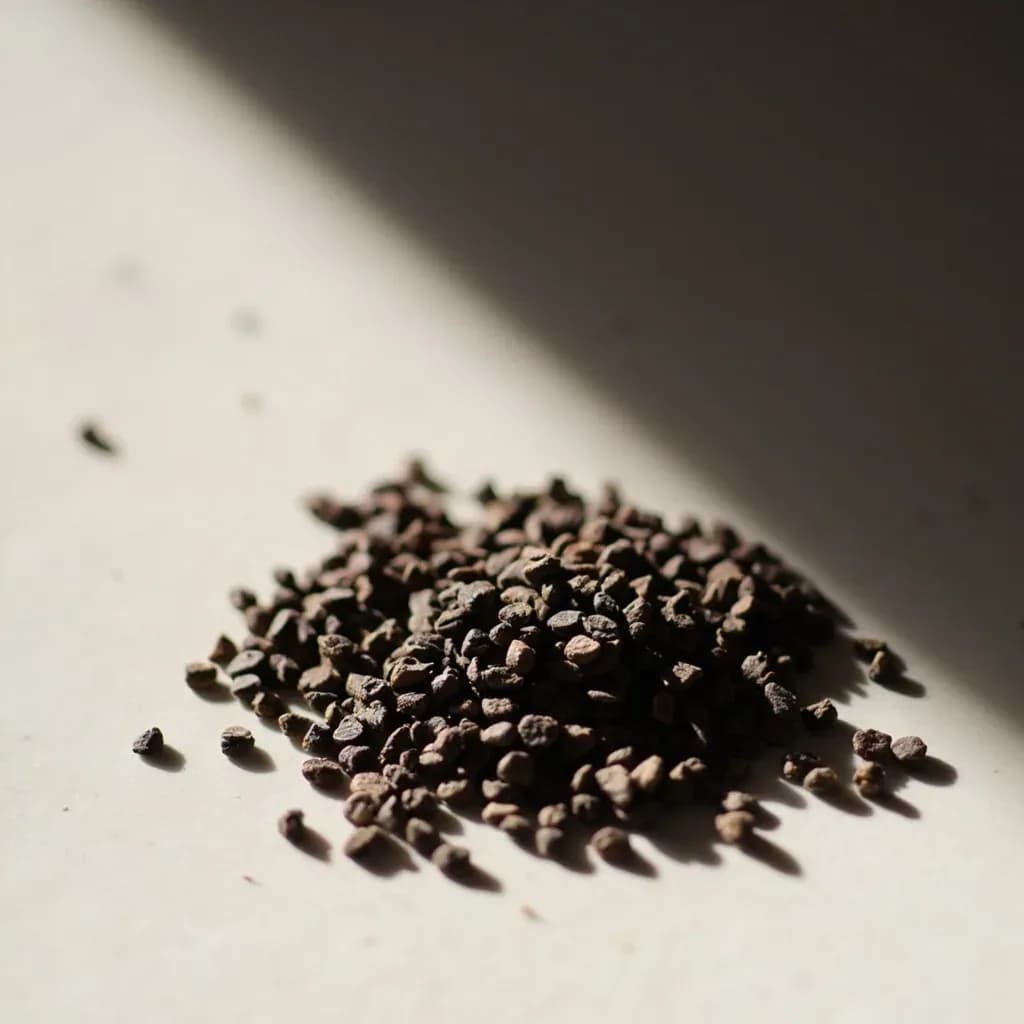
Grains of selim are the dried fruit pods of an African tree, carrying a smoky, musky, peppery flavor with bitter and resinous notes. They are widely used in West and Central African cooking to season soups, stews, stocks and spice blends, often used whole and removed before serving. Toast and crack the pods to release their aromatic heat.
Grains of Selim (also called Kili, kimba, or Negro pepper) are the dried, ridged fruit pods of Xylopia aethiopica, a tree in the Annonaceae family native to West and Central Africa. The pods are small—typically 2–5 cm—curved, and deeply ridged, with a dark brown to near‑black color. In traditional West African markets, they are sold whole or ground, and they feature prominently in spice blends from Senegal to Nigeria, Gabon to Cameroon. The flavor is distinctive: smoky, piney, and faintly citrus with a mildly bitter, resinous quality that evokes juniper and cubeb pepper. This complexity makes Grains of Selim far more than a background spice—it anchors dishes with a savory depth that holds up through long cooking.
- Measured in
- g
- Storage
- Pantry
Types & varieties
Often smoke‑dried; considered among the most aromatic; primary source for exported product
Traditionally sun‑dried; slightly lighter color; more citrusy than smoky
May be larger and darker; widely used in Yoruba and Igbo cooking
Sometimes called Ethiopian pepper; may show slight regional flavor variation
Common uses
Tips & pitfalls
- Toast whole pods lightly in a dry pan for 30–60 seconds before grinding—this releases volatile oils and intensifies aroma significantly.
- Use a dedicated spice grinder or heavy mortar and pestle; pods are hard and require sustained grinding effort to break down properly.
- Add whole pods early in cooking—30 minutes or more—to let the smoky, resinous flavor infuse the dish fully; remove before serving to avoid a gritty texture.
- When substituting ground for whole: 3–4 pods yield approximately 1 teaspoon of ground spice.
- Do not overuse—its resinous quality can dominate and make a dish taste medicinal; start with 1–2 pods per stew serving and adjust.
- Do not confuse with Grains of Paradise (Aframomum melegueta)—they are botanically unrelated and deliver a very different, more citrusy heat; both appear in West African markets.
- Ground grains of selim lose potency quickly due to volatile oil evaporation; grind only what you need for immediate use.
Nutrition
Energy
121 kJ · per 100 g
Where the calories come from
Protein
0.9g
2% DV
Carbs
6.5g
2% DV
Fat
0.4g
0% DV
Fiber
2.8g
10% DV
Sugars
4.1g
of which
Sodium
3mg
0% DV
Source · USDA FoodData Central · approx. Peppers, jalapeno, raw
View on FDC →In the shops
Matched grocery products
No matched grocery products for Grains of Selim (Kili) yet.
Good to know
- Origin
- West and Central Africa (Senegal, Ghana, Nigeria, Cameroon, Ethiopia)
- Botanical Name
- Xylopia aethiopica (Annonaceae family)
- Appearance
- Small, curved, ridged pods; 2–5 cm long; dark brown to nearly black
- Processing
- Pods harvested ripe, then sun‑dried or smoke‑dried over open fires
- Flavor Profile
- Smoky, piney, faintly citrus, slightly bitter; resinous, juniper‑like notes
- Format
- Whole pods (rehydratable) or ground powder
- Shelf Life
- 2–3 years whole in airtight container; ground degrades within 6 months
- Storage
- Airtight container, away from heat and direct light
Substitutes
- Cubeb pepper (Piper cubeba) — Closest in flavor—shares the slightly bitter, piney, citrusy quality; use in equal quantity
- Allspice — Provides some aromatic complexity but lacks the smoke; use half the amount of grains of selim
- Black pepper + a pinch of smoked paprika — Rough approximation of heat and smoke; not a precise substitute but workable in a pinch
- Juniper berries — Similar piney‑resinous note; use 2–3 berries per pod of grains of selim
Pairs with
Also called
selim-pepper · kili · kimba · grains-of-selim
Appears in these dishes
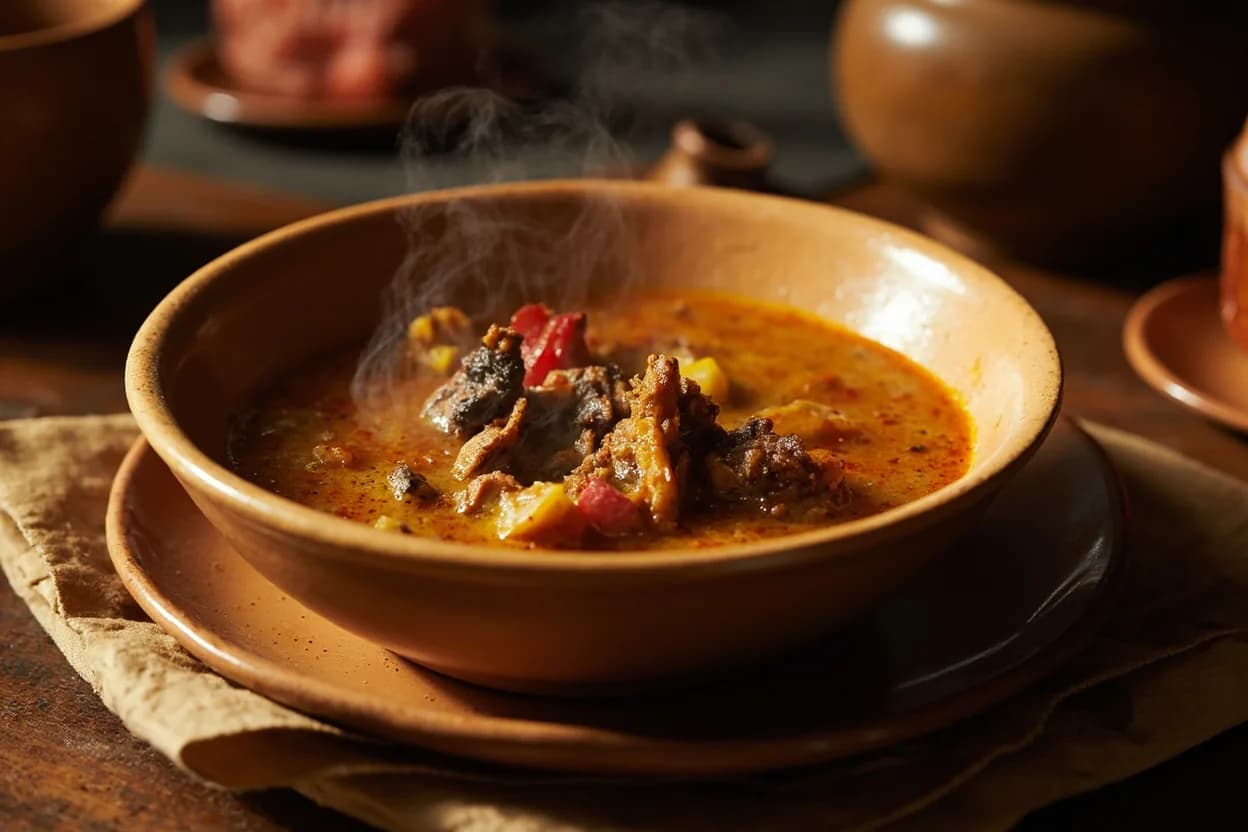
Related
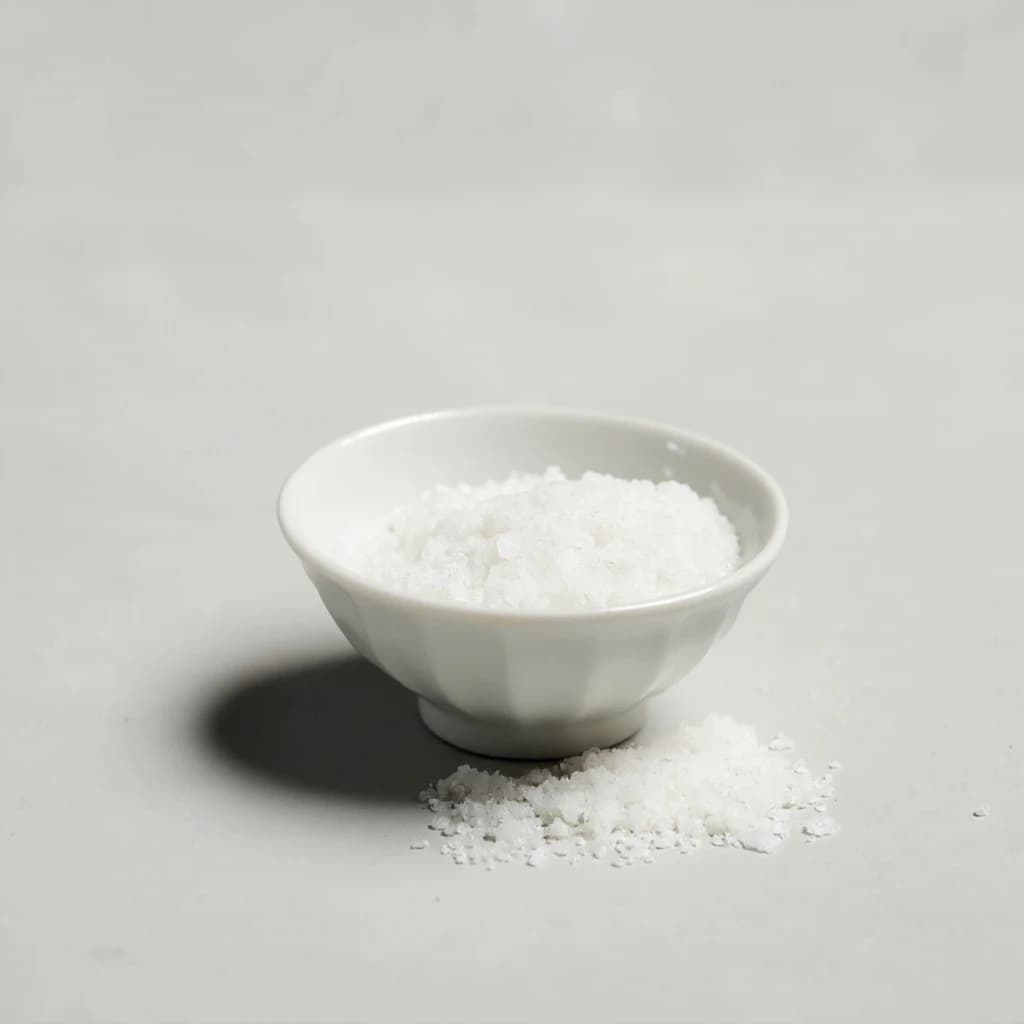
Salt
The one seasoning that makes everything else taste like itself

Black Pepper
Pungent, woody heat — best cracked fresh over anything savory
Amchur
Dried unripe mango ground to a tart, fruity souring powder
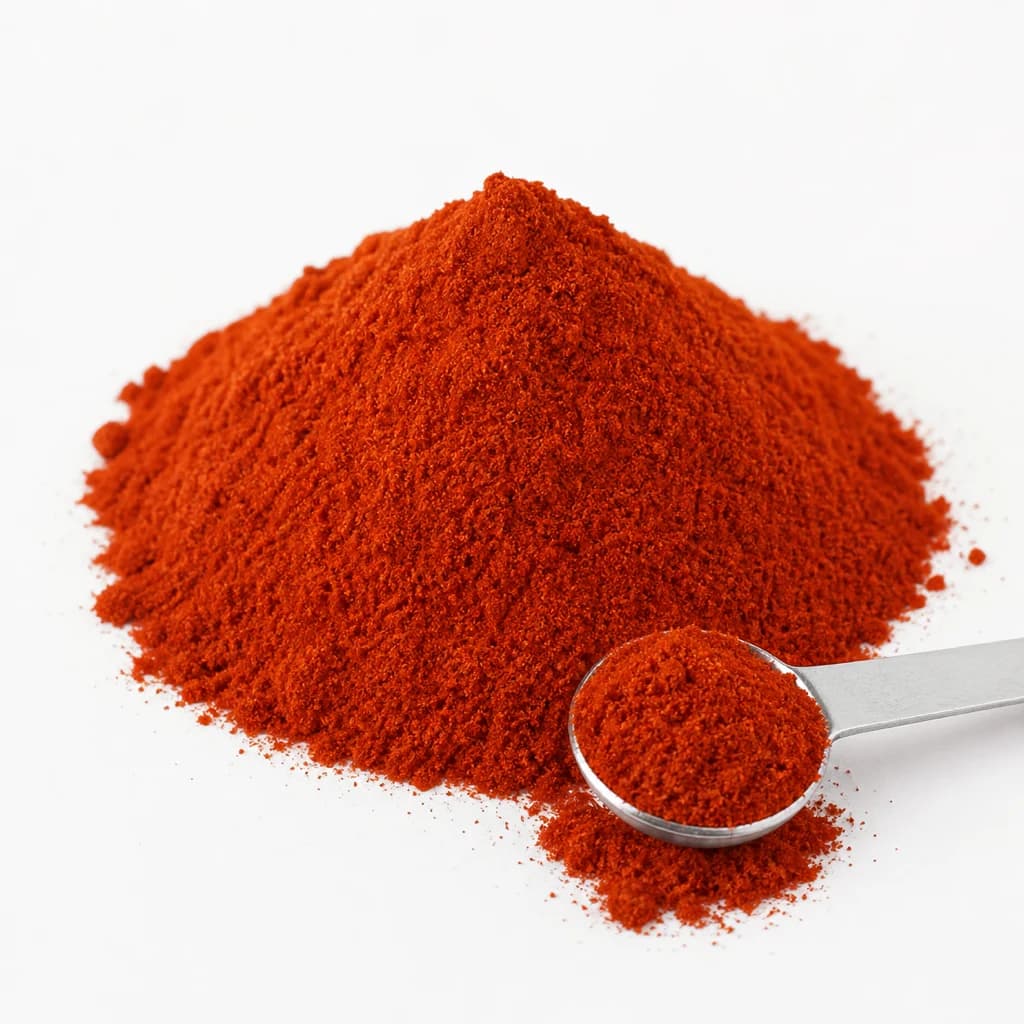
Paprika
Sweet, vivid ground pepper for color and gentle warmth
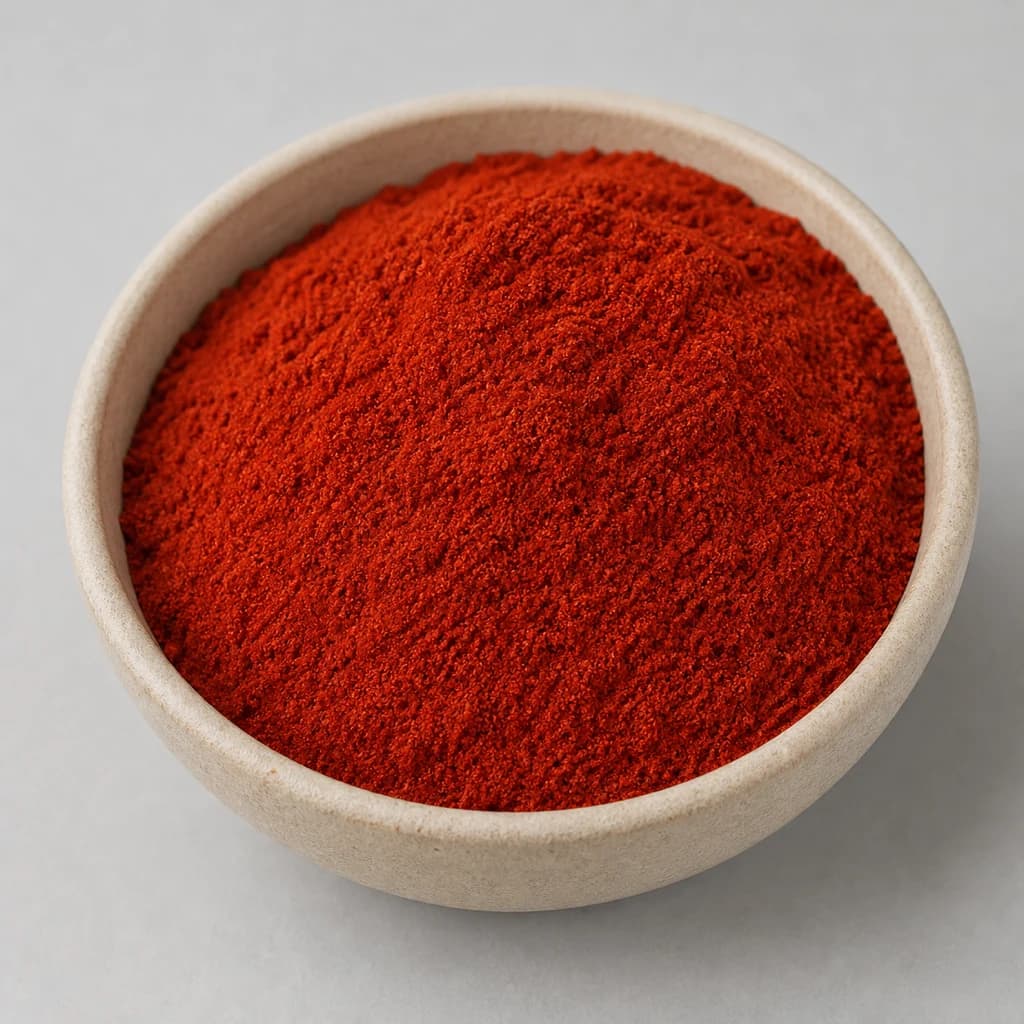
Smoked Paprika
Deep, smoky ground pepper for a campfire warmth
Cumin
Warm, earthy spice central to curries, chili, and tacos
Coriander Seed
Citrusy, warm seed for curries, pickles, and rubs
Turmeric
Golden, earthy spice for curries, rice, and color