Proteins
Horse Sausage
Central Asian cured sausage made from horse meat and fat, a festive specialty.
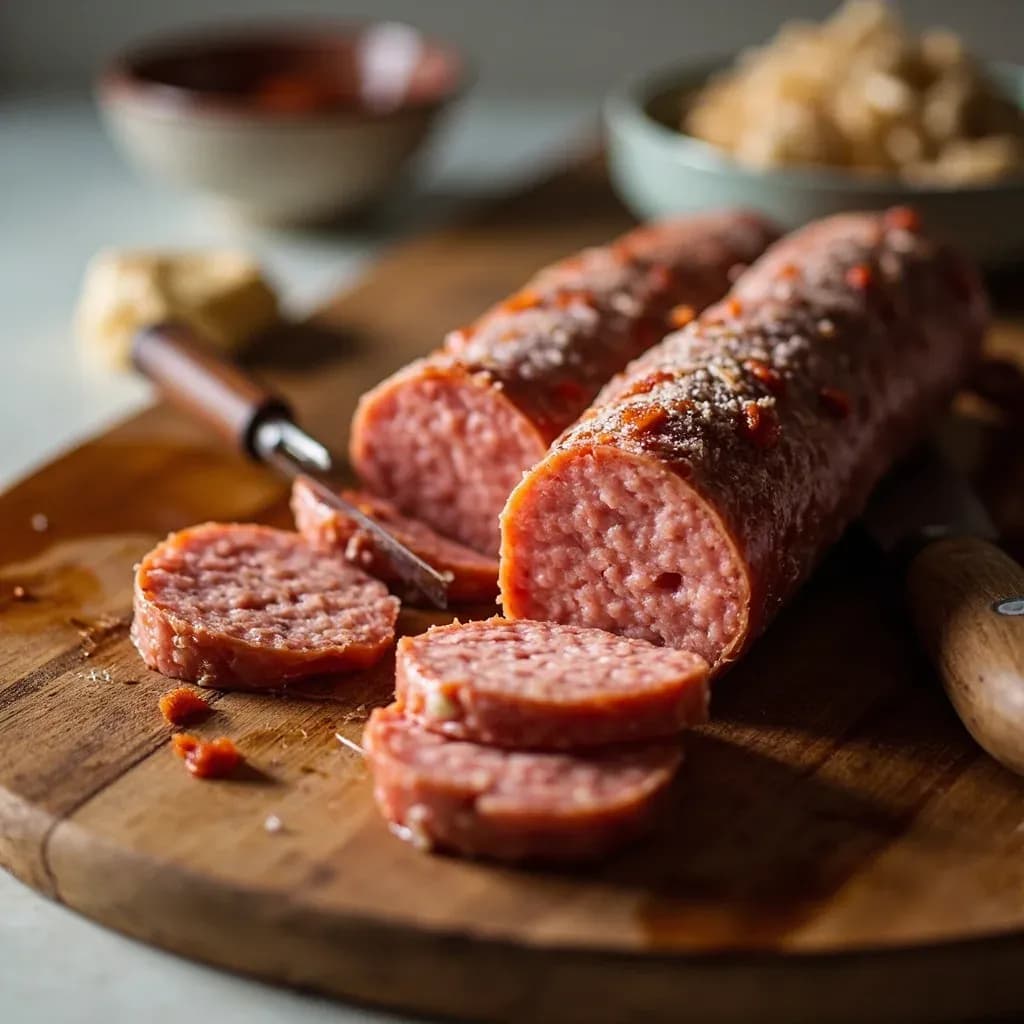
Horse sausage is a Central Asian delicacy made from horse meat and fat, known as kazy or chuchuk in Kazakh and Kyrgyz cuisine. It is salted, sometimes smoked, and stuffed into casings, then boiled and sliced for festive tables. The meat is lean and rich, with a distinctive savory flavor central to nomadic culinary tradition.
Horse sausage is a cured or fresh sausage made from lean horse meat and horse fat, deeply rooted in the pastoral traditions of Central Asia. Unlike mass-produced Western sausages that rely on pork fat for richness, horse sausage uses firm, white horse fat incorporated in precise proportions—traditionally about one-third fat to two-thirds lean meat—creating a dense, slightly sweet, mildly gamey product that is notably leaner than beef, comparable to venison. The finest qazy is made from horses slaughtered in late autumn after the animals have been fattened for winter, when the meat carries the best flavor and the fat is at its firmest. The meat is worked while still cold, combined with minimal seasoning—salt, black pepper, garlic, and sometimes cumin or coriander—stuffed into horse intestine casings, and hung in a shaded, ventilated space to cure slowly over several weeks. The result should have a firm but yielding texture and a balanced sweetness.
- Measured in
- g
- Storage
- Fridge
Types & varieties
Kazakh air-dried sausage; the most celebrated variety, often made from select horse meat and fat, stuffed in horse intestine, and hung to cure for several weeks
Kyrgyz variant similar to qazy; regional variations in spice blends and fat-to-meat ratios
Russian-language term for horse sausage across Central Asia and Siberia; may refer to any preparation method from raw-fresh to fully cured
Fresh, uncured horse sausage sold at markets; must be cooked before eating
Italian and some European preparations; finer ground, heavily cured, may be smoked; shorter casing, sliceable thin
French horse sausage; often fresh or lightly cured, seasoned with wine or herbs
Dutch and Belgian horse sausage; typically smoked and cooked, sold ready-to-eat
The Qazy Standard
When evaluating cured horse sausage, qazy sets the benchmark for quality. The casing should be firm and dry to the touch, indicating a proper cure. Within, the fat should appear translucent or ivory—not gray, yellow, or soft. The meat itself should be deep red to mahogany in color, with a faint sweetness on the nose rather than any acidic or ammonia-like sharpness. A properly cured qazy will yield slightly under gentle pressure and bend rather than snap. If the sausage feels hard and brittle, it has over-cured; if it feels soft or mushy, discard it.
Common uses
Tips & pitfalls
- When buying fresh (uncured) horse sausage, cook it thoroughly before eating—do not consume raw
- For cured qazy, the casing should be firm and the fat within should appear translucent or ivory, not gray
- Store cured horse sausage wrapped in cloth or paper in the refrigerator; plastic traps moisture and degrades texture
- Let cured sausage come to room temperature for 15–20 minutes before slicing; cold sausage shatters rather than slicing cleanly
- Use a long, sharp knife with a gentle sawing motion to achieve paper-thin slices characteristic of proper presentation
- If the sausage tastes excessively gamey or sour, it may be over-aged or improperly cured; discard if the odor is ammonia-like
- When frying horse sausage, render the fat first over medium heat, then crisp the casing—this fat is prized for cooking other foods
- Horse fat remains firm at room temperature, unlike pork fat; this is normal and not a sign of quality loss
Nutrition
Energy
649 kJ · per 100 g
Where the calories come from
Protein
18.8g
38% DV
Carbs
0.5g
0% DV
Fat
8.1g
10% DV
Fiber
0g
0% DV
Sugars
0g
of which
Sodium
593mg
26% DV
Source · USDA FoodData Central · approx. Sausage, turkey, fresh, raw
View on FDC →In the shops
Matched grocery products
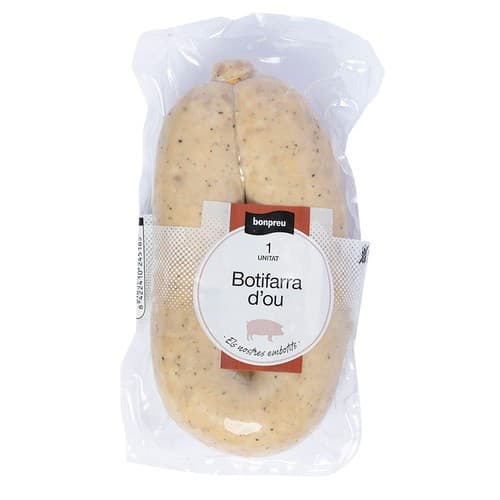 €3.79
€3.79Egg Sausage
BONPREU · kg · Bonpreu
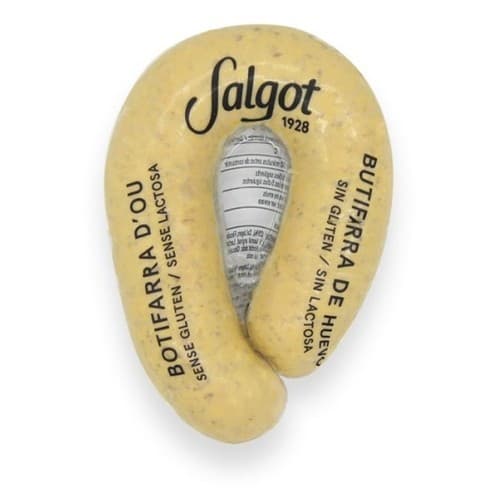 €4.99
€4.99Egg Sausage
SALGOT · kg · Bonpreu
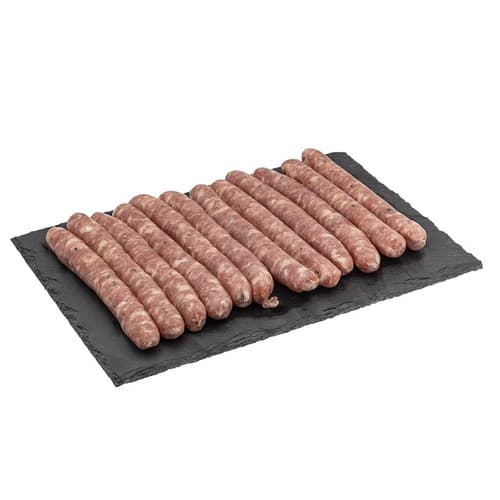 €5.99
€5.99Pork Sausage
BONPREU DE L'ERA · kg · Bonpreu
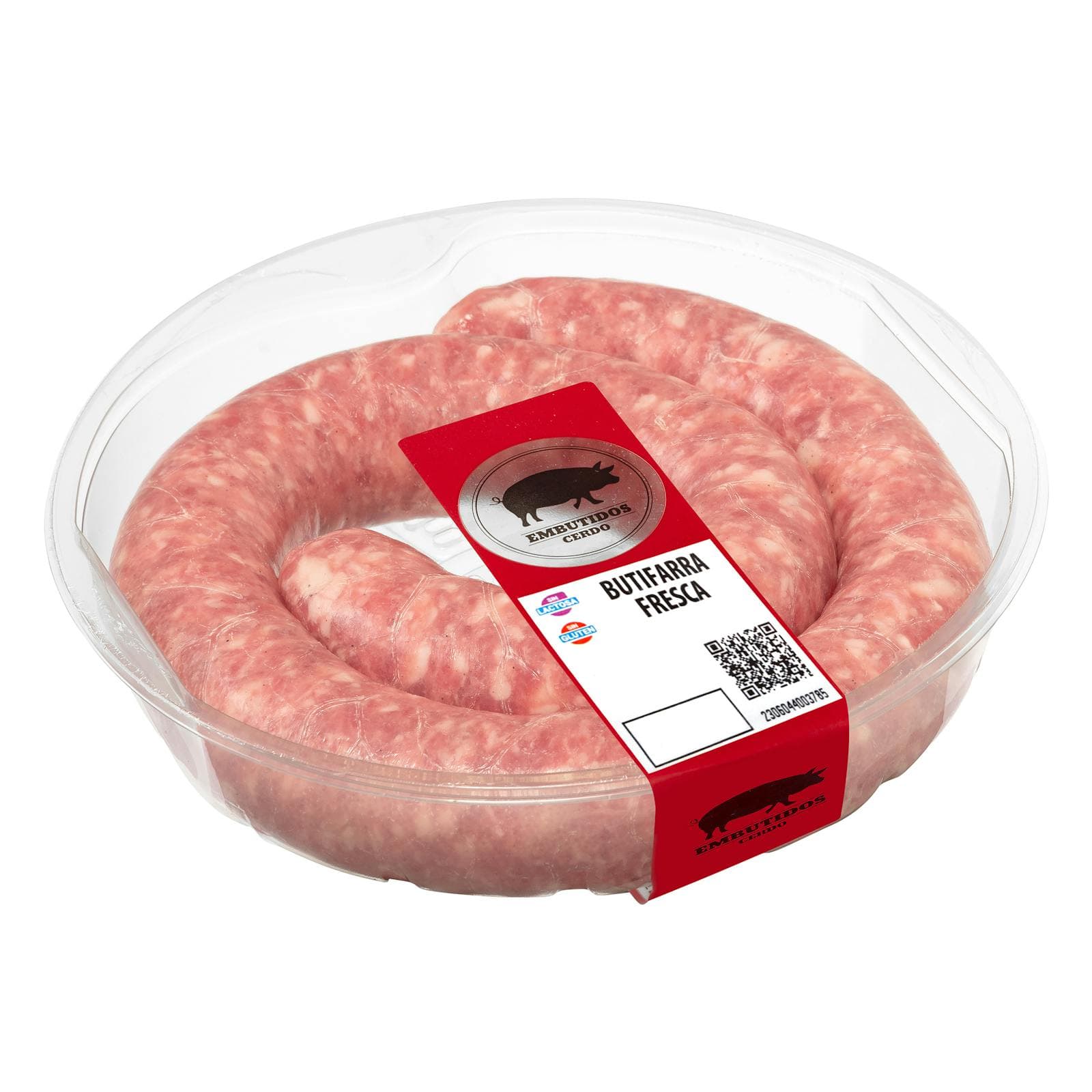 €3.62
€3.62Fresh Sausage
640 g · Mercadona
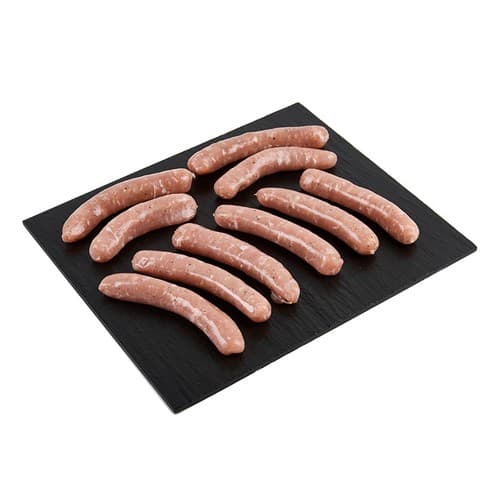 €6.75
€6.75Rabbit Sausage
BONPREU · kg · Bonpreu
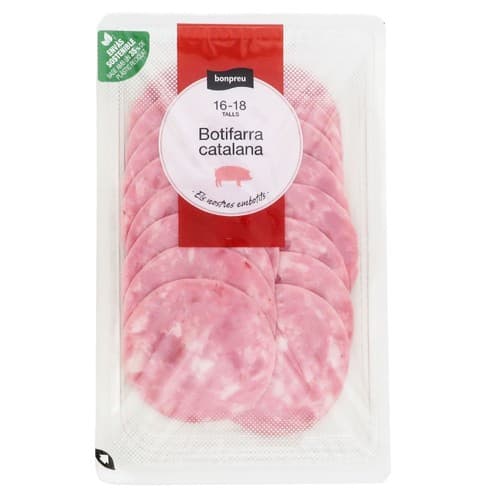 €1.89
€1.89Catalan Sausage
BONPREU · kg · Bonpreu
Good to know
- Primary Regions
- Kazakhstan, Kyrgyzstan, Mongolia, Buryatia, Yakutia, Caucasus
- Meat Type
- Lean horse meat with incorporated horse fat
- Curing Method
- Air-dried, lightly smoked, or gently cooked
- Flavor Profile
- Slightly sweet, mildly gamey, lean and dense texture
- Typical Preparation
- Stuffed into horse or beef intestine casings
- Traditional Seasoning
- Salt, black pepper, garlic, sometimes cumin or coriander
- Shelf Life
- Cured varieties keep several weeks refrigerated; smoked versions keep longer
- Fat Content
- Horse fat is typically firm and white, incorporated as chunks or ribbons within the lean meat
- Festive Significance
- Central to celebrations including Nauryz, wedding feasts, and seasonal slaughter festivals
- Cultural Status
- Considered a delicacy and honor food in Kazakh and Kyrgyz traditions
Substitutes
- Lean lamb sausage — Offers similar leanness and mild gamey character; not as sweet; best for soups and fried applications
- Venison or wild game sausage — Comparable lean texture and gamey depth; available in specialty markets; adjust seasoning to account for stronger flavor
- Beef kielbasa or Polish smoked sausage — Fattier and more heavily seasoned than horse sausage; use sparingly in traditional preparations as it will alter the dish's character
- Smoked beef salami — Acceptable in appetizer applications; lacks the distinctive sweetness of horse meat but provides similar cured-meat function
Also called
Kazy · Chuchuk
Appears in these dishes
Related
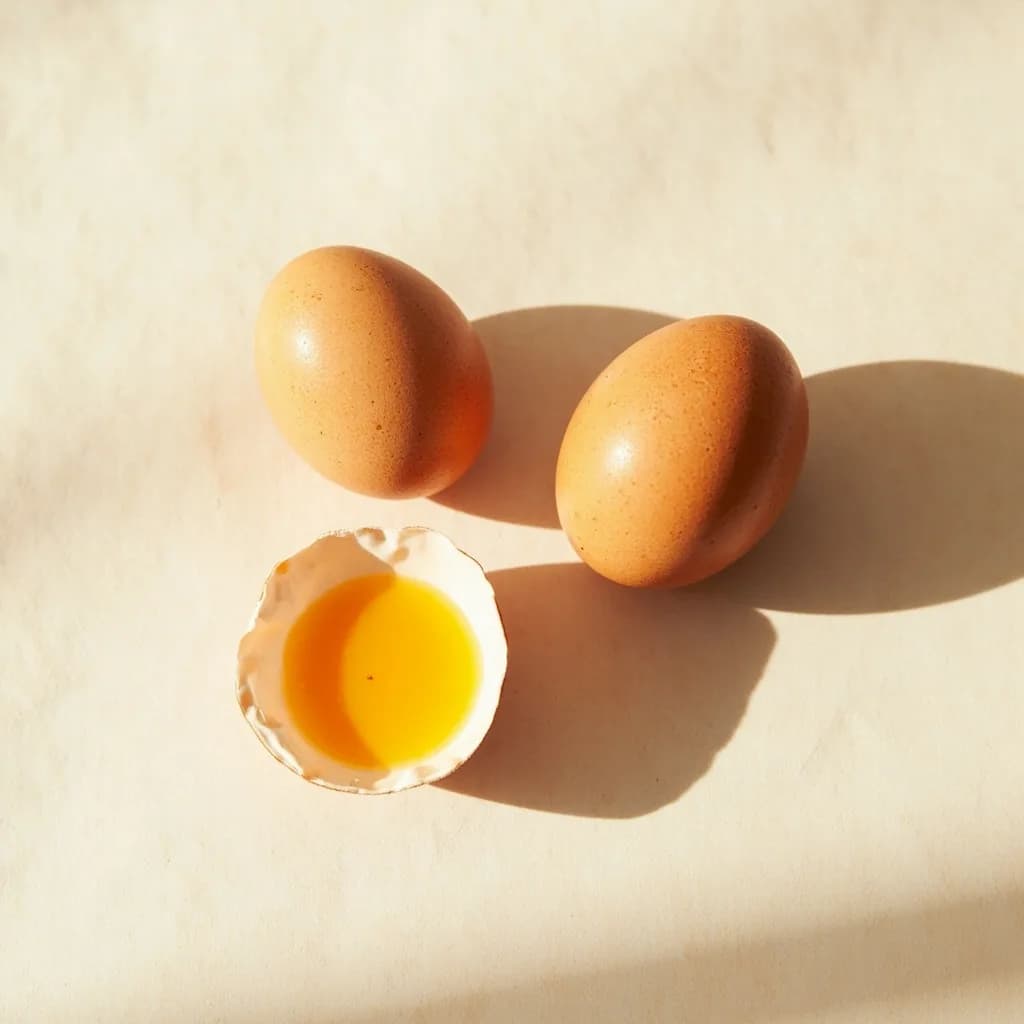
Egg
The kitchen's everything ingredient — bind, leaven, enrich, or fry
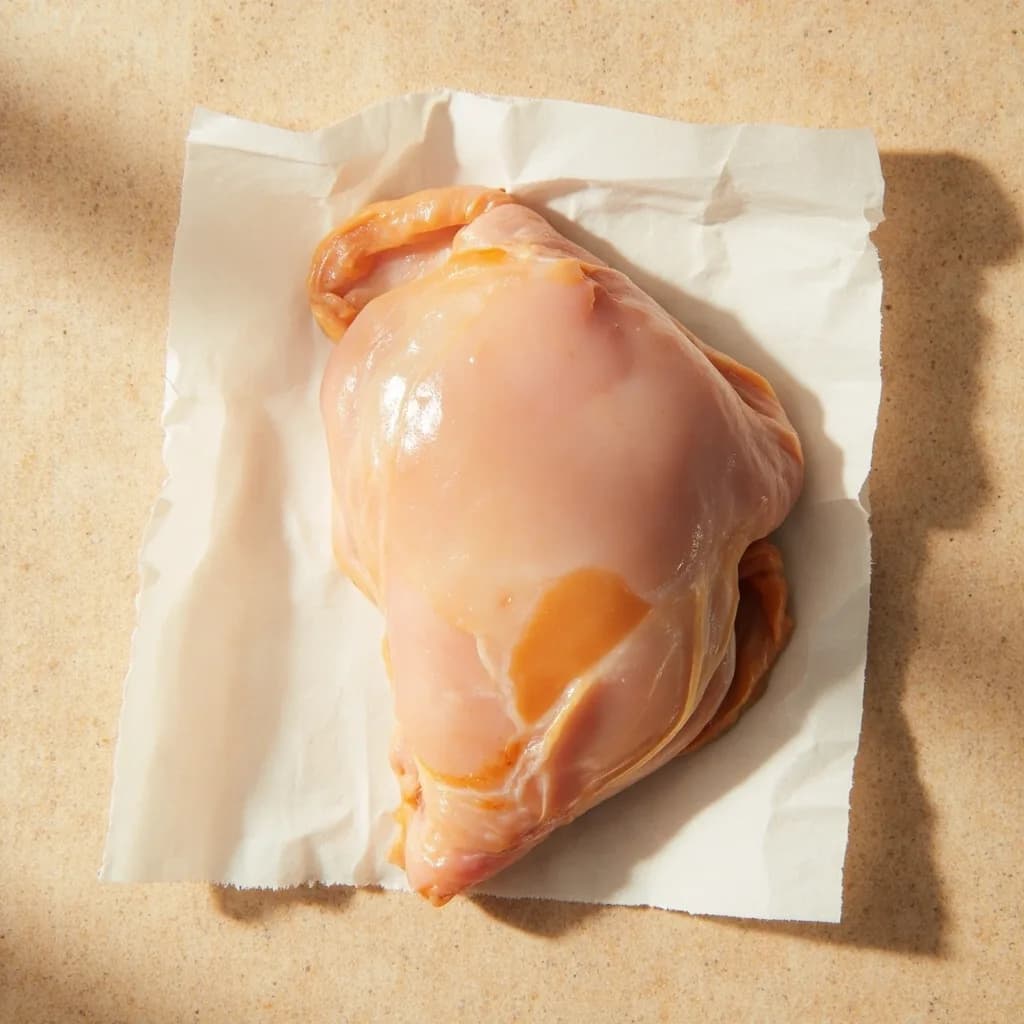
Chicken Breast
Lean, quick-cooking white meat for everyday dinners

Ground Beef
Versatile minced beef for burgers, ragù, tacos, and meatballs
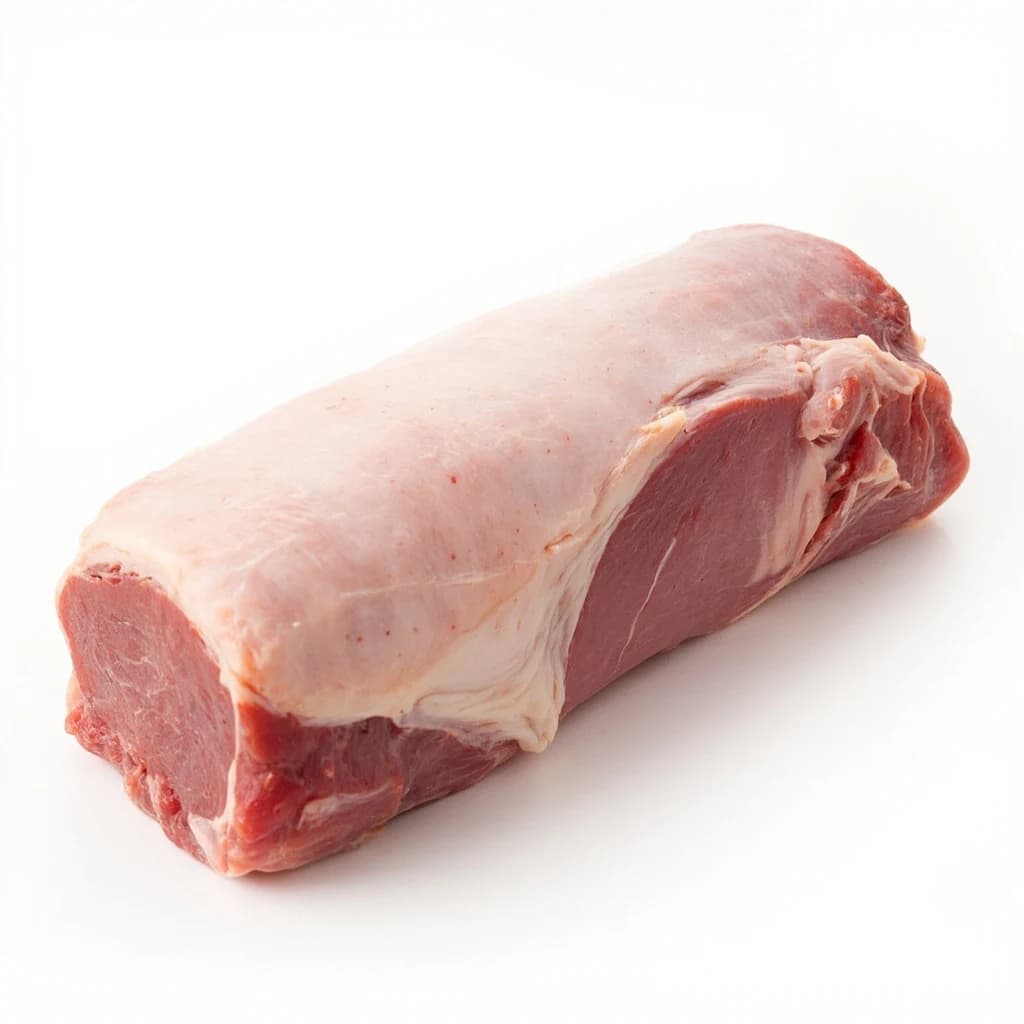
Pork Loin
Lean, tender roasting cut that stays juicy with care
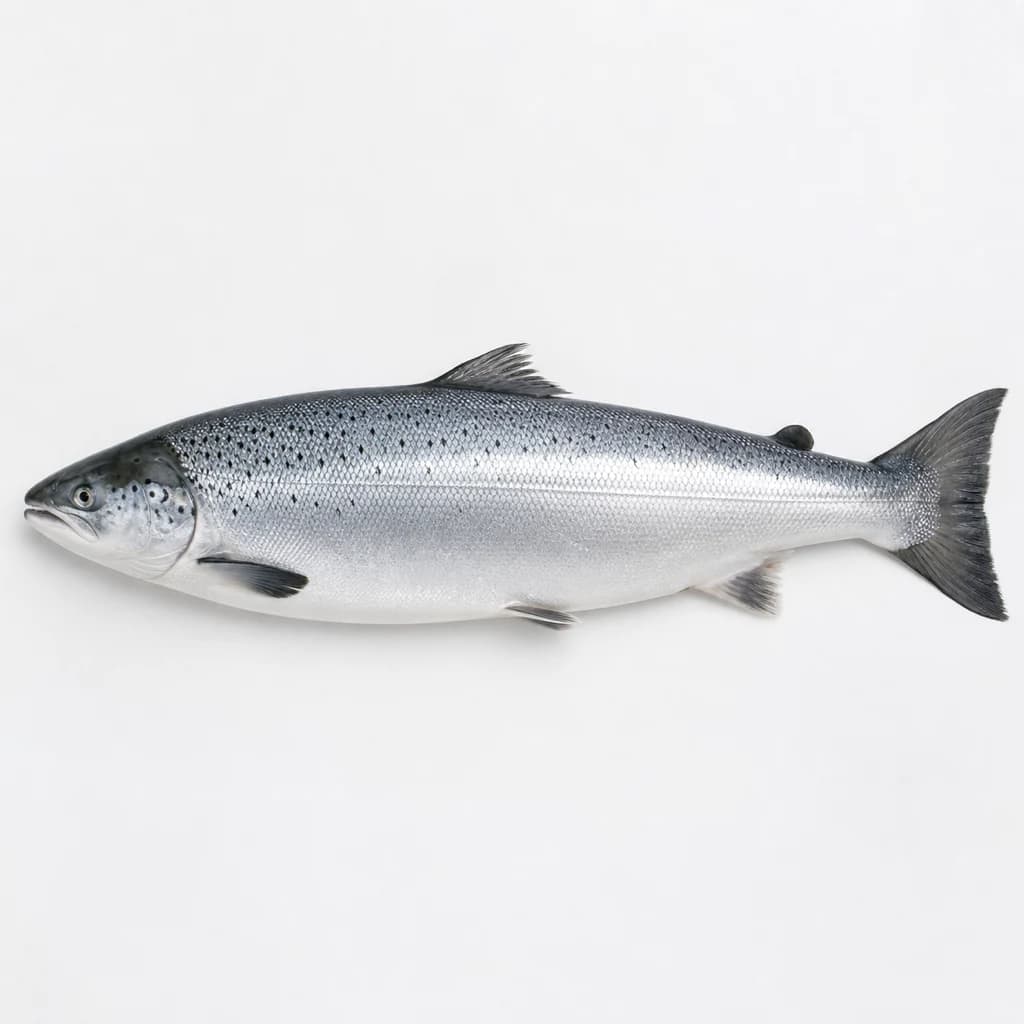
Salmon
Rich, rosy fish that roasts, grills, or cures beautifully

Egg White
Pure protein that whips to airy peaks for meringue and more

Egg Yolk
Rich, golden yolk for custards, mayonnaise, and pasta

Quail Egg
Tiny, speckled eggs for garnishing and elegant bites