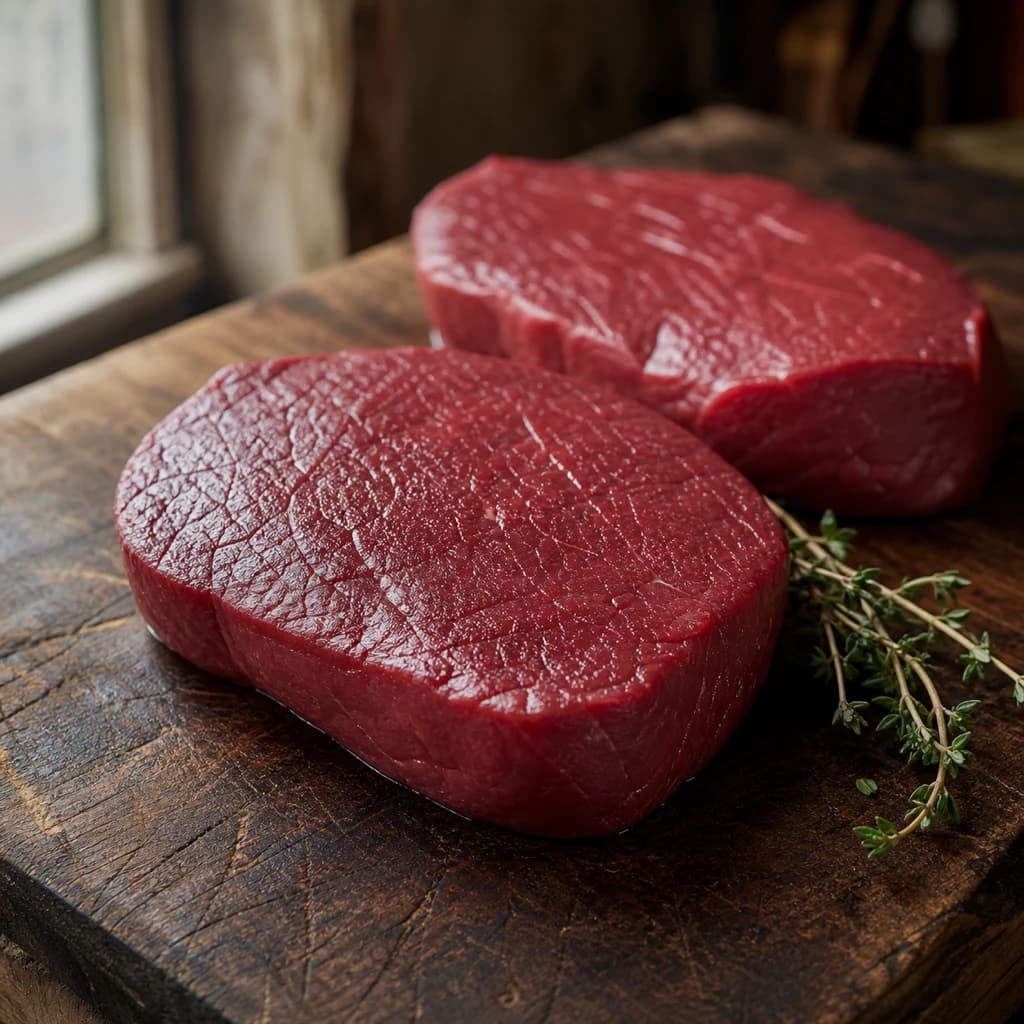
Natural form
Fresh horse meat: deep ruby-red, lean cuts with fine grain and minimal marbling.
Shows the raw cut's distinctive color, fine-grained texture, and leanness that set it apart from other red meats.
Proteins
Horse Meat
Lean, slightly sweet red meat eaten in Central Asia and parts of Europe.
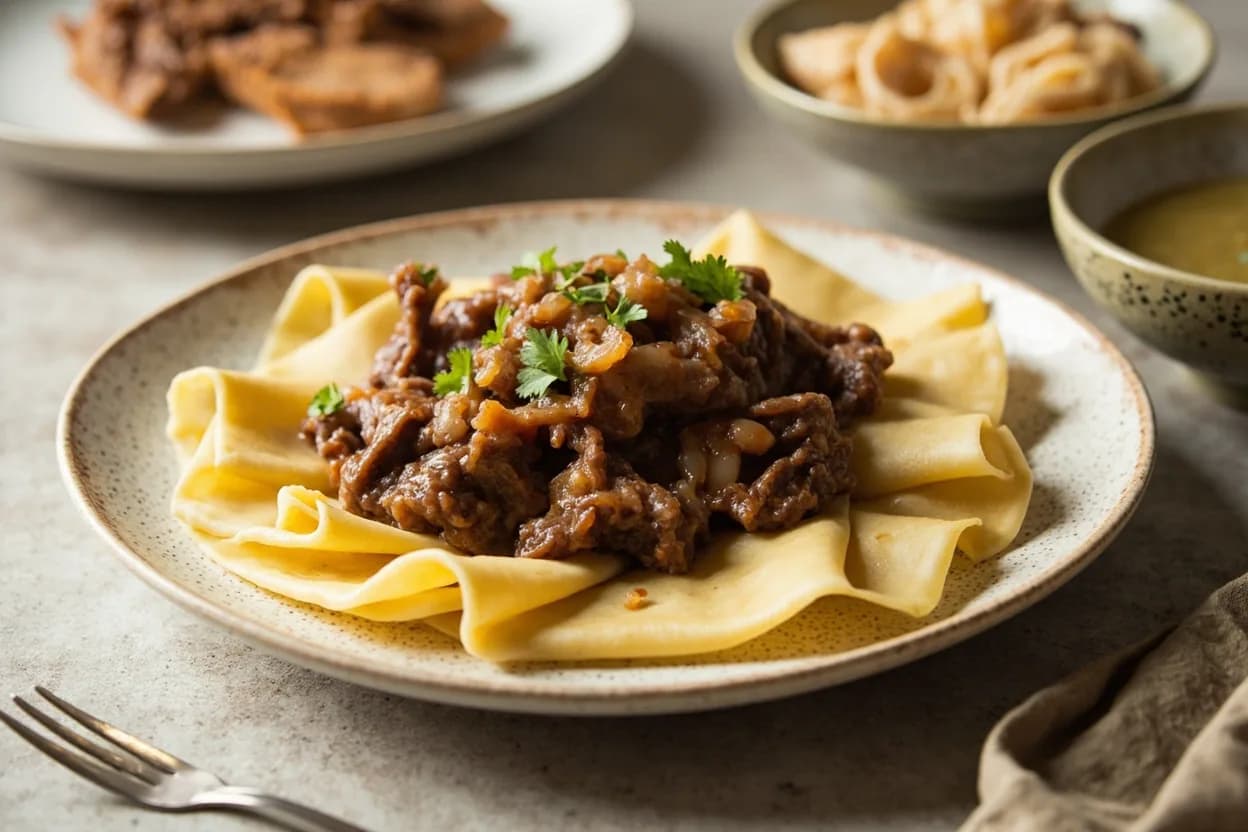
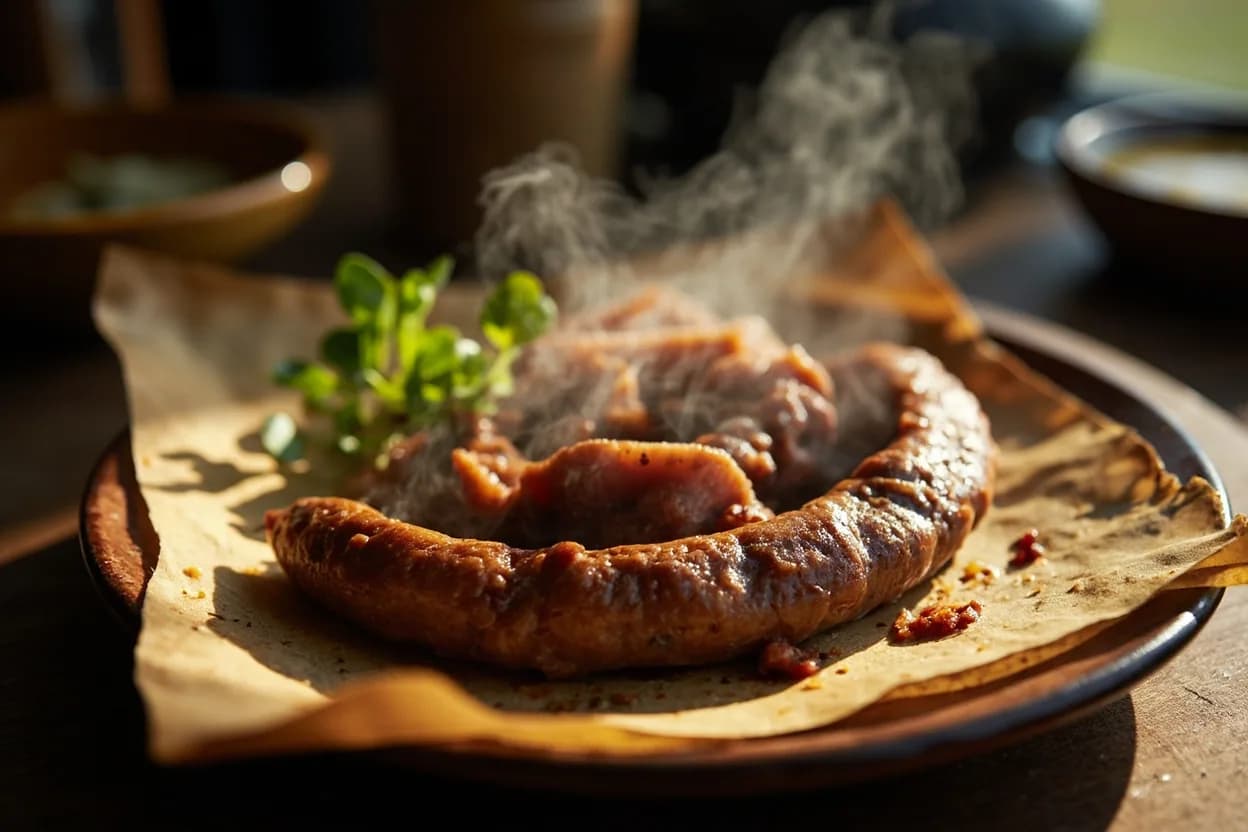
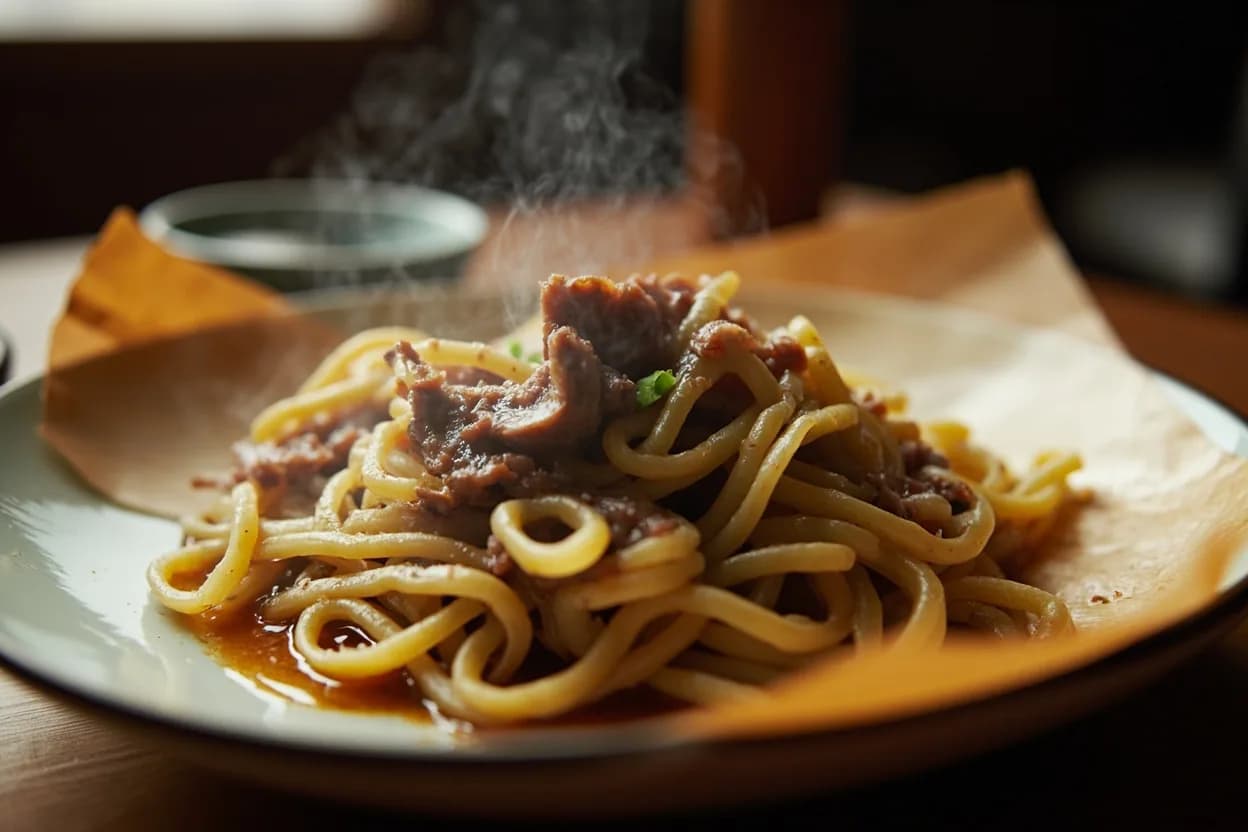
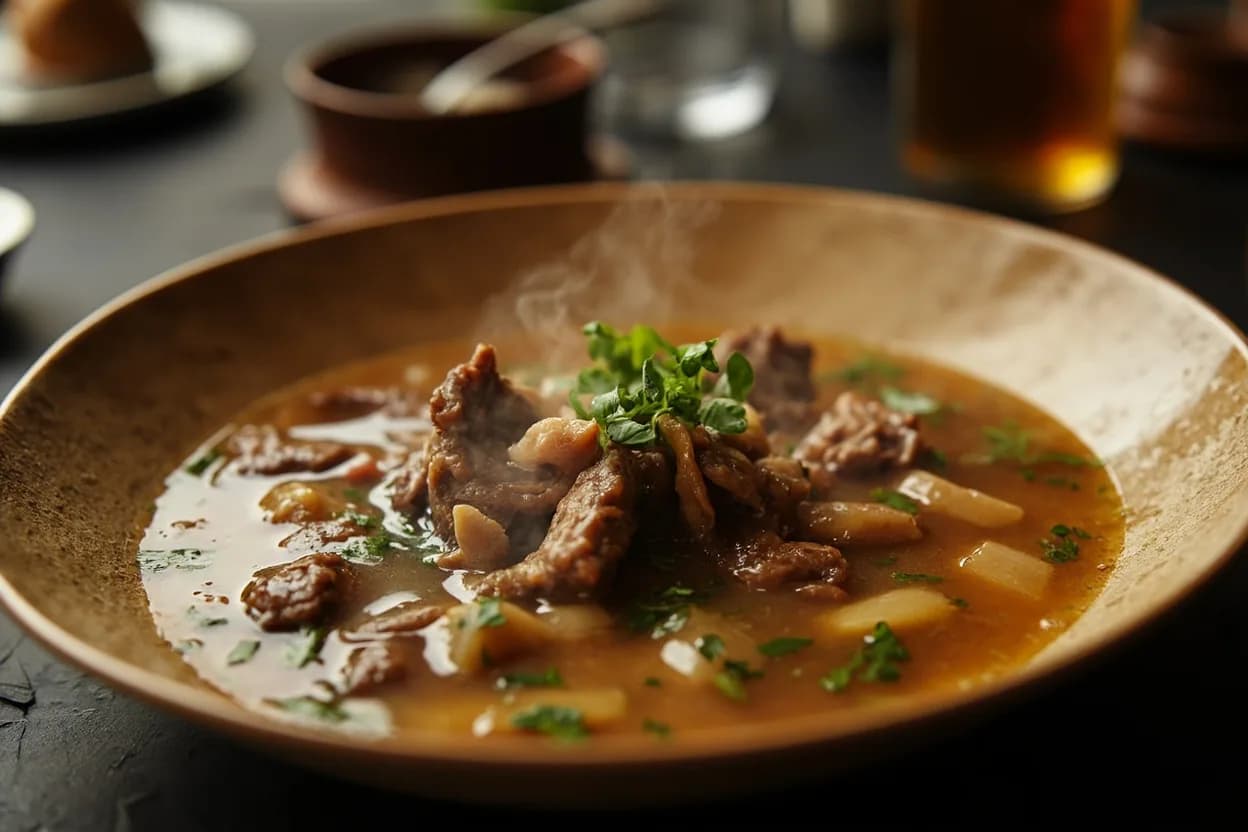
Horse meat is a lean red meat with a slightly sweet, gamey flavor and fine grain. It is central to Kazakh and Central Asian cuisine in dishes like beshbarmak and the cured sausage kazy, and is also eaten in parts of France, Italy, and Japan. Its leanness suits slow cooking, curing, or serving raw as tartare.
Horse meat is a lean, fine-grained red meat with a subtly sweet flavor that sits between beef and mild game. Its deep burgundy color comes from exceptionally high myoglobin content, and its texture is tender when cooked correctly but turns chalky and dry if mishandled. The meat is significantly leaner than beef—typically 3–5% fat versus beef's 15–20%—which makes it both a healthier choice and a more demanding one to cook. Because there is little internal fat to lubricate the muscle fibers, horse meat loses moisture rapidly at high temperatures, and overcooking produces a dry, tough result that betrays the meat's potential. The sweetness is genuine and delicate; properly prepared horse meat should taste clean and faintly mineral when fresh and properly handled. In countries where it is accepted—Kazakhstan, Kyrgyzstan, Italy, Japan, Switzerland—horse meat commands respect as a fine protein with centuries of culinary tradition behind it. The meat also dry-ages beautifully, with 10–14 days deepening flavor and improving tenderness noticeably.
- Measured in
- g
- Storage
- Fridge
Types & varieties
Raw horse meat sliced thin, served with ginger, soy sauce, and onions—popular in Kumamoto Prefecture
Paper-thin raw horse meat dressed with arugula, lemon, and olive oil
Cured and dried horse meat strips, a traditional snack
Heavily spice-crusted, air-dried horse meat similar to Turkish pastirma
Common in Switzerland, Belgium, and Kazakhstan; often mixed with pork fat for moisture
Cured and cold-smoked whole muscles, sliced thin like prosciutto
Common uses
Tips & pitfalls
- Cook to rare or medium-rare only—horse meat's low fat content means it dries out quickly at higher temperatures
- Let the meat come to room temperature 30 minutes before cooking for more even heat distribution
- Salt just before cooking, not in advance, to avoid drawing out moisture and compromising the sear
- Use high heat for a good sear, then rest briefly before slicing against the grain
- Seek reputable specialty butchers or European markets; quality and freshness vary widely
- Dry-aged horse meat (10–14 days) is noticeably more tender and has deeper flavor than fresh
- For stews, use tougher cuts and cook low-and-slow with liquid to break down collagen
- Ground horse meat benefits from adding pork fat (20%) to keep patties moist
Nutrition
Energy
556 kJ · per 100 g
Where the calories come from
Protein
21.4g
43% DV
Carbs
0g
0% DV
Fat
4.6g
6% DV
Fiber
0g
0% DV
Sodium
53mg
2% DV
Source · USDA FoodData Central · Game meat, horse, raw
View on FDC →In the shops
Matched grocery products
No matched grocery products for Horse Meat yet.
Good to know
- Category
- Red Meat
- Flavor
- Lean, slightly sweet, more delicate than beef with a faintly gamey undertone
- Color
- Deep red to dark burgundy when raw
- Fat Content
- Very low—significantly leaner than beef (3–5% vs. 15–20%)
- Protein
- High protein, comparable to beef
- Iron Content
- Higher iron than beef; particularly rich in myoglobin
- Texture
- Fine-grained, tender when cooked rare to medium-rare; becomes tough if overcooked
- Typical Cuts
- Tenderloin, top round, chuck, ribs, shoulder, neck, and ground
- Legal Status
- Legal in most of Europe, Central Asia, Japan; prohibited in the US, UK, and Ireland
- Shelf Life
- Refrigerate 2–3 days fresh; freeze up to 3 months
- Aging
- Dry-aging 10–14 days improves tenderness and deepens flavor
- Traditional Consumption
- Kazakhstan has one of the highest per-capita consumption rates globally
- French Term
- Viande de cheval; retail shops called boucheries chevalines
Substitutes
- Beef tenderloin or top round — Closest texture and mild flavor; cook similarly rare to medium-rare
- Venison — Comparable leanness and slight gamey sweetness; good for stews and sausages
- Lean pork loin — Acceptable for braises and stews; avoid overcooking
- Bison — Similar leanness and red-meat flavor; substitute 1:1
Pairs with
Also called
Жылқы еті · Kazy
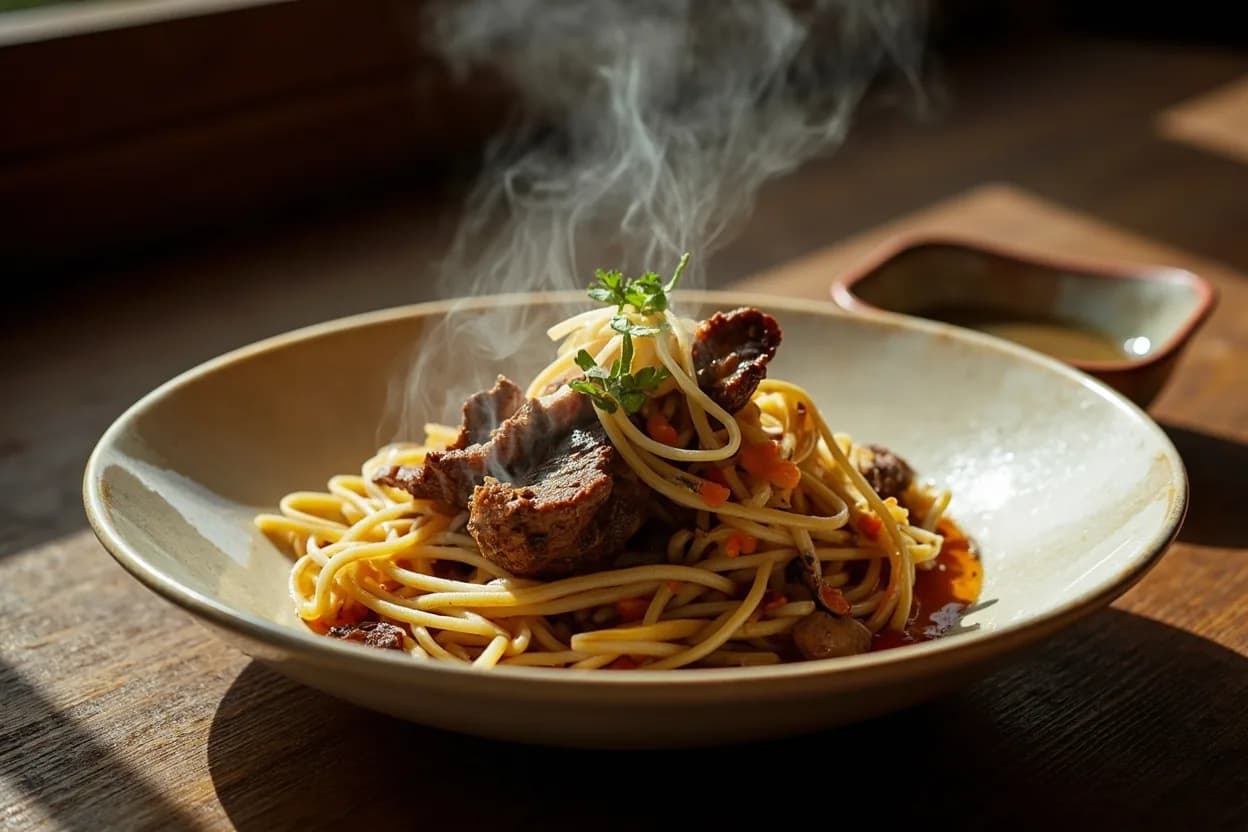
Appears in these dishes
Related
Egg
The kitchen's everything ingredient — bind, leaven, enrich, or fry
Chicken Breast
Lean, quick-cooking white meat for everyday dinners

Ground Beef
Versatile minced beef for burgers, ragù, tacos, and meatballs
Pork Loin
Lean, tender roasting cut that stays juicy with care
Salmon
Rich, rosy fish that roasts, grills, or cures beautifully

Egg White
Pure protein that whips to airy peaks for meringue and more
Egg Yolk
Rich, golden yolk for custards, mayonnaise, and pasta

Quail Egg
Tiny, speckled eggs for garnishing and elegant bites