Dairy & Eggs
Kashar Cheese (Kaşar Peyniri)
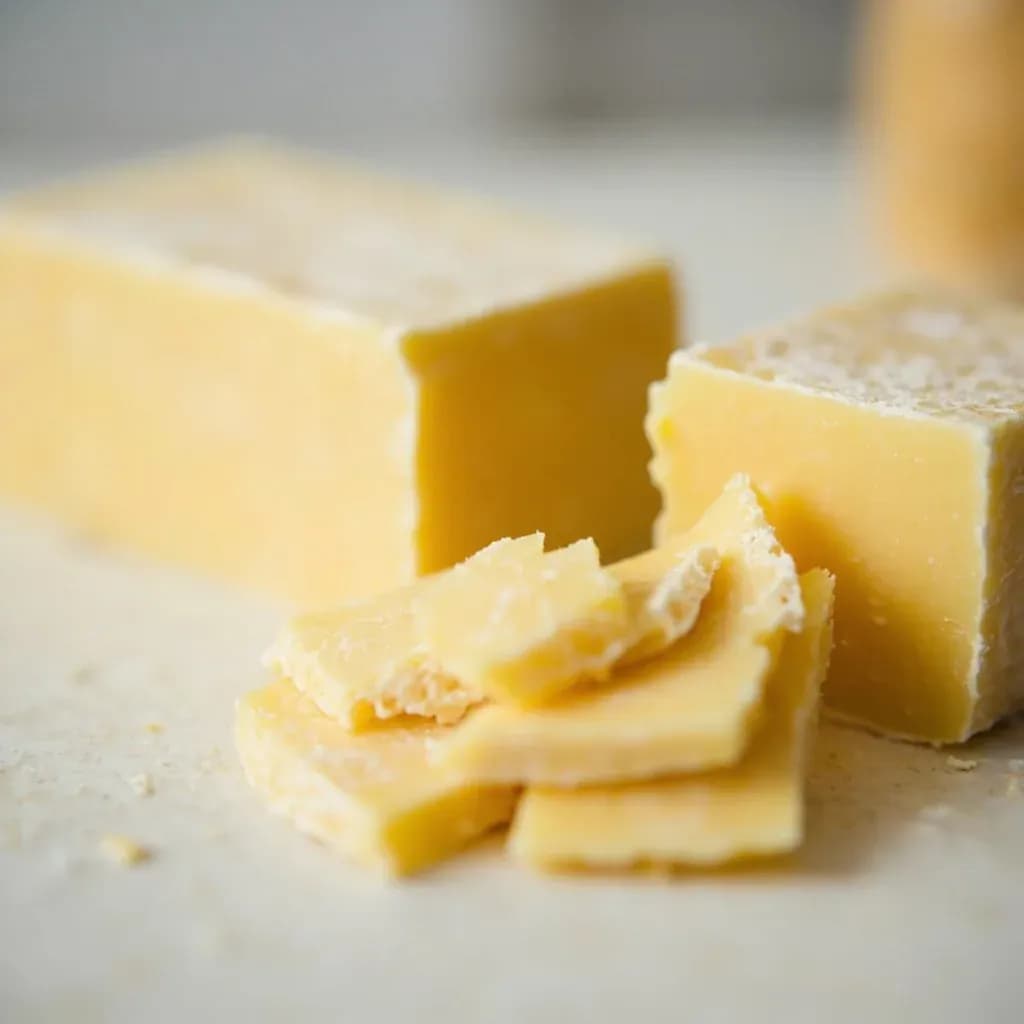
Turkish semi-hard yellow cheese that melts well, sliced for sandwiches or grilled in toast and pide.
Kashar (kaşar peyniri) is a Turkish pulled-curd cheese similar to mild kashkaval, made from cow's or sheep's milk. Fresh kashar is soft and mild for slicing and melting; aged versions are firmer, sharper, and used for grating. It is a staple in Turkish breakfasts, toasted sandwiches (tost), and baked dishes.
Kashar (Kaşar Peyniri) is a Turkish semi-hard cheese traditionally made from cow's milk, though sheep or goat milk blends are also used. Named after the town of Kaşar in Eskişehir Province, it has earned registered Turkish geographical indication status, recognizing its distinct identity and production methods. The cheese develops its characteristic pale-to-deep yellow color partly through the natural carotene in milk and partly through annatto added during commercial production.
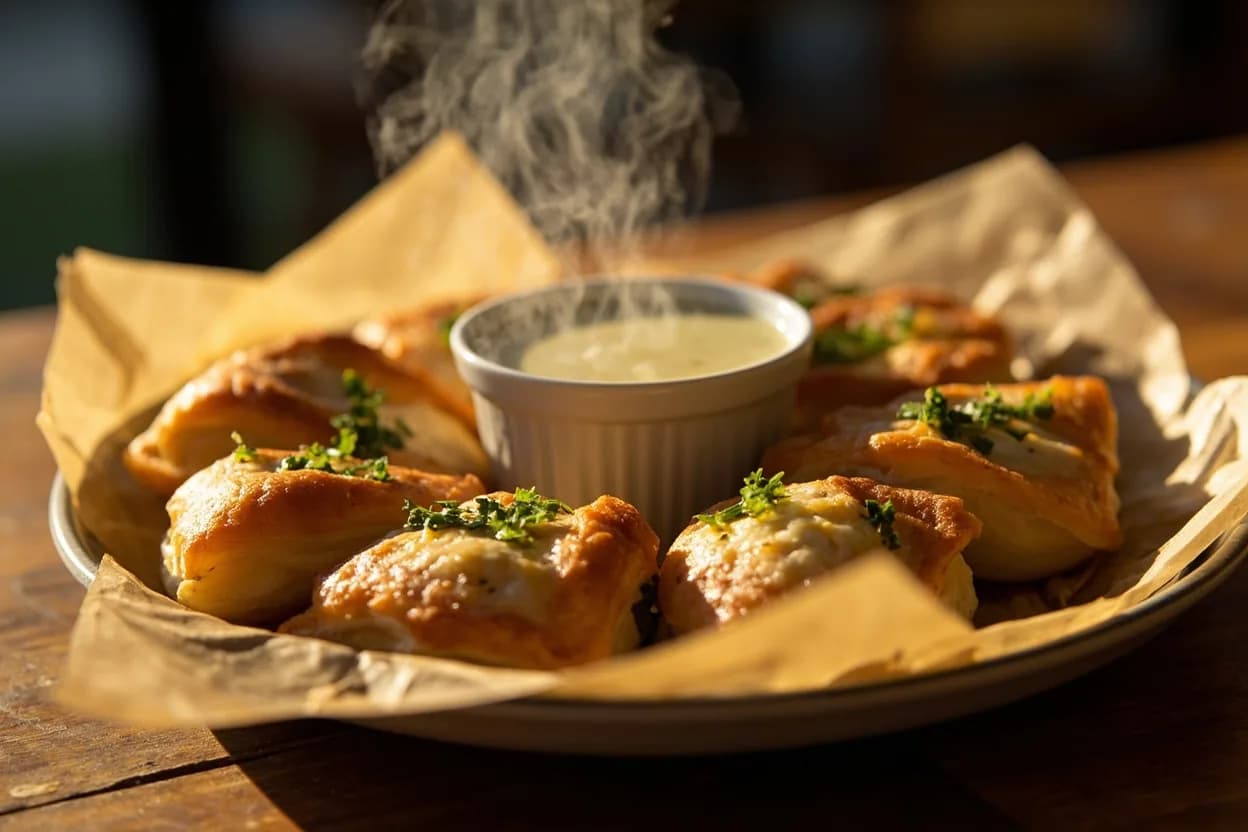
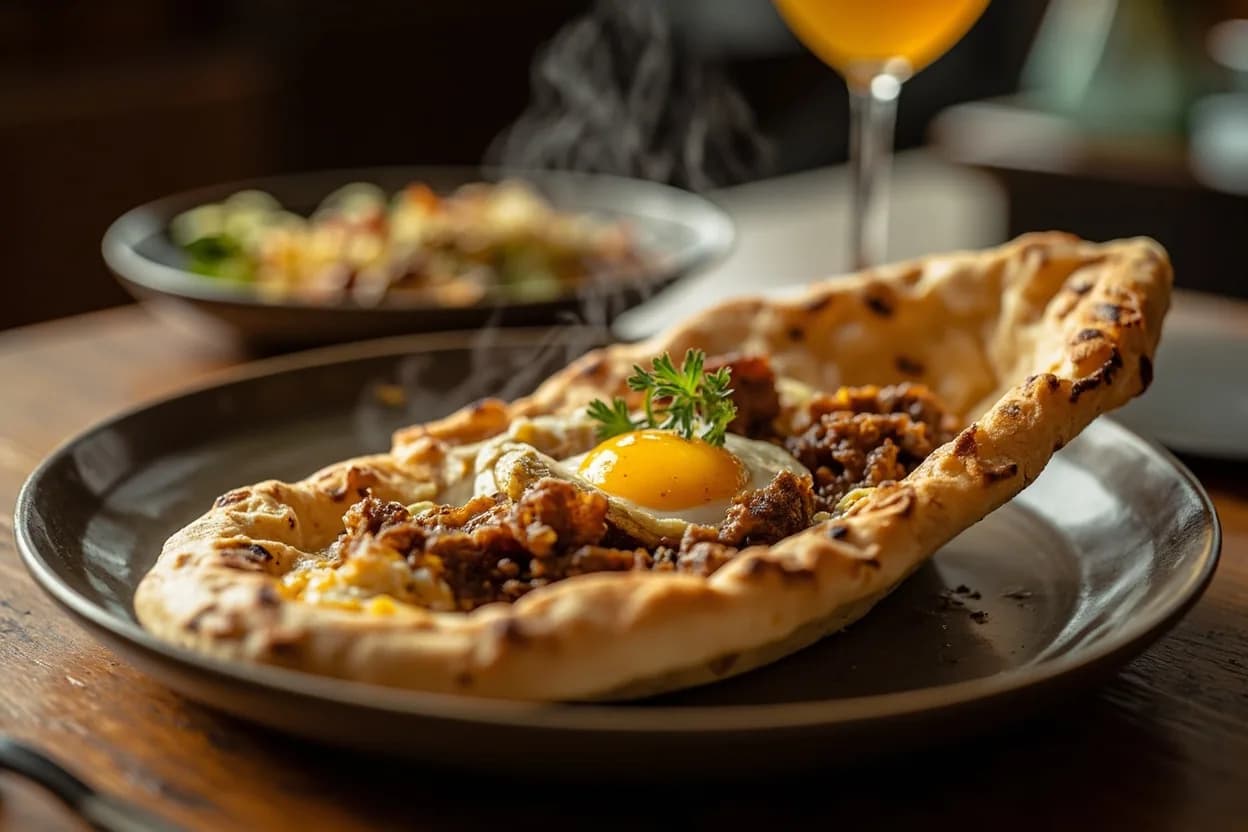
What sets Kashar apart from other yellow cheeses is its exceptional melting behavior. When heated, it transforms from a firm, flexible texture into smooth, elastic strands that pull apart satisfyingly—a quality Turks call çekilme. This makes it indispensable in Turkish grilled dishes, where it appears in everything from simple toast sandwiches to elaborate pide topped with sucuk. The cheese ages from a fresh, mild product suitable for melting into denser, sharper wheels meant for grating, giving cooks two distinct textures from the same cheese.
Industrial production has created confusion around Kashar, with many processed products bearing the name while lacking the authentic character of the real cheese. Authentic Kashar smells clean and milky with a slight tang, never acidic or ammonia-like. It should feel slightly flexible when cold and melt smoothly into strings when heated—these are the hallmarks of properly made Kashar worth seeking out at Turkish groceries or specialty shops.
- Measured in
- g
- Storage
- Fridge
Allergens
Types & varieties
Younger, milder, higher moisture content; best for melting in grilled applications and when you want smooth, even melt without browning
Harder, sharper, more crystalline texture; better for grating over dishes at the table or in baked preparations where some browning is desired
Cold-smoked over beech or oak wood; distinct savory-smoky flavor that holds up well in hot sandwiches and alongside grilled meats
Made primarily or wholly from goat milk; tangier, slightly gamier flavor; pairs especially well with honey and stone fruits
Choosing Quality Kashar
The most common mistake is accepting any cheese labeled 'Kashar' without examination. Industrial imitations often contain excessive stabilizers, cellulose, or whey powders that prevent proper melting. Read ingredient lists and prioritize products made with milk, cultures, salt, and rennet as primary ingredients—avoid products loaded with unpronounceable stabilizers.
Quality Kashar should bend slightly without breaking when cold, indicating proper moisture. The surface should be smooth and uniformly colored. Press gently—if it feels rubbery or bounces back hard, it will not melt well. When you slice it, the cut should be clean, not sticky or wet. A mildly tangy, milky aroma indicates freshness; any ammonia smell means the cheese is overripe or poorly stored.
- Seek artisanal producers at Turkish markets or specialty cheese shops
- Look for ingredient lists with milk, cultures, salt, and rennet as primary ingredients
- Test flexibility before purchasing—cheese should bend slightly
- Avoid products with excessive stabilizers or 'cheese-flavored' labels
Storage and Handling
Kashar dries out quickly and absorbs refrigerator odors, both of which ruin its melting performance. Never leave it unwrapped, even for a few hours. Double-wrap in plastic film, then place in an airtight container or zip-top bag.
Before using in a grilled application, let the cheese sit at room temperature for 15–20 minutes. Cold cheese melts unevenly—the exterior softens while the center stays hard. Room-temperature cheese flows evenly as it heats. If your Kashar has dried slightly in the fridge, shred it and use it in cooked dishes where the moisture loss matters less than it would in a grilled sandwich.
- Wrap tightly in plastic wrap plus an airtight container
- Bring to room temperature 15–20 minutes before grilling
- Never store near strong-smelling foods like onions or garlic
- Use within 2–4 weeks for best melting quality
Common uses
Tips & pitfalls
- Use fresh Kashar for grilling and melting; aged Kashar is better grated over dishes at the table where its sharper flavor and harder texture are assets.
- When grilling (as in toast or pide), ensure the heat is moderate—high heat will burn the exterior before the cheese melts through.
- If the cheese feels very dry or hard at room temperature, it will not melt smoothly; look for slight flexibility as a quality indicator.
- Do not confuse Kashar with highly processed cheese products marketed as 'Kashar-flavored'—read ingredients and avoid unnecessary stabilizers.
- Authentic Kashar should pull into strings when melted—a good test of quality. If it pools into grease instead of stretching, the cheese is either low-quality or has been overheated.
- When adding Kashar to baked dishes like pide or börek, add it midway through baking rather than at the start to prevent excessive browning before the cheese melts.
Nutrition
Energy
1628 kJ · per 100 g
Where the calories come from
Protein
25.6g
51% DV
Carbs
1.6g
1% DV
Fat
31.1g
40% DV
Fiber
0g
0% DV
Sugars
1.6g
of which
Sodium
800mg
35% DV
Source · USDA FoodData Central · approx. Cheese, fontina
View on FDC →In the shops
Matched grocery products
No matched grocery products for Kashar Cheese (Kaşar Peyniri) yet.
Good to know
- Origin
- Turkey, named after the town of Kaşar in Eskişehir Province
- Primary Milk
- Cow's milk (sometimes sheep or goat milk or blends)
- Texture
- Semi-hard, firm, flexible
- Color
- Pale to deep yellow (annatto added for color in commercial production)
- Aging
- Minimum 2–3 months; aged varieties up to 12+ months
- Fat Content
- Typically 25–45% depending on milk blend
- Rind
- Usually none; sold as a wheel or block without rind
- Shelf Life (refrigerated)
- 2–4 weeks when wrapped airtight
- Key Characteristic
- Melts smoothly and stretches when heated
- PDO Status
- Kaşar Peyniri is a registered Turkish geographical indication product
Substitutes
- Kashkaval / Kasseri — Closest Balkan and Turkish alternatives with similar melting properties; interchangeable in most applications, Kashkaval tends to be slightly firmer and more tangy
- Low-moisture Mozzarella — Good melting substitute; lacks the slight tanginess of Kashar but performs well in grilled applications and won't overpower other flavors
- Muenster — Melts smoothly and has mild flavor; widely available Western substitute that works best in sandwiches and melts rather than baked dishes
- Havarti — Mild, buttery, melts well; a reasonable pantry substitute for grilled cheese applications, though the flavor profile is quite different
- Gruyère or Emmental — Better for baked dishes and gratins; nuttier and milder than fresh Kashar; works in pasta and pizza-style applications where some sweetness is welcome
Pairs with
Also called
kashar cheese · kaşar peyniri · kashkaval
Appears in these dishes
Related

Whole Milk
Rich, full-fat milk for drinking, coffee, sauces, and baking
Butter
Golden fat for searing, baking, and finishing a sauce
Yogurt
Tangy, creamy culture for breakfast, sauces, and marinades
Cheddar Cheese
Sharp, melty cheese for sandwiches, gratins, and grating
Skim Milk
Fat-free milk for lighter drinking, coffee, and cooking
Heavy Cream
Rich cream that whips, enriches sauces, and sets ganache

Sour Cream
Tangy, thick cream for dolloping, baking, and dips
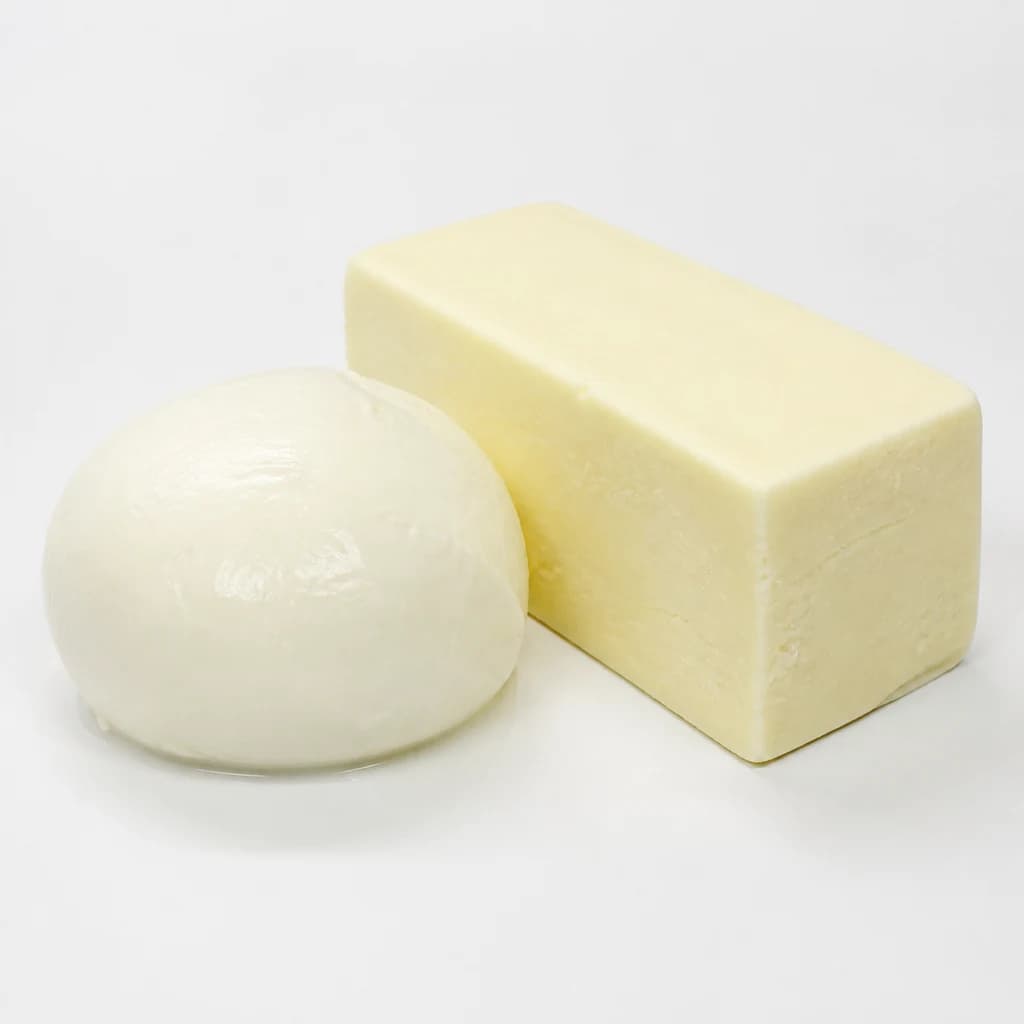
Mozzarella
Soft, milky cheese that melts into stretchy pizza pulls