
Natural form
Raw mici meat mix: coarsely ground beef and pork blend before shaping.
Shows the texture, color, and fat distribution of the uncooked seasoned mixture so readers recognize it in its base state.
Proteins
Mici Meat Mix
Romanian skinless sausage mix of beef and pork seasoned with garlic and baking soda.
Mici (or mititei) meat mix is a Romanian blend of ground beef and pork, sometimes with lamb, seasoned heavily with garlic, black pepper, thyme and a touch of baking soda for spring. The mix is shaped into skinless sausages and grilled over charcoal. The baking soda and a little broth keep the grilled mici juicy and bouncy.
Mici Meat Mix is a distinctly Romanian preparation—ground beef and pork blended with generous garlic and a small amount of baking soda, formed into small skinless sausage shapes and grilled until crisp outside and juicy within. Unlike cased sausages, mici hold their shape through the protein structure of the meat itself, not a casing, which means the mixture must be worked with care to bind properly without becoming dense. The baking soda is the non-negotiable secret: it raises the pH of the meat, allowing proteins to hold more moisture and creating that characteristic slight puff and tender bite when grilled over high heat. In Romania, mici are synonymous with warm weather and outdoor gatherings—sold from charcoal carts at markets, festivals, and roadside stands throughout the country, particularly in Transylvania and Bucharest. The heavy hand with garlic (three to four cloves per 500g of meat) is defining; this is not a subtle seasoning but a bold, savory presence that caramelizes slightly on the grill.
The texture of properly made mici is unlike any other sausage. They should have a light snap when you bite through the browned exterior into a tender, slightly puffed interior that releases savory, garlicky juices. This comes from the baking soda reaction combined with correct technique: not overworking the meat, chilling before grilling, and cooking over medium-hot charcoal while turning frequently. Commercial Romanian mici mixes are available in specialty stores and online, but the homemade version allows you to dial in the seasoning to your preference—the Bucharest street style runs spicier with more garlic and hot paprika, while Transylvanian versions lean on cumin and marjoram. Regardless of the regional variation, mici are almost always served with mustard and crusty bread, and eaten immediately while hot.
Mici occupy a unique position in the Romanian kitchen: they are technically an ingredient (a raw meat mixture you form and cook) but behave like a finished dish. They are rarely simmered or braised—grilling is the authentic method, though high-heat pan-frying works indoors. The mixture can be made a day ahead and refrigerated, or frozen raw for up to three months, making mici a practical prep-ahead option for feeding a crowd. Understanding that mici are not simply seasoned ground meat patties is key—they require the specific baking soda treatment and a light hand to achieve their characteristic texture and moisture retention at high grilling temperatures.
- Measured in
- g
- Storage
- Fridge
Types & varieties
Homemade version; most variable in seasoning and meat ratio depending on the cook's preference
Traditional street variant from Bucharest; slightly spicier with more garlic and hot paprika
More generous use of cumin; often includes marjoram and sweet paprika; meat may be slightly coarser ground
Lamb variant using ground lamb instead of/in addition to beef and pork; common in pastoral regions
Chicken version; lighter in flavor, often includes thyme; lower fat content requires careful grilling to prevent drying
The Role of Baking Soda in Mici
The baking soda in mici is not a leavening agent in the traditional sense—it will not make the mixture rise like a batter. Instead, it works by raising the pH of the meat, which does two things: it allows the proteins to retain more moisture during high-heat cooking, and it slightly weakens the protein structure, resulting in a more tender, slightly puffed texture rather than a dense, tight bite. This is the same principle behind adding baking soda to burgers or meatloaf, but mici rely on it more heavily. Add the baking soda about 10 minutes before forming the mici—adding it too early makes the mixture too loose and wet to hold shape. The amount is small: roughly 1 teaspoon per 500g of meat. Too much will make the mici taste soapy and the texture mushy.
- Add baking soda 10 minutes before forming, not when mixing the initial seasonings
- 1 teaspoon per 500g meat is the correct proportion—do not guess higher
- If the mixture becomes too wet after resting, add fine breadcrumbs (1–2 tbsp) to absorb excess moisture
Seasoning Profiles by Region
While all mici share the garlic-forward base, regional variations create meaningfully different flavor profiles. The Bucharest-style mici de baltă push heat with hot paprika and often include a kick of chili flakes—the street vendors want bold, immediate flavor. Transylvanian mici ardelenești take a more aromatic approach, building on cumin as the dominant spice (upping it to 1.5 times the Bucharest proportion), with marjoram and sweet paprika providing a rounder, more herbal finish. The meat grind in Transylvanian versions tends to be slightly coarser, giving a more rustic texture. Pastoral lamb versions (mici de oaie) replace beef entirely and often include rosemary, reflecting the shepherd's pantry. When adjusting seasoning at home, consider which direction you want: aggressive and garlicky (Bucharest style) versus complex and herbal (Transylvanian style).
- Cumin is the primary differentiator—Transylvanian versions use 1.5x the amount of Bucharest style
- Bucharest mici are typically spicier; add chili flakes or hot paprika if mimicking that profile
- Lamb versions (mici de oaie) work well with rosemary or thyme added to the blend
Common uses
Tips & pitfalls
- Do not overmix the meat—mix until just combined to keep texture tender, not dense
- Chill the formed mici for 30 minutes before grilling; cold fat renders more slowly, keeping them juicy
- Grill over medium-hot charcoal, not direct high heat; turn every 2–3 minutes with tongs (never pierce with a fork)
- Add baking soda 10 minutes before forming; do not add too early or the mixture becomes too loose
- If the mixture feels too wet to hold shape, add fine breadcrumbs (1–2 tbsp) rather than more flour
- Rest grilled mici 2–3 minutes before serving; they continue cooking internally and retain juices
- For crispier exterior, press the formed mici flat slightly before grilling—increases surface area for browning
Nutrition
Nutrition
No USDA FoodData Central match for Mici Meat Mix yet. We surface a per-100 g profile once a generic whole-food entry is matched and verified.
In the shops
Matched grocery products
No matched grocery products for Mici Meat Mix yet.
Good to know
- Origin
- Romania (Transylvania region); popular as street food since the early 20th century, traditionally grilled over charcoal at outdoor markets and festivals
- Primary Meats
- Ground beef and pork (typical ratio: 70% beef, 30% pork; some versions use equal parts)
- Key Seasonings
- Garlic (3–4 cloves per 500g meat), black pepper, sweet paprika, cumin, marjoram, thyme; some versions include mustard powder or chili flakes
- Baking Soda
- Approximately 1 teaspoon per 500g meat; keeps the finished mici moist and helps them puff slightly on the grill
- Form
- Skinless sausage mixture; hand-formed into small oval/cigar shapes (5–8 cm long, about 2 cm thick), traditionally molded around a thin wooden stick for grilling
- Cooking Method
- Grilling over charcoal or high-heat pan-frying; turned frequently to cook evenly through (internal temp 71°C/160°F)
- Yield
- 500g meat mixture yields approximately 10–12 mici (about 4 servings)
- Storage (Fresh)
- Refrigerate formed mici up to 24 hours; freeze raw up to 3 months
Substitutes
- Skinless breakfast sausage — Workable but lacks the garlic-forward seasoning; look for sage-free varieties if mimicking mici flavor profile
- Merguez sausage — Lamb-based, spicier; can work in a pinch but is significantly more seasoned with harissa and cumin; skinless variety preferred
- Seasoned ground beef/pork patties — Form into small oval shapes; use mici seasoning blend (garlic, paprika, cumin, black pepper) at approximately 2 tsp per 500g meat
Pairs with
Also called
Carne de Mici · Mititei Mix
Related
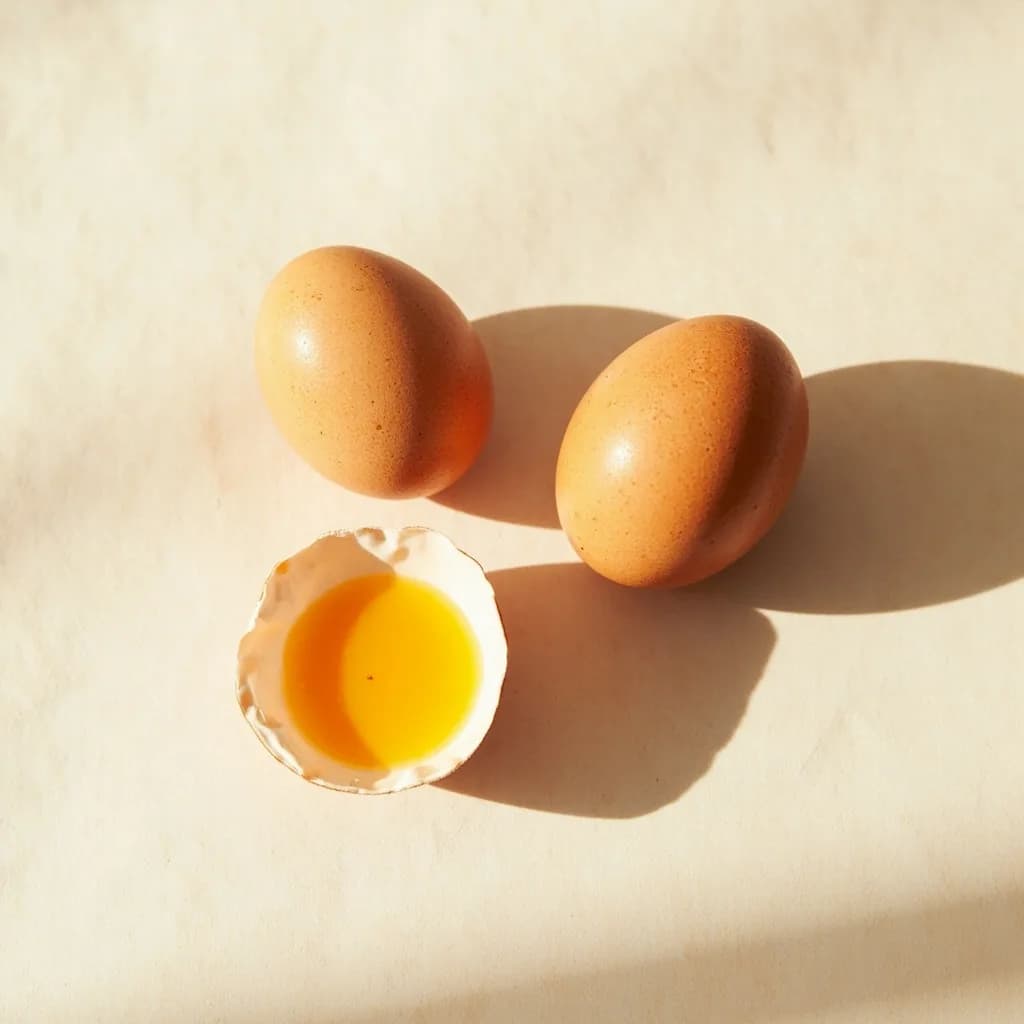
Egg
The kitchen's everything ingredient — bind, leaven, enrich, or fry
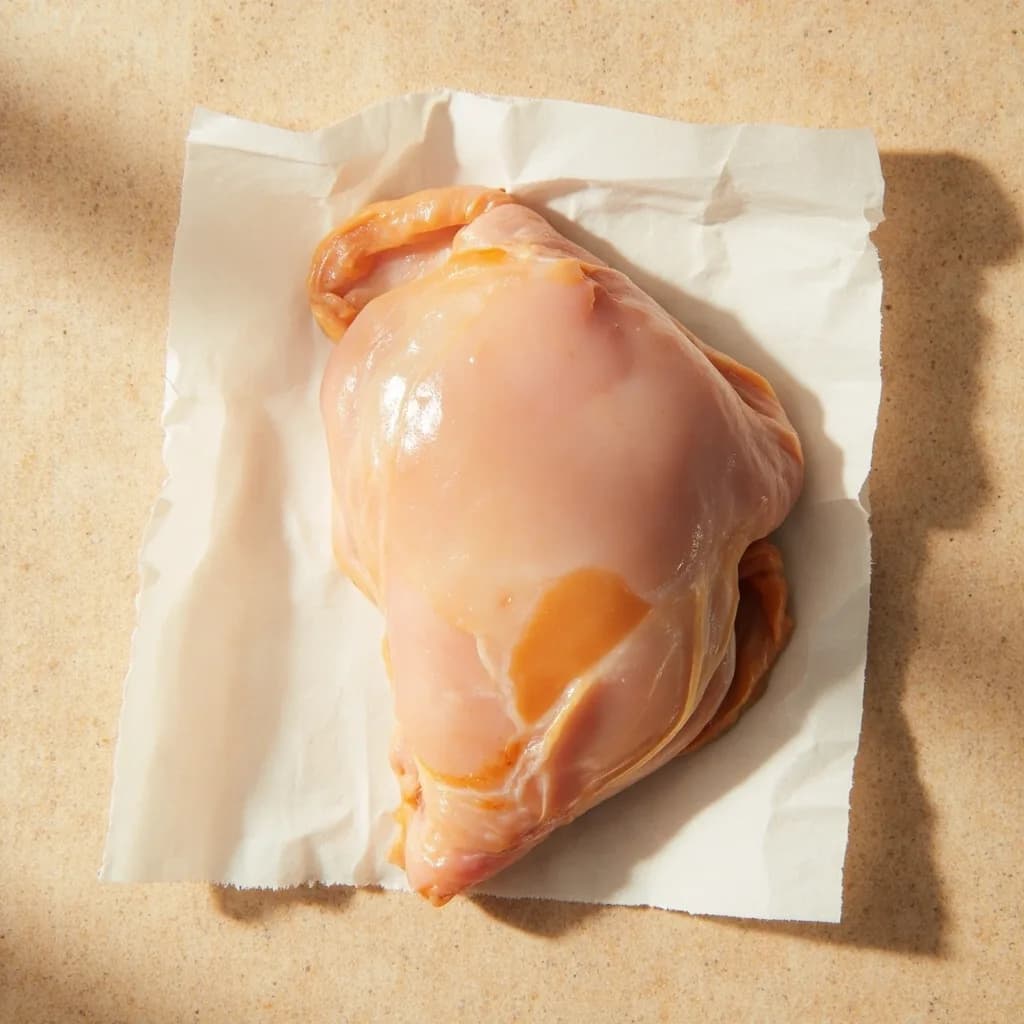
Chicken Breast
Lean, quick-cooking white meat for everyday dinners

Ground Beef
Versatile minced beef for burgers, ragù, tacos, and meatballs
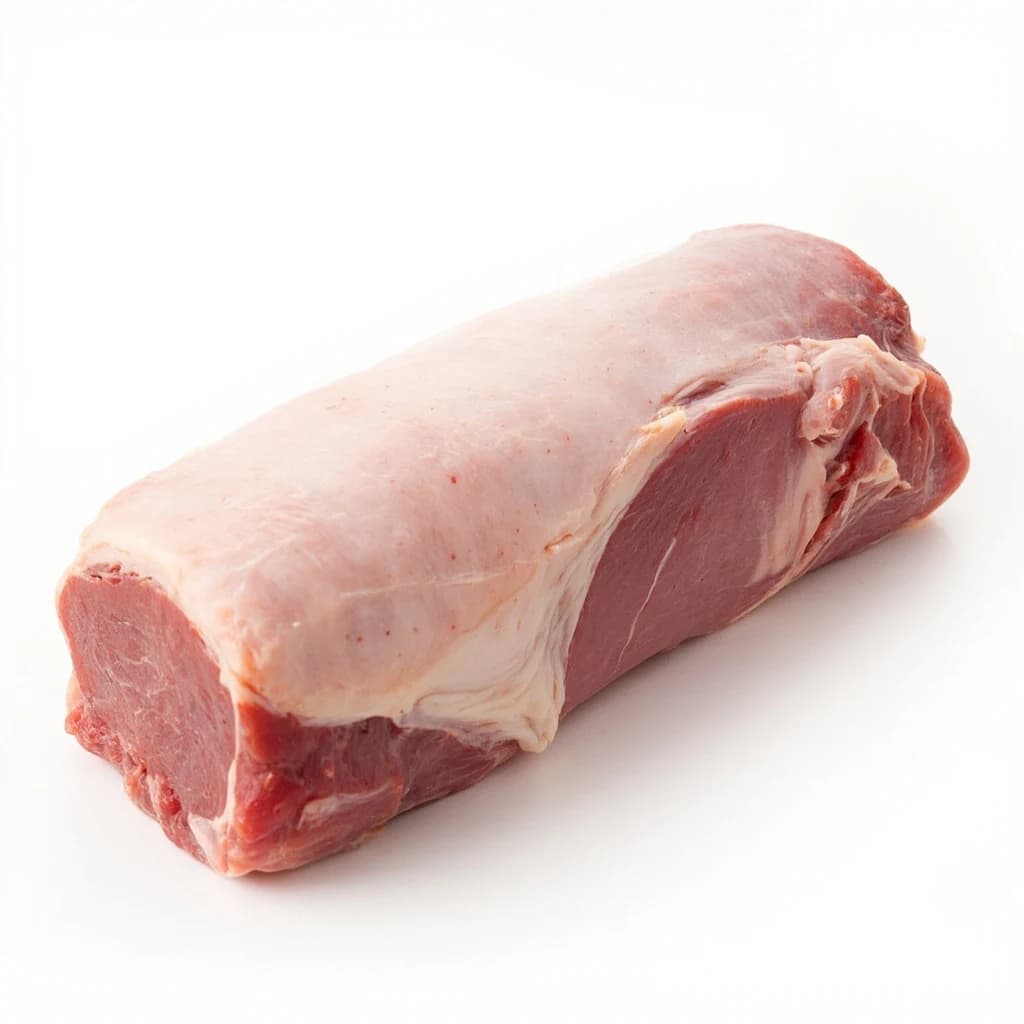
Pork Loin
Lean, tender roasting cut that stays juicy with care
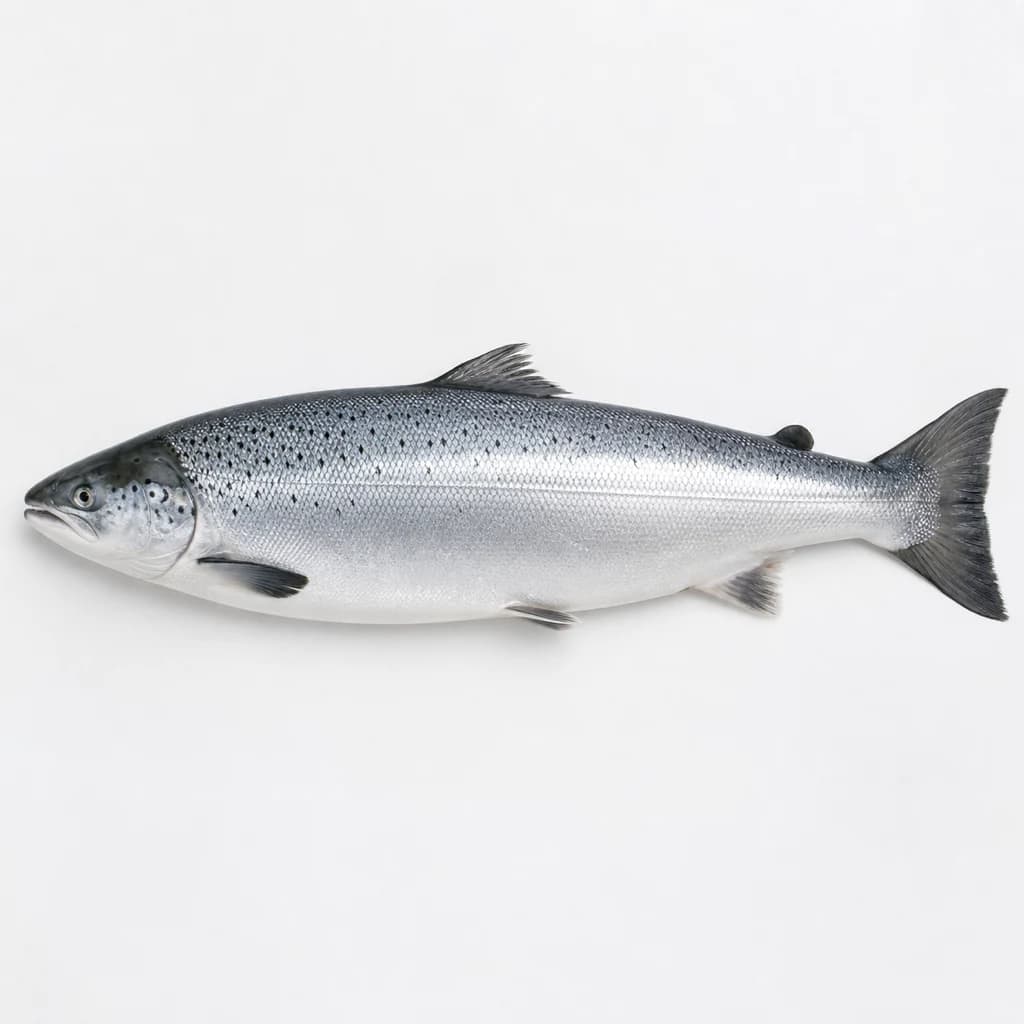
Salmon
Rich, rosy fish that roasts, grills, or cures beautifully

Egg White
Pure protein that whips to airy peaks for meringue and more

Egg Yolk
Rich, golden yolk for custards, mayonnaise, and pasta

Quail Egg
Tiny, speckled eggs for garnishing and elegant bites