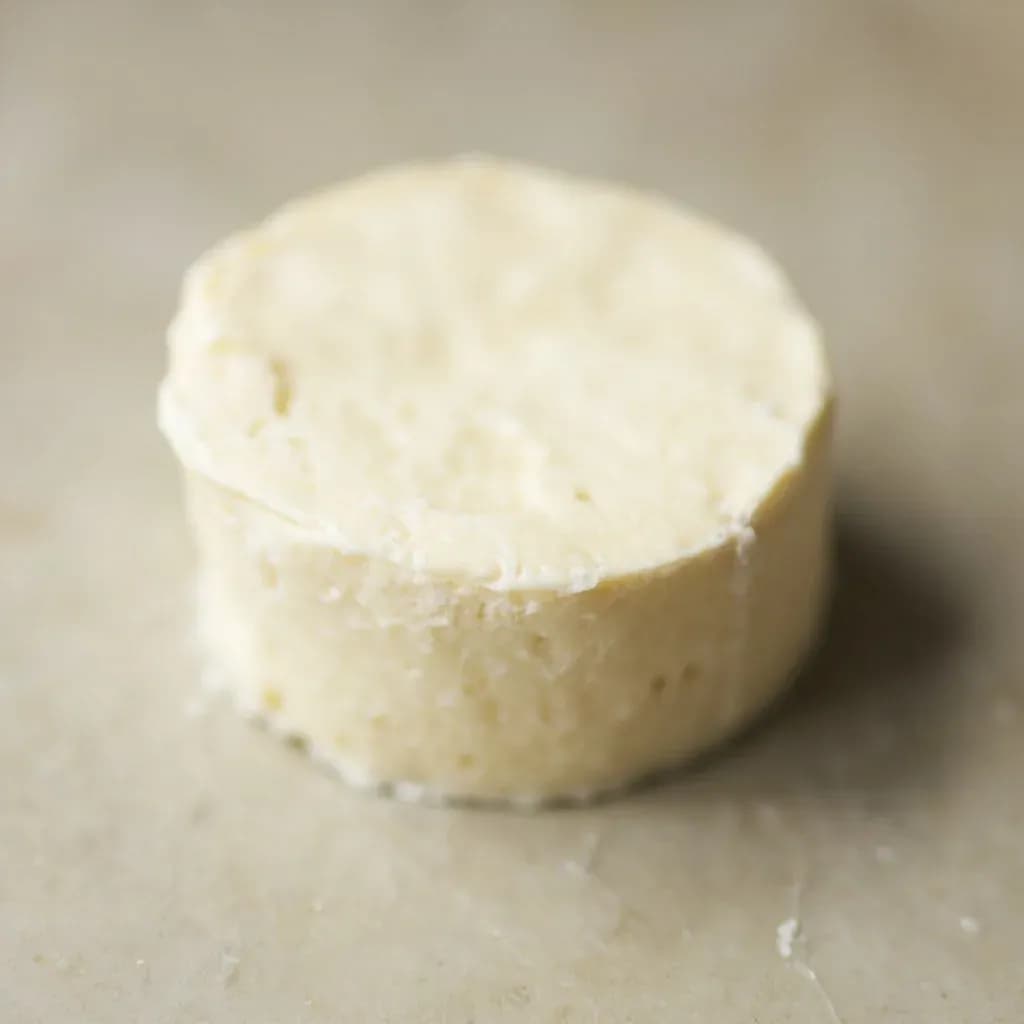
Dairy & Eggs
Minas Cheese (Queijo Minas)
Brazilian fresh white cheese, mild and slightly tangy, eaten with guava paste or melted in pão de queijo.
Queijo Minas is a Brazilian cow's-milk cheese from Minas Gerais, ranging from soft fresh (frescal) to firmer half-cured (meia-cura) styles. Fresh Minas is white, mild, and lightly salty, often paired with guava paste in the classic 'Romeu e Julieta.' Cured Minas firms up for slicing or grilling.
Minas cheese is Brazil's most beloved fresh white cheese, named for the state of Minas Gerais where it originated and remains central to the regional cuisine. Made from cow's milk—historically raw for artisanal production, now typically pasteurized for commercial sale—it falls into the category of unaged fresh cheeses that prioritize moisture and a delicate, slightly tangy flavor over the complexity of aged varieties. The cheese is sold without rind, typically in rounds or blocks, and its soft-yet-sliceable texture makes it uniquely versatile: it holds together well enough for slicing yet melts smoothly and fries to a golden crust. This combination of mildness, moisture, and melting behavior places it at the heart of Brazilian home cooking and restaurant menus alike.
What distinguishes true Minas Frescal from other fresh cheeses is its characteristic slight acidity and the way it behaves under heat—it holds together without turning rubbery when warmed gently, and it browns lightly rather than blistering heavily. The commercial standard, Minas Padrão, offers slightly firmer texture for better slicing while retaining the same mild, milky character. It is essential to distinguish this fresh cheese from aged Minas varieties like Minas Meia Cura, which are hard, sharp, and meant for grating—a completely different product that shares only geography and the state name. When Brazilian recipes call for queijo Minas, they invariably mean the fresh, mild, unaged variety.
The cheese's mildness is not a lack of character but a deliberate design: it functions as a canvas that absorbs and carries other flavors without competing with them, which is why it appears in both savory dishes and sweet-tart snacks. Its moderate fat content (45-50% in dry matter) provides enough richness to contribute body to sauces and fillings without overwhelming lighter dishes. Because it is never aged, Minas cheese must be handled with respect for its freshness—it degrades quickly once exposed to air or warmth, and its shelf life depends heavily on how recently it was produced and how carefully it is stored.
- Measured in
- g
- Storage
- Fridge
Allergens
Types & varieties
Softest variety; sold in small rounds; very mild; most perishable (use within 3-5 days of purchase); crumbles easily; best for salads, snacks, and eating fresh
The standard commercial variety; slightly firmer than frescal; holds shape better for slicing; still a fresh cheese with no aging; most commonly found outside Brazil
Common uses
Tips & pitfalls
- Do not confuse with aged Minas cheese (Minas Meia Cura or cured Minas)—these are hard, sharp, and meant for grating, a completely different product
- Store wrapped tightly in plastic wrap in the refrigerator; excess moisture is the enemy, and exposure to air causes it to dry out and lose its pleasant texture
- If the cheese feels wet or slimy, it is past its best; properly stored Minas should feel dry to the touch
- When frying, pat slices dry with paper towels first to prevent excessive splattering and achieve an even golden crust
- Do not overheat when melting—it can turn rubbery if heated too quickly or too hot; add to warm dishes and let them carry the cheese gently to serving temperature
- For crumbling, use room-temperature cheese and break it apart gently with your fingers rather than using a knife, which crushes rather than separates
- When using in salads, add the cheese just before serving; sitting in dressing too long will make it mushy and waterlogged
- Authentic Minas Frescal spoils quickly; buy from sources with good turnover and plan to use it within a few days
- When substituting, choose queso fresco or farmer cheese for similar mildness and melting behavior—paneer and halloumi work only for frying or grilling applications
Nutrition
Energy
1628 kJ · per 100 g
Where the calories come from
Protein
25.6g
51% DV
Carbs
1.6g
1% DV
Fat
31.1g
40% DV
Fiber
0g
0% DV
Sugars
1.6g
of which
Sodium
800mg
35% DV
Source · USDA FoodData Central · approx. Cheese, fontina
View on FDC →In the shops
Matched grocery products
No matched grocery products for Minas Cheese (Queijo Minas) yet.
Good to know
- Origin
- Minas Gerais state, Brazil
- Milk
- Cow's milk (pasteurized for commercial production)
- Type
- Fresh white cheese, unaged
- Rind
- None (sold without rind)
- Texture
- Soft, slightly firm, and moist; slices hold shape without crumbling
- Flavor
- Mild, slightly tangy, and faintly sour; clean and milky
- Fat content
- Typically 45-50% fat in dry matter
- Shape
- Sold in rounds (traditional) or as blocks and wheels
- Shelf life
- Refrigerated: 2-3 weeks; use within days once opened
- Key region
- Minas Gerais, though produced and consumed throughout Brazil
Substitutes
- Queso Fresco — The most direct substitute; similar mild flavor, fresh texture, and melting properties; widely available at Mexican or Central American grocery stores
- Halloumi — Works well when frying or grilling due to higher heat tolerance; texture is firmer but flavor is similarly mild; not suitable for melting or crumbling into hot dishes
- Paneer — Comparable texture when fried; mild and non-melty; good for salads and fried applications; lacks the slight tang that defines Minas
- Farmer Cheese — American fresh cheese with mild flavor; acceptable in a pinch; may be slightly tangier than some Minas varieties
Pairs with
Also called
minas cheese · queijo minas · queijo minas frescal
Related

Whole Milk
Rich, full-fat milk for drinking, coffee, sauces, and baking
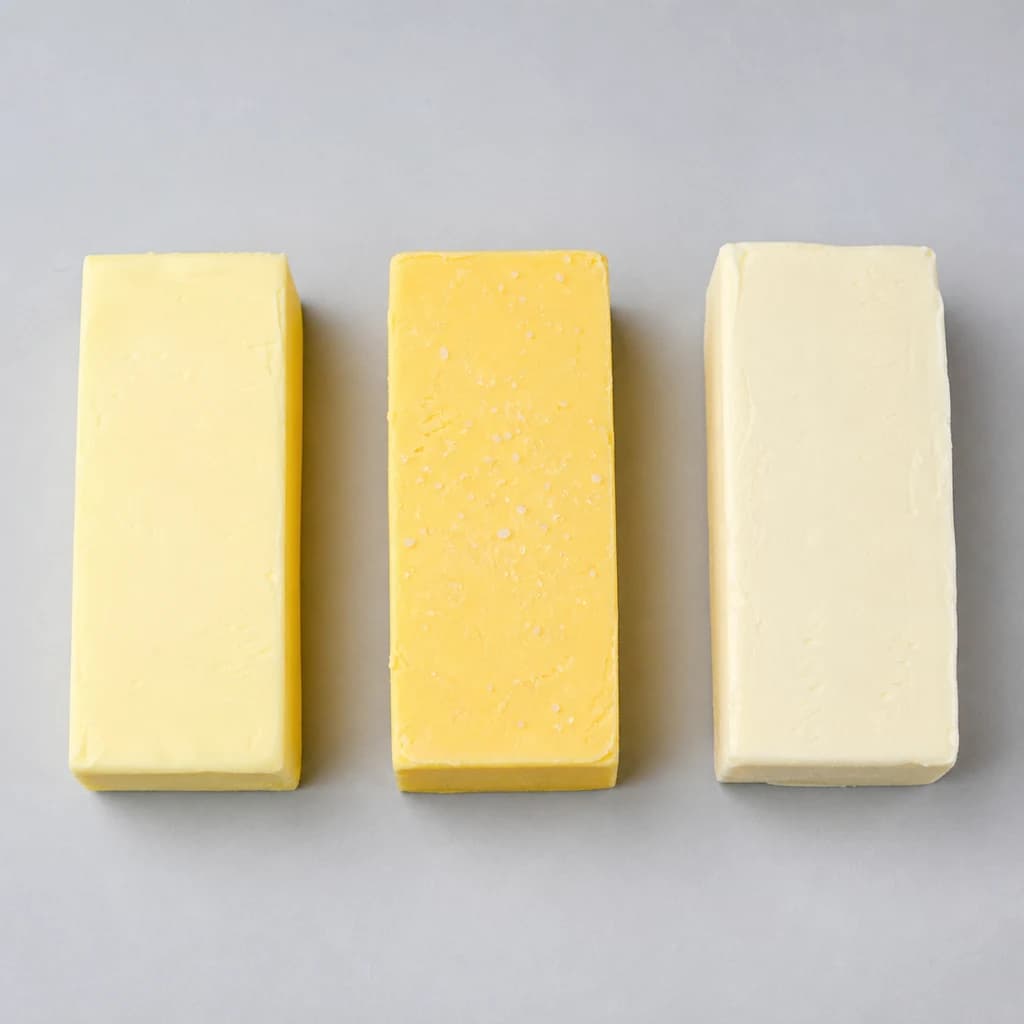
Butter
Golden fat for searing, baking, and finishing a sauce
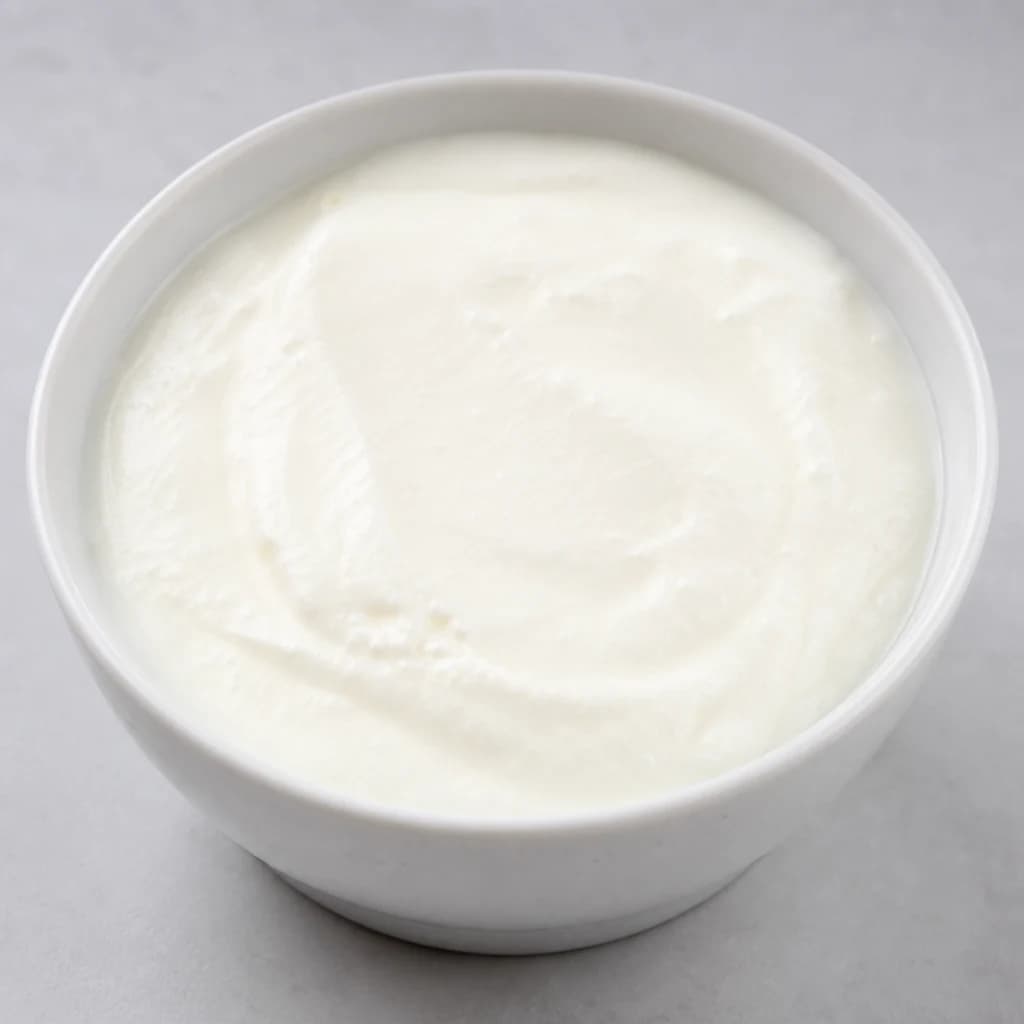
Yogurt
Tangy, creamy culture for breakfast, sauces, and marinades
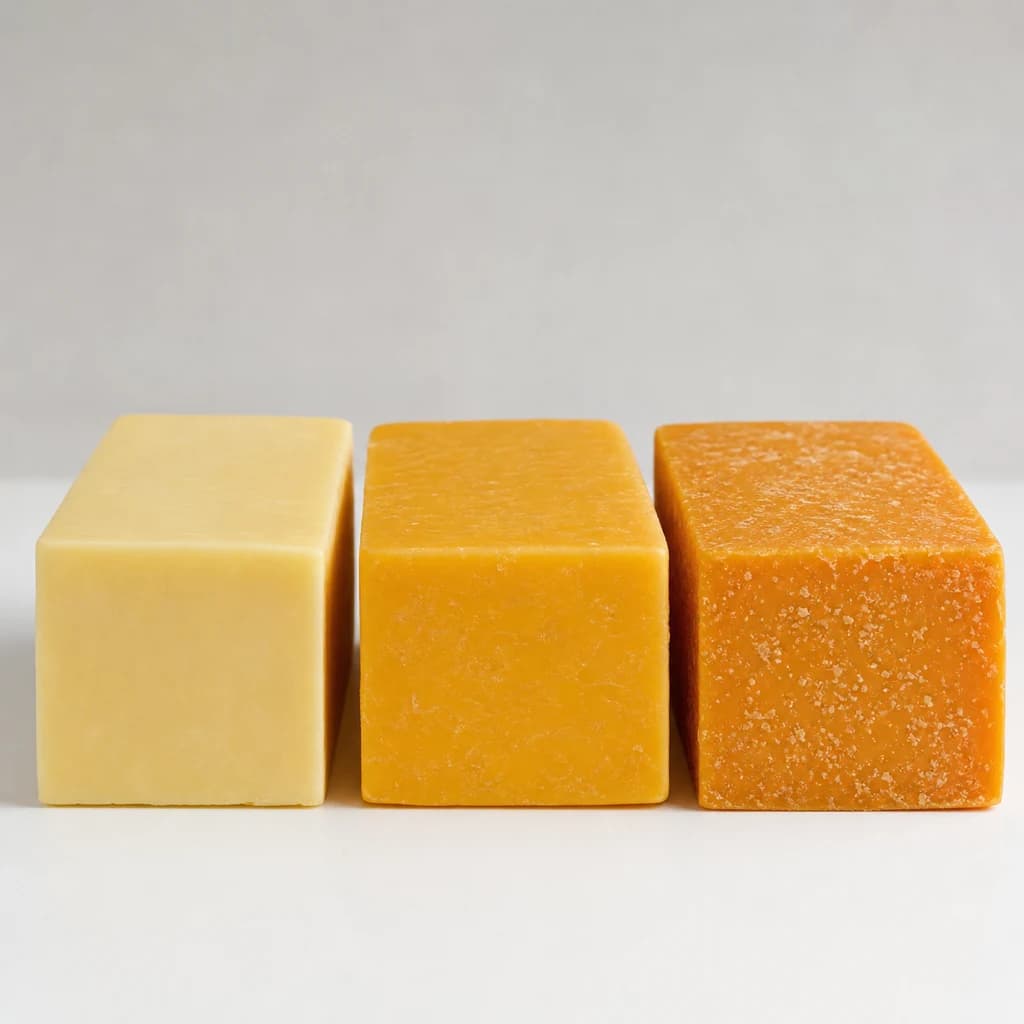
Cheddar Cheese
Sharp, melty cheese for sandwiches, gratins, and grating
Skim Milk
Fat-free milk for lighter drinking, coffee, and cooking
Heavy Cream
Rich cream that whips, enriches sauces, and sets ganache

Sour Cream
Tangy, thick cream for dolloping, baking, and dips
Mozzarella
Soft, milky cheese that melts into stretchy pizza pulls