Dairy & Eggs
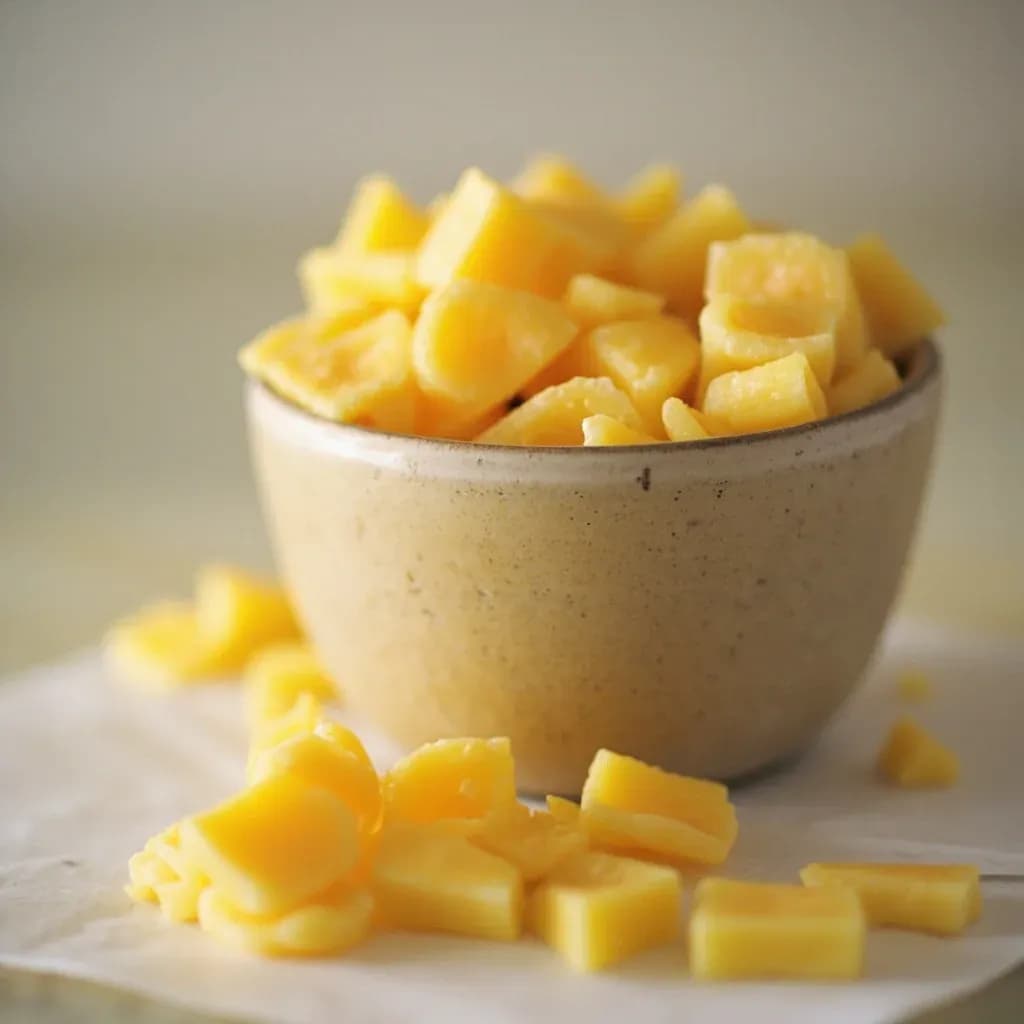
Mohant Cheese
Pungent fermented Slovenian cheese with a strong aroma, eaten in tiny amounts spread on bread.
Mohant is a traditional Slovenian fermented cheese from the Bohinj region, known for its sharp, pungent smell and intensely spicy, salty taste. It is made by fermenting leftover or low-quality curd into a soft, creamy paste. It is eaten sparingly, spread on bread, sometimes with onions, and is a protected regional specialty.
Mohant is a ferociously pungent fermented cheese from the Upper Carniola (Gorenjska) region of Slovenia, produced primarily around Bohinj Lake. It belongs to the washed-rind family, which means its reddish-brown rind is periodically scrubbed during aging, a process that encourages specific bacteria to develop and creates the cheese's signature intense aroma. The cheese is made from full-fat cow's milk, traditionally raw, and aged a minimum of 60 days in wooden barrels or stone containers — contact with these materials contributes distinctive characteristics that industrial aging cannot replicate.
Mohant is not a snack cheese. It is a condiment, used in amounts akin to a strong blue cheese crumbled into a salad: a thin scrape on bread is sufficient to deliver its full impact. The PDO protection covers specific traditional methods in the Bohinj area, including seasonal Alpine pasturing when available. The smell — often compared to aged Limburger — is not a flaw but a hallmark of quality and authenticity; it will mellow slightly once the cheese airs, but make no mistake: this is a cheese that demands respect and restraint. Its name likely derives from the German "Mönch" (monk), reflecting possible monastic origins of Alpine cheesemaking.
- Measured in
- g
- Storage
- Fridge
Allergens
Types & varieties
The primary named variety from the Bohinj Lake area; the standard against which all others are measured. Most commonly found outside Slovenia.
Traditional method using wooden barrels; the wood contact and sometimes-added spirits (brandy or juniper spirit) impart distinctive characteristics not found in other aging vessels.
Alternative traditional method used in some mountain dairies; produces a slightly different texture and flavor development from the mineral contact.
The condiment principle
Mohant is emphatically not a cheese for general snacking or serving in chunks. In Slovenian Alpine cuisine it functions as a flavoring agent, spread onto bread the way one might use a strong mustard or a concentrated paste. A typical serving is a scrape of cheese across a slice of dark rye, perhaps with a smear of butter to help distribute it evenly. Understanding this role is essential: approaching Mohant as you would a cheddar or gouda will lead only to disappointment and waste. Use it to season bread, not to fill up on.
- Treat Mohant like a condiment, not a main cheese course
- One thin scrape per slice of bread is sufficient
- The cheese is meant to flavor bread, not dominate it
Working with the aroma
The intensely pungent smell that hits you when you open Mohant is produced by the washed-rind fermentation — specific bacteria create strong-smelling compounds as the cheese ages. This aroma is the cheese's defining characteristic and should be understood as a quality marker, not a sign of spoilage. When you first unwrap the cheese it may seem overwhelming; let it sit at room temperature for 20–30 minutes and the smell will open up and become more complex. However, this same aroma will readily transfer to other foods in your refrigerator if stored improperly — always wrap Mohant tightly in multiple layers of plastic wrap or place it in a sealed container.
- Airing the cheese at room temperature improves the aroma complexity
- Strong smell upon opening is normal and expected
- Store separately to prevent flavor transfer to other foods
Common uses
Tips & pitfalls
- A little goes a very long way — start with a thin scrape on bread, not a slice or cube. You can always add more.
- Bring to room temperature for 20–30 minutes before serving to let the full aromatic profile develop.
- Always spread it with a knife onto bread; never cube or slice it as you would a firm cheese like cheddar.
- Store tightly wrapped in plastic wrap or in a sealed container — the aroma will dominate your refrigerator otherwise.
- If the smell seems overpowering when you first open it, this is completely normal; it will mellow slightly as it airs.
- Do not substitute milder cheeses if authenticity is the goal — the pungency is the defining characteristic and the entire point.
- The cheese continues to intensify with further aging if kept properly refrigerated, so buy only what you will use within a few weeks.
- If using in cooking, add it only at the end — prolonged heat destroys the delicate aromatic compounds that make it distinctive.
Nutrition
Energy
1628 kJ · per 100 g
Where the calories come from
Protein
25.6g
51% DV
Carbs
1.6g
1% DV
Fat
31.1g
40% DV
Fiber
0g
0% DV
Sugars
1.6g
of which
Sodium
800mg
35% DV
Source · USDA FoodData Central · approx. Cheese, fontina
View on FDC →In the shops
Matched grocery products
No matched grocery products for Mohant Cheese yet.
Good to know
- Origin
- Upper Carniola (Gorenjska), Slovenia, particularly the Bohinj region — PDO protected
- Milk Type
- Cow's milk, traditionally raw, full-fat; 40–45% fat in dry matter
- Category
- Fermented washed-rind semi-hard to soft cheese
- Aging
- Minimum 60 days; traditionally in wooden barrels or stone containers
- Rind
- Reddish-brown, washed; develops characteristic pungency
- Texture
- Semi-hard when young; becomes soft and spreadable when fully ripe
- Shelf Life
- 4–6 weeks refrigerated after opening, well-wrapped
- Traditional Serving
- Always spread thinly; never cubed or sliced
Substitutes
- Aged Limburger — The closest match for both flavor and intensity; Belgian or German Limburger shares the pungent washed-rind character and soft texture when ripe.
- Strong aged Münster — French or German Münster has similar aromatic intensity and becomes soft and spreadable when fully ripe.
- Taleggio — Italian washed-rind cheese with strong aroma and soft texture; slightly less pungent but in the same family of pungent, complex cheeses.
- Gorgonzola piccante — Italian blue with comparable intensity; the pungency comes from mold rather than washed-rind bacteria, but the strength level is similar.
- Aged cheddar (18+ months) — Only for matching the strong flavor intensity; the texture and style are very different from Mohant's spreadable washed-rind character.
Pairs with
Also called
mohant · mohant cheese
Related

Whole Milk
Rich, full-fat milk for drinking, coffee, sauces, and baking
Butter
Golden fat for searing, baking, and finishing a sauce
Yogurt
Tangy, creamy culture for breakfast, sauces, and marinades
Cheddar Cheese
Sharp, melty cheese for sandwiches, gratins, and grating
Skim Milk
Fat-free milk for lighter drinking, coffee, and cooking
Heavy Cream
Rich cream that whips, enriches sauces, and sets ganache

Sour Cream
Tangy, thick cream for dolloping, baking, and dips
Mozzarella
Soft, milky cheese that melts into stretchy pizza pulls