Dairy & Eggs
Taleggio
Italian washed-rind cow's-milk cheese, pungent in aroma but mild and fruity-tangy on the palate.
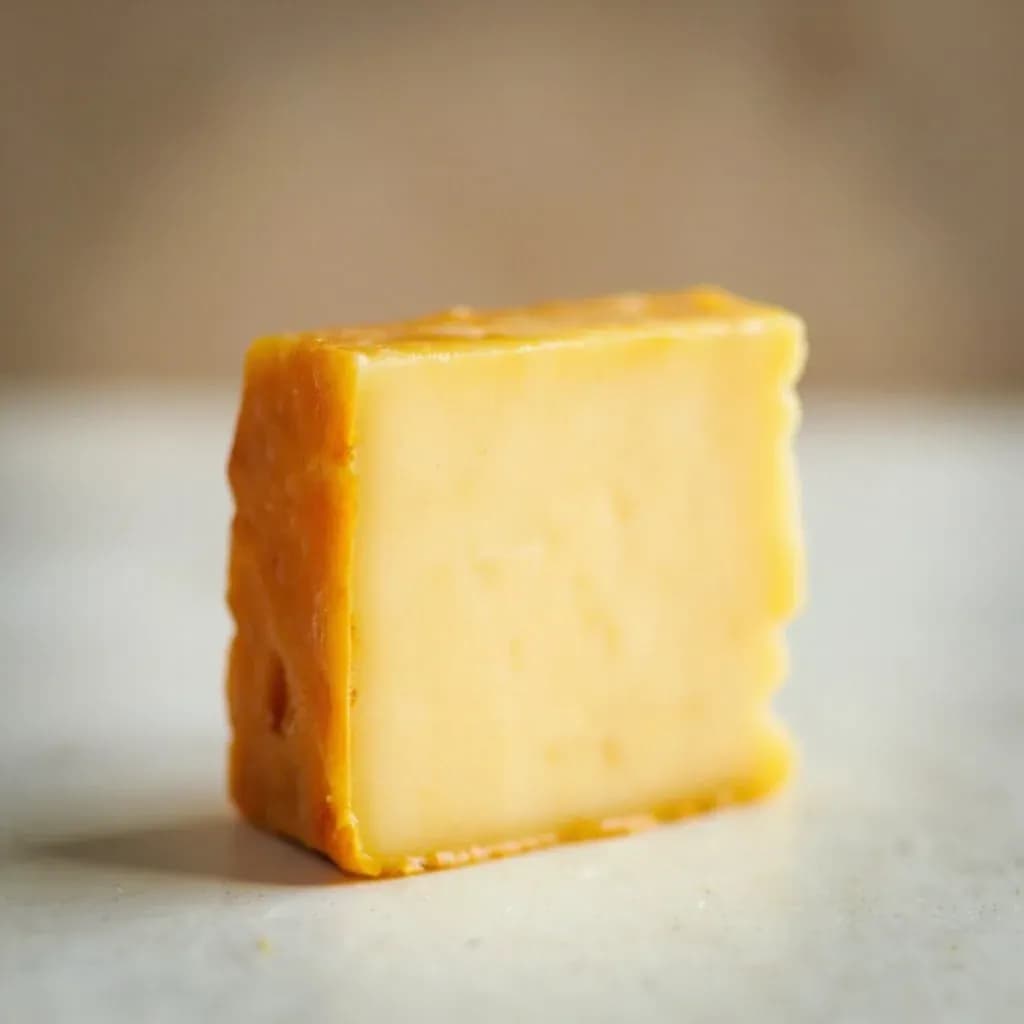
Taleggio is a semi-soft Italian cow's-milk cheese from Lombardy with a thin orange washed rind and a smooth, supple interior. Its smell is strong and earthy, but the flavor is surprisingly mild, buttery, and tangy-fruity. It is eaten on bread, melted onto polenta, or used in risotto and gratins.
Taleggio is a washed-rind soft cheese from the mountainous Val Taleggio region of Lombardy, where it has been produced since at least the 13th century. The cheese is made from whole cow's milk—historically from cattle grazing on alpine pastures in autumn and winter, when the milk carries higher fat content—then washed with brine during aging to encourage Brevibacterium linens bacteria, which give the rind its characteristic orange-pink to reddish-brown color and the cheese its pungent, earthy aroma. Despite that formidable smell, the interior offers a surprising gentleness: properly ripened Taleggio has a pale straw-yellow paste that spreads almost like cream, with a flavor that balances fruity tang, light saltiness, and a subtle meaty, mushroomy depth.
The cheese holds Protected Designation of Origin status (DOP) under EU law, which mandates production within defined provinces of Lombardy and Piedmont using traditional methods. The rectangular loaves, typically weighing 500 g to 1 kg, must age for a minimum of 35 days, although cheeses sold at 6 to 10 weeks show the best balance of texture and flavor. Longer aging produces the stagionato variety, which develops a more intense aroma, crystalline pockets, and a firmer, more complex paste. Taleggio's high moisture content—45 to 52 percent when ripe—makes it exceptionally suited to melting, which is why it appears as a foundational ingredient in classic Lombard dishes like risotto, polenta taragna, and numerous pasta preparations.
- Measured in
- g
- Storage
- Fridge
Allergens
Types & varieties
The standard protected designation; must meet strict production requirements in defined Lombardy and Piedmont provinces
Made exclusively with whole milk rather than partially skimmed; produces a richer, more buttery flavor profile
Extra-aged version at 60+ days; more pungent aroma, crystalline texture, deeper orange rind; sometimes brushed with grappa
Common uses
Tips & pitfalls
- Bring Taleggio to room temperature at least 30–45 minutes before serving or cooking; cold cheese has muted flavor and poor melting properties
- Test ripeness by pressing gently: the interior should yield easily and spring back slowly with a slight indentation remaining
- Wash the rind briefly under warm running water if it becomes excessively sticky or develops unwanted mold, then pat completely dry
- When melting into hot dishes, add the cheese just before removing from heat; overcooking renders it greasy and grainy
- Reject cheeses with a strong ammonia smell—this indicates overripeness or poor storage; a faint ammonia hint is acceptable and signals ripeness
- The rind is fully edible and contributes complexity; only remove it if a recipe specifies or if the texture is genuinely unpleasant
- If the interior is overly liquid, the cheese is past its prime for raw serving—use it immediately in cooked preparations instead
- Purchase from sources with rapid turnover; specialty cheese shops typically stock fresher product with better aging profiles than supermarkets
- Never freeze Taleggio; ice crystals destroy the delicate texture, leaving the cheese grainy and watery upon thawing
Nutrition
Nutrition
No USDA FoodData Central match for Taleggio yet. We surface a per-100 g profile once a generic whole-food entry is matched and verified.
In the shops
Matched grocery products
No matched grocery products for Taleggio yet.
Good to know
- Origin
- Val Taleggio, Lombardy, Italy (Valle Brembana)
- Milk
- Whole cow's milk; best from autumn–winter production when cows eat hay and silage
- Type
- Washed-rind, soft cheese with high moisture (45–52%)
- PDO Status
- Denominazione di Origine Controllata e Garantita since 1988
- Aging
- Minimum 35 days; typical 6–10 weeks; stagionato version aged 60+ days
- Rind
- Thin, sticky, orange-pink to reddish-brown from brine washing during aging; edible
- Interior
- Pale straw-yellow, soft and spreadable when ripe, with small irregular eyes
- Shape
- Rectangular loaf, approximately 20 × 15 × 7 cm; weight 500 g–1 kg
Substitutes
- Gorgonzola dolce — Softer and creamier with milder flavor when young; acceptable for melting applications but lacks Taleggio's distinctive fruity tang
- Stracchino — Very similar texture and mildness; produced in Lombardy; lower intensity but excellent melting cheese for cooked dishes
- Fontina Val d'Aosta — Excellent melting cheese with nutty flavor; less pungent aroma; best reserved for cooked applications rather than raw serving
- Reblochon — French washed-rind cheese with similar orange rind and melting quality; slightly sweeter profile
Pairs with
Also called
taleggio
Related

Whole Milk
Rich, full-fat milk for drinking, coffee, sauces, and baking
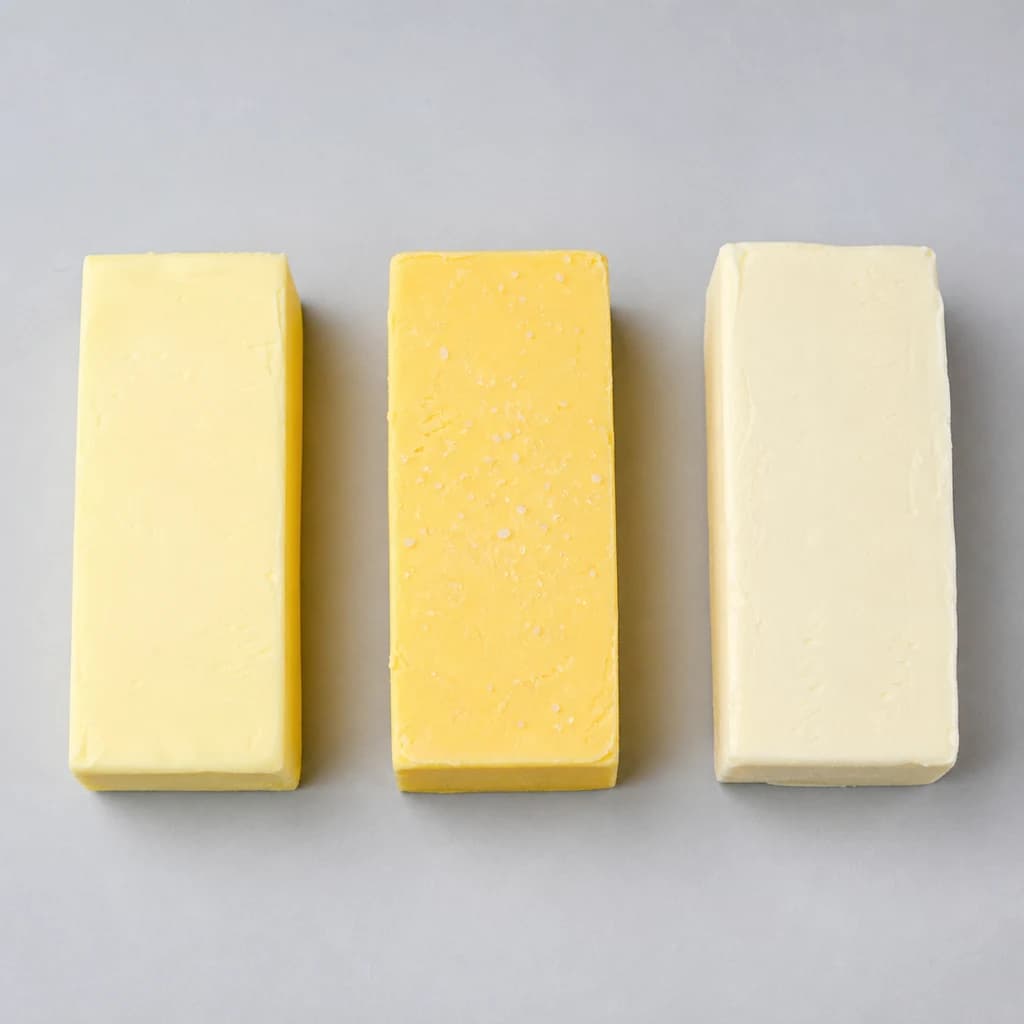
Butter
Golden fat for searing, baking, and finishing a sauce
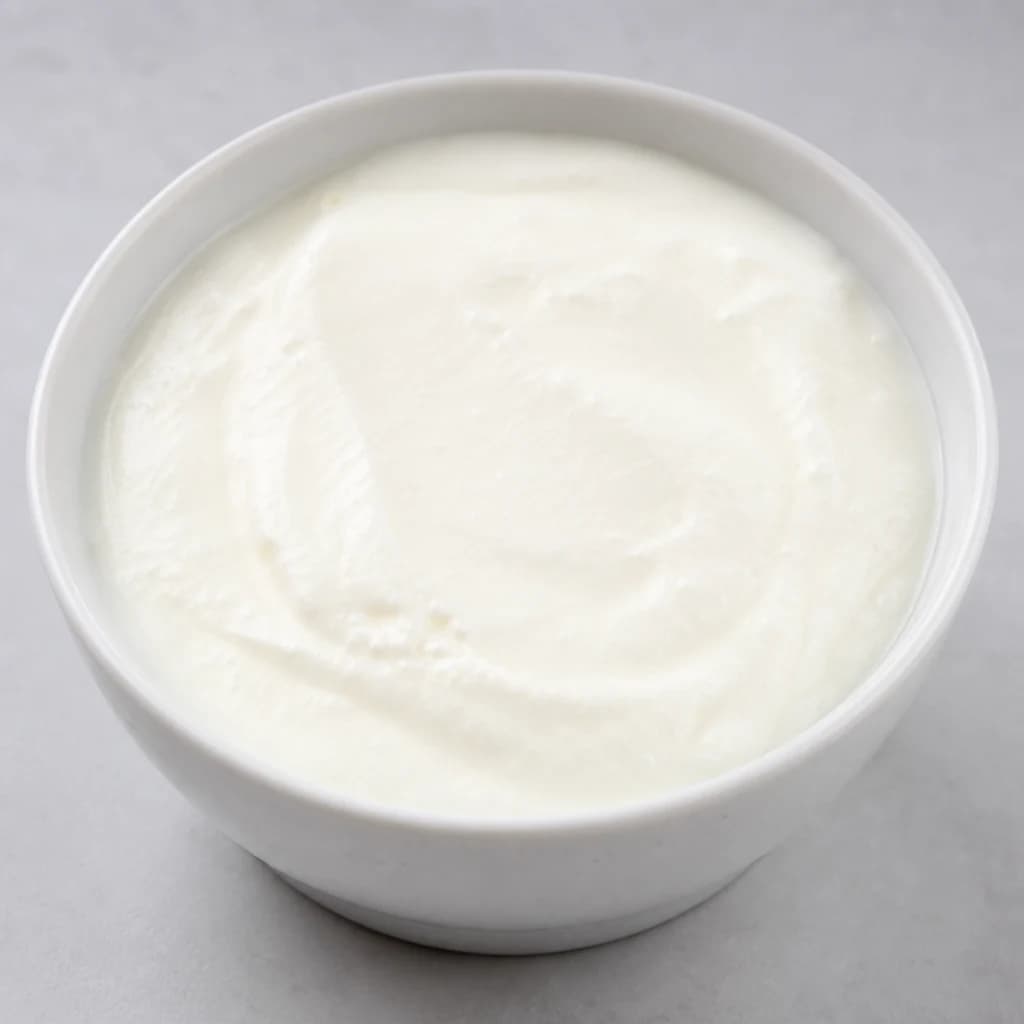
Yogurt
Tangy, creamy culture for breakfast, sauces, and marinades
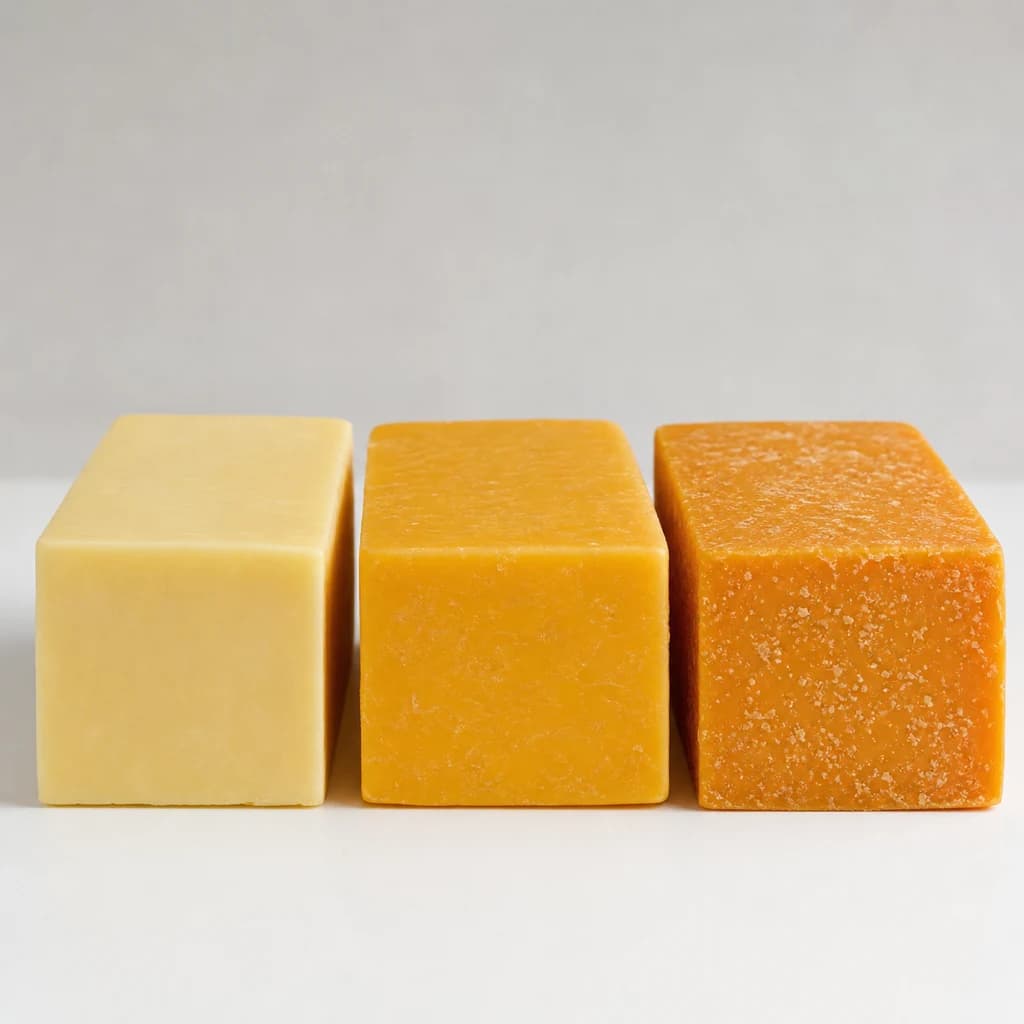
Cheddar Cheese
Sharp, melty cheese for sandwiches, gratins, and grating
Skim Milk
Fat-free milk for lighter drinking, coffee, and cooking
Heavy Cream
Rich cream that whips, enriches sauces, and sets ganache

Sour Cream
Tangy, thick cream for dolloping, baking, and dips
Mozzarella
Soft, milky cheese that melts into stretchy pizza pulls