
Natural form
Moringa branch with clusters of small rounded leaves still attached to delicate stems.
Shows the unmistakable pinnate leaf structure, leaf size, and fresh green color that define moringa in its harvested state.
Produce
Moringa Leaves (Malunggay)
Nutrient-dense drumstick-tree leaves used in soups and stews across Asia and Africa.
Moringa leaves come from the fast-growing drumstick tree and are a highly nutritious leafy green used across South Asia, Southeast Asia, and Africa. In the Philippines they are called malunggay and added to soups like tinola; elsewhere they go into dals, curries, and stews. The small leaves have a mild, slightly bitter, spinach-like taste.
Moringa leaves are the edible foliage of the Moringa oleifera tree, a fast-growing evergreen species native to the Himalayan foothills of northern India and now cultivated throughout the tropics. The leaves are small, oval, and bright green, arranged pinnately on tender stems. Their flavor is mildly peppery and grassy raw, with a slight bitterness that softens dramatically when cooked, becoming more spinach-like while retaining an earthy, neutral character. They darken to olive-green or brown depending on cooking time and method.
Nutritionally, moringa leaves are exceptionally concentrated for a leafy green — rich in vitamins A, C, and B6, iron, calcium, potassium, and protein — which explains their importance in food-insecure regions where they've long been a dietary staple. In the kitchen, the distinction between young and mature leaves matters: tender young growth at branch tips has the mildest flavor and can be used raw in salads, while more mature leaves are better cooked. When heated, moringa behaves like other delicate greens but has a greater tendency toward a slightly mucilaginous texture if overcooked, which is why it is almost always added in the final minutes of cooking.
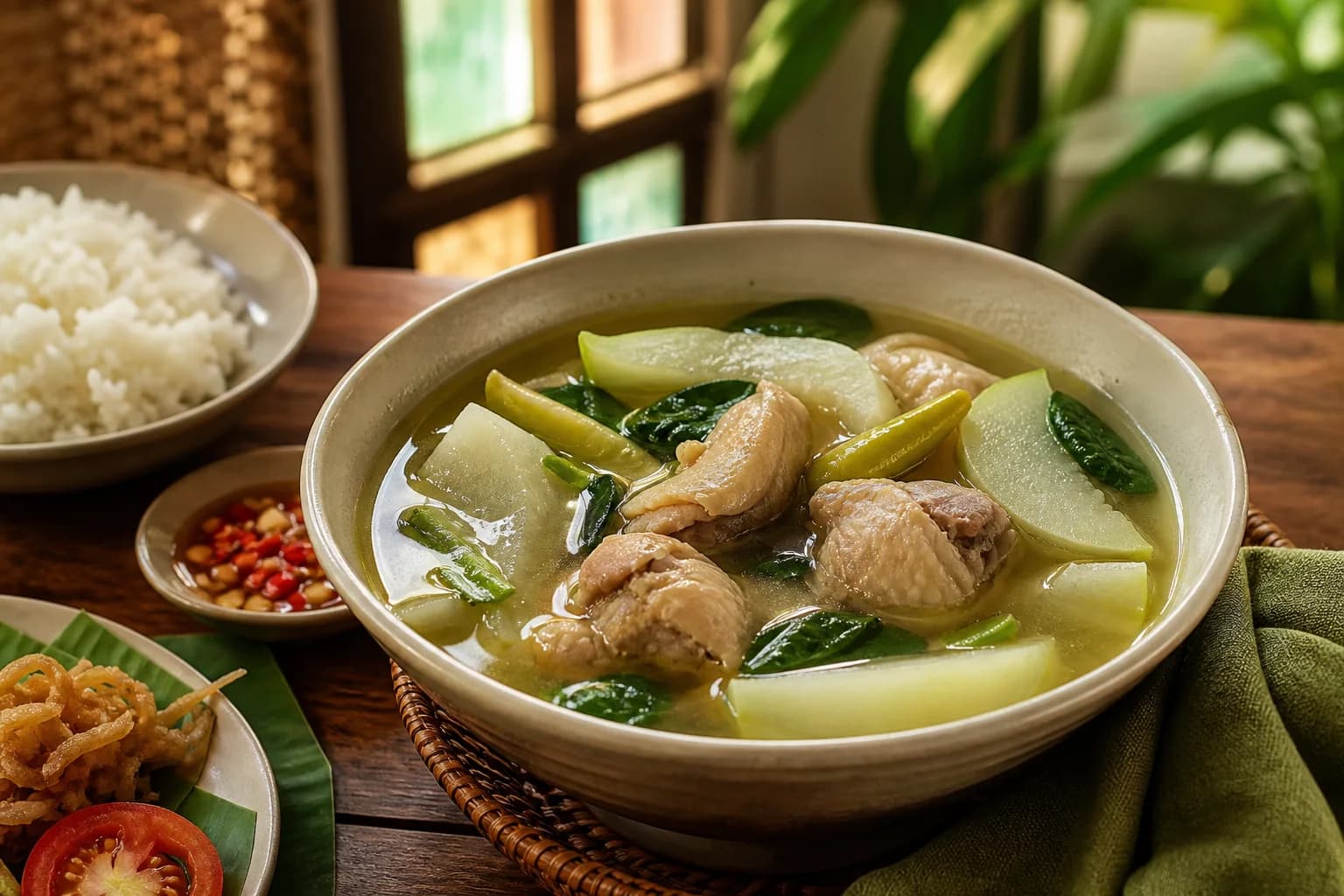
While the drumstick pods of the moringa tree have gained international recognition, the leaves are far more nutrient-dense and form the backbone of traditional cooking across South and Southeast Asia, East Africa, and the Caribbean. In the Philippines, moringa — called malunggay — is so embedded in everyday cooking that a tinola without it is considered incomplete by many home cooks. In Tamil Nadu, murungai keerai is cooked as a poriyal alongside palak and vendaya keerai. Sri Lanka, Thailand, and East Africa each have their own established traditions. This breadth of use reflects not just nutritional value but genuine culinary versatility.
- Measured in
- g
- Storage
- Fridge
Types & varieties
The most widely cultivated species globally; mildest flavor, dominant in Asian cuisines
African Moringa; slightly broader leaves, more bitter raw, traditional in Ethiopian and Kenyan cooking
High-yielding Indian cultivar bred specifically for leaf production; same species but optimized for harvest frequency
Fresh, Dried, and Powdered: Choosing a Form
Moringa is sold in three main forms, each with distinct characteristics and best uses. Fresh leaves — either sold on the stem or stripped — offer the most vibrant color and the brightest, cleanest flavor. They last only 2–3 days refrigerated but freeze well for several months. Dried whole leaves are preferable to powder for cooking: they hold their flavor better and degrade more slowly, lasting up to a year in an airtight container in a cool, dark place. Note the yield difference — 1 cup fresh equals roughly ¼ cup dried whole leaves, so adjust quantities accordingly. Moringa powder is most useful for smoothies, juices, and health drinks where a grassy nutritional boost is welcome, but it is far more concentrated than fresh or dried leaves and can introduce a pronounced bitter, vegetal flavor in quantity. In savory cooking, start with ¼ to ½ teaspoon per serving and build up.
- Fresh leaves: best color, brightest flavor, shortest shelf life
- Dried whole leaves: best for soups, stews, and sautéed dishes
- Powder: best for smoothies and nutritional supplements; use sparingly in cooking
Young vs. Mature: Harvesting Your Leaves
The distinction between young and mature leaves directly affects flavor and usability. Young leaves at the tender branch tips are mild and suitable for raw applications — salads, garnish, or adding directly to finished dishes. Mature leaves further down the stem are more intensely flavored, often with increased bitterness, and are better suited to cooking. When stripping leaves from fresh stems — which you should always do, since woody stems remain fibrous even after extended cooking — the youngest leaves come from the outermost tips. In markets, look for bright green leaves without yellowing or wilting. If you are growing your own, harvest from the tips of branches for the mildest flavor.
- Young leaves: mild, suitable raw
- Mature leaves: more bitter, best cooked
- Always strip leaves from woody stems — stems are fibrous and unpleasant
Common uses
Tips & pitfalls
- Add fresh leaves only in the last 1–2 minutes of cooking; overcooking turns them olive-dark and slightly mucilaginous.
- Strip leaves from woody stems before cooking — stems are fibrous and remain bitter even after prolonged cooking.
- Young, tender leaves at branch tips have the mildest flavor; older leaves further down the stem are more bitter and better suited to cooked dishes.
- Raw mature leaves can cause mild digestive upset in some people; start with young leaves in raw applications and test your tolerance.
- Lightly blanching (30 seconds in boiling water, then an ice bath) preserves bright color and firm texture for cold preparations like salads.
- Dried moringa powder is potent — use ¼ to ½ teaspoon per serving in smoothies or soups; the flavor concentrates significantly when cooked.
- Freeze fresh leaves spread on a tray until solid before bagging to prevent clumping and preserve color better than freezing in a block.
- Moringa leaves brown quickly when cooked with acidic ingredients like tomatoes or tamarind; add the leaves after the acid has already softened into the dish.
Nutrition
Energy
268 kJ · per 100 g
Where the calories come from
Protein
9.4g
19% DV
Carbs
8.3g
3% DV
Fat
1.4g
2% DV
Fiber
2g
7% DV
Sodium
9mg
0% DV
Source · USDA FoodData Central · Drumstick leaves, raw
View on FDC →In the shops
Matched grocery products
No matched grocery products for Moringa Leaves (Malunggay) yet.
Good to know
- Botanical name
- Moringa oleifera
- Origin
- Native to northern India; now cultivated pan-tropically in South Asia, Southeast Asia, East Africa, and the Caribbean
- Flavor (raw)
- Mildly peppery, grassy, slightly bitter
- Flavor (cooked)
- Spinach-like, earthy, neutral; darkens with extended cooking
- Forms available
- Fresh (whole or stripped), dried whole leaves, dried powder, frozen
- Fresh storage
- Refrigerated loosely wrapped, 2–3 days; freeze for several months
- Yield
- 1 cup fresh ≈ 1 cup cooked; 1 cup fresh ≈ ¼ cup dried whole leaves
- Common names
- Malunggay (Philippines), Murungai (Tamil Nadu), Saijan (West Africa), Drumstick leaves (Sri Lanka)
Substitutes
- Baby spinach — Most similar in texture and neutral green flavor; use 1:1 and add in the last minutes of cooking
- Kale — Sturdier texture; remove center ribs and massage raw or sauté briefly; slightly earthier flavor
- Collard greens — Mild flavor with sturdy texture; shred and cook slightly longer than spinach to soften
- Swiss chard — Similar mild earthiness; cook stems separately; leaves wilt quickly and cook down fast
- Amaranth leaves — Common substitute in Indian and Filipino cooking; slightly more peppery than moringa
Pairs with
Also called
Malunggay · Drumstick Leaves · Moringa · Sahjan Leaves
Appears in these dishes
Related
Tomato
Juicy, sun-sweet fruit for sauces, salads, and slow-cooked depth
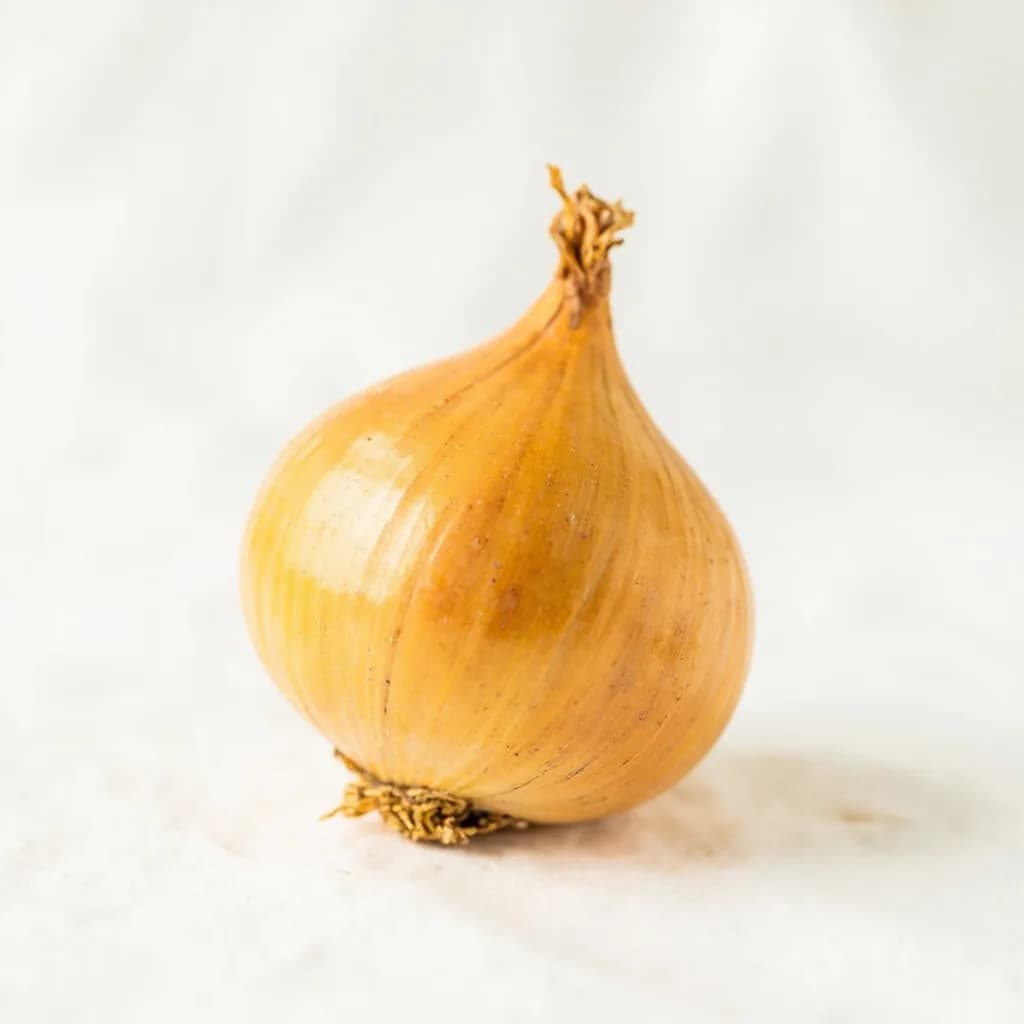
Yellow Onion
The aromatic backbone of soups, sofritos, and braises
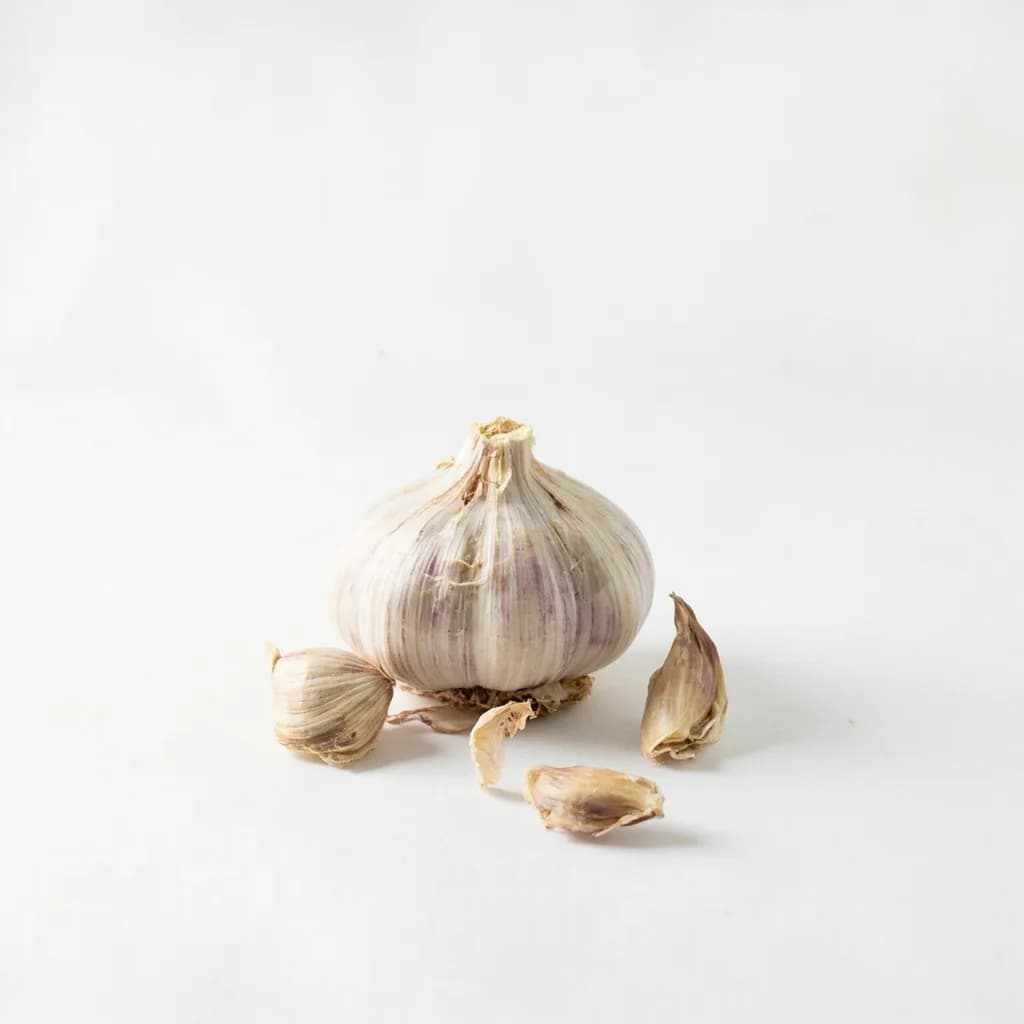
Garlic
Pungent cloves that perfume nearly every savory dish
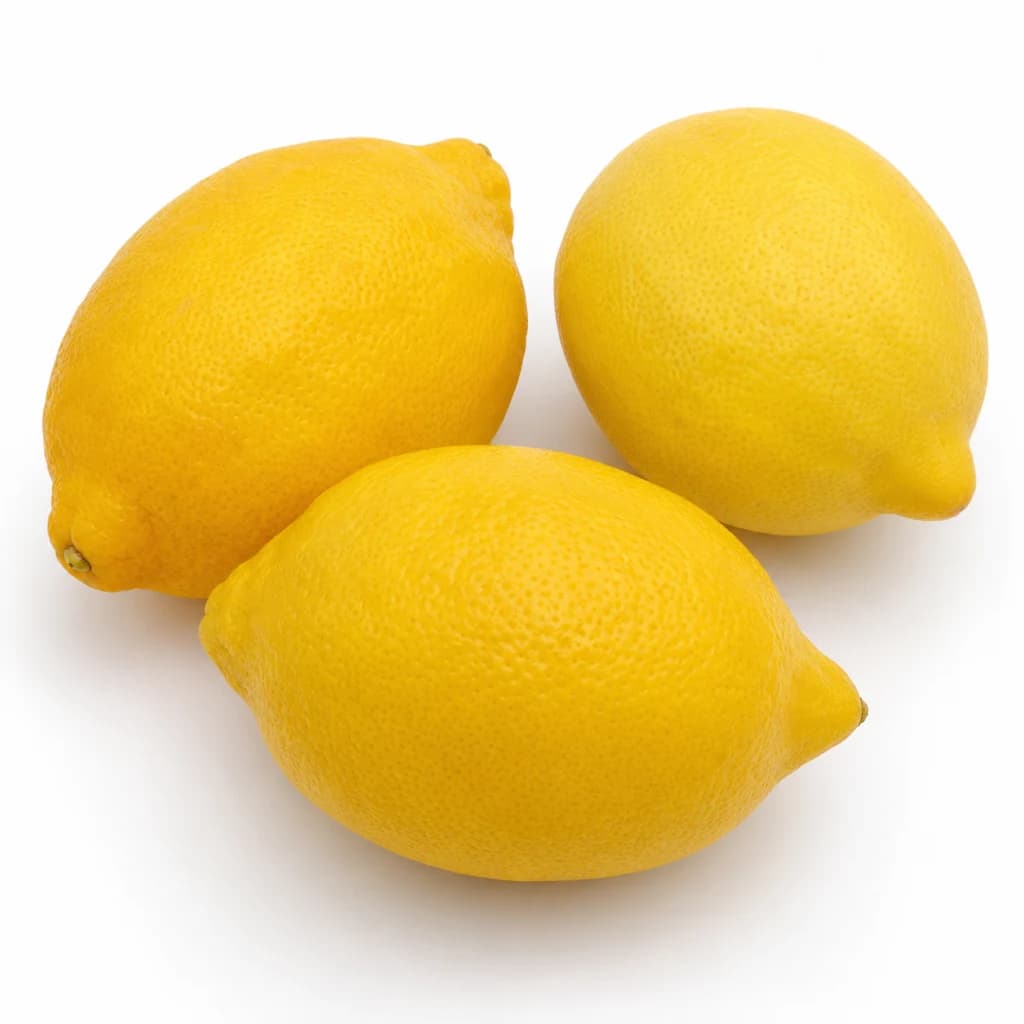
Lemon
Bright, acidic citrus that wakes up almost any dish
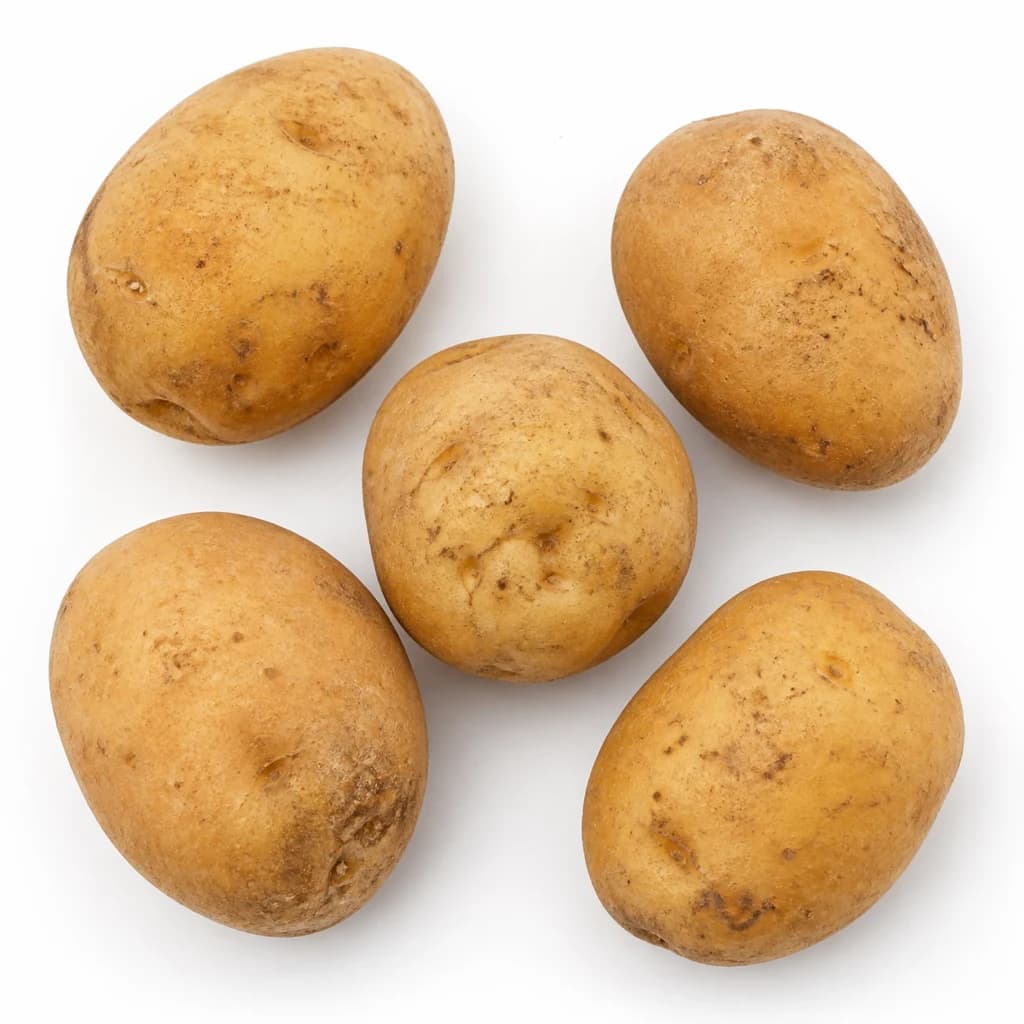
Potato
Humble, hearty staple — roast, mash, fry, or boil
Carrot
Sweet, crunchy root — raw, roasted, or the base of a sofrito
Cucumber
Cool, crisp, and watery — for salads, pickles, and tzatziki

Lettuce
Crisp leaves for salads, wraps, and a fresh crunch