Legumes & Beans
Mung Bean Starch
Fine starch from mung beans used for glass noodles and translucent jellies.
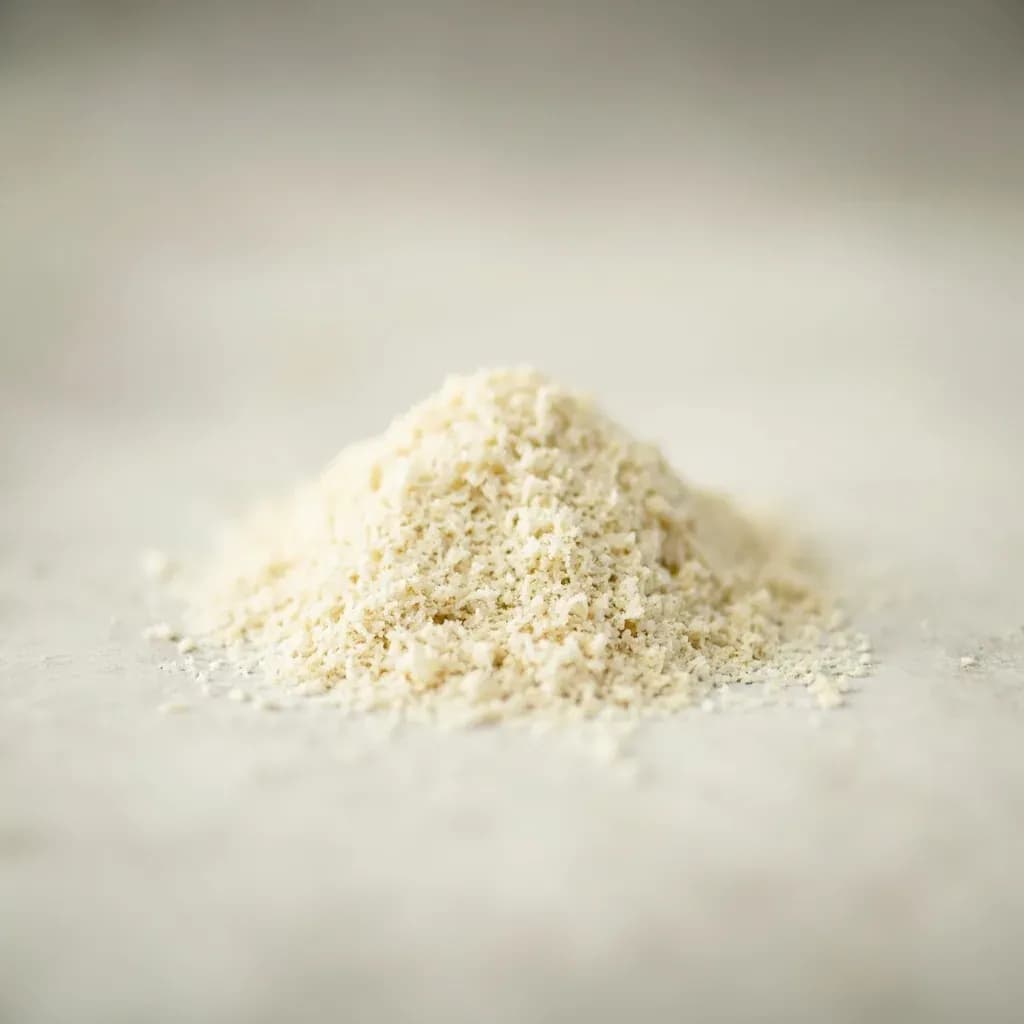
Mung bean starch is a fine white starch extracted from mung beans, valued for the springy, translucent texture it produces. It is the base of cellophane (glass) noodles and Korean and Chinese jellies, and is used as a thickener and coating. When cooked it sets clear and gives a uniquely slippery, chewy bite.
Mung bean starch is the purified starch extracted from mung beans (Vigna radiata), appearing as a fine white powder virtually identical in look to cornstarch or potato starch. What sets it apart is its exceptional clarity when cooked: the starch produces transparent, glassy gels with a firm, slightly elastic bite that no other common starch quite matches. This quality comes from its high amylose content—roughly 30–35%—which drives strong gel formation at relatively modest temperatures (65–70°C). The starch is nearly protein-free (under 0.5%), so it contributes no flavor, color, or competing proteins to a dish. Across East and Southeast Asian cuisines, mung bean starch is the backbone of anything that needs to look translucent: cellophane noodles, dumpling skins, spring roll wrappers, and cold jelly salads. It gelatinizes cleanly, holds its shape well when set, and yields a satisfying chew without becoming rubbery—provided you treat it correctly.
- Measured in
- g
- Storage
- Pantry
Types & varieties
Used for dangmyeon (glass noodles) and kongduk/bukkumi dumplings. Standard grade for banchan and jeotgal.
The primary starch for fen si (cellophane noodles), spring roll skins, and 沪/浙/闽 cuisine preparations.
Used in bánh da lợn, bánh gối, and various steamed cakes. Often blended with tapioca starch.
Traditional harusame noodles. Modern products may blend mung bean with potato or tapioca starch.
Pre-gelatinized or sheet forms sold in Korean markets for immediate use in desserts.
Starch vs. Flour: A Critical Distinction
Mung bean starch must not be confused with mung bean flour (绿豆粉), which retains the bean's full protein content and distinctive green color. Flour is used for dense, opaque preparations like Chinese mung bean cakes (gua beng) and Malaysian/Singaporean döng fá gēn. The pure starch is what you need for any application requiring translucency. In Korean markets, true mung bean dangmyeon is labeled 녹말당면 (nokmal dangmyeon) to distinguish it from the more common sweet potato variety. Vietnamese recipes frequently blend mung bean starch with tapioca starch (roughly 70:30) for steamed cakes, trading pure clarity for improved chewiness and economy.
Common uses
Tips & pitfalls
- Always premix with cold water before adding to hot liquids to prevent clumping—never dump directly into boiling water.
- For glass noodles: soak dried noodles in room-temperature water 20–30 minutes, then blanch 1–2 minutes. Overcooking makes them mushy.
- Mung bean starch gels are heat-reversible—they melt if cooked too long after gelatinization. Add only at the end of cooking for thickening.
- Store in airtight containers; the starch absorbs ambient moisture readily, causing lumping and mold.
- For crisp fried coatings: mix 70% mung bean starch with 30% wheat starch or cornstarch for better adhesion and crunch.
- Doughs made solely from mung bean starch become rubbery if overworked—knead minimally and rest 10 minutes before shaping.
- When substituting for other starches in clear gels: use about 20% less mung bean starch than tapioca (it swells more).
- Freezes well once cooked into noodles or skins—thaw and refresh briefly in hot water before use.
Nutrition
Nutrition
No USDA FoodData Central match for Mung Bean Starch yet. We surface a per-100 g profile once a generic whole-food entry is matched and verified.
In the shops
Matched grocery products
No matched grocery products for Mung Bean Starch yet.
Good to know
- Other names
- Green bean starch, Chinese mung bean starch, Korean nokmal (녹말), Vietnamese bột đậu xanh, Japanese ryokutō denpun (绿豆澱粉)
- Source
- Mung beans (Vigna radiata)
- Color/texture when cooked
- Transparent, glassy, glossy gel with a firm, slightly elastic bite
- Amylose content
- High (approximately 30–35%), which drives gel clarity and strength
- Protein content
- Very low, typically under 0.5% (much lower than wheat starches)
- Gelatinization temp
- 65–70°C (149–158°F)
- Physical form
- Fine white powder, similar in appearance to cornstarch or potato starch
- Shelf life
- 2–3 years in airtight container, away from moisture and heat
Substitutes
- Tapioca starch — Closest in clear-gel texture; produces slightly more opaque, softer gel. Use 1:1 ratio but expect textural difference.
- Sweet potato starch — Common Korean substitute for dangmyeon; produces a more elastic, chewier noodle with slight yellow tint.
- Potato starch — Opaquer and softer gel; fine for thickening but unsuitable for true glass-noodle applications.
- Wheat starch — Creates translucent dough for dumpling skins; good for wrapper applications. Not a direct substitute for noodles or thickening.
- Cornstarch — Opaque, not suitable for glass-noodle or clear applications. Only for opaque sauces and fillings.
Pairs with
Also called
Green Bean Starch · Mung Starch
Related
Black Beans
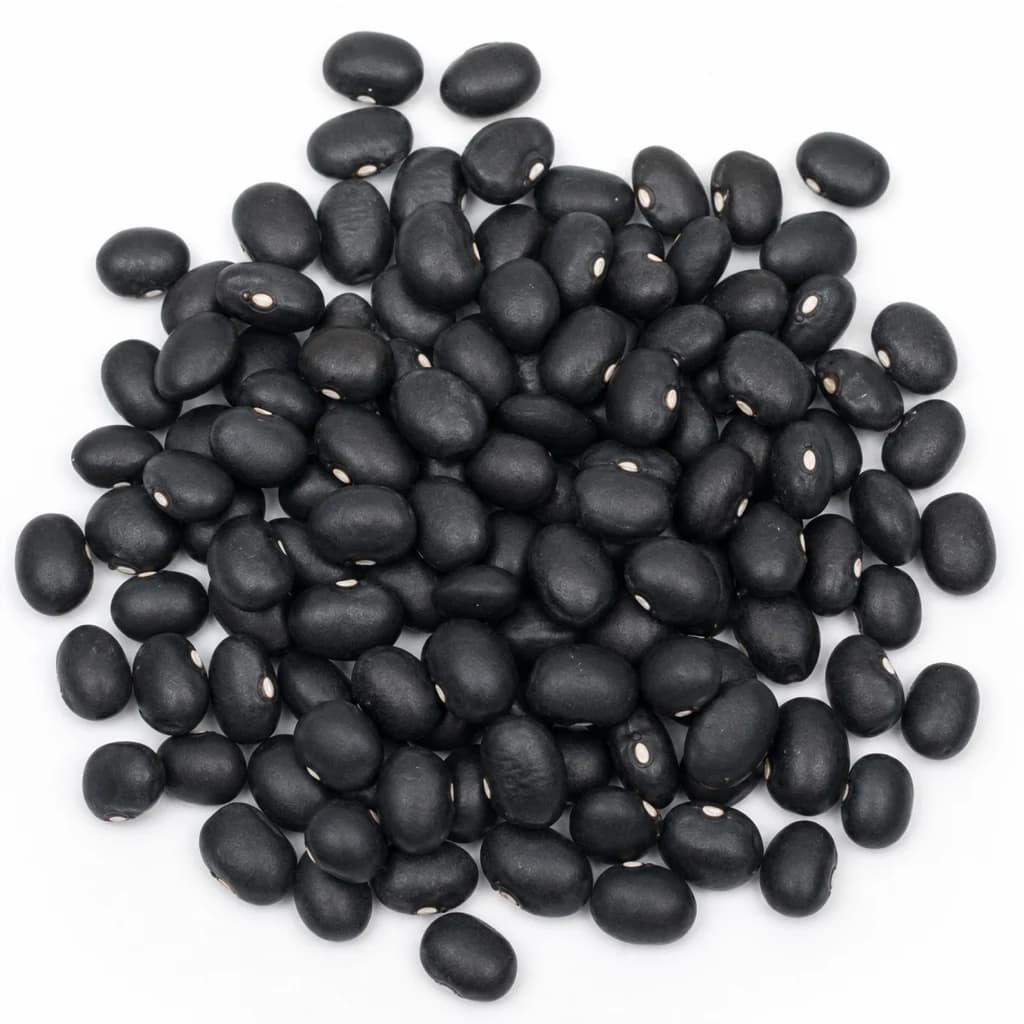
Earthy, creamy beans for bowls, soups, and tacos
Kidney Beans
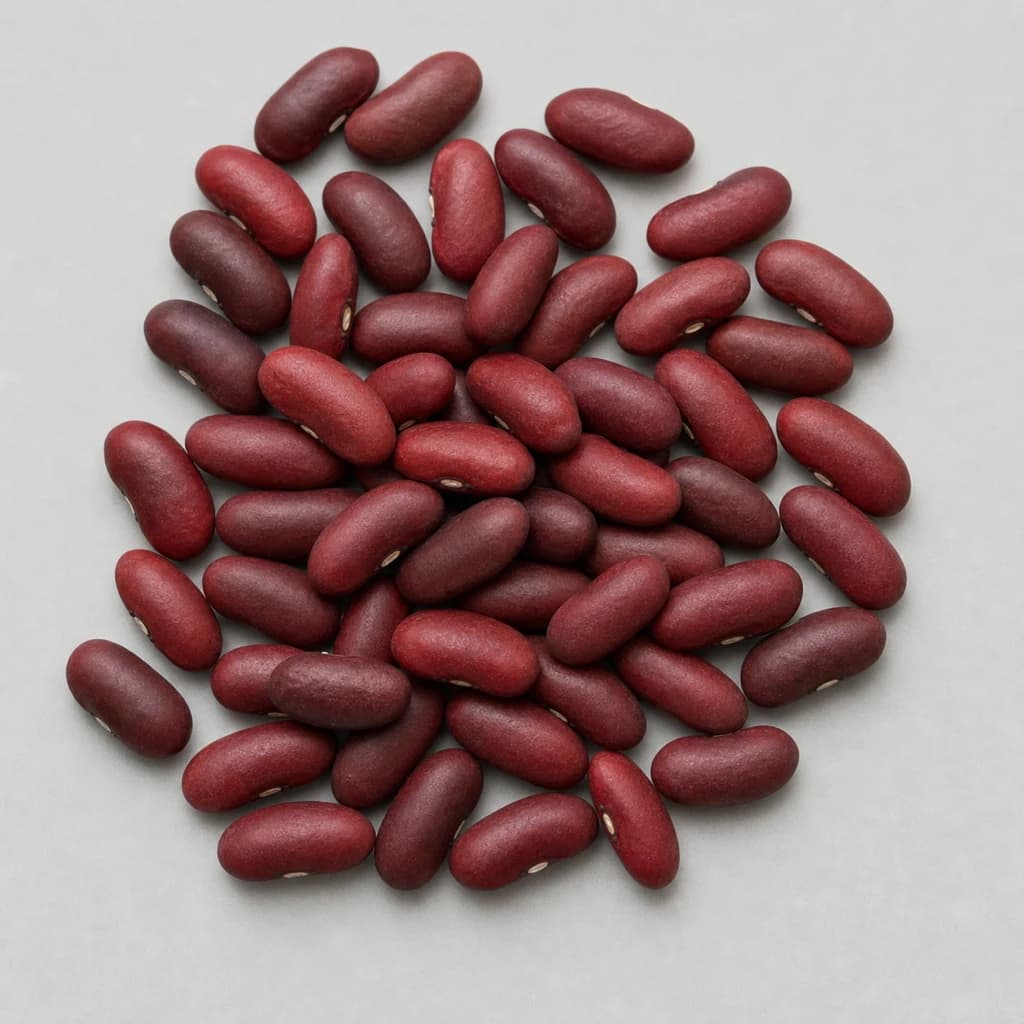
Hearty red beans that hold their shape in chili and stews
Chickpeas
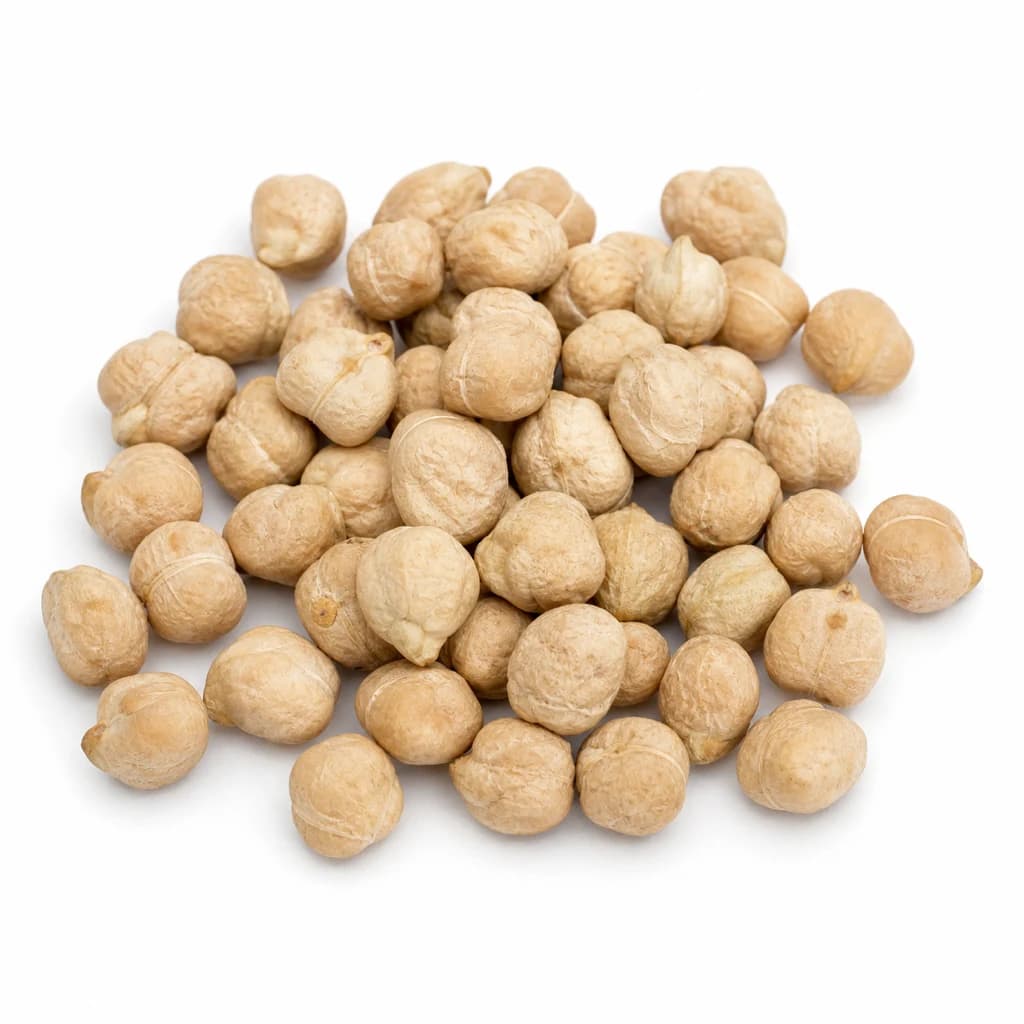
Nutty, versatile beans for hummus, curries, and roasting
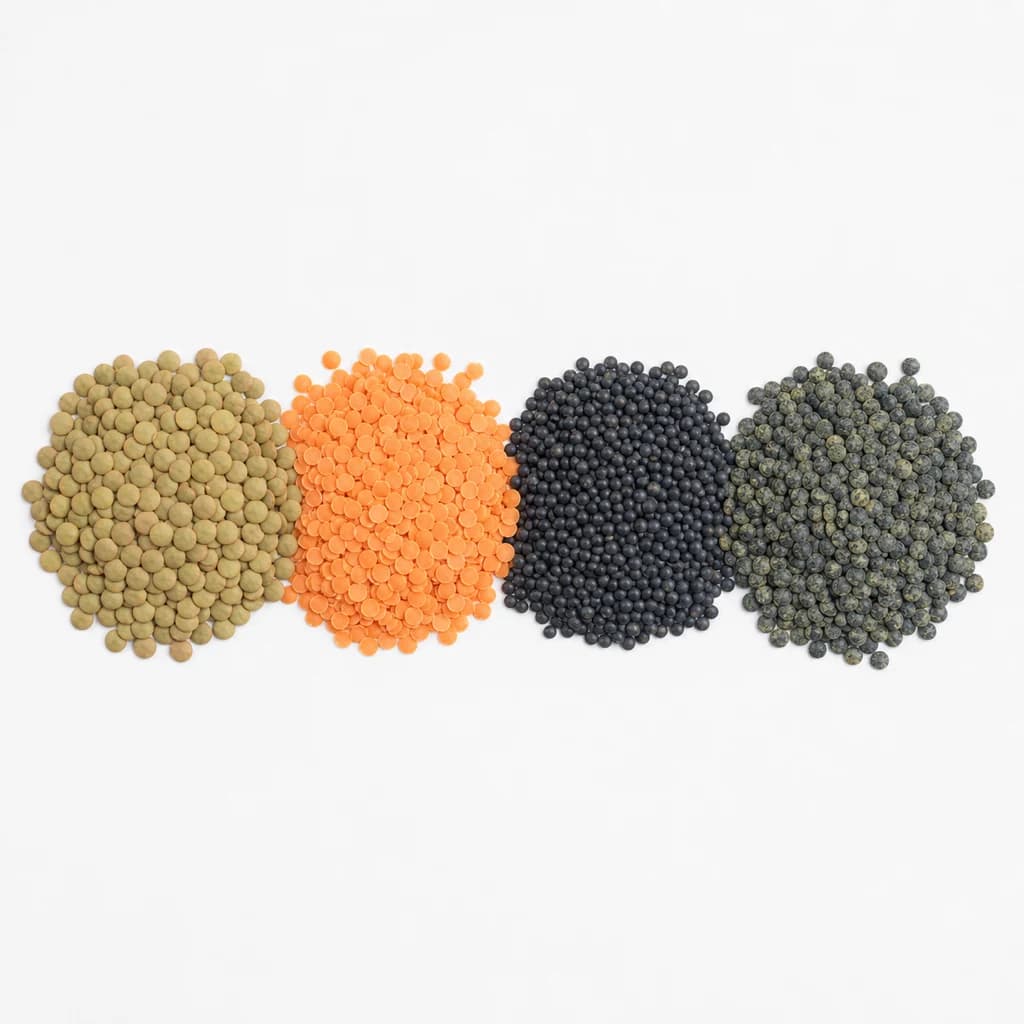
Lentils
Quick-cooking pulses for soups, dals, and hearty salads

White Beans
Creamy, mild beans for soups, stews, and silky purées
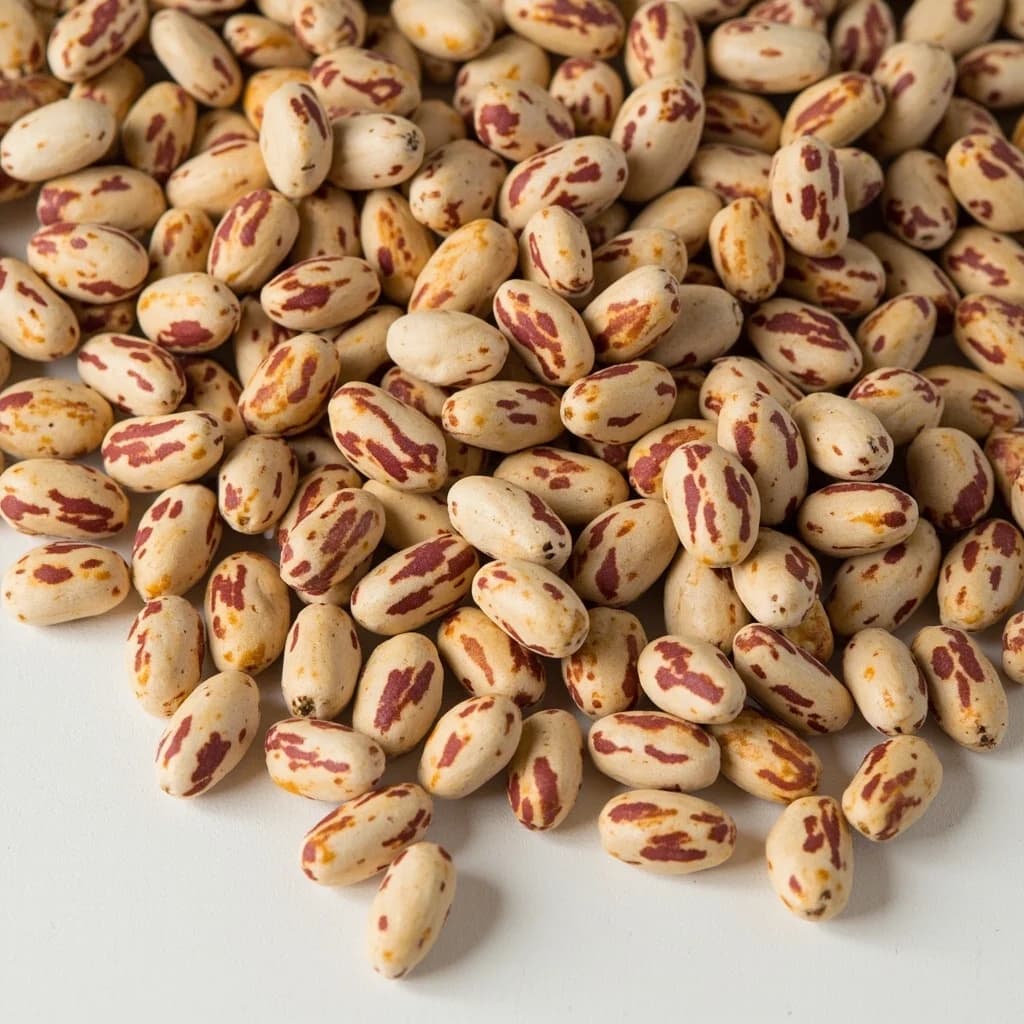
Pinto Beans
Creamy, speckled beans for refried beans and stews

Split Peas
Quick-cooking peas that melt into thick, comforting soups
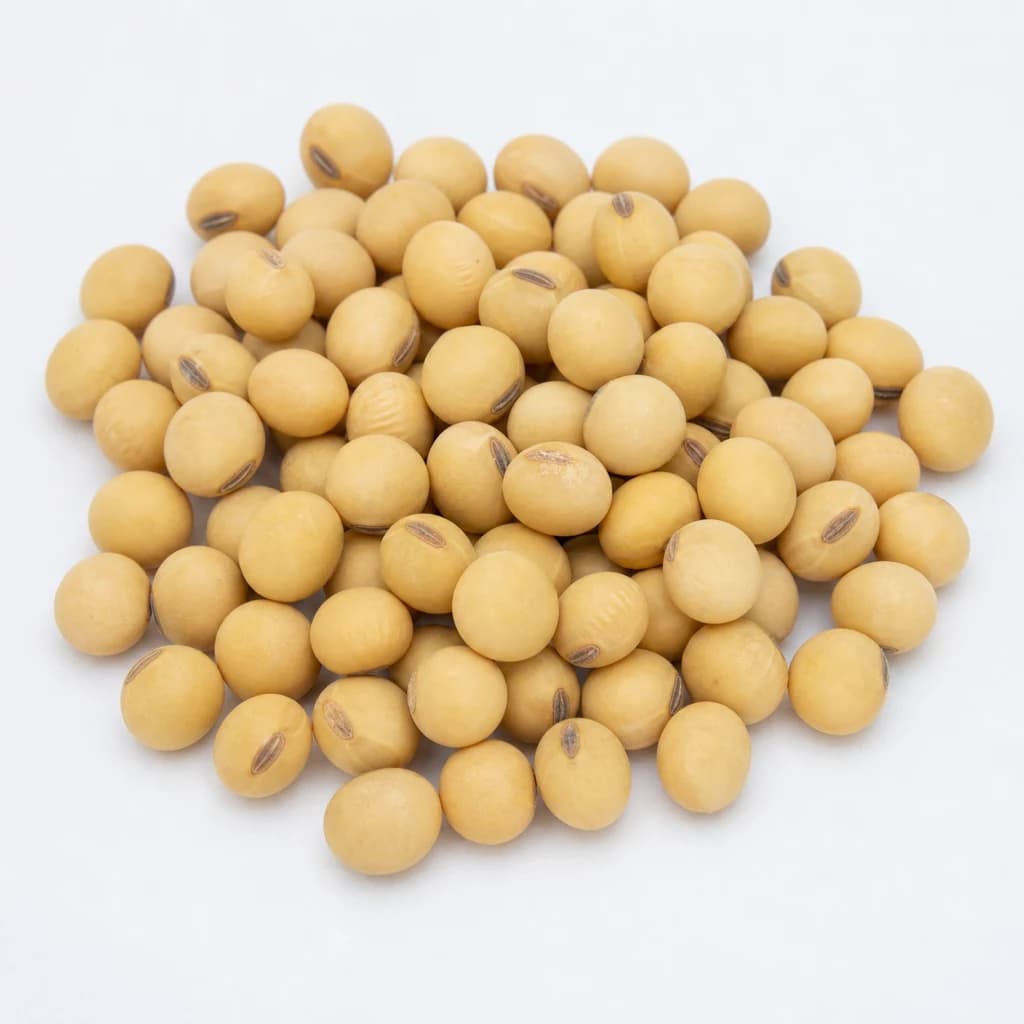
Soybeans
Protein-packed beans, the base for tofu and miso